First Step
Consultation
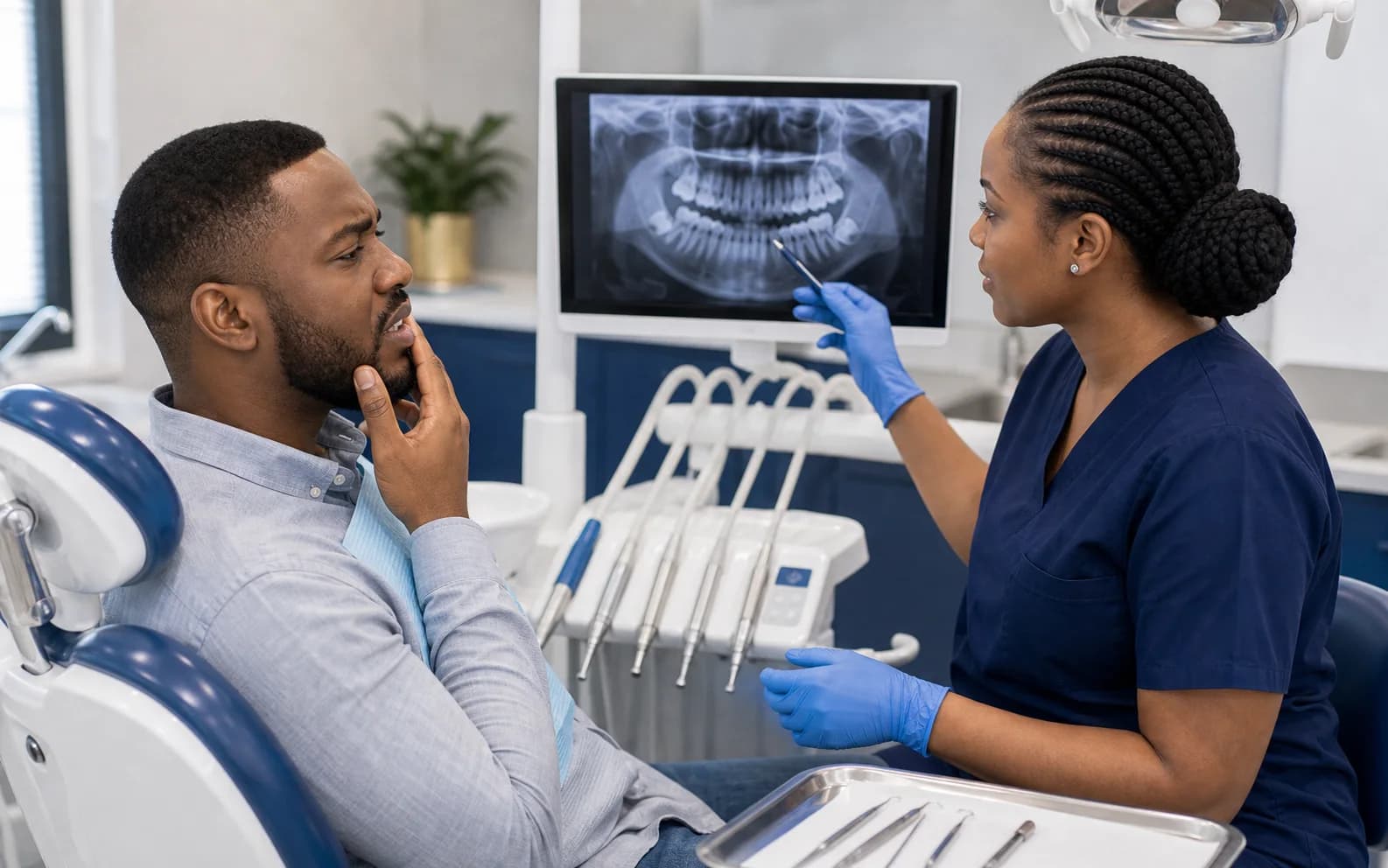
The dentist checks your concern and confirms whether this treatment is suitable before care begins.
General Dentistry
Book Dental Consultation with Smile On Dental. Start with an assessment, understand your options, and get clear next steps before treatment begins.

Quick Summary
First Step
The dentist checks your concern and confirms whether this treatment is suitable before care begins.
Best For
Suitability depends on oral health, symptoms, goals, and clinical findings.
Planning
Timing, visits, cost factors, and aftercare are explained after the assessment.
Branch Access
Use the location section to choose the branch that is easiest for you to attend consistently.
Overview
Treatment Introduction
A dental consultation gives your dentist the chance to understand your concern, examine your oral health, and explain suitable next steps before treatment begins.
Decision Support
Smile On Dental uses the visit to understand your symptoms, goals, oral health, and expectations before recommending a suitable treatment plan.
Visual Guide


Treatment Guide
A dental consultation gives you a clear starting point before deciding on treatment or comparing options.
Many people book because something hurts, a tooth has broken, gums are bleeding, or they want to improve their smile. Others are planning a first dentist visit after moving, changing practices, or leaving a long gap since their last assessment. A consultation helps identify what is urgent, what can be monitored, and what options are available.
The visit is also a chance to discuss your goals and concerns before treatment begins. Whether you are anxious, cost-conscious, planning cosmetic work, or trying to understand several dental problems at once, the consultation creates a diagnosis-first path forward. It gives the dentist context for recommending care that fits your mouth, priorities, and timing.
Useful for

The more context you bring, the easier it is to build an accurate picture of your oral health.
Before your first visit or problem-focused appointment, make a note of symptoms, when they started, what makes them better or worse, and any previous treatment on the area. If you have dental records or recent X-rays from another practice, those may also be useful.
You should also mention medical conditions, medications, allergies, pregnancy, or previous reactions to dental treatment. This information helps the dentist plan safely and decide whether any precautions are needed before treatment. Even details that seem unrelated can matter when anaesthetic, infection control, bleeding risk, or healing may be involved.
Bring or mention
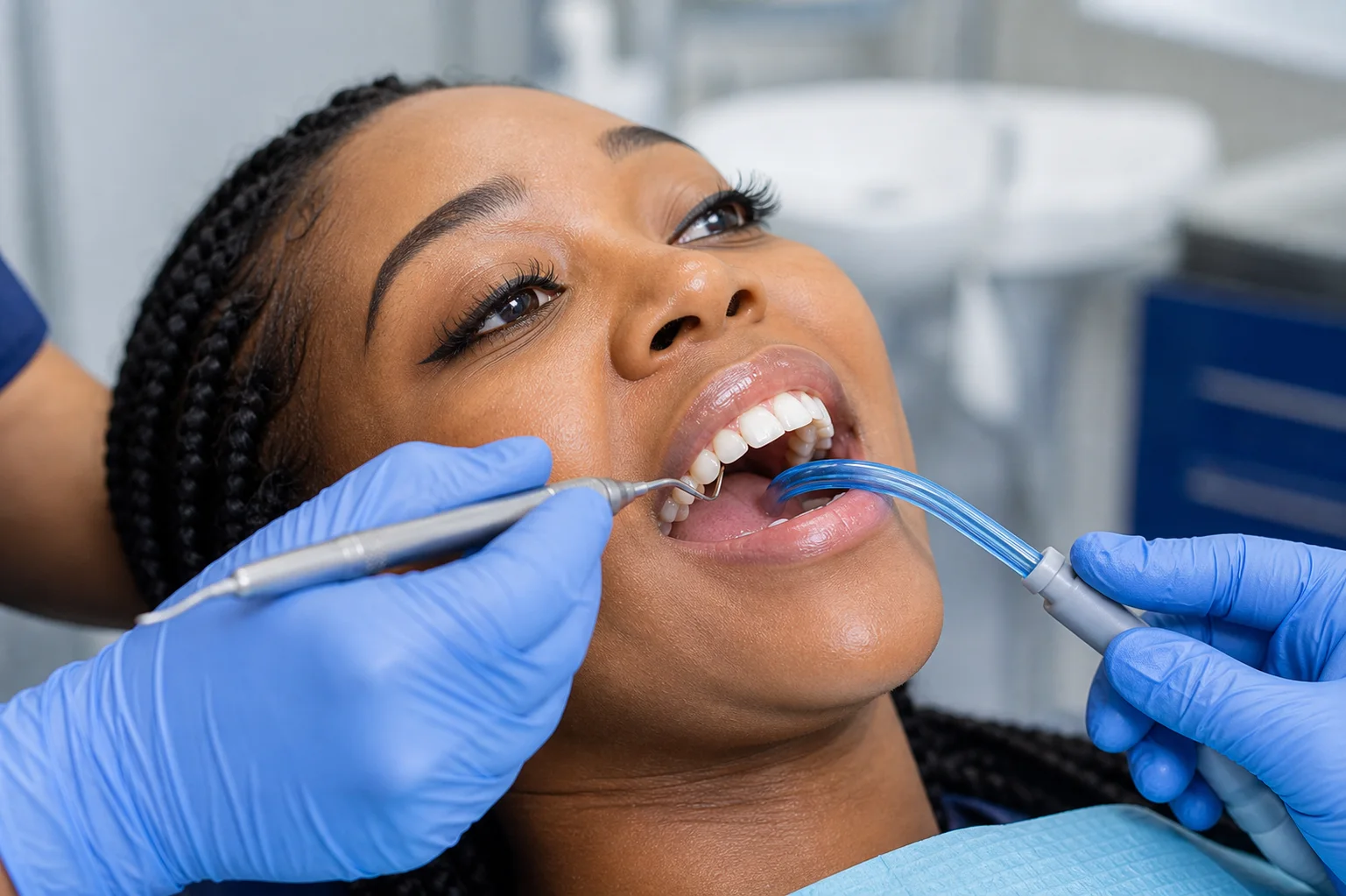
A consultation looks at teeth, gums, bite, soft tissues, and the specific concern that brought you in before treatment is recommended.
The dentist may check for cavities, cracks, worn fillings, gum inflammation, tooth mobility, signs of grinding, and problems around wisdom teeth or existing restorations. The soft tissues of the mouth are also examined as part of a complete assessment.
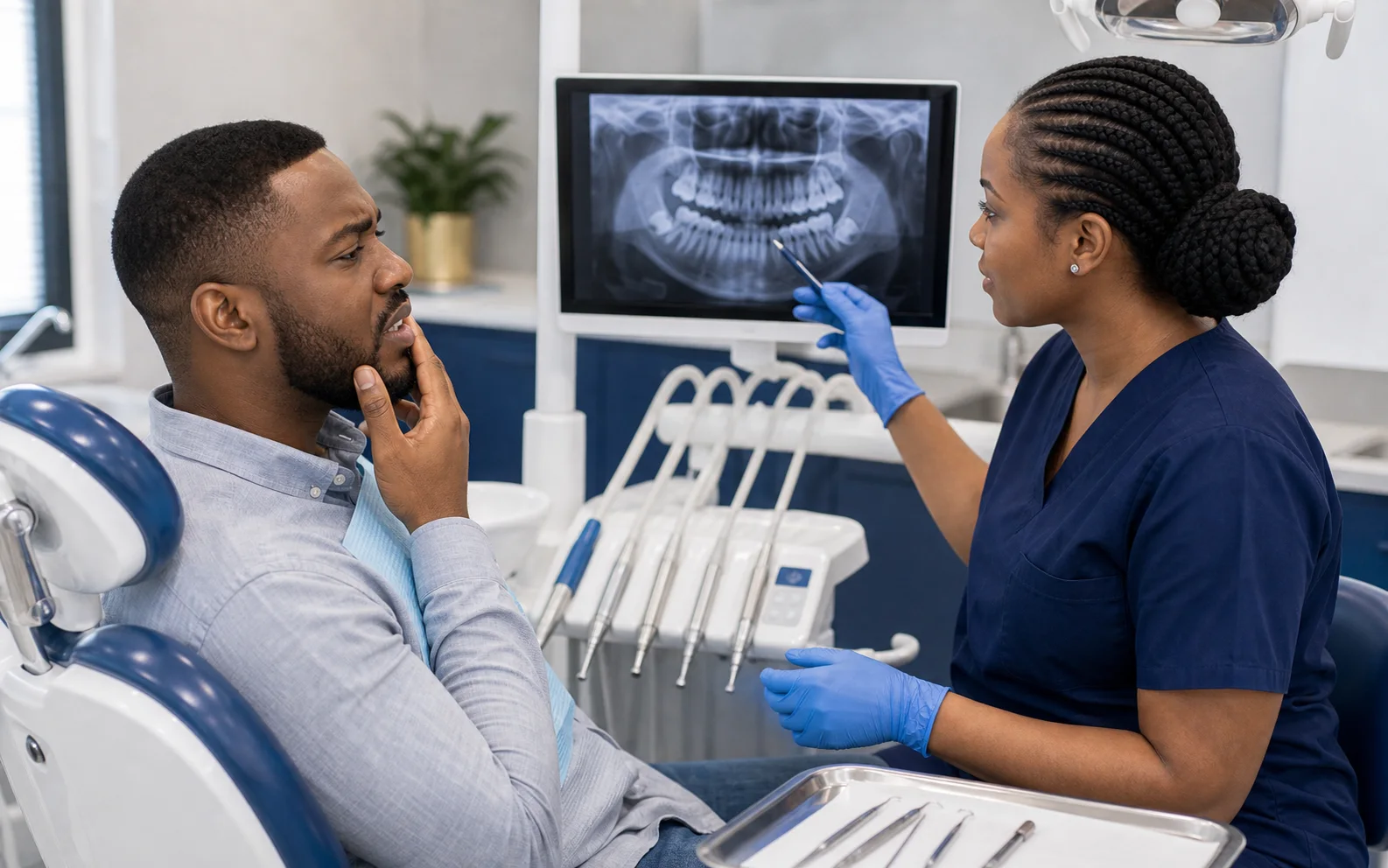
If the issue is pain, the dentist may test the tooth, check the bite, or recommend X-rays to see what cannot be seen directly. This helps separate tooth decay, gum infection, bite trauma, sinus-related symptoms, and other possible causes. A clear diagnosis is especially important when pain feels vague, moves between teeth, or has not settled with home care.
Assessment areas
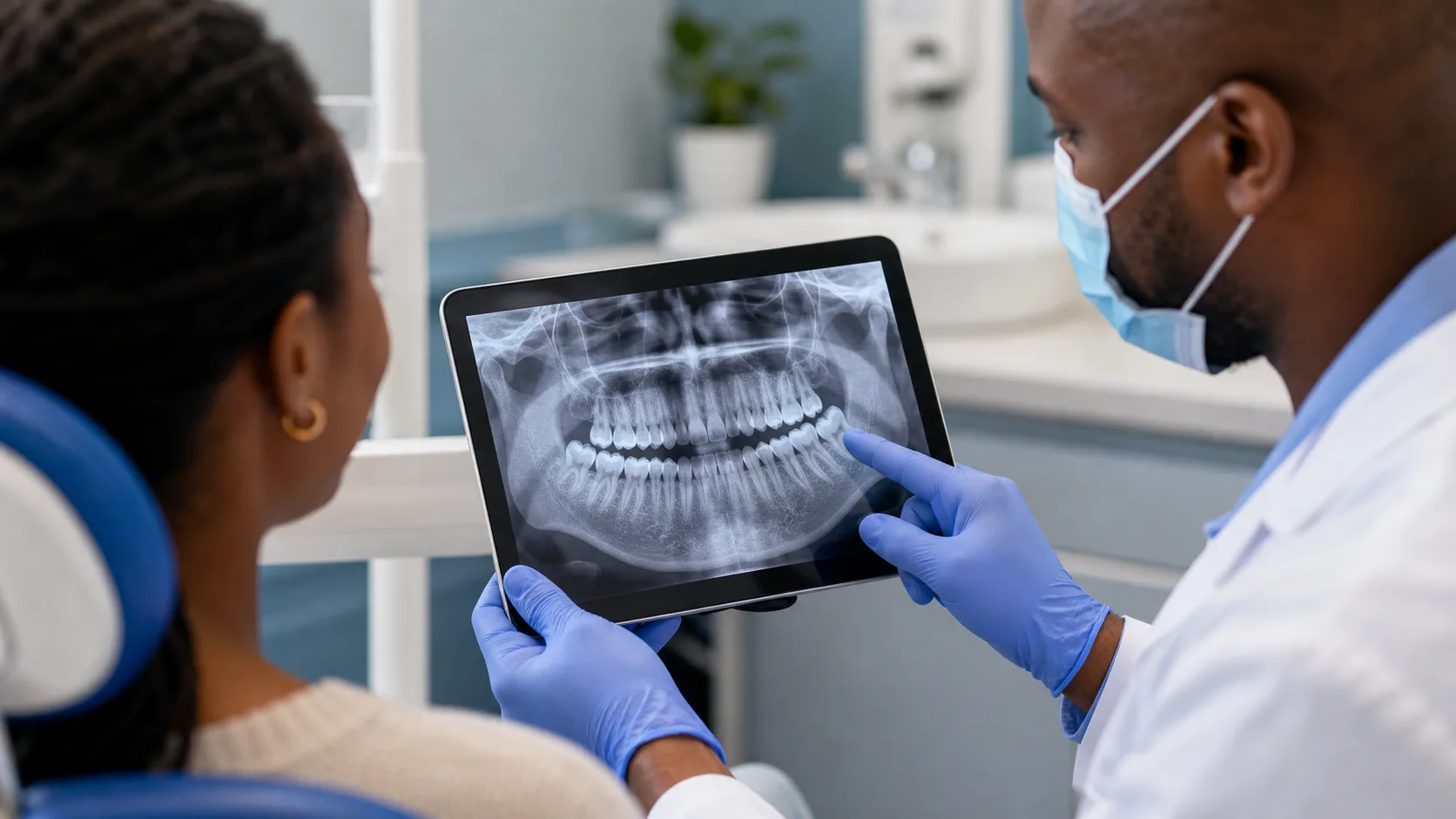
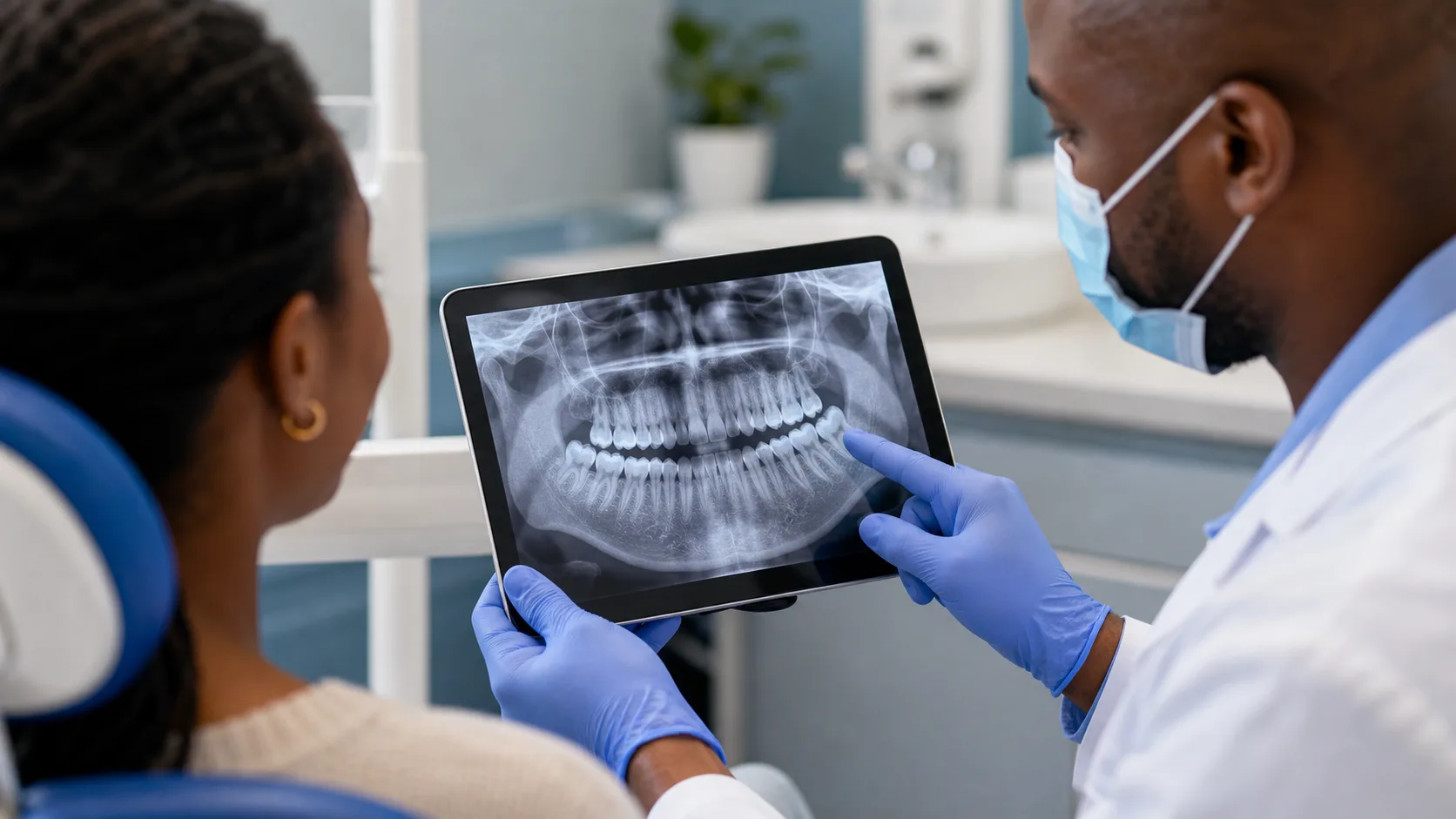
X-rays may be recommended when the dentist needs information that a visual exam cannot provide.
Digital dental X-rays can help identify decay between teeth, infection around roots, bone levels, impacted teeth, and the condition of existing fillings or crowns. They are not automatically needed for every concern, but they can be important when a visual check cannot explain the symptoms.
The dentist will decide which images are relevant for the problem. A focused X-ray may be enough for a single sore tooth, while broader planning may require additional views depending on the treatment being considered. Previous images may also be useful for comparison if they are available and recent enough to help.
X-rays may show

A good consultation should turn uncertainty into a practical treatment plan with priorities, options, and next steps.
Once the dentist has assessed your mouth, they can explain the findings and outline suitable options. This may include preventive care, fillings, gum treatment, root canal treatment, extraction, cosmetic dentistry, orthodontics, or referral where needed.
Treatment planning should consider urgency, oral health priorities, comfort, function, appearance, and cost factors. Some plans can be completed in stages, especially when several issues need attention and the most urgent problems must be treated first. This staged approach can make care easier to understand and more manageable before committing to treatment.
Plan may cover
Consultation-related costs depend on what is needed to diagnose the concern properly.
Factors can include whether the appointment is a routine exam, first dentist visit, or problem-focused assessment, whether X-rays are required, whether emergency care is needed, and whether additional tests or immediate treatment are provided at the same visit.
A consultation is not the same as a full treatment quote for every possible procedure. It is the point where the dentist gathers information, identifies priorities, and explains the likely next steps before treatment begins. More detailed cost conversations can usually happen once the diagnosis and treatment options are clear.
May affect cost

Smile On Dental uses consultations to give patients a clear, realistic understanding of their oral health.
The team focuses on careful assessment, plain explanations, and treatment planning that fits the patient’s needs. Whether the concern is pain, prevention, function, appearance, or the cost of future care, the aim is to help you make informed decisions without pressure.
The takeaway is that a consultation is often the most valuable first step. It helps you understand what is happening, what matters most, and which treatments are appropriate for your mouth. It also gives you a chance to ask direct questions before committing to a procedure. For patients comparing options or booking a first dentist visit, that clarity can make the next decision feel less rushed and more grounded in the actual diagnosis.
What to expect
Who It Helps
Treatment Journey
Usually a single assessment visit, with treatment planned afterwards if needed.
You may come in with pain, a broken tooth, a cosmetic concern, a routine check-up need, or uncertainty about which treatment is right for you.
The dentist will ask when it started, what makes it better or worse, whether there is pain or sensitivity, and what you want the visit to help you solve.
What this first step covers
Before treatment starts, the dentist confirms what is actually going on.
The dentist listens to your main concern, reviews relevant medical history, checks the teeth and gums, and may recommend X-rays when the problem cannot be confirmed by looking alone.
The dentist may then explain options such as Same-day advice or preventive care, A treatment plan for fillings, cleaning, whitening, orthodontics, or restorative care, Referral or staged planning for complex cases, depending on what the examination shows.
What may be checked
Some treatments are completed in one appointment, while others need a separate visit.
The consultation is used to connect your symptoms and goals with what the dentist can see clinically. If a simple treatment is suitable and time allows, it may be started; otherwise you leave with a clear next step.
A second visit is common when treatment needs a longer appointment, X-ray review, lab work, or time to compare options properly.
What you should know before leaving
The journey should end with you knowing how to protect the result.
Follow-up depends on what is found. Some patients book cleaning, some return for treatment, and others start a longer cosmetic, orthodontic, or restorative plan.
You receive practical guidance on what to do before the next visit, including pain management, cleaning advice, or what to avoid if a tooth is vulnerable.
Your home-care plan
Benefits
Suitability
General Dentistry
General dental concerns can have more than one cause. The safest first step is an assessment so the dentist can explain what is happening before treatment is chosen.
Suitability
The dentist considers symptoms, oral health, bite, medical history, expectations, and maintenance before recommending dental consultation.
Costs
Cost discussions are most useful after diagnosis because materials, complexity, visit count, and follow-up needs vary from patient to patient.
Appointment
Your dentist reviews your concern, oral health, and treatment goals before recommending next steps.
The team explains the likely process, timing, and care options in straightforward language.
Your treatment plan is shaped around comfort, function, appearance, and long-term oral health.
Costs & Aftercare
Before You Book
Mention whether you are booking for consultation, pain, appearance, function, prevention, or a second opinion.
At the Visit
Ask about diagnosis, options, number of visits, comfort, maintenance, and what could happen if treatment is delayed.
Aftercare
Your dentist will explain home care, review visits, and any symptoms that should be reported after treatment.
FAQs
The best starting point is a consultation. Your dentist will assess your teeth, gums, bite, symptoms, concerns, and smile goals before recommending a personalised treatment plan.
Yes. Use the Book an Appointment button to open the booking site and choose a convenient appointment time. You can also request a callback if you would prefer the practice team to contact you first.
Yes. You can request a callback if you prefer the practice team to contact you before booking. This can be helpful when you are unsure whether you need a routine visit, cosmetic consultation, orthodontic assessment, or urgent support.
Yes. Costs depend on the diagnosis, treatment complexity, materials, and number of visits required. Your dentist can explain the recommended next step before treatment begins.
Bring your identification, medical history, current medication details, previous dental information if available, and any questions you want to discuss with the dentist.
Book an assessment so the dentist can diagnose the cause before you choose a treatment. Pain or swelling may need urgent attention, X-rays, restorative care, or another clinical next step.
Related Treatments
Helpful Articles
 Dental CareI Have Not Been to a Dentist in Years and I Am Embarrassed. What Will Happen at My First Appointment?10 min read
 Dental CareWhy Does My Dentist Need an X-Ray When the Problem Is Visible in My Mouth?9 min read
 Dental CareAre Dental X-Rays Safe, and How Does a Dentist Decide When They Are Necessary?9 min read
Locations
City Treatment Pages
Clinical Leadership

Dr. Kholofelo Machaba-Selatole leads Smile On Dental & Aesthetic Studio with a warm, patient-focused approach to family, restorative, cosmetic, and orthodontic care.
60+ five-star patient reviews across Pretoria and Polokwane.
"Customer care is superb, very friendly front desk staff. I'm happy to have gained my confidence back."

Polokwane
"From reception right into the doctor's consultation room it was all smiley faces that welcomed us."

Polokwane
"The best dental service I have seen in Pretoria, cannot wait for my next appointment."

Pretoria
"Customer care is superb, very friendly front desk staff. I'm happy to have gained my confidence back."
Polokwane
"From reception right into the doctor's consultation room it was all smiley faces that welcomed us."
Polokwane
"The best dental service I have seen in Pretoria, cannot wait for my next appointment."
Pretoria
Book a Consultation