First Step
Consultation
The dentist checks your concern and confirms whether this treatment is suitable before care begins.
Restorative Dentistry
Book Broken Tooth Repair with Smile On Dental. Start with an assessment, understand your options, and get clear next steps before treatment begins.
Quick Summary
First Step
The dentist checks your concern and confirms whether this treatment is suitable before care begins.
Best For
Suitability depends on oral health, symptoms, goals, and clinical findings.
Planning
Timing, visits, cost factors, and aftercare are explained after the assessment.
Branch Access
Use the location section to choose the branch that is easiest for you to attend consistently.
Overview
Treatment Introduction
Broken tooth repair starts with checking how much tooth structure has been lost, whether the nerve is involved, whether the bite is affected, and whether the tooth can be restored with a filling, bonding, crown, root canal treatment, or another option.
Decision Support
Smile On Dental uses the visit to understand your symptoms, goals, oral health, and expectations before recommending a suitable treatment plan.
Visual Guide
Treatment Guide
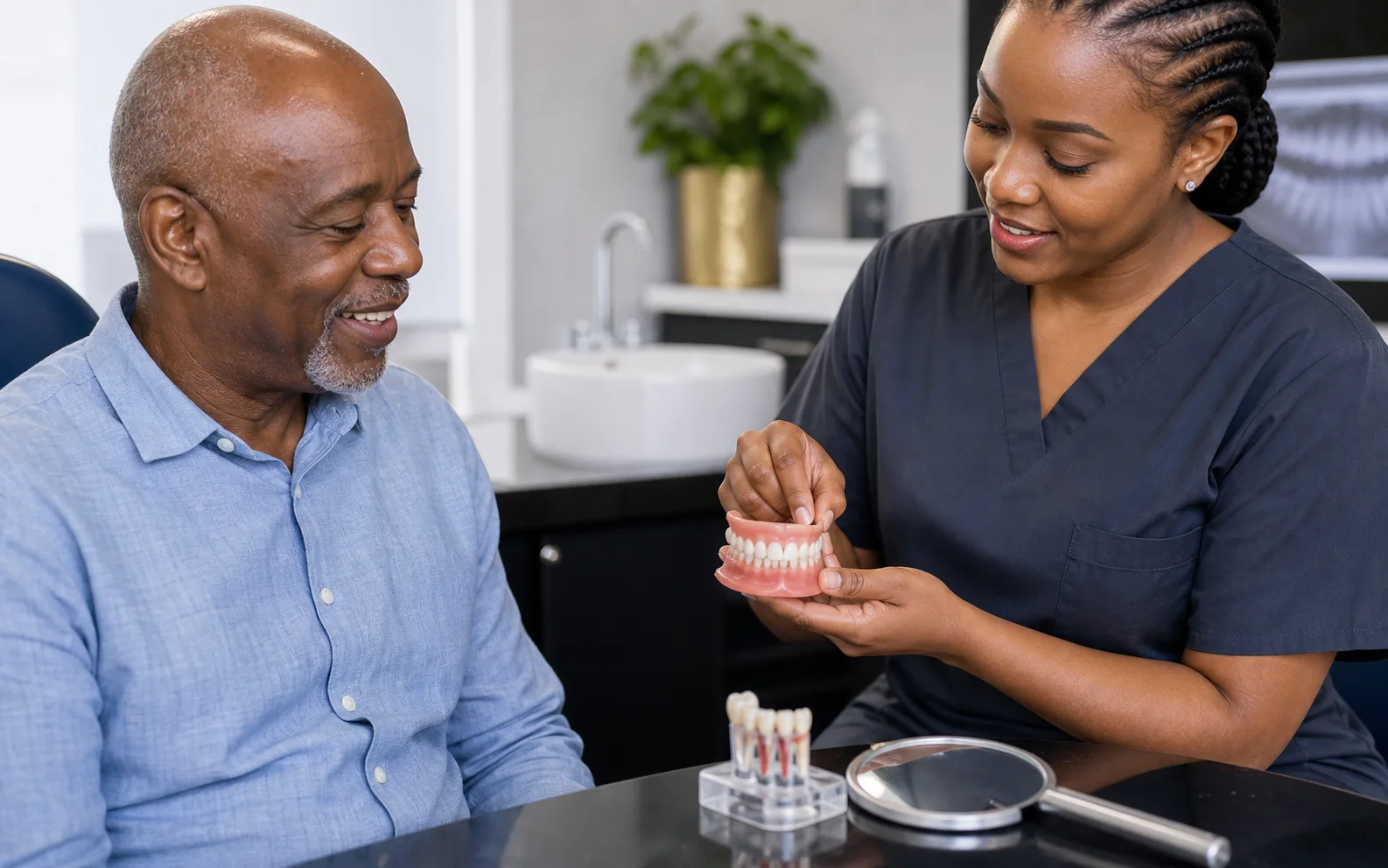
A broken tooth can be a small chip, a cracked cusp, a lost filling, or a deeper fracture that changes the treatment plan.
The first step is understanding what broke and why. A tooth may chip from biting something hard, decay under an old filling, grinding pressure, trauma, a large cavity, or a crack that has been developing for some time. The visible piece of tooth is only part of the story because the remaining structure, nerve, root, and bite all affect the repair.
Smile On Dental assesses whether the edge can be smoothed, whether bonding or a filling is enough, whether a crown is needed for strength, or whether root canal treatment or extraction should be discussed. This diagnosis-first approach avoids placing a quick repair on a tooth that is too weak to hold it reliably.
Common broken tooth signs
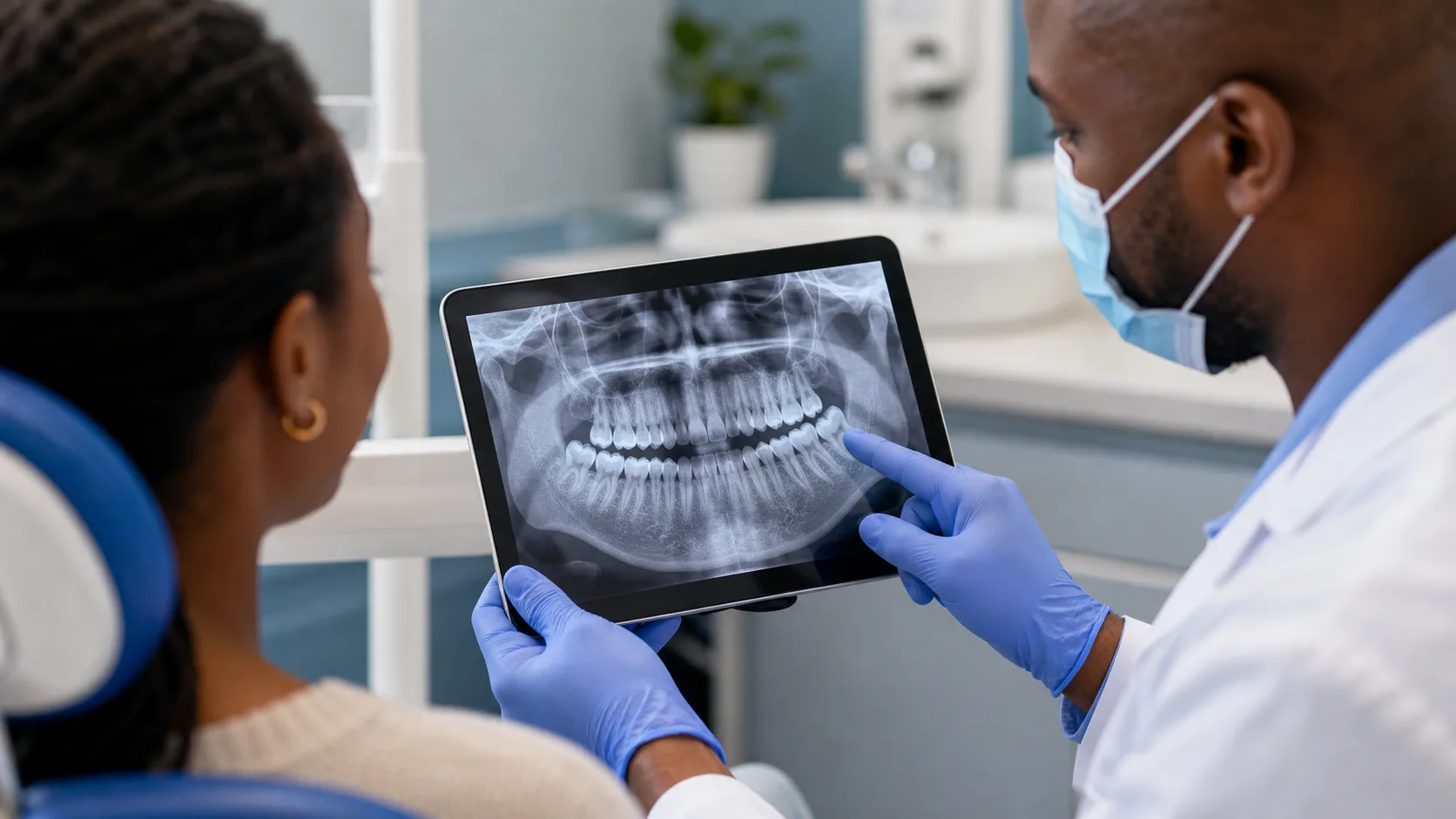
The dentist needs to check both the visible damage and the hidden parts of the tooth before choosing a repair.
The examination may include checking the crack line, testing the bite, looking for decay, checking gum health around the tooth, and assessing whether the tooth reacts normally to temperature or pressure. If the break is near an old filling or crown, the dentist may need to check whether the restoration is leaking, loose, or allowing bacteria underneath.
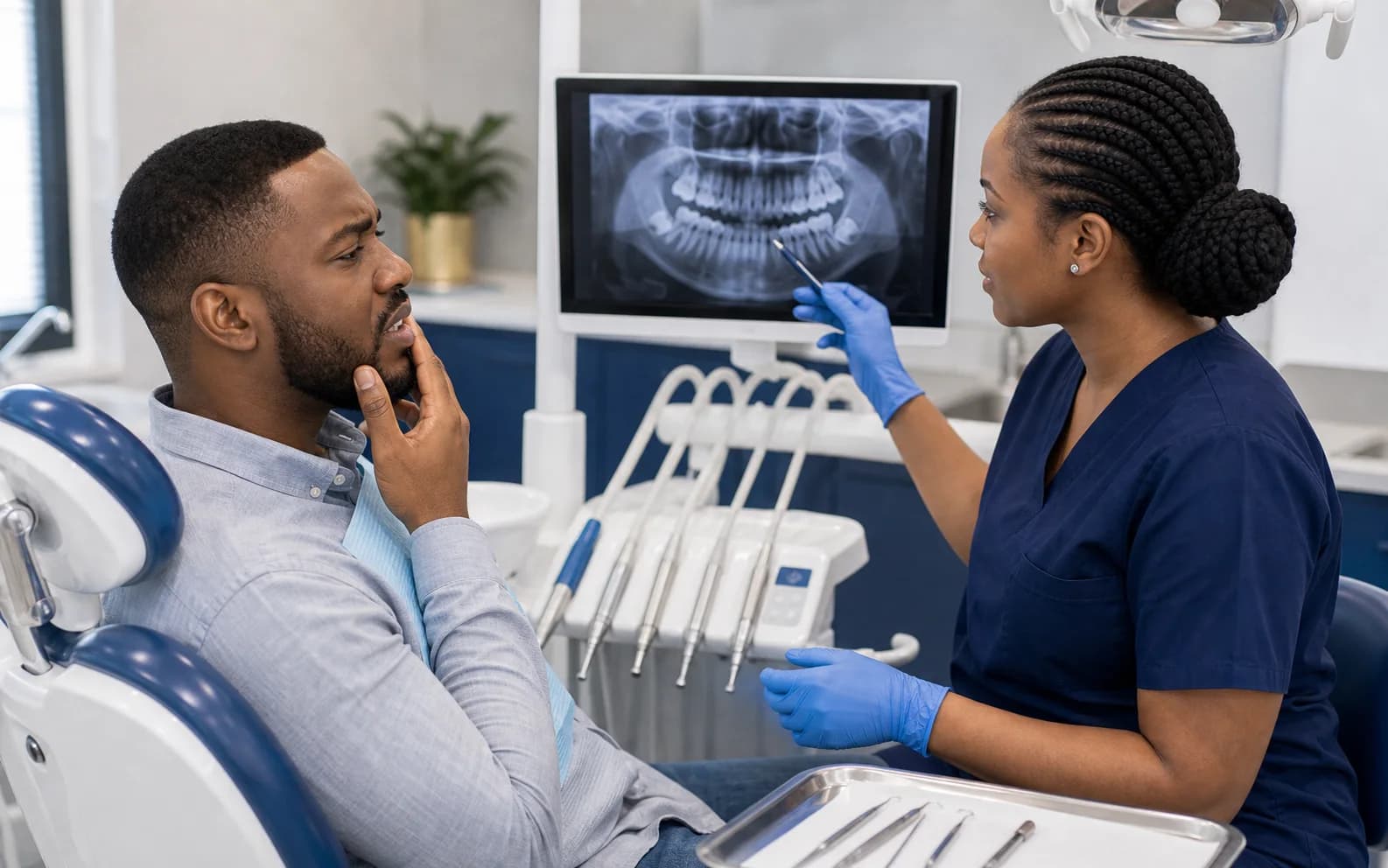
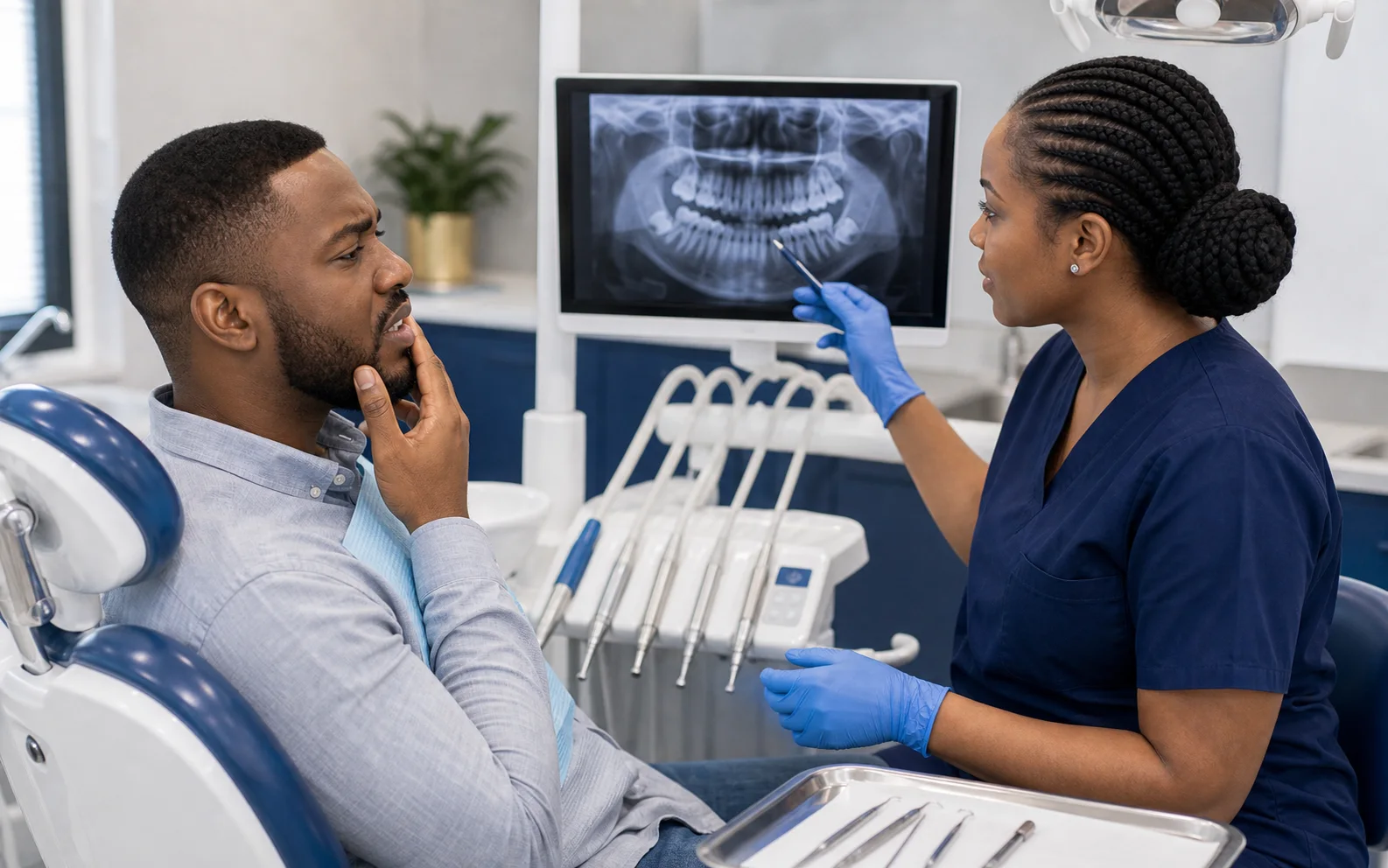
X-rays may be recommended when decay, nerve involvement, root changes, infection, or a fracture below the gumline is suspected. They do not show every crack, but they help the dentist understand whether a simple repair is appropriate or whether the tooth needs a stronger or staged plan.
What is checked
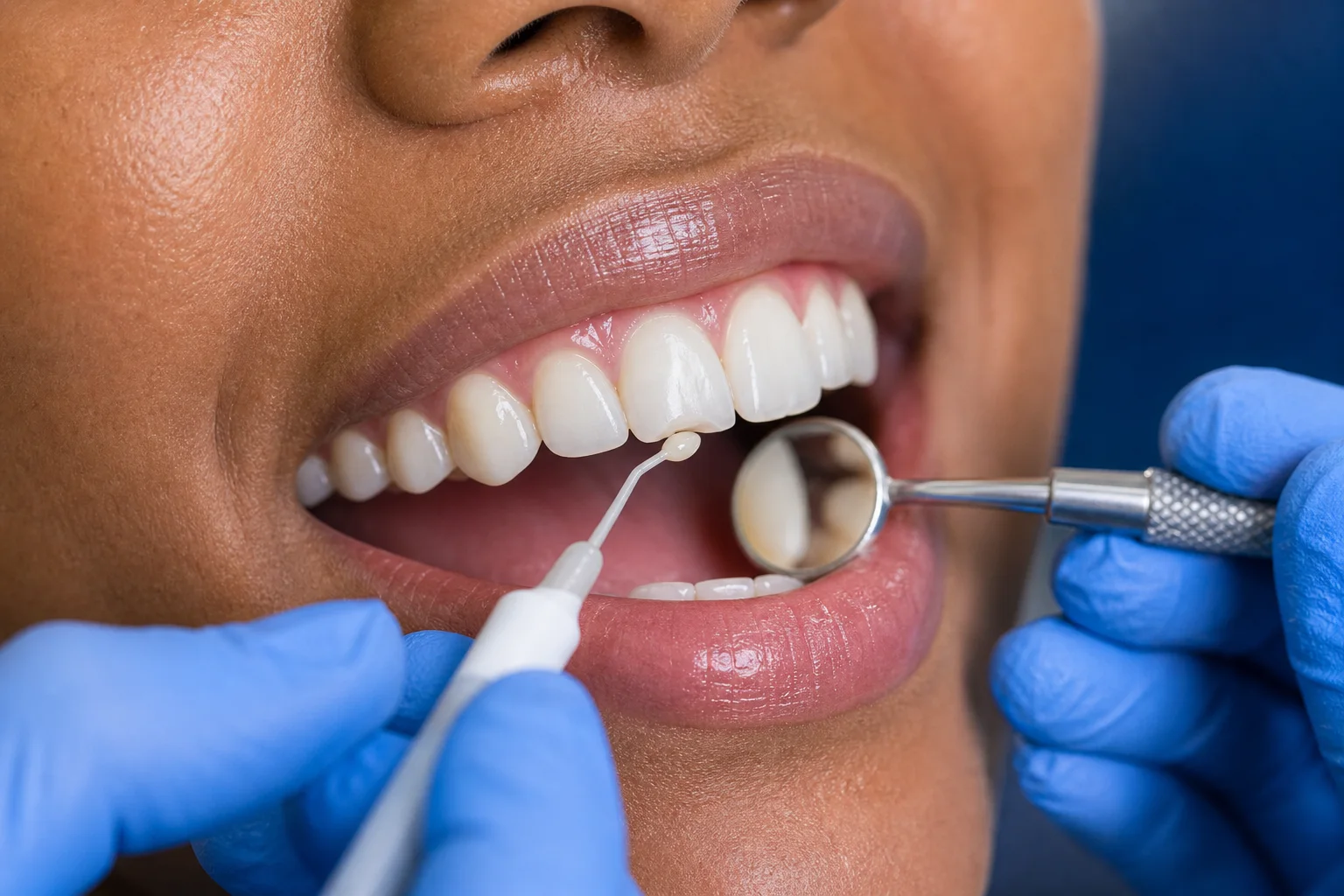
Smaller chips and fractures may be repaired directly when enough healthy tooth structure remains.
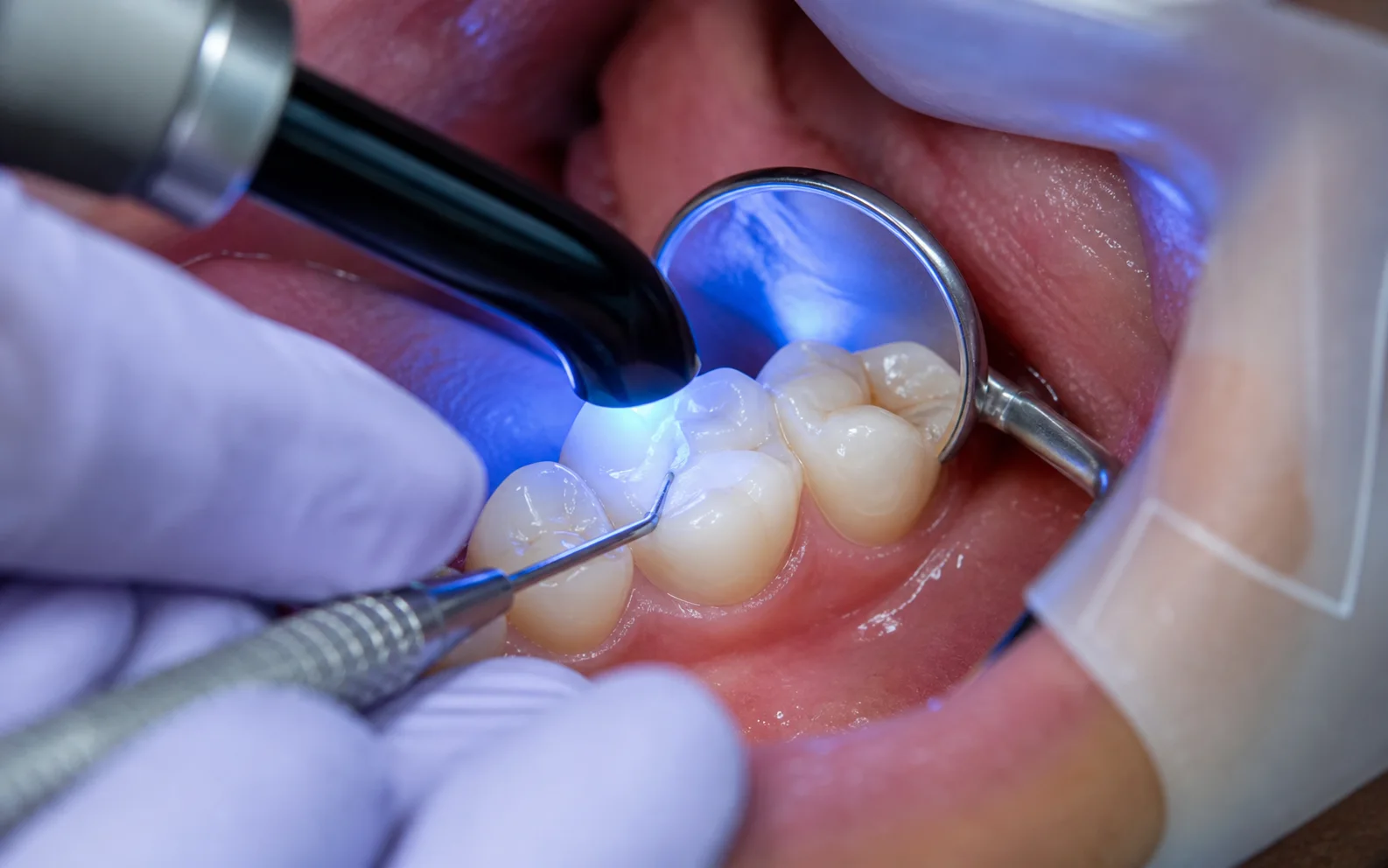
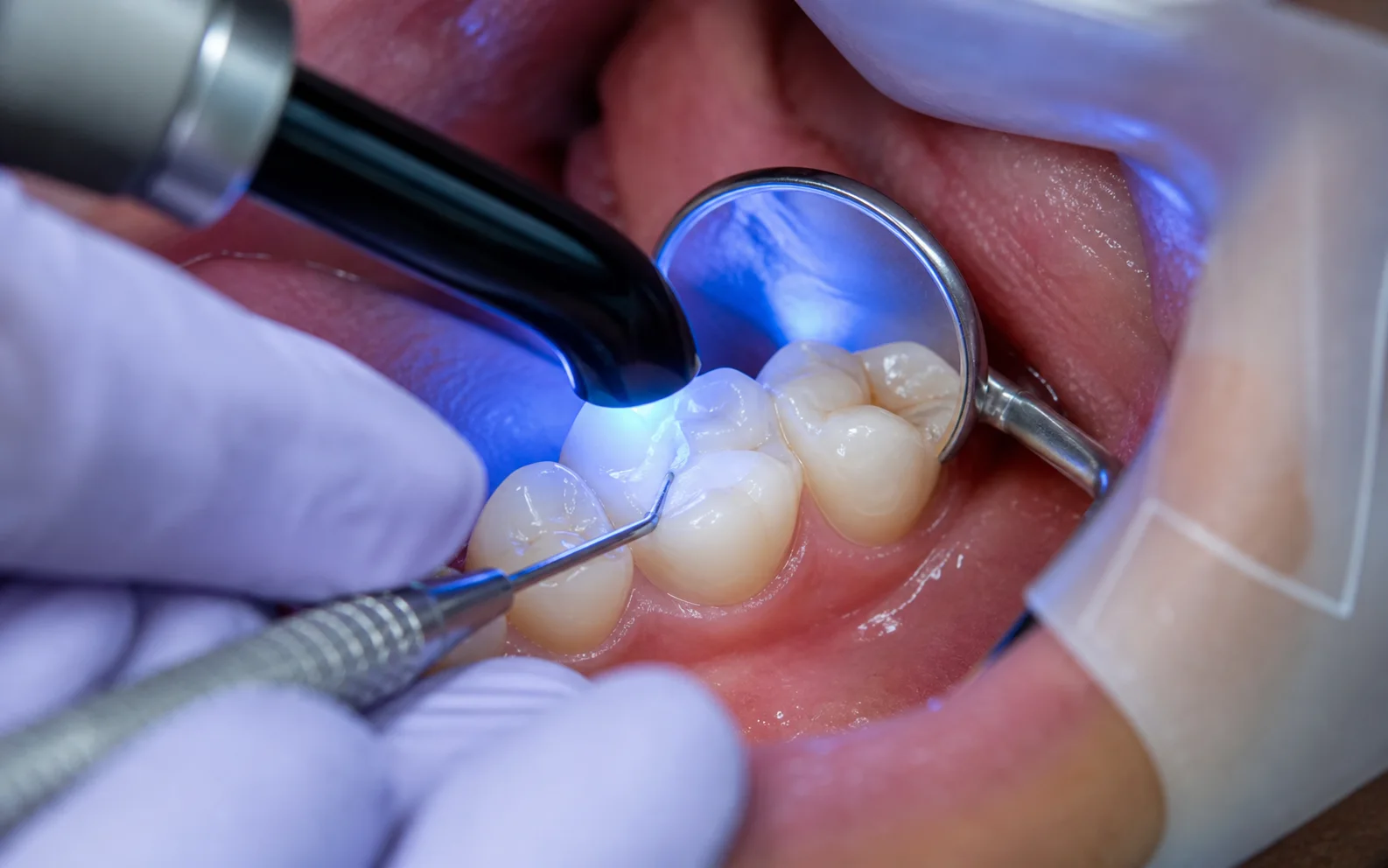
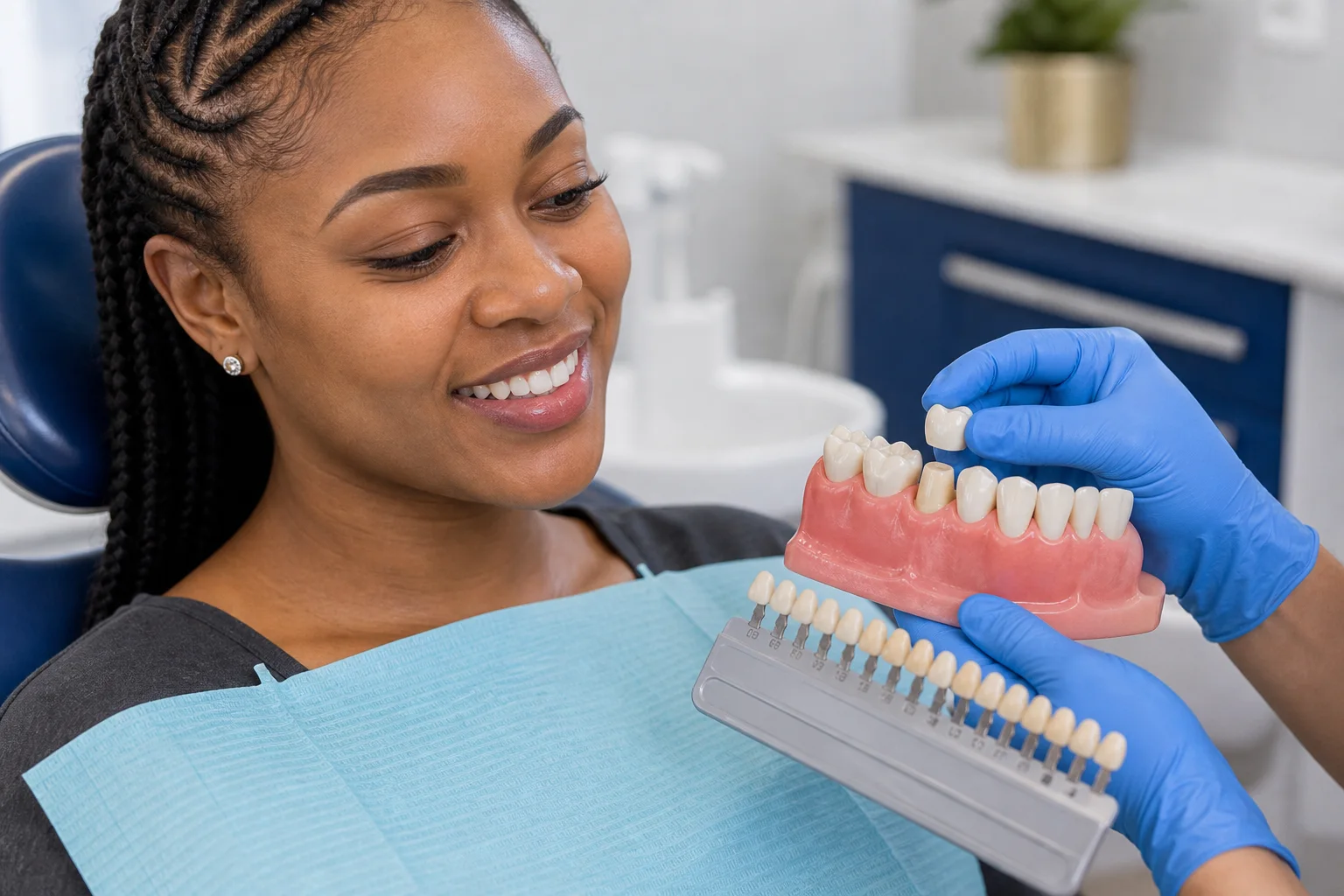
For suitable front-tooth chips or small broken edges, composite bonding may restore shape and appearance. For back teeth or cavities, a filling may rebuild the missing section and seal the tooth. The dentist shapes and polishes the restoration so it feels smoother and works with the bite.
Direct repairs are conservative, but they have limits. A small repair on a heavily loaded tooth may chip again if the bite is strong or if grinding is present. Your dentist should explain what the repair can realistically handle and whether protection such as a night guard or a stronger restoration should be considered.
May be suitable for
A larger break may need coverage and protection rather than a simple filling.
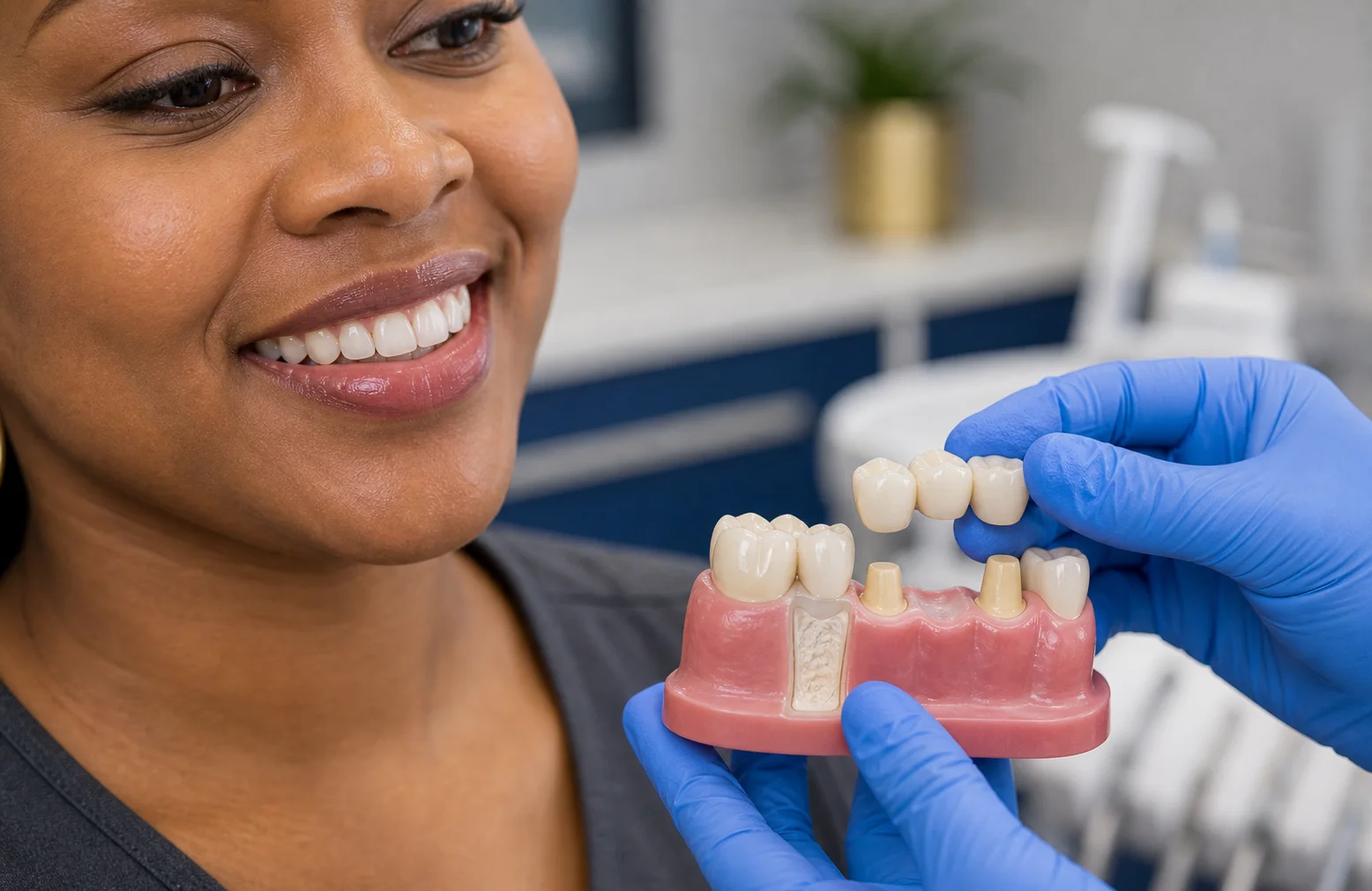
When a tooth has lost a large amount of structure, a crown may be recommended to help protect the remaining tooth from further fracture. This is common when old fillings are large, when a cusp has cracked, when the tooth has had root canal treatment, or when the bite places heavy pressure on the repaired area.
A crown discussion should include the condition of the tooth, gumline, bite, appearance needs, and whether the tooth is restorable. If decay or fracture extends too far below the gumline, a crown may not be predictable and other options may need to be discussed honestly.
Stronger support may be needed for
A broken tooth with pain, swelling, or lingering sensitivity may need urgent diagnosis before repair.
If the tooth aches, throbs, hurts when biting, reacts strongly to heat or cold, or has swelling nearby, the nerve may be inflamed or infected. In those cases, a filling or bonding alone may not solve the problem because the source of pain is deeper than the visible break.
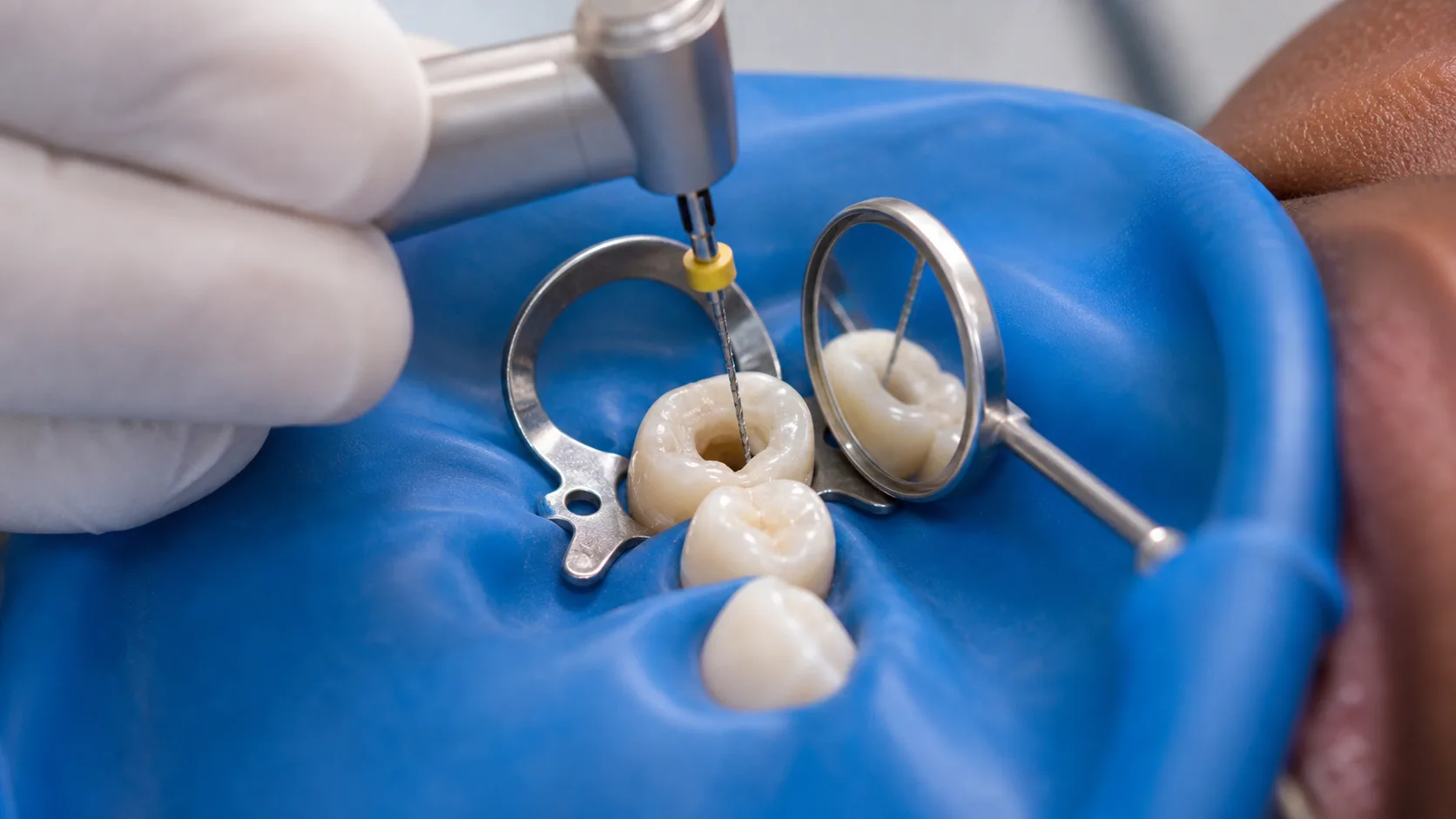
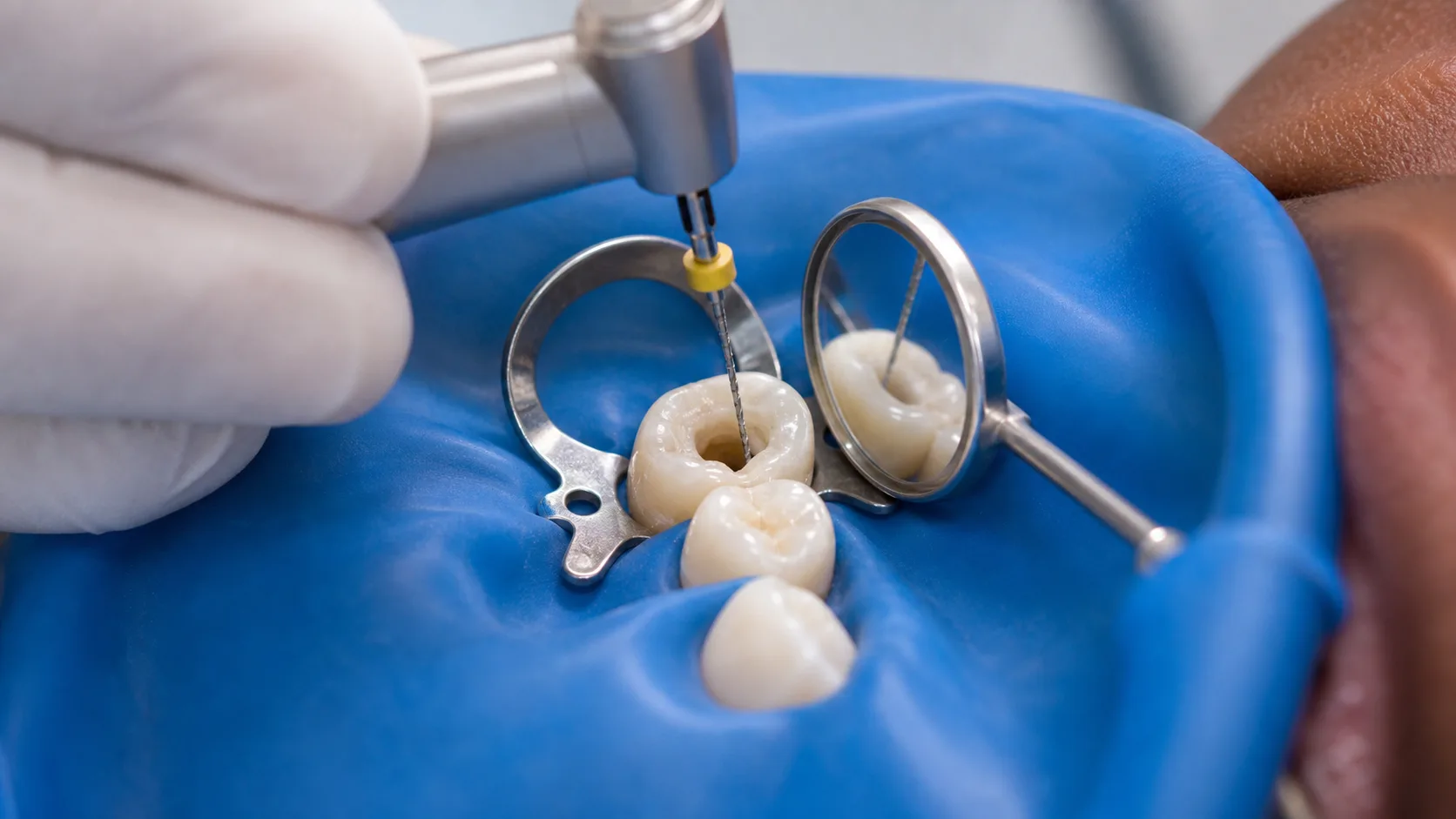
Depending on the diagnosis, the dentist may discuss root canal treatment, extraction planning, temporary stabilisation, pain relief guidance, or emergency dental care. The first priority is to understand whether the tooth can be saved and what must happen before the final restoration.
Book promptly for
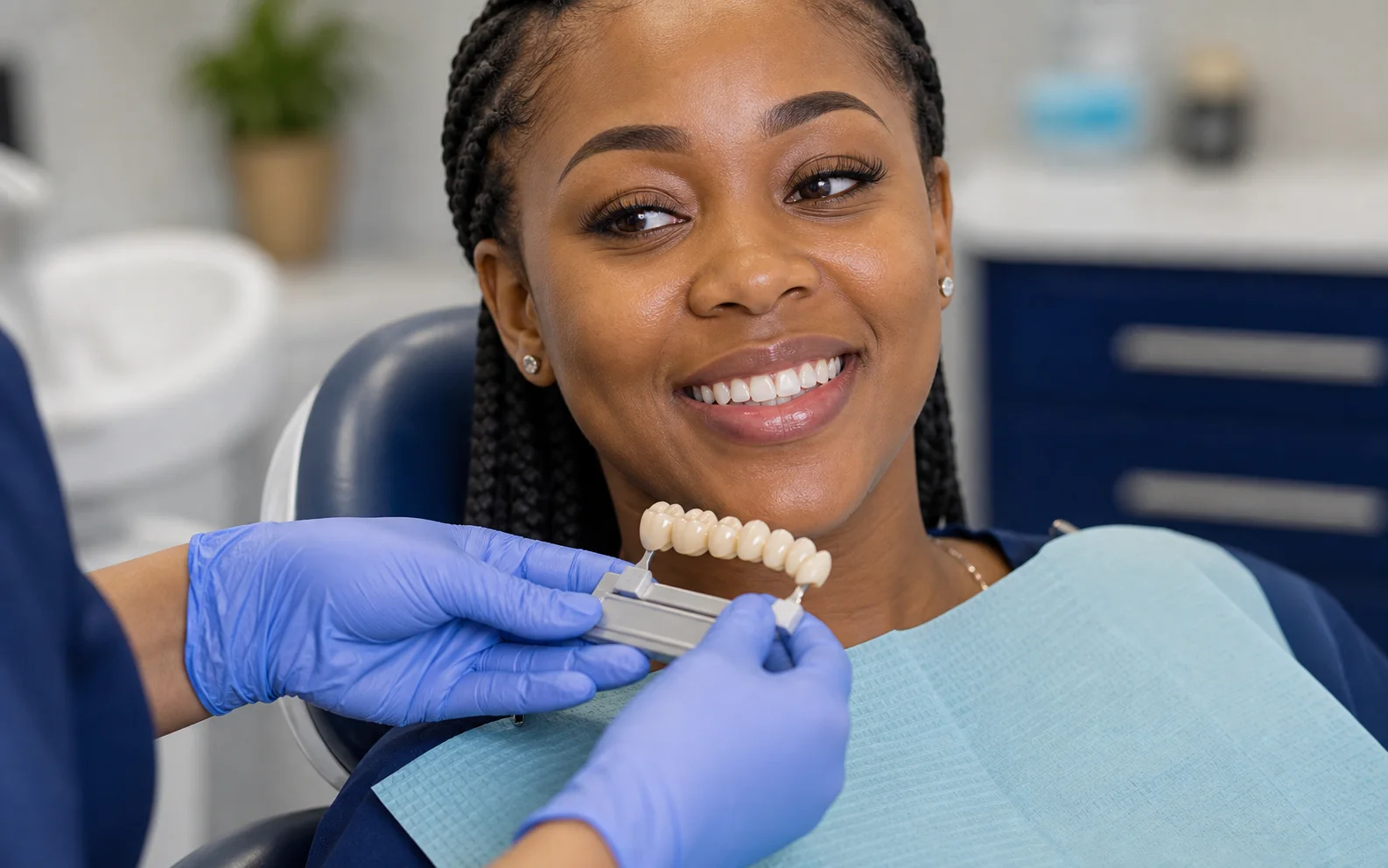
Broken tooth repair costs depend on the diagnosis, size of the break, materials, and whether staged treatment is needed.
A small chip repair is different from a filling, crown, root canal treatment, extraction, or replacement plan. Costs may also be affected by X-rays, old filling removal, emergency stabilisation, bite adjustment, lab work, and whether more than one visit is needed.
Smile On Dental can assess the tooth and explain the most practical repair pathway. The takeaway is to avoid waiting when a tooth breaks. Even when pain is mild, the broken area can trap plaque, irritate the tongue or cheek, and become harder to repair if more tooth structure is lost.
Takeaway
Who It Helps
Treatment Journey
May be same-day repair or staged restorative planning depending on the break.
You may come in because a tooth chipped, cracked, fractured, lost a filling, feels sharp, traps food, hurts when biting, or broke after chewing something hard.
The dentist will ask when it started, what makes it better or worse, whether there is pain or sensitivity, and what you want the visit to help you solve.
What this first step covers
Before treatment starts, the dentist confirms what is actually going on.
The dentist checks how much tooth structure remains, whether the break reaches the nerve, whether decay or an old filling is involved, how the tooth meets the bite, and whether X-rays are needed.
The dentist may then explain options such as Smoothing, bonding, or a filling for smaller breaks, A crown or stronger restoration for weakened teeth, Root canal treatment or extraction planning if the nerve or root support is affected, depending on what the examination shows.
What may be checked
Some treatments are completed in one appointment, while others need a separate visit.
Treatment starts by stabilising the tooth and choosing a repair that matches the diagnosis. A small chip may be restored directly, while a larger fracture may need protection, staged treatment, or a temporary repair before the final restoration.
A second visit may be needed for crowns, root canal treatment, bite adjustment, review of symptoms, or when the first appointment is focused on urgent stabilisation.
What you should know before leaving
The journey should end with you knowing how to protect the result.
Follow-up depends on the repair. Deep cracks, large restorations, crown planning, root canal-related care, or symptoms after the first visit may need review before the tooth is considered stable.
You are advised to avoid hard chewing on the tooth, keep the area clean, report sharp edges or worsening pain, and return promptly if a temporary repair loosens or the bite feels high.
Your home-care plan
Benefits
Suitability
Restorative Dentistry
Restorative treatment depends on the amount of tooth structure, gum health, bite forces, materials, and whether the tooth can be predictably maintained.
Suitability
The dentist considers symptoms, oral health, bite, medical history, expectations, and maintenance before recommending broken tooth repair.
Costs
Cost discussions are most useful after diagnosis because materials, complexity, visit count, and follow-up needs vary from patient to patient.
Appointment
Your dentist reviews your concern, oral health, and treatment goals before recommending next steps.
The team explains the likely process, timing, and care options in straightforward language.
Your treatment plan is shaped around comfort, function, appearance, and long-term oral health.
Costs & Aftercare
Before You Book
Mention whether you are booking for broken tooth, pain, appearance, function, prevention, or a second opinion.
At the Visit
Ask about diagnosis, options, number of visits, comfort, maintenance, and what could happen if treatment is delayed.
Aftercare
Your dentist will explain home care, review visits, and any symptoms that should be reported after treatment.
FAQs
The best starting point is a consultation. Your dentist will assess your teeth, gums, bite, symptoms, concerns, and smile goals before recommending a personalised treatment plan.
Yes. Use the Book an Appointment button to open the booking site and choose a convenient appointment time. You can also request a callback if you would prefer the practice team to contact you first.
Yes. You can request a callback if you prefer the practice team to contact you before booking. This can be helpful when you are unsure whether you need a routine visit, cosmetic consultation, orthodontic assessment, or urgent support.
Yes. Costs depend on the diagnosis, treatment complexity, materials, and number of visits required. Your dentist can explain the recommended next step before treatment begins.
Bring your identification, medical history, current medication details, previous dental information if available, and any questions you want to discuss with the dentist.
Book an assessment so the dentist can diagnose the cause before you choose a treatment. Pain or swelling may need urgent attention, X-rays, restorative care, or another clinical next step.
Related Treatments
Helpful Articles
 Dental CareWhen Does Bleeding After a Mouth Injury Need Urgent Dental Care?11 min read
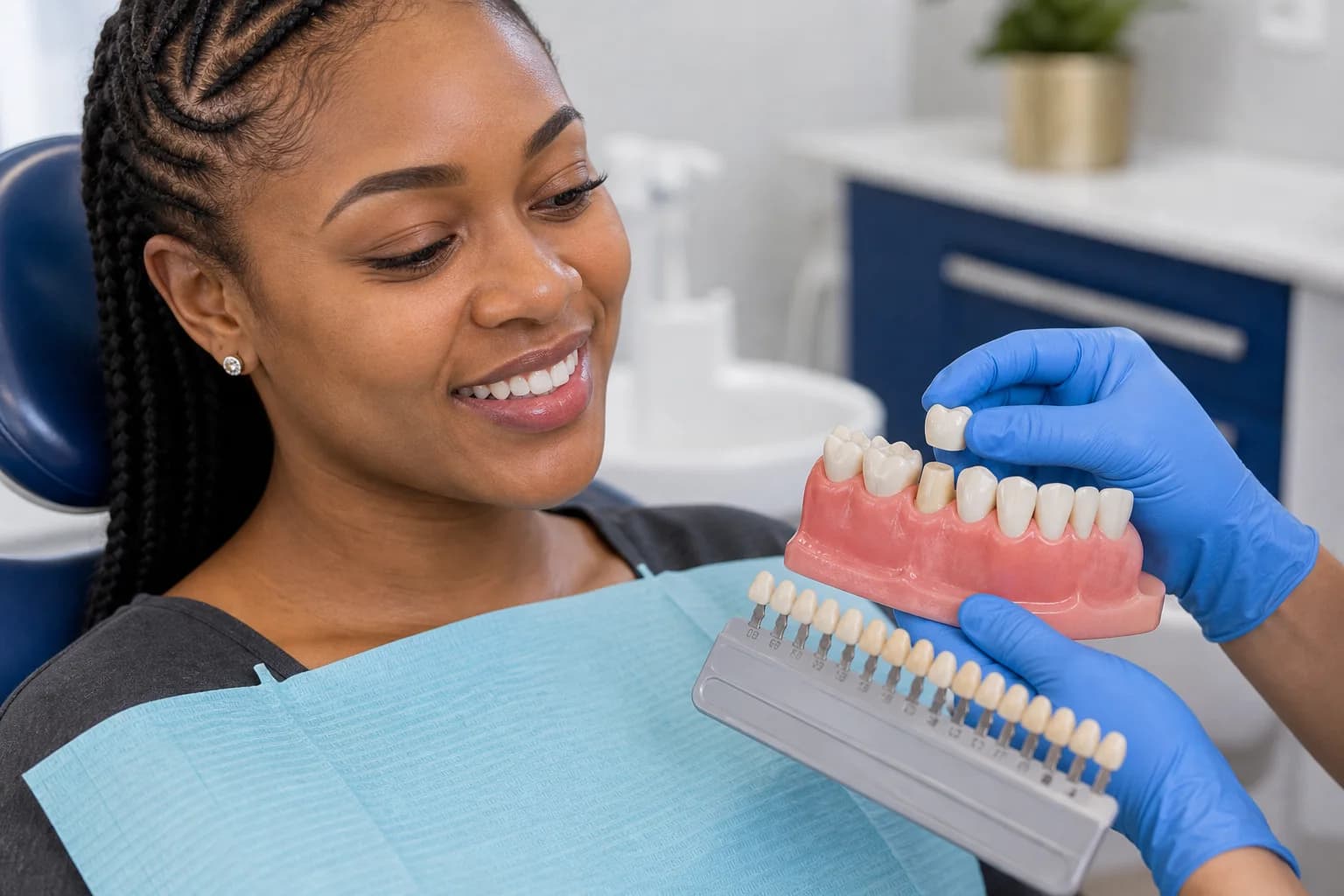 Restorative DentistryCan a Dental Crown Be Repaired, or Does a Damaged Crown Usually Need Replacement?10 min read
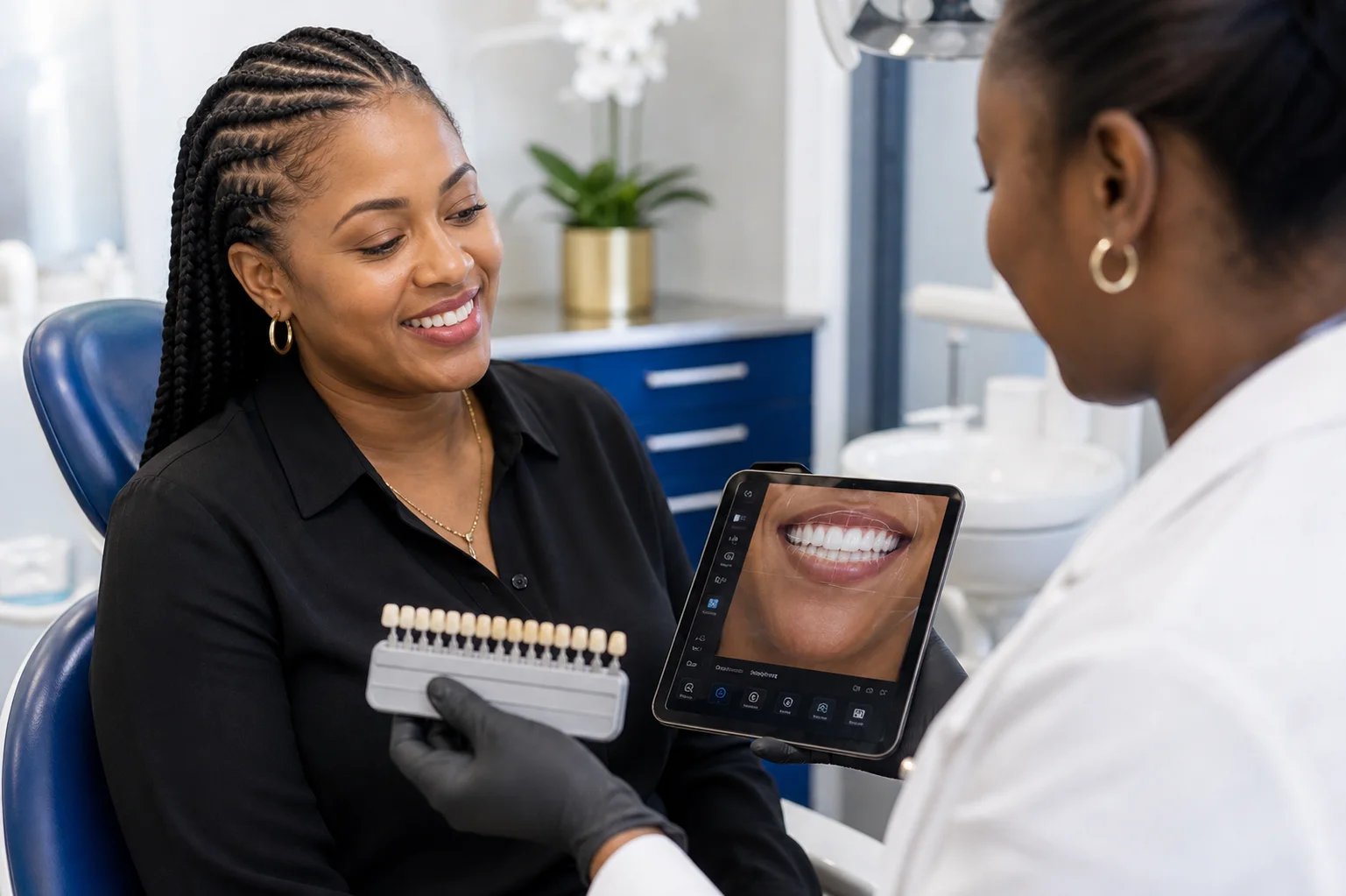 Restorative DentistryFilling, Onlay, Crown, or Root Canal: How Does the Amount of Healthy Tooth Change the Plan?10 min read
Locations
City Treatment Pages
Clinical Leadership

Dr. Kholofelo Machaba-Selatole leads Smile On Dental & Aesthetic Studio with a warm, patient-focused approach to family, restorative, cosmetic, and orthodontic care.
60+ five-star patient reviews across Pretoria and Polokwane.
"Customer care is superb, very friendly front desk staff. I'm happy to have gained my confidence back."

Polokwane
"From reception right into the doctor's consultation room it was all smiley faces that welcomed us."

Polokwane
"The best dental service I have seen in Pretoria, cannot wait for my next appointment."

Pretoria
"Customer care is superb, very friendly front desk staff. I'm happy to have gained my confidence back."
Polokwane
"From reception right into the doctor's consultation room it was all smiley faces that welcomed us."
Polokwane
"The best dental service I have seen in Pretoria, cannot wait for my next appointment."
Pretoria
Book a Consultation