First Step
Consultation
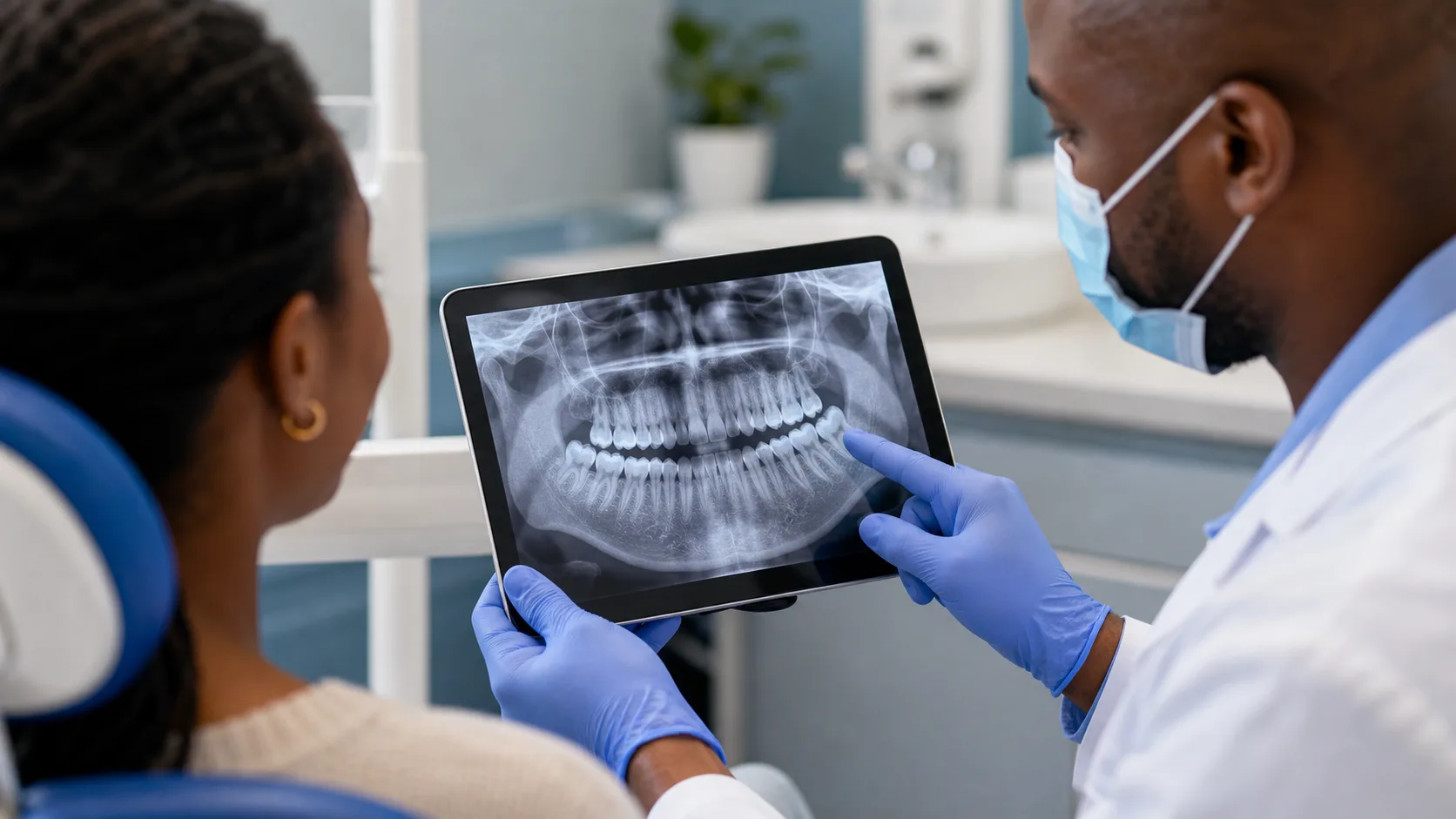
The dentist checks your concern and confirms whether this treatment is suitable before care begins.
Restorative Dentistry
Book Dental Fillings with Smile On Dental. Start with an assessment, understand your options, and get clear next steps before treatment begins.
Quick Summary
First Step
The dentist checks your concern and confirms whether this treatment is suitable before care begins.
Best For
Suitability depends on oral health, symptoms, goals, and clinical findings.
Planning
Timing, visits, cost factors, and aftercare are explained after the assessment.
Branch Access
Use the location section to choose the branch that is easiest for you to attend consistently.
Overview
Treatment Introduction
Fillings help repair smaller areas of decay or tooth damage before the tooth needs more complex restoration.
Decision Support
Smile On Dental uses the visit to understand your symptoms, goals, oral health, and expectations before recommending a suitable treatment plan.
Visual Guide

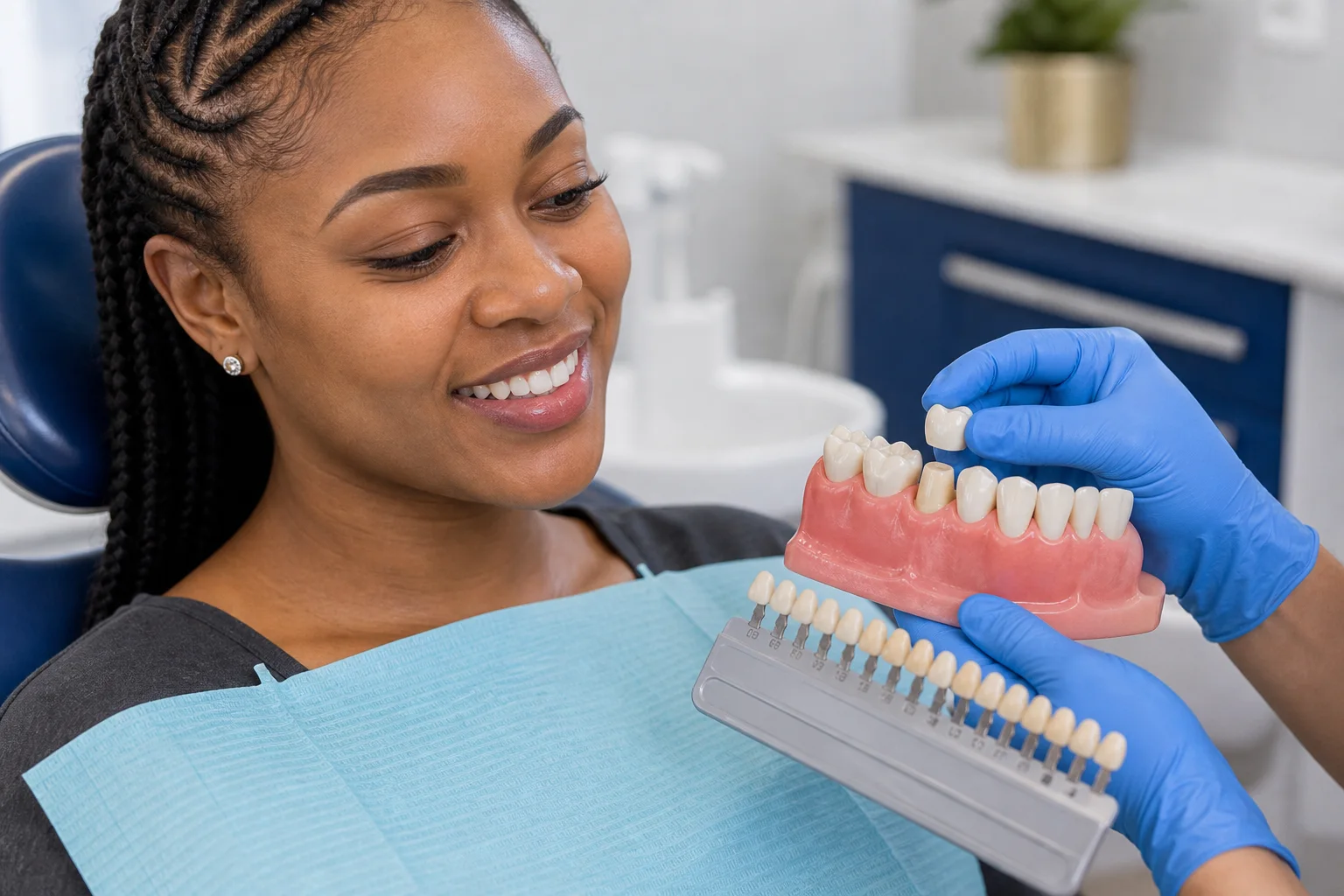
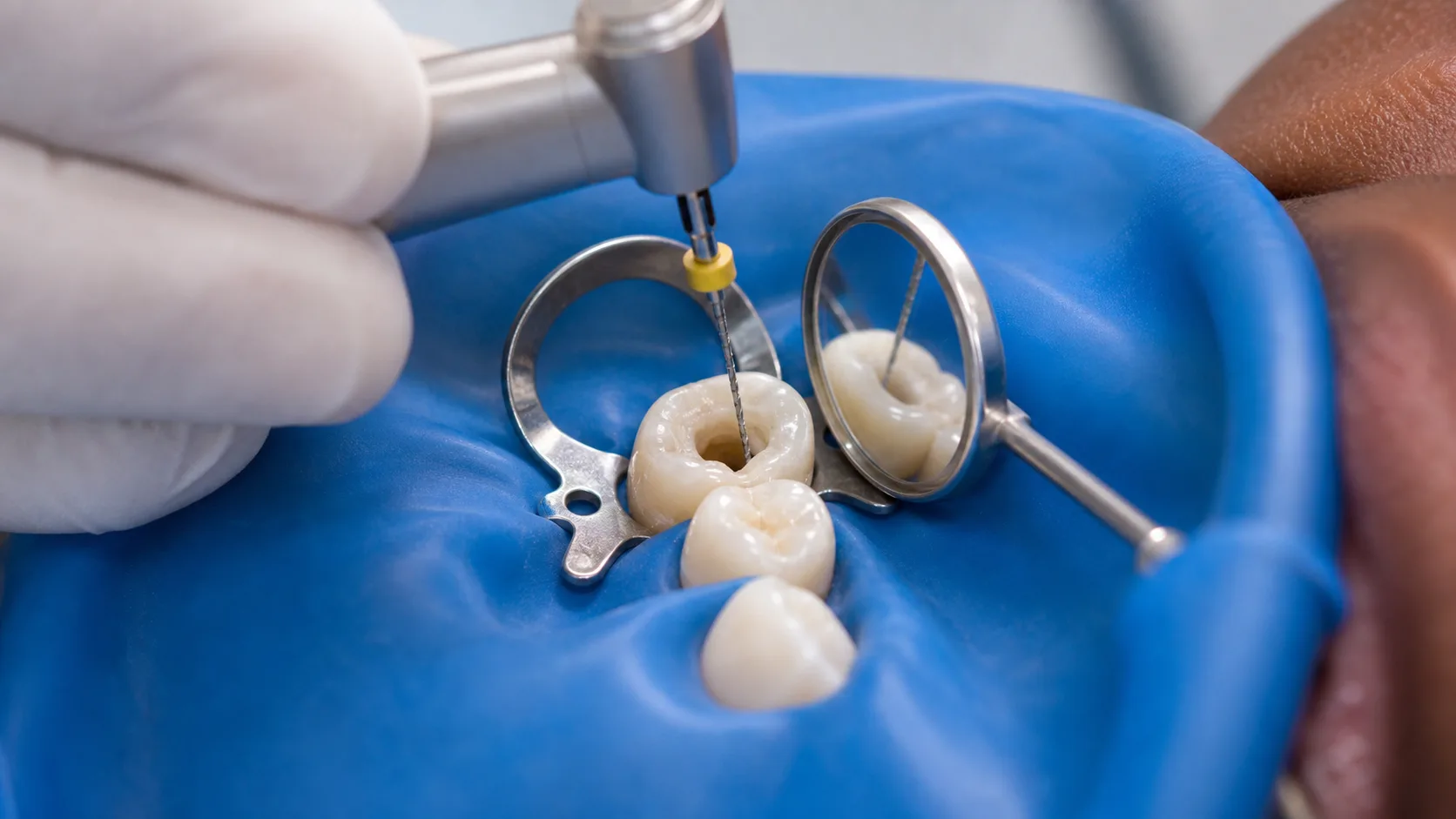
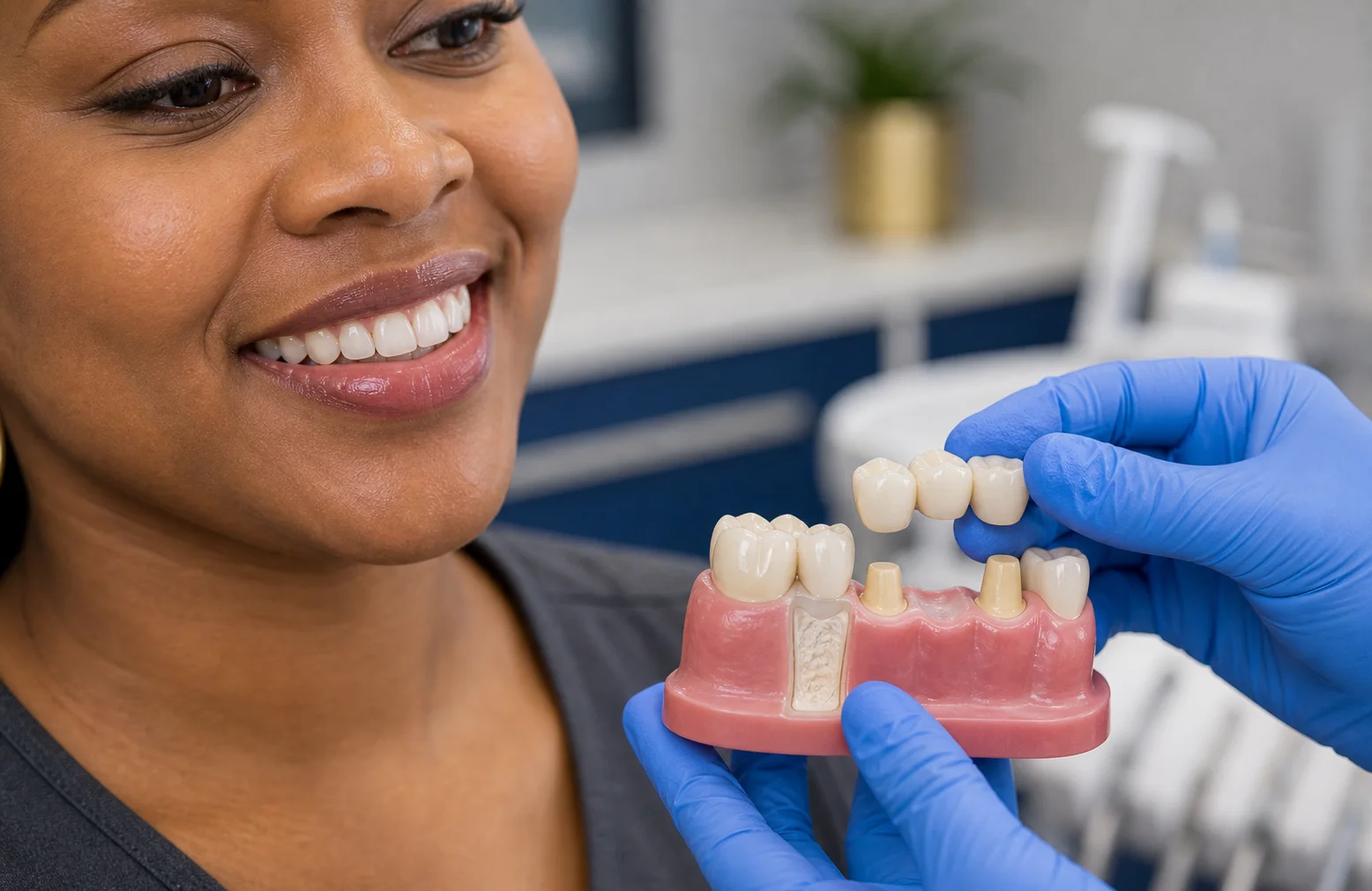
Treatment Guide
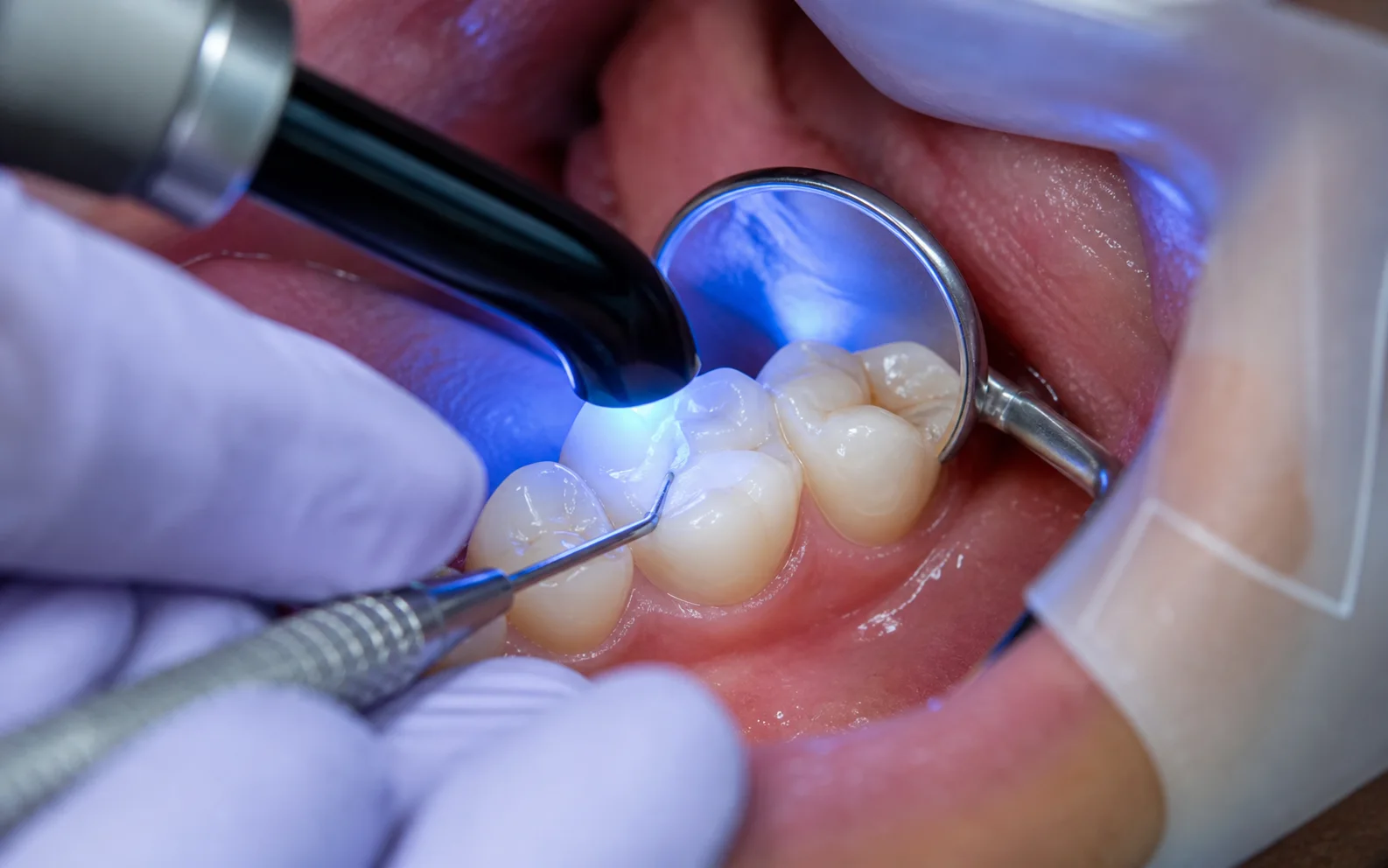
A filling restores a tooth after decay, a small fracture, or worn enamel has weakened part of the biting surface.
Fillings are often recommended when a cavity is still limited enough for healthy tooth structure to be preserved. At Smile On Dental, the assessment starts with where the damage sits, how deep it appears, whether the tooth is sensitive, and how the surrounding teeth and gums look. This helps your dentist decide whether a direct filling is appropriate or whether a stronger restoration should be discussed.
The goal is practical: remove compromised tooth structure, seal the area, and rebuild a surface that can handle chewing. A filling should sit comfortably in your bite, clean easily, and support the tooth without rough edges that trap plaque.
Common reasons
A careful diagnosis matters because not every dark mark, rough patch, or sensitive tooth needs the same treatment.
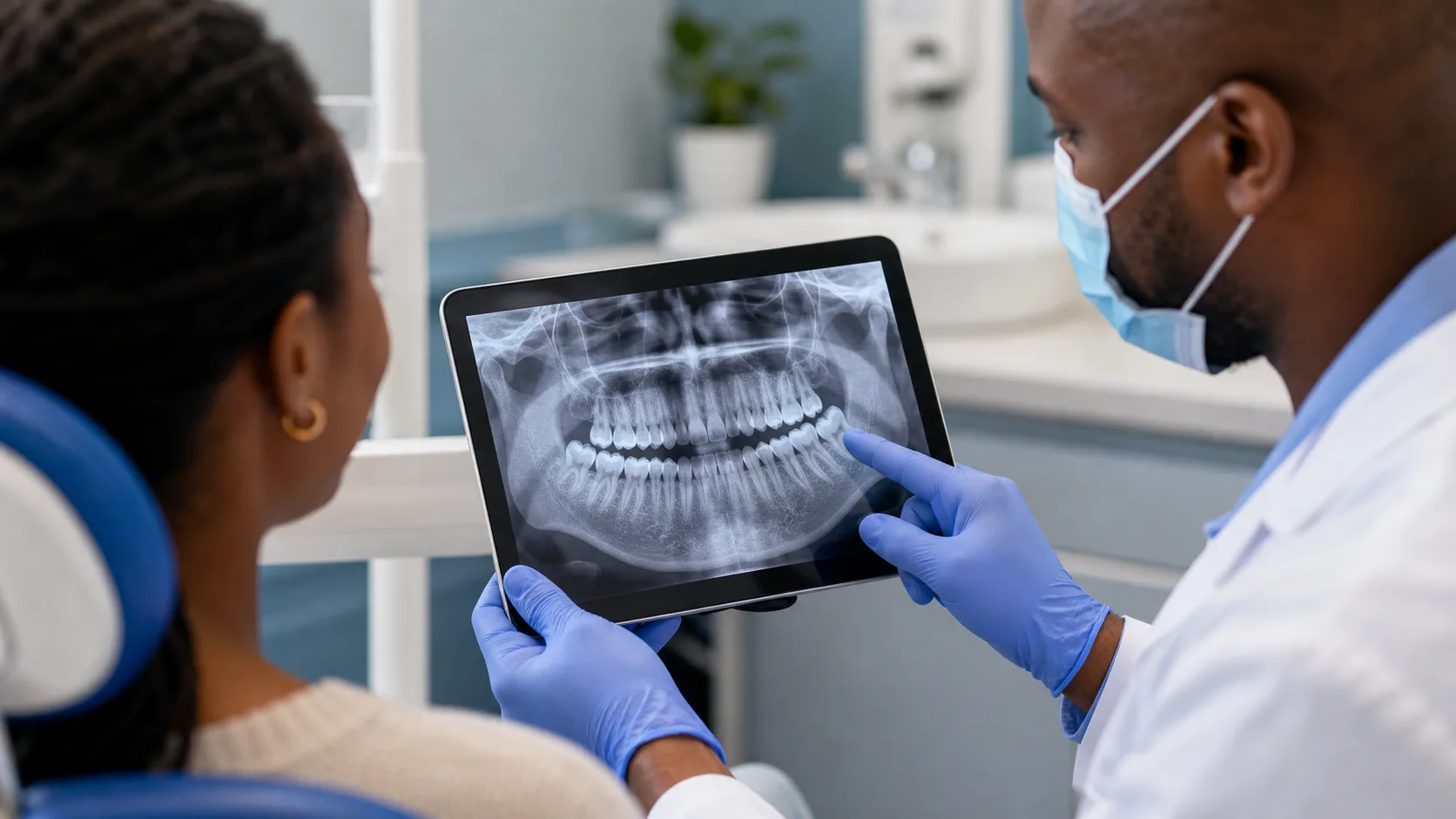
Your dentist checks the tooth visually and may use dental X-rays when decay could be between teeth or below an existing restoration. This is especially important for back teeth, where grooves can hide early decay and old fillings can mask cracks or leakage. The examination also looks at your bite, because a filling in a heavy contact area needs different planning from one on a smooth front surface.
The discussion should include what was found, what can be restored with a filling, and what would change the plan. If decay reaches close to the nerve, if a tooth is cracked, or if a large amount of tooth has been lost, your dentist may explain alternatives such as a crown or root canal treatment.
What is checked
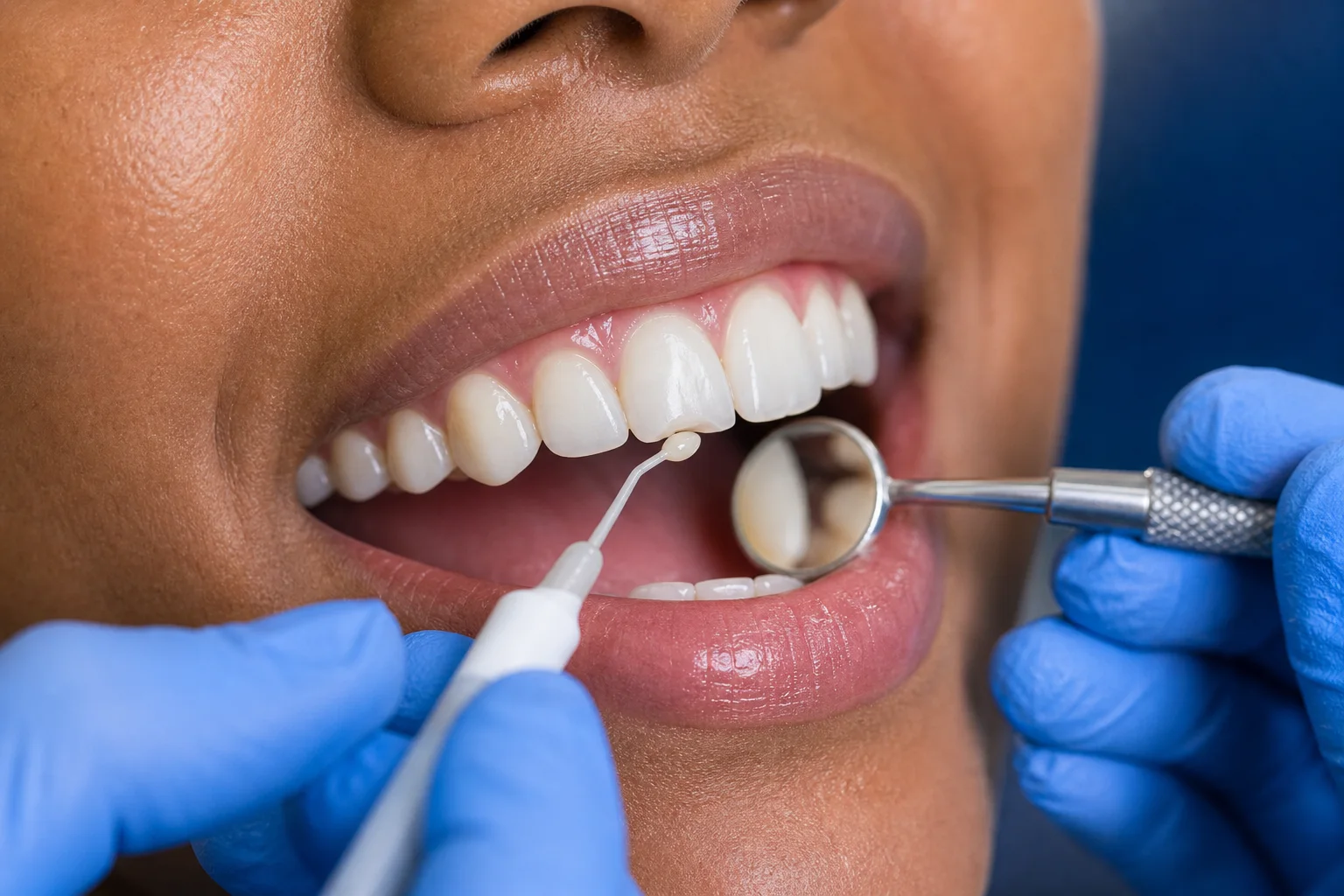
Most visible fillings are planned with tooth coloured materials, but the best option depends on the tooth and the forces it carries.
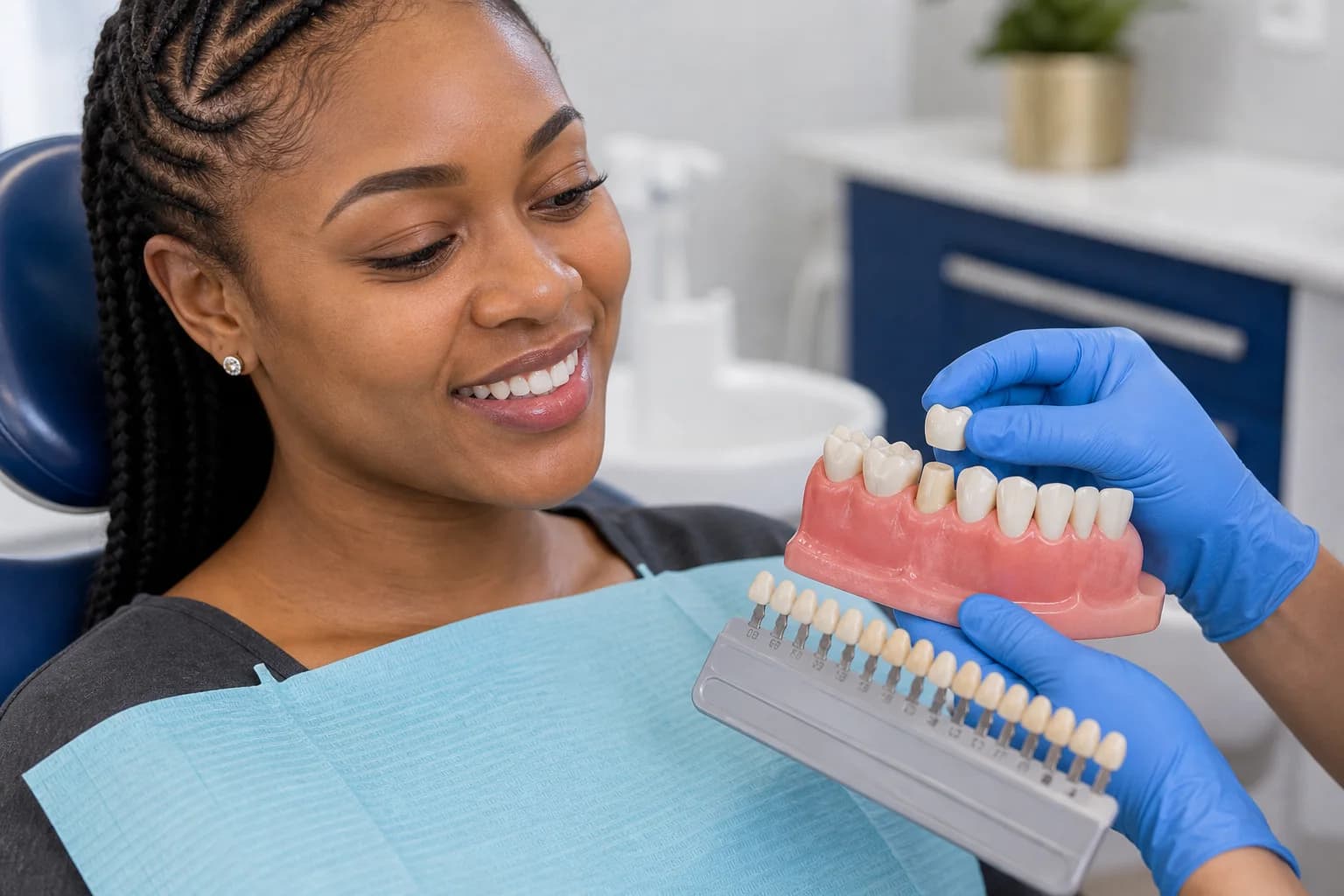
Composite resin is commonly used because it bonds to tooth structure and can be shaped to match natural contours. It is useful for front teeth, smaller back-tooth cavities, and repairs where appearance matters. The shade is selected to blend with nearby enamel, then the material is layered, hardened, shaped, and polished.
Material choice is not only cosmetic. A filling on a heavily loaded molar must resist chewing pressure, while a repair near the gum line must be smooth enough to clean. If the cavity is too wide or the remaining tooth is thin, your dentist may recommend a stronger restoration instead of placing a filling that is likely to be overloaded.
Selection factors
A filling appointment is focused on cleaning the affected area and rebuilding the tooth in a controlled way.
After the tooth is prepared, decayed or weakened material is removed and the area is shaped so the restoration can seal properly. For composite fillings, the tooth is conditioned, bonding material is applied, and the resin is placed in increments. Each layer is set before the next is shaped, helping the filling adapt to the tooth.
The final steps are as important as the filling itself. Your dentist checks the bite with marking paper, adjusts high spots, and polishes the surface. A filling that is too high can make the tooth tender when chewing, while a rough edge can hold plaque, so the finishing stage protects comfort and cleanliness.
Appointment steps
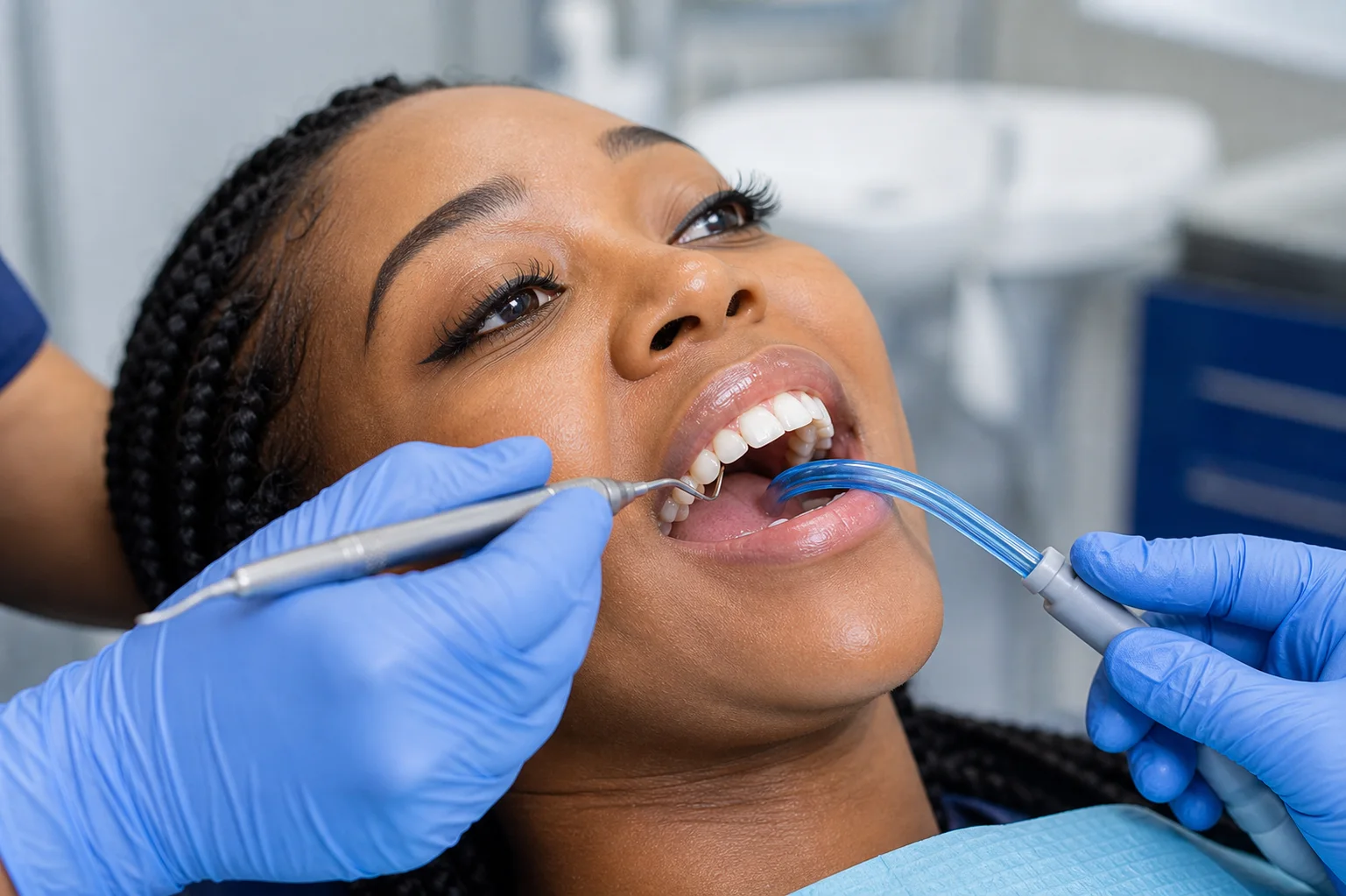
A restored tooth still needs daily plaque control, because a filling protects only the repaired area.
Mild sensitivity can happen after a filling, especially if the cavity was deep or the tooth was already irritated. This should be monitored, and you should contact the practice if discomfort worsens, lingers, or appears when biting. Early adjustment is better than waiting if the filling feels high or catches floss.
Long-term care is straightforward but important. Brush with a fluoride toothpaste, clean between the teeth, and keep routine dental visits so the edges of the filling can be checked. Fillings can wear, stain, chip, or leak over time, and finding those changes early can prevent a small repair from becoming a larger restoration.
Care habits
A filling is conservative, but it has limits when the tooth has lost too much structure or is under heavy stress.
If a cavity is very large, if the tooth has a visible crack, or if an old restoration has left thin walls behind, a larger filling may not protect the tooth reliably. In those cases, your dentist may discuss a crown, onlay, root canal treatment, or extraction and replacement options depending on the diagnosis.
The decision is based on the amount of healthy tooth left, symptoms, bite pressure, and how the tooth can be cleaned afterward. Smile On Dental should explain why a filling is suitable or why a stronger option would be more appropriate before treatment begins.
Limits to consider
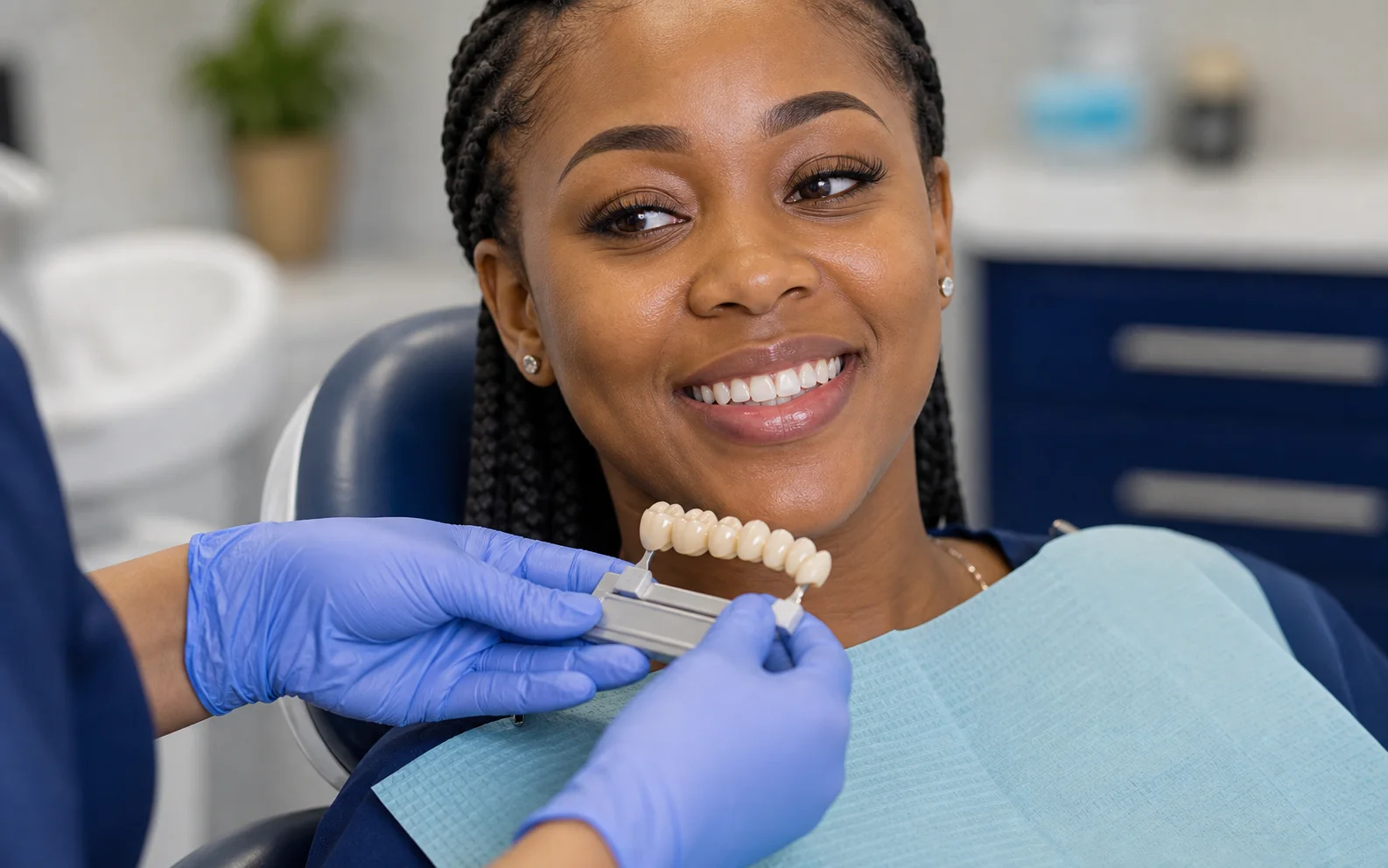
The cost of a filling depends on the tooth, the amount of repair needed, and the material and technique used.
A small one-surface filling is different from rebuilding multiple sides of a back tooth. Costs may be affected by whether X-rays are needed, whether an old filling must be removed, how much tooth structure remains, and whether the tooth needs additional protection. Smile On Dental can only give meaningful guidance after examining the tooth and confirming the treatment plan.
The lowest-cost option is not always the most conservative over time. If a filling is placed where a crown or other restoration would better protect the tooth, it may fail sooner. Your dentist should explain why a filling is suitable, where the limits are, and what alternatives exist if the tooth needs more support.
What affects price

Smile On Dental plans fillings as part of whole-mouth care, not as isolated patchwork.
That means the team looks for why the cavity happened, whether other teeth are at risk, and how your cleaning routine can support the repair. A filling is most successful when the cause of decay is addressed along with the damaged tooth, especially for patients with dry mouth, frequent snacking, hard-to-clean areas, or several older restorations.
The takeaway is simple: a good filling should preserve tooth structure, restore comfortable function, and make the tooth easier to maintain. If the tooth needs more than a filling can provide, the discussion should move to a more protective option rather than forcing a short-term repair.
What to expect
Who It Helps
Treatment Journey
Often a single treatment visit after diagnosis.
You may come in because of a cavity, sensitivity, food catching in a tooth, a chipped edge, or an old filling that feels rough or loose.
The dentist will ask when it started, what makes it better or worse, whether there is pain or sensitivity, and what you want the visit to help you solve.
What this first step covers
Before treatment starts, the dentist confirms what is actually going on.
The dentist checks the tooth, tests the bite, looks for decay or cracks, and may use X-rays to see how deep the problem is before recommending a filling.
The dentist may then explain options such as A direct filling for smaller defects, A crown or stronger restoration if the tooth is too weak, Root canal assessment if decay is close to the nerve, depending on what the examination shows.
What may be checked
Some treatments are completed in one appointment, while others need a separate visit.
If a filling is suitable, the damaged area is cleaned and shaped, then restored so the tooth can function more comfortably. The bite is checked before you leave.
A second visit may be needed for a deep filling, a bite adjustment, or if the tooth needs a stronger restoration instead.
What you should know before leaving
The journey should end with you knowing how to protect the result.
Most fillings do not need a separate review unless sensitivity persists, the bite feels high, or the dentist is monitoring a deep cavity.
You are told what to expect while the tooth settles and how to reduce the chance of new decay around the filling.
Your home-care plan
Benefits
Suitability
Restorative Dentistry
Restorative treatment depends on the amount of tooth structure, gum health, bite forces, materials, and whether the tooth can be predictably maintained.
Suitability
The dentist considers symptoms, oral health, bite, medical history, expectations, and maintenance before recommending fillings.
Costs
Cost discussions are most useful after diagnosis because materials, complexity, visit count, and follow-up needs vary from patient to patient.
Appointment
Your dentist reviews your concern, oral health, and treatment goals before recommending next steps.
The team explains the likely process, timing, and care options in straightforward language.
Your treatment plan is shaped around comfort, function, appearance, and long-term oral health.
Costs & Aftercare
Before You Book
Mention whether you are booking for fillings, pain, appearance, function, prevention, or a second opinion.
At the Visit
Ask about diagnosis, options, number of visits, comfort, maintenance, and what could happen if treatment is delayed.
Aftercare
Your dentist will explain home care, review visits, and any symptoms that should be reported after treatment.
FAQs
The best starting point is a consultation. Your dentist will assess your teeth, gums, bite, symptoms, concerns, and smile goals before recommending a personalised treatment plan.
Yes. Use the Book an Appointment button to open the booking site and choose a convenient appointment time. You can also request a callback if you would prefer the practice team to contact you first.
Yes. You can request a callback if you prefer the practice team to contact you before booking. This can be helpful when you are unsure whether you need a routine visit, cosmetic consultation, orthodontic assessment, or urgent support.
Yes. Costs depend on the diagnosis, treatment complexity, materials, and number of visits required. Your dentist can explain the recommended next step before treatment begins.
Bring your identification, medical history, current medication details, previous dental information if available, and any questions you want to discuss with the dentist.
Book an assessment so the dentist can diagnose the cause before you choose a treatment. Pain or swelling may need urgent attention, X-rays, restorative care, or another clinical next step.
Related Treatments
Helpful Articles
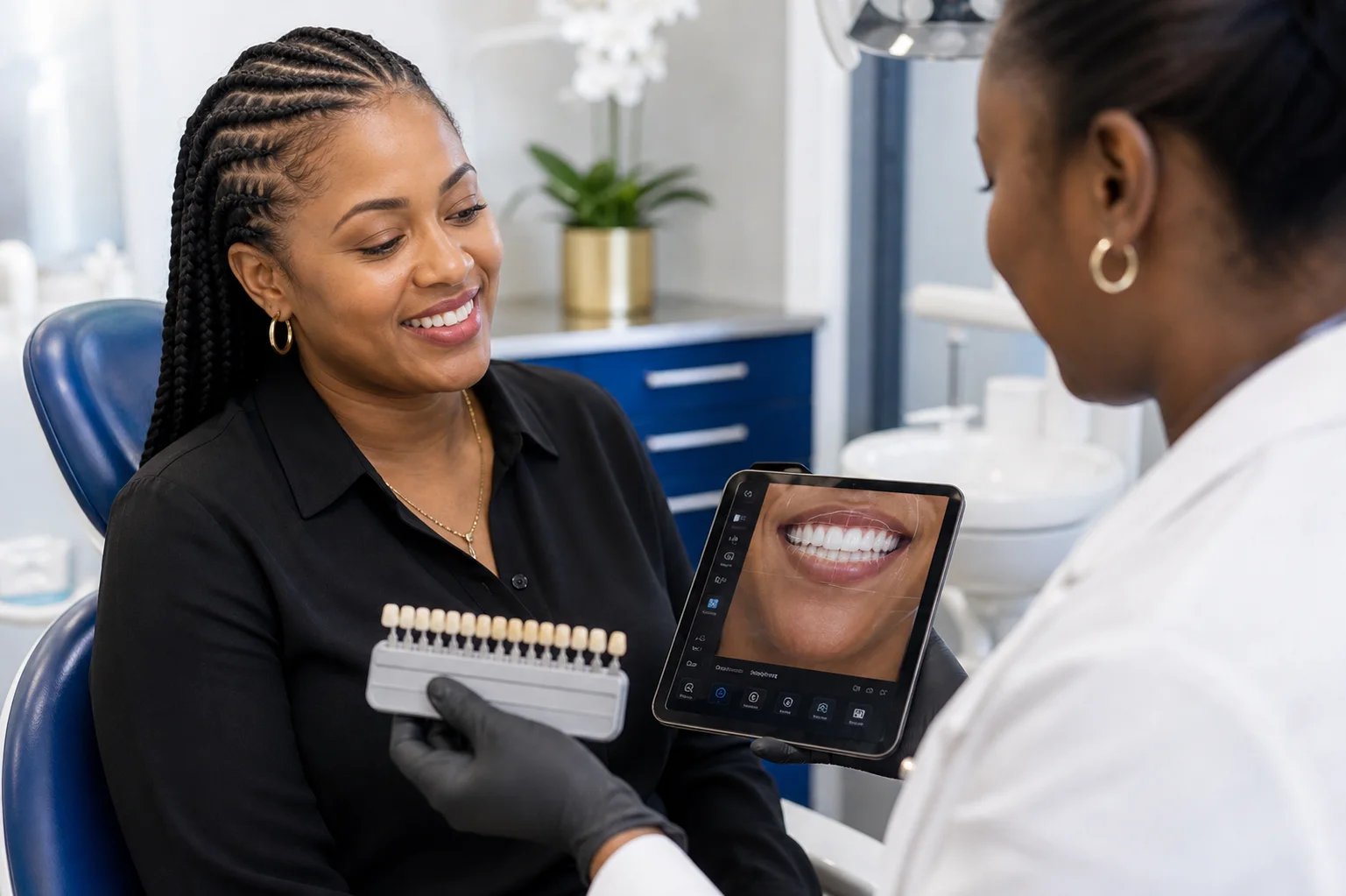 Restorative DentistryFilling, Onlay, Crown, or Root Canal: How Does the Amount of Healthy Tooth Change the Plan?10 min read
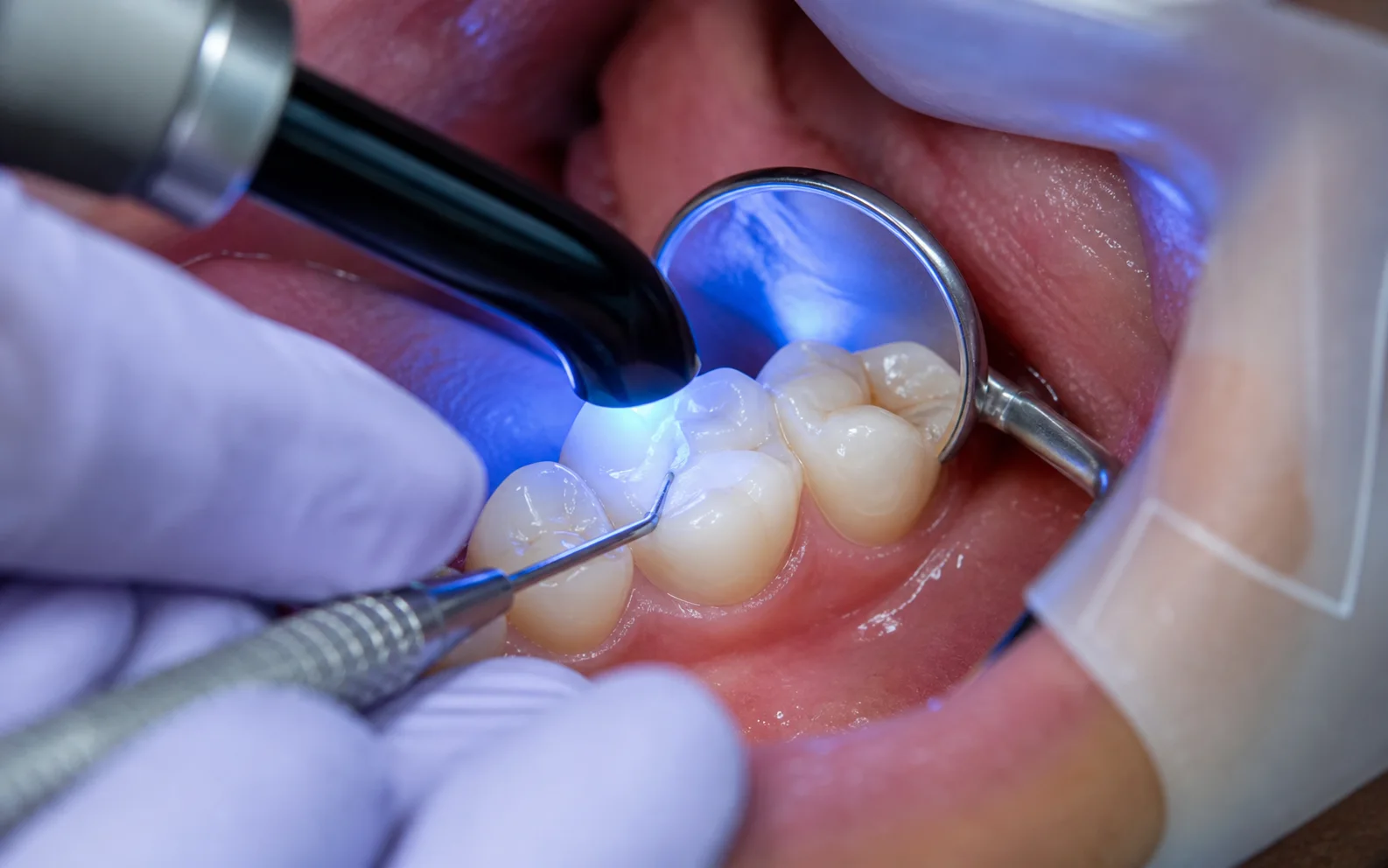 Restorative DentistryMy Old Filling Has a Crack or Dark Edge. Does It Automatically Need Replacing?10 min readRestorative DentistryWhite Filling vs Silver Filling: What Should Patients Compare Before Choosing?10 min read
Locations
Clinical Leadership

Dr. Kholofelo Machaba-Selatole leads Smile On Dental & Aesthetic Studio with a warm, patient-focused approach to family, restorative, cosmetic, and orthodontic care.
60+ five-star patient reviews across Pretoria and Polokwane.
"Customer care is superb, very friendly front desk staff. I'm happy to have gained my confidence back."

Polokwane
"From reception right into the doctor's consultation room it was all smiley faces that welcomed us."

Polokwane
"The best dental service I have seen in Pretoria, cannot wait for my next appointment."

Pretoria
"Customer care is superb, very friendly front desk staff. I'm happy to have gained my confidence back."
Polokwane
"From reception right into the doctor's consultation room it was all smiley faces that welcomed us."
Polokwane
"The best dental service I have seen in Pretoria, cannot wait for my next appointment."
Pretoria
Book a Consultation