First Step
Consultation
The dentist checks your concern and confirms whether this treatment is suitable before care begins.
Restorative Dentistry
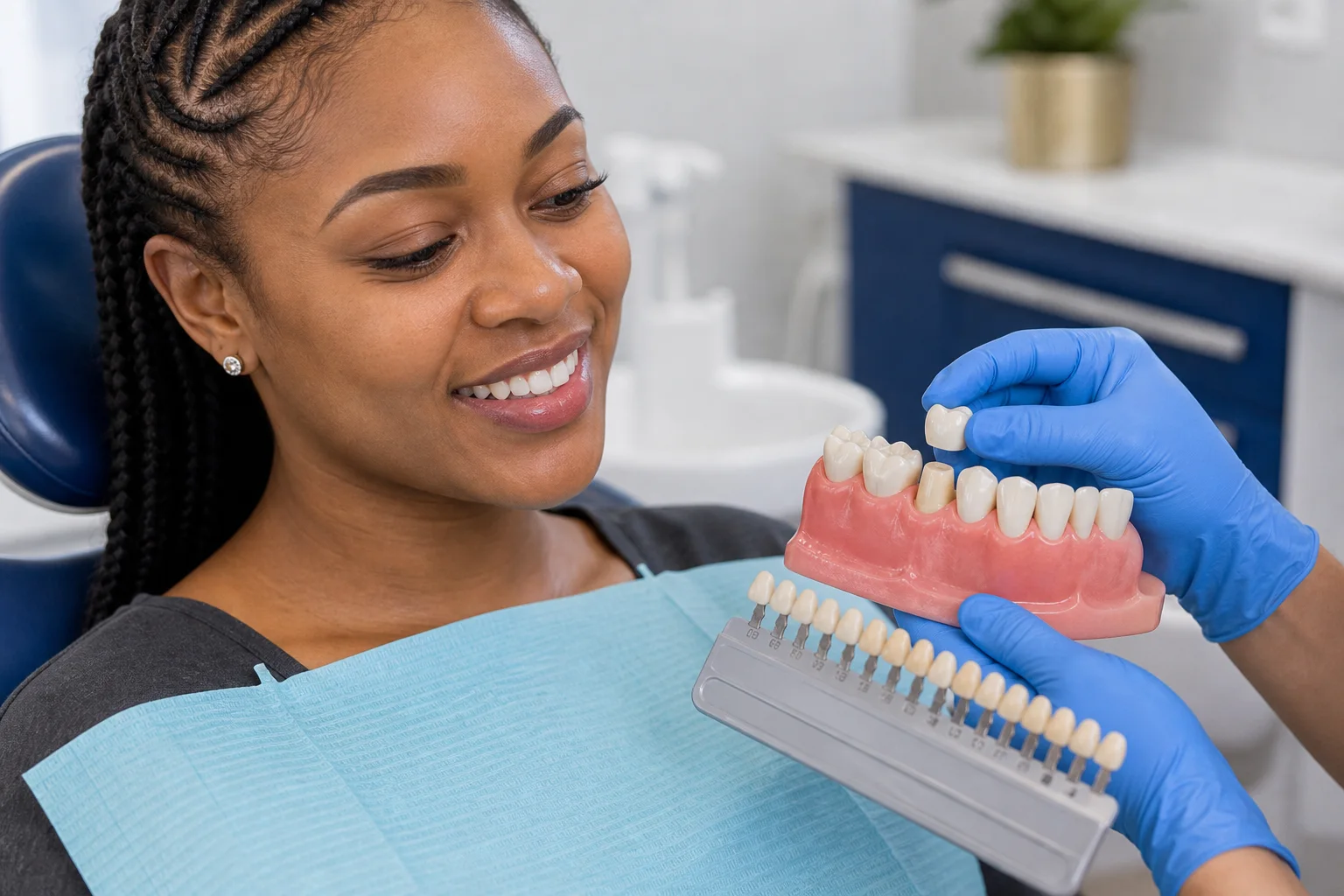
Book Dental Crowns with Smile On Dental. Start with an assessment, understand your options, and get clear next steps before treatment begins.
Quick Summary
First Step
The dentist checks your concern and confirms whether this treatment is suitable before care begins.
Best For
Suitability depends on oral health, symptoms, goals, and clinical findings.
Planning
Timing, visits, cost factors, and aftercare are explained after the assessment.
Branch Access
Use the location section to choose the branch that is easiest for you to attend consistently.
Overview
Treatment Introduction
A dental crown may be recommended when a tooth needs more strength, structure, or coverage than a filling can provide. Crowns can support both restorative and cosmetic goals depending on the case.
Decision Support
Smile On Dental uses the visit to understand your symptoms, goals, oral health, and expectations before recommending a suitable treatment plan.
Visual Guide

Treatment Guide
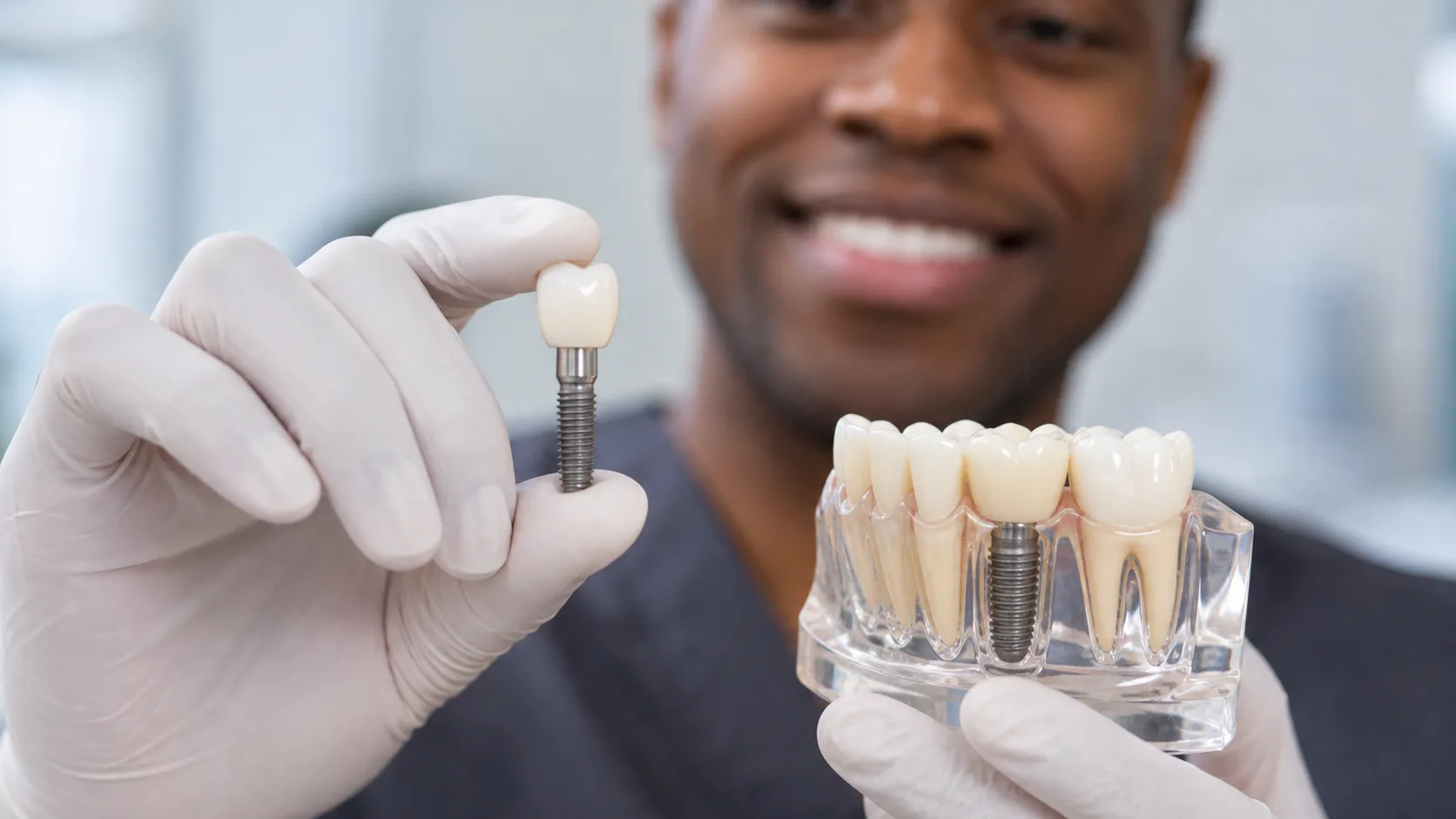
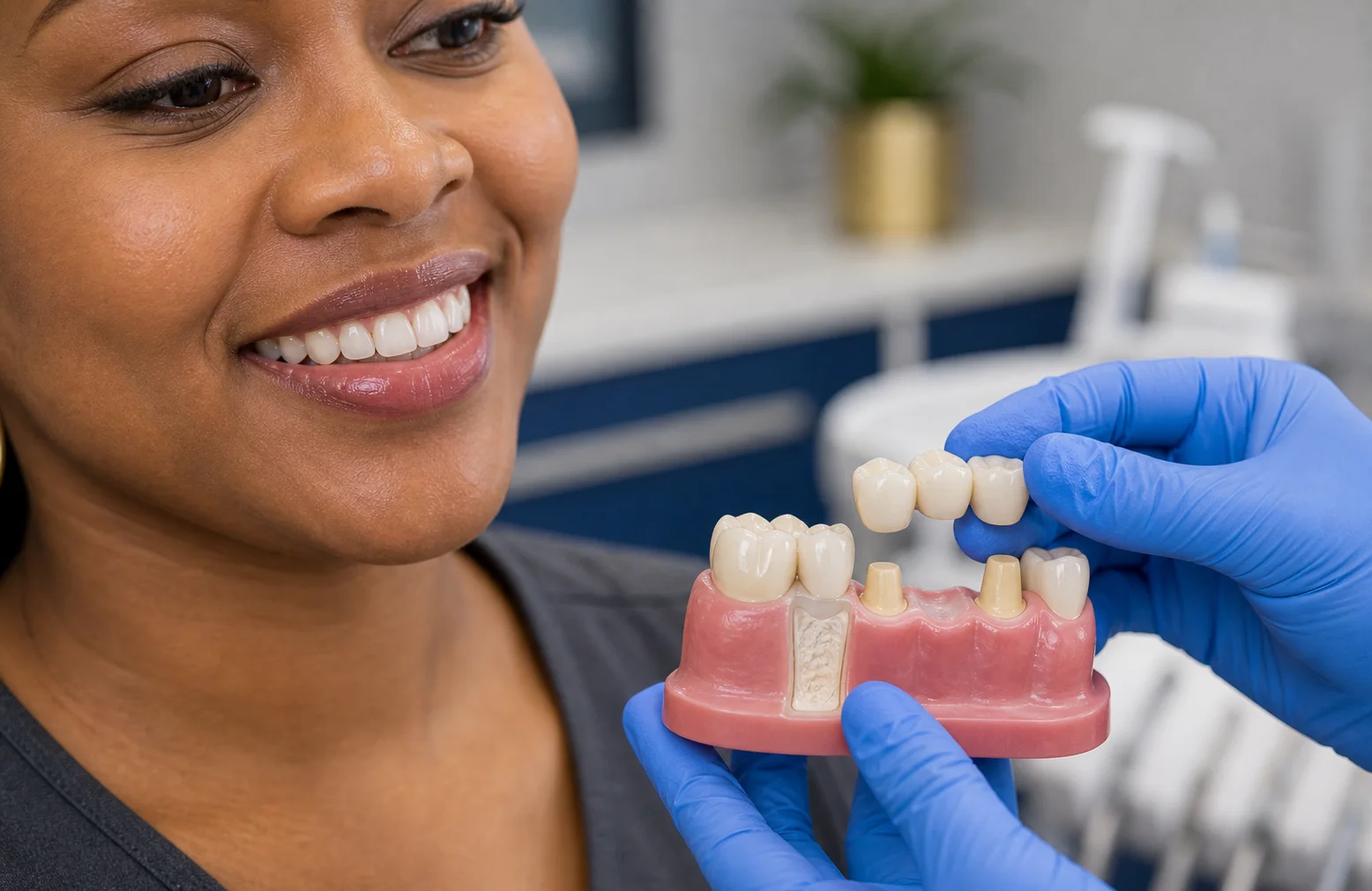
A dental crown covers and protects a tooth that needs more support than a filling can provide.
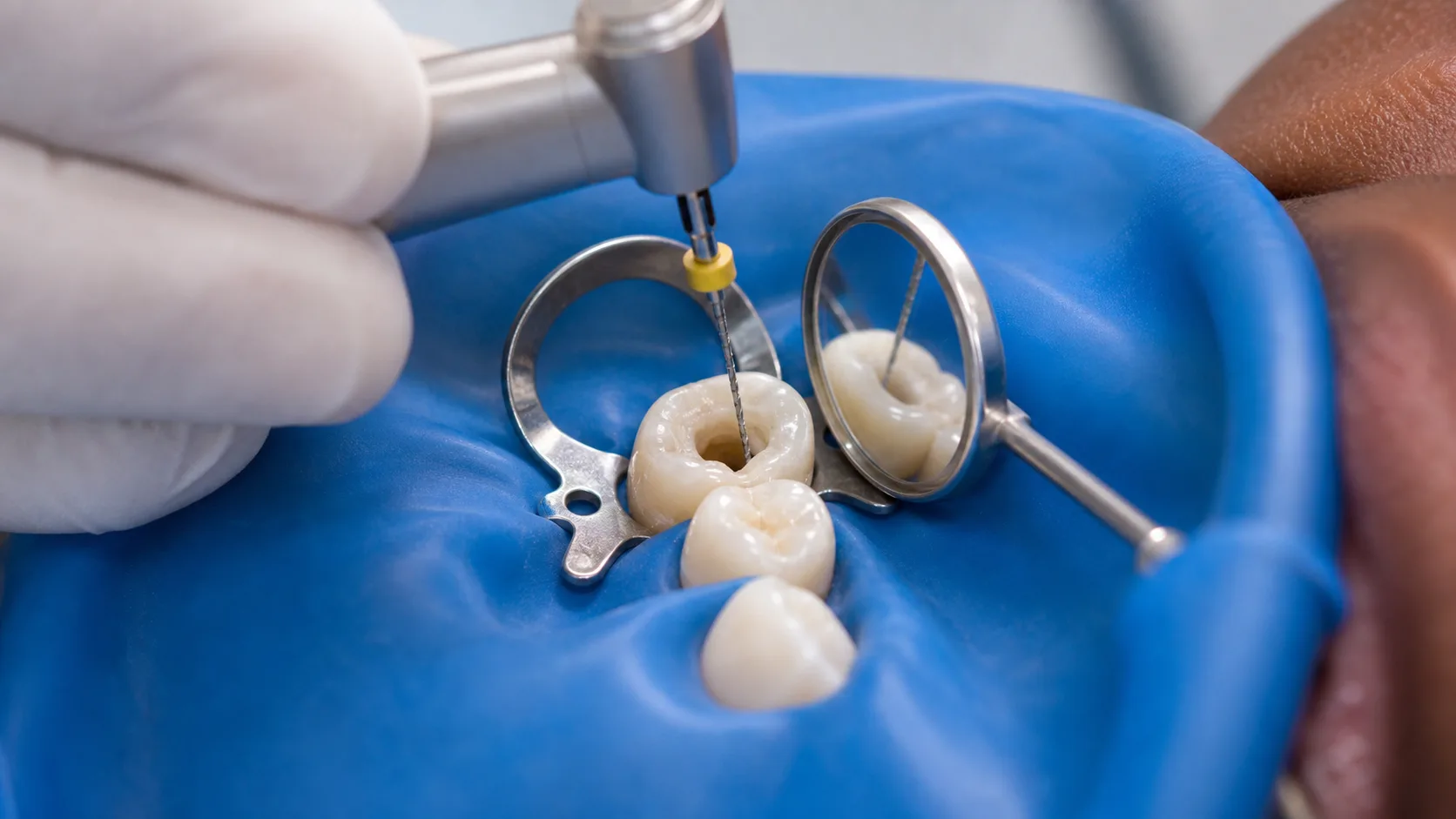
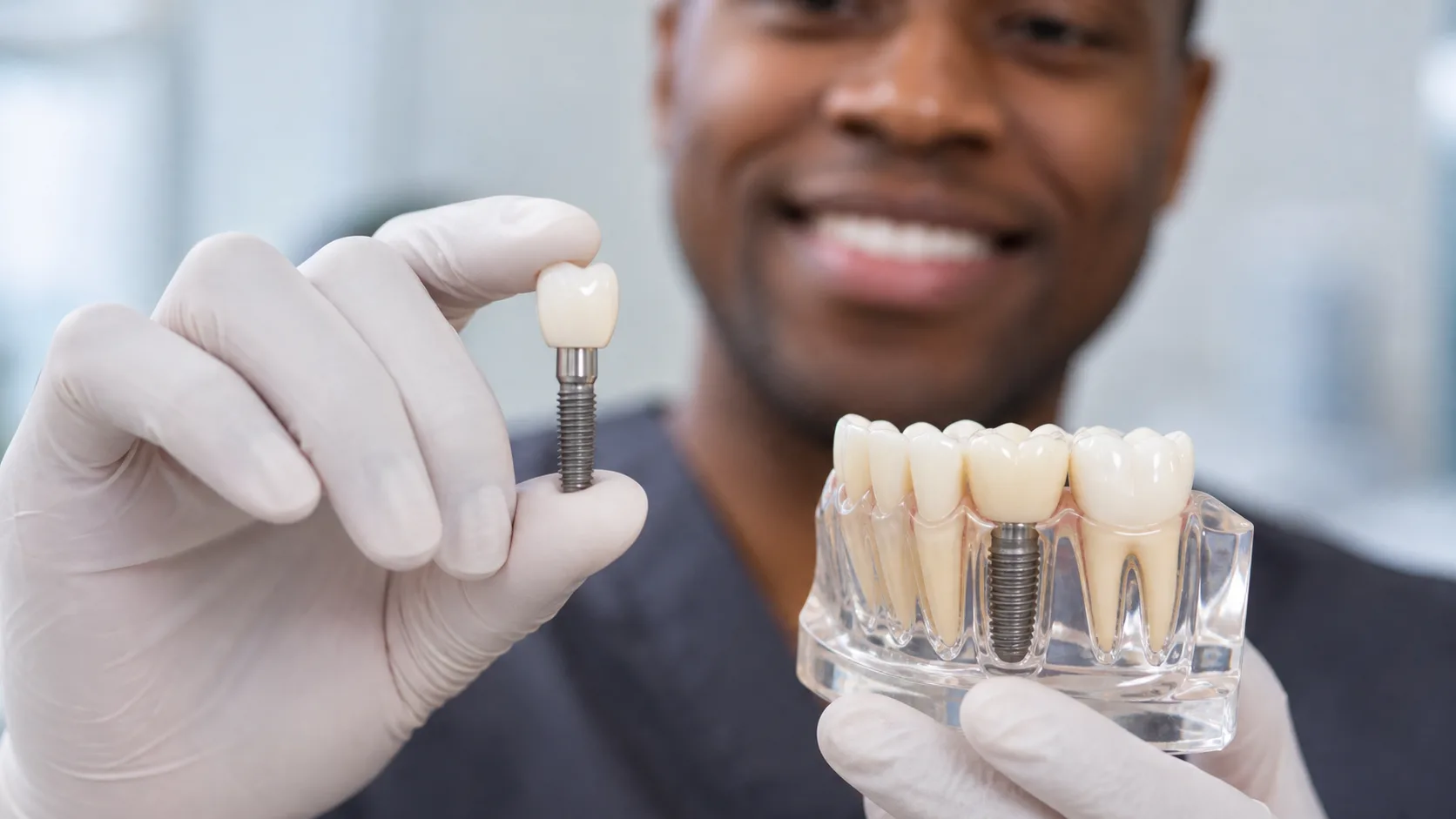
Crowns are used when a tooth is cracked, heavily filled, worn down, weakened after root canal treatment, or shaped in a way that affects function. The crown fits over the prepared tooth and restores the visible surface, helping distribute bite forces more evenly than a large filling alone.
A crown is not chosen simply because a tooth looks imperfect. Smile On Dental assesses whether the remaining tooth structure needs coverage, whether the gum support is healthy, and whether the bite is placing the tooth under stress. The aim is to protect function while keeping the restoration as natural and cleanable as possible.
Crown uses

Good crown planning looks at the whole tooth, not only the part that will be visible when you smile.
Your dentist checks decay, old fillings, cracks, gum levels, bite contacts, and the amount of tooth available to support a crown. X-rays may be used to assess the root and surrounding bone. If the tooth has symptoms or deep decay, further treatment may be needed before a crown can be planned.
The conversation should also cover expectations. A crown can strengthen and reshape the visible part of a tooth, but it cannot make an unhealthy root or unsupported tooth predictable by itself. If the foundation is weak, your dentist may explain build-ups, root canal treatment, crown lengthening, extraction, or replacement options depending on the findings.
Planning checks

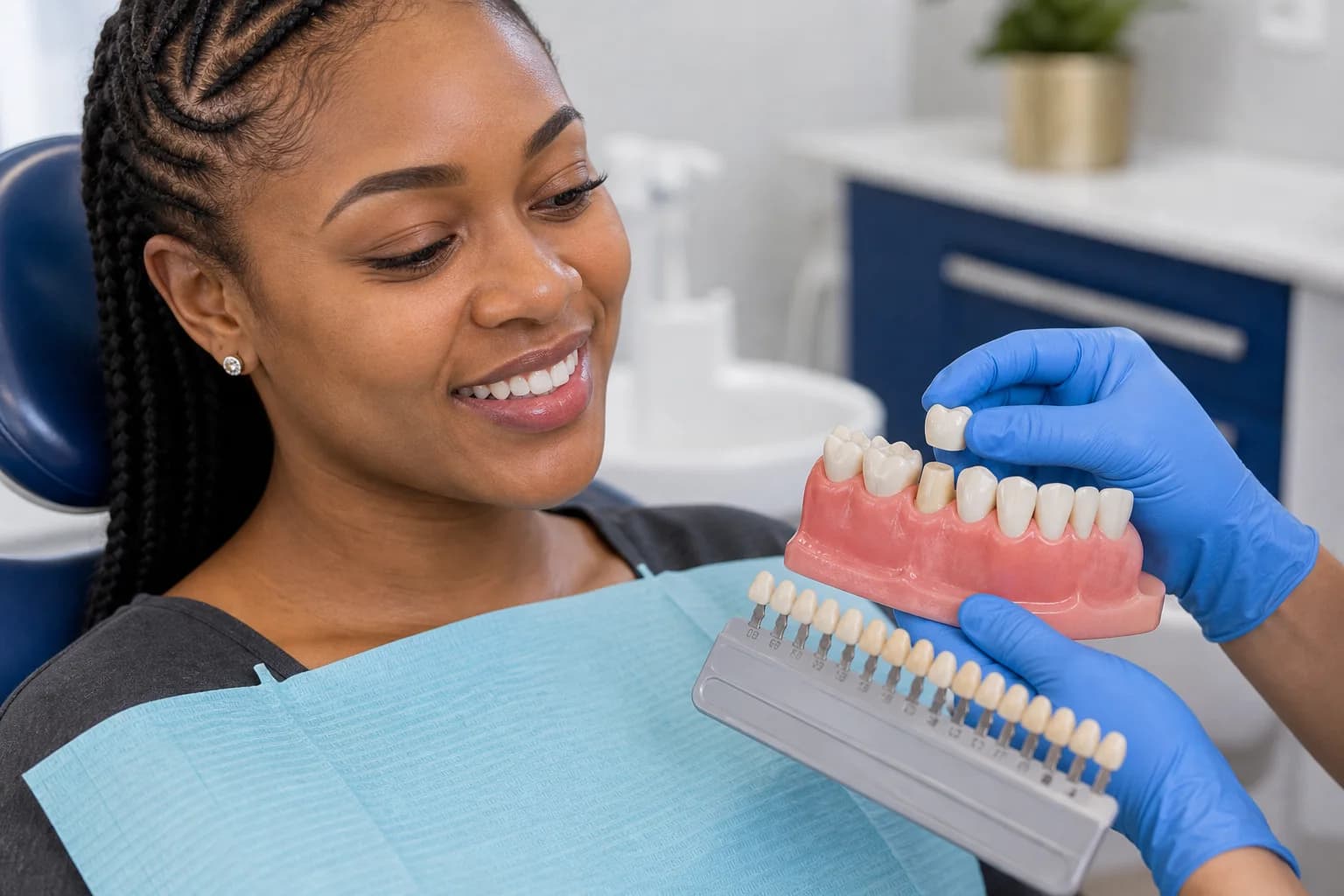
Crown materials are selected for strength, appearance, space, and the position of the tooth.
Ceramic and porcelain-based crowns are often chosen where appearance is important because they can be made to blend with nearby teeth. Stronger ceramic options may be used for back teeth when bite forces are higher. In some cases, metal or porcelain-fused-to-metal designs may be discussed when strength or existing bite conditions make them relevant.
No single material is best for every patient. A front tooth crown must handle light and shade, while a molar crown must handle chewing loads and limited space. Smile On Dental should recommend material options based on clinical need, the tooth position, and how the crown will meet opposing teeth.
Material considerations
The procedure reshapes the tooth, records its form, and fits a custom crown designed for that space.
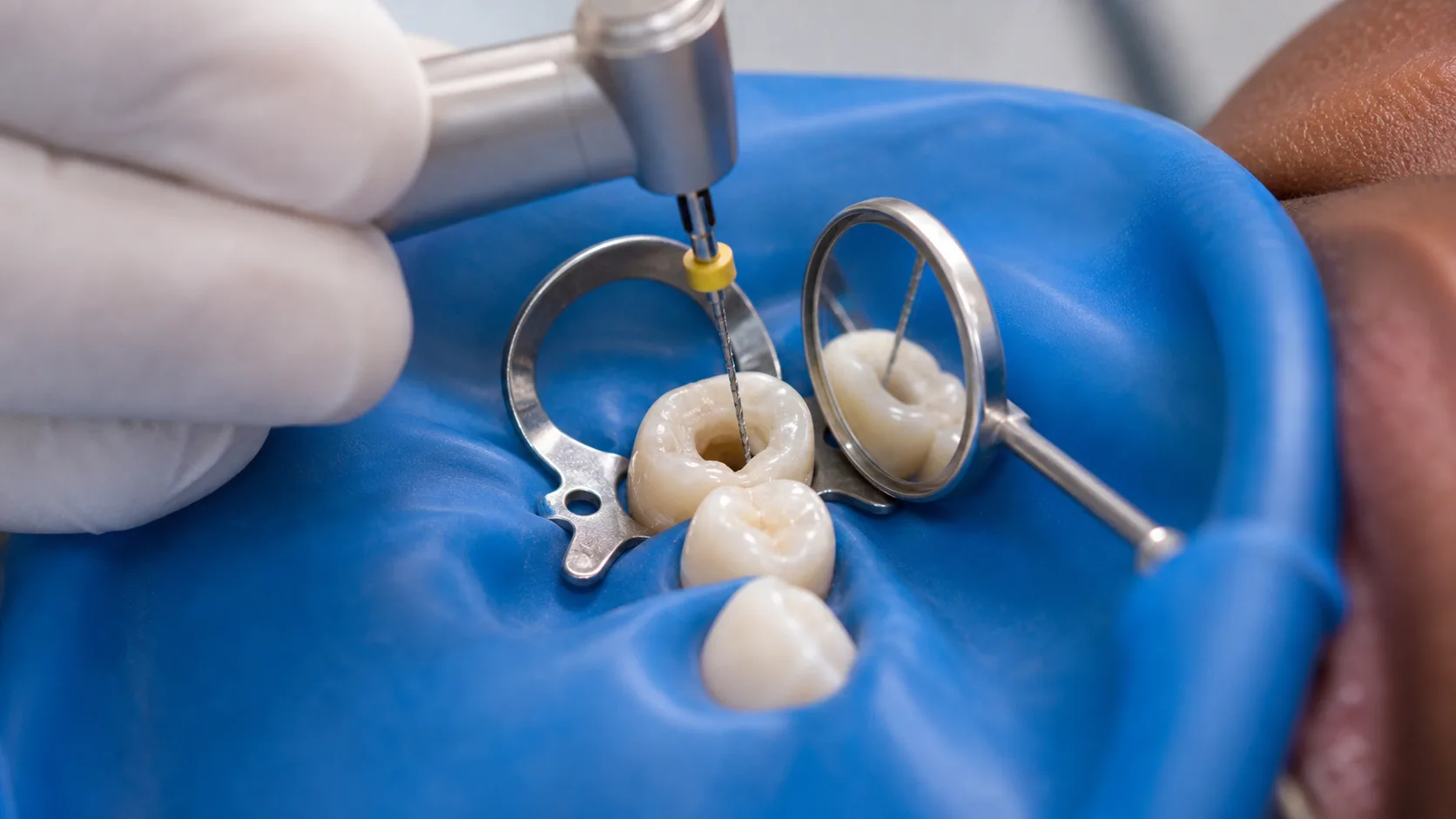
The tooth is prepared so the crown has enough room and a defined margin. Any old filling material or decay may be removed first, and a build-up may be placed if the tooth needs support. An impression or digital scan records the tooth and bite so the crown can be made to fit accurately.
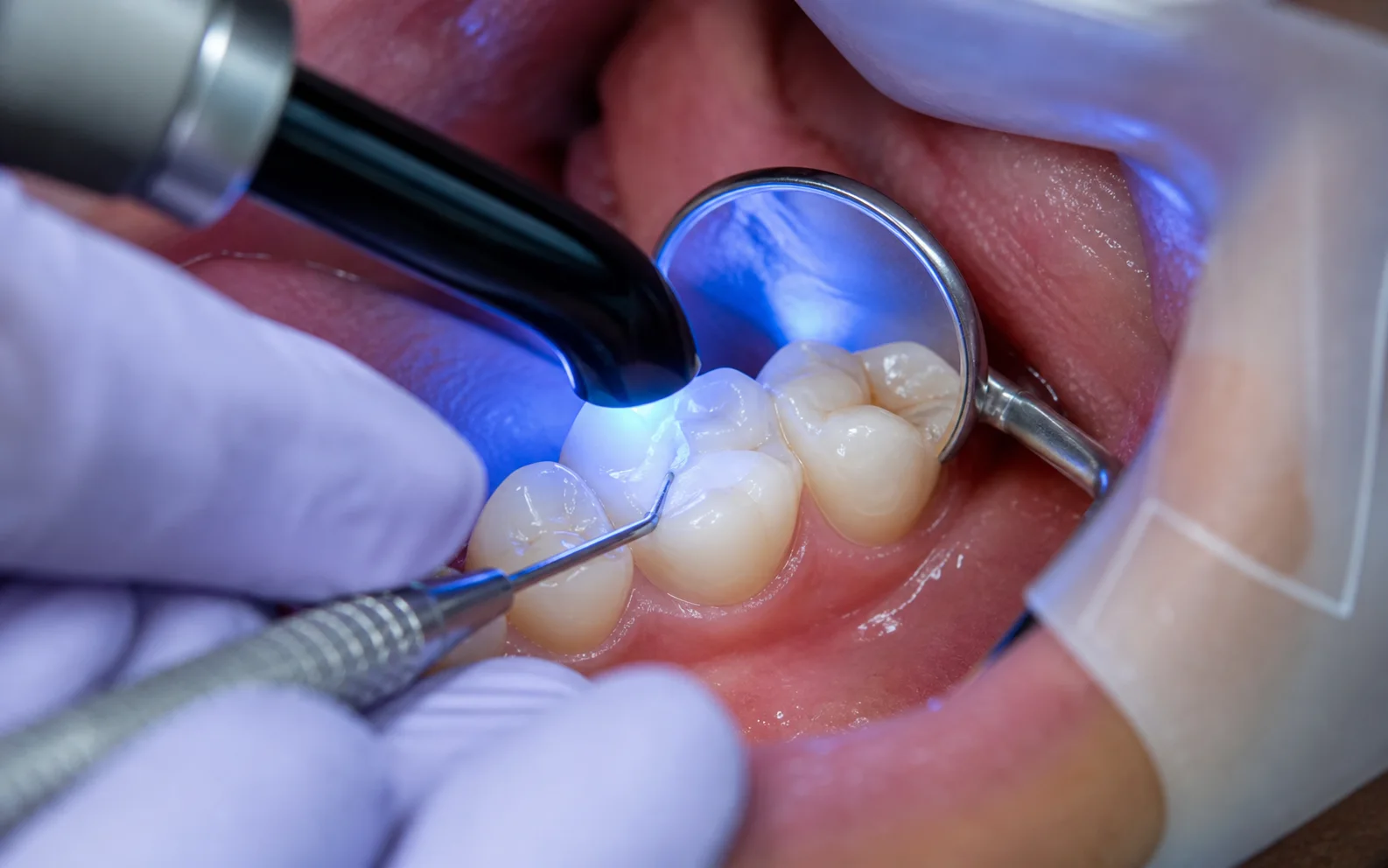
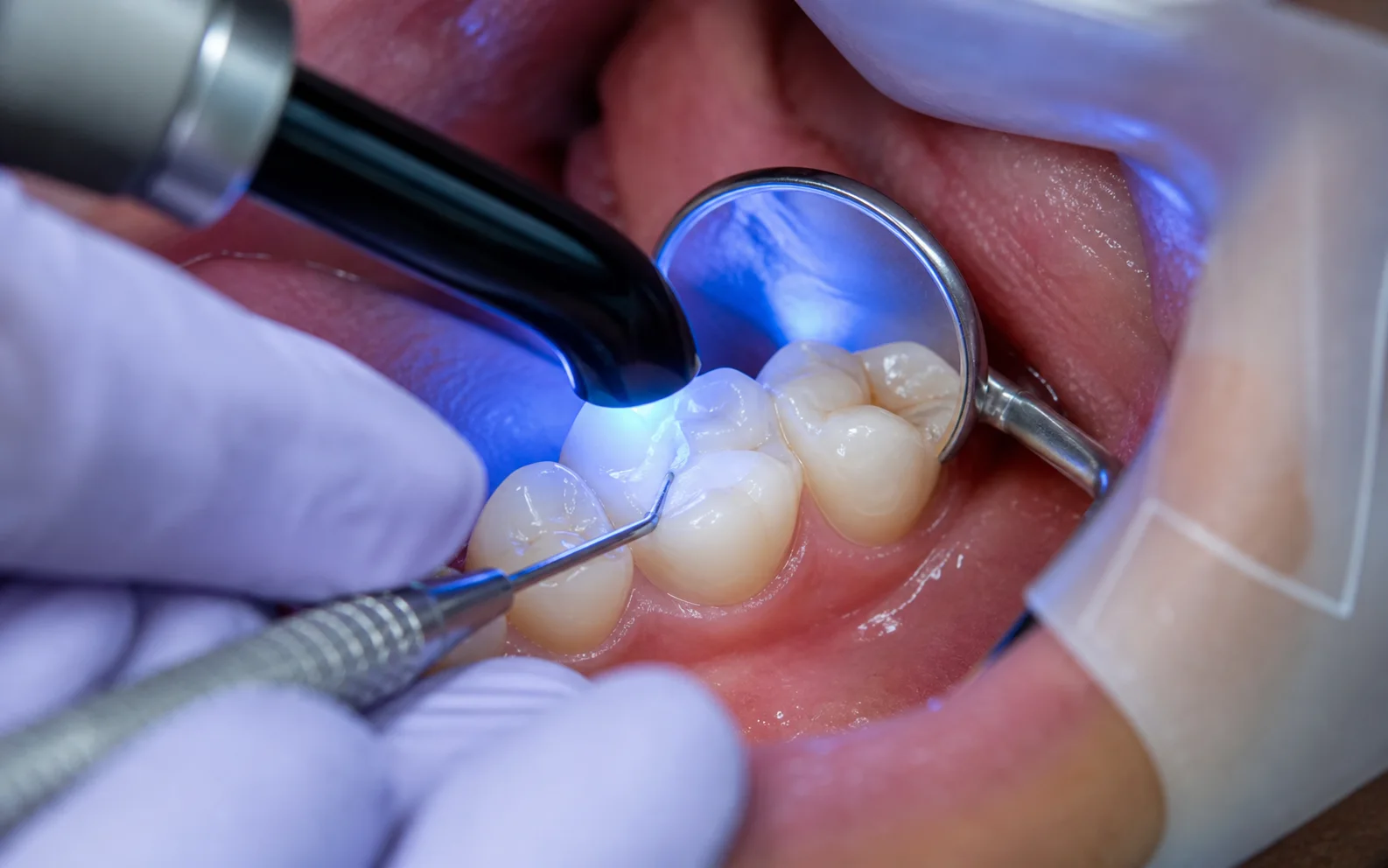
A temporary crown may be used while the final crown is being made. At the fitting visit, your dentist checks the crown margins, bite, contact with neighbouring teeth, shade, and comfort before cementing it. Fine adjustments can make a large difference to how natural the crown feels during chewing.
Procedure steps
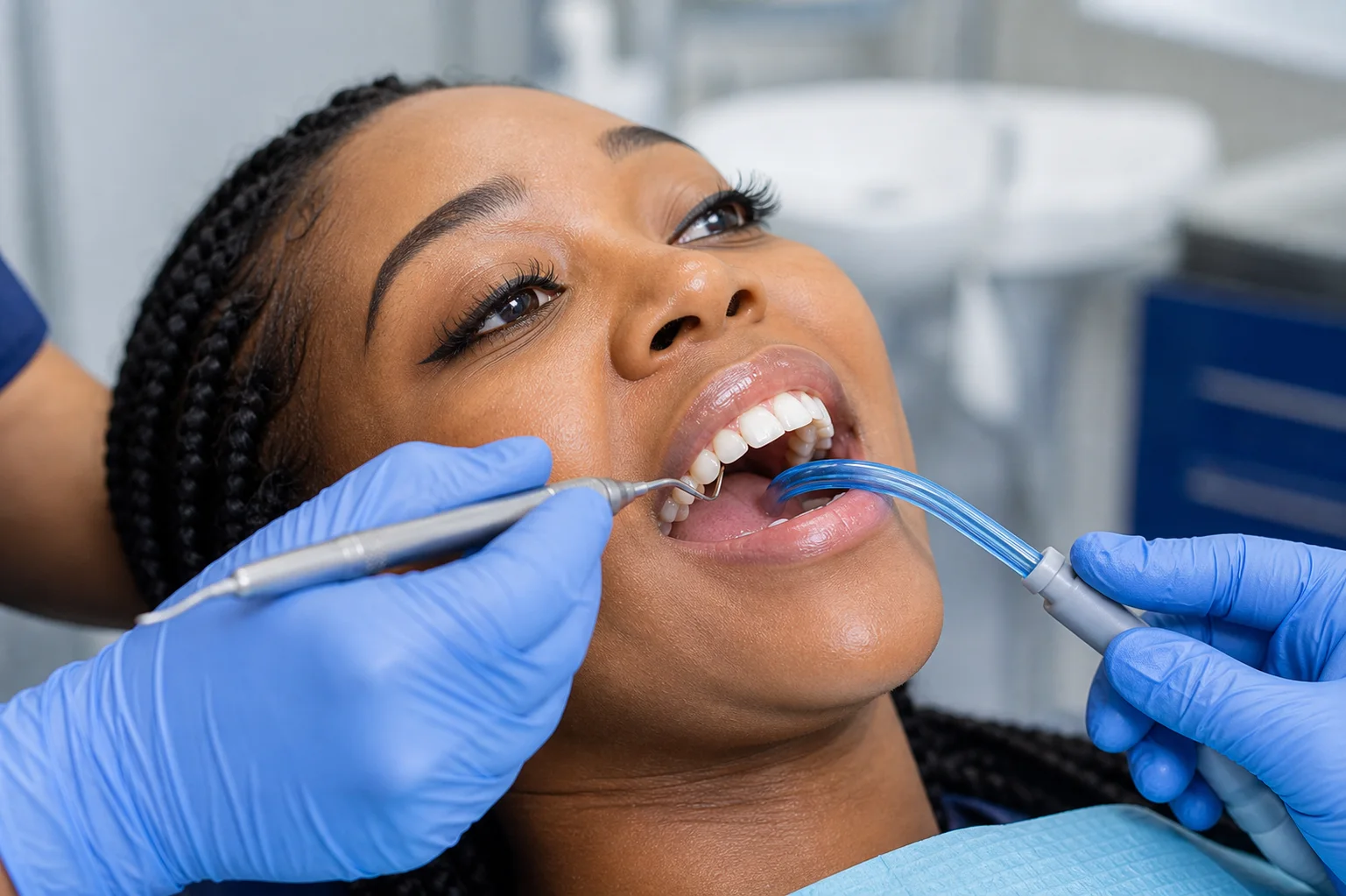
A crown is durable, but the tooth and gum around it still need consistent care.
The crown itself cannot decay, but the tooth at the edge of the crown can. Plaque control around the gum line is essential. Flossing or interdental cleaning helps protect the margin where crown and tooth meet, which is one of the most important areas for long-term maintenance.
Avoid using crowns to bite hard non-food objects, and report any looseness, roughness, or bite change. Grinding and clenching can place high forces on crowns and natural teeth, so your dentist may assess whether additional protection is needed based on your bite and wear patterns.
Care habits
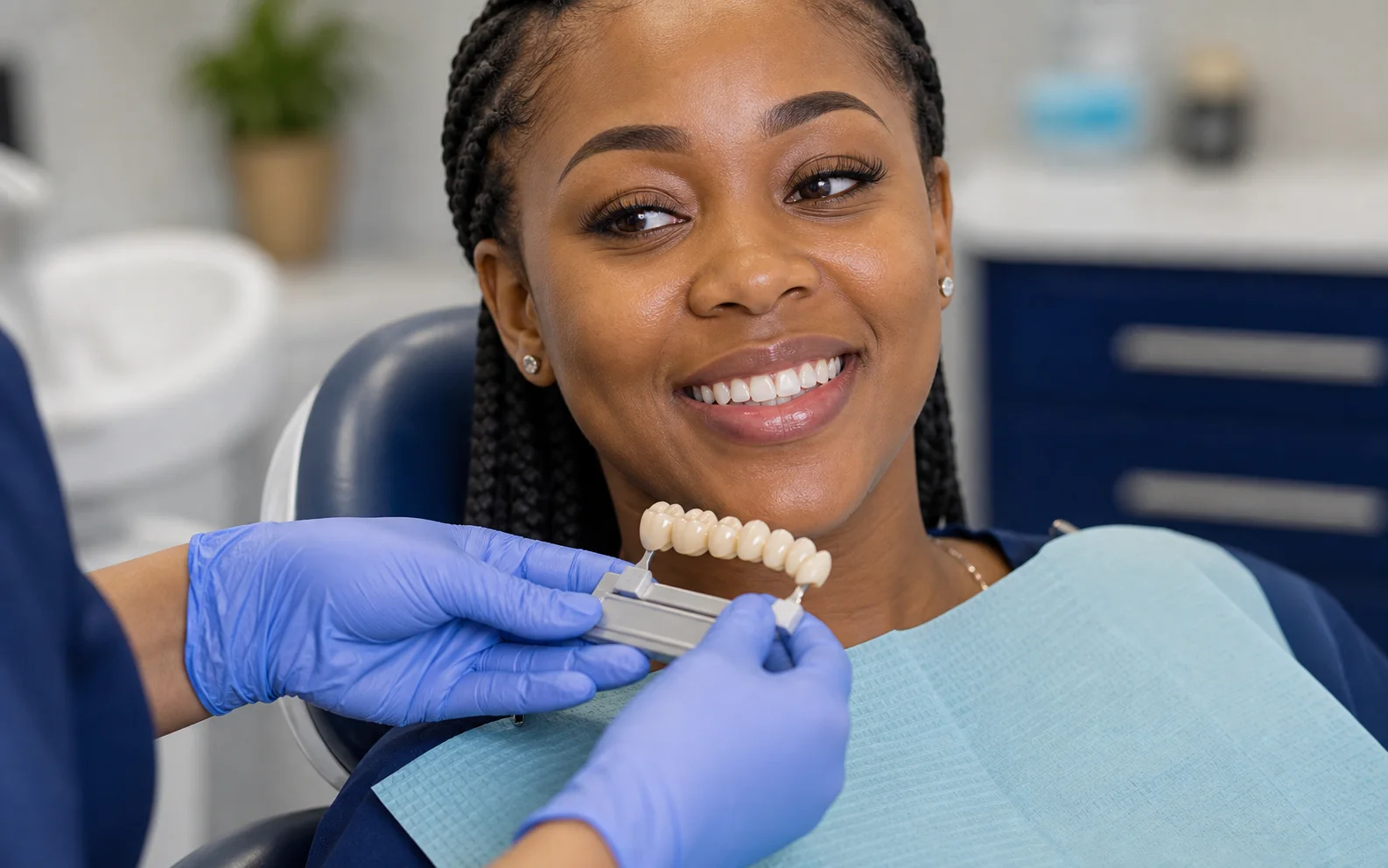
A crown can protect and rebuild a tooth, but it still depends on the tooth underneath and the way it is maintained.
The main benefit is coverage: a crown can hold together weakened tooth structure, restore chewing shape, and improve appearance where clinically appropriate. It can also be part of a wider plan after root canal treatment, severe wear, or fracture repair.
The limitation is that a crown is not a new tooth root. Decay can still start at the crown edge, gum disease can still affect support, and heavy grinding can damage porcelain or the opposing teeth. Your dentist should explain these risks and the alternatives, such as a filling, onlay, extraction, bridge, denture, or implant pathway where relevant.
What to weigh up
Crown costs vary because preparation, materials, laboratory work, and foundation treatment differ by tooth.
A crown fee may be affected by whether the tooth needs a core build-up, removal of old restorations, X-rays, root canal treatment, or gum management before the crown can be made. Material choice and laboratory requirements also influence the final cost.
A useful treatment plan should explain the crown fee and any related steps rather than treating them as surprises. Smile On Dental can discuss the recommended sequence after the examination, including what needs to happen before the crown and how the restoration should be maintained afterward.
What affects price

Smile On Dental plans crowns around function, protection, and a natural fit with the rest of your mouth.
The team considers the tooth, the bite, the gum line, and the longer-term maintenance needs before recommending a crown. This matters because a crown that looks good but traps plaque, feels high, or ignores a crack is not a complete restorative solution.
The takeaway is that a crown is a protective restoration for a tooth that needs coverage. It should be recommended for a clear reason, made with suitable materials, fitted accurately, and reviewed as part of routine dental care.
What matters
Who It Helps
Treatment Journey
Usually a staged treatment with assessment, preparation, and final fit.
You may come in with a cracked tooth, a heavily filled tooth, a weak tooth after root canal treatment, or a tooth that needs shape and strength restored.
The dentist uses this first conversation to understand what you want fixed, what is urgent, what has changed recently, and what result would feel useful to you.
What the dentist may ask
The plan is based on diagnosis first, not a one-size-fits-all recommendation.
The dentist checks how much tooth structure remains, the bite, gum health, X-ray findings, and whether a crown is better than a filling or veneer.
The suitable options may include A filling if enough tooth structure remains, A crown for strength and coverage, Root canal treatment first if the nerve is affected. The dentist explains why one route may be more predictable than another for your mouth.
What is decided here
Some dental work needs more than one appointment because records, healing, lab work, or careful fitting are involved.
If a crown is suitable, the tooth is prepared, records are taken, and a temporary or provisional stage may be used while the final restoration is made.
A second visit is usually needed for the final crown fit unless a same-day workflow is specifically available and suitable.
Planning details
The final part of the journey is making sure the result works in daily life.
The final crown is fitted, the bite is adjusted, and the dentist checks the margins and comfort. Reviews help monitor gum health and function around the crown.
You are shown how to clean around the crown edge and protect it from heavy biting or grinding forces.
Aftercare focus
Benefits
Suitability
Restorative Dentistry
Restorative treatment depends on the amount of tooth structure, gum health, bite forces, materials, and whether the tooth can be predictably maintained.
Suitability
The dentist considers symptoms, oral health, bite, medical history, expectations, and maintenance before recommending dental crowns.
Costs
Cost discussions are most useful after diagnosis because materials, complexity, visit count, and follow-up needs vary from patient to patient.
Appointment
Your dentist reviews your concern, oral health, and treatment goals before recommending next steps.
The team explains the likely process, timing, and care options in straightforward language.
Your treatment plan is shaped around comfort, function, appearance, and long-term oral health.
Costs & Aftercare
Before You Book
Mention whether you are booking for crowns, pain, appearance, function, prevention, or a second opinion.
At the Visit
Ask about diagnosis, options, number of visits, comfort, maintenance, and what could happen if treatment is delayed.
Aftercare
Your dentist will explain home care, review visits, and any symptoms that should be reported after treatment.
FAQs
The best starting point is a consultation. Your dentist will assess your teeth, gums, bite, symptoms, concerns, and smile goals before recommending a personalised treatment plan.
Yes. Use the Book an Appointment button to open the booking site and choose a convenient appointment time. You can also request a callback if you would prefer the practice team to contact you first.
Yes. You can request a callback if you prefer the practice team to contact you before booking. This can be helpful when you are unsure whether you need a routine visit, cosmetic consultation, orthodontic assessment, or urgent support.
Yes. Costs depend on the diagnosis, treatment complexity, materials, and number of visits required. Your dentist can explain the recommended next step before treatment begins.
Bring your identification, medical history, current medication details, previous dental information if available, and any questions you want to discuss with the dentist.
Book an assessment so the dentist can diagnose the cause before you choose a treatment. Pain or swelling may need urgent attention, X-rays, restorative care, or another clinical next step.
Related Treatments
Helpful Articles
Locations
Clinical Leadership

Dr. Kholofelo Machaba-Selatole leads Smile On Dental & Aesthetic Studio with a warm, patient-focused approach to family, restorative, cosmetic, and orthodontic care.
60+ five-star patient reviews across Pretoria and Polokwane.
"Customer care is superb, very friendly front desk staff. I'm happy to have gained my confidence back."

Polokwane
"From reception right into the doctor's consultation room it was all smiley faces that welcomed us."

Polokwane
"The best dental service I have seen in Pretoria, cannot wait for my next appointment."

Pretoria
"Customer care is superb, very friendly front desk staff. I'm happy to have gained my confidence back."
Polokwane
"From reception right into the doctor's consultation room it was all smiley faces that welcomed us."
Polokwane
"The best dental service I have seen in Pretoria, cannot wait for my next appointment."
Pretoria
Book a Consultation