First Step
Consultation
The dentist checks your concern and confirms whether this treatment is suitable before care begins.
General Dentistry
Book Bad Breath Treatment with Smile On Dental. Start with an assessment, understand your options, and get clear next steps before treatment begins.
Quick Summary
First Step
The dentist checks your concern and confirms whether this treatment is suitable before care begins.
Best For
Suitability depends on oral health, symptoms, goals, and clinical findings.
Planning
Timing, visits, cost factors, and aftercare are explained after the assessment.
Branch Access
Use the location section to choose the branch that is easiest for you to attend consistently.
Overview
Treatment Introduction
Persistent bad breath can be linked to plaque build-up, gum inflammation, oral hygiene habits, dry mouth, or other dental concerns. A dental visit helps narrow the cause responsibly.
Decision Support
Smile On Dental uses the visit to understand your symptoms, goals, oral health, and expectations before recommending a suitable treatment plan.
Visual Guide


Treatment Guide
Bad breath can be temporary, but persistent odour often has an oral health cause that can be assessed and treated.
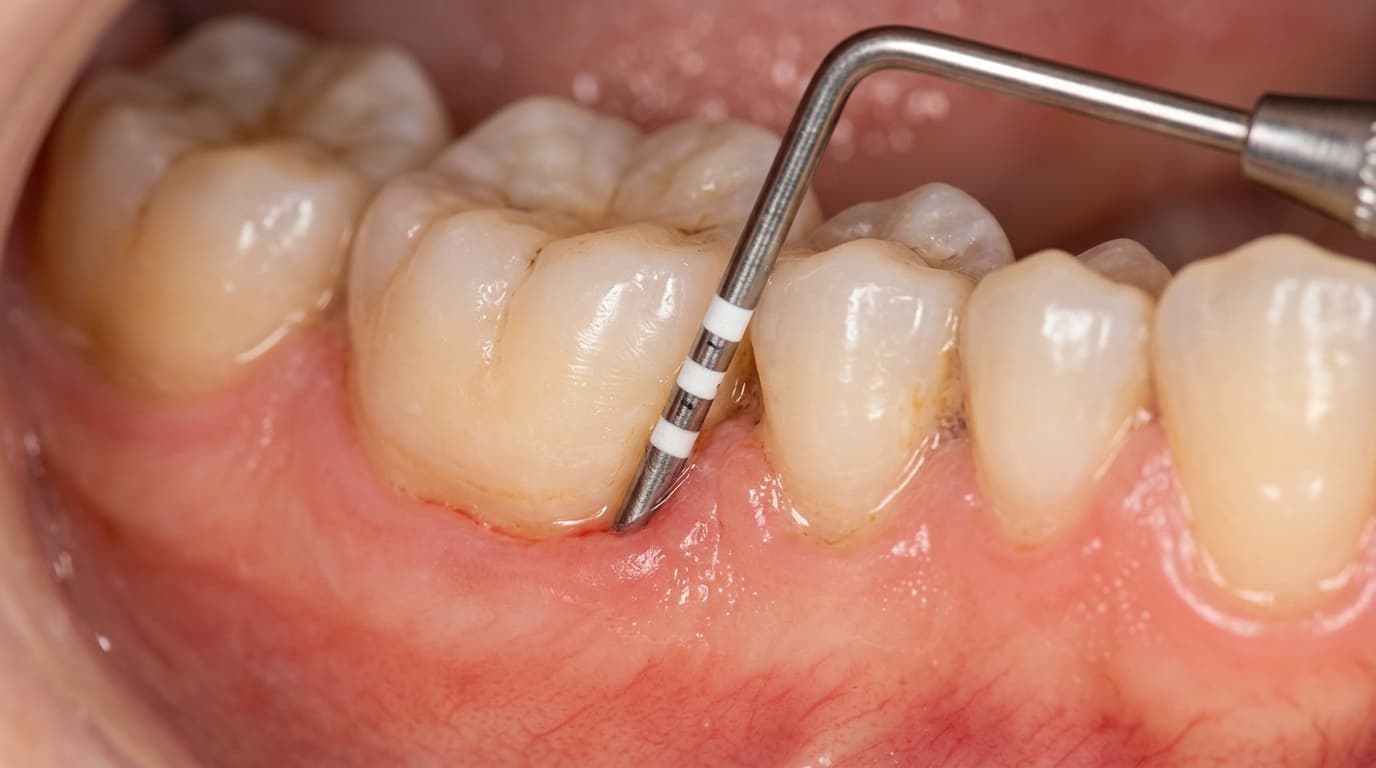
Common dental causes include plaque build-up, tartar, gum inflammation, tongue coating, trapped food, dry mouth, cavities, or poorly fitting dental work. These allow bacteria to produce odours that brushing alone may not fully control, especially when deposits sit below the gumline or between teeth.
Bad breath can also be influenced by smoking, diet, dehydration, medications, sinus concerns, reflux, and other health factors. A dental visit helps identify whether the main source is in the mouth and what steps are most appropriate. This matters because treatment is different when the cause is gum inflammation compared with dry mouth or a food trap.
Common causes
Persistent bad breath is best managed by finding the source instead of only masking the odour.
Mints and mouth rinses may help temporarily, but they may not remove the bacteria or deposits causing the problem. If gum disease, decay, or food traps are present, the underlying issue needs direct dental care rather than repeated masking.
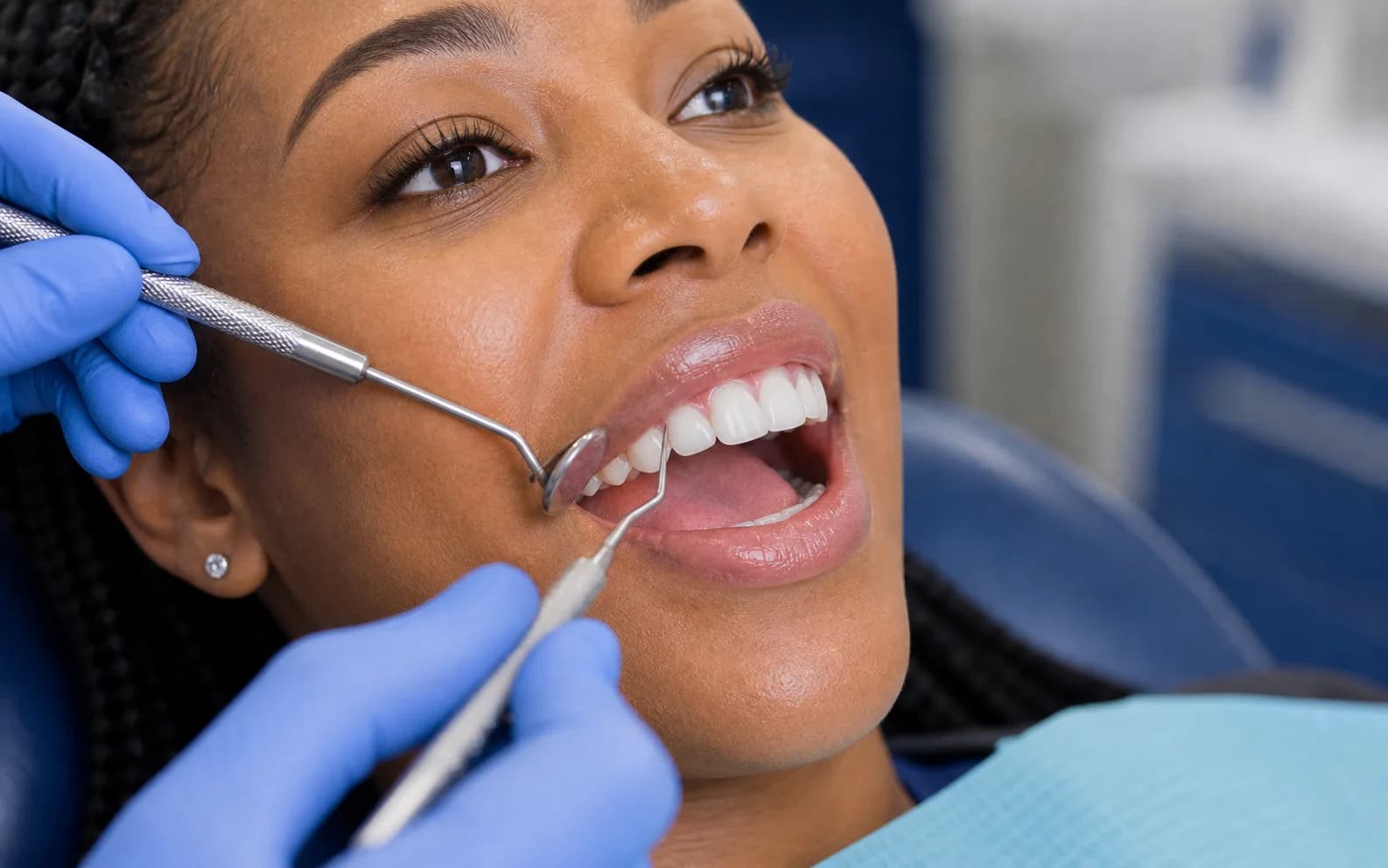
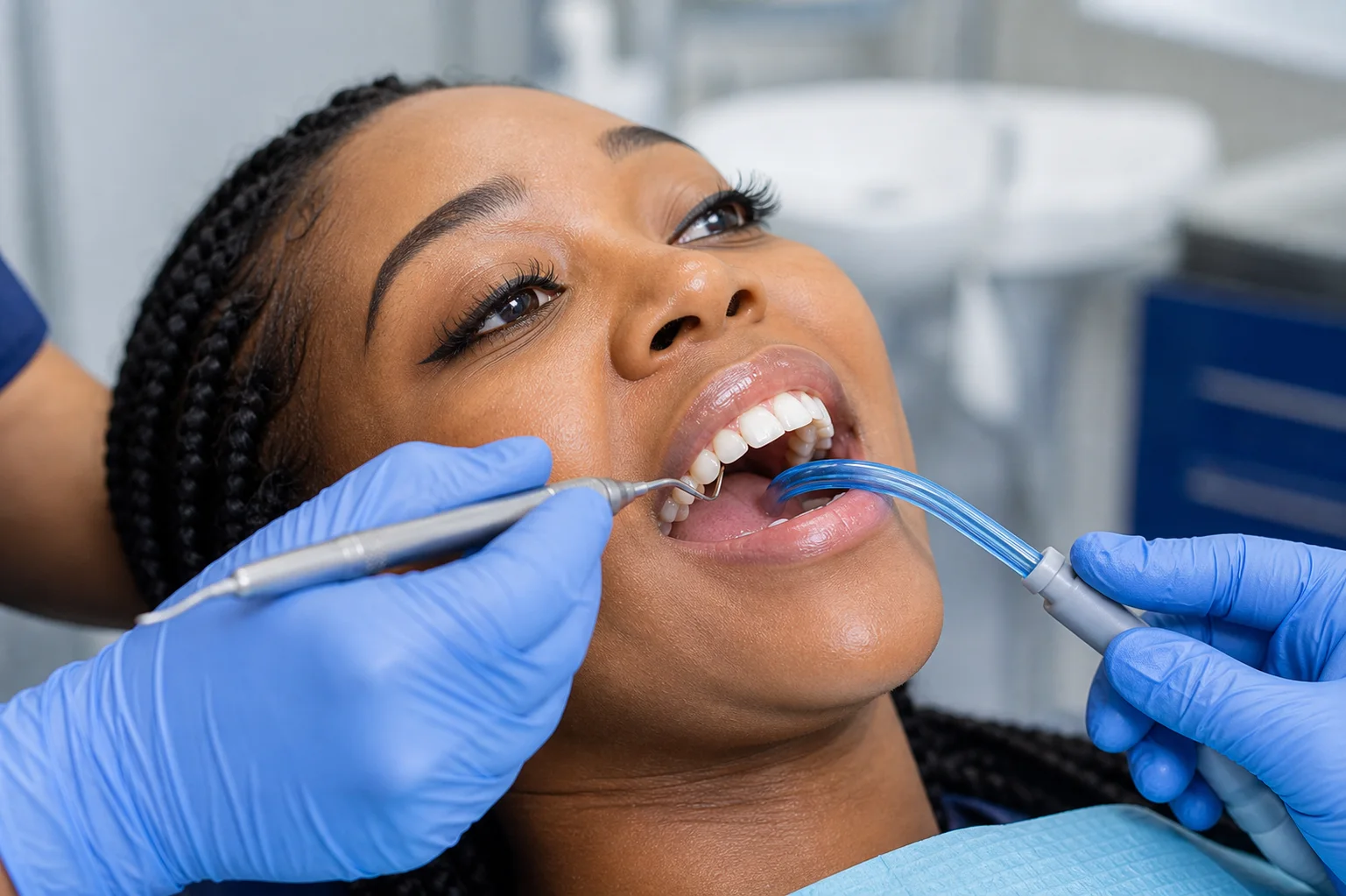
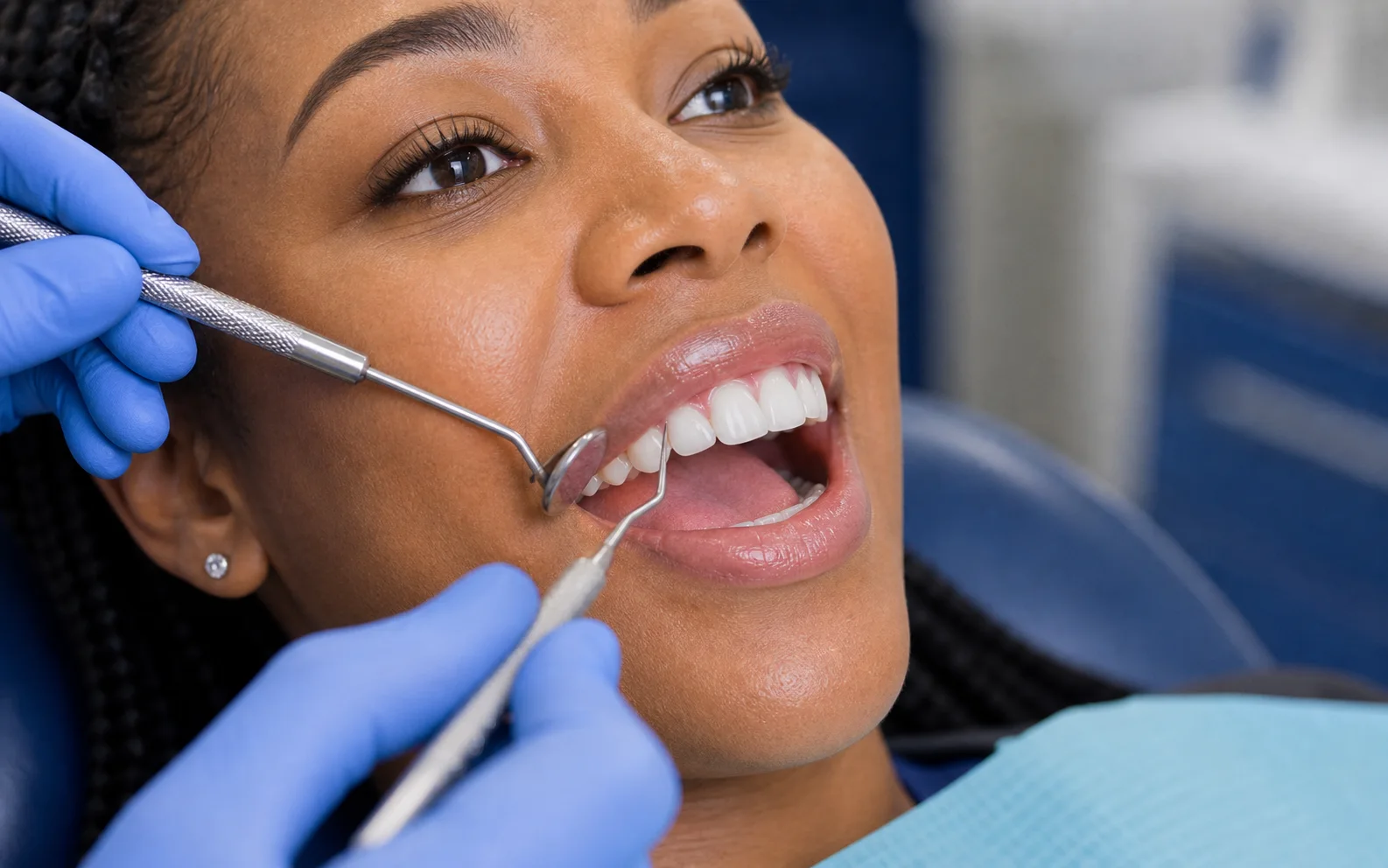
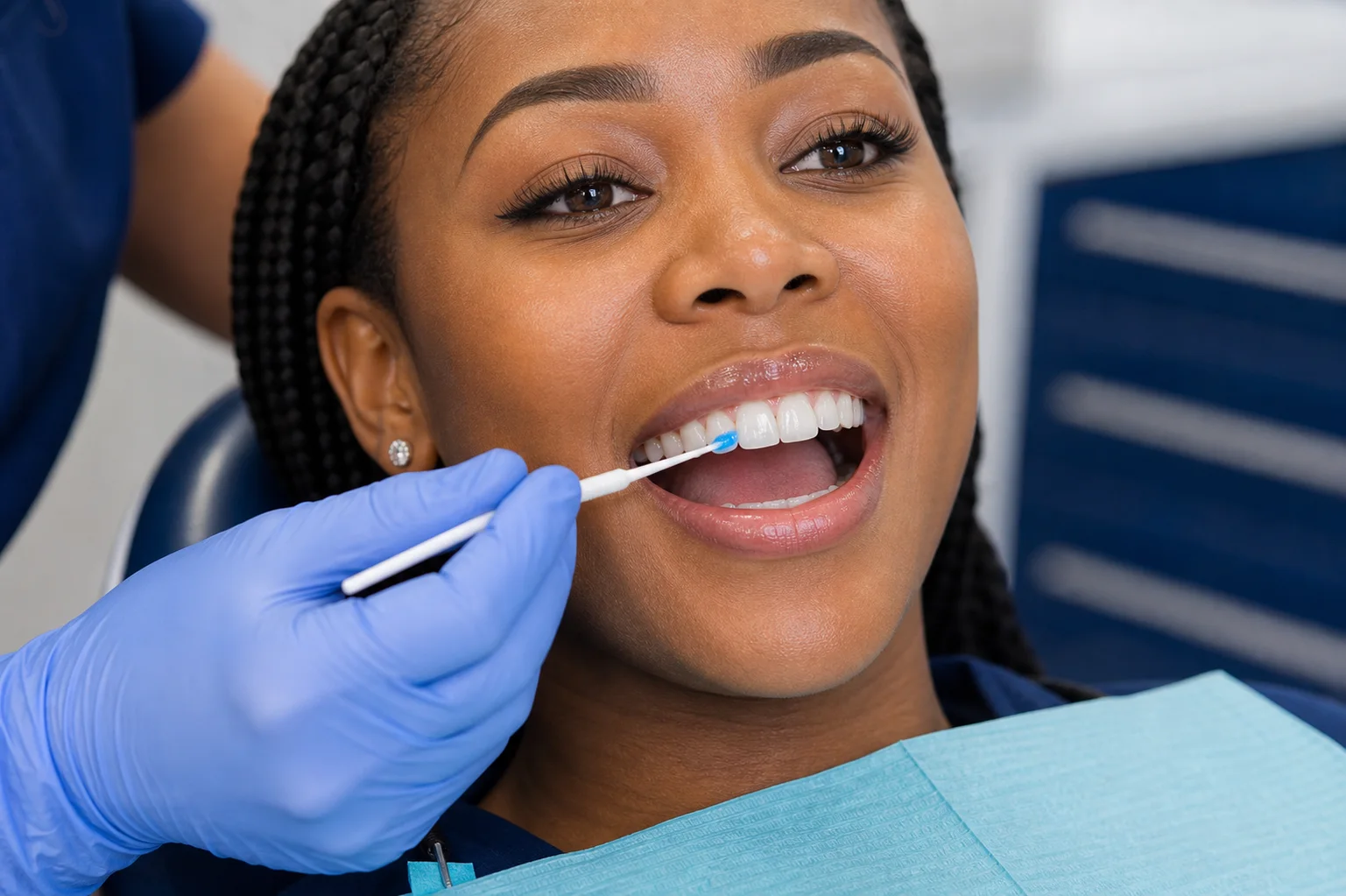
During assessment, the dentist checks the gums, teeth, tongue, restorations, and areas where food may collect. They may also ask about dry mouth, smoking, diet, medications, and when the odour is most noticeable. The pattern can help separate morning breath from a persistent problem that needs treatment.
Assessment includes
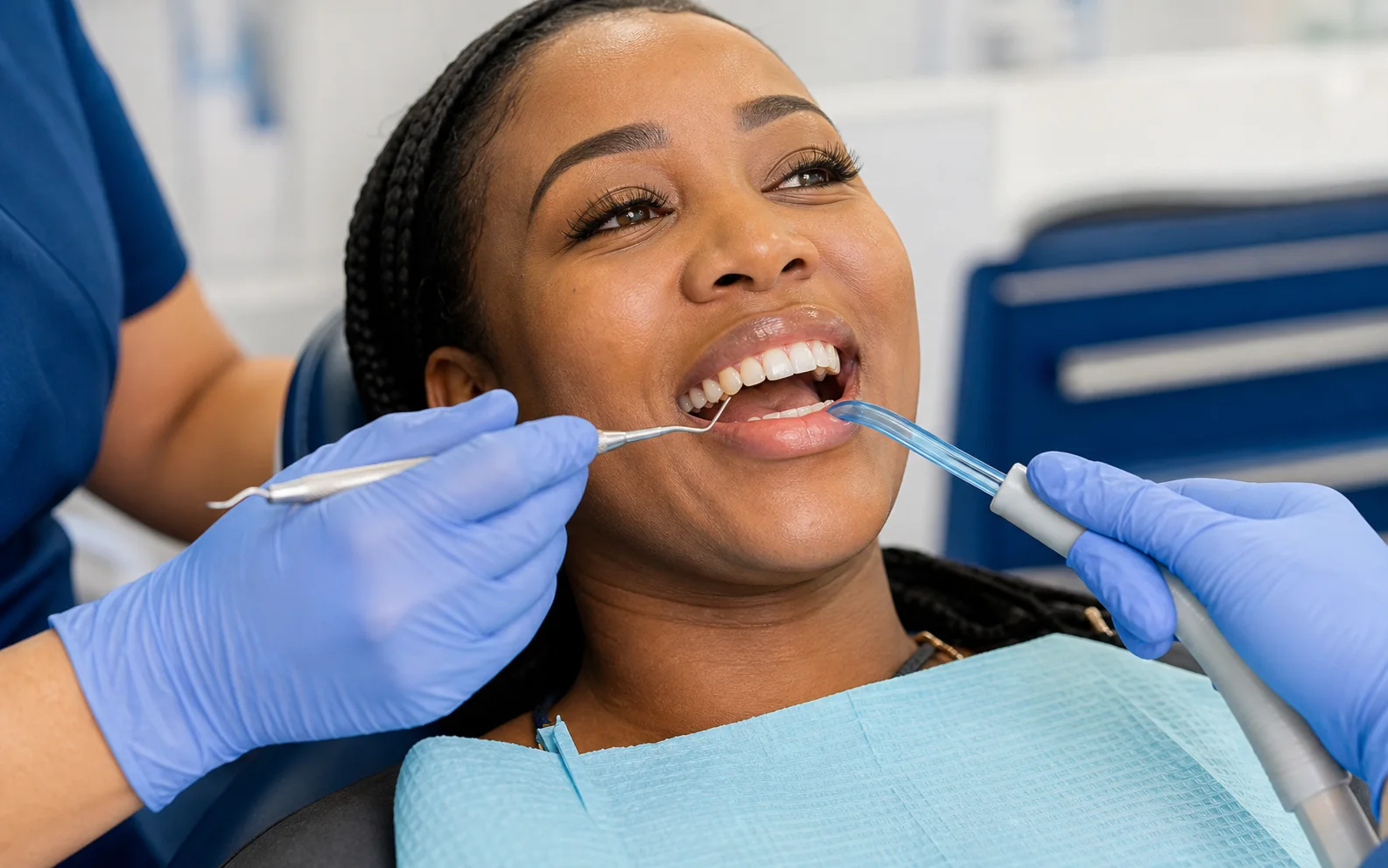
You do not need to feel embarrassed; bad breath is a common concern and can often be improved with targeted care.
Before your appointment, note when the problem started, whether others have mentioned it, and whether it is worse in the morning, after meals, or throughout the day. Also mention dry mouth, reflux, sinus symptoms, smoking, or recent changes in medication.
Try to describe your usual brushing, flossing, tongue cleaning, and mouthwash routine honestly. This helps the team identify oral hygiene gaps without guessing and recommend changes that are realistic for your day. If you use aligners, retainers, dentures, or a night guard, bring that routine into the discussion too.
Mention details
Bad breath treatment often starts with cleaning and then addresses any oral health problems that keep bacteria active.
If plaque and tartar are present, a professional dental cleaning can remove bacterial deposits around the teeth and gumline. If gum disease is suspected, more detailed gum treatment may be recommended to reduce inflammation and deeper bacterial pockets.
Other treatment may include repairing cavities, smoothing rough fillings, improving denture hygiene, managing dry mouth, or adjusting home care. Tongue cleaning advice is often included because the tongue can hold odour-producing bacteria. The plan should target the cause rather than adding multiple products without a clear reason.
May include
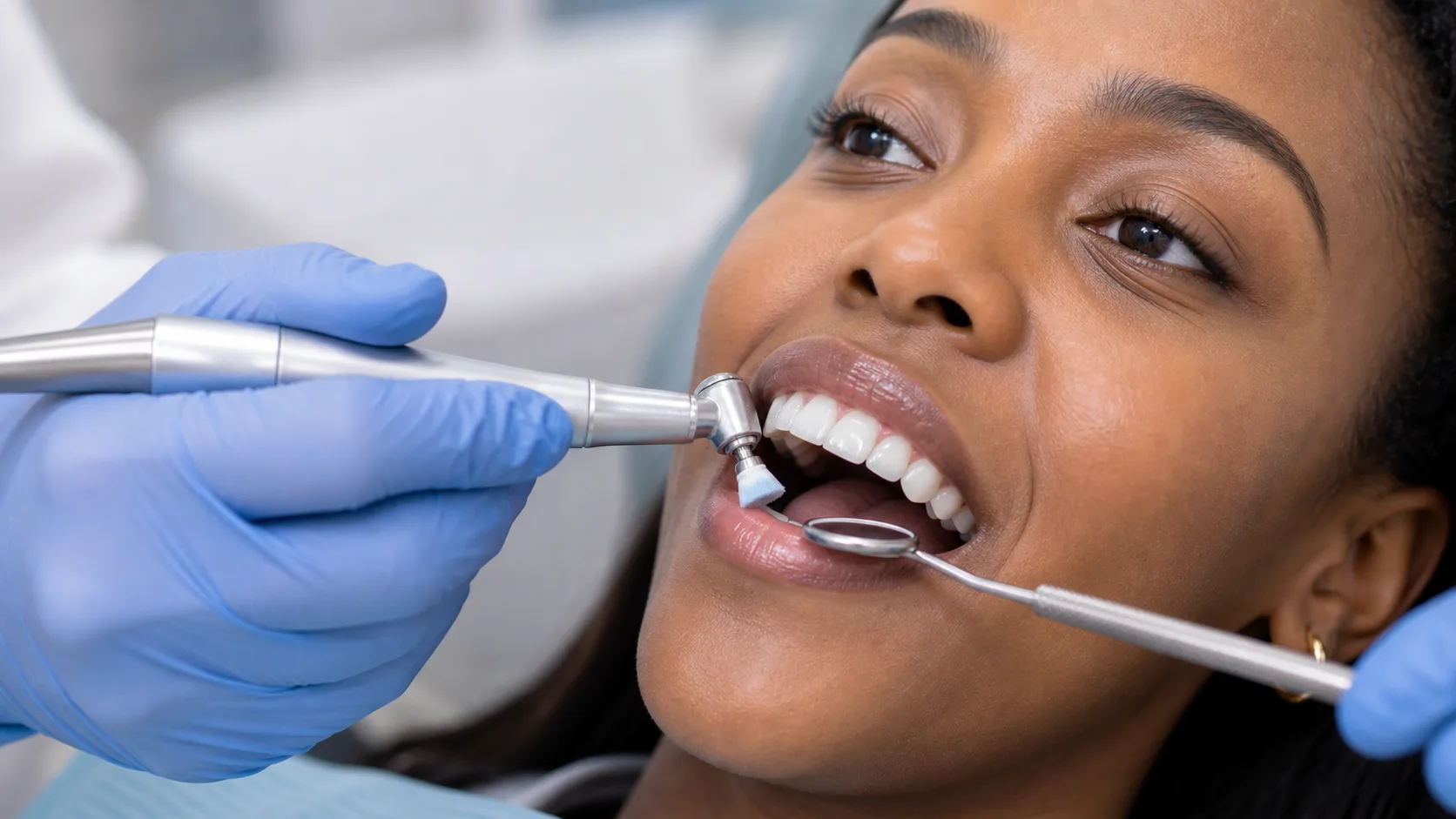
Daily habits have a major effect on breath because they control the bacteria that produce odour.
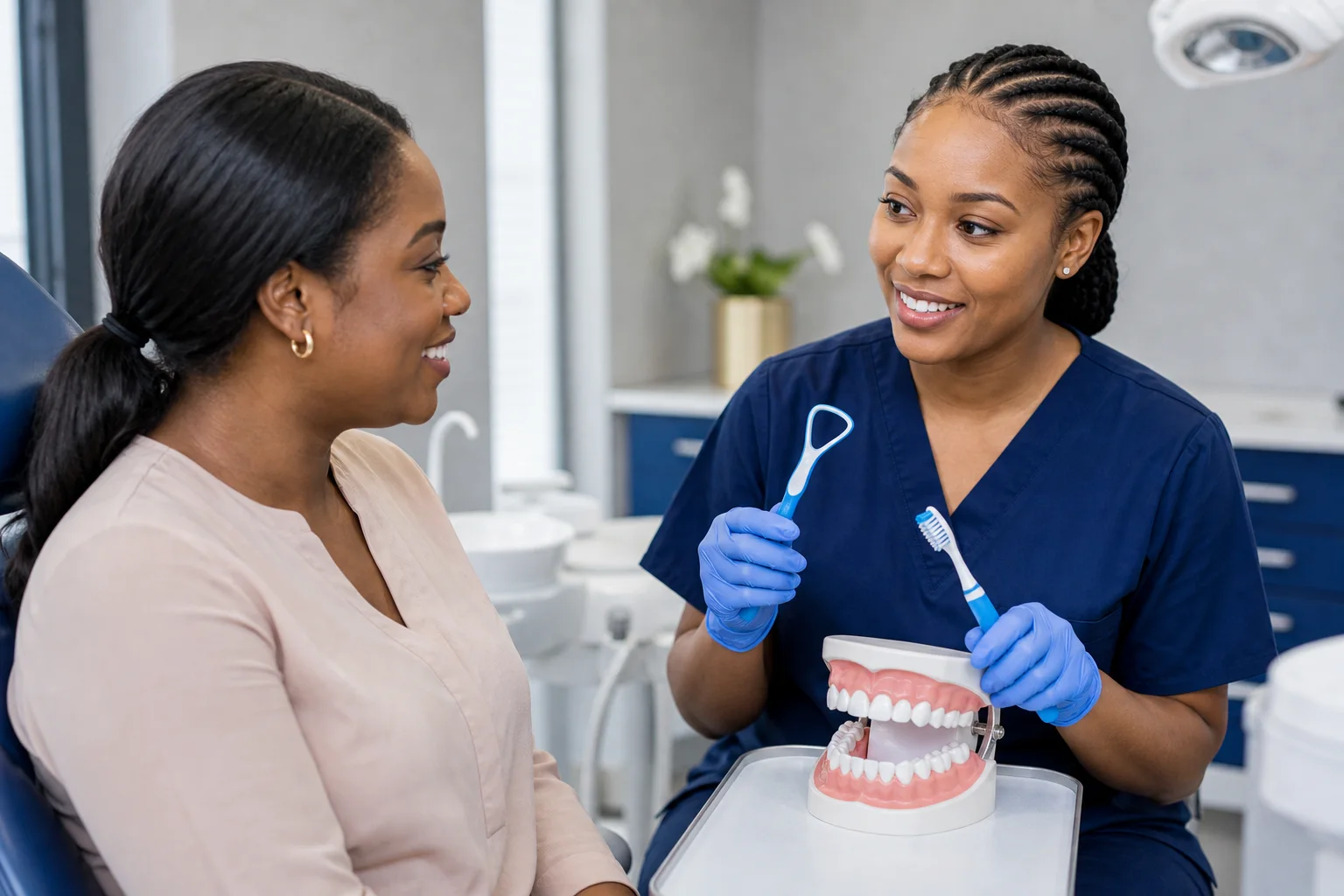
Brush twice daily with fluoride toothpaste, clean between teeth, and clean the tongue gently if advised. Drink water regularly, especially if your mouth feels dry, and avoid relying only on strongly flavoured rinses that mask rather than solve the cause.
If dentures, retainers, aligners, or mouth guards are worn, they also need careful cleaning. Appliances can trap plaque and odour if they are not cleaned and stored correctly. The dentist can advise on cleaning methods that suit the appliance material and your routine.
Daily focus
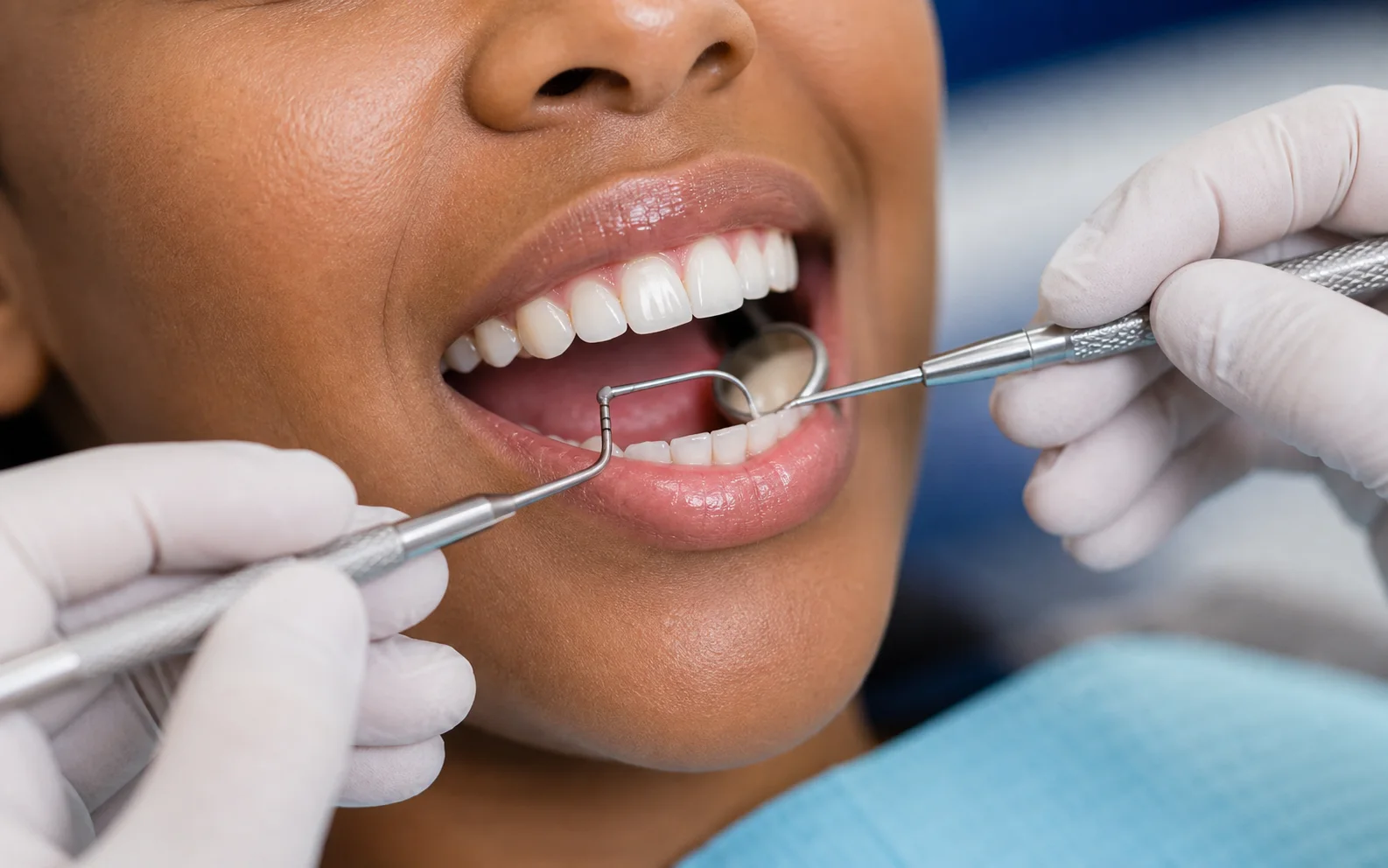
The cost of bad breath care depends on the cause and the level of treatment needed.
Factors can include whether a consultation, X-rays, professional cleaning, gum treatment, fillings, denture adjustments, or follow-up visits are needed. If the cause is mainly plaque and tartar, treatment may be simpler than when gum disease, decay, or dry mouth management is involved.
If the dental assessment suggests a non-dental contributor, the dentist may recommend medical follow-up. Smile On Dental can address oral causes and guide you on when another health provider may need to be involved. This avoids treating the mouth repeatedly when another factor may be driving the symptom.
May affect cost
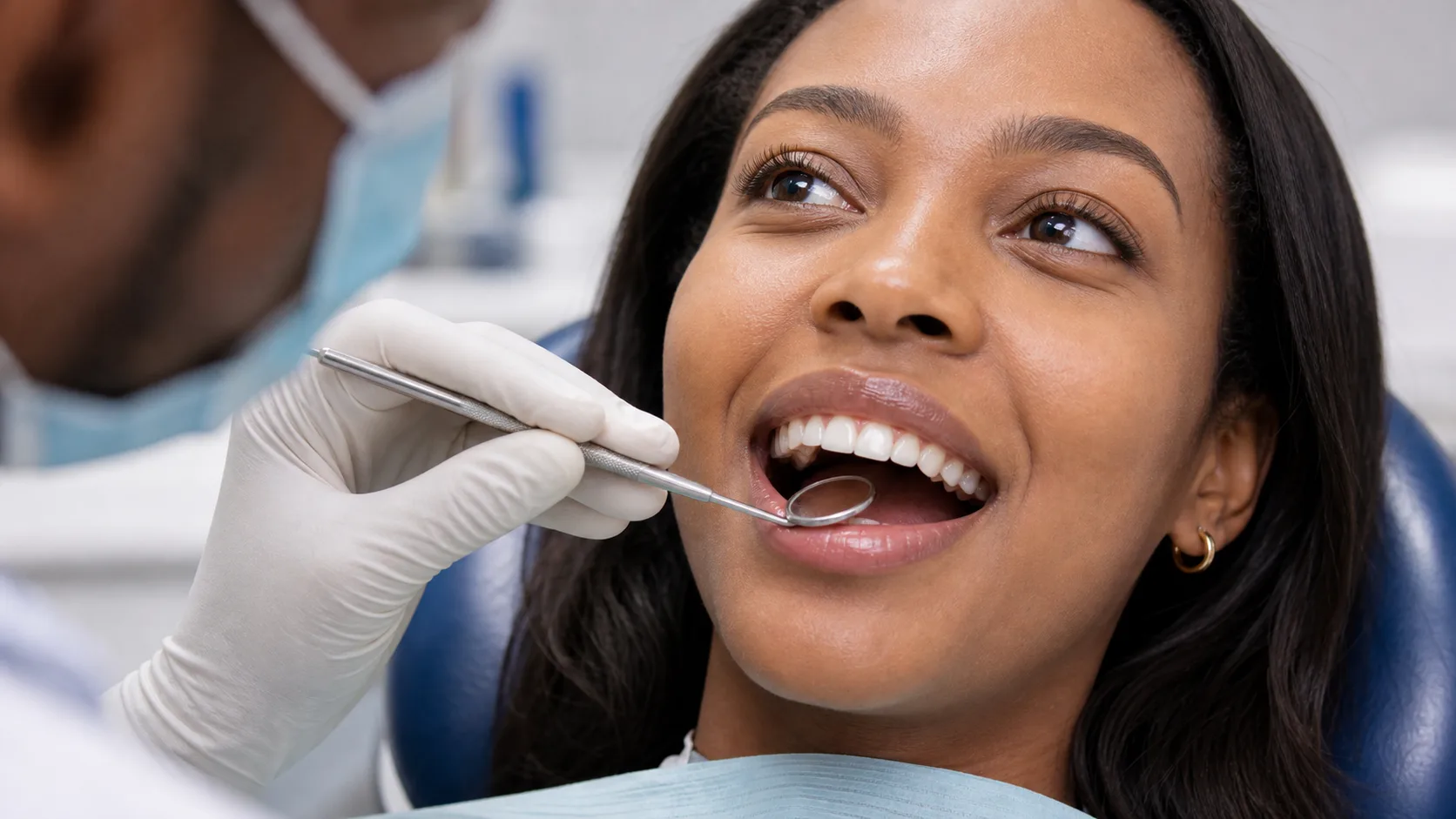
Bad breath treatment should be practical, respectful, and focused on the source of the problem.
Smile On Dental approaches breath concerns by checking the common oral causes first and explaining what can be improved through cleaning, gum care, repairs, and home routine changes. The aim is clear guidance without embarrassment.
The takeaway is that persistent bad breath is worth assessing. When the cause is dental, targeted care can make your mouth healthier and may help you feel more confident in close conversations. Early attention can also reveal gum or decay problems before they become more uncomfortable. The most useful plan is usually simple, consistent, and based on what is actually found rather than on masking products alone or repeated guessing over time.
Our focus
Who It Helps
Treatment Journey
Usually begins with one assessment and hygiene-focused visit.
You may come in because bad breath keeps returning even after brushing, mouthwash, or changing products.
The dentist will ask when it started, what makes it better or worse, whether there is pain or sensitivity, and what you want the visit to help you solve.
What this first step covers
Before treatment starts, the dentist confirms what is actually going on.
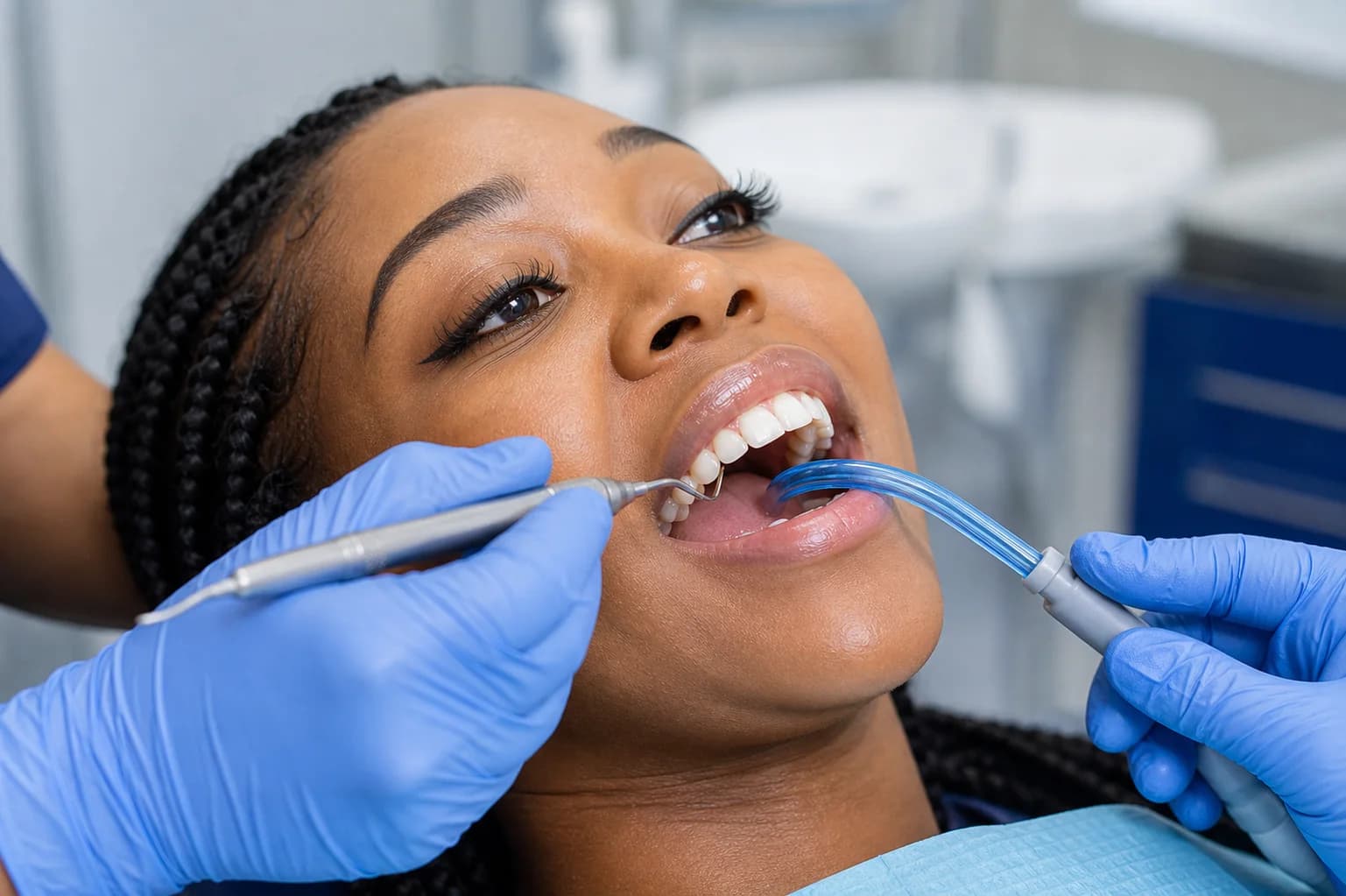
The dentist checks plaque, tartar, gum pockets, bleeding, tongue coating, dry mouth, cavities, food traps, and restorations that may hold bacteria.
The dentist may then explain options such as Professional cleaning, Gum disease treatment, Daily hygiene changes and review if breath does not improve, depending on what the examination shows.
What may be checked
Some treatments are completed in one appointment, while others need a separate visit.
The visit focuses on finding the dental source instead of masking the smell. Cleaning or gum care may be recommended when build-up or inflammation is present.
A second visit may be needed for deeper gum care or if bad breath continues after the first hygiene changes.
What you should know before leaving
The journey should end with you knowing how to protect the result.
If gum disease, dry mouth, or heavy build-up is involved, the dentist may schedule a review to see whether the cause is improving.
You receive guidance on brushing, interdental cleaning, tongue cleaning, hydration, and when mouthwash is useful or not enough.
Your home-care plan
Benefits
Suitability
General Dentistry
General dental concerns can have more than one cause. The safest first step is an assessment so the dentist can explain what is happening before treatment is chosen.
Suitability
The dentist considers symptoms, oral health, bite, medical history, expectations, and maintenance before recommending bad breath treatment.
Costs
Cost discussions are most useful after diagnosis because materials, complexity, visit count, and follow-up needs vary from patient to patient.
Appointment
Your dentist reviews your concern, oral health, and treatment goals before recommending next steps.
The team explains the likely process, timing, and care options in straightforward language.
Your treatment plan is shaped around comfort, function, appearance, and long-term oral health.
Costs & Aftercare
Before You Book
Mention whether you are booking for bad breath, pain, appearance, function, prevention, or a second opinion.
At the Visit
Ask about diagnosis, options, number of visits, comfort, maintenance, and what could happen if treatment is delayed.
Aftercare
Your dentist will explain home care, review visits, and any symptoms that should be reported after treatment.
FAQs
The best starting point is a consultation. Your dentist will assess your teeth, gums, bite, symptoms, concerns, and smile goals before recommending a personalised treatment plan.
Yes. Use the Book an Appointment button to open the booking site and choose a convenient appointment time. You can also request a callback if you would prefer the practice team to contact you first.
Yes. You can request a callback if you prefer the practice team to contact you before booking. This can be helpful when you are unsure whether you need a routine visit, cosmetic consultation, orthodontic assessment, or urgent support.
Yes. Costs depend on the diagnosis, treatment complexity, materials, and number of visits required. Your dentist can explain the recommended next step before treatment begins.
Bring your identification, medical history, current medication details, previous dental information if available, and any questions you want to discuss with the dentist.
Book an assessment so the dentist can diagnose the cause before you choose a treatment. Pain or swelling may need urgent attention, X-rays, restorative care, or another clinical next step.
Related Treatments
Helpful Articles
Locations
City Treatment Pages
Clinical Leadership

Dr. Kholofelo Machaba-Selatole leads Smile On Dental & Aesthetic Studio with a warm, patient-focused approach to family, restorative, cosmetic, and orthodontic care.
60+ five-star patient reviews across Pretoria and Polokwane.
"Customer care is superb, very friendly front desk staff. I'm happy to have gained my confidence back."

Polokwane
"From reception right into the doctor's consultation room it was all smiley faces that welcomed us."

Polokwane
"The best dental service I have seen in Pretoria, cannot wait for my next appointment."

Pretoria
"Customer care is superb, very friendly front desk staff. I'm happy to have gained my confidence back."
Polokwane
"From reception right into the doctor's consultation room it was all smiley faces that welcomed us."
Polokwane
"The best dental service I have seen in Pretoria, cannot wait for my next appointment."
Pretoria
Book a Consultation