Quick Answer
Daily gum bleeding should be assessed even when you use a gentle brush. Plaque-related gingivitis is common and can make gums red, swollen, and easy to bleed, but tartar, gum disease with bone loss, food trapping, dental work, brushing technique, smoking, pregnancy, medicines, and health conditions can affect the pattern. The dentist may examine the gums, measure around teeth, check plaque and tartar, review X-rays where needed, and decide whether routine cleaning, gum-focused treatment, home-care changes, or medical coordination is appropriate.
- Gentle brushing does not remove tartar or plaque left between teeth.
- Bleeding is a sign to investigate, not a reason to stop cleaning the area indefinitely.
- Gingivitis and periodontitis are different, so gum measurements and bone support may matter.
- Tell the dentist about smoking, pregnancy, diabetes, medicines, and unusual bleeding elsewhere.
Bleeding usually means the gums need attention
Healthy gums should not bleed every day during ordinary gentle cleaning. Plaque at the gumline can trigger inflammation called gingivitis, making gums red, swollen, and more likely to bleed. Tartar can keep the area rough and difficult to clean.
Bleeding can also occur around food traps, crowded teeth, braces, fixed retainers, crowns, or bridges. If one area bleeds while the rest of the mouth does not, the dentist may look for a local cleaning or restoration problem.
The amount of bleeding does not reliably show the stage of gum disease. Smoking can reduce visible bleeding in some people while disease remains. A proper gum assessment is more useful than judging severity from colour or pain alone.
Gingivitis and periodontitis are not the same
Gingivitis is inflammation limited to the gums and is often related to plaque build-up. With effective daily cleaning and professional care, it may be reversible. Periodontitis affects the deeper tissues and bone supporting the teeth and requires ongoing professional management.
A person can have gum disease without significant pain. Warning signs can include persistent bleeding, gum recession, bad breath, spaces opening between teeth, painful chewing, or loose teeth. These changes need assessment rather than stronger mouthwash alone.
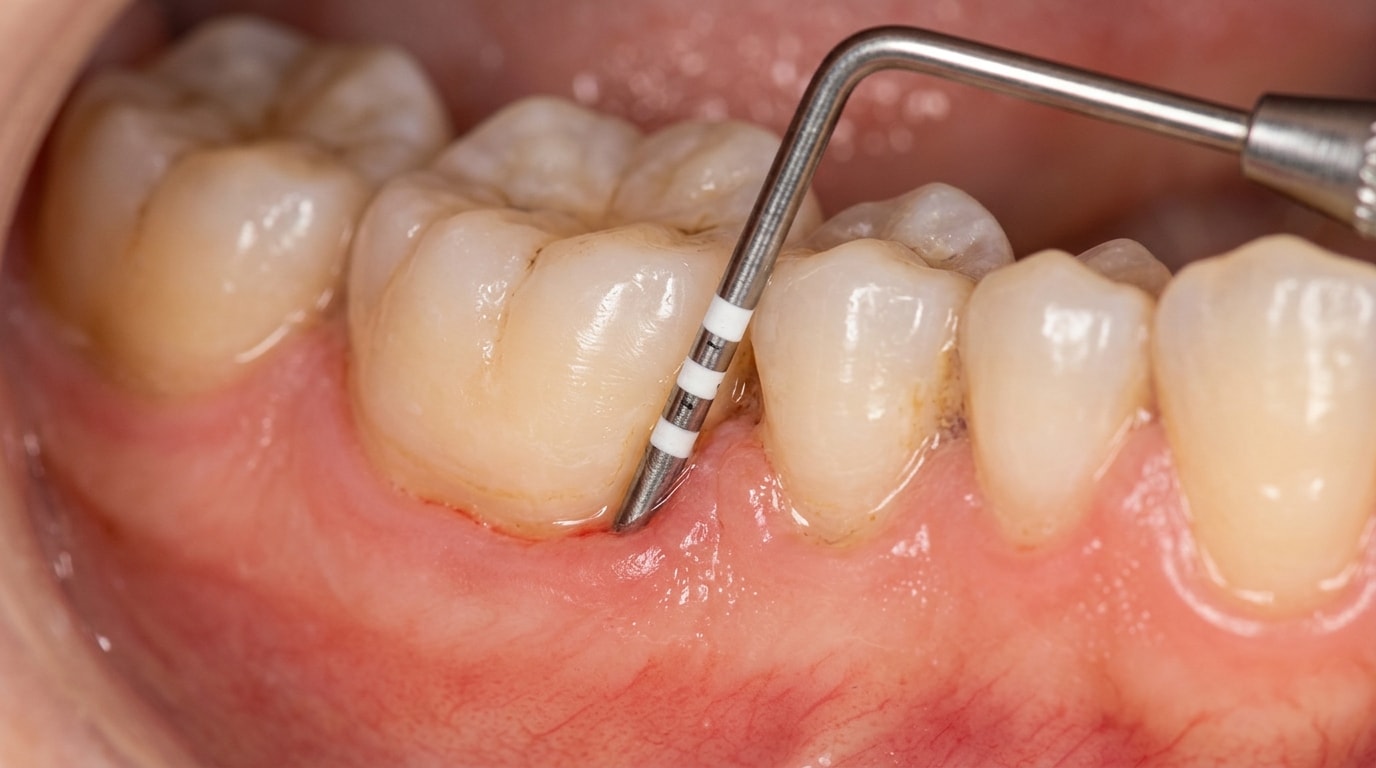
The dentist may measure the spaces around teeth and review bone levels on appropriate X-rays. Those findings help decide whether a routine cleaning is sufficient or whether deeper gum-focused treatment and closer maintenance are needed.
| Finding | Why it matters |
|---|---|
| Red, swollen gums with plaque | May be consistent with gingivitis and a need for plaque control. |
| Tartar at or below the gumline | Requires professional removal. |
| Deeper gum measurements | Can indicate loss of gum attachment and need for periodontal care. |
| Bone changes on X-ray | Help assess supporting structures around teeth. |
| Loose teeth or painful chewing | May indicate more advanced support or bite concerns. |
What the dentist should ask about
The history should include how long bleeding has occurred, whether it is general or localised, and whether you have pain, swelling, bad breath, pus, or loose teeth. Describe your toothbrush, interdental cleaning, and any recent change in routine.
Medical context matters. Pregnancy-related hormonal changes can make gums more reactive to plaque. Diabetes, smoking, dry mouth, immune conditions, and some medicines can influence oral health or healing. Do not stop prescribed medicine because of gum bleeding; discuss the concern with the dentist and prescriber.
Mention unusual bruising, nosebleeds, or bleeding elsewhere. The dentist assesses oral causes but may recommend medical evaluation when the pattern suggests that the mouth is not the only area involved.
- Duration and location of bleeding
- Plaque, tartar, bad breath, and gum swelling
- Smoking or vaping
- Pregnancy and relevant medical conditions
- Medicines and recent health changes
- Bleeding or bruising elsewhere in the body
Routine cleaning and gum treatment have different roles
A routine professional cleaning removes plaque and tartar where the gum findings are compatible with that level of care. If deeper deposits and loss of support are present, gum-focused treatment may be discussed. The name, number of visits, and review timing depend on the examination.
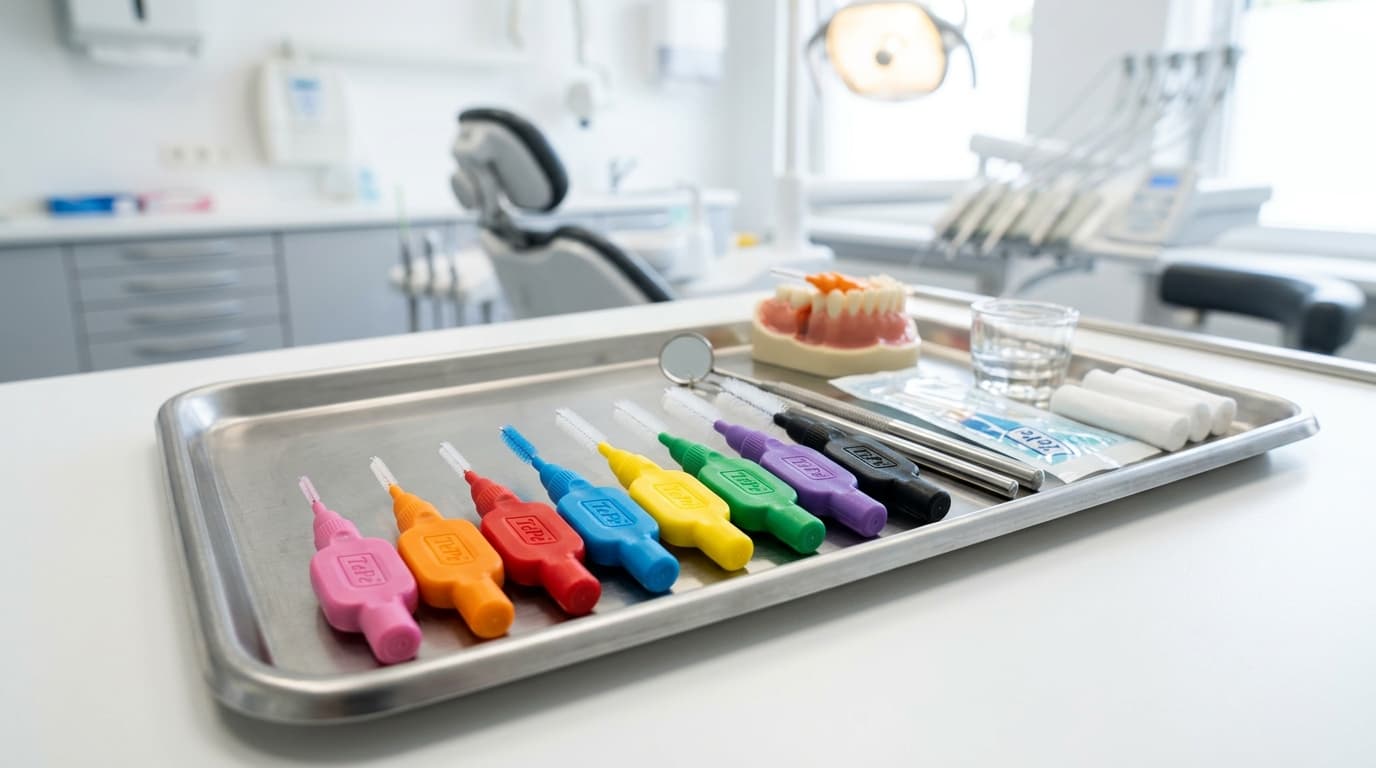
Treatment is not complete when deposits are removed. The gums respond to what happens every day, so the team should show you how to clean the specific sites that bleed. Interdental brushes, floss, threaders, or other tools may be recommended according to the spaces and dental work.
A review helps show whether bleeding and inflammation are improving. Persistent deep sites, loose teeth, or complex gum disease may require a different plan or referral. Avoid promises that one cleaning will permanently cure every stage of gum disease.

Do not stop cleaning, but do not scrub harder
Stopping brushing or interdental cleaning allows more plaque to remain. At the same time, forceful scrubbing can injure tissues and contribute to recession or wear. Use a soft brush, gentle small movements, and clean the gumline carefully.
If flossing snaps or cuts the gum, review the technique. Ease it between teeth and curve it against each tooth rather than sawing into the papilla. An interdental brush must fit without being forced. Ask the dental team to select a suitable method.
Mouthwash may support a specific plan but cannot remove tartar and does not replace brushing or interdental cleaning. Avoid using a strong-tasting product as proof that the cause has been treated.
- Brush twice daily with fluoride toothpaste using gentle technique.
- Clean between teeth with a suitable tool.
- Have tartar and gum health assessed professionally.
- Follow the treatment and review plan.
- Track whether bleeding, swelling, and breath improve.
How review shows whether treatment is working
Bleeding may reduce as plaque control improves and inflamed gums respond, but progress should also be assessed clinically. At review, the dental team can compare plaque levels, bleeding sites, gum measurements, swelling, and the condition of any food traps or restorations.
Ask which areas have improved and which remain active. A site that still bleeds may need a technique change, a different interdental tool, further professional cleaning, restoration adjustment, or a more detailed periodontal plan. The review turns a general instruction into a site-specific next step.
Long-term maintenance depends on the original diagnosis. Gingivitis may settle with effective plaque removal and professional care, while periodontitis needs ongoing monitoring because lost support does not simply grow back. Keep the interval recommended for your findings rather than waiting for pain.
Use the same gentle routine between visits so the comparison is meaningful. Report new recession, movement, swelling, or chewing discomfort instead of waiting for the planned maintenance date.
When gum bleeding needs faster attention
Arrange prompt dental care for swelling, pus, severe gum pain, rapidly increasing tooth mobility, or difficulty chewing. Facial swelling, fever, or a bad taste with pain can indicate an urgent infection and should be described when booking.
Heavy bleeding that does not stop with gentle pressure, bleeding associated with significant injury, or bleeding with severe general symptoms may need urgent medical assessment. Medicines and health conditions can affect the correct response.
For daily mild bleeding without emergency signs, do not postpone indefinitely because it has become familiar. Gum disease can progress quietly. An examination establishes whether the problem is reversible gingivitis, deeper disease, a local food trap, or another cause that needs a different plan.
Internal Links
Related dental care
Sources
Useful information

Written by
Dr. Kholofelo Machaba-SelatoleChief Dentist & Practice Director
Dr. Kholofelo Machaba-Selatole leads Smile On Dental & Aesthetic Studio with a warm, patient-focused approach to family, restorative, cosmetic, and orthodontic care.
View Profile