First Step
Consultation
The dentist checks your concern and confirms whether this treatment is suitable before care begins.
General Dentistry
Book Tooth Sensitivity Treatment with Smile On Dental. Start with an assessment, understand your options, and get clear next steps before treatment begins.

Quick Summary
First Step
The dentist checks your concern and confirms whether this treatment is suitable before care begins.
Best For
Suitability depends on oral health, symptoms, goals, and clinical findings.
Planning
Timing, visits, cost factors, and aftercare are explained after the assessment.
Branch Access
Use the location section to choose the branch that is easiest for you to attend consistently.
Overview
Treatment Introduction
Tooth sensitivity can have several causes, from enamel wear and gum recession to decay or cracks. A consultation helps identify the reason before treatment is recommended.
Decision Support
Smile On Dental uses the visit to understand your symptoms, goals, oral health, and expectations before recommending a suitable treatment plan.
Visual Guide



Treatment Guide
Tooth sensitivity can feel sharp, brief, or uncomfortable when teeth meet cold, sweet, acidic, or touch triggers.
Sensitivity often happens when dentine is exposed through gum recession, enamel wear, cracks, erosion, or tooth grinding. Tiny channels inside the dentine can transmit sensations toward the nerve, causing a sudden response to everyday triggers such as cold water, sweet foods, or brushing near the gumline.
Not all sensitivity has the same cause. A cavity, leaking filling, cracked tooth, gum problem, or nerve inflammation can feel similar at first, so a dental assessment is important when symptoms are new, worsening, one-sided, or lingering. This is why repeated sensitivity should not be treated as normal without checking the tooth.
Common triggers
Treating sensitivity properly starts with identifying whether the tooth is simply sensitive or actually damaged.
The dentist may ask when the sensitivity started, how long it lasts, and whether it is linked to cold, heat, biting, brushing, or sweets. Short, sharp sensitivity may point to exposed dentine, while lingering pain can suggest deeper irritation that needs a different response.
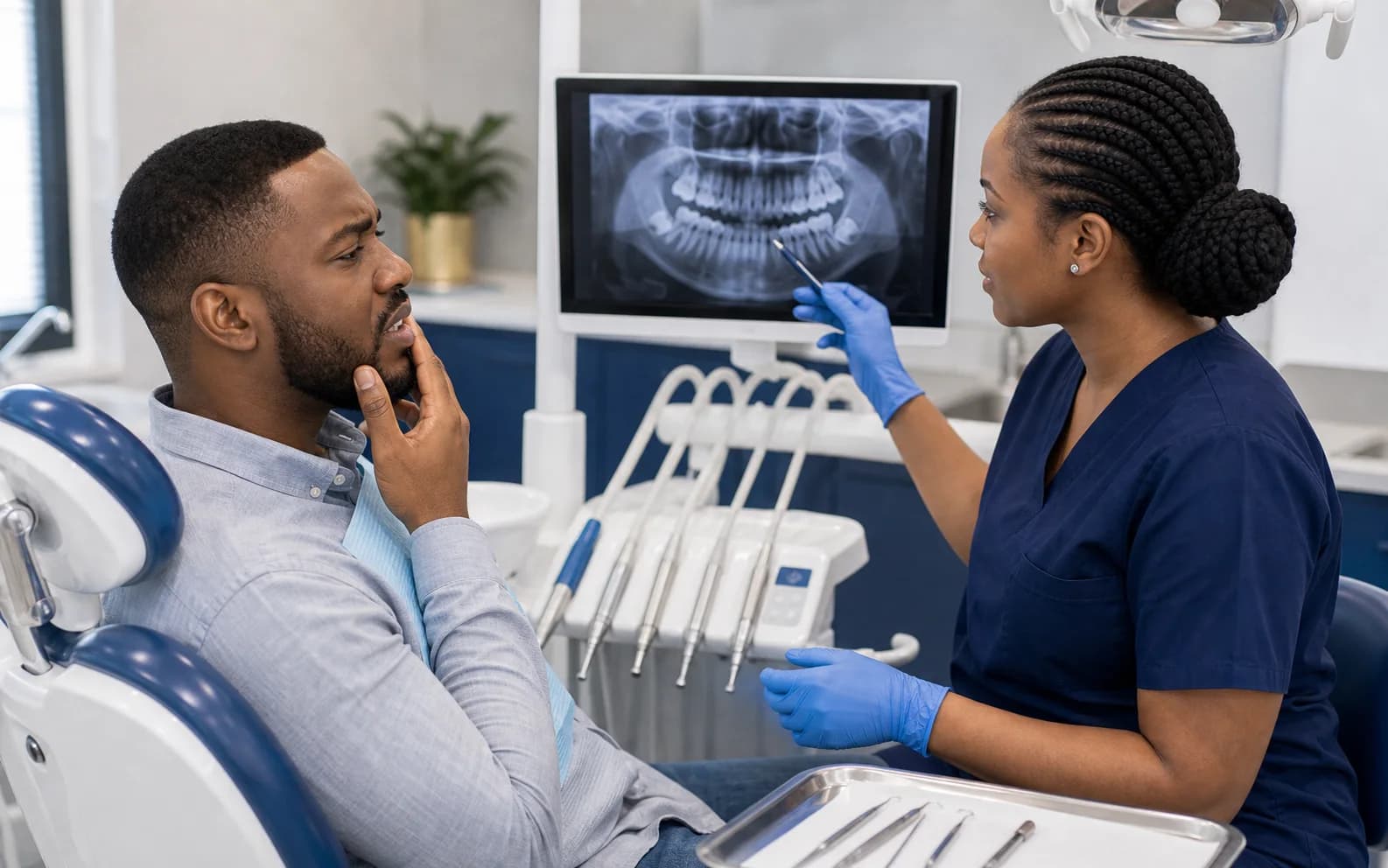
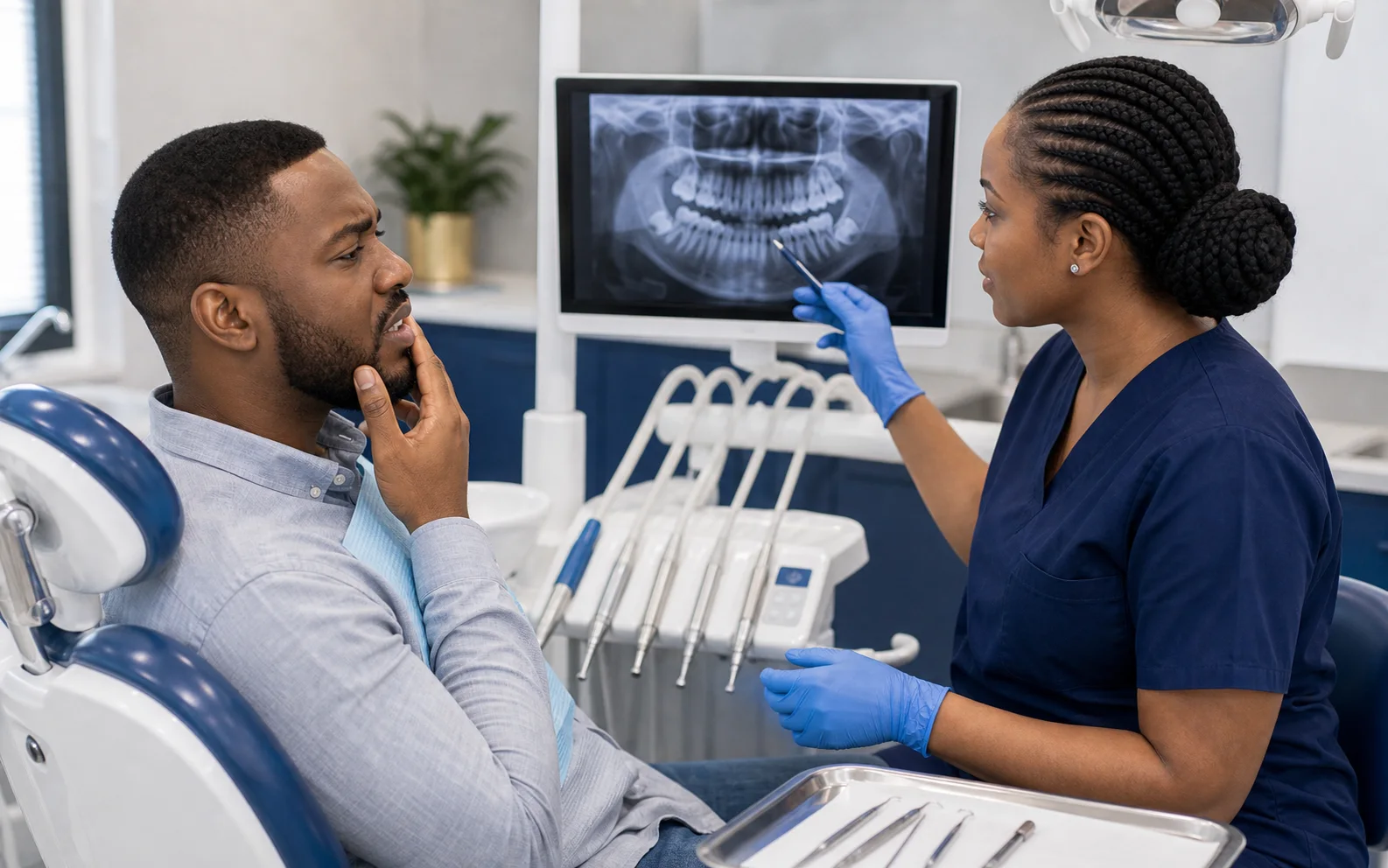
A clinical exam may include checking the gums, looking for enamel wear, testing the bite, inspecting fillings, and taking X-rays where needed. This avoids masking a problem that requires restorative or urgent care. It also helps separate generalised sensitivity from a single tooth that may need more focused attention.
Dentist checks
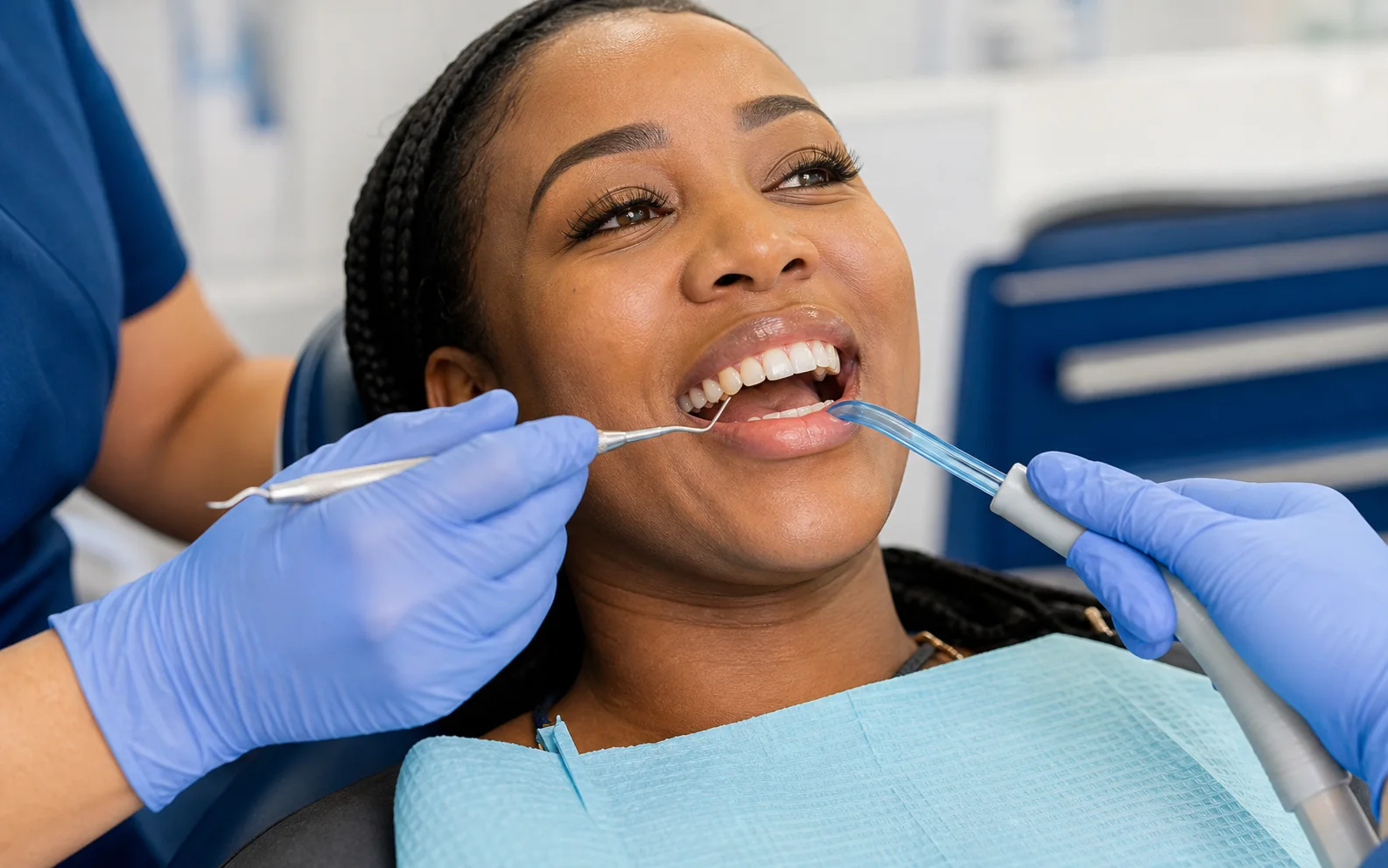
Before treatment, it helps to understand your daily habits and the pattern of symptoms.
Make a note of what triggers the discomfort and whether it affects one tooth or several. Also mention whitening products, acidic drinks, reflux, brushing pressure, hard-bristled brushes, grinding, or recent dental work.
These details help the dentist choose the most suitable approach. Sensitivity care may involve changing home-care products, applying professional desensitising agents, repairing defects, or addressing gum and bite-related causes. The right option depends on whether the surface needs protection, repair, monitoring, or a change in daily habits.
Mention habits
Sensitivity treatment depends on the cause and may be preventive, restorative, or protective.
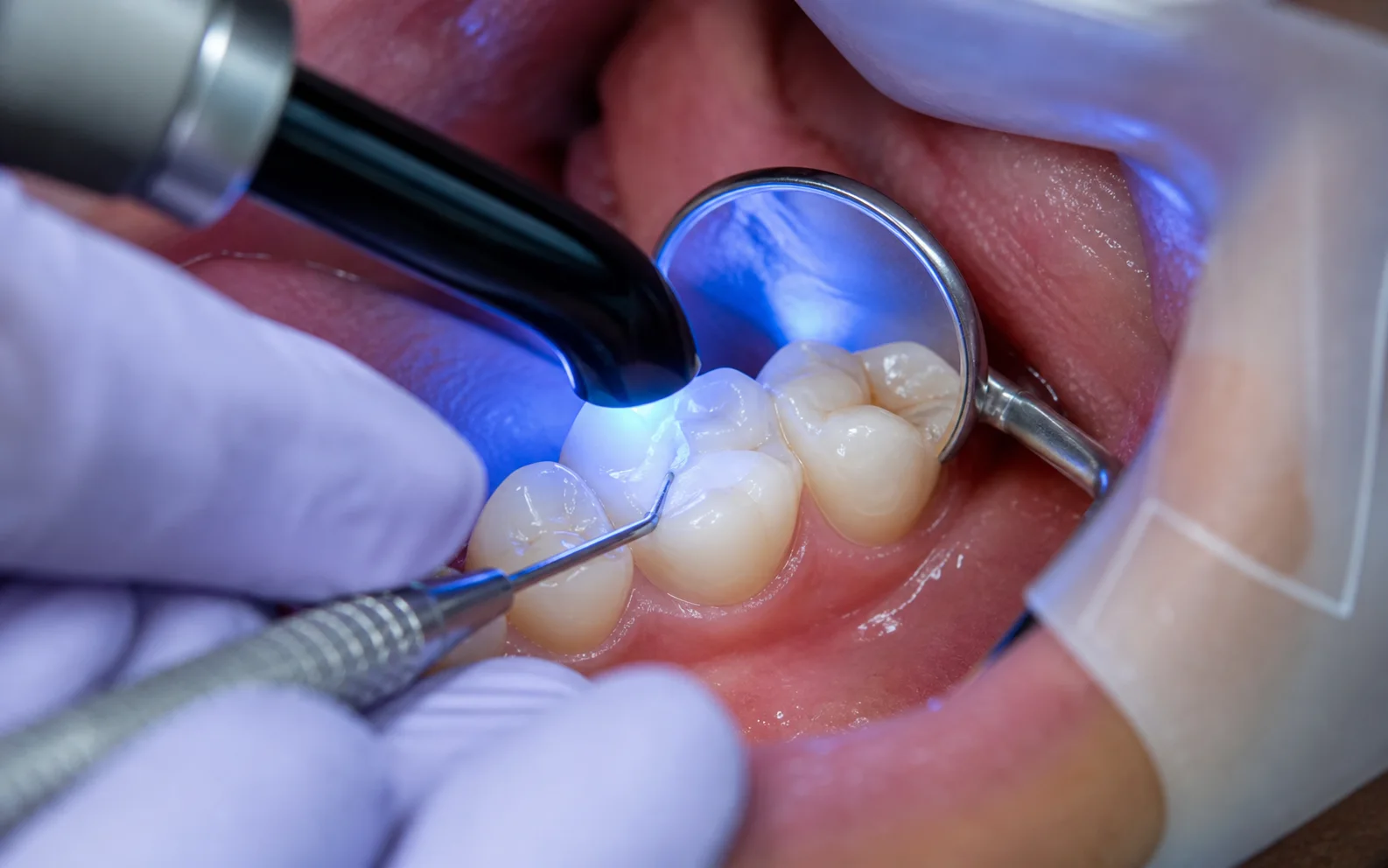
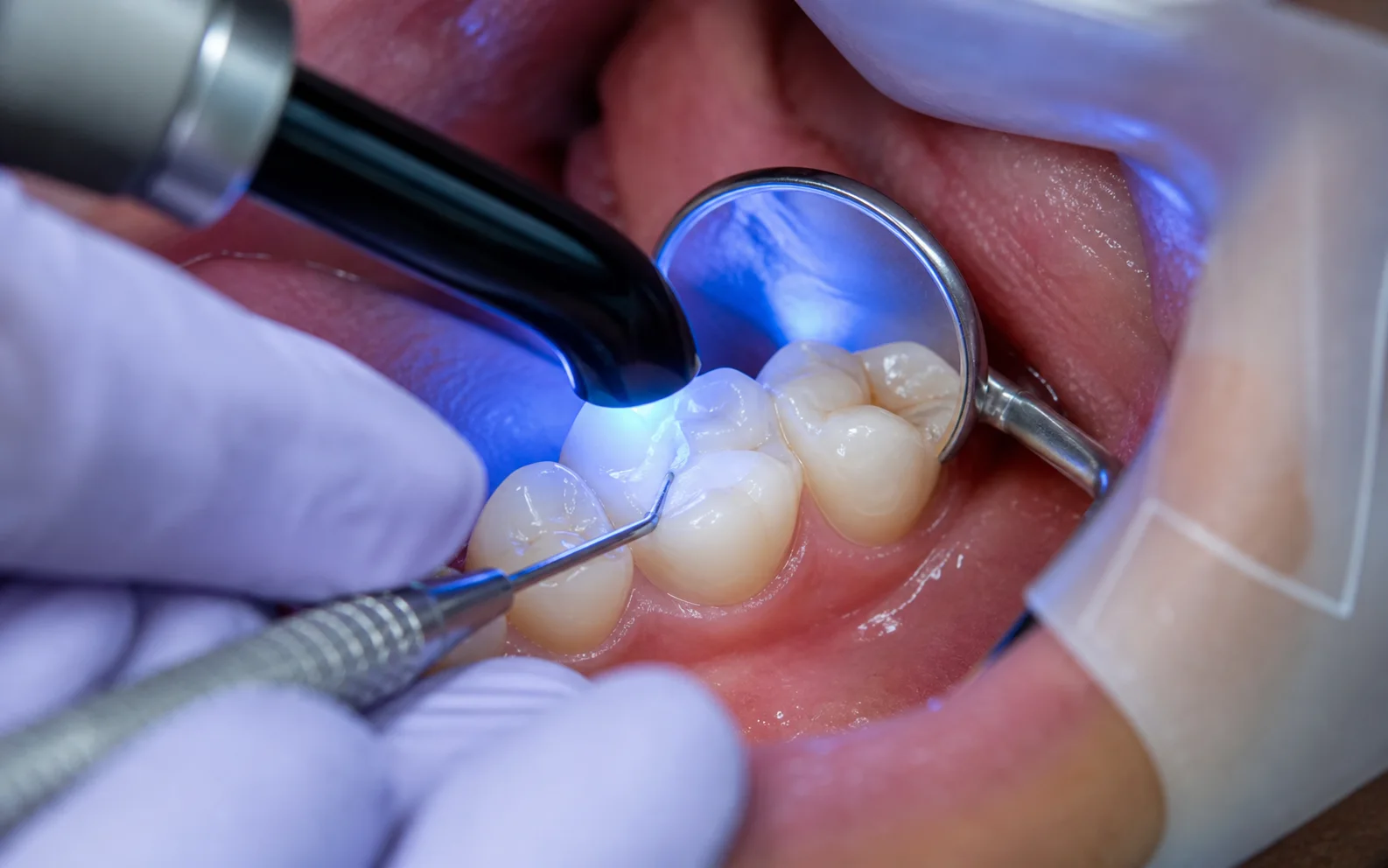
For exposed dentine, the dentist may recommend desensitising toothpaste, fluoride, varnishes, bonding agents, or changes to brushing technique. If gum recession is involved, the focus is often on protecting exposed root surfaces and preventing further trauma.
If the sensitivity comes from decay, a cracked tooth, a failing filling, or bite overload, the treatment may be different. In those cases, simply using a sensitivity toothpaste will not address the underlying problem. Direct treatment may be needed to restore the tooth, reduce stress on it, protect the nerve, or prevent symptoms from worsening.
Options may include
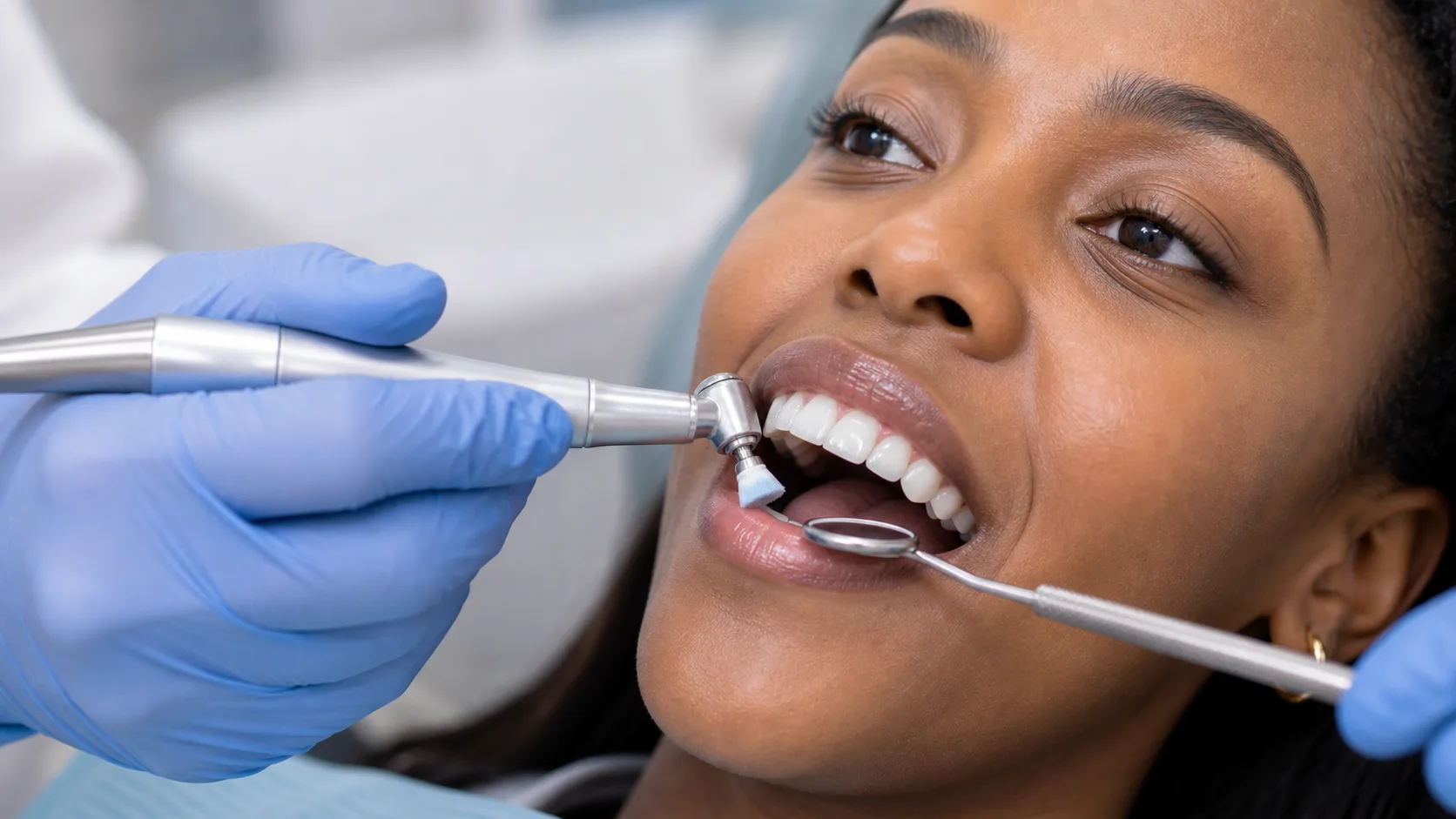
Small daily changes can make a significant difference when sensitivity is linked to enamel wear or exposed roots.
Use a soft toothbrush, gentle pressure, and fluoride toothpaste. If a desensitising toothpaste is recommended, consistency matters. Avoid scrubbing at the gumline, and be careful with frequent acidic drinks or brushing immediately after acid exposure because these habits can keep sensitivity active.
If grinding contributes to wear or gum stress, the dentist may discuss protective options such as a night guard. Regular reviews help check whether the sensitivity is settling or whether another cause needs attention. If symptoms change from sharp and brief to lingering or spontaneous, the tooth should be reassessed.
At home
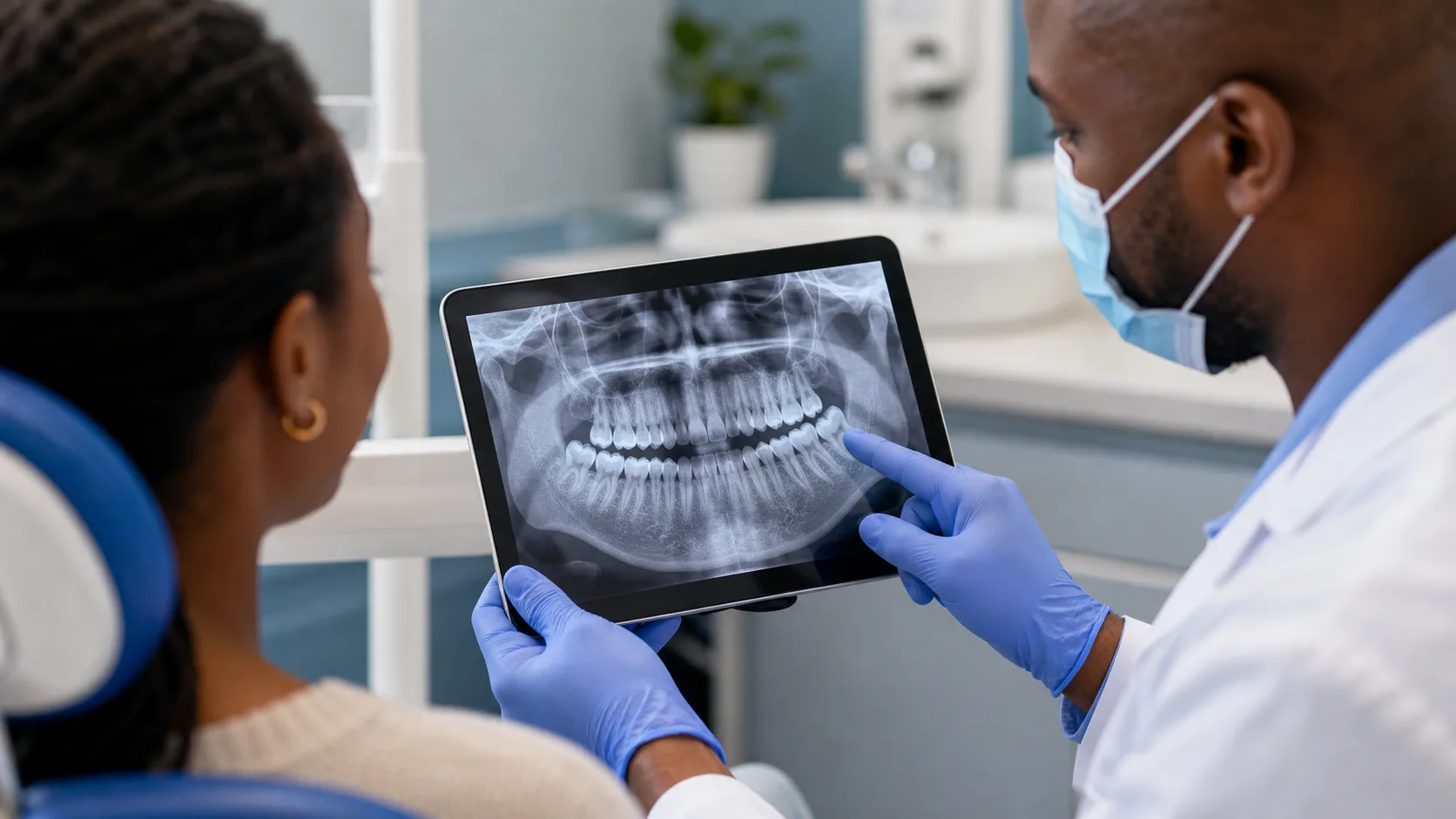
Sensitivity treatment costs vary because the cause can range from simple exposure to structural tooth damage.
Factors can include whether X-rays are needed, whether one tooth or several teeth are affected, whether professional desensitising treatment is enough, and whether fillings, bonding, gum care, or bite protection are required.
The most cost-effective approach is usually accurate diagnosis first. Smile On Dental can assess whether tooth sensitivity is a minor preventive issue or a sign of a problem that needs more direct treatment. This prevents repeated spending on products or temporary measures that may not match the cause, especially when a cracked tooth, leaking filling, or bite problem is involved.
May affect cost

Sensitivity can be frustrating because it affects eating, drinking, and brushing, but it should not be guessed at.
Smile On Dental focuses on finding the cause before recommending treatment. The team considers enamel, gums, bite, restorations, diet, and home care so the advice matches the reason your teeth are sensitive.
The takeaway is to book an assessment if sensitivity is persistent, worsening, or limited to one tooth. Early care can prevent avoidable discomfort and help protect the tooth structure that remains. For many patients, the best result comes from combining professional treatment with small daily changes. Because triggers can return when brushing pressure, acid exposure, or grinding continues, maintenance remains part of the treatment plan. A review also helps confirm whether the first approach is working or whether another cause needs attention, particularly when symptoms change.
Our focus
Who It Helps
Treatment Journey
Often starts with one assessment visit, with follow-up based on the cause.
You may come in because cold water, hot drinks, sweet foods, brushing, whitening, or biting causes a sharp reaction.
The dentist will ask when it started, what makes it better or worse, whether there is pain or sensitivity, and what you want the visit to help you solve.
What this first step covers
Before treatment starts, the dentist confirms what is actually going on.
The dentist checks for gum recession, enamel wear, exposed roots, cracks, decay, grinding signs, leaking fillings, and bite pressure before choosing treatment.
The dentist may then explain options such as Desensitising care and home products, Fluoride or protective treatment, Fillings, gum care, bite adjustment, or further treatment if a deeper cause is found, depending on what the examination shows.
What may be checked
Some treatments are completed in one appointment, while others need a separate visit.
Treatment is matched to the cause. Some sensitivity is managed with product guidance and protective applications, while tooth damage or decay may need restorative care.
A second visit may be needed if symptoms do not settle or if the first assessment finds decay, cracks, gum disease, or nerve involvement.
What you should know before leaving
The journey should end with you knowing how to protect the result.
The dentist explains what should improve and when to return. If sensitivity is worsening, lingering, or linked to pain, a review is important.
You may be advised to change brushing pressure, use a sensitivity toothpaste consistently, avoid aggressive whitening, or protect teeth from grinding.
Your home-care plan
Benefits
Suitability
General Dentistry
General dental concerns can have more than one cause. The safest first step is an assessment so the dentist can explain what is happening before treatment is chosen.
Suitability
The dentist considers symptoms, oral health, bite, medical history, expectations, and maintenance before recommending sensitivity treatment.
Costs
Cost discussions are most useful after diagnosis because materials, complexity, visit count, and follow-up needs vary from patient to patient.
Appointment
Your dentist reviews your concern, oral health, and treatment goals before recommending next steps.
The team explains the likely process, timing, and care options in straightforward language.
Your treatment plan is shaped around comfort, function, appearance, and long-term oral health.
Costs & Aftercare
Before You Book
Mention whether you are booking for sensitivity, pain, appearance, function, prevention, or a second opinion.
At the Visit
Ask about diagnosis, options, number of visits, comfort, maintenance, and what could happen if treatment is delayed.
Aftercare
Your dentist will explain home care, review visits, and any symptoms that should be reported after treatment.
FAQs
The best starting point is a consultation. Your dentist will assess your teeth, gums, bite, symptoms, concerns, and smile goals before recommending a personalised treatment plan.
Yes. Use the Book an Appointment button to open the booking site and choose a convenient appointment time. You can also request a callback if you would prefer the practice team to contact you first.
Yes. You can request a callback if you prefer the practice team to contact you before booking. This can be helpful when you are unsure whether you need a routine visit, cosmetic consultation, orthodontic assessment, or urgent support.
Yes. Costs depend on the diagnosis, treatment complexity, materials, and number of visits required. Your dentist can explain the recommended next step before treatment begins.
Bring your identification, medical history, current medication details, previous dental information if available, and any questions you want to discuss with the dentist.
Book an assessment so the dentist can diagnose the cause before you choose a treatment. Pain or swelling may need urgent attention, X-rays, restorative care, or another clinical next step.
Helpful Articles
 Dental CareSensitivity from Enamel Wear vs Tooth Decay: How Does a Dentist Work Out the Cause?9 min read
 Dental CareMy Tooth Hurts When I Breathe in Cold Air. Is That a Sensitivity Problem or a Cracked Tooth?9 min read
 Dental CareOne Tooth Is Suddenly Sensitive to Cold While the Others Are Fine. What Could Cause That?9 min read
Locations
City Treatment Pages
Clinical Leadership

Dr. Kholofelo Machaba-Selatole leads Smile On Dental & Aesthetic Studio with a warm, patient-focused approach to family, restorative, cosmetic, and orthodontic care.
60+ five-star patient reviews across Pretoria and Polokwane.
"Customer care is superb, very friendly front desk staff. I'm happy to have gained my confidence back."

Polokwane
"From reception right into the doctor's consultation room it was all smiley faces that welcomed us."

Polokwane
"The best dental service I have seen in Pretoria, cannot wait for my next appointment."

Pretoria
"Customer care is superb, very friendly front desk staff. I'm happy to have gained my confidence back."
Polokwane
"From reception right into the doctor's consultation room it was all smiley faces that welcomed us."
Polokwane
"The best dental service I have seen in Pretoria, cannot wait for my next appointment."
Pretoria
Book a Consultation