Quick Answer
Teeth whitening price in South Africa cannot be judged from one advertised number because whitening should start with a dental assessment. The final cost can depend on whether your teeth and gums are suitable, whether cleaning is needed first, the type of whitening recommended, whether custom trays are made, whether the plan is in-practice or dentist-supplied home whitening, the type of staining, sensitivity risk, existing fillings or crowns that will not whiten, and how top-ups or maintenance are handled.
- A whitening quote should follow an oral-health check because whitening is not suitable for every patient.
- Cleaning, gum health, cavities, sensitivity, and existing restorations can change the plan before whitening starts.
- In-practice whitening and dentist-supplied home whitening may involve different appointment time, materials, trays, and review needs.
- Natural teeth whiten differently from crowns, veneers, fillings, bridges, and implant crowns, which can affect cosmetic planning.
- Maintenance, top-up gel, diet, smoking, and oral hygiene can affect the longer-term cost conversation.
Why whitening does not have one fixed price
Patients often search for a teeth whitening price because they want a simple answer before booking. The problem is that whitening is not the same appointment for every mouth. A person with healthy gums, light surface staining, and no visible restorations may need a different plan from someone with sensitivity, cavities, heavy staining, gum inflammation, old front fillings, or crowns in the smile line.
A responsible whitening quote should explain what is being assessed, what is included, and what may be separate. Some patients may need a consultation first. Others may need a professional cleaning, sensitivity support, replacement of old restorations after whitening, or a staged cosmetic plan. Those steps can change the total cost even when the whitening product itself sounds similar.
This is why the most useful question is not only how much whitening costs. It is what has to happen before, during, and after whitening to make the treatment suitable for your teeth and gums. A lower headline fee may exclude assessment, trays, review, top-up gel, cleaning, or other care that another quote includes.
- whether a dental examination is included
- whether cleaning is needed before whitening
- which whitening method is being recommended
- whether custom trays, review, or top-up gel are included
- whether restorations may need cosmetic planning after whitening
Suitability and examination come first
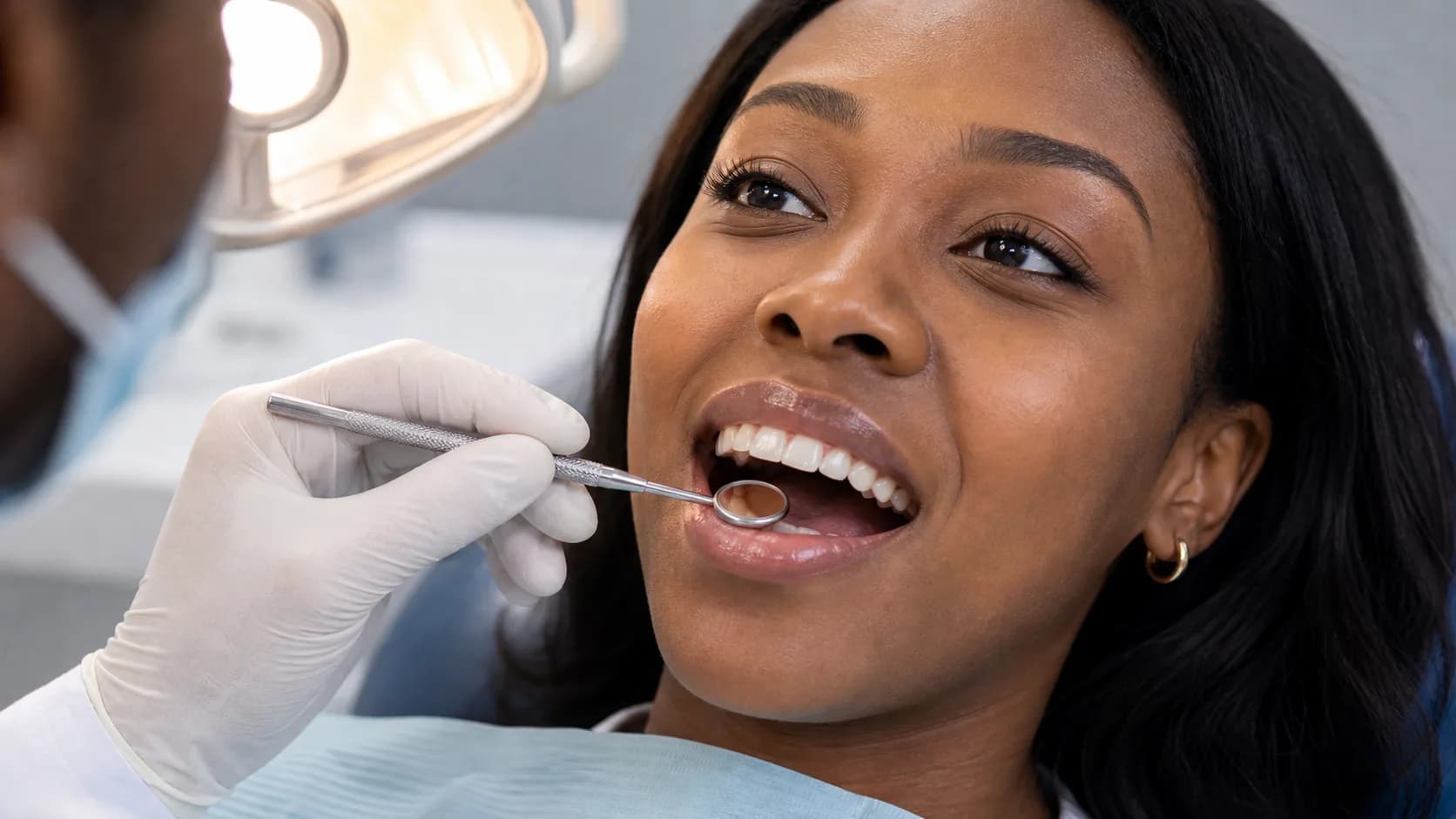
Whitening should begin with an assessment of oral health. The dentist checks the teeth, gums, existing dental work, shade goals, sensitivity history, and the type of discolouration present. X-rays or other checks may be recommended where clinically appropriate, especially if there is pain, suspected decay, old restorations, or a tooth that has changed colour on its own.
This first step affects cost because whitening may need to wait if there are active dental problems. Cavities, cracked teeth, leaking fillings, gum disease, exposed roots, or unresolved sensitivity may need diagnosis and treatment first. Whitening gel placed on unhealthy teeth or gums can increase discomfort and may not solve the concern that is causing the colour change.
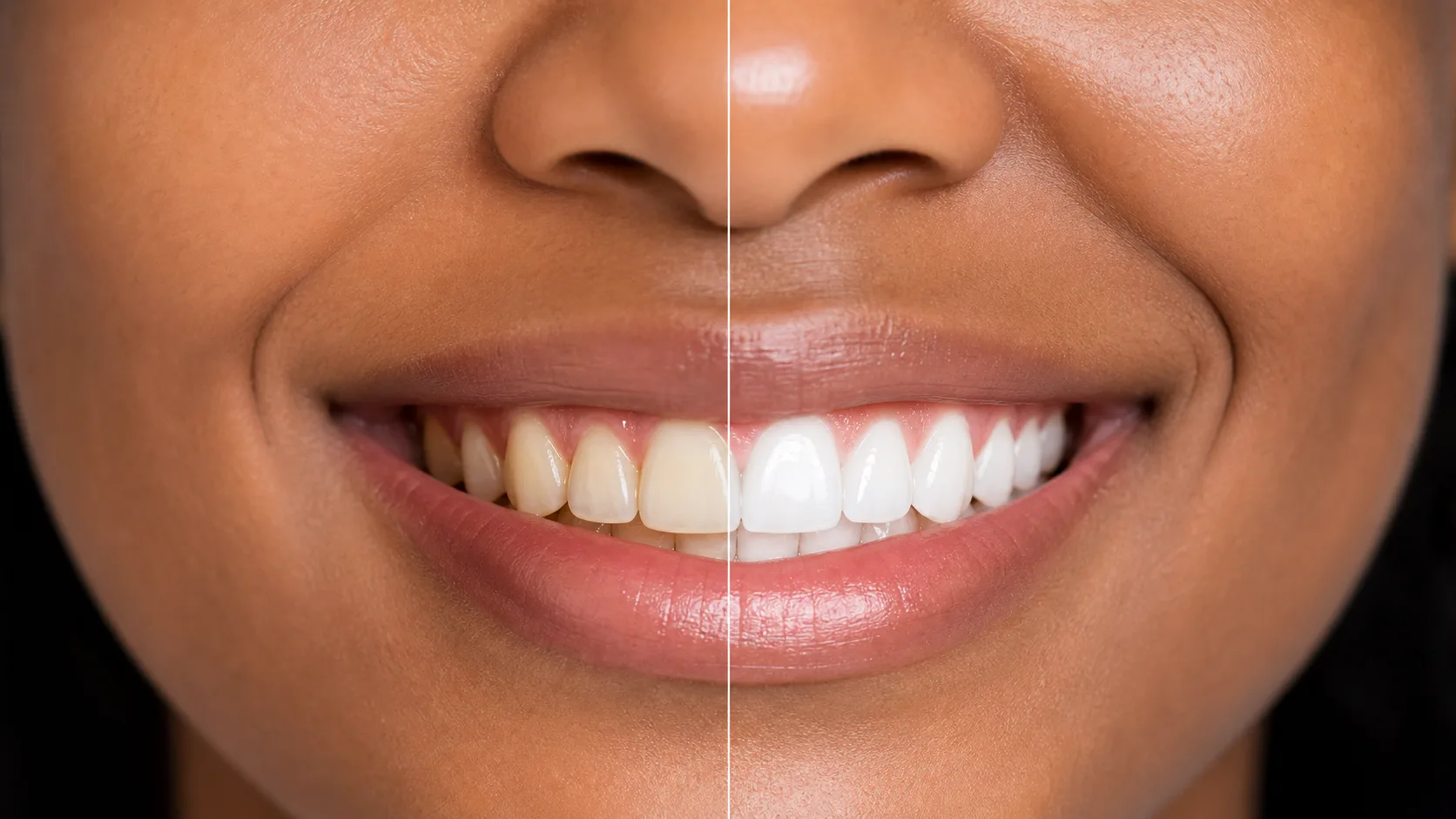
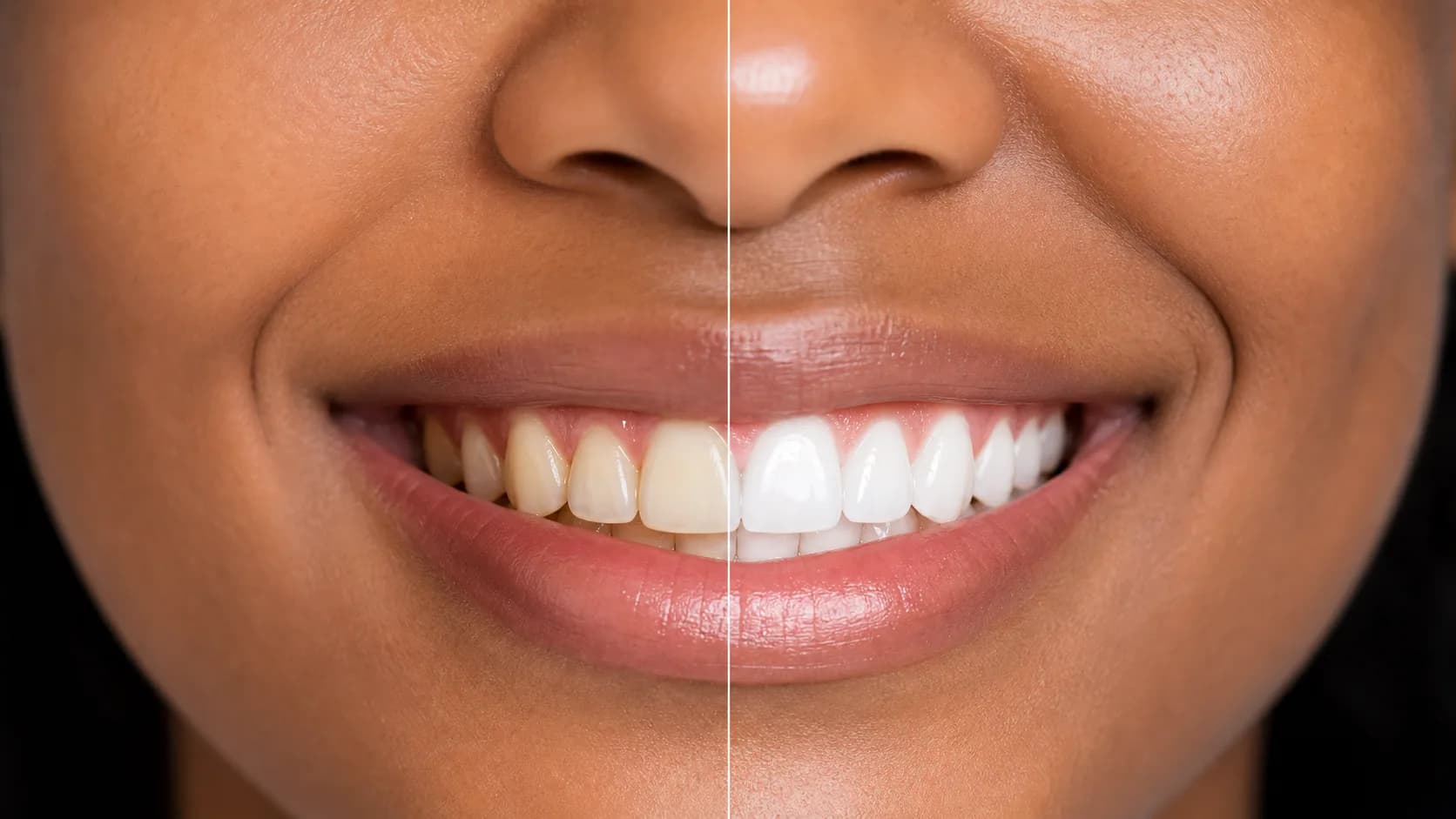
Suitability also includes expectations. Whitening can brighten natural tooth structure in suitable cases, but it does not create the same result for every patient. The dentist may discuss whether whitening alone is realistic or whether cleaning, bonding, veneers, crowns, or a broader smile makeover should be compared.
- Discuss your shade goals, sensitivity history, and previous whitening.
- Assess teeth, gums, restorations, stains, and bite where relevant.
- Confirm whether cleaning, fillings, gum care, or sensitivity treatment is needed first.
- Choose a whitening approach only if treatment is suitable.

Cleaning may be needed before whitening
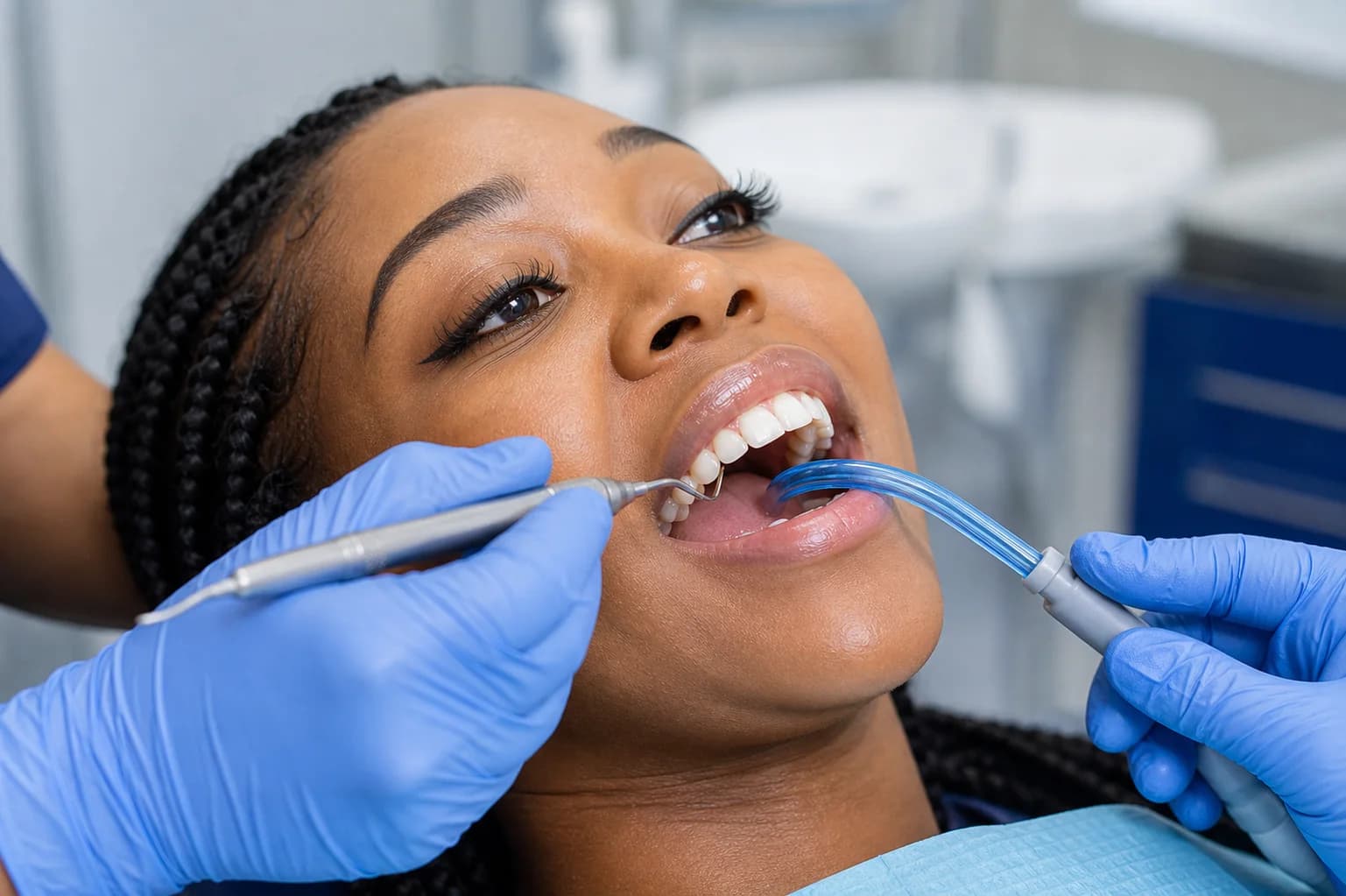
Professional cleaning and whitening are different treatments, but they often connect. Cleaning removes plaque, tartar, and some external surface stains. Whitening is intended to change the colour of natural tooth structure using whitening agents where suitable. If tartar and surface stains are present, cleaning may be recommended before whitening so the dentist can assess the true tooth shade more accurately.
Cleaning can affect the cost conversation because it may be a separate appointment. A patient with light build-up may need routine scaling and polishing. Another patient may need more time because of heavy tartar, bleeding gums, gum pockets, sensitivity, or stains linked to smoking, coffee, tea, red wine, or plaque retention.
It is also possible that cleaning improves the appearance enough for some patients to delay whitening, especially when the concern is mainly surface staining. For others, cleaning is only the first step before a whitening plan. The quote should make clear whether cleaning is included, recommended separately, or needed before the whitening appointment can go ahead.
| Finding before whitening | How it can affect cost |
|---|---|
| Plaque or tartar build-up | Professional cleaning may be recommended before whitening starts. |
| Surface stains | Cleaning may remove some external staining but may not change the internal tooth shade. |
| Bleeding or inflamed gums | Gum care may need attention before cosmetic whitening is considered. |
| Sensitivity during cleaning | The dentist may discuss sensitivity support before choosing a whitening method. |
| Unclear natural shade | Cleaning first can help the dentist assess the baseline shade more accurately. |
Whitening type changes what is included
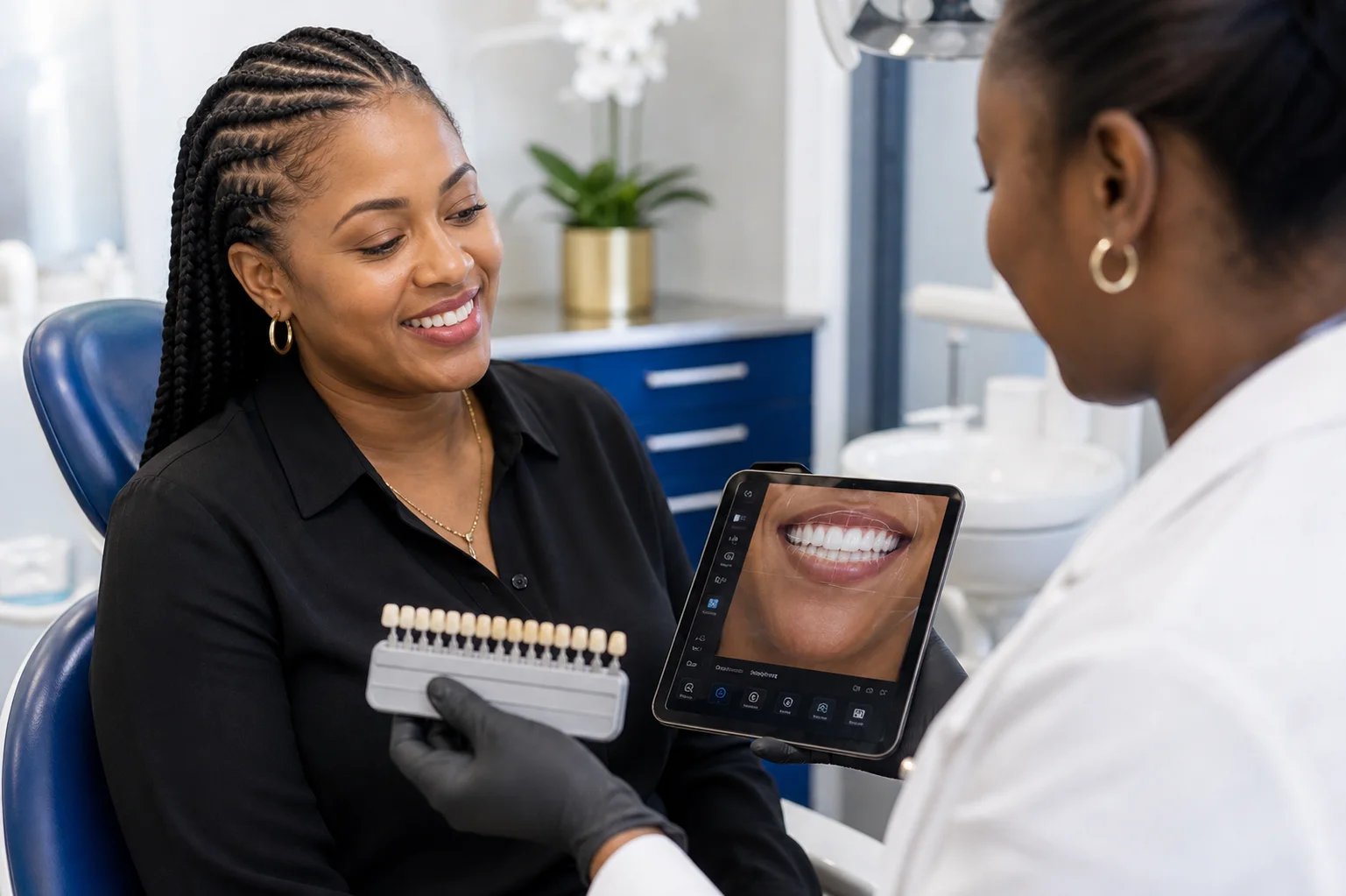
Professional whitening can be planned in different ways. Some patients ask about in-practice whitening because they want whitening carried out during a dental appointment. Others may be better suited to dentist-supplied home whitening, where custom trays and whitening gel are used at home according to the dentist's instructions. The fee can differ because the clinical time, materials, tray work, review plan, and whitening protocol are different.
In-practice whitening may involve more chair time and active supervision during the visit. Dentist-supplied home whitening may involve taking records for trays, fitting the trays, explaining gel use, and reviewing progress. Neither option is automatically better for every patient. The decision depends on suitability, sensitivity risk, shade goals, timing, habits, and what the dentist finds during assessment.
Over-the-counter whitening products are also available, but they are not the same as a dentist-supervised plan. Store-bought strips, toothpastes, or gels may have different strengths, fit, contact time, and supervision. If a patient has sensitivity, restorations, gum concerns, or uncertain staining, professional assessment is especially important before trying to solve the problem with a product alone.
| Whitening approach | Cost items to clarify |
|---|---|
| In-practice whitening | Appointment time, isolation, whitening material, sensitivity management, and review advice. |
| Dentist-supplied home whitening | Consultation, tray records, custom trays, whitening gel, instructions, and follow-up. |
| Top-up whitening | Whether extra gel, tray checks, or a review appointment are needed before re-use. |
| Over-the-counter products | Whether they are suitable for your teeth, gums, restorations, and sensitivity history. |
Custom trays and home whitening costs
Dentist-supplied home whitening often uses custom trays. These trays are made to fit the patient's teeth so the whitening gel can sit in the right areas and reduce unnecessary contact with the gums. Creating trays may involve scans or impressions, laboratory or in-practice tray fabrication, a fitting appointment, and instructions on how much gel to use.
Tray creation is a common reason one home whitening quote differs from another. A fee may include consultation, tray records, the trays, whitening gel, and a review. Another may list these separately. If you already have old whitening trays, the dentist may still need to check the fit before recommending more gel because teeth can move, dental work can change, and damaged trays may irritate the gums or leak gel.
The amount of gel and the duration of home whitening can also affect the plan. Some staining may need a longer course than mild yellowing. Some patients need slower use because of sensitivity. A quote should explain what happens if the initial amount of gel is not enough, if trays are lost or damaged, or if the teeth need to be reviewed before a top-up.
- whether scans or impressions are included
- whether upper and lower trays are both included
- how much whitening gel is supplied initially
- whether tray fitting and instructions are included
- what replacement trays or top-up gel would involve
Staining type and shade goals matter
The cause of the colour change can affect how whitening is planned. External stains from foods, drinks, tobacco, or plaque retention may improve with cleaning and polishing before whitening is considered. Internal colour changes, age-related yellowing, fluorosis, trauma-related darkening, and staining linked to older dental history may respond differently.
Some stains need more time, more careful planning, or a different cosmetic conversation. A single dark tooth, for example, should be assessed before whitening because it may have a different cause from general yellowing across the smile. White patches, enamel defects, or uneven colour may also look different after whitening because the background tooth shade changes.
Shade goals should stay realistic. Whitening may brighten suitable natural teeth, but the amount of change varies. Patients preparing for veneers, bonding, crowns, or a smile makeover may be advised to complete whitening first so future restorations can be shade matched to the lighter tooth colour. That sequencing can affect the total cost of the cosmetic plan.
- Identify whether the concern is surface staining, internal discolouration, or both.
- Clean the teeth first if plaque, tartar, or external stains are masking the baseline shade.
- Discuss whether whitening alone is likely to meet the cosmetic goal.
- Plan restorative shade matching after whitening where clinically appropriate.
Sensitivity and restorations can change the plan
Temporary tooth sensitivity and gum irritation are common considerations with whitening. A patient who already has sensitive teeth, gum recession, exposed roots, worn enamel, cracked teeth, or leaking fillings may need a slower plan, sensitivity treatment, or other dental care before whitening. This can change both timing and cost.
Restorations are another major factor. Crowns, veneers, fillings, bridges, and implant crowns do not whiten like natural teeth. If these restorations are visible when you smile, whitening the surrounding teeth can create a mismatch. The dentist may discuss whether restorations can be left as they are, polished, repaired, or replaced after the final shade has settled.
This does not mean every patient with dental work is excluded from whitening. It means the quote should include the cosmetic reality. Whitening only natural teeth without planning around visible restorations may lead to a result that looks uneven. A fair cost discussion explains what whitening can change, what it cannot change, and what extra treatment might be optional or necessary depending on the goal.
| Cost factor | What to ask |
|---|---|
| Existing sensitivity | Should sensitivity treatment, slower whitening, or a different method be considered first? |
| Gum recession or exposed roots | Are these areas likely to feel sensitive or respond differently? |
| Front fillings | Will old composite fillings match after the natural teeth whiten? |
| Crowns or veneers | Will visible restorations need cosmetic planning after whitening? |
| Single dark tooth | Does it need diagnosis before general whitening is planned? |
Maintenance, top-ups, and fair quote comparisons
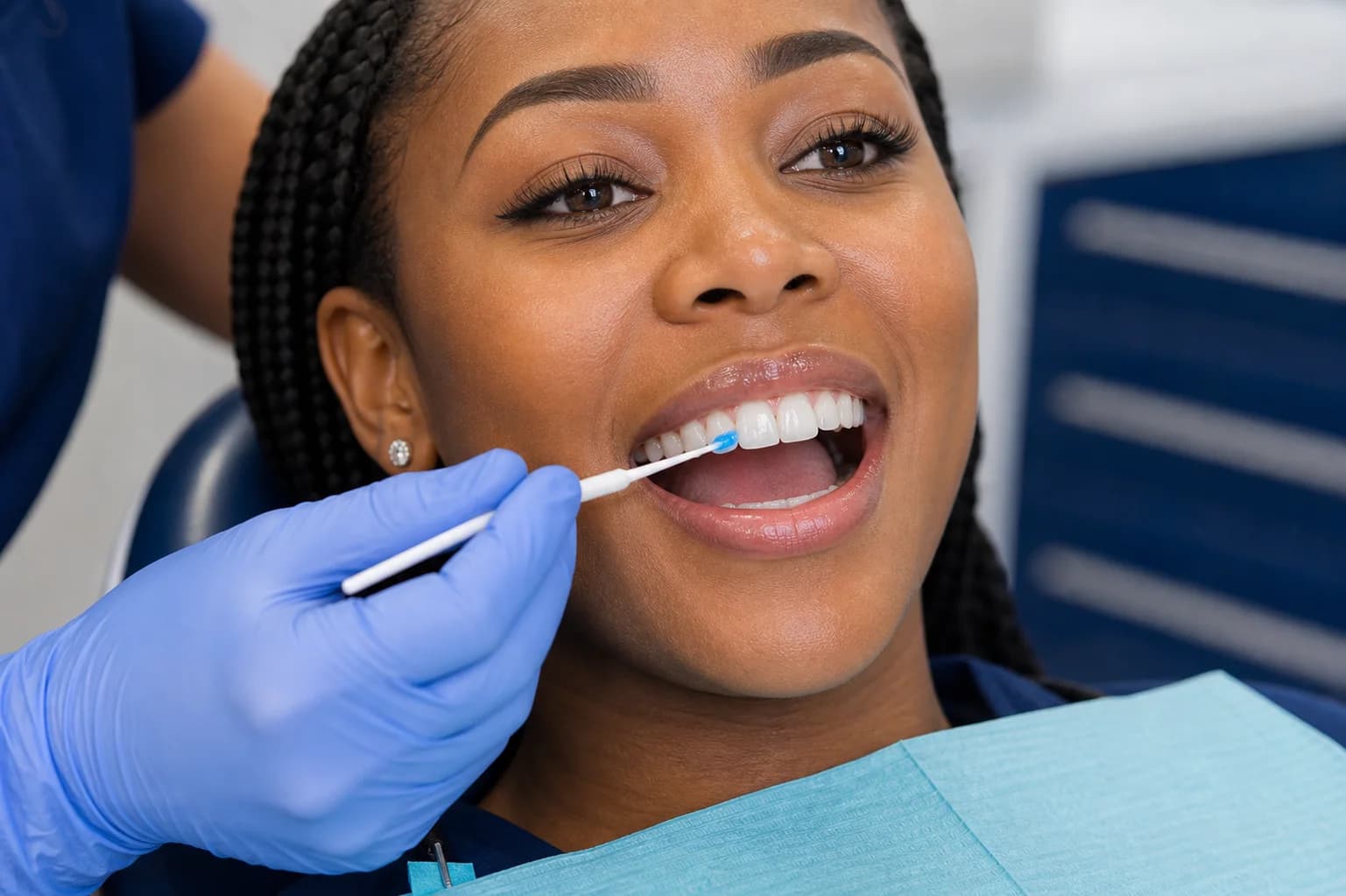
Whitening maintenance depends on diet, oral hygiene, smoking, enamel characteristics, staining habits, and the original shade. Coffee, tea, red wine, tobacco, and frequent intake of strongly coloured foods or drinks can affect how quickly stains return. Regular cleaning may help control surface staining, while top-up whitening may be discussed where suitable.
Top-ups should not be treated as automatic or unlimited. The dentist may need to check the trays, gums, sensitivity, restorations, and tooth condition before supplying more gel. If trays are damaged or no longer fit, replacement trays may be needed. If sensitivity has developed, the plan may need to change.
When comparing whitening prices, ask direct questions and avoid assuming that medical aid benefits, discounts, payment arrangements, or repeat gel supply will apply. A useful estimate should clarify the assessment, cleaning needs, whitening method, tray creation, gel supply, review process, sensitivity support, restoration planning, and maintenance pathway. That gives you a clearer comparison than a single number without context.
- Ask whether the estimate includes consultation and suitability assessment.
- Confirm whether cleaning is needed before whitening.
- Ask whether trays, gel, review, and instructions are included.
- Check how sensitivity, restorations, and top-ups are handled.
- Compare whitening with other cosmetic options only after assessment.
| Quote question | Why it matters |
|---|---|
| Is this in-practice or home whitening? | The appointment time, materials, and review needs can differ. |
| Are custom trays included? | Home whitening may require tray records, tray fitting, and replacement policies. |
| Is cleaning included or separate? | Cleaning may be needed before the baseline shade and gum health can be assessed. |
| What if I have fillings or crowns? | Restorations do not whiten and may need cosmetic planning. |
| How are top-ups handled? | Extra gel, tray checks, and reviews may be separate from the first whitening fee. |
Internal Links
Related dental care
Sources
Useful information
Written by
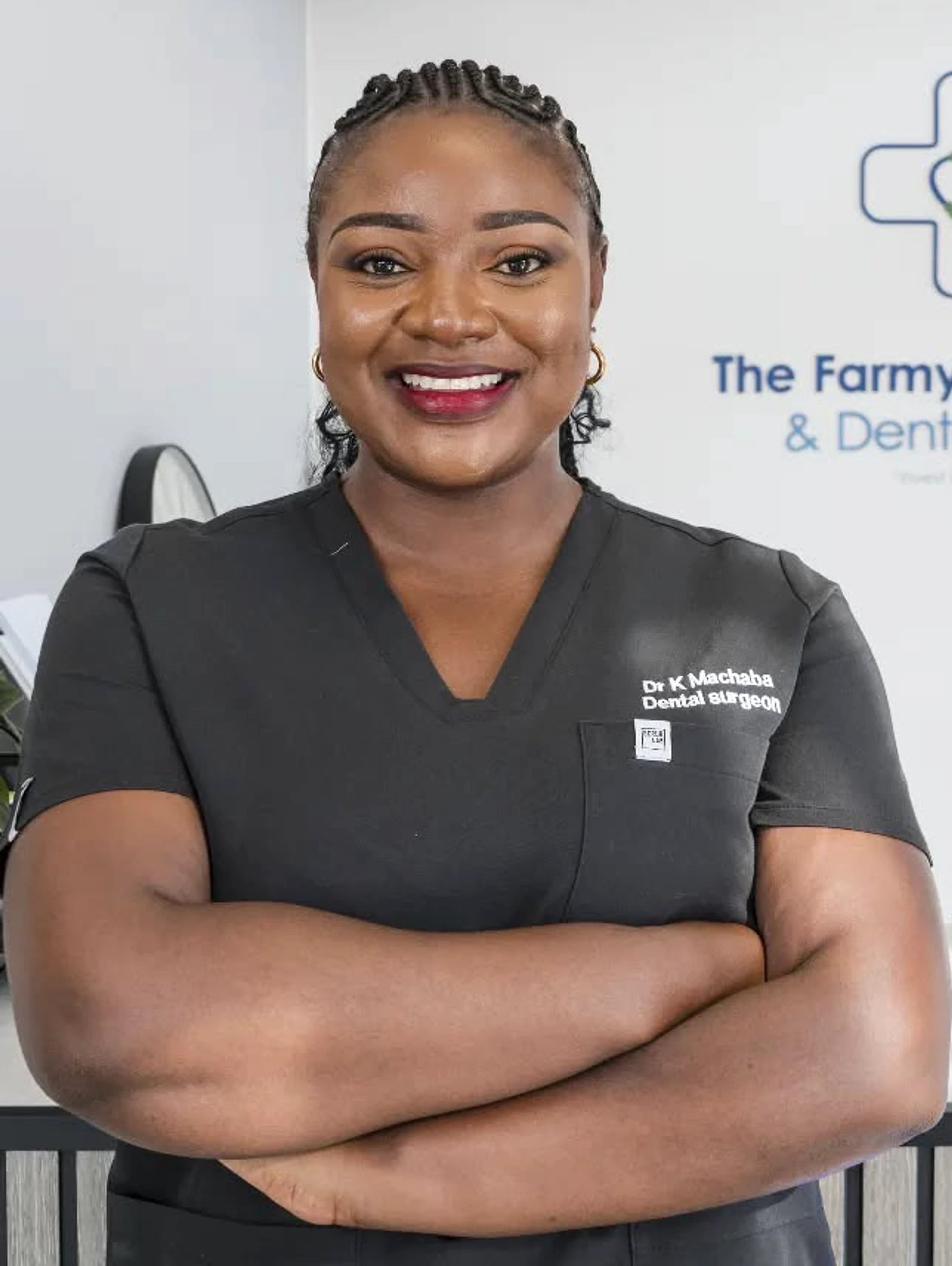
Dr. Kholofelo Machaba-SelatoleChief Dentist & Practice Director
Dr. Kholofelo Machaba-Selatole leads Smile On Dental & Aesthetic Studio with a warm, patient-focused approach to family, restorative, cosmetic, and orthodontic care.
View Profile