Quick Answer
Before whitening, ask whether your teeth and gums are healthy enough, whether the staining is likely to respond, how sensitivity will be managed, and whether existing restorations will affect the final shade.
- Whitening suitability starts with an oral-health check.
- Natural teeth and tooth-coloured restorations may respond differently.
- Sensitivity risk should be discussed before treatment begins.
Check suitability first
Whitening should begin with an oral-health check. Cavities, gum concerns, exposed roots, or existing dental work can affect whether whitening is suitable and what result is realistic.
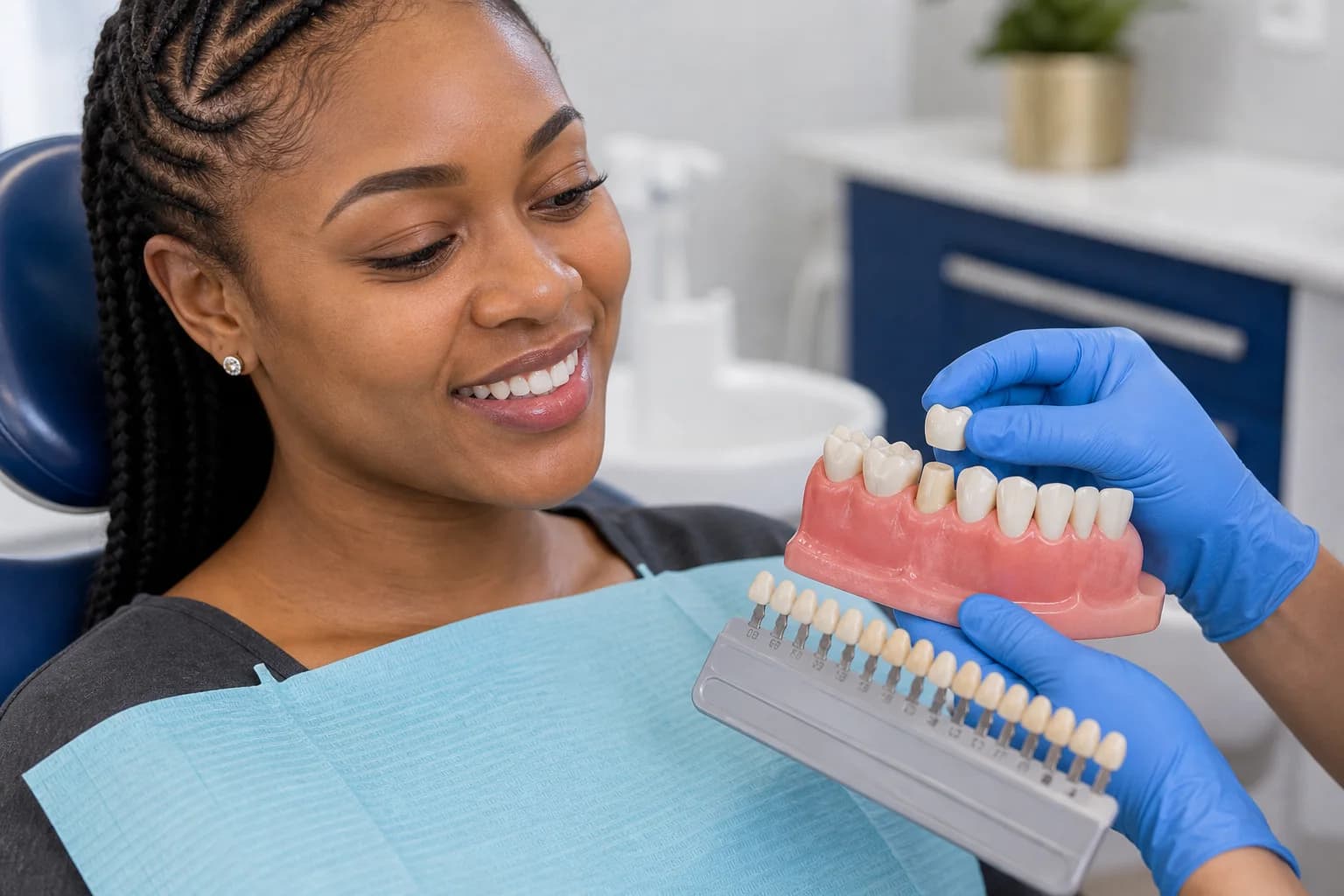
A dentist can also explain why crowns, fillings, and veneers may not whiten the same way as natural tooth structure.
- current gum health
- sensitivity history
- existing fillings, veneers, or crowns
- shade goals and timing
Understand the cause of staining
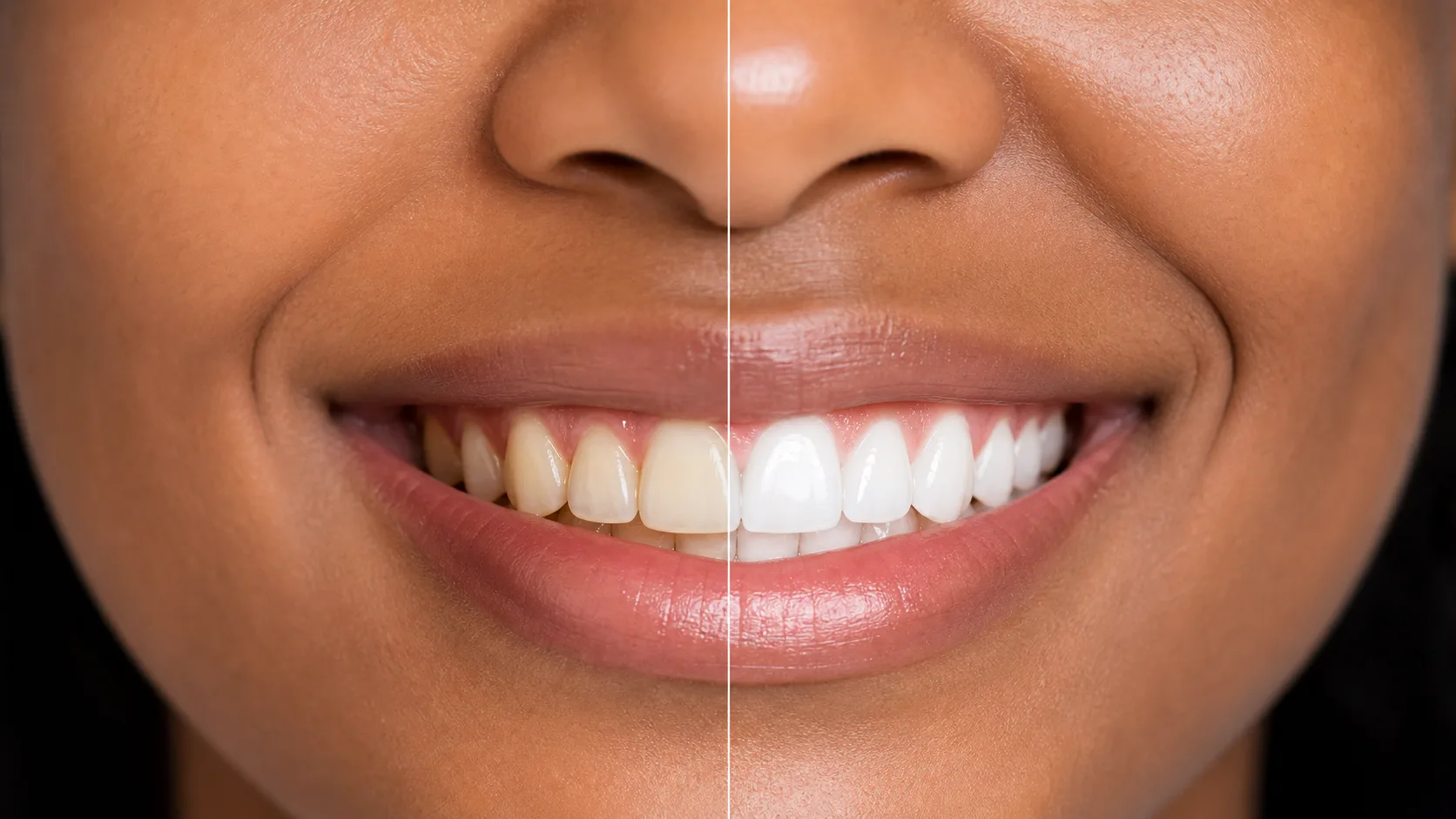
Surface staining, age-related colour changes, and deeper discolouration can respond differently. Understanding the cause helps set better expectations before treatment starts.
This is also where the dentist can discuss timing, sensitivity risk, and whether whitening should happen before other cosmetic work.

Plan maintenance
Whitening results are influenced by diet, oral hygiene, smoking, and the natural shade of the teeth. Maintenance advice helps keep the result looking fresher for longer.
A supervised plan gives patients a safer way to brighten their smile without guessing with unsuitable products.
- Confirm oral health and whitening suitability.
- Set a realistic shade goal.
- Follow the maintenance plan your dentist recommends.
Internal Links
Related dental care
Sources
Useful information

Written by
Dr. Kholofelo Machaba-SelatoleChief Dentist & Practice Director
Dr. Kholofelo Machaba-Selatole leads Smile On Dental & Aesthetic Studio with a warm, patient-focused approach to family, restorative, cosmetic, and orthodontic care.
View Profile