Quick Answer
Most patients should use a dental check-up to set a recall rhythm that matches their oral health, symptoms, gum condition, and treatment history rather than relying on one fixed schedule for everyone.
- Routine dental visits help create a baseline for teeth, gums, bite, and previous dental work.
- Pain, swelling, bleeding gums, or sensitivity should be checked sooner than a routine recall.
- The right recall interval depends on personal oral-health risk and your dentist's assessment.
Routine visits create a baseline
A check-up gives your dentist a consistent view of your teeth, gums, bite, and daily oral-health habits. That baseline makes it easier to notice small changes before they become more uncomfortable or expensive to treat.
Most patients benefit from regular preventive visits, but the right timing depends on gum health, dental history, medical factors, and whether any symptoms have changed since the last appointment.
- changes in gum health
- early signs of decay
- wear, cracks, or old restorations
- bite changes and sensitivity patterns
Book sooner when symptoms change
Pain, swelling, bleeding gums, sensitivity, a chipped tooth, or a filling that feels different should be checked instead of waiting for a routine visit.
A prompt assessment helps the dentist understand whether the issue needs monitoring, preventive care, restorative treatment, or urgent support.
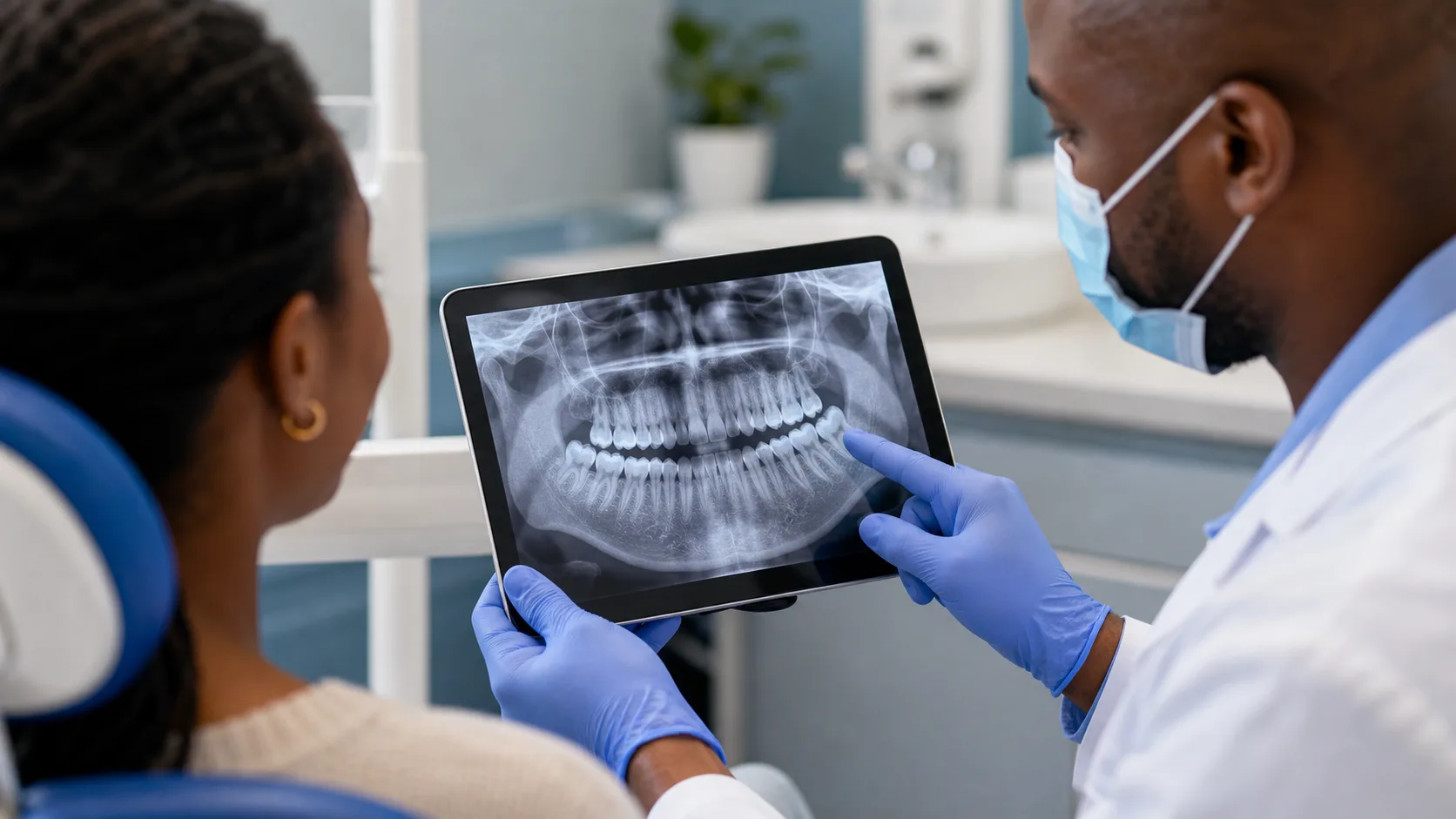
What the appointment covers
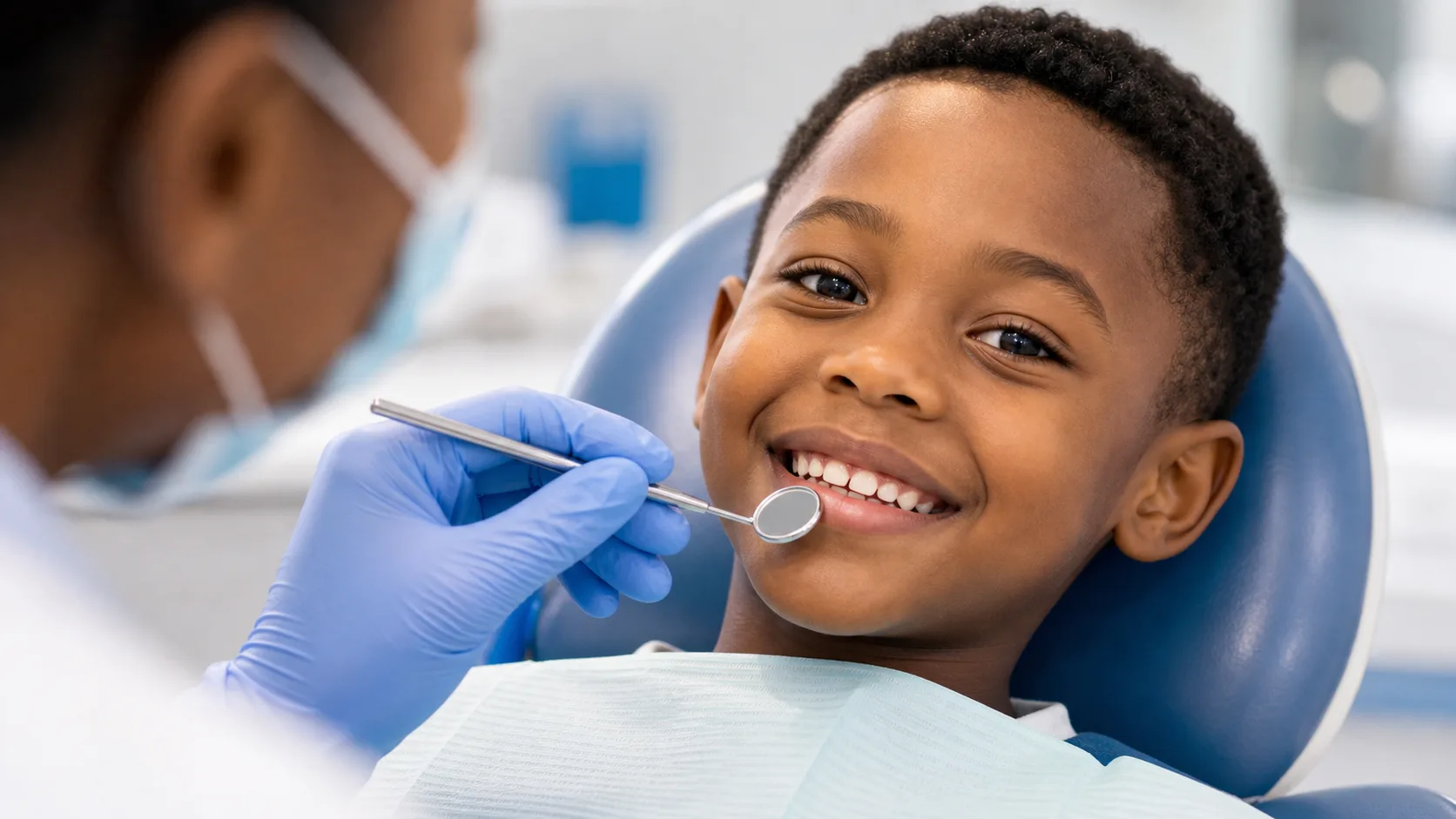
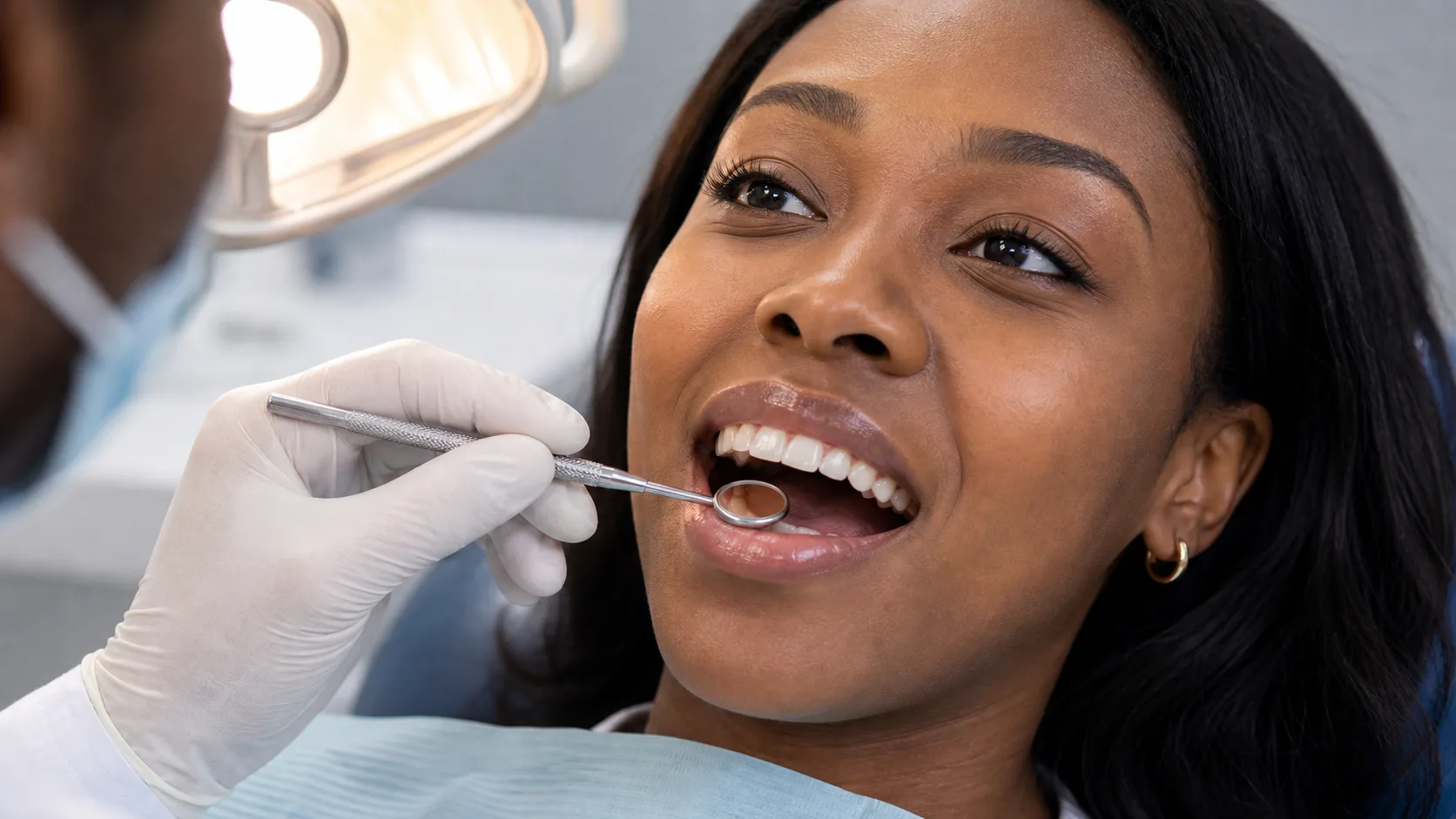
Your dentist may review your teeth, gums, bite, previous dental work, and any concerns you have noticed. If needed, X-rays or a cleaning plan can be discussed as part of the visit.
The goal is simple: understand what is happening, explain the options clearly, and plan care around your mouth rather than a generic schedule.
- Discuss symptoms, goals, and dental history.
- Assess teeth, gums, bite, and existing restorations.
- Agree on the next recall, cleaning, or treatment step.
Internal Links
Related dental care
Sources
Useful information
Written by
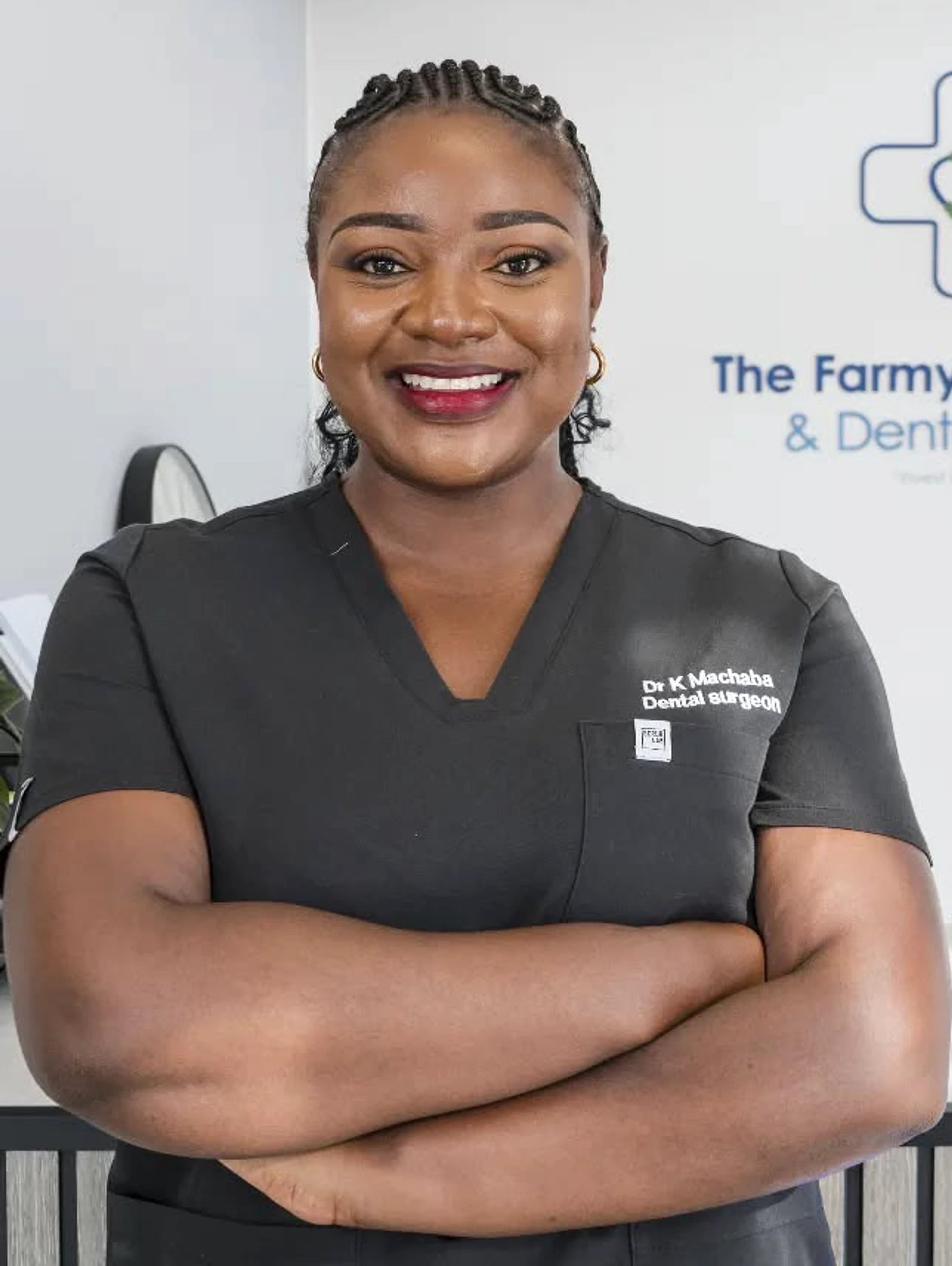
Dr. Kholofelo Machaba-SelatoleChief Dentist & Practice Director
Dr. Kholofelo Machaba-Selatole leads Smile On Dental & Aesthetic Studio with a warm, patient-focused approach to family, restorative, cosmetic, and orthodontic care.
View Profile