Quick Answer
Braces and clear aligners should be compared by the type of tooth movement needed, the level of bite correction required, daily wear discipline, cleaning needs, and how visible the treatment will be.
- Clinical suitability matters before lifestyle preference.
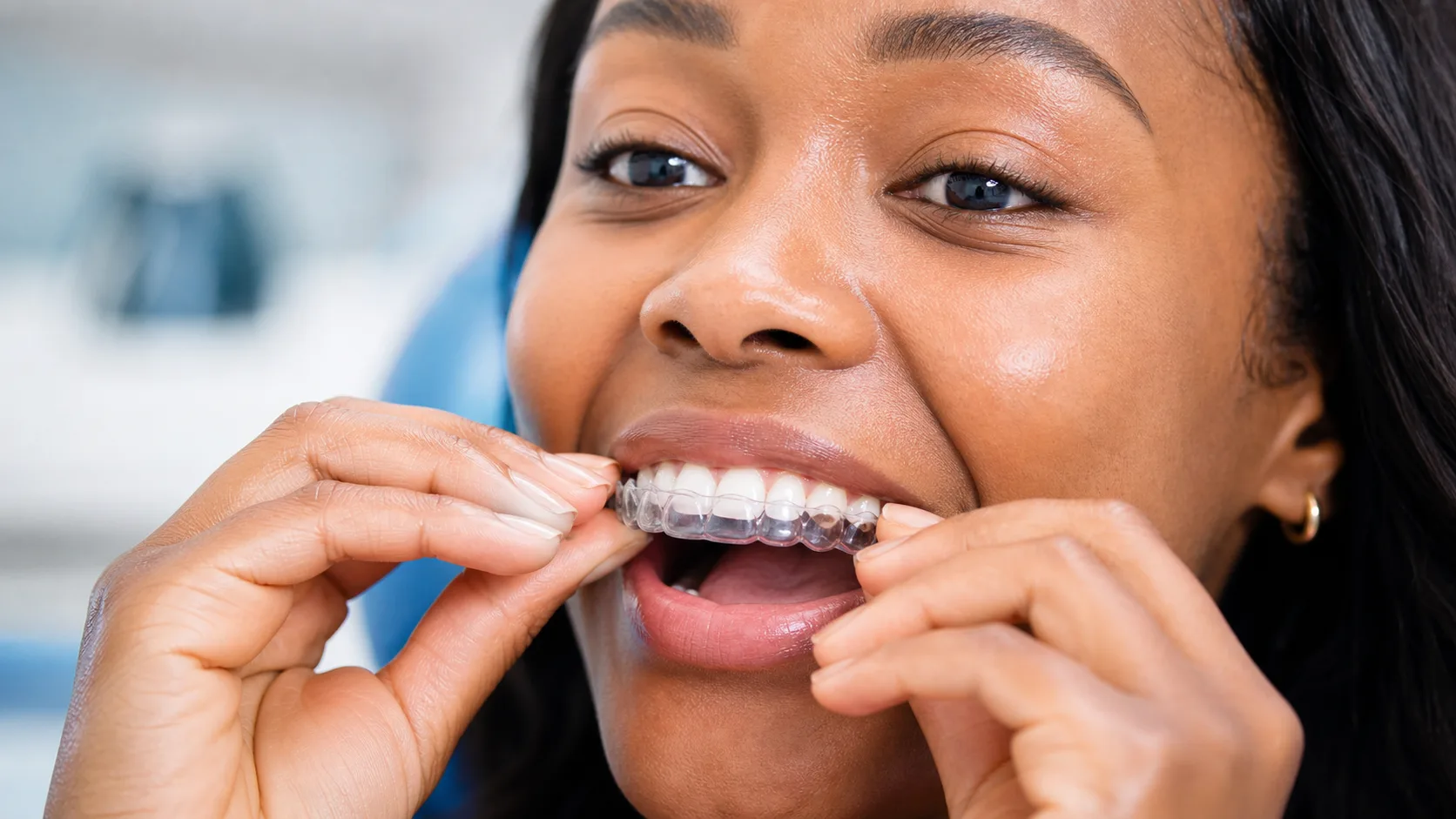
- Clear aligners require consistent wear and careful storage.
- Braces may offer stronger control for more complex movements.
Start with the movement needed
Orthodontic treatment is not only about how visible the appliance is. The dentist first needs to understand crowding, spacing, bite position, tooth rotation, and how much movement is required.
Fixed braces can offer strong control for certain movements, while clear aligners may suit patients who need a removable and more discreet option for suitable cases.
| Question | Why it matters |
|---|---|
| How complex is the bite? | More complex correction may need fixed control. |
| Can the patient wear trays consistently? | Aligner results depend on daily wear discipline. |
| How important is removability? | Aligners can be removed for eating and cleaning. |
Compare daily habits honestly
Clear aligners need consistent wear and careful storage when removed. Braces stay fixed in place, but cleaning around brackets and wires needs extra attention.
The best choice often comes down to the clinical plan plus what the patient can manage reliably every day.
- meal routines
- cleaning around appliances
- visibility preferences
- sports, work, and school habits
Use a consultation to narrow the choice
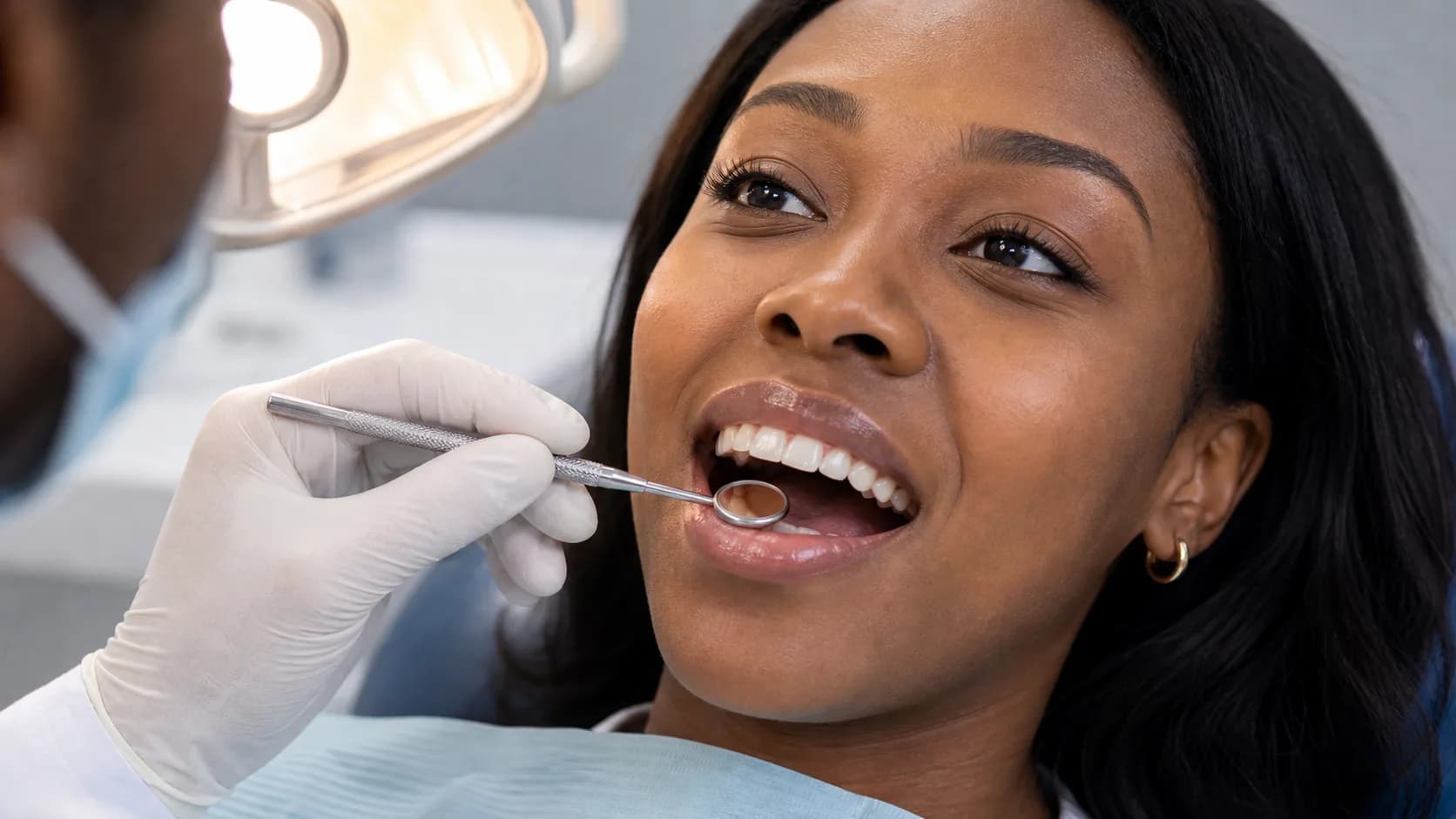
A consultation allows the dentist to assess alignment, explain the likely treatment path, and discuss whether braces, clear aligners, or another approach should be considered.
The right plan balances appearance, comfort, function, timing, and long-term stability.
- Review crowding, spacing, and bite concerns.
- Discuss braces, aligners, timing, and maintenance.
- Confirm the treatment option that matches the case and routine.
Internal Links
Related dental care
Sources
Useful information
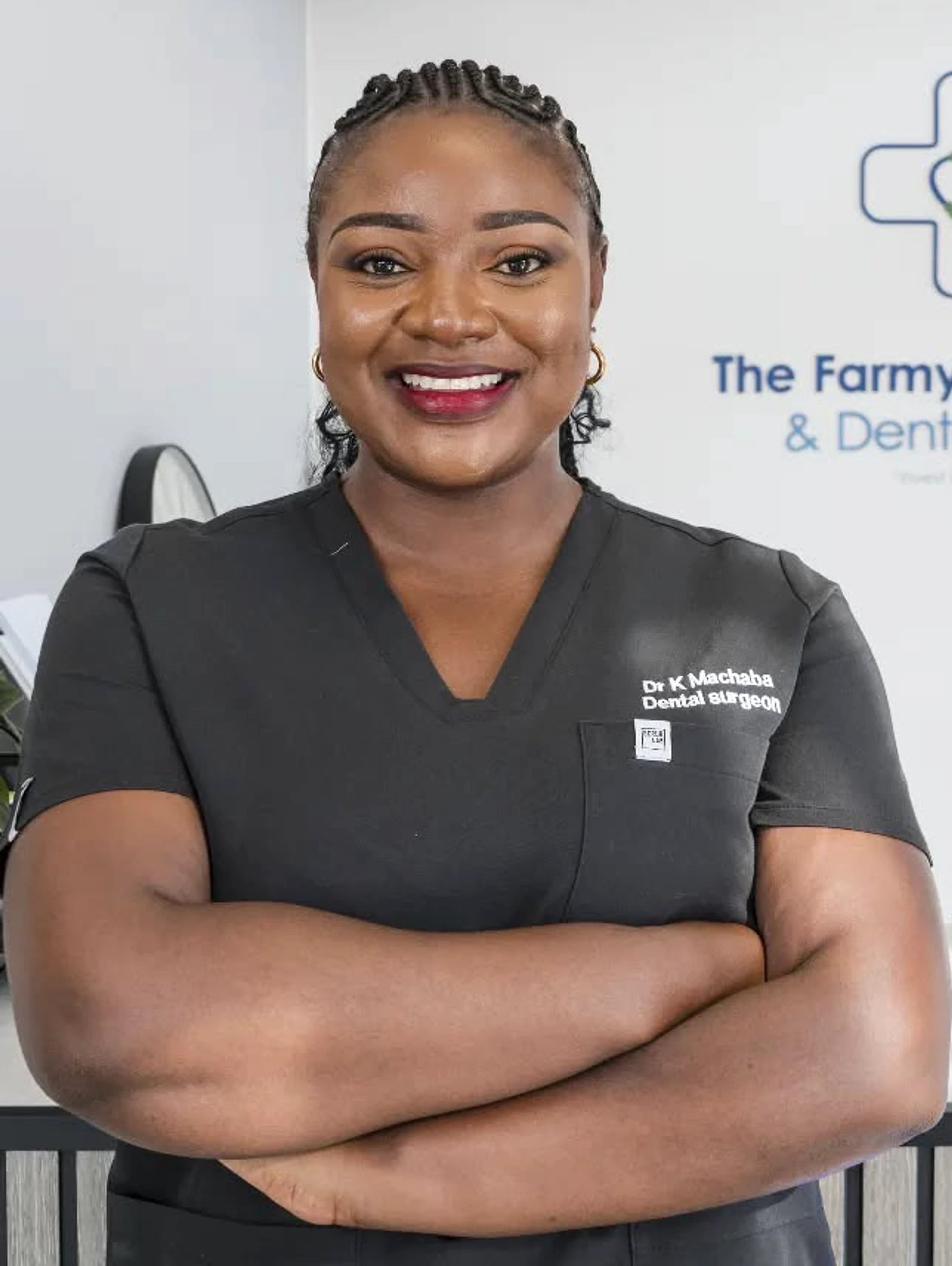
Written by
Dr. Kholofelo Machaba-SelatoleChief Dentist & Practice Director
Dr. Kholofelo Machaba-Selatole leads Smile On Dental & Aesthetic Studio with a warm, patient-focused approach to family, restorative, cosmetic, and orthodontic care.
View Profile