First Step
Consultation
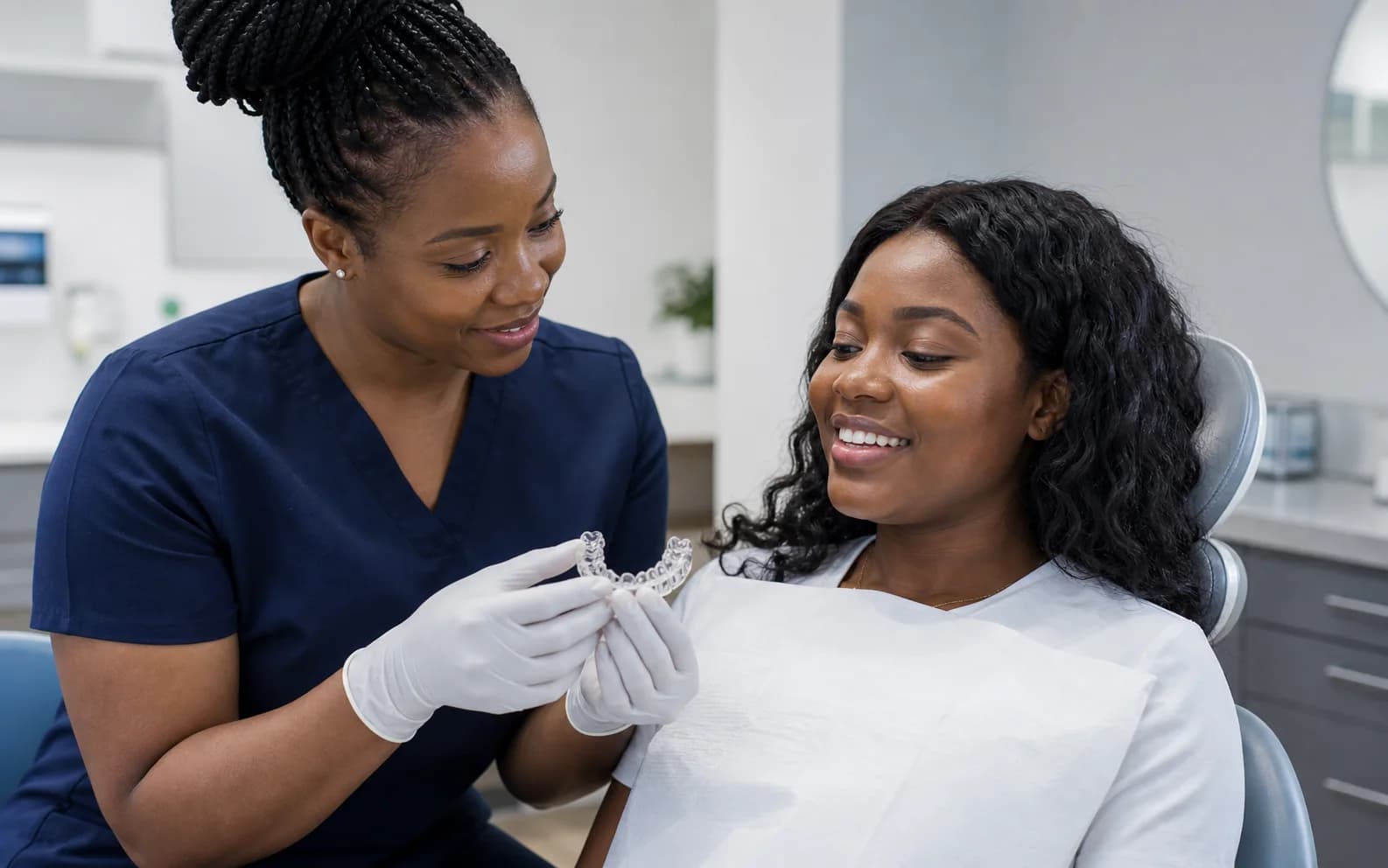
The dentist checks your concern and confirms whether this treatment is suitable before care begins.
Orthodontics
Book Clear Aligner Treatment with Smile On Dental. Start with an assessment, understand your options, and get clear next steps before treatment begins.
Quick Summary
First Step
The dentist checks your concern and confirms whether this treatment is suitable before care begins.
Best For
Suitability depends on oral health, symptoms, goals, and clinical findings.
Planning
Timing, visits, cost factors, and aftercare are explained after the assessment.
Branch Access
Use the location section to choose the branch that is easiest for you to attend consistently.
Orthodontic Options
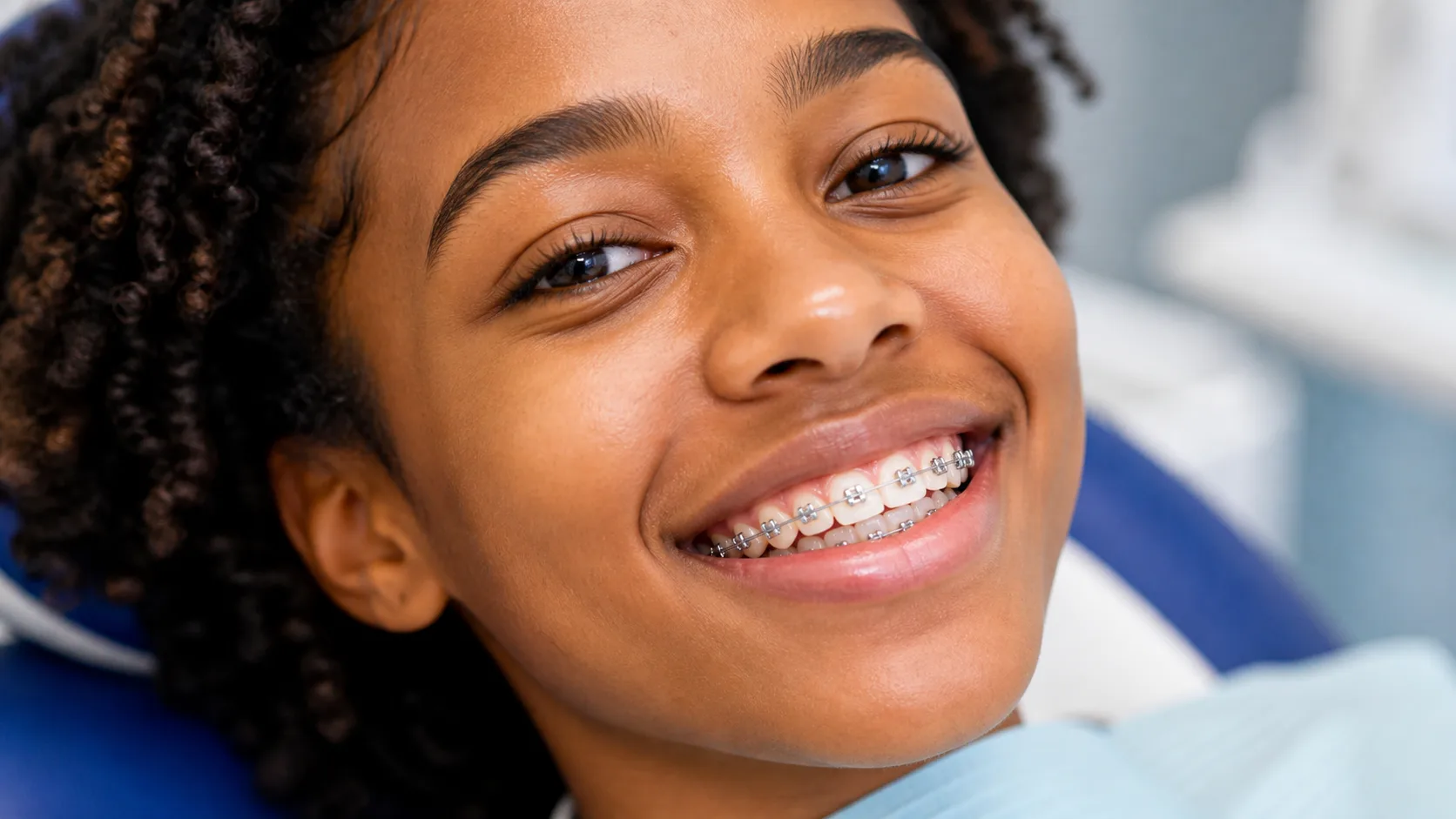
Traditional braces may be recommended when fixed orthodontic appliances are better suited to the case.
Overview
Treatment Introduction
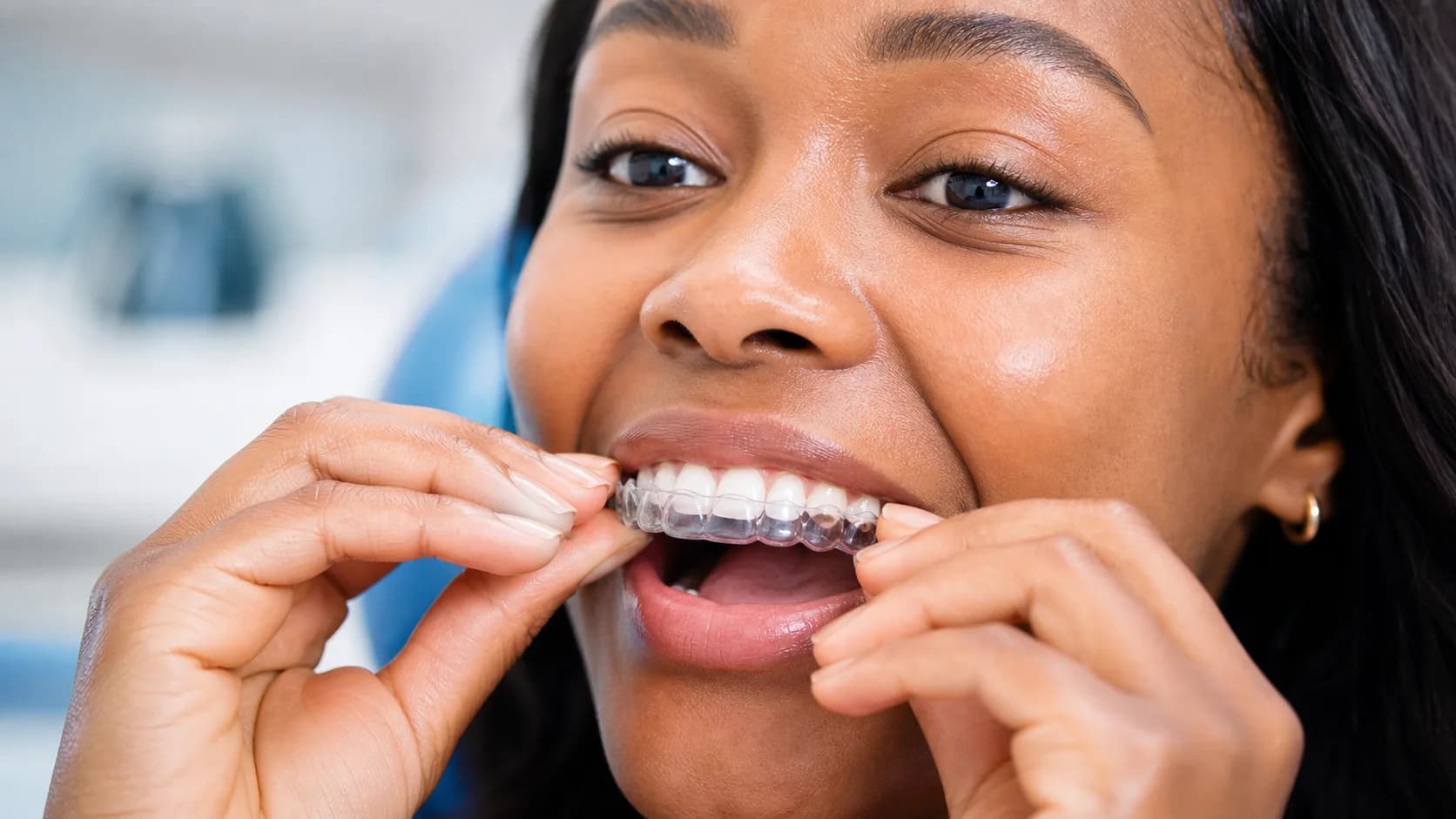
Clear aligners are designed for patients who want a more discreet orthodontic experience. They are removable, transparent, and often preferred by adults who want treatment that fits into work, social, and daily routines.
Decision Support
Smile On Dental uses the visit to understand your symptoms, goals, oral health, and expectations before recommending a suitable treatment plan.
Visual Guide

Treatment Guide
Clear aligners are planned around the way your teeth fit together, not only the way they look in a photograph.
At a Smile On Dental consultation, the starting point is a careful look at crowding, spacing, bite position, gum health, previous dental work, and the movements that would be needed to align the smile. Clear aligners can be a strong option for many adult and teen cases, but suitability depends on the amount and type of tooth movement required.
The assessment also considers your daily routine. Aligners are removable, which is convenient for meals and cleaning, but they depend on consistent wear. If the case needs movements that aligners may not control predictably on their own, the dentist can discuss whether another orthodontic option, a staged approach, or a referral pathway is more appropriate.
Assessment checks
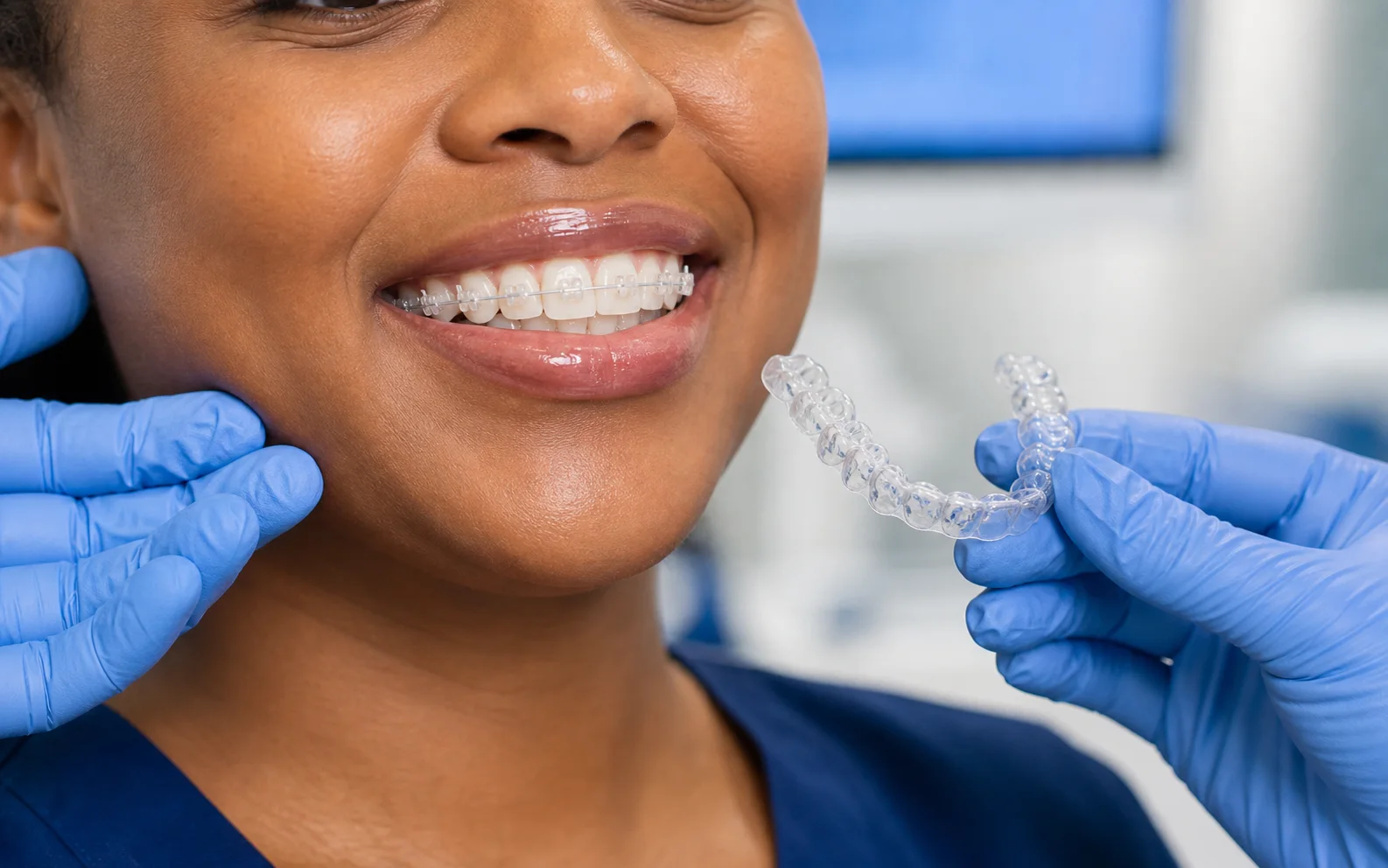
Aligners use a sequence of custom trays to guide selected teeth through planned movements.
Each aligner is shaped slightly differently from the one before it. When worn as instructed, the tray applies controlled pressure to specific teeth so they can gradually move toward the next planned position. Some cases may need small tooth-coloured attachments, polishing between teeth, or bite adjustments to help the aligner grip and direct movement properly.
Because aligners are removable, progress depends heavily on patient cooperation. Missed wear time, lost trays, or inconsistent use can slow progress or make refinements necessary. The dentist monitors how closely the teeth are tracking against the planned sequence and adjusts the plan if the mouth is not responding as expected.
Movement factors
Clear aligners are often chosen when patients want orthodontic treatment that fits into work, study, and social routines.
They may be suitable for mild to moderate crowding, small gaps, relapse after previous braces, or cosmetic alignment concerns where the bite is stable enough for aligner treatment. They can also help before cosmetic work, because moving teeth first may reduce the amount of reshaping or restorative dentistry needed later.
Clear aligners are not automatically the best answer for every bite. Severe rotations, complex bite correction, impacted teeth, or significant jaw relationship concerns may require fixed braces or specialist input. A good plan is honest about limitations before treatment starts, so expectations are based on diagnosis rather than marketing.
Common reasons
The biggest advantage of aligners is removability; the biggest responsibility is using that freedom properly.
Aligners are usually removed for eating, drinking anything that could stain, and cleaning. Teeth should be brushed and flossed before the trays go back in, especially after sugary or acidic foods. Trapping plaque or food under an aligner can increase the risk of staining, bad breath, enamel marks, and gum inflammation.
The trays also need routine cleaning. Hot water can distort the plastic, and rough toothpaste can dull the surface, so care instructions matter. When aligners are not in the mouth, they should be stored in their case rather than wrapped in tissue or placed loose in a pocket, where they are easy to lose or damage.
Daily essentials
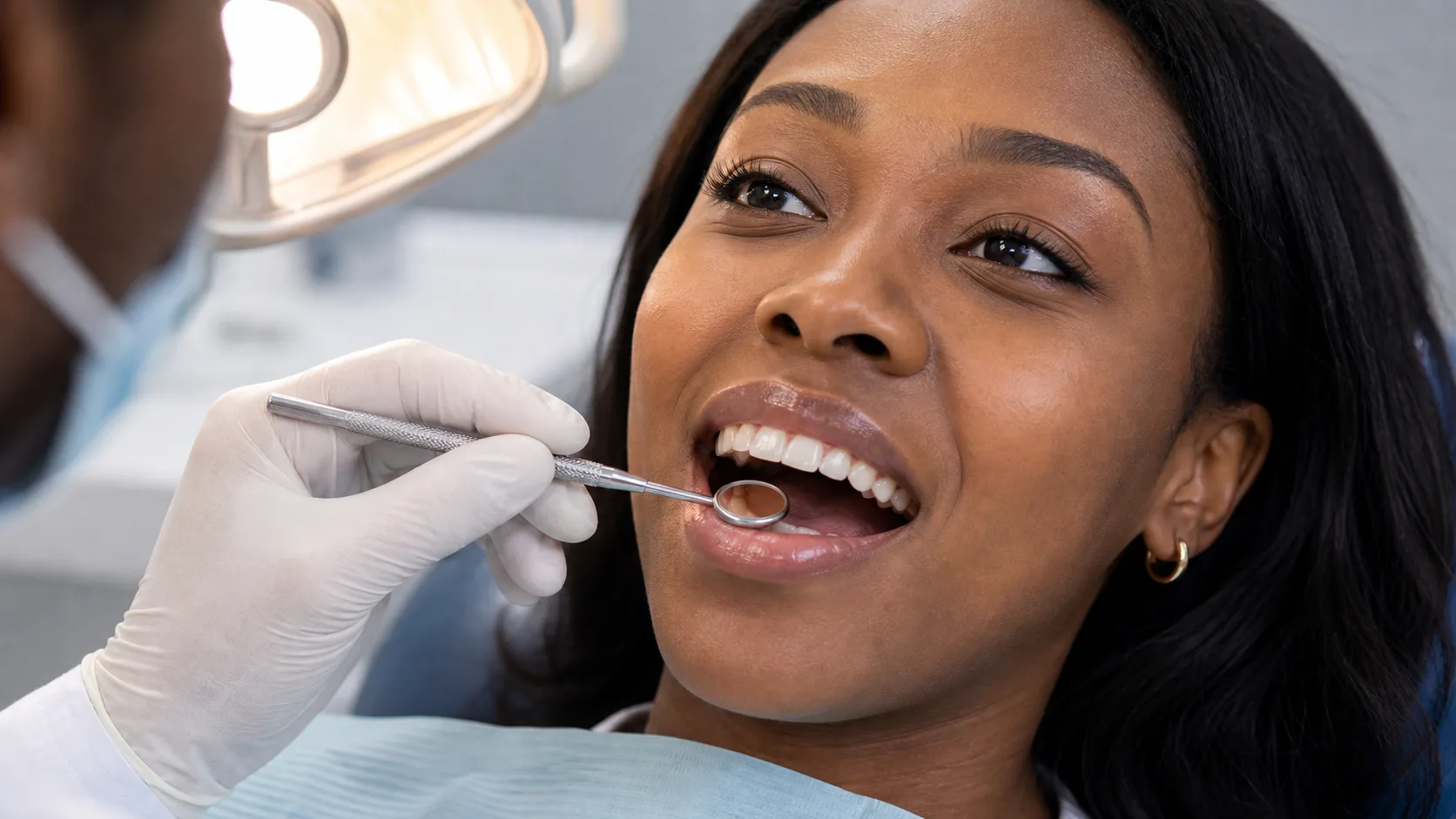
Clear aligner treatment is planned digitally, but it still needs clinical monitoring.
Review appointments allow Smile On Dental to check whether the aligners fit fully, whether attachments remain secure, and whether the teeth are moving in line with the plan. The bite is also checked because straight-looking teeth still need to meet in a stable, comfortable way.
Refinements are sometimes part of aligner treatment. Teeth are living structures, and some movements respond differently from the preview. If refinements are needed, the dentist may take updated records and plan additional trays to improve fit, alignment, or finishing details within the realistic limits of the case.
Review focus
Clear aligner fees vary because plans vary; a short cosmetic case is not the same as a complex bite case.
Cost is influenced by diagnostic records, the number of aligners required, the complexity of movements, attachment work, reviews, refinements, and whether other dental care is needed first. Gum treatment, fillings, whitening, or restorative planning can change the sequence and total investment.
Smile On Dental should only quote after examining the teeth and confirming what the plan involves. This avoids implying a fixed price before the clinical picture is known. The useful question is not simply what aligners cost, but what is included in the plan and how the final bite will be maintained.
Pricing variables
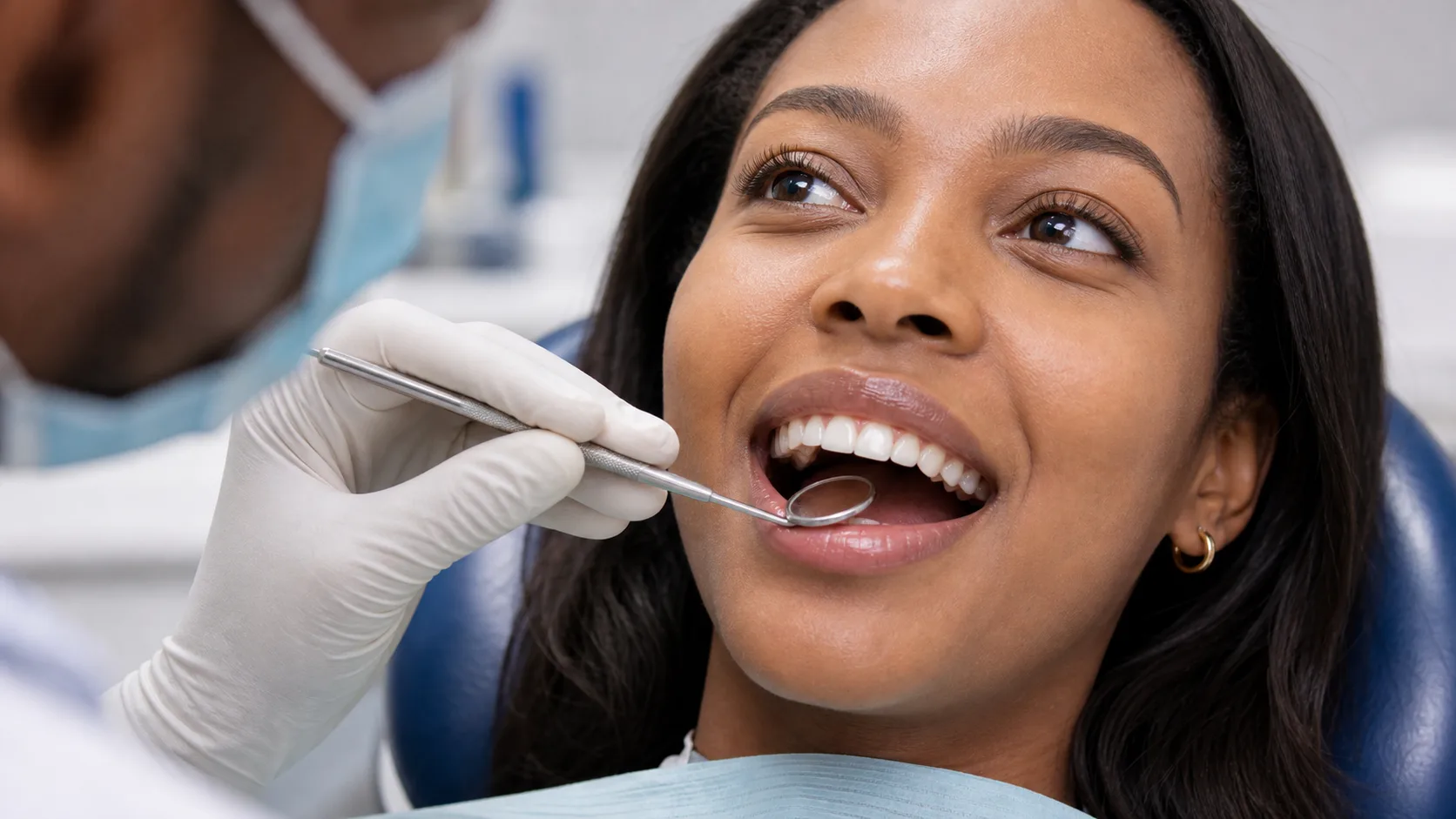
Clear aligner planning should sit inside a full dental assessment, not apart from it.
Smile On Dental can review alignment alongside gum health, tooth wear, restorations, decay risk, cosmetic goals, and bite stability. That helps identify whether aligners are suitable on their own, whether another orthodontic option should be discussed, or whether dental treatment is needed before movement begins.
The practice approach is to explain suitability and limitations before treatment starts. Patients should understand wear expectations, possible refinements, retainer needs, and what clear aligners can and cannot predictably change in their own mouth.
Practice approach
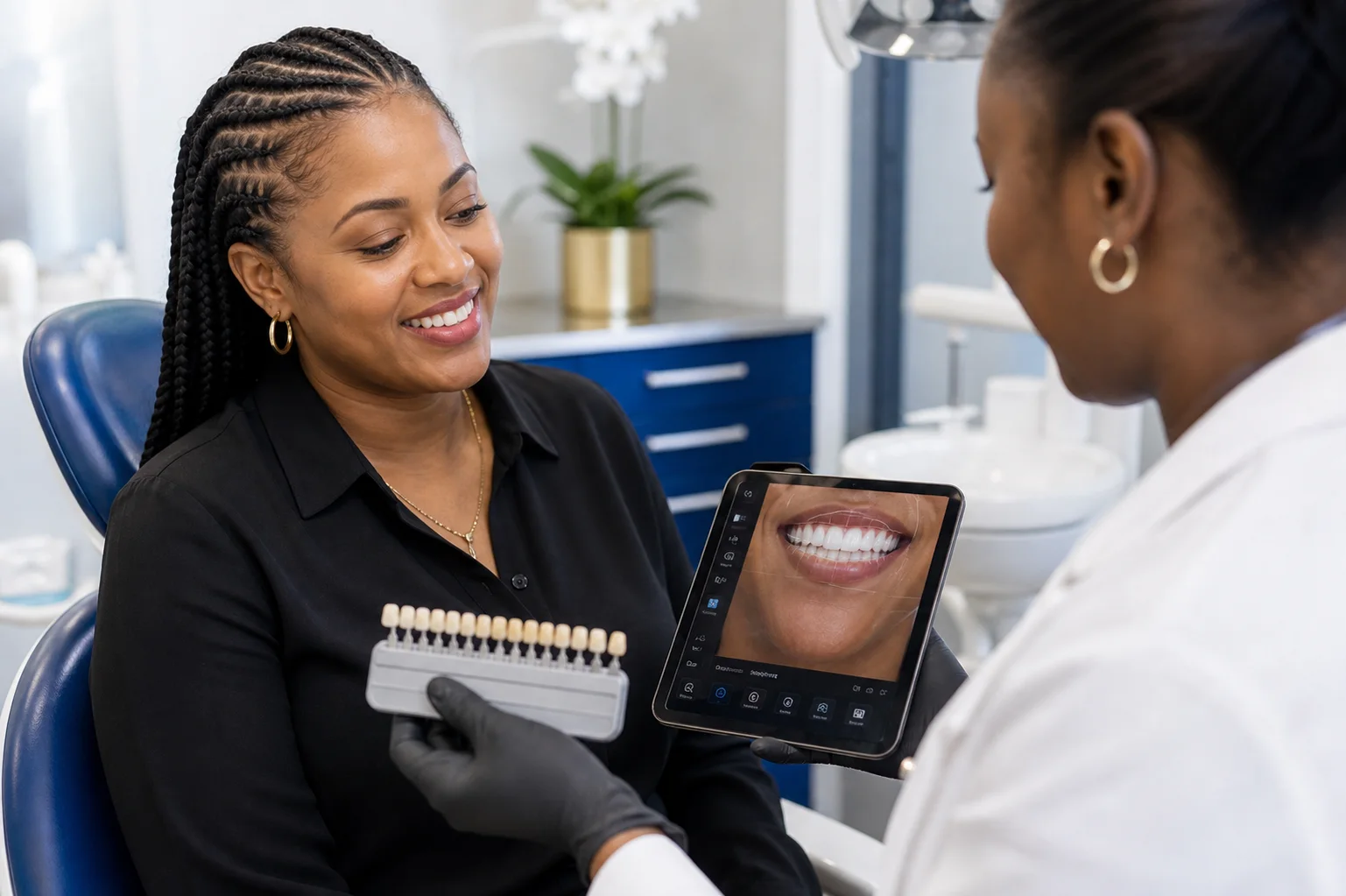
Teeth can shift after any orthodontic treatment, so retention is part of the treatment rather than an optional extra.
Once active aligner movement is complete, retainers help hold the teeth in their new positions while the surrounding bone and tissues settle. Retainer design and wear instructions depend on the case, the bite, and the risk of relapse. Some patients may need removable retainers, bonded retainers, or a combination.
Long-term success also depends on maintenance visits and healthy habits. Grinding, gum disease, missing teeth, and inconsistent retainer use can all affect alignment over time. Clear aligners can create a more ordered smile, but the retention phase protects the work that has already been done.
Retention priorities
Who It Helps
Treatment Journey
Usually a multi-month orthodontic journey with reviews.
You may come in because teeth have shifted, crowding or spacing bothers you, or you want a discreet way to improve alignment.
The dentist will usually ask what bothers you most, whether you have had orthodontic treatment before, what your daily routine is like, and how committed you can be to reviews, appliance care, or retainer wear.
What this first step covers
Orthodontic care needs a proper starting point before anything is fitted or made.
The dentist checks tooth position, bite, gum health, previous dental work, and whether the movements needed are suitable for removable aligners.
This is where the journey becomes more personal. Two patients can ask for the same treatment, but their gum health, bite, tooth movement needs, and relapse risk can lead to different recommendations.
What may be checked
The options are discussed after the dentist understands what your mouth actually needs.
At this point, the conversation can include Clear aligners for suitable cases, Braces if fixed control is more appropriate, Retention planning after alignment is complete. The dentist explains what each option means in real life, including visibility, comfort, cleaning, wear time, review visits, and cost factors.
The aim is not to rush you into an appliance. It is to help you understand what will happen from the first active step through to the final maintenance stage.
Decisions made here
This is the physical treatment stage, and the details depend on the option chosen.
If aligners are suitable, records or scans are used to plan a sequence of trays. You are shown how often to wear them, when to change them, and what can slow progress.
Review visits check tracking, attachments, fit, bite changes, and whether refinements are needed before finishing treatment.
What happens during active care
Orthodontic treatment does not end when the teeth look straighter.
You need to wear aligners as instructed, remove them for meals, clean teeth before reinserting, and store trays safely.
Several visits are expected because aligner treatment is monitored over time and refinements may be needed.
Long-term maintenance
Benefits
Suitability
Orthodontics
Orthodontic planning starts with your bite, spacing, crowding, gum health, and treatment goals before braces, aligners, or retainers are recommended.
Suitability
The dentist considers symptoms, oral health, bite, medical history, expectations, and maintenance before recommending clear aligners.
Costs
Cost discussions are most useful after diagnosis because materials, complexity, visit count, and follow-up needs vary from patient to patient.
Appointment
Your dentist reviews your concern, oral health, and treatment goals before recommending next steps.
The team explains the likely process, timing, and care options in straightforward language.
Your treatment plan is shaped around comfort, function, appearance, and long-term oral health.
Costs & Aftercare
Before You Book
Mention whether you are booking for clear aligners, pain, appearance, function, prevention, or a second opinion.
At the Visit
Ask about diagnosis, options, number of visits, comfort, maintenance, and what could happen if treatment is delayed.
Aftercare
Your dentist will explain home care, review visits, and any symptoms that should be reported after treatment.
FAQs
No. Clear aligners are removable trays, while braces are fixed appliances. The right option depends on your orthodontic needs and lifestyle.
The best starting point is a consultation. Your dentist will assess your teeth, gums, bite, symptoms, concerns, and smile goals before recommending a personalised treatment plan.
Yes. Use the Book an Appointment button to open the booking site and choose a convenient appointment time. You can also request a callback if you would prefer the practice team to contact you first.
Yes. You can request a callback if you prefer the practice team to contact you before booking. This can be helpful when you are unsure whether you need a routine visit, cosmetic consultation, orthodontic assessment, or urgent support.
Yes. Costs depend on the diagnosis, treatment complexity, materials, and number of visits required. Your dentist can explain the recommended next step before treatment begins.
Bring your identification, medical history, current medication details, previous dental information if available, and any questions you want to discuss with the dentist.
Book an assessment so the dentist can diagnose the cause before you choose a treatment. Pain or swelling may need urgent attention, X-rays, restorative care, or another clinical next step.
Related Treatments
Locations
City Treatment Pages
Clinical Leadership
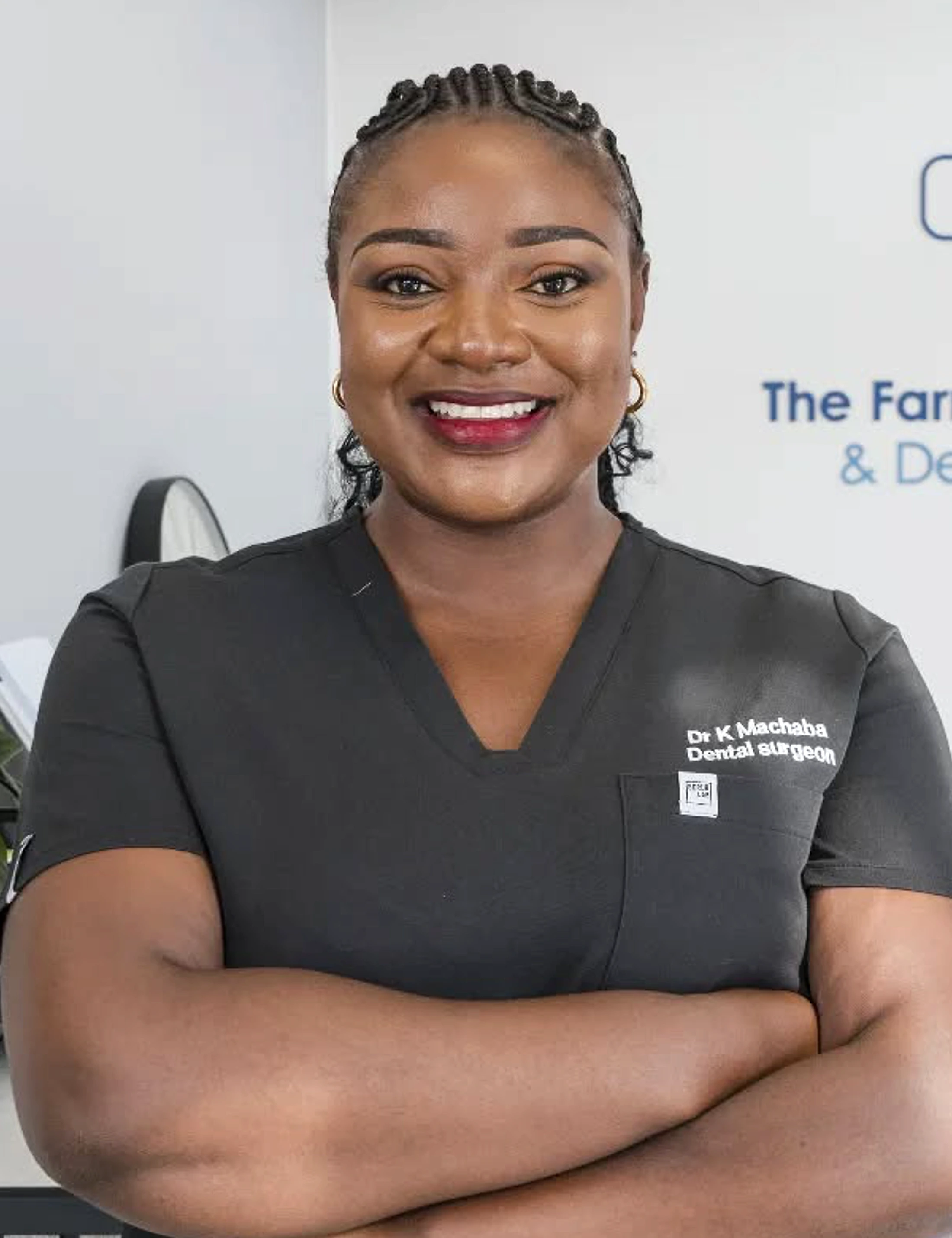
Dr. Kholofelo Machaba-Selatole leads Smile On Dental & Aesthetic Studio with a warm, patient-focused approach to family, restorative, cosmetic, and orthodontic care.
60+ five-star patient reviews across Pretoria and Polokwane.
"Customer care is superb, very friendly front desk staff. I'm happy to have gained my confidence back."

Polokwane
"From reception right into the doctor's consultation room it was all smiley faces that welcomed us."

Polokwane
"The best dental service I have seen in Pretoria, cannot wait for my next appointment."

Pretoria
"Customer care is superb, very friendly front desk staff. I'm happy to have gained my confidence back."
Polokwane
"From reception right into the doctor's consultation room it was all smiley faces that welcomed us."
Polokwane
"The best dental service I have seen in Pretoria, cannot wait for my next appointment."
Pretoria
Book a Consultation