First Step
Consultation
The dentist checks your concern and confirms whether this treatment is suitable before care begins.
Orthodontics
Book Retainers After Braces or Aligners with Smile On Dental. Start with an assessment, understand your options, and get clear next steps before treatment begins.
Quick Summary
First Step
The dentist checks your concern and confirms whether this treatment is suitable before care begins.
Best For
Suitability depends on oral health, symptoms, goals, and clinical findings.
Planning
Timing, visits, cost factors, and aftercare are explained after the assessment.
Branch Access
Use the location section to choose the branch that is easiest for you to attend consistently.
Overview
Treatment Introduction
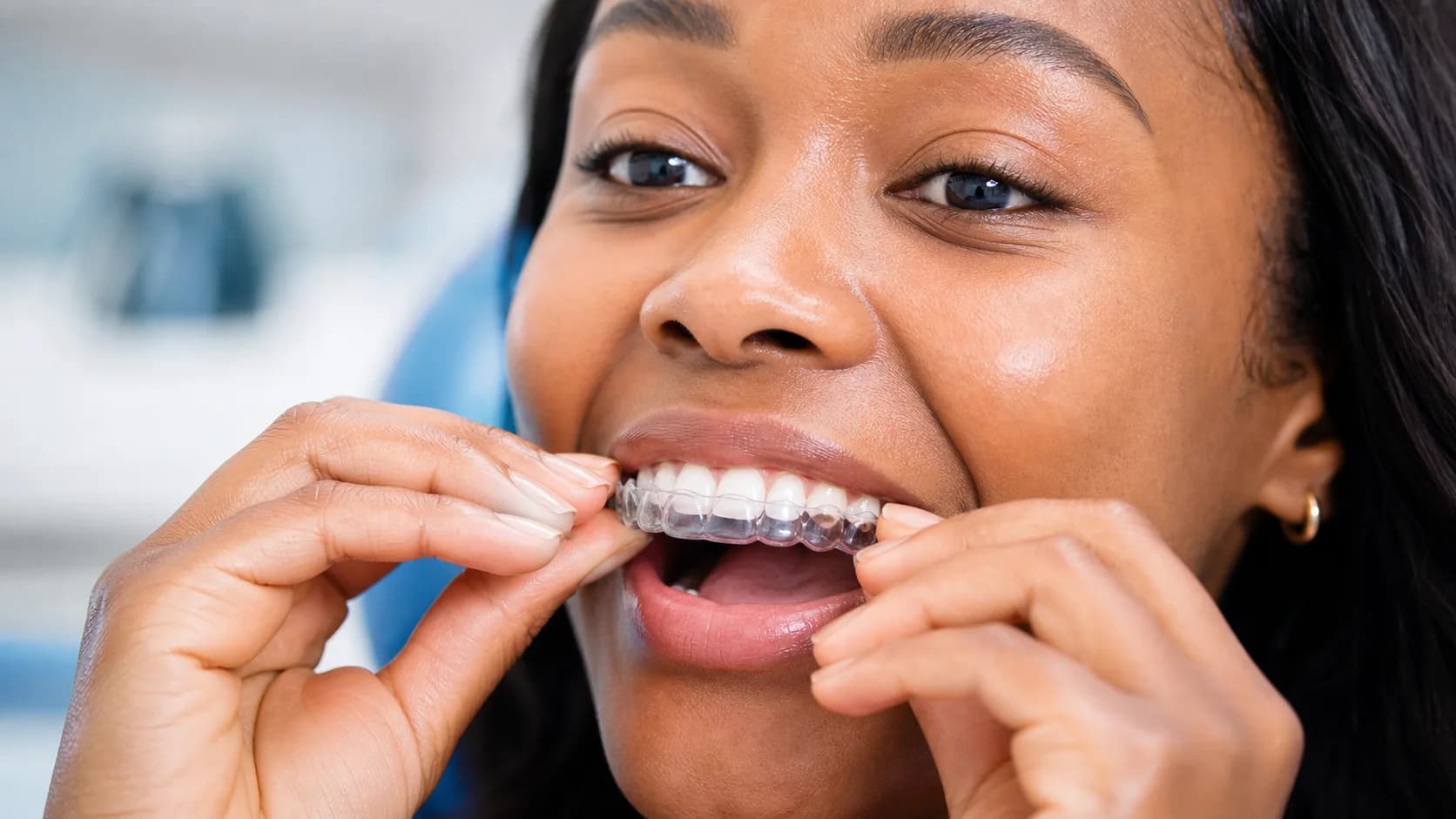
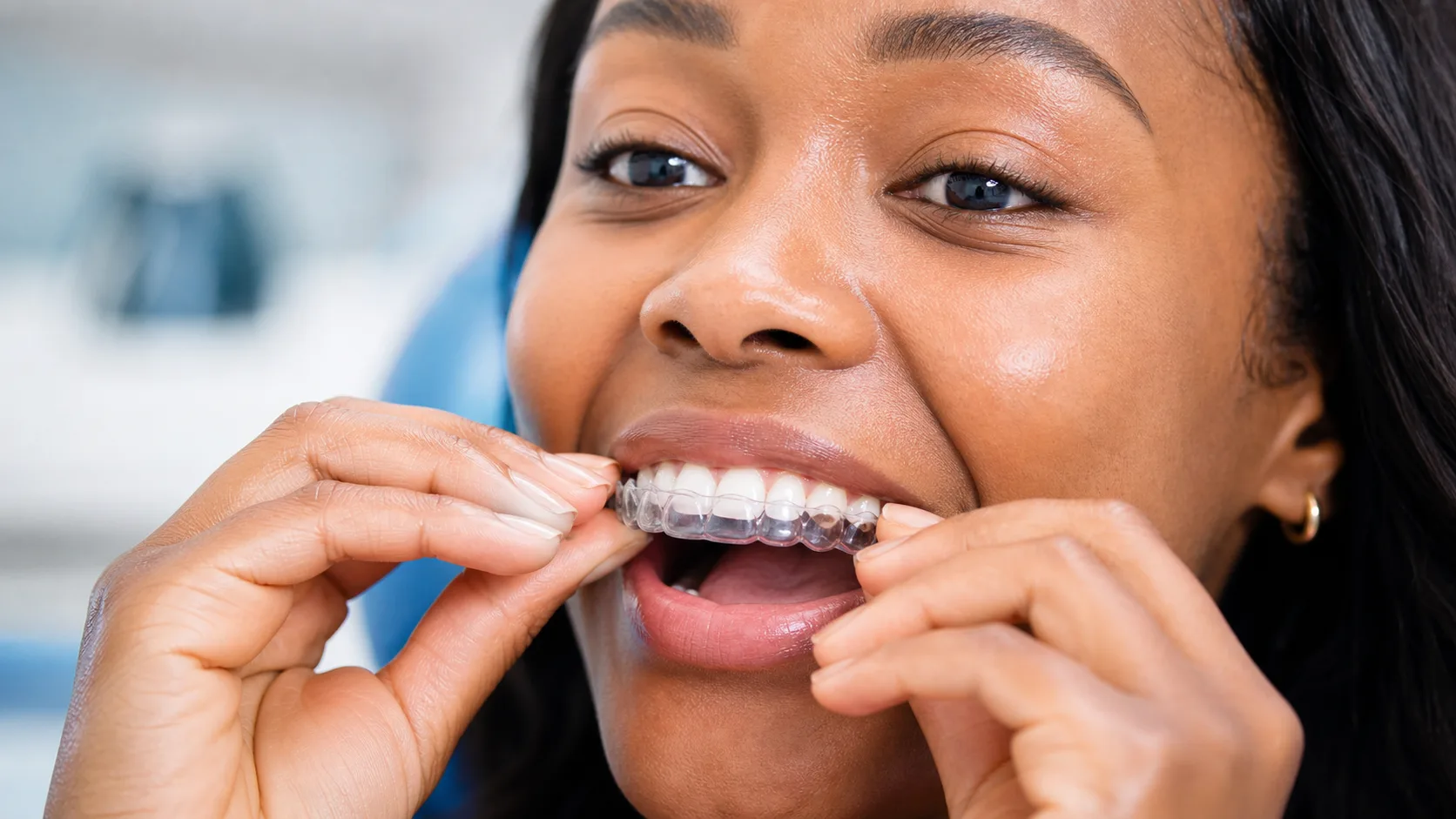
Retainers help maintain tooth position after orthodontic movement. They are commonly discussed after braces or aligner treatment as part of long-term smile stability.
Decision Support
Smile On Dental uses the visit to understand your symptoms, goals, oral health, and expectations before recommending a suitable treatment plan.
Visual Guide



Treatment Guide
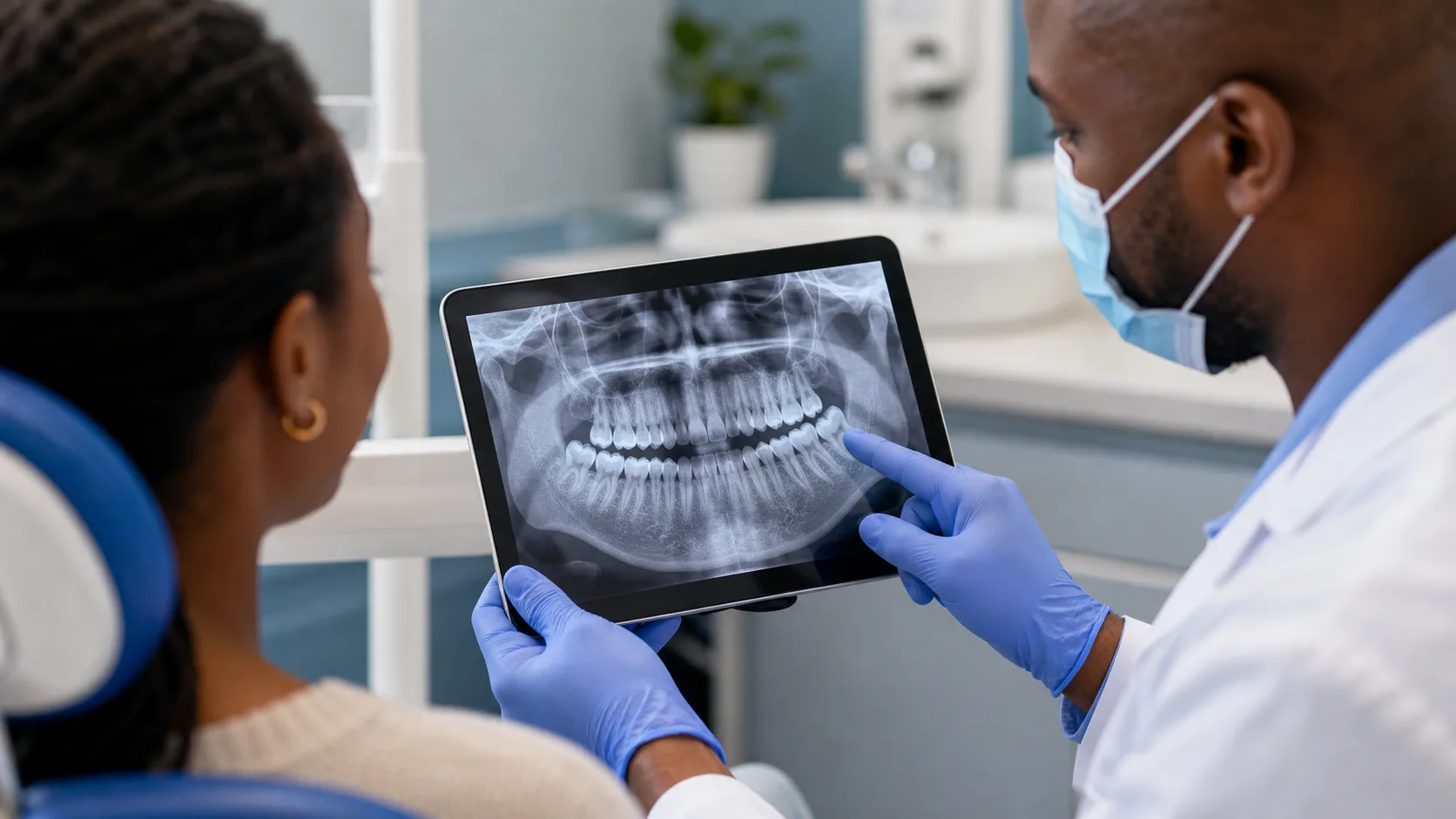
Retainers hold teeth in position after orthodontic movement and help reduce unwanted shifting.
Teeth are supported by bone, gums, and fine ligament fibres that need time to settle after braces or aligners. Without retention, teeth can drift toward old positions or move in response to bite forces, grinding, gum changes, or natural ageing. Retainers protect the investment already made in alignment.
Retainers can also be used when minor relapse is noticed, but they are not a substitute for active orthodontic treatment if teeth have moved significantly. Smile On Dental can check whether a retainer still fits, whether replacement is needed, or whether a new alignment plan should be discussed.
Retainer reasons
Removable retainers are popular because they are discreet and easy to clean outside the mouth.
A clear removable retainer fits over the teeth and holds them in their corrected positions. It is usually worn according to the dentist’s instructions, which may change from full-time wear to night-time maintenance depending on the case. Fit is important: a tight, rocking, cracked, or loose retainer should be reviewed.
Removable retainers only work when they are worn. Patients should keep them in a case when not in use, clean them gently, and avoid heat that can warp the plastic. Pets, tissue wrapping, and pockets are common reasons retainers disappear or break.
Removable care
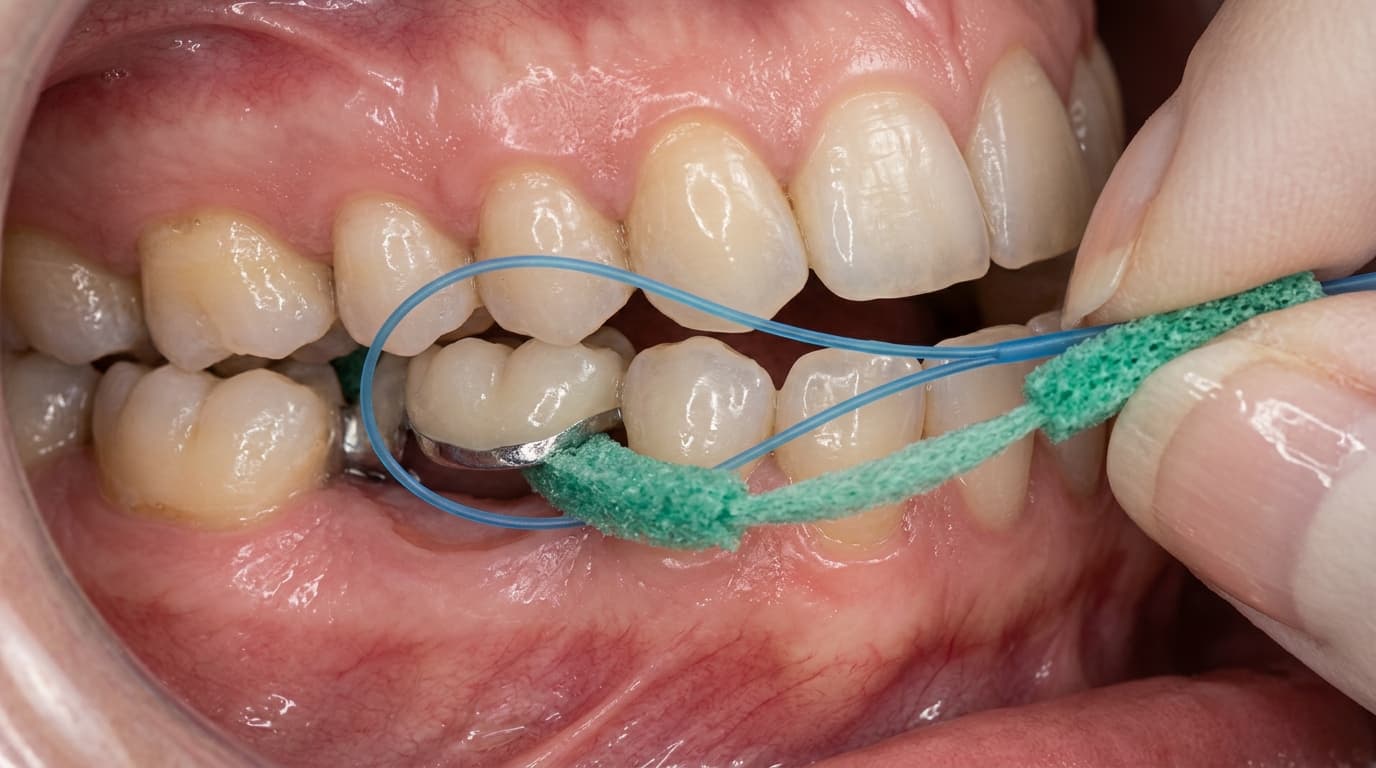
A bonded retainer is a fine wire fixed behind selected front teeth to help hold alignment.
Bonded retainers can be useful where relapse risk is higher or where front teeth were previously crowded or spaced. Because the wire is fixed, it works without needing to remember nightly wear. It does, however, need careful cleaning around the wire and bonded points.
A bonded retainer can come loose, bend, or collect plaque if not maintained. Patients should not use it to bite hard foods or ignore changes in fit. If one section detaches, teeth may shift quickly, so review should be arranged rather than waiting for a routine check-up.
Bonded checks
Retainers wear out, and replacing them early is usually simpler than waiting for teeth to move.
A retainer may need replacement if it cracks, becomes distorted, no longer fits fully, smells despite cleaning, or has been lost. Patients who grind may wear through retainers more quickly. If the old retainer no longer seats properly, forcing it can be uncomfortable and may not be appropriate.
Smile On Dental can assess the fit and take updated records for a new appliance if needed. If teeth have shifted, the dentist can explain whether a new retainer can hold the current position or whether orthodontic correction should be considered before retention.
Replace when
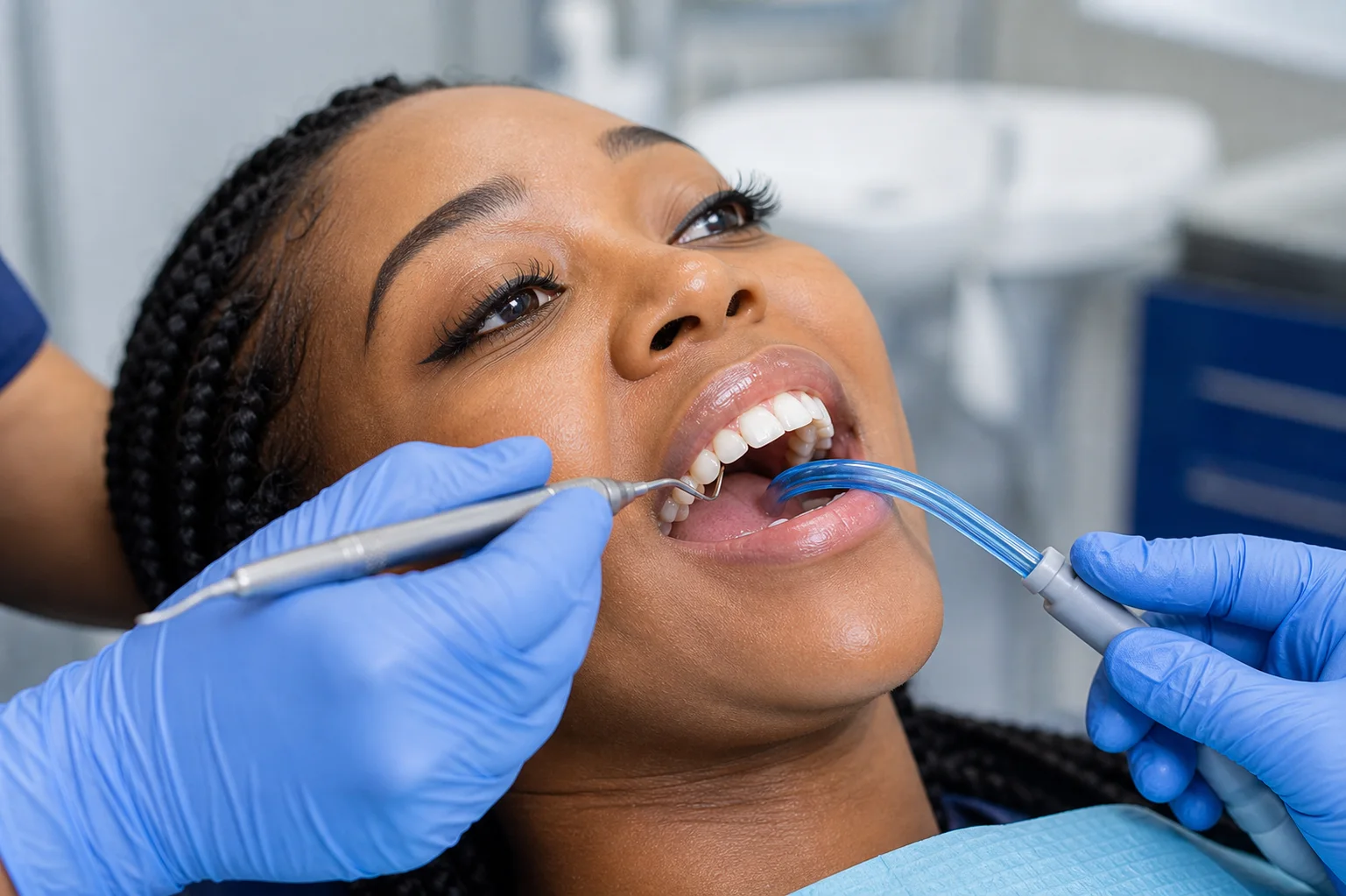
A clean retainer is better for breath, gum health, and appliance lifespan.
Retainers sit against teeth for long periods, so plaque and saliva minerals can build up on the surface. Daily cleaning helps prevent odour, staining, and irritation. The cleaning method depends on the appliance material, so patients should follow the instructions given with their retainer.
Brushing teeth before wearing the retainer is just as important as cleaning the appliance itself. Putting a retainer over plaque, food debris, or sugary residue can increase bacterial activity around the teeth and gums. Routine dental visits help spot problems early.
Cleaning basics
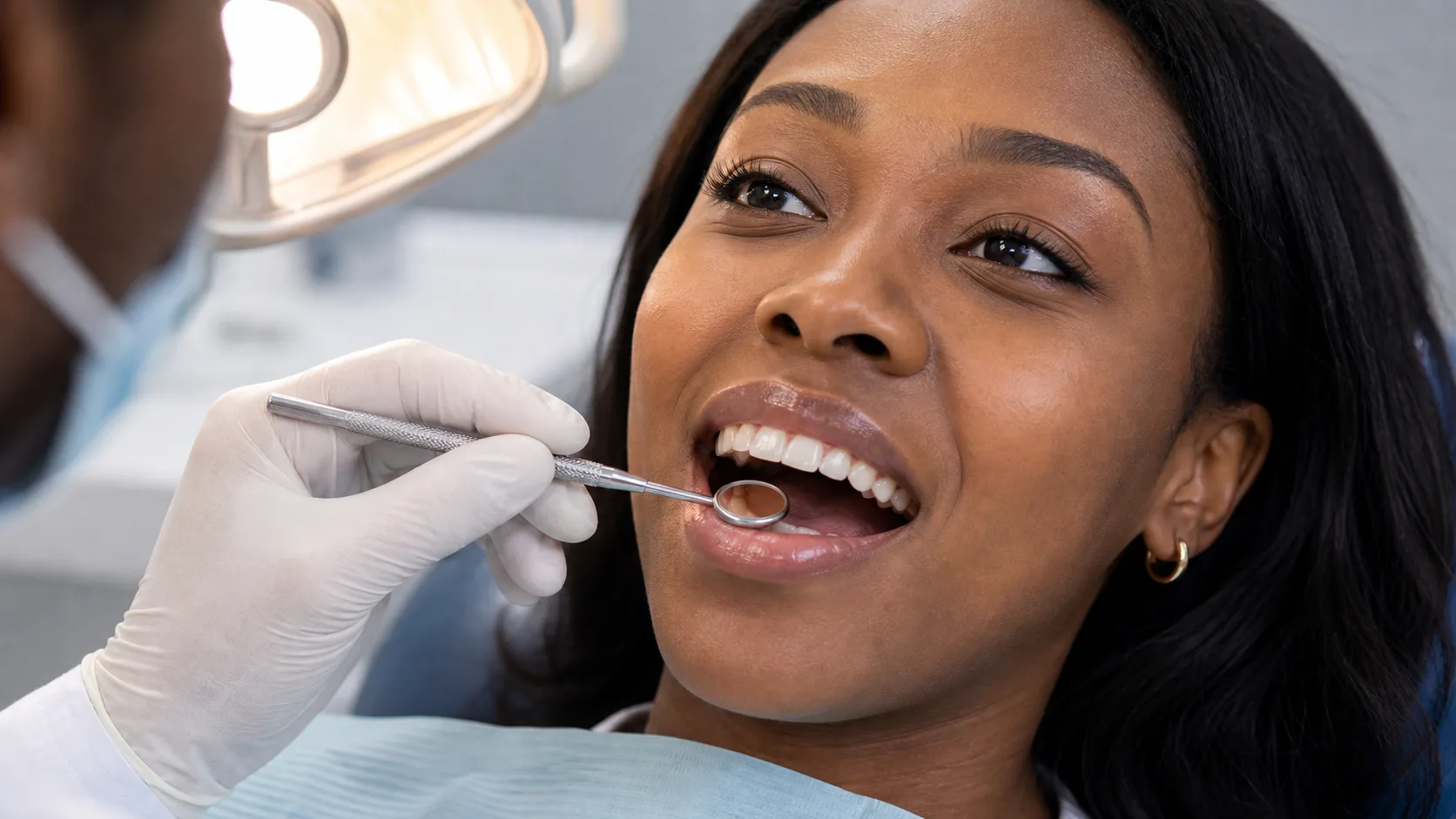
Small changes are easier to manage when they are checked early.
Warning signs include a retainer feeling unusually tight, gaps reopening, teeth overlapping, the bite feeling different, or a bonded retainer feeling loose. Patients may also notice that the retainer no longer clicks fully into place. These signs should not be ignored.
A review can determine whether the issue is appliance wear, tooth movement, gum changes, or bite pressure. Sometimes a replacement retainer is enough; sometimes alignment needs to be revisited. The earlier the review, the more options are usually available.
Book a check if
Retainer costs depend on the type of appliance, records needed, and whether teeth have already shifted.
A straightforward replacement removable retainer is different from planning new retainers after tooth movement, repairing a bonded wire, or making appliances for both arches. Fees may also be influenced by scans or impressions, review appointments, material choice, and whether additional dental care is needed first.
Smile On Dental can confirm the appropriate option after checking fit, bite, gum health, and the current tooth position. The useful discussion is what the retainer is expected to do: hold the current position, replace a worn appliance, support a bonded wire, or protect a result after orthodontic treatment.
Cost drivers
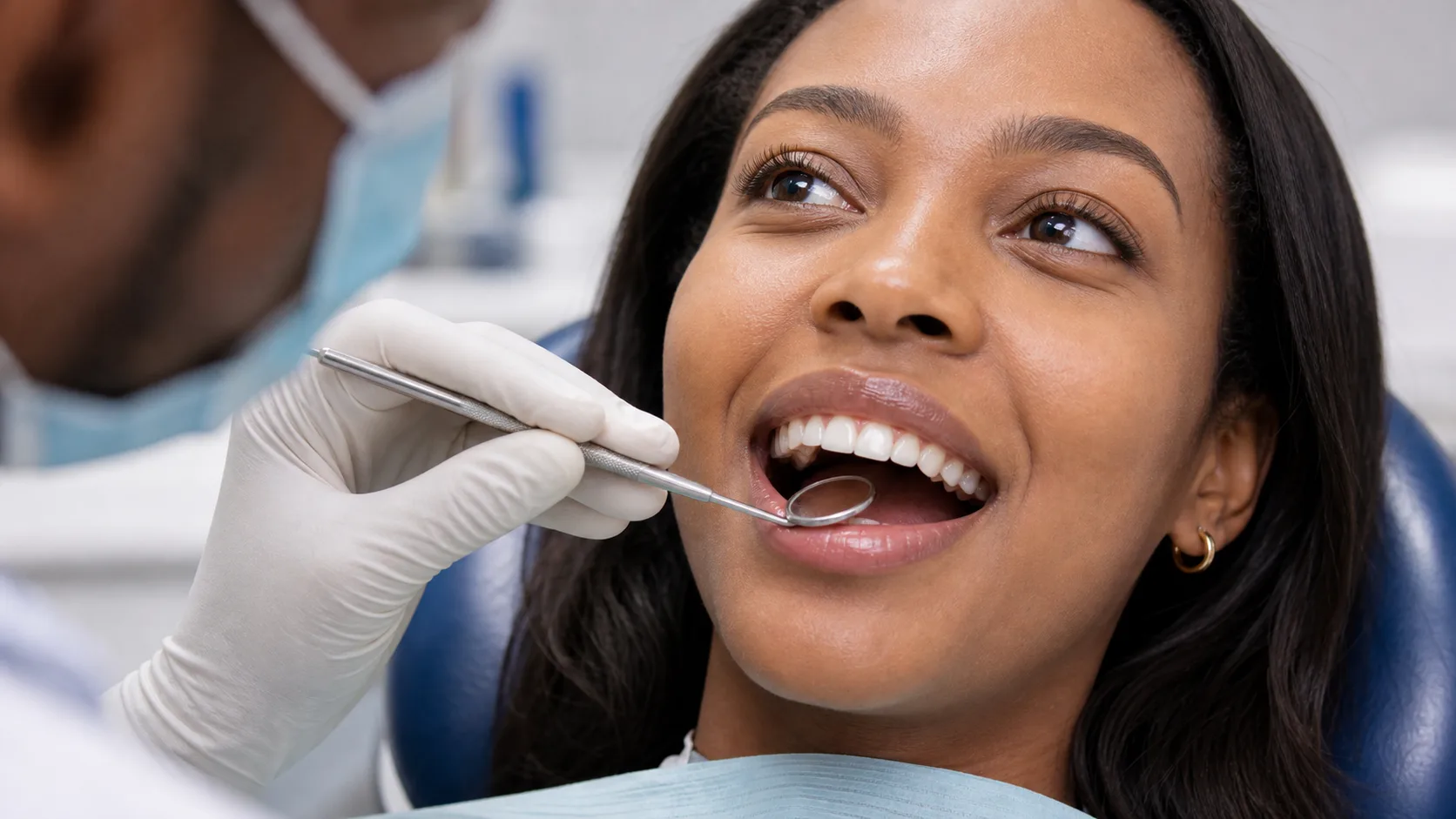
Retention is a long-term habit, not a short finishing step.
Teeth can keep changing throughout adulthood. Gum health, missing teeth, grinding, restorations, and natural ageing can all affect alignment. That is why retainer checks should sit alongside routine dental maintenance rather than being forgotten once orthodontic treatment ends.
Smile On Dental can help patients keep retention practical: checking fit, replacing worn appliances, cleaning around bonded wires, and reviewing any movement early. A retainer that fits well and is used consistently is one of the simplest ways to protect an aligned smile.
Maintenance plan
Who It Helps
Treatment Journey
Usually starts with a review or fitting visit, then long-term maintenance.
You may come in after braces or aligners, because a retainer is cracked or lost, or because teeth feel like they are starting to move again.
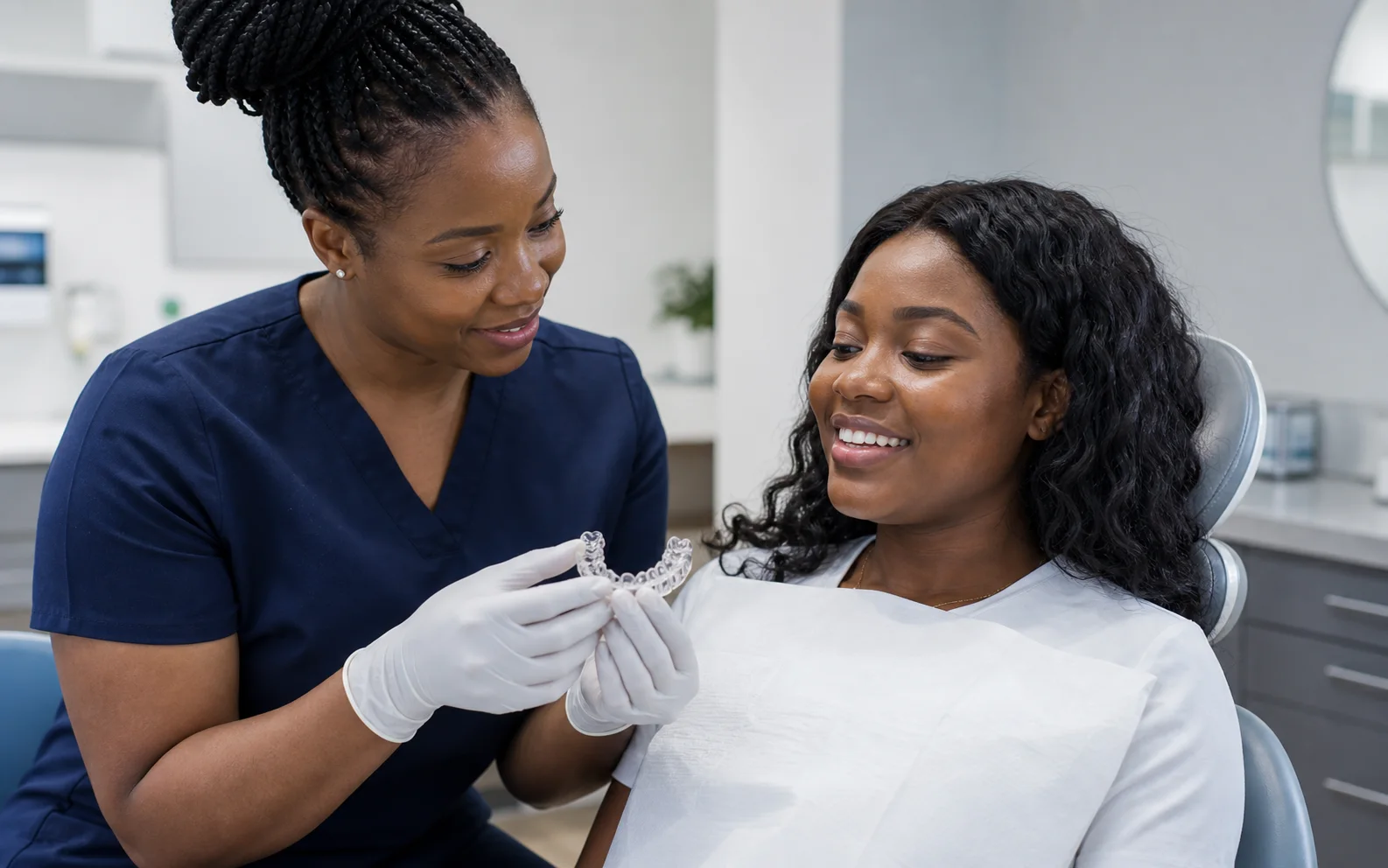
The dentist will usually ask what bothers you most, whether you have had orthodontic treatment before, what your daily routine is like, and how committed you can be to reviews, appliance care, or retainer wear.
What this first step covers
Orthodontic care needs a proper starting point before anything is fitted or made.
The dentist checks the current alignment, bite, gum health, how well the teeth are settling, and whether an old retainer still fits properly.
This is where the journey becomes more personal. Two patients can ask for the same treatment, but their gum health, bite, tooth movement needs, and relapse risk can lead to different recommendations.
What may be checked
The options are discussed after the dentist understands what your mouth actually needs.
At this point, the conversation can include Removable clear retainers, Bonded retainers behind the teeth where suitable, Replacement retainers or orthodontic review if teeth have already shifted. The dentist explains what each option means in real life, including visibility, comfort, cleaning, wear time, review visits, and cost factors.
The aim is not to rush you into an appliance. It is to help you understand what will happen from the first active step through to the final maintenance stage.
Decisions made here
This is the physical treatment stage, and the details depend on the option chosen.
If a retainer is needed, records are taken or fit is checked, then the dentist explains when to wear it, how long retention matters, and what can cause relapse.
Follow-up checks whether the retainer fits, whether teeth are stable, and whether the retainer needs repair or replacement.
What happens during active care
Orthodontic treatment does not end when the teeth look straighter.
You are shown how to clean the retainer, store it safely, avoid heat damage, and return quickly if it breaks or stops fitting.
A second visit may be needed if a new retainer must be made, a bonded retainer is planned, or teeth have moved enough to need orthodontic advice.
Long-term maintenance
Benefits
Suitability
Orthodontics
Orthodontic planning starts with your bite, spacing, crowding, gum health, and treatment goals before braces, aligners, or retainers are recommended.
Suitability
The dentist considers symptoms, oral health, bite, medical history, expectations, and maintenance before recommending retainers.
Costs
Cost discussions are most useful after diagnosis because materials, complexity, visit count, and follow-up needs vary from patient to patient.
Appointment
Your dentist reviews your concern, oral health, and treatment goals before recommending next steps.
The team explains the likely process, timing, and care options in straightforward language.
Your treatment plan is shaped around comfort, function, appearance, and long-term oral health.
Costs & Aftercare
Before You Book
Mention whether you are booking for retainers, pain, appearance, function, prevention, or a second opinion.
At the Visit
Ask about diagnosis, options, number of visits, comfort, maintenance, and what could happen if treatment is delayed.
Aftercare
Your dentist will explain home care, review visits, and any symptoms that should be reported after treatment.
FAQs
The best starting point is a consultation. Your dentist will assess your teeth, gums, bite, symptoms, concerns, and smile goals before recommending a personalised treatment plan.
Yes. Use the Book an Appointment button to open the booking site and choose a convenient appointment time. You can also request a callback if you would prefer the practice team to contact you first.
Yes. You can request a callback if you prefer the practice team to contact you before booking. This can be helpful when you are unsure whether you need a routine visit, cosmetic consultation, orthodontic assessment, or urgent support.
Yes. Costs depend on the diagnosis, treatment complexity, materials, and number of visits required. Your dentist can explain the recommended next step before treatment begins.
Bring your identification, medical history, current medication details, previous dental information if available, and any questions you want to discuss with the dentist.
Book an assessment so the dentist can diagnose the cause before you choose a treatment. Pain or swelling may need urgent attention, X-rays, restorative care, or another clinical next step.
Related Treatments
Locations
Clinical Leadership

Dr. Kholofelo Machaba-Selatole leads Smile On Dental & Aesthetic Studio with a warm, patient-focused approach to family, restorative, cosmetic, and orthodontic care.
60+ five-star patient reviews across Pretoria and Polokwane.
"Customer care is superb, very friendly front desk staff. I'm happy to have gained my confidence back."

Polokwane
"From reception right into the doctor's consultation room it was all smiley faces that welcomed us."

Polokwane
"The best dental service I have seen in Pretoria, cannot wait for my next appointment."

Pretoria
"Customer care is superb, very friendly front desk staff. I'm happy to have gained my confidence back."
Polokwane
"From reception right into the doctor's consultation room it was all smiley faces that welcomed us."
Polokwane
"The best dental service I have seen in Pretoria, cannot wait for my next appointment."
Pretoria
Book a Consultation