
Quick Answer
The cost of braces in South Africa depends on the diagnosis, the amount of tooth and bite correction needed, the type of appliance used, treatment length, review appointments, X-rays or scans, and whether retainers or other supporting care are included. Because every case is different, the most reliable first step is an orthodontic assessment where the dentist checks your teeth, gums, bite, goals, and suitability before discussing a treatment plan and quote.
- There is no single braces price that applies to every patient because treatment complexity and time vary widely.
- A lower advertised fee may not include all visits, records, repairs, retainers, or follow-up needs, so ask what the quote covers.
- Braces, clear aligners, and retainers should be compared after an assessment, not only by headline price.
- Healthy gums, good cleaning habits, and regular review visits help keep orthodontic treatment on track.
Why braces prices vary
Patients often search for one clear braces price before booking, but orthodontic treatment is planned around the mouth in front of the dentist. A short, mild alignment case is different from a case involving crowding, bite correction, missing teeth, gum concerns, previous dental work, or growth considerations in a child or teenager.
The quote usually reflects more than the brackets or wires. It may include diagnosis, records, planning, fitting, adjustment visits, appliance changes, monitoring, and the retention phase after active tooth movement. Some practices itemise these stages, while others bundle parts of the treatment plan. That is why two quotes can look different even when both are professionally planned.
The safest way to compare orthodontics braces prices is to compare what is being assessed, what is included, what is excluded, who will monitor treatment, and what happens if the plan needs to change. Price matters, but it should be read alongside clinical suitability and the expected level of care.
- tooth crowding, spacing, and rotation
- bite concerns such as overbite, underbite, open bite, or crossbite
- whether extra records, X-rays, or scans are needed
- the expected treatment time and review schedule
- retainers and post-treatment monitoring
What the dentist checks first
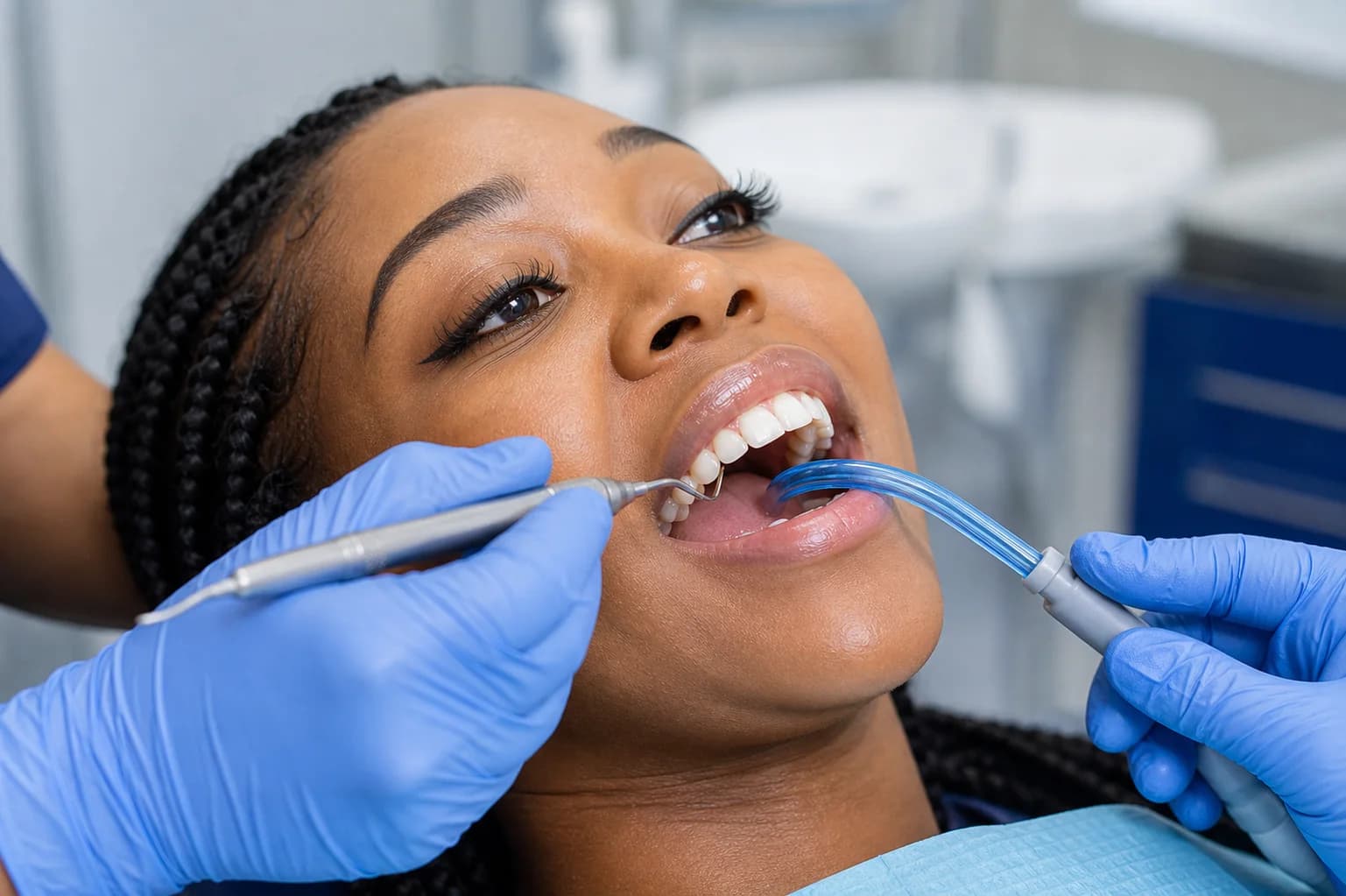
A braces quote should start with an assessment, not with a generic number. The dentist checks whether the teeth and gums are healthy enough for orthodontic treatment, how the upper and lower teeth meet, whether there is enough space, and whether any dental problems should be treated first.
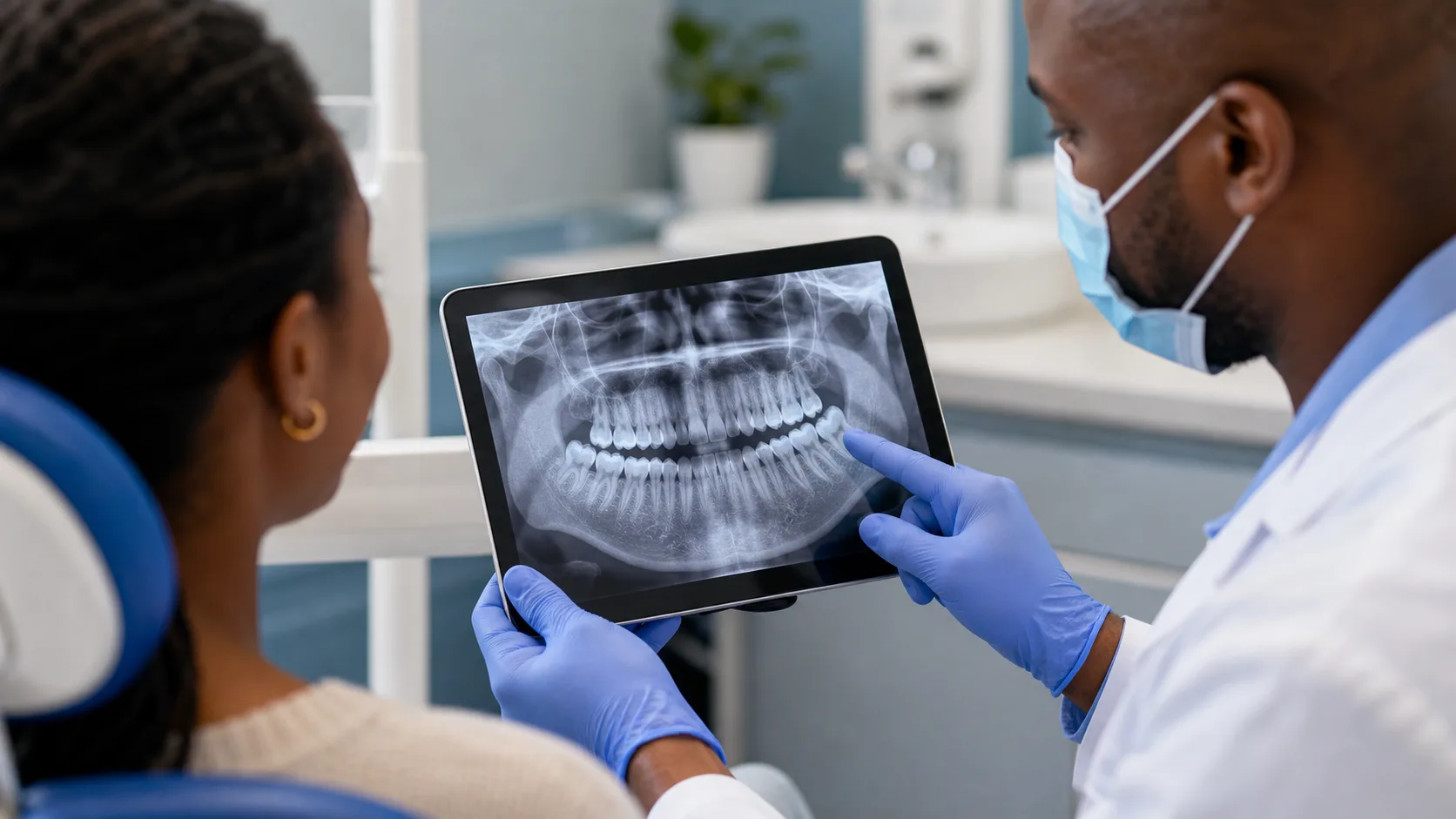
Diagnostic records may be recommended where clinically appropriate. These can help the dentist understand tooth positions, root positions, jaw relationships, and any risks that may affect planning. The assessment also gives you a chance to explain what bothers you most, whether that is crowding, spacing, bite comfort, cleaning difficulty, or smile appearance.
This step is important because orthodontic treatment applies controlled pressure over time. If gum health, cavities, oral hygiene, or bite forces need attention first, those issues can affect both the treatment plan and the final cost.
- Discuss your concerns, goals, dental history, and previous orthodontic treatment if any.
- Assess teeth, gums, bite, spacing, crowding, and jaw relationship.
- Review whether X-rays, scans, photographs, or impressions are needed.
- Explain suitable options, likely timing, maintenance needs, and quote structure.
Main cost factors to compare
Braces cost is shaped by the amount of professional time, planning, appliance work, and follow-up needed. A case that needs simple alignment may be planned differently from a case that needs bite correction, elastics, staged movement, coordination with other dental treatment, or a longer review period.
The appliance type also matters, but it is only one part of the fee. Patients sometimes compare metal braces, ceramic braces, and clear aligners as if they are interchangeable products. In practice, the dentist first needs to check what each option can safely achieve for the specific bite and tooth positions.
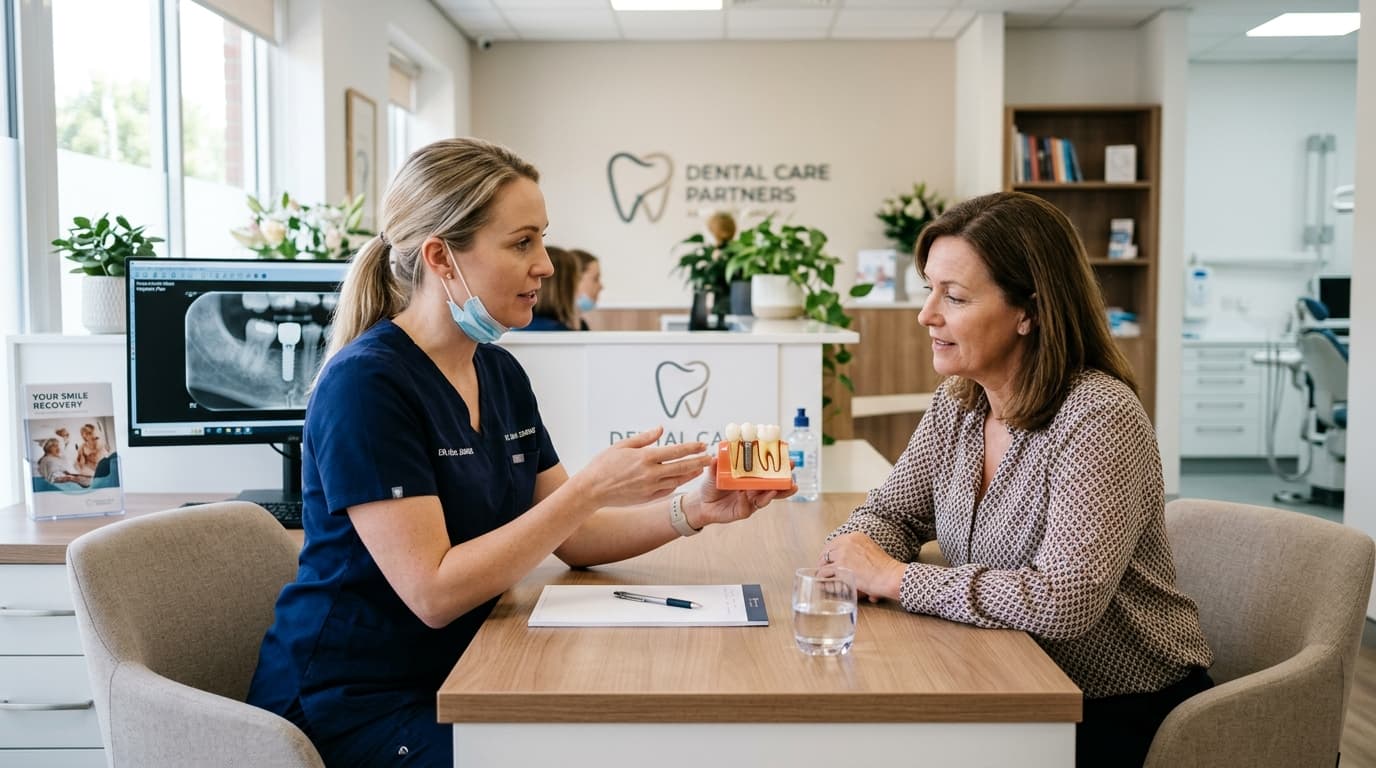
When reviewing a quote, ask clear questions rather than trying to compare only the final number. The table below shows the kinds of factors that can change the cost without giving unsupported exact prices.
| Cost factor | Why it can change the quote |
|---|---|
| Case complexity | More crowding, bite correction, rotation, or staged movement usually needs more planning and review time. |
| Appliance type | Different brace or aligner systems may involve different materials, lab work, and appointment needs. |
| Treatment length | Longer treatment usually means more monitoring, adjustments, and clinical time. |
| Diagnostic records | X-rays, scans, photographs, or impressions may be needed before final planning. |
| Supporting dental care | Cleaning, fillings, extractions, gum treatment, or other care may be needed before or during orthodontics. |
| Retention | Retainers and follow-up after braces help maintain the result and may be itemised separately. |
Braces types and budget expectations
Many patients want to know whether one braces option is always cheaper than another. The honest answer is that appliance type can affect cost, but suitability comes first. Metal braces, ceramic braces, and other fixed appliances may be used in different situations, depending on the treatment goals and the level of control needed.
Fixed braces stay on the teeth, which means they do not rely on the patient remembering to wear trays. They can be useful where the dentist needs precise control of tooth movement. However, they require careful cleaning around brackets and wires, and some patients need to adjust eating habits to avoid damaging the appliance.
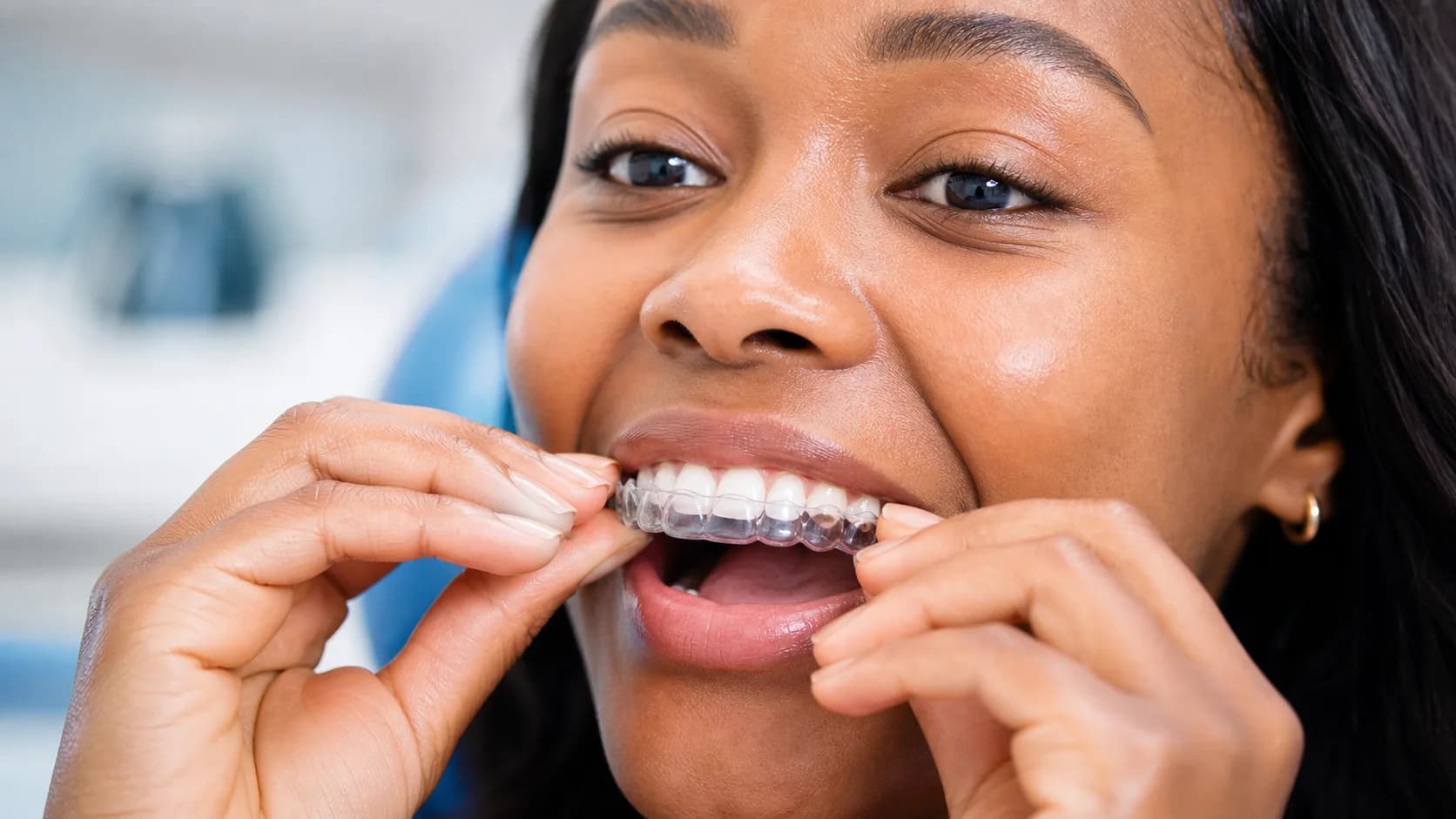
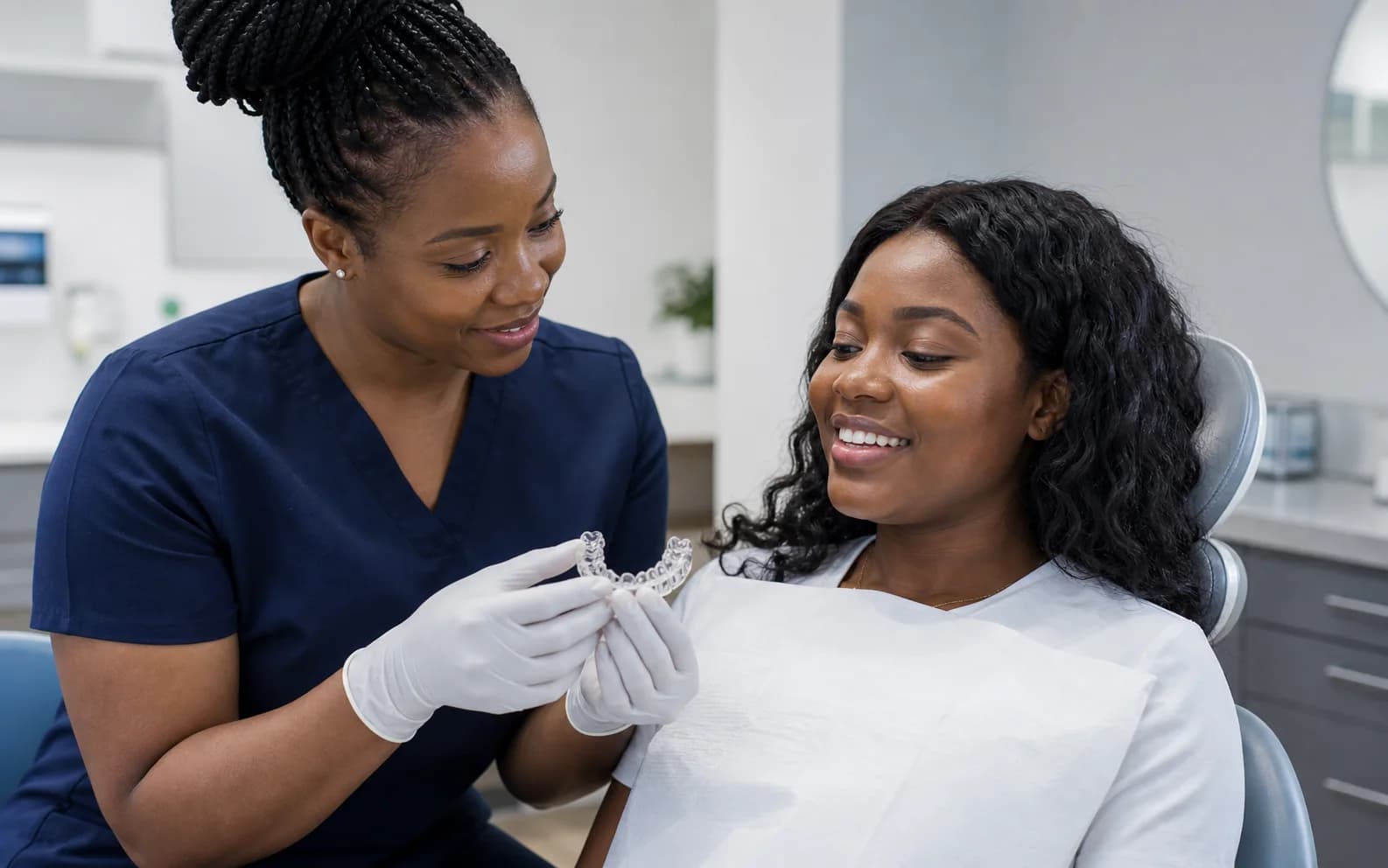
Clear aligners may be discussed for suitable cases where a removable and more discreet option is appropriate. Their cost structure may differ because planning, aligner production, refinements, and review visits work differently from fixed braces. They also depend heavily on patient cooperation because the trays must be worn as directed.
Questions to ask before accepting a quote
A braces quote is easier to understand when you know what it includes. Ask whether the fee covers the consultation, records, fitting, regular reviews, emergency visits for broken components, refinements, retainers, and post-treatment checks. If anything is separate, ask when it may become payable.
It is also reasonable to ask what could change the plan. Orthodontic treatment can depend on how teeth respond, how well the appliance is cared for, whether appointments are kept, and whether cleaning stays under control. A good discussion should make the financial structure clear without promising a fixed outcome for every possible change.
Avoid choosing treatment on a headline price alone. An unusually low price may exclude important steps, while a higher quote may include more records, visits, or retention. The useful comparison is the full plan, not only the first number you see online.
Medical aid benefits and payment arrangements vary by provider, plan, practice policy, age, clinical need, and authorisation rules. Check directly with the relevant parties before assuming that braces will be covered or that a specific payment arrangement is available.
- What is included in the quoted fee?
- Are X-rays, scans, photographs, or impressions included or billed separately?
- How often are review appointments expected?
- What happens if a bracket breaks or an aligner is lost?
- Are retainers included after active treatment?
- What costs could change if treatment takes longer than expected?
How to keep treatment on track
The final cost and treatment experience are influenced by daily habits. Braces need careful brushing, cleaning between teeth, and attention around brackets, wires, and gumlines. If plaque builds up around the appliance, the risk of tooth decay, gum inflammation, and white marks can increase.
Appointment attendance also matters. Review visits allow the dentist to adjust the appliance, monitor movement, check cleaning, and identify problems early. Missed visits, broken brackets, lost appliances, or poor wear discipline can make treatment less predictable and may affect timing.
Food choices may need to change with fixed braces. Hard, sticky, or very chewy foods can damage brackets and wires. If something feels loose, sharp, or uncomfortable, contact the dental team instead of trying to force the appliance back into position yourself.
- Brush carefully around brackets, wires, and gumlines every day.
- Use the cleaning tools recommended for your appliance.
- Keep review appointments so progress can be monitored.
- Avoid foods that can damage brackets or wires.
- Call the practice if something breaks, rubs, or feels wrong.
Retainers are part of the cost conversation
Braces do not end the orthodontic journey by themselves. After teeth have moved, retainers help hold the new position while the mouth settles. Without retention, teeth can shift again over time. This is why retainers should be discussed before treatment starts, not treated as an afterthought.
Different patients may need different retainer types or review timing. Suitability depends on the treatment result, bite, habits, previous movement, and the dentist's recommendation. Retainers can also need replacement if they are lost, damaged, worn, or no longer fit properly.
When comparing braces prices in South Africa, ask whether retainers are included, which type is planned, how replacement works, and what follow-up is recommended. A quote that excludes retention may look lower at first but may not reflect the full orthodontic pathway.
Where to start in Pretoria or Polokwane
If you are comparing teeth braces cost in South Africa, start with a local assessment rather than a price list. A dentist can check whether braces, clear aligners, monitoring, or another first step is suitable for your mouth. That gives you a more useful quote than a generic online estimate.
Smile On Dental patients can read more about braces, compare braces with clear aligners, and review location-specific orthodontic information for Pretoria or Polokwane before booking. These pages support the consultation, but they do not replace an individual examination.
Bring your questions to the appointment, including your budget concerns, cleaning routine, school or work schedule, previous dental treatment, and whether visibility matters to you. The clearer the discussion, the easier it is to understand the clinical plan and the cost structure before treatment begins.
- Use the braces page for the main treatment overview.
- Use the Pretoria and Polokwane braces pages for local appointment context.
- Use the clear aligners page if you want to compare removable options.
- Use the retainers page to understand post-treatment maintenance.
Internal Links
Related dental care
Sources
Useful information
Written by
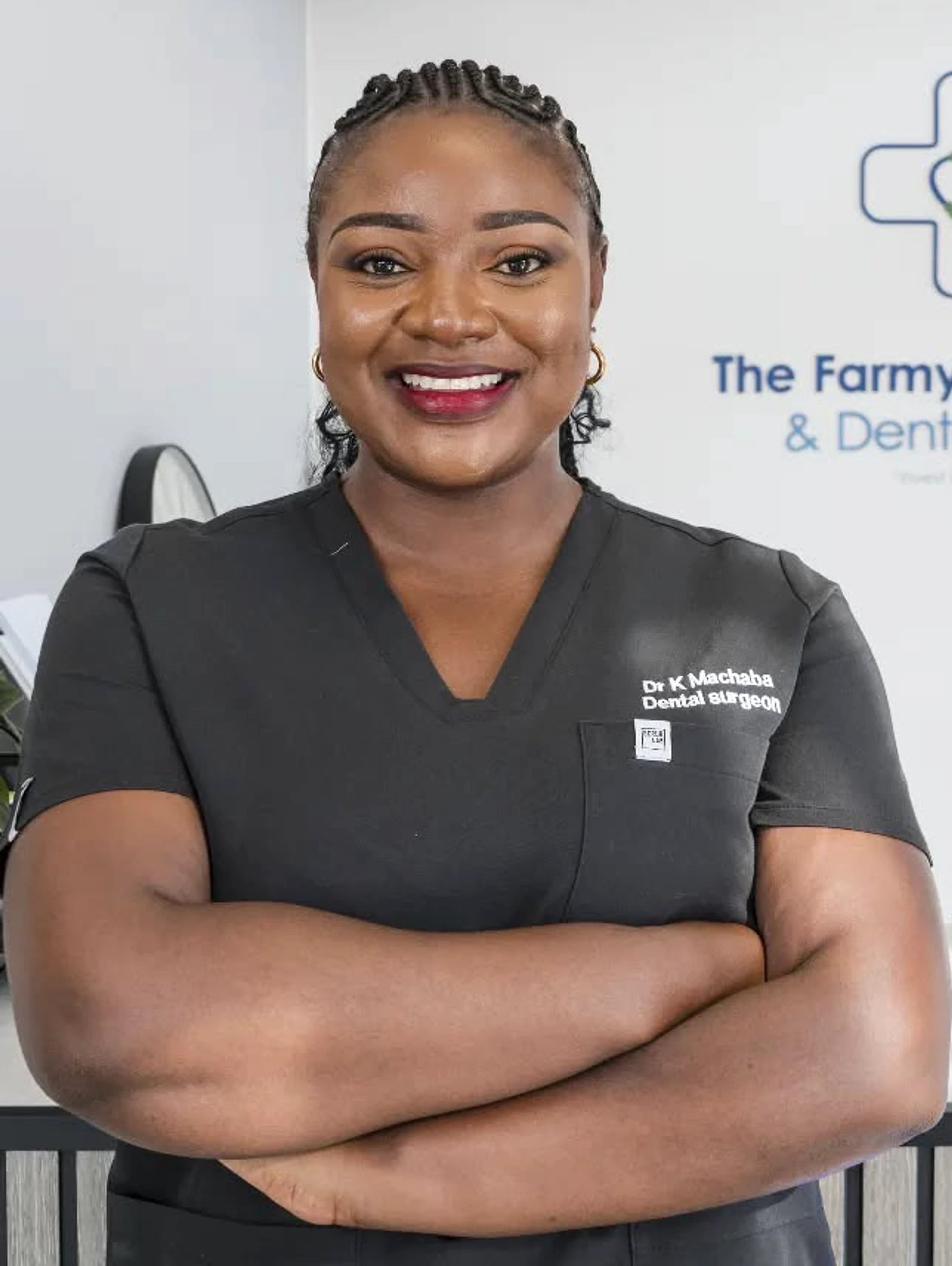
Dr. Kholofelo Machaba-SelatoleChief Dentist & Practice Director
Dr. Kholofelo Machaba-Selatole leads Smile On Dental & Aesthetic Studio with a warm, patient-focused approach to family, restorative, cosmetic, and orthodontic care.
View Profile