First Step
Consultation
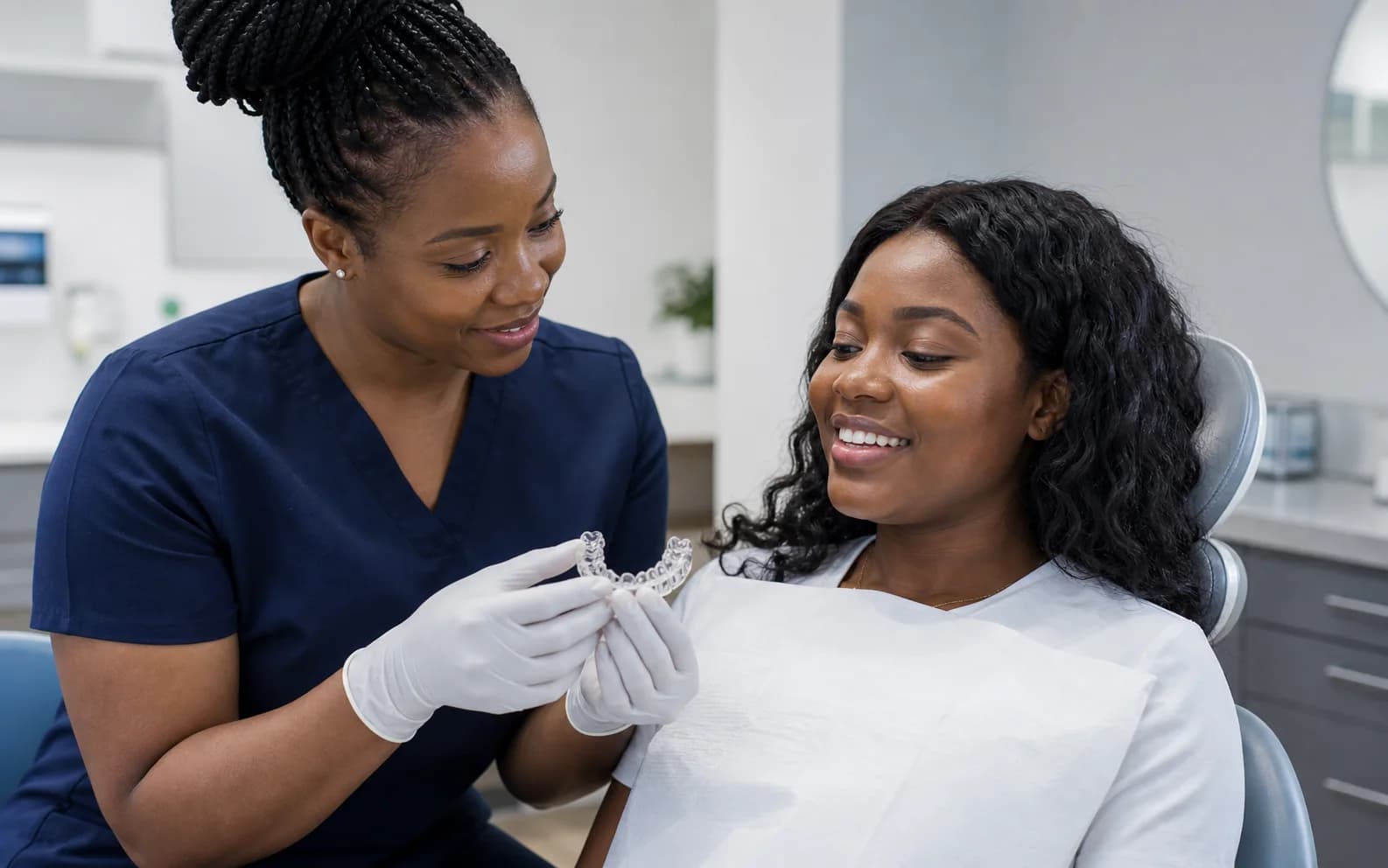
The dentist checks your concern and confirms whether this treatment is suitable before care begins.
Orthodontics
Book Braces Treatment with Smile On Dental. Start with an assessment, understand your options, and get clear next steps before treatment begins.
Quick Summary
First Step
The dentist checks your concern and confirms whether this treatment is suitable before care begins.
Best For
Suitability depends on oral health, symptoms, goals, and clinical findings.
Planning
Timing, visits, cost factors, and aftercare are explained after the assessment.
Branch Access
Use the location section to choose the branch that is easiest for you to attend consistently.
Orthodontic Options
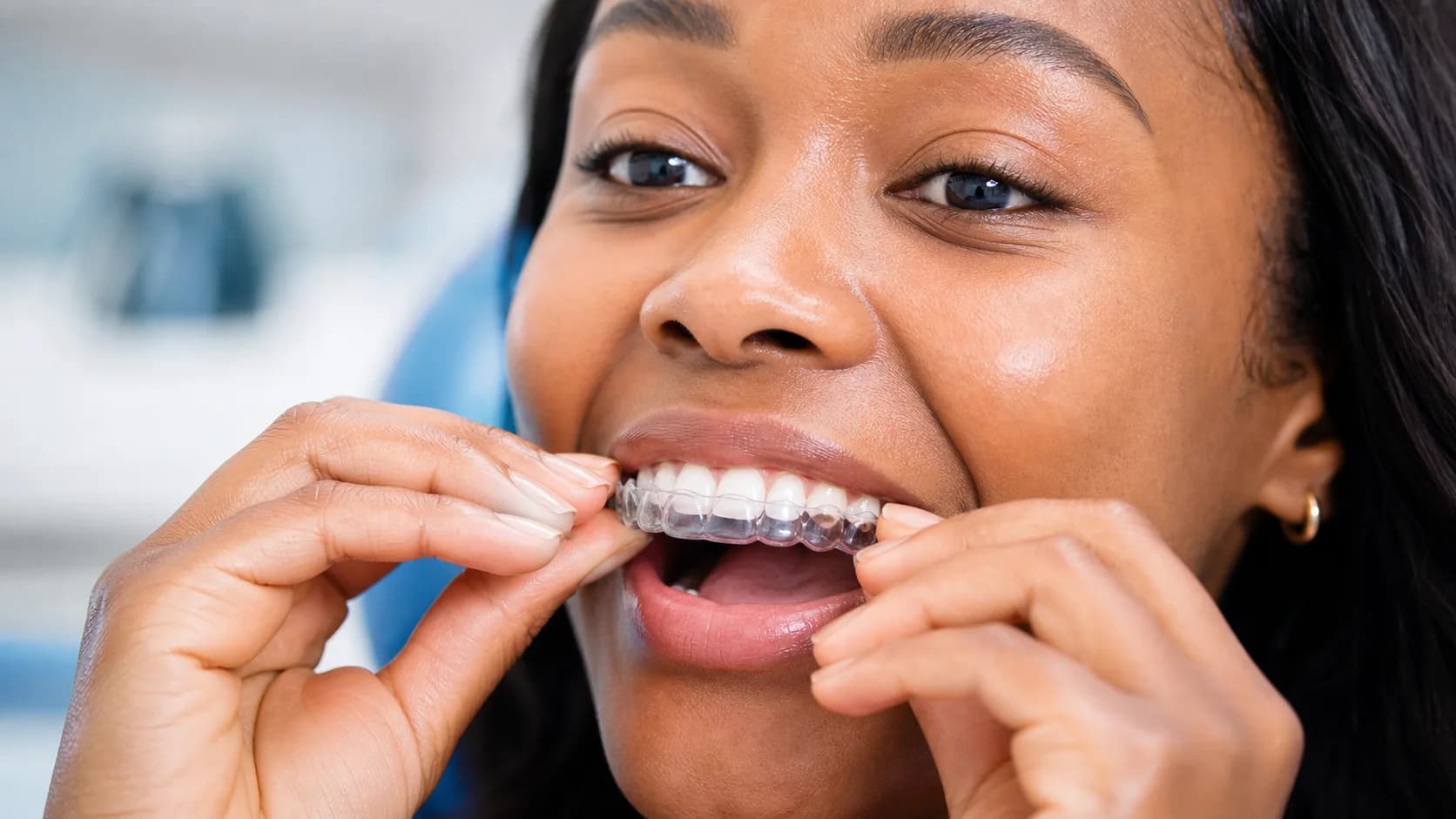
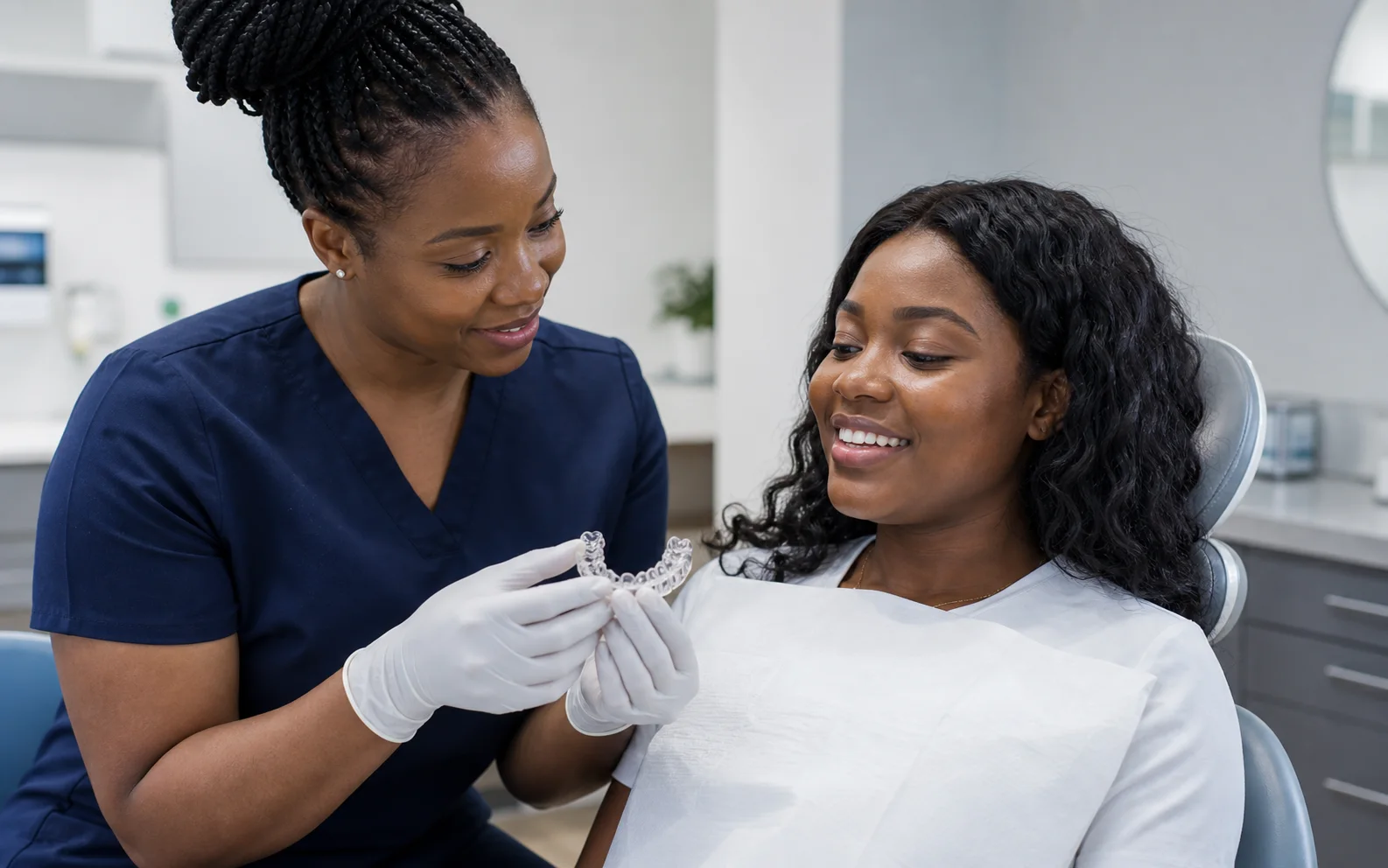
Clear aligners may suit patients who want a removable and subtle orthodontic option.
Overview
Treatment Introduction
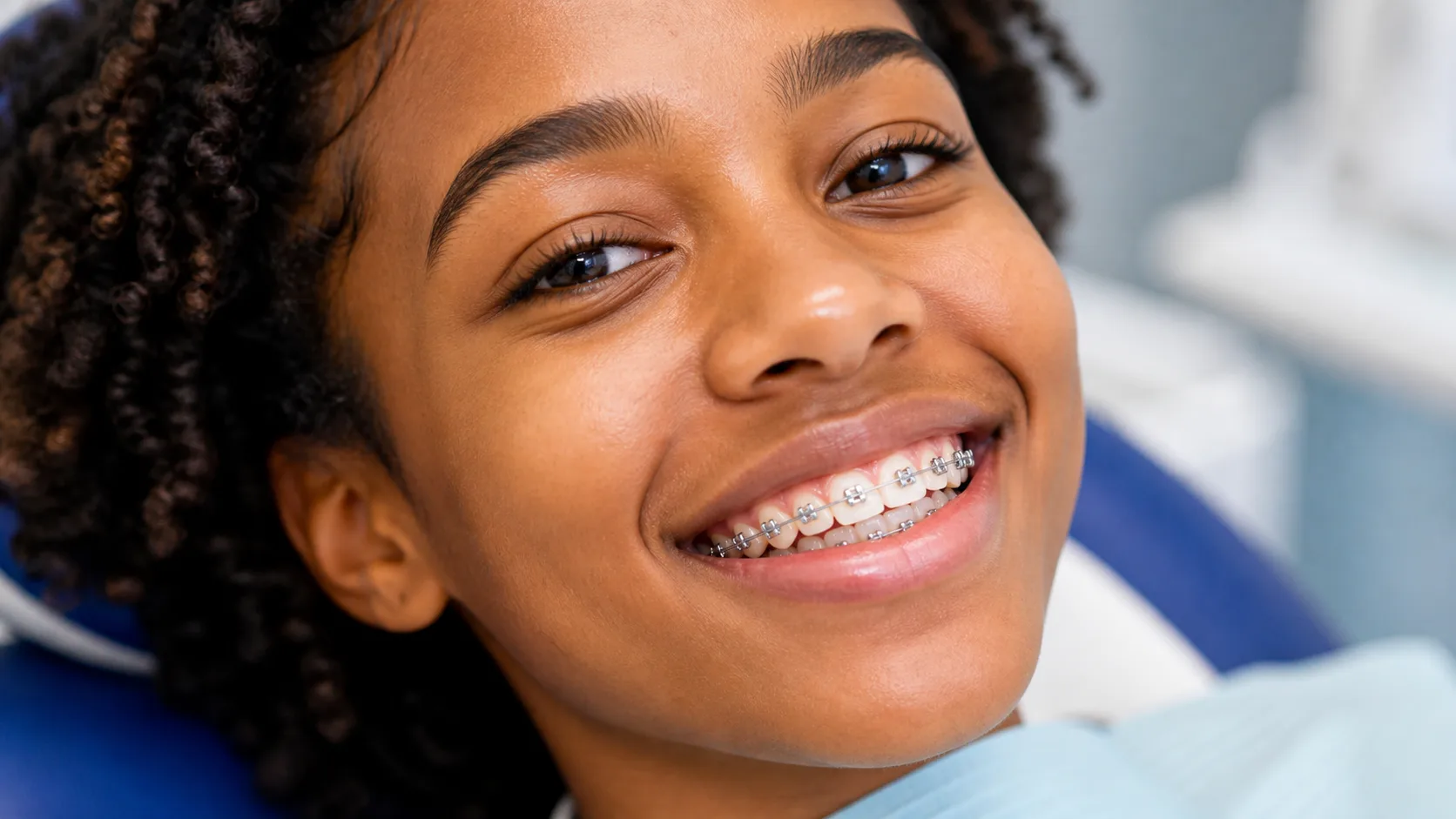
Braces are a fixed orthodontic option for moving teeth into better alignment over time. At Smile On Dental, braces planning starts with a consultation so the dentist can assess your bite, gum health, oral hygiene, tooth position, and treatment goals before discussing metal braces, ceramic braces, or another suitable route.
Decision Support
Smile On Dental uses the visit to understand your symptoms, goals, oral health, and expectations before recommending a suitable treatment plan.
Visual Guide

Treatment Guide
Braces remain a dependable orthodontic option because they are fixed to the teeth and can guide movement continuously.
Braces use brackets, wires, and small elastics to apply measured force to the teeth. They can be useful for crowding, spacing, rotated teeth, bite correction, and cases where removable aligners may not give enough control. Because the appliance stays in place, it does not rely on remembering to wear trays during the day, but it does rely on review visits and good daily cleaning.
Planning still starts with diagnosis. Smile On Dental assesses the teeth, bite, jaw relationship, gum condition, oral hygiene, previous orthodontic history, and existing dental work before discussing whether braces fit the case. If a patient needs specialist orthodontic care, that should be identified clearly during planning.
Braces can address
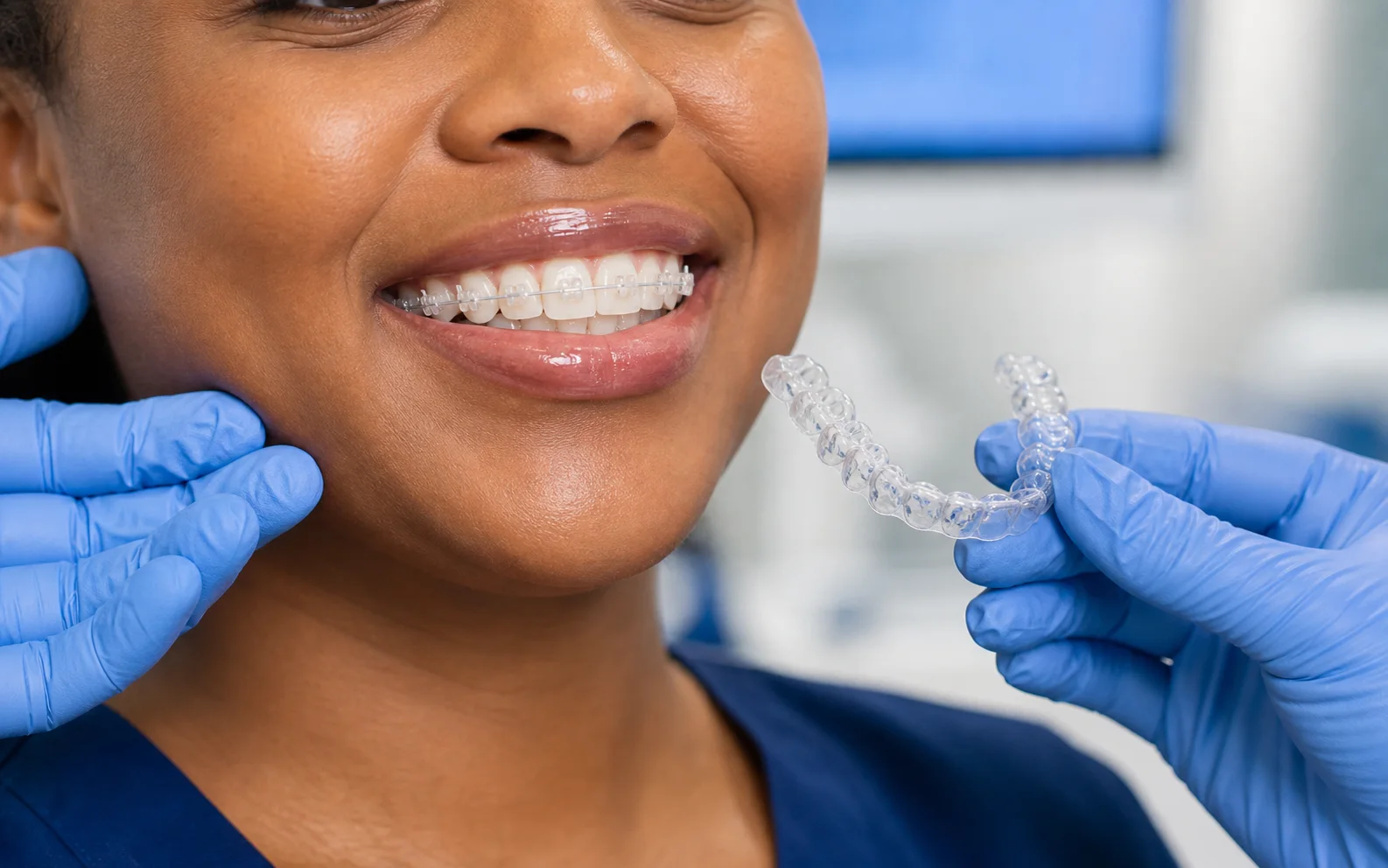
Metal braces are the traditional fixed appliance and are still widely used because they are strong and versatile.
The brackets are bonded to the teeth and connected by a wire that is adjusted over time. Metal braces can handle a broad range of tooth movements, including cases that need more control than a removable aligner can provide. They are visible, but they are also durable, predictable, and familiar to many patients.
For children, teens, and adults, the decision is less about age and more about diagnosis, hygiene, and goals. Patients must be able to clean well around brackets, attend reviews, and protect the appliance from hard or sticky foods. If plaque builds up around braces, the risk of gum irritation, decay, and enamel marks increases.
Metal brace factors
Ceramic braces work in a similar way to metal braces, but the brackets are designed to blend more softly with the teeth.
Patients who want fixed-appliance control with a less noticeable look may ask about ceramic braces. They can be useful when aesthetics matter during treatment, especially for adults or older teens. The wire may still be visible, and the brackets still require the same hygiene commitment as metal braces.
Ceramic materials can need more careful handling, and stain control around the appliance matters. The choice between metal and ceramic braces should be based on clinical suitability, maintenance, cost factors, food habits, and how much the patient values a more discreet appearance while treatment is in progress.
Ceramic brace factors
Clear aligners and braces can both straighten teeth, but they suit different habits and movement needs.
Aligners are removable, discreet, and easier to clean around, which can suit patients with strong wear discipline and suitable tooth movements. Braces are fixed and can offer more continuous control, which may suit complex rotations, certain bite corrections, or patients who prefer not to manage removable trays.
The best choice is the one that fits the diagnosis and the person. Smile On Dental can explain the trade-offs: appearance, hygiene, comfort, food restrictions, appointment needs, and the level of control required. A case that looks cosmetic on the surface may still need bite-focused planning.
Choice points
The braces procedure is staged so the teeth can move in a controlled sequence.
After records and planning, brackets are bonded to the teeth and connected with an orthodontic wire. The first days can feel tight as the mouth adapts, and the dentist explains what discomfort is expected. At review appointments, wires or elastics may be changed to continue movement, refine the bite, and keep treatment progressing safely.
Patients should report broken brackets, poking wires, loose bands, or unusual discomfort rather than waiting until the next appointment. Small appliance issues can interrupt progress or irritate the cheeks and lips. Reviews are also used to reinforce hygiene because clean teeth move through treatment with fewer avoidable complications.
The review rhythm depends on the treatment plan and how the teeth are responding. The important point for patients is that braces are not a single fitting appointment; they are an active process that needs attendance, communication, and maintenance until the teeth are ready for retention.
Procedure steps
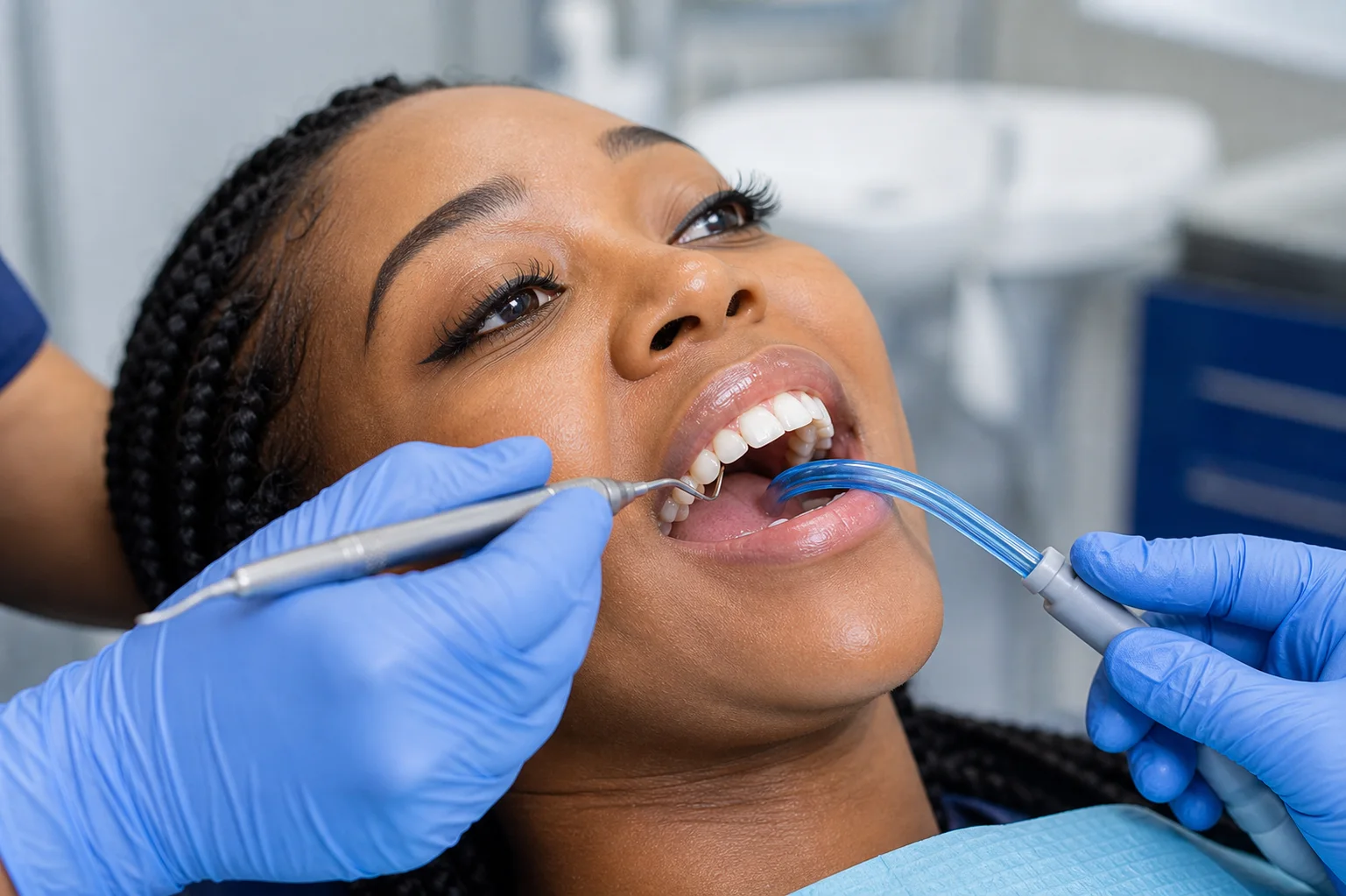
Braces can improve alignment, bite function, and smile symmetry, but daily care has to be more deliberate.
Straighter teeth may be easier to clean, may distribute biting forces more evenly, and may create a better foundation for future cosmetic or restorative care. Braces can also close spaces, reduce overlap, and improve the way upper and lower teeth meet, depending on the case.
During treatment, patients need to brush around brackets, clean under wires, limit sticky or hard foods that can break appliances, and keep review appointments. Interdental brushes, floss threaders, rinsing with water after meals, and professional cleaning support may be recommended. Good care reduces avoidable delays and protects enamel.
Patients should also know that braces can briefly change how eating and cleaning feel. Softer foods can be easier after adjustments, and careful daily cleaning becomes part of treatment rather than an optional extra. If cleaning is difficult, the dentist can show practical ways to reach around brackets and wires.
Care habits
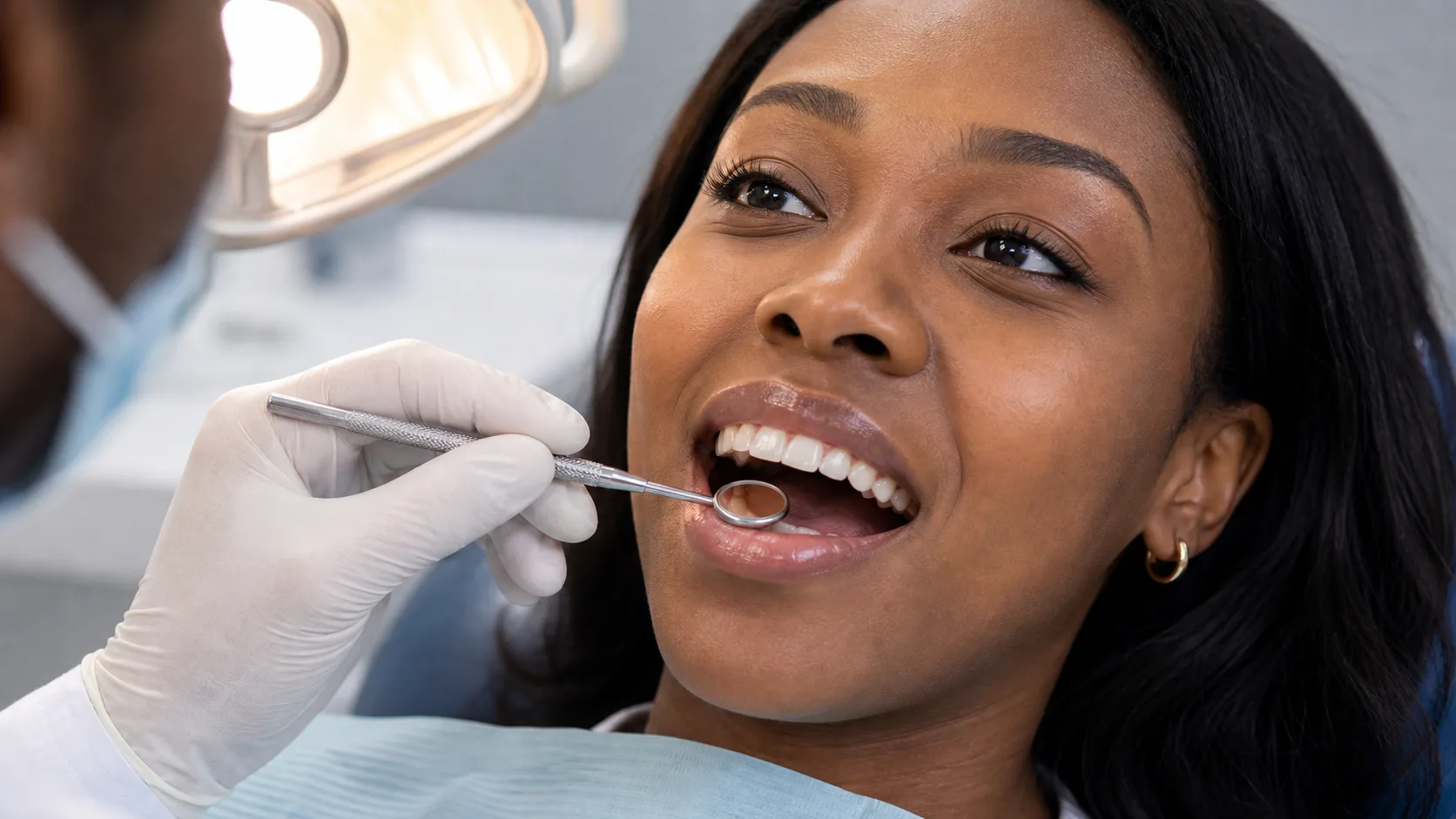
Braces pricing depends on the appliance type and the complexity of the case, not simply the word braces.
Metal braces, ceramic braces, and aligner alternatives can involve different laboratory, material, and appointment requirements. The number of arches treated, the severity of crowding or bite correction, oral hygiene needs, repairs, records, reviews, and retainers can all influence the total cost.
Smile On Dental should provide guidance after a clinical assessment, when the plan is known. A clear discussion should cover what is included, what may change the plan, what happens if an appliance breaks, and what retention will involve after active treatment. Exact costs should not be assumed before diagnosis.
Cost drivers
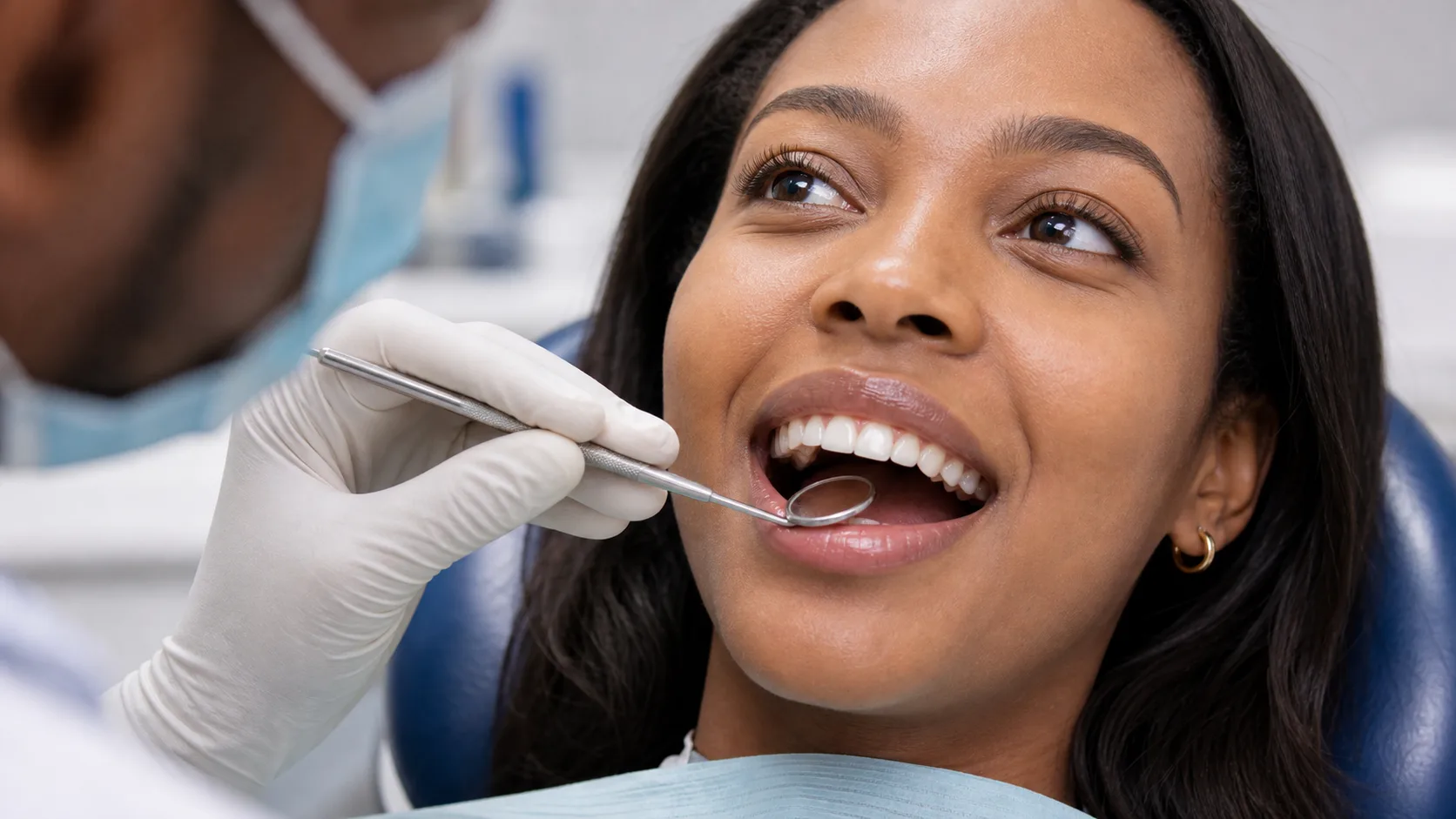
Braces work best when orthodontic planning is connected to whole-mouth dental care.
Smile On Dental can assess alignment alongside gum health, decay risk, restorations, grinding, and cosmetic goals. That matters because orthodontic treatment often affects more than tooth position. The sequence may need cleaning, fillings, extractions, whitening discussions, or restorative planning before or after braces.
The value is in measured planning and honest suitability. Patients should understand what braces can improve, what they cannot promise, and how retainers protect the outcome. When permission-cleared real cases are available, they can be used to explain similar treatment journeys without implying guaranteed results.
Practice approach
Braces are not only about a straighter smile; they are about moving teeth into a healthier, more maintainable position.
Metal braces, ceramic braces, and clear aligners each have a place. The right option depends on diagnosis, appearance preferences, oral hygiene, lifestyle, and the kind of control needed. A proper consultation makes those trade-offs visible before treatment begins.
After braces, retention is essential. Teeth can move after treatment, especially if retainers are not worn as advised, if a retainer breaks, or if bite forces change. The final stage is therefore not the day the braces come off, but the plan that keeps the result stable over time.
Key points
Who It Helps
Treatment Journey
Usually a long-term orthodontic journey with regular adjustment visits.
You may come in because teeth are crowded, spaced, rotated, biting unevenly, or because you want to compare metal braces, ceramic braces, and aligners.
The dentist will usually ask what bothers you most, whether you have had orthodontic treatment before, what your daily routine is like, and how committed you can be to reviews, appliance care, or retainer wear.
What this first step covers
Orthodontic care needs a proper starting point before anything is fitted or made.
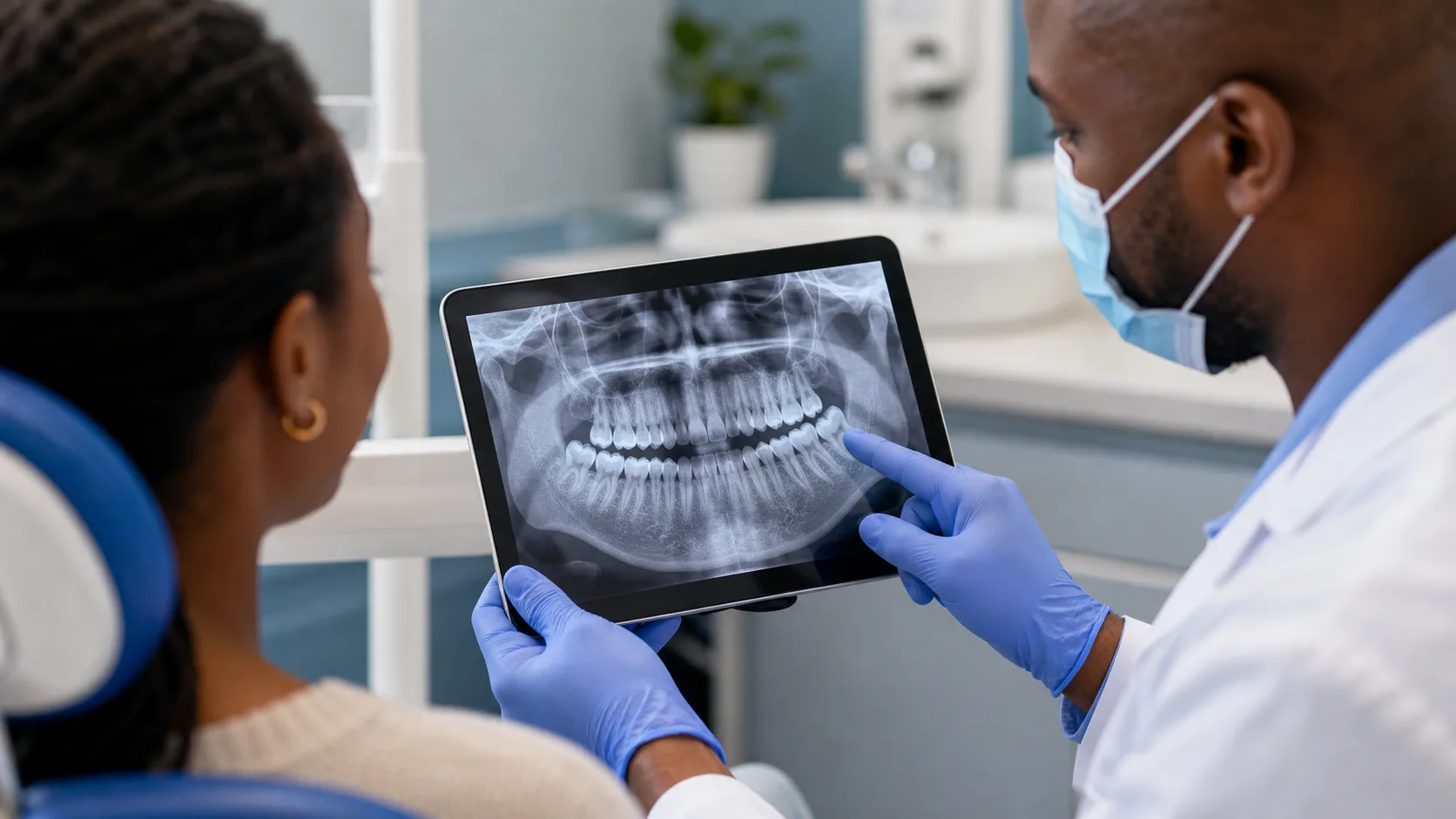
The dentist checks your smile, bite, jaw relationship, gum health, oral hygiene, X-rays or records, and whether braces are suitable for the movements needed.
This is where the journey becomes more personal. Two patients can ask for the same treatment, but their gum health, bite, tooth movement needs, and relapse risk can lead to different recommendations.
What may be checked
The options are discussed after the dentist understands what your mouth actually needs.
At this point, the conversation can include Metal braces, Ceramic braces where suitable, Clear aligners or referral if another route fits better. The dentist explains what each option means in real life, including visibility, comfort, cleaning, wear time, review visits, and cost factors.
The aim is not to rush you into an appliance. It is to help you understand what will happen from the first active step through to the final maintenance stage.
Decisions made here
This is the physical treatment stage, and the details depend on the option chosen.
If braces are chosen, brackets are bonded to the teeth and wires begin guiding movement. The first few days can feel tight while your mouth adapts, so the dentist explains eating, cleaning, wax use, and what discomfort should settle.
Adjustment visits are part of the journey. Wires, elastics, hygiene, bite changes, broken brackets, and progress are checked until the teeth are ready for retention.
What happens during active care
Orthodontic treatment does not end when the teeth look straighter.
You are shown how to clean around brackets, what foods can break appliances, how to rinse after meals when brushing is not possible, and how to respond to poking wires or loose brackets.
Many visits are expected because braces move teeth gradually and need regular monitoring before retainers are fitted. The review schedule depends on the treatment plan and how your teeth respond.
Long-term maintenance
Benefits
Suitability
Orthodontics
Orthodontic planning starts with your bite, spacing, crowding, gum health, and treatment goals before braces, aligners, or retainers are recommended.
Suitability
The dentist considers symptoms, oral health, bite, medical history, expectations, and maintenance before recommending braces (metal and ceramic).
Costs
Cost discussions are most useful after diagnosis because materials, complexity, visit count, and follow-up needs vary from patient to patient.
Appointment
Your dentist reviews your concern, oral health, and treatment goals before recommending next steps.
The team explains the likely process, timing, and care options in straightforward language.
Your treatment plan is shaped around comfort, function, appearance, and long-term oral health.
Costs & Aftercare
Before You Book
Mention whether you are booking for braces, pain, appearance, function, prevention, or a second opinion.
At the Visit
Ask about diagnosis, options, number of visits, comfort, maintenance, and what could happen if treatment is delayed.
Aftercare
Your dentist will explain home care, review visits, and any symptoms that should be reported after treatment.
FAQs
No. Many adults consider braces when they want reliable orthodontic correction. Suitability depends on your teeth, gums, bite, and treatment goals.
For some patients, yes. Clear aligners may suit more discreet orthodontic goals, while braces may be recommended for more complex correction.
Adjustment timing depends on the treatment plan and how your teeth are responding. Many orthodontic plans include regular review visits so the dentist can check progress, change wires or elastics when needed, and monitor hygiene.
It is common for braces to feel tight or tender after fitting or adjustments. The dentist will explain what is expected, what can help, and when discomfort should be reported.
Hard, sticky, or chewy foods can loosen brackets or bend wires. The dentist will give practical food guidance so you can protect the appliance and reduce avoidable delays.
Yes, retention is normally part of orthodontic care. Retainers help hold teeth in their new positions after braces are removed, and the dentist will explain the wear plan and replacement needs.
The best starting point is a consultation. Your dentist will assess your teeth, gums, bite, symptoms, concerns, and smile goals before recommending a personalised treatment plan.
Yes. Use the Book an Appointment button to open the booking site and choose a convenient appointment time. You can also request a callback if you would prefer the practice team to contact you first.
Yes. You can request a callback if you prefer the practice team to contact you before booking. This can be helpful when you are unsure whether you need a routine visit, cosmetic consultation, orthodontic assessment, or urgent support.
Yes. Costs depend on the diagnosis, treatment complexity, materials, and number of visits required. Your dentist can explain the recommended next step before treatment begins.
Bring your identification, medical history, current medication details, previous dental information if available, and any questions you want to discuss with the dentist.
Book an assessment so the dentist can diagnose the cause before you choose a treatment. Pain or swelling may need urgent attention, X-rays, restorative care, or another clinical next step.
Related Treatments
Locations
City Treatment Pages
Clinical Leadership
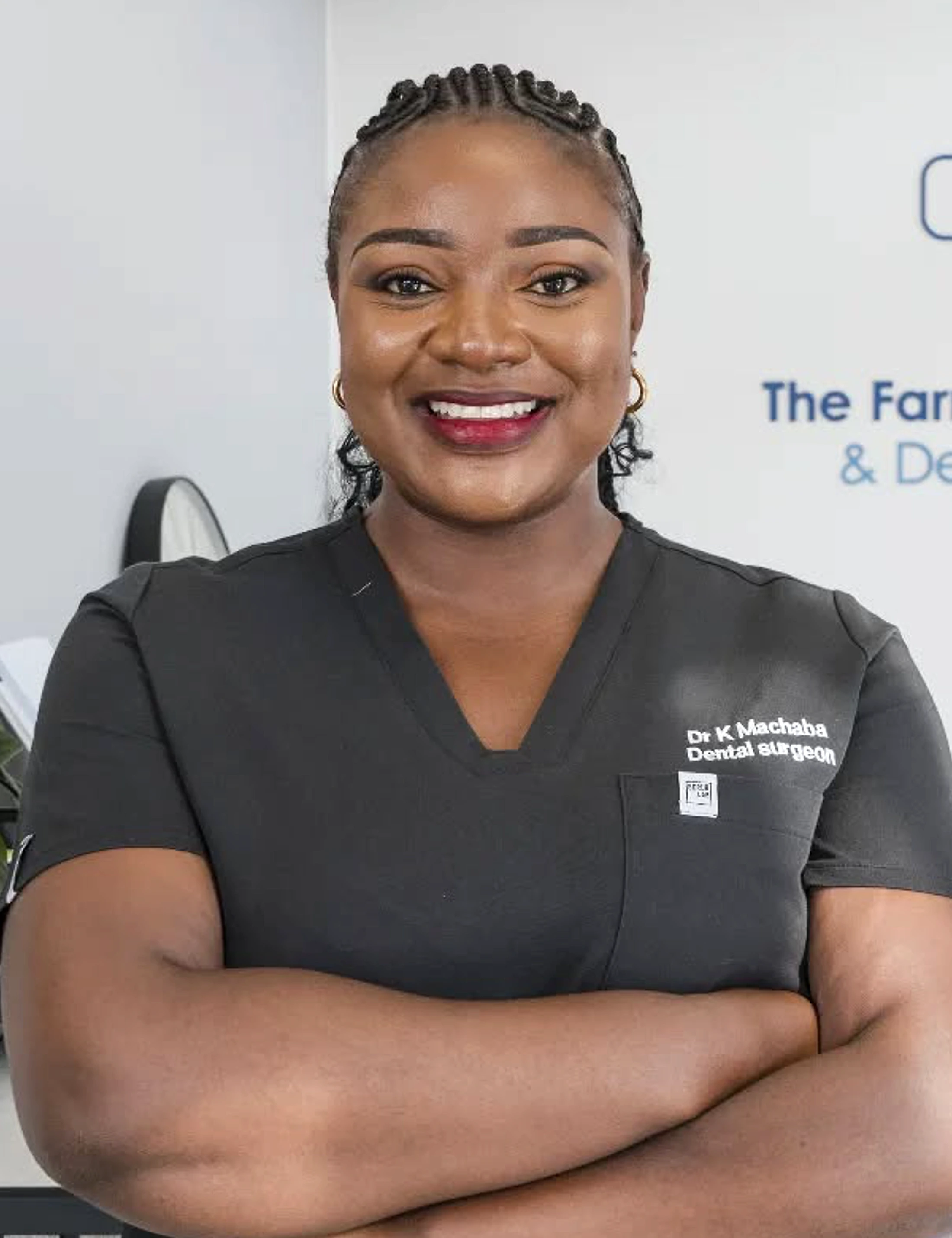
Dr. Kholofelo Machaba-Selatole leads Smile On Dental & Aesthetic Studio with a warm, patient-focused approach to family, restorative, cosmetic, and orthodontic care.
60+ five-star patient reviews across Pretoria and Polokwane.
"Customer care is superb, very friendly front desk staff. I'm happy to have gained my confidence back."

Polokwane
"From reception right into the doctor's consultation room it was all smiley faces that welcomed us."

Polokwane
"The best dental service I have seen in Pretoria, cannot wait for my next appointment."

Pretoria
"Customer care is superb, very friendly front desk staff. I'm happy to have gained my confidence back."
Polokwane
"From reception right into the doctor's consultation room it was all smiley faces that welcomed us."
Polokwane
"The best dental service I have seen in Pretoria, cannot wait for my next appointment."
Pretoria
Book a Consultation