
Quick Answer
Clear aligners cost in South Africa varies because the fee is shaped by the assessment, scans or records, the amount of movement needed, the number of trays, whether attachments or IPR are clinically appropriate, review appointments, refinements, retainers, and any replacement trays or hygiene support needed along the way. A reliable quote should follow an orthodontic assessment rather than a generic price list, because clear aligners are not suitable for every patient or every bite concern.
- Clear aligner pricing should be judged by the full treatment plan, not only the number of trays or an advertised starting fee.
- Suitability depends on the teeth, gums, bite, treatment goals, and whether the patient can wear and care for the trays as directed.
- Records, attachments, IPR, refinements, review visits, retainers, and replacement trays can all affect the final cost structure.
- Clear aligners should be compared with braces and retainers after assessment, because the best option depends on the case.
Why clear aligner prices vary
Patients often search for one clear aligners price before booking, but aligner treatment is not priced like a single product taken from a shelf. The dentist first needs to understand the current tooth positions, the bite, gum health, previous dental work, cleaning habits, and the result the patient is hoping to achieve.
A short alignment case with mild spacing is different from a case involving crowding, rotated teeth, bite correction, missing teeth, worn teeth, gum concerns, or previous orthodontic treatment. Those differences can affect planning time, the number of aligner trays, the review schedule, and whether supporting steps are needed before or during treatment.
This is also why a generic online estimate can be misleading. A quote should explain what is included in the plan, what is separate, and what could change if teeth do not move as expected. The cost conversation should include diagnosis, planning, aligner production, monitoring, refinements, and retention after active movement.
- how much tooth movement is needed
- whether bite correction is part of the goal
- the number of trays in the planned sequence
- whether attachments, IPR, or refinements may be needed
- review visits and post-treatment retainers
The assessment comes before the quote
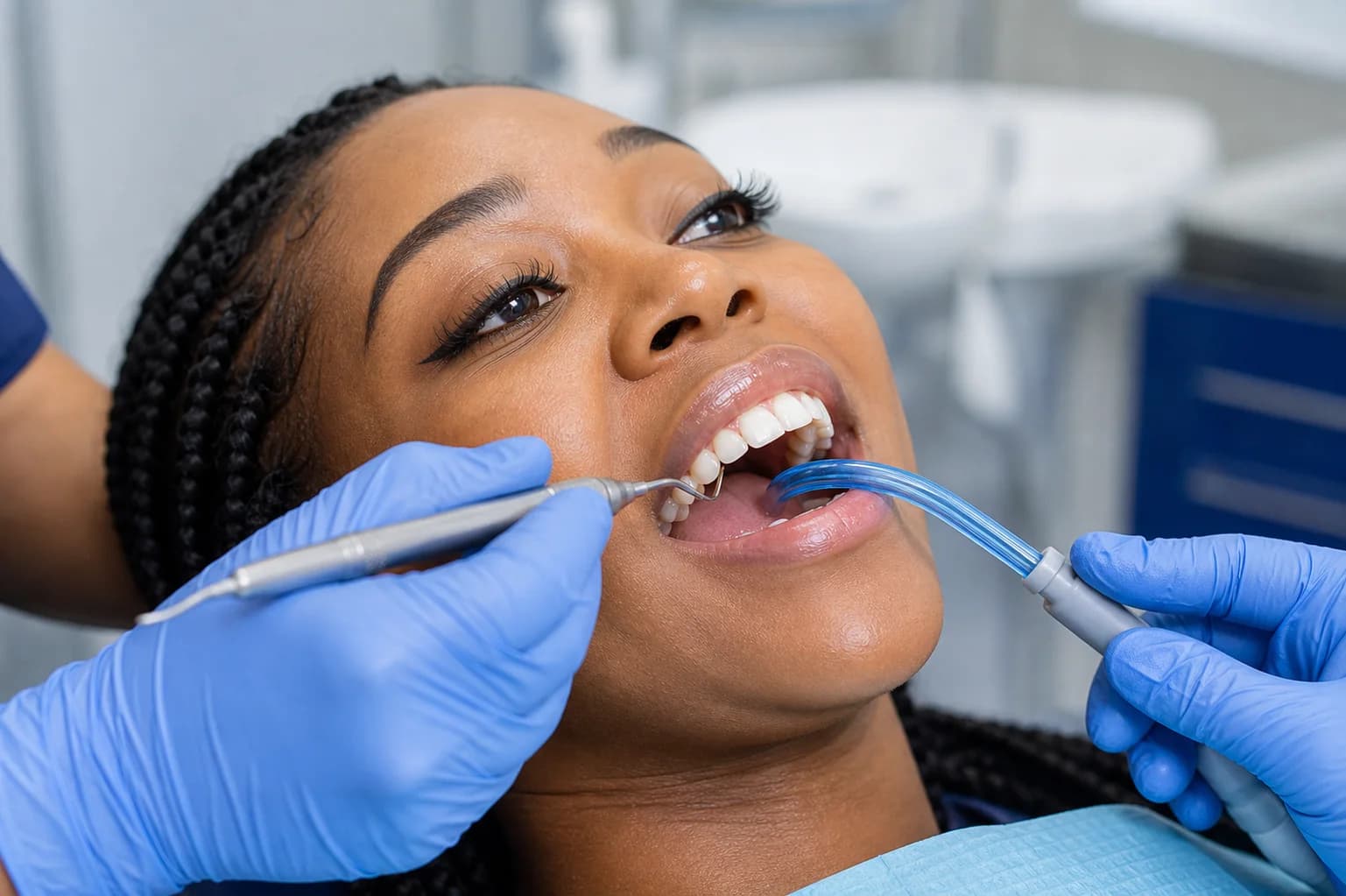
A clear aligner quote should begin with a suitability assessment. The dentist checks whether the teeth and gums are healthy enough for orthodontic movement, how the upper and lower teeth meet, and whether aligners can realistically manage the movements required. Clear aligners may be suitable for some patients, but they are not the right answer for every orthodontic problem.
This first step can affect cost because the dentist may identify issues that need attention before aligner treatment starts. Active decay, gum inflammation, unstable restorations, poor oral hygiene, or unresolved pain may need to be managed first. If a bite concern needs more control than aligners can provide, braces or another orthodontic approach may be discussed instead.
The consultation is also where patient discipline matters. Aligners are removable, which is useful for eating and cleaning, but they only work when worn as directed. If trays are frequently left out, lost, or not seated properly, treatment can become less predictable and may need extra reviews or refinements.
- Discuss your alignment concerns, bite symptoms, previous treatment, and goals.
- Assess teeth, gums, bite, spacing, crowding, and oral hygiene.
- Review whether scans, photographs, X-rays, or impressions are needed.
- Confirm whether clear aligners, braces, or another first step should be considered.

Records, scans, and planning affect cost
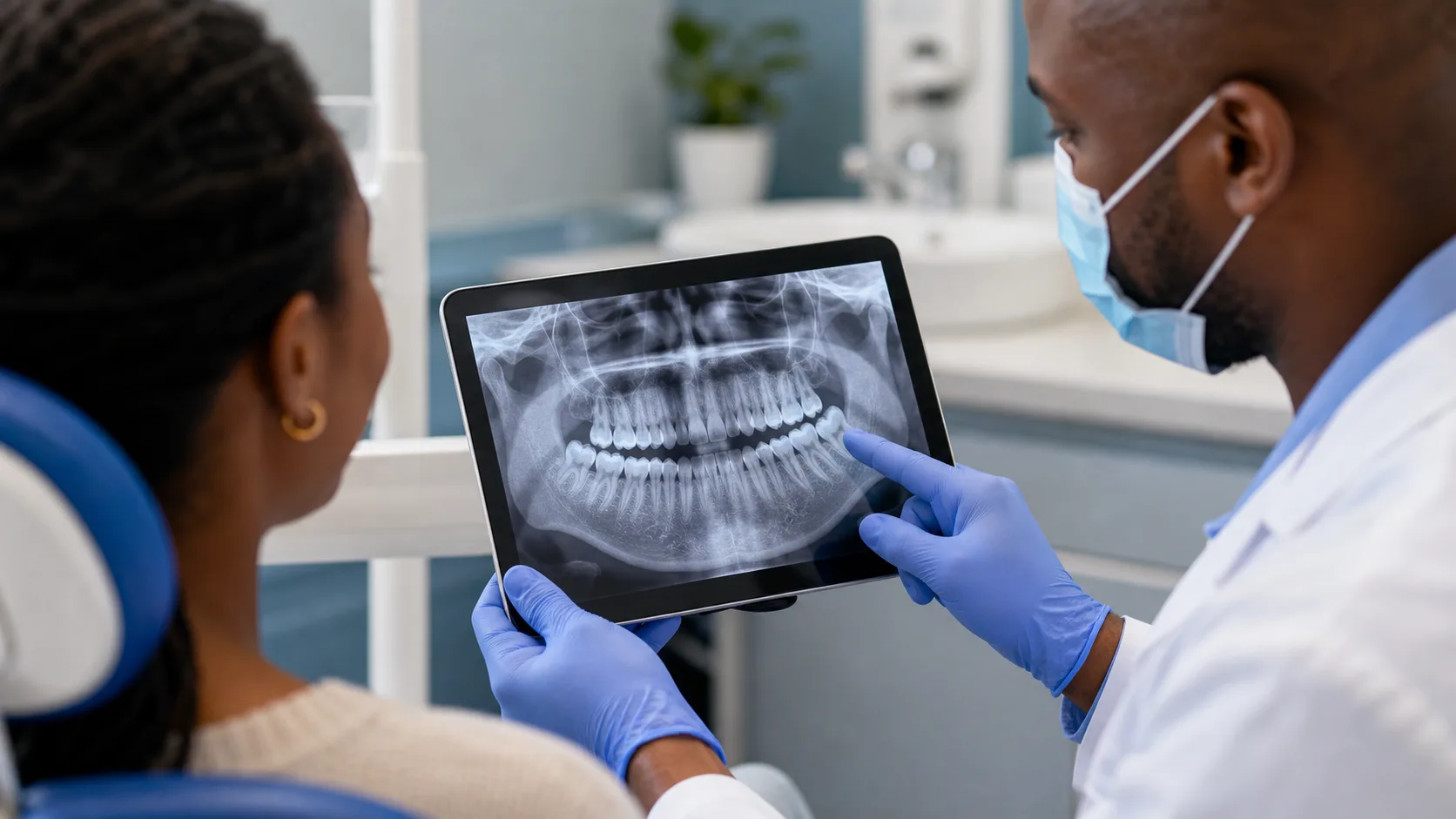
Clear aligner planning usually needs accurate records of the mouth. Depending on the case, this may include digital scans or impressions, photographs, X-rays, and bite records. These records help the dentist understand tooth positions, root and bone considerations, spacing, crowding, and whether the proposed movement is appropriate.
Planning is not just a digital preview. The dentist has to decide which movements are realistic, how teeth should be staged, where space may be needed, and how the trays should be monitored. A case that needs only small front-tooth alignment is usually different from one that needs arch expansion, significant rotations, bite changes, or careful coordination around crowns, fillings, or missing teeth.
When comparing quotes, ask whether records and treatment planning are included. Some fees may list aligners separately from consultation, X-rays, scans, or records. Others may bundle parts of the process. Neither structure is automatically wrong, but the patient should know what the number represents before comparing it with another estimate.
| Planning item | Why it can affect the quote |
|---|---|
| Suitability assessment | The dentist checks teeth, gums, bite, goals, and whether aligners are appropriate. |
| Scans or impressions | Accurate tooth records are needed to plan tray fit and staged movement. |
| Photographs and X-rays | Records may be recommended to assess tooth position, roots, bone, and treatment risks. |
| Treatment setup | The planned sequence affects tray numbers, review timing, attachments, and refinements. |
| Pre-treatment dental care | Cleaning, fillings, gum care, or other treatment may be needed before aligners begin. |
Tray numbers and case complexity matter
The number of aligner trays is one of the most obvious cost factors, but it should not be read in isolation. More trays usually means more stages of tooth movement, but complexity is also about what those movements are trying to achieve. A small gap closure may not require the same planning as rotated teeth, deep bite concerns, crowding, or movements that need careful anchorage.
Some cases are planned with a shorter aligner sequence. Others need a longer sequence and more review visits. If the bite changes during treatment, if trays stop fitting well, or if a tooth does not track as expected, the plan may need adjustment. That is one reason a responsible quote should explain how monitoring and refinements are handled.
Patients sometimes compare clear aligners with braces only by visibility or price. The more useful comparison is clinical control. Braces stay fixed to the teeth and may be better for certain complex movements. Clear aligners are removable and discreet, but they depend heavily on fit, wear time, and the movements being suitable for tray-based treatment.
| Case factor | Cost question to ask |
|---|---|
| Mild spacing or crowding | Is the plan limited to simple alignment, and how many trays are expected? |
| Rotated teeth | Will attachments or a longer sequence be needed to improve control? |
| Bite correction | Are aligners suitable for the bite issue, or should braces be compared? |
| Previous orthodontics | Is this a minor relapse case or a more involved retreatment plan? |
| Poor tray tracking | How are extra checks, new scans, refinements, or replacement trays handled? |
Attachments, IPR, and refinements
Clear aligners may need small tooth-coloured attachments on selected teeth where clinically appropriate. Attachments help the tray grip and guide certain movements. They are not needed in every case, but when they are part of the plan they add clinical time and should be explained before treatment begins.
IPR, or interproximal reduction, may also be discussed in selected cases. This means carefully creating a small amount of space between teeth where appropriate for alignment. It should not be assumed for every patient, and it should be planned around the tooth shape, enamel, crowding, bite, and treatment goal. If IPR is part of the plan, ask when it will be done and whether it is included.
Refinements are another cost factor. A refinement is a further stage of aligners used when the result needs adjustment after the initial sequence. Teeth do not always move exactly as predicted, especially if trays are not worn consistently or if a movement is difficult. Quotes can differ in how they include or exclude refinements, new scans, extra trays, and additional review appointments.
- whether attachments are planned and on which teeth
- whether IPR may be needed to create space
- how many refinement stages are included, if any
- whether new scans or records are charged separately
- what happens if a tray is lost, cracked, or no longer fits
Review visits, replacements, and daily care
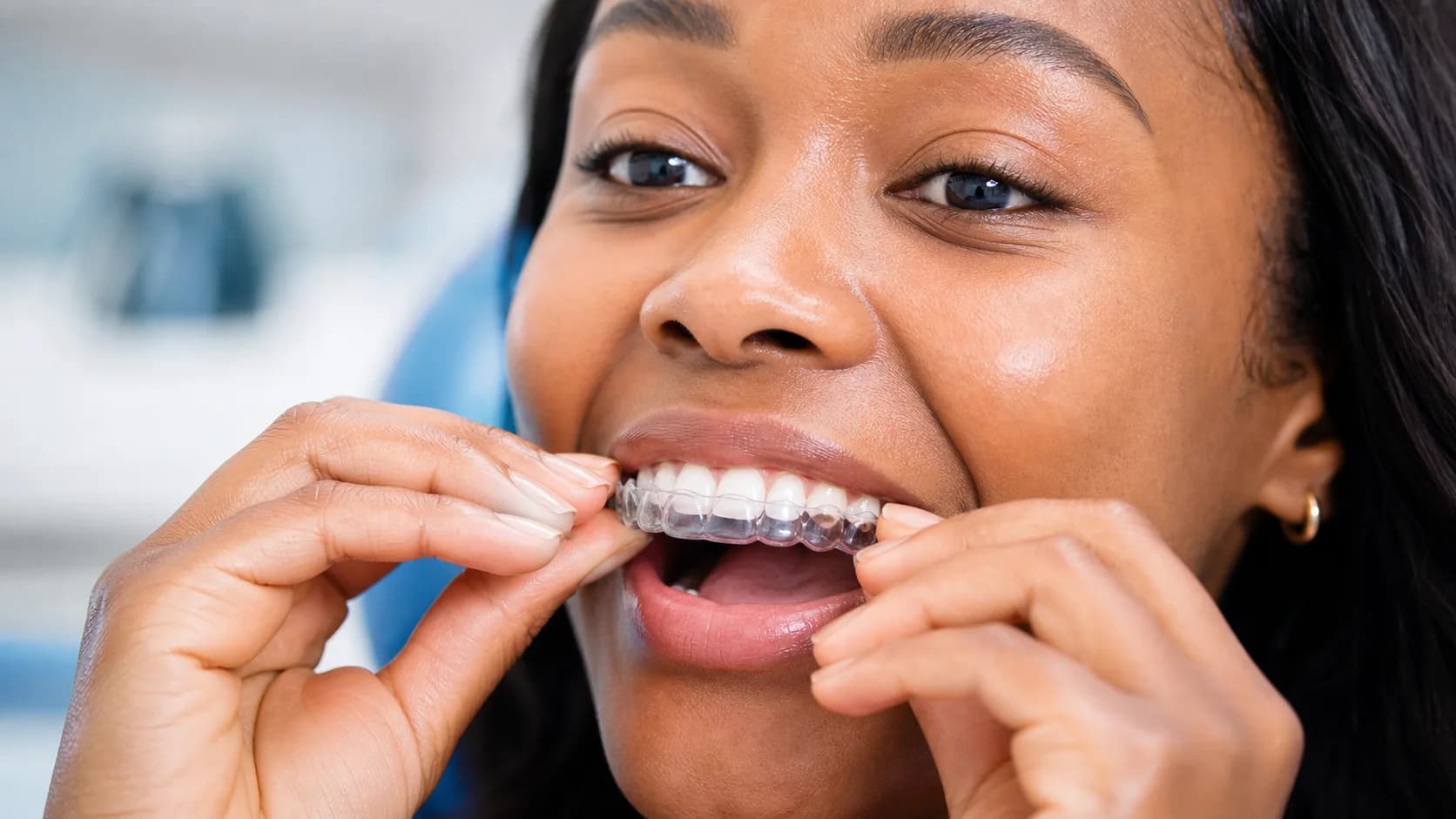
Clear aligner treatment still needs professional monitoring. Review visits allow the dentist to check whether trays are fitting properly, whether teeth are tracking, whether attachments are intact, and whether the gums and teeth remain healthy. A quote should make it clear how often reviews are expected and whether those visits are included.
Replacement trays can also affect cost. Trays may be lost, warped by heat, cracked, or damaged by poor storage. Some patients may need to pause, move back to a previous tray, or have a replacement made. The policy for replacement trays should be understood before treatment starts because aligners are removable and can be misplaced more easily than fixed braces.
Daily hygiene matters because trays sit closely over the teeth. Food and sugary drinks should not be trapped under trays. Patients usually need to remove aligners for eating, brush and clean between teeth carefully, and clean the trays as instructed. If plaque, decay, bad breath, or gum inflammation becomes a problem, extra cleaning or dental treatment may be needed and may change the treatment timeline.
- Wear trays as directed and store them in a case when removed.
- Remove trays for meals and avoid trapping sugary drinks under them.
- Brush and clean between teeth before putting trays back in where practical.
- Keep review visits so fit, tracking, attachments, and gum health can be checked.
- Contact the practice promptly if a tray is lost, cracked, warped, or stops fitting.
Retainers are part of the full cost
Clear aligner treatment does not end when the last active tray is finished. Teeth can shift after orthodontic movement, so retainers are usually part of the long-term plan. Retainers may be removable, fixed, or a combination depending on the case and the dentist's recommendation.
Retention should be discussed before treatment begins because it affects the complete cost pathway. Ask whether retainers are included in the quote, what type is planned, how long they should be worn, and what happens if they are lost, damaged, or no longer fit. A quote that excludes retainers may look lower at first but may not represent the full orthodontic journey.
Retainers also need maintenance. They can wear out, crack, distort, or become unhygienic if not cleaned properly. If a retainer is not worn as advised, teeth may move and further treatment may be needed. That does not mean every patient will need more treatment, but it is a reason to treat retention as part of the original decision rather than an optional extra.
- whether retainers are included after active aligner treatment
- which retainer type is recommended
- how replacement retainers are handled
- whether review after treatment is included
- what to do if teeth feel like they are shifting

How to compare clear aligner quotes
The best way to compare clear aligner costs is to compare the full plan. A lower fee may exclude records, reviews, refinements, retainers, or replacement trays. A higher fee may include more monitoring or a broader treatment pathway. Ask enough questions to understand what the quote covers before deciding whether it is affordable or complete.
Avoid assuming that medical aid, payment arrangements, or brand-specific availability will apply. Benefits, authorisation rules, practice policies, and product systems vary, so patients should confirm these details directly before committing to treatment. It is also sensible to ask whether braces should be compared if the bite or movement needed is more complex.
For Smile On Dental patients, the main clear aligners page explains the treatment category, while the Pretoria and Polokwane clear aligner pages provide local appointment context. The braces, retainers, and related blog posts can help you compare alternatives before a dentist confirms what is suitable for your mouth.
| Ask before accepting a quote | Why it matters |
|---|---|
| What records are included? | Consultation, scans, photographs, X-rays, or impressions may be itemised differently. |
| How many trays are planned? | Tray number gives context, but complexity and monitoring also affect cost. |
| Are attachments, IPR, and refinements included? | These steps can be important for fit, space, movement, and finishing the result. |
| How are lost or damaged trays handled? | Replacement trays may be billed separately depending on the policy. |
| Are retainers included? | Retention is needed after active movement to help maintain the result. |
| Should braces be compared? | Some bite or movement needs may be better suited to fixed orthodontic control. |
Internal Links
Related dental care
Sources
Useful information

Written by
Dr. Kholofelo Machaba-SelatoleChief Dentist & Practice Director
Dr. Kholofelo Machaba-Selatole leads Smile On Dental & Aesthetic Studio with a warm, patient-focused approach to family, restorative, cosmetic, and orthodontic care.
View Profile