

Quick Answer
Dental veneers cost in South Africa varies because veneers are planned around your teeth, gums, smile goals, bite, and the material used. A fair quote should explain the assessment, number of teeth, whether composite or porcelain or ceramic veneers are being considered, how much tooth preparation is needed, whether enamel removal is required, whether laboratory work and temporary veneers are involved, and whether gum treatment, decay repair, whitening, bonding, crowns, or replacement of old veneers should be discussed first.
- Veneer pricing should start with a dental assessment because tooth health, gum health, bite, and smile goals shape the plan.
- Composite veneers and porcelain or ceramic veneers involve different materials, appointment needs, repair options, and laboratory work.
- The number of teeth matters, but so does the amount of planning needed to make the veneers blend with the rest of the smile.
- Tooth preparation, enamel removal, temporary veneers, and laboratory stages can all affect the quote.
- Whitening, composite bonding, crowns, gum care, or decay treatment may be more appropriate than veneers for some patients.
Start with the assessment, not the price list
Patients often search for one veneer price before booking, but veneers are not a single off-the-shelf item. The dentist first needs to check whether veneers are suitable for the teeth being treated and whether the surrounding teeth and gums are healthy enough for cosmetic work.
That assessment usually looks at tooth shape, enamel, previous fillings, cracks, gum health, bite forces, grinding habits, tooth colour, spacing, and the smile changes the patient wants. If decay, gum inflammation, sensitivity, or an unstable bite is present, the first step may be stabilising the mouth rather than starting cosmetic treatment immediately.
A useful veneer quote should therefore describe the full pathway. It should make clear what is included in the consultation, records, planning, material choice, tooth preparation, temporary stage where relevant, fitting appointment, and review needs. Comparing only a headline fee can miss important clinical differences.
- the health of the teeth and gums
- how much enamel is available
- whether old fillings or cracks affect the plan
- whether the bite or grinding habits put veneers at risk
- whether veneers, bonding, whitening, or crowns should be compared

Composite and porcelain or ceramic veneers differ
One of the biggest cost factors is the type of veneer being discussed. Composite veneers are usually built directly on the tooth with tooth-coloured resin. Porcelain or ceramic veneers are custom-made shells that are usually produced through a laboratory or digital workflow before being bonded to the teeth.
Composite veneers may involve fewer appointments and may be easier to repair if chipped or worn. They can be a useful option for selected small changes in shape, edge length, gaps, or colour masking. They may not resist stain and wear in the same way as porcelain or ceramic options, so maintenance and future repair should be part of the cost conversation.
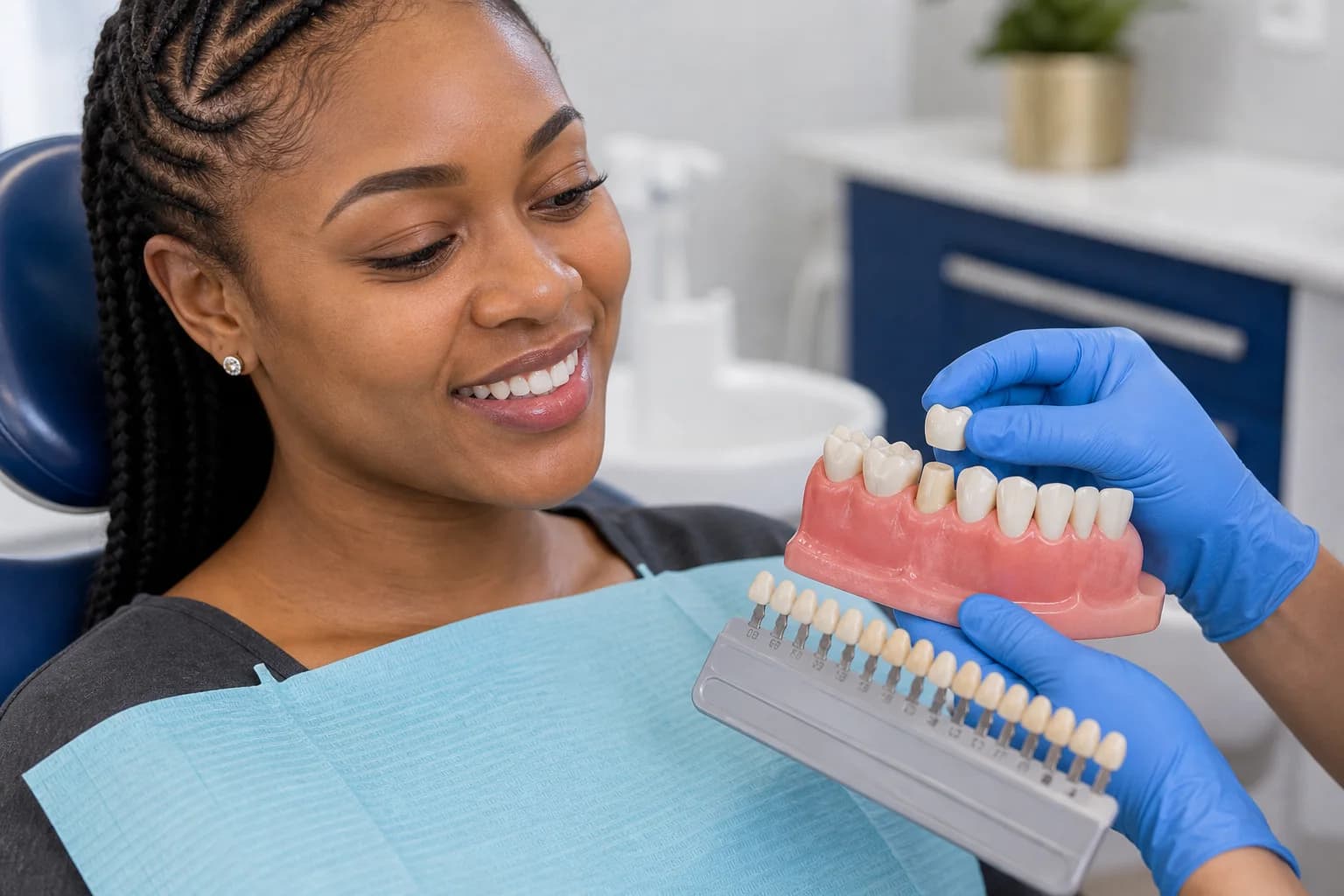
Porcelain or ceramic veneers usually involve more planning, tooth preparation where needed, impressions or scans, shade selection, laboratory work, temporary veneers in some cases, and a separate fitting visit. The fee is often shaped by those extra stages as well as the material itself.
| Option | Cost factors to clarify |
|---|---|
| Composite veneers | Chair time, tooth preparation, shade matching, polishing, repair needs, and future staining or wear. |
| Porcelain or ceramic veneers | Records, tooth preparation, laboratory work, temporary veneers where needed, fitting, and adjustments. |
| Mixed cosmetic plan | Whether some teeth need veneers while others need whitening, bonding, crowns, or no treatment. |
The number of teeth is only part of the quote
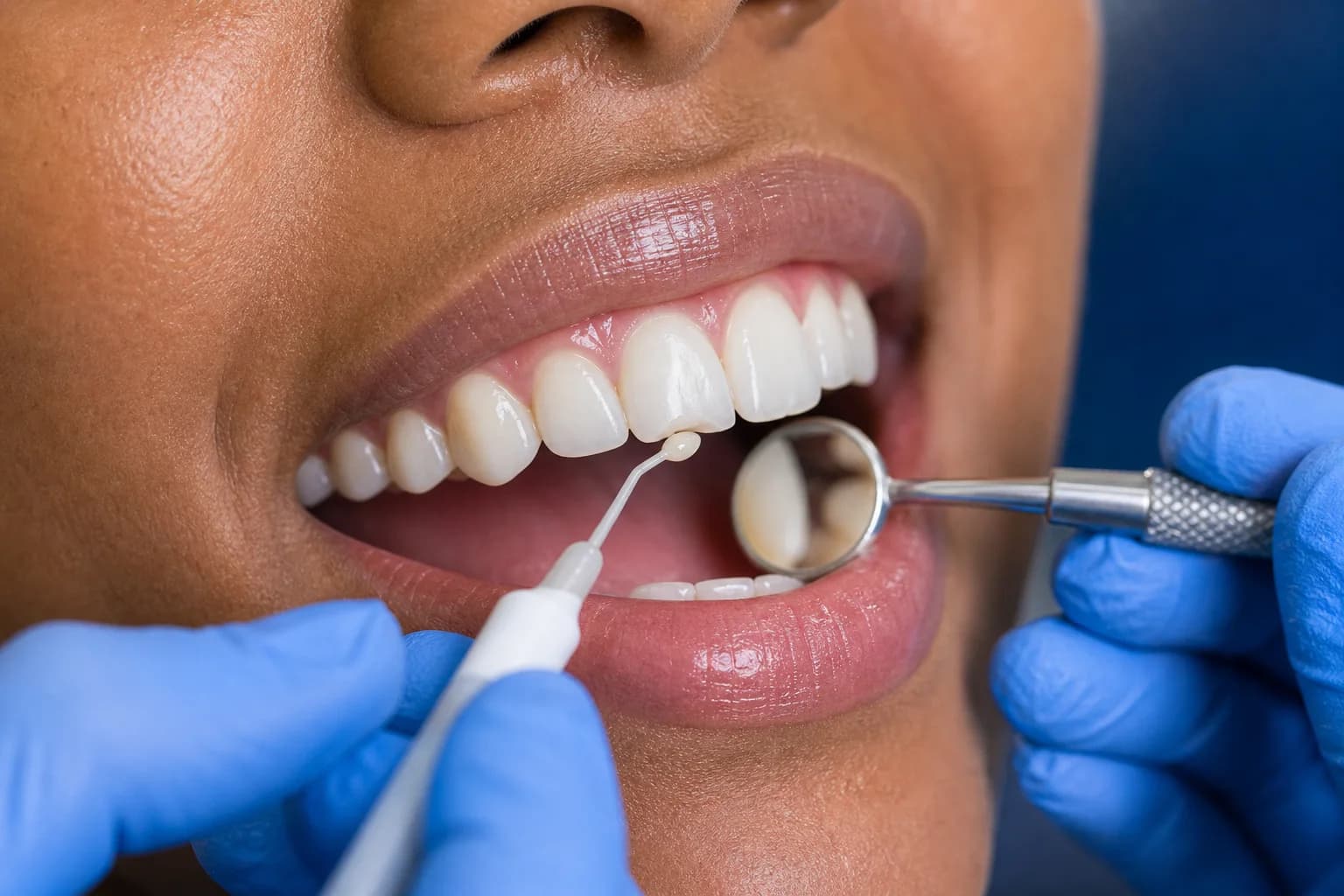
The number of veneers affects the total fee, but it is not the only reason one plan costs more than another. A single veneer on a front tooth can be technically demanding because it has to match the neighbouring natural teeth. Several veneers can require more smile design, shade planning, bite checks, and laboratory coordination.
Some patients ask for veneers across all visible front teeth. Others only need one or two teeth improved. The dentist may also recommend treating fewer teeth if whitening, edge bonding, or reshaping can help the rest of the smile blend. More veneers do not automatically mean a better or more suitable result.
A fair quote should explain why each tooth is included. It should also separate cosmetic wishes from clinical needs. A tooth with a large filling, fracture, heavy wear, or weak structure may need a crown instead of a veneer, while a healthy tooth with mild shade concern may be better discussed under whitening.
| Planning question | Why it changes the cost conversation |
|---|---|
| Is it one veneer or several? | Single-tooth matching and multi-tooth smile planning involve different challenges. |
| Which teeth show when smiling? | The visible smile line can affect how many teeth need to be planned together. |
| Can whitening reduce the number of veneers? | Natural teeth can often be whitened before matching veneers to a lighter shade. |
| Does any tooth need structural support? | A crown may be discussed when a veneer would not provide enough coverage or strength. |
Tooth preparation and enamel removal matter
Some veneer plans require little preparation, while others need enamel to be reduced so the veneer can fit without looking bulky. The amount depends on the current tooth position, shape, shade, enamel thickness, material, and the planned change. Veneer treatment should not be described as reversible when enamel has been removed.
Enamel removal can affect sensitivity, bonding, future replacement needs, and whether the tooth will always need some form of restoration on the prepared surface. This is why the dentist should explain what is being removed, why it is necessary, and whether a more conservative alternative could achieve the goal.
Teeth that are crowded, rotated, very dark, heavily filled, or positioned outside the ideal smile line may need more preparation or may need a different treatment pathway. In some cases, orthodontic alignment, whitening, composite bonding, or crowns may be discussed before veneers are considered.
- how much tooth reduction is planned
- whether enamel removal is required for the chosen material
- whether the tooth is already heavily filled or worn
- whether the veneer could look bulky without preparation
- whether a more conservative option is realistic

Laboratory work and temporary veneers can add stages
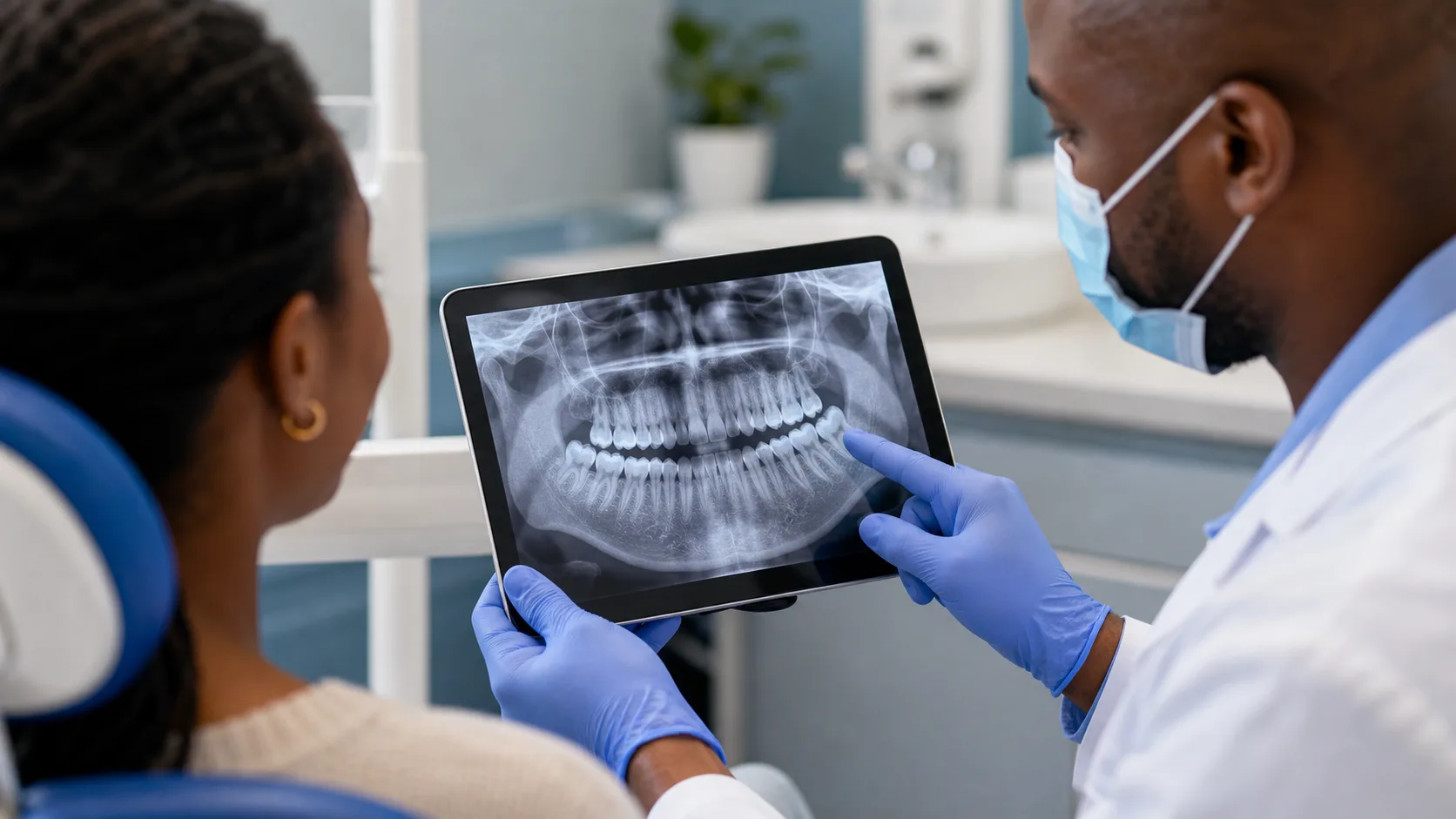
Porcelain or ceramic veneers usually need records that allow the dentist and technician to plan shape, shade, fit, and bite. These records may include photographs, scans or impressions, bite records, and a trial plan where suitable. Laboratory work is one reason porcelain or ceramic veneers are usually quoted differently from direct composite work.
Temporary veneers may be used in some cases after prepared teeth are shaped and before the final veneers are ready. A temporary veneer can protect the tooth surface and give the patient a short-term preview of shape, but it is not the final restoration. It may feel different, stain more easily, or need extra care with hard and sticky foods.
If a quote includes laboratory work, ask what stages are covered. A complete plan may include design, shade communication, temporary veneers where applicable, try-in, adjustments, final bonding, and review. Another estimate may list some of those steps separately.
- Record the current smile, bite, shade, and tooth shape.
- Plan the veneer material, number of teeth, and preparation needs.
- Prepare the teeth where clinically appropriate and place temporary veneers if needed.
- Fit, adjust, and bond the final veneers once the fit and shade are accepted.
- Review bite comfort, cleaning access, and maintenance needs.
Health, whitening, and gum care may come first
Veneers are cosmetic restorations, but they still depend on oral health. If decay, gum disease, bleeding gums, plaque build-up, sensitivity, or leaking fillings are present, those issues may need treatment first. Placing veneers over unhealthy teeth can make problems harder to see and manage later.
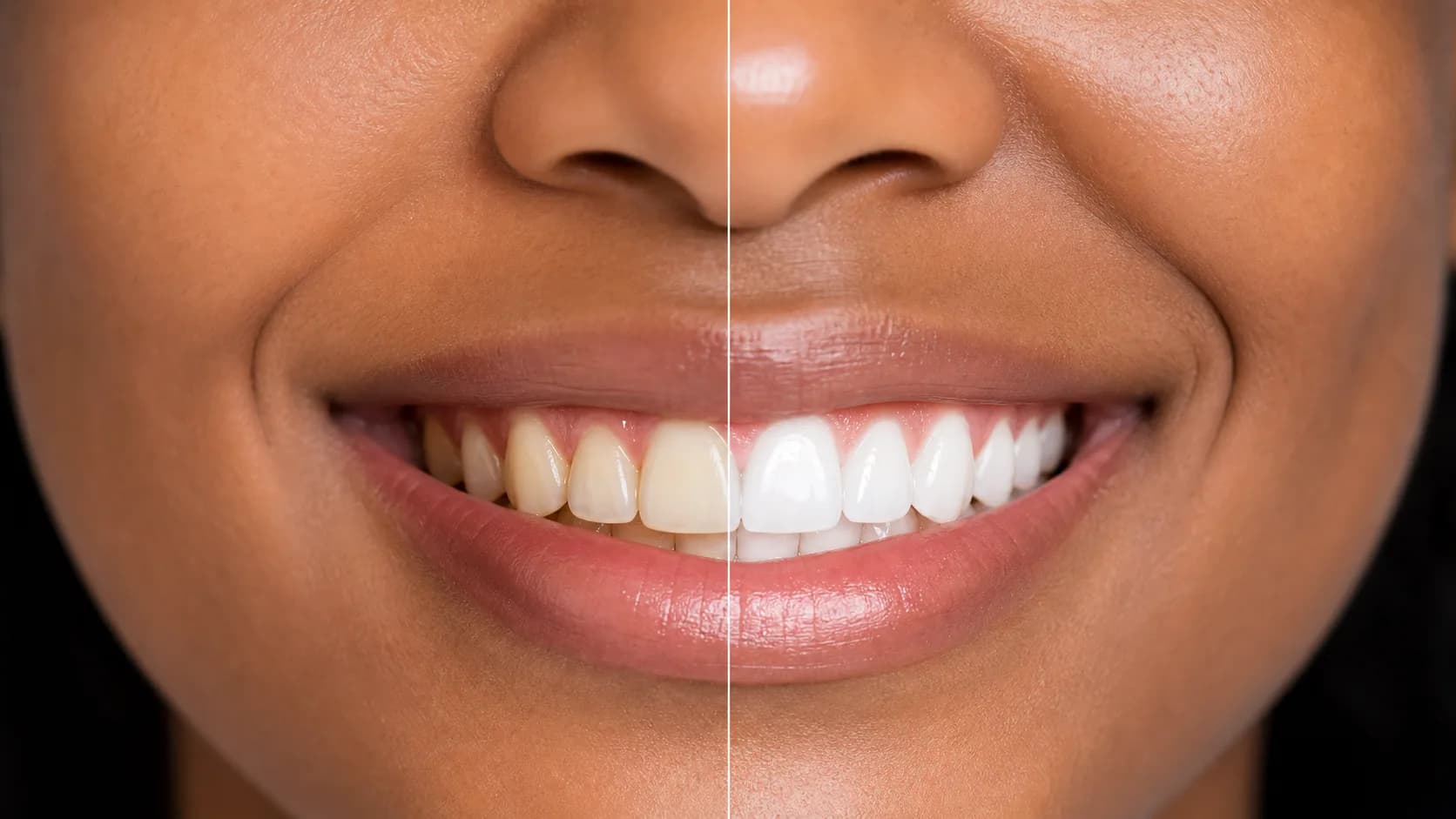
Whitening can also affect the final cost conversation. Veneers do not whiten in the same way as natural teeth. If a patient wants a lighter smile, the dentist may discuss whitening the natural teeth first, then matching the veneers to the new shade once the colour is stable. This may reduce the number of veneers needed or change the shade plan.
Gum position matters too. Inflamed or uneven gums can affect how veneers look and how easy they are to clean. The dentist may recommend cleaning, gum treatment, improved home care, or review before final cosmetic decisions are made.
| Issue found first | How it can affect veneer cost |
|---|---|
| Decay or leaking fillings | Repair may be needed before cosmetic veneer bonding is planned. |
| Gum inflammation | Cleaning or gum care may be needed before final impressions, scans, or bonding. |
| Tooth colour concerns | Whitening may be discussed before choosing the final veneer shade. |
| Old restorations | Existing fillings, crowns, or veneers may change the material and preparation plan. |
| Grinding or heavy bite | A night guard or different restorative option may be discussed where appropriate. |
Repairs, replacement, and maintenance affect long-term cost
Veneers can chip, crack, stain, debond, wear, or need replacement over time. That does not mean every veneer will fail quickly, but it does mean a quote should not be treated as a once-off cost with no future responsibilities. Daily habits and bite forces can strongly influence maintenance.
Composite veneers may be repaired or polished in selected situations, but they can stain or wear and may need refreshing. Porcelain or ceramic veneers may resist staining better, but if they chip or fracture the repair pathway may be different and replacement may be needed. Old veneers may also need replacement if the gumline changes, decay develops around the edge, or the appearance no longer suits the smile.
Patients who clench, grind, bite nails, chew hard objects, or use teeth as tools may put veneers under higher stress. A dentist may discuss a night guard, bite adjustment, or an alternative treatment if veneers are unlikely to cope well with the forces involved.
- repair or polishing for selected composite veneers
- replacement planning for chipped, cracked, loose, or worn veneers
- checking for decay around veneer margins
- gum recession or gum changes over time
- night guard needs where grinding is a concern
Compare veneers with bonding, whitening, and crowns
The best value is the treatment that fits the tooth and the goal, not simply the option with the lowest starting fee. Composite bonding may suit small chips, edges, gaps, or shape changes when the tooth structure is healthy. Whitening may be the first option when the main concern is tooth colour and the teeth are otherwise sound.
Crowns are different from veneers because a crown covers more of the tooth. A crown may be discussed when a tooth is heavily filled, cracked, root-treated, badly worn, or structurally weak. Choosing a veneer for a tooth that needs crown-level protection can lead to a poor comparison because the treatments are solving different problems.
For Smile On Dental patients, the most useful internal starting points are the veneers page, the Pretoria and Polokwane veneer pages, the smile makeover page, and the pages on composite bonding, teeth whitening, and dental crowns. Related cost guides on crowns and whitening can also help you prepare better questions before the dentist confirms what is suitable.
- Ask whether the tooth is healthy enough for cosmetic treatment.
- Confirm whether whitening should happen before the final veneer shade is chosen.
- Compare composite and porcelain or ceramic options by maintenance, not only appearance.
- Ask how much enamel will be removed and what that means for future replacement.
- Clarify repair, replacement, and review expectations before accepting the quote.
| Option | When it may be discussed |
|---|---|
| Teeth whitening | When the main concern is shade and the natural teeth are suitable for whitening. |
| Composite bonding | When small shape, edge, chip, or spacing changes can be handled more conservatively. |
| Veneers | When front-surface shape, colour, spacing, or proportion changes are suitable for veneer planning. |
| Dental crowns | When the tooth needs more coverage or support than a veneer can provide. |
Internal Links
Related dental care
Sources
Useful information

Written by
Dr. Kholofelo Machaba-SelatoleChief Dentist & Practice Director
Dr. Kholofelo Machaba-Selatole leads Smile On Dental & Aesthetic Studio with a warm, patient-focused approach to family, restorative, cosmetic, and orthodontic care.
View Profile