First Step
Consultation
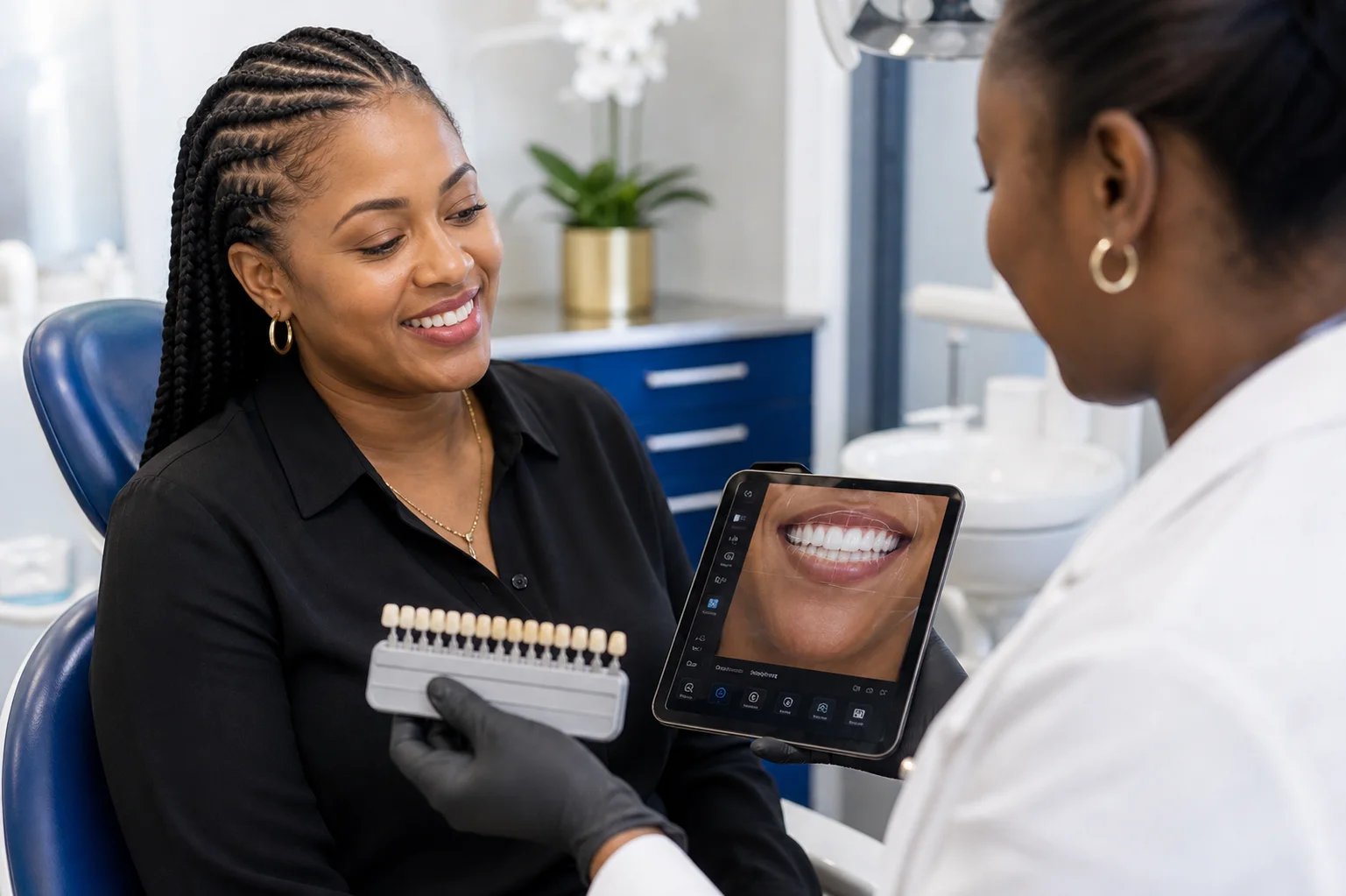
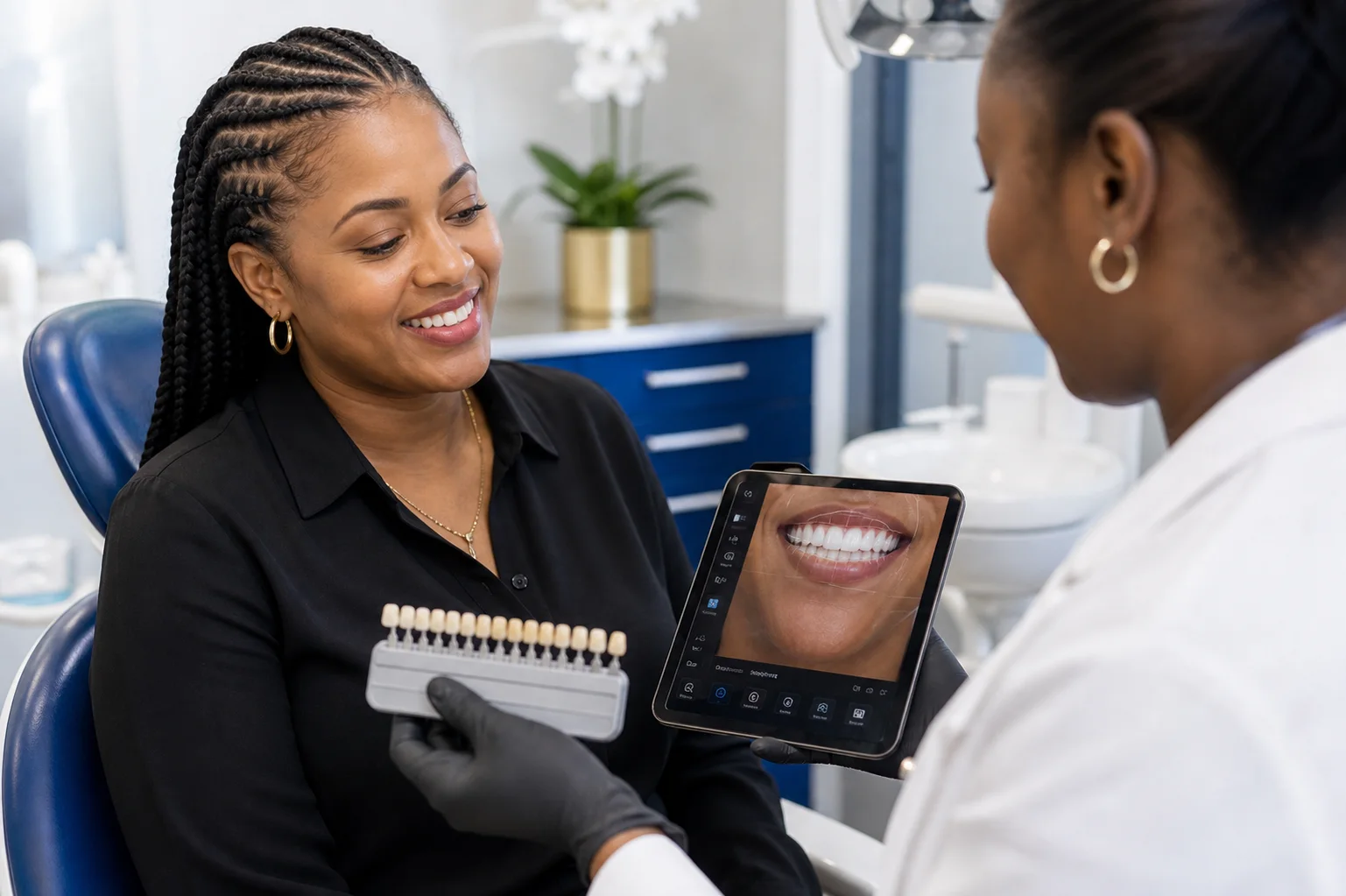
The dentist checks your concern and confirms whether this treatment is suitable before care begins.
Cosmetic Dentistry
Book Composite Bonding with Smile On Dental. Start with an assessment, understand your options, and get clear next steps before treatment begins.
Quick Summary
First Step
The dentist checks your concern and confirms whether this treatment is suitable before care begins.
Best For
Suitability depends on oral health, symptoms, goals, and clinical findings.
Planning
Timing, visits, cost factors, and aftercare are explained after the assessment.
Branch Access
Use the location section to choose the branch that is easiest for you to attend consistently.
Overview
Treatment Introduction
Composite bonding can be considered for subtle cosmetic improvements. It may help refine small chips, edges, and minor gaps when the tooth and bite are suitable.
Decision Support
Smile On Dental uses the visit to understand your symptoms, goals, oral health, and expectations before recommending a suitable treatment plan.
Visual Guide
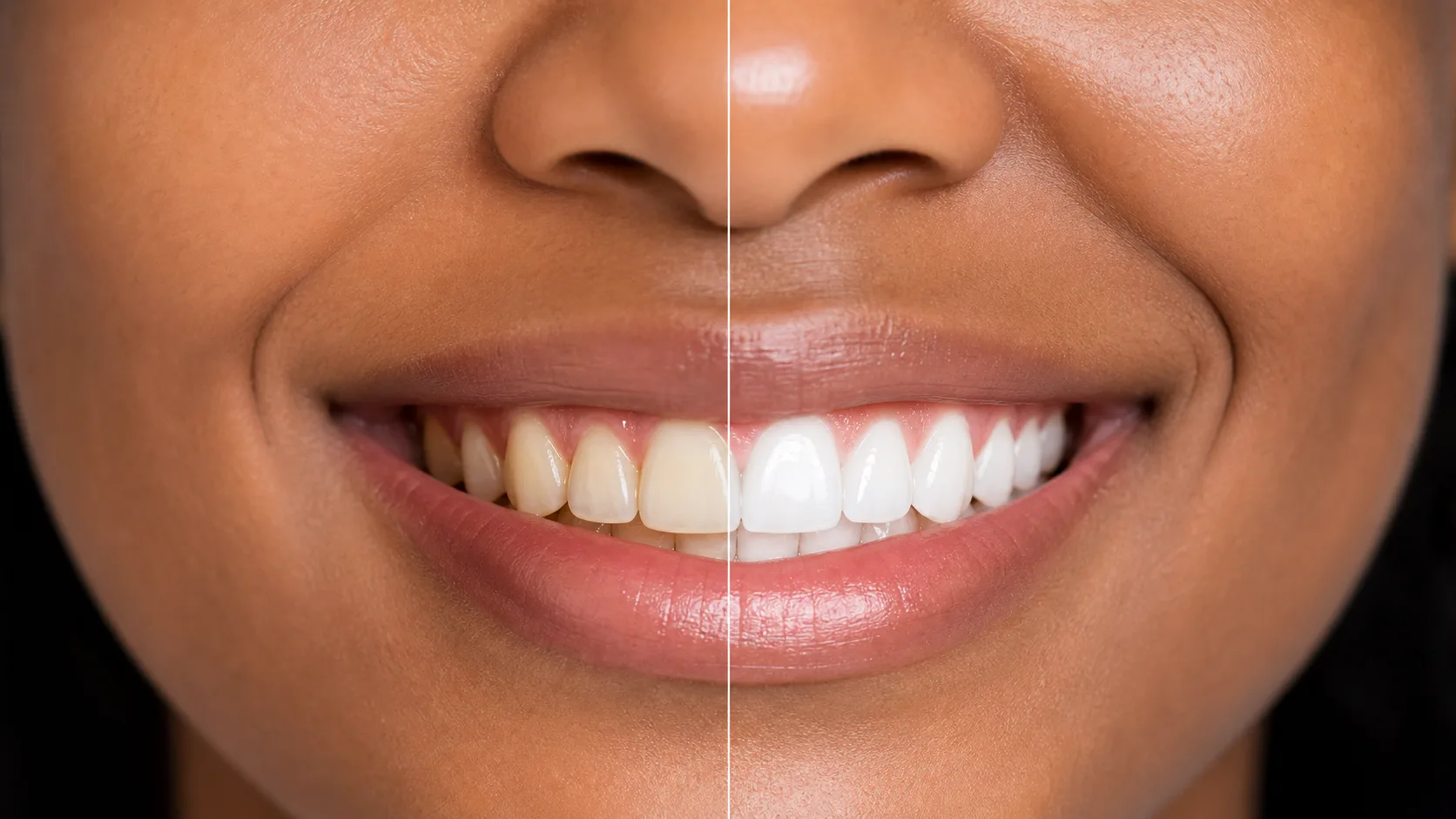

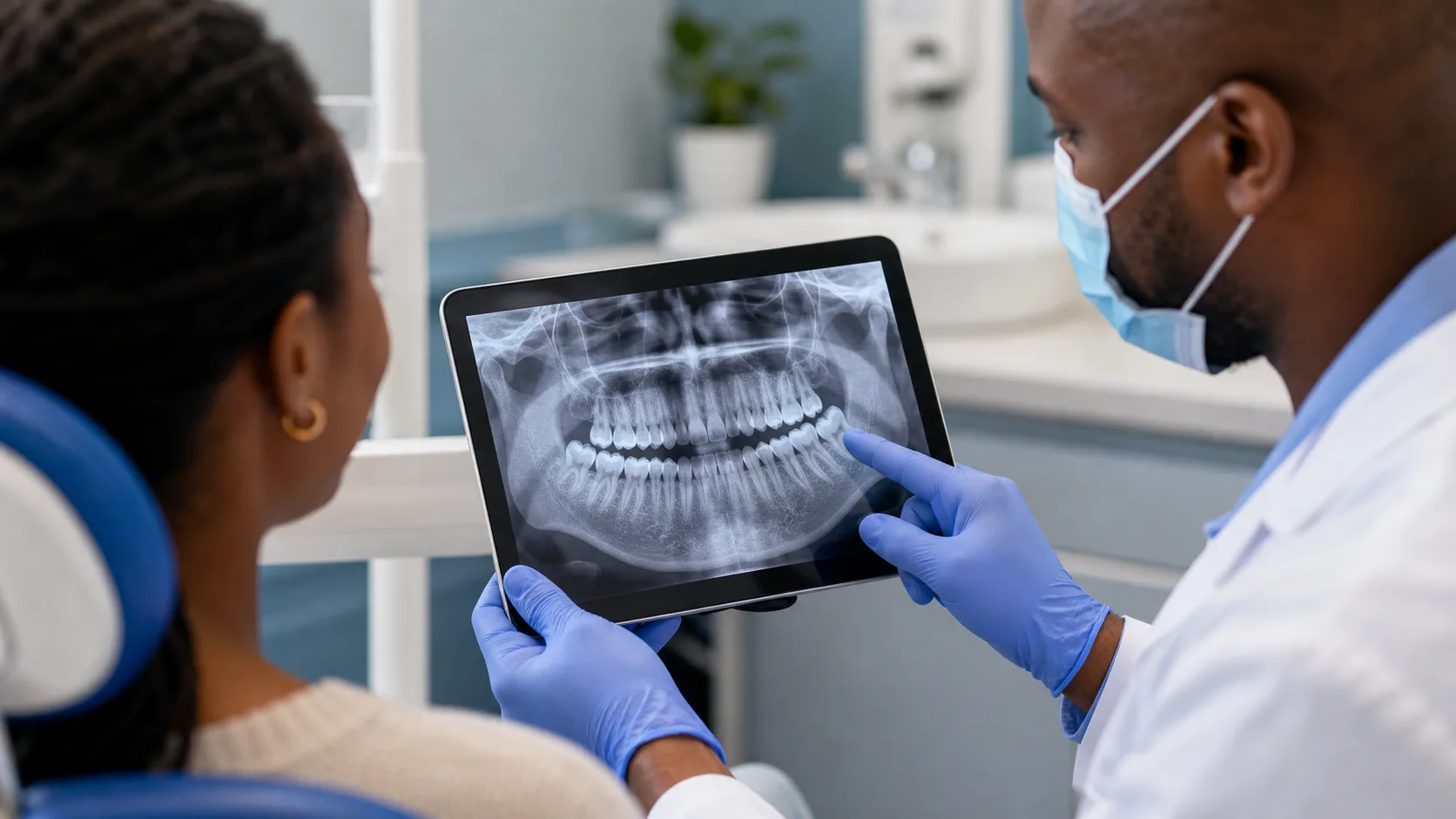
Treatment Guide
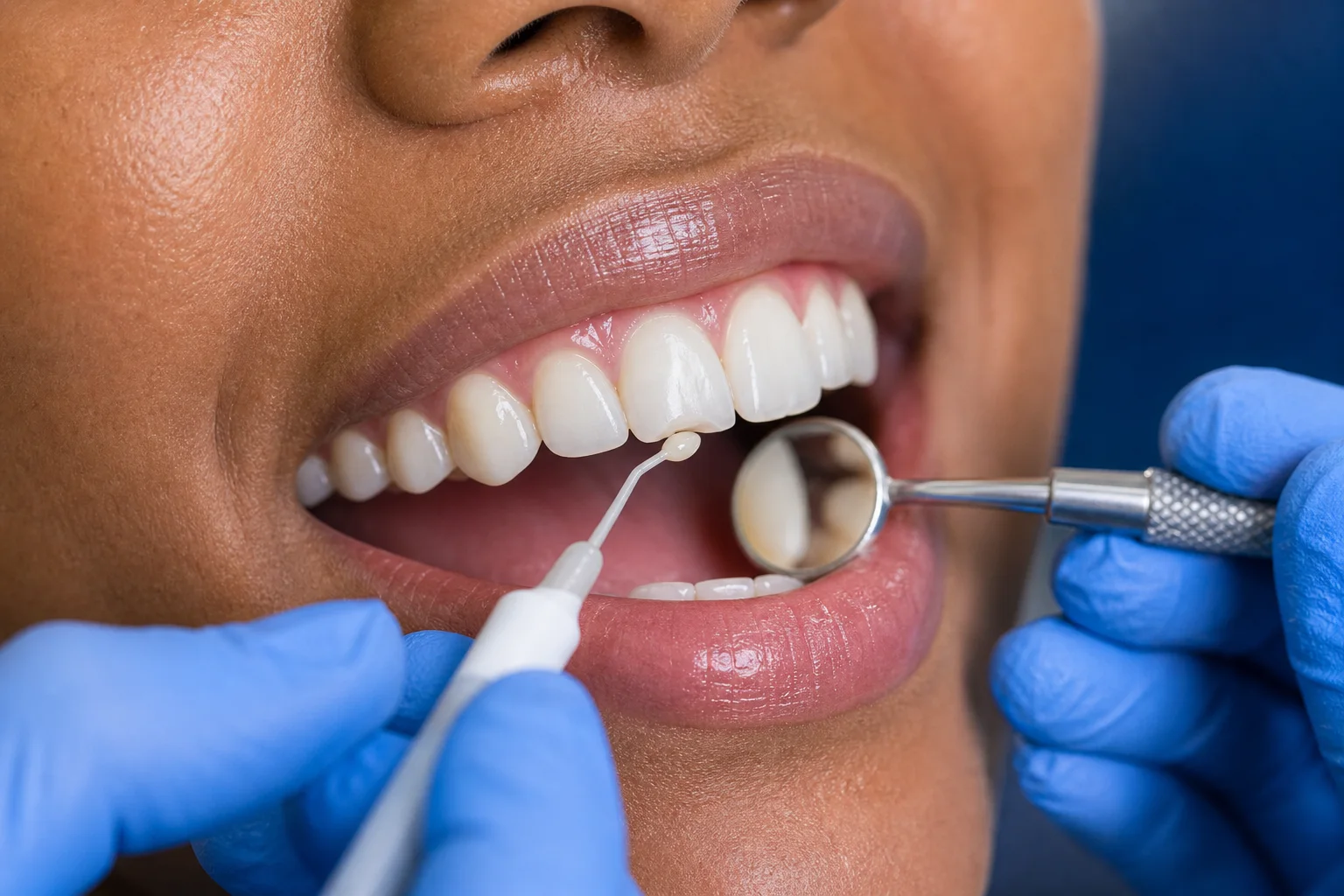
Composite bonding uses tooth-coloured resin to repair, reshape, or refine teeth in a conservative way.
Bonding is commonly used for chipped edges, small gaps, worn corners, uneven shapes, minor cracks, and localised cosmetic defects. It can often preserve more tooth structure than a veneer or crown, especially when the change needed is modest. The dentist bonds and sculpts the material directly to the tooth.
Suitability depends on enamel, bite forces, tooth position, shade expectations, and the size of the area being restored. Smile On Dental can explain whether bonding is likely to be durable enough for the concern or whether orthodontics, veneers, or another restoration should be considered.
Bonding can help
Bonding is often chosen when the patient wants visible improvement without jumping straight to more involved cosmetic work.
Because composite is added to the tooth, some cases need little or no drilling. This can make bonding useful for younger patients, trial smile improvements, or patients who want to correct a few details rather than redesign every front tooth. The result should still be planned carefully.
Conservative does not mean casual. The dentist must manage tooth proportions, shade blending, bite contacts, and polish. Overbuilt bonding can look bulky, trap plaque, or chip under bite pressure. A restrained plan often looks more natural and lasts better.
Conservative factors
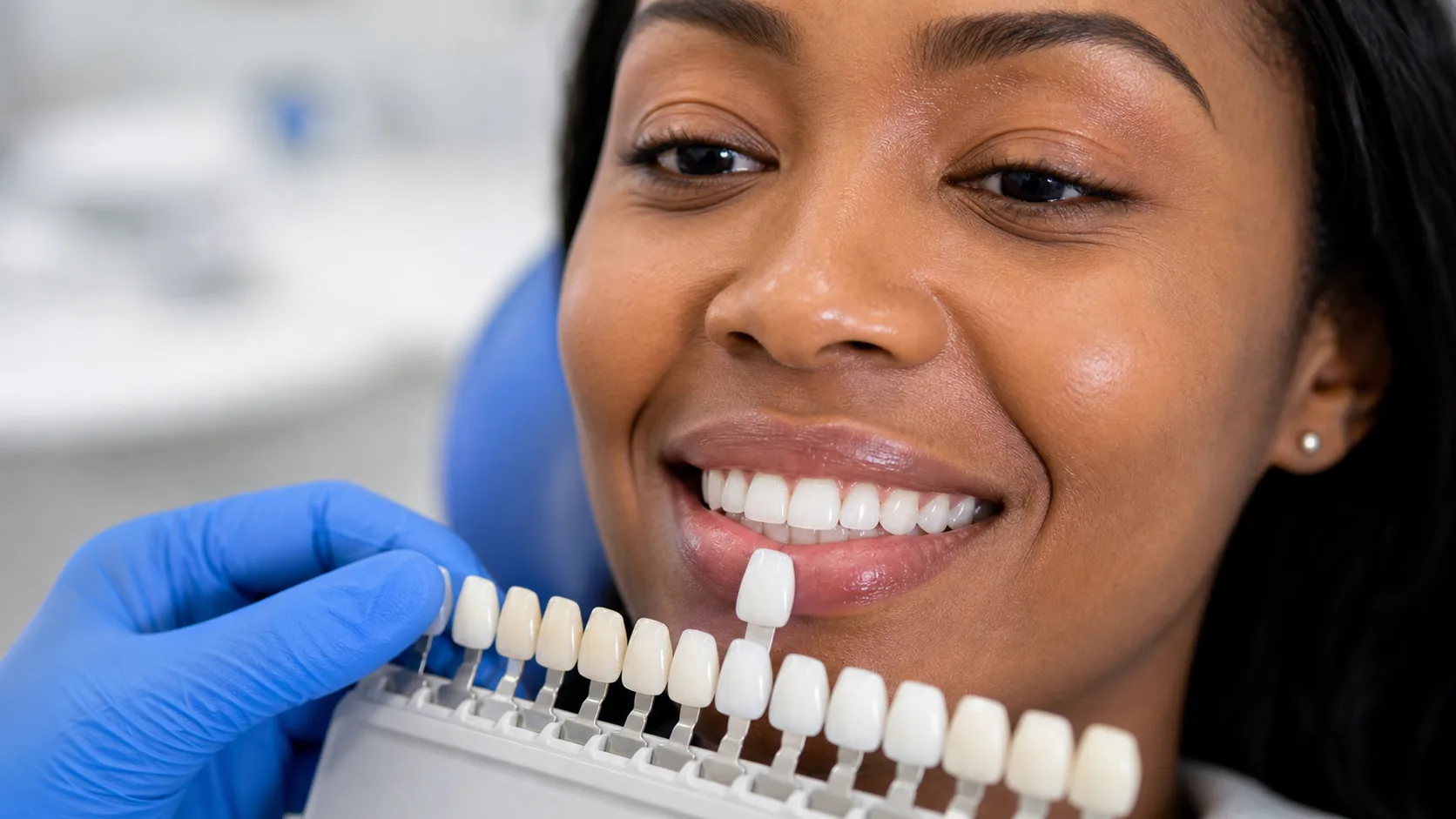
Composite colour is selected to match the tooth shade at the time of treatment.
If the patient wants whiter teeth, whitening should usually be discussed before bonding. Composite does not whiten like enamel, so bonding placed before whitening may look darker afterwards. The shade match also depends on lighting, dehydration of teeth during treatment, and the natural translucency of enamel.
Smile On Dental can help decide whether whitening, cleaning, or replacement of old restorations should happen first. Good shade planning is especially important on front teeth because small differences are more visible in the smile.
Shade planning
Composite bonding is technique-sensitive because the final shape is built directly on the tooth.
The dentist cleans the tooth, selects shade, prepares the surface for bonding, places composite in layers, shapes the anatomy, and cures the material. The restoration is then refined and polished so it blends with the surrounding enamel and feels smooth to the tongue.
For larger cosmetic changes, a mock-up or staged approach may be useful. This allows the patient and dentist to check length, symmetry, and bite before committing to the final build-up. The aim is to avoid bulky additions and create a result that works in speech and function.
Procedure focus
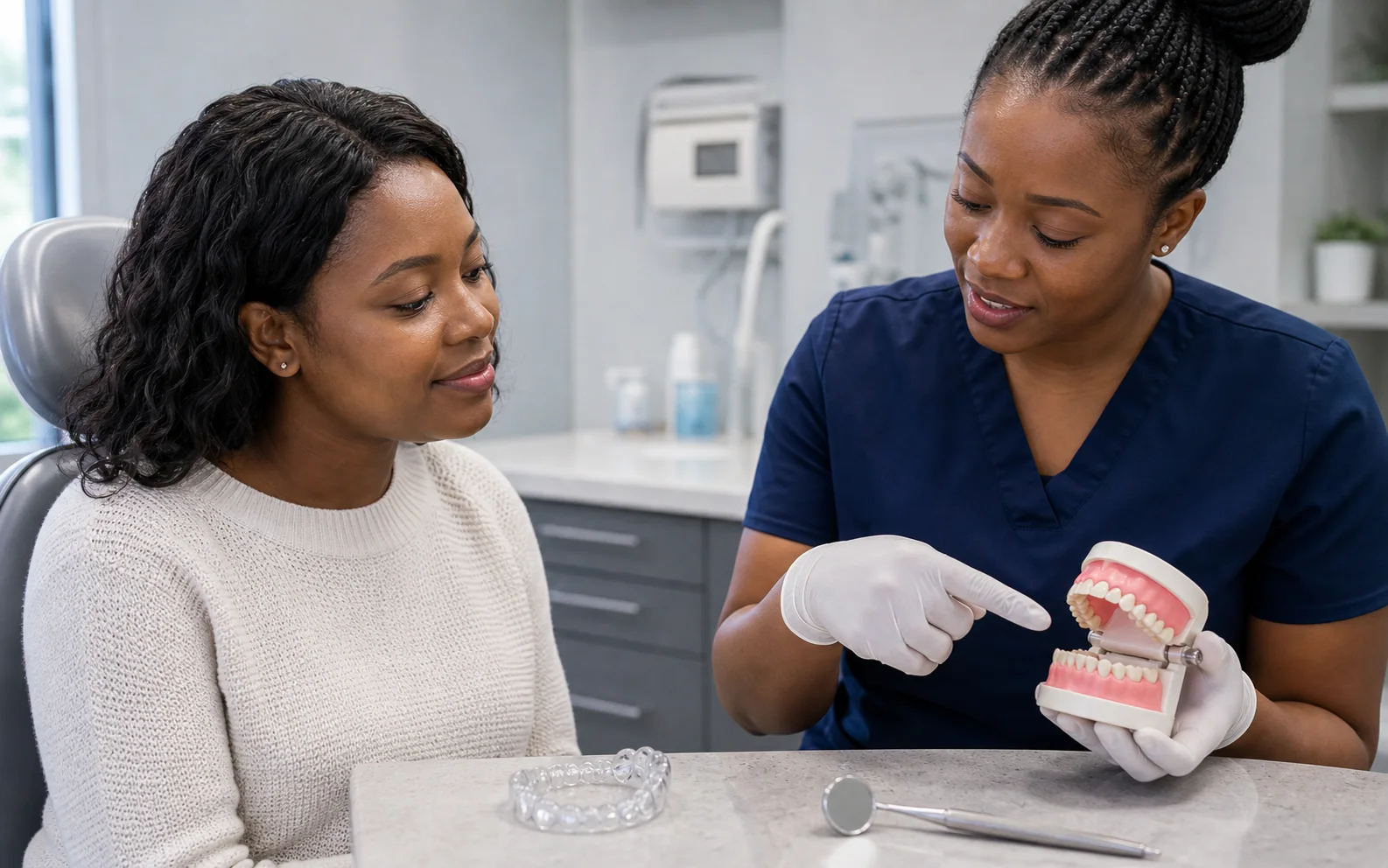
Composite bonding can be strong, but it is not immune to bite stress or habits.
Bonding on the biting edges of front teeth is exposed to chewing, grinding, nail biting, and accidental impact. Patients with heavy clenching or edge-to-edge bites may need bite management, design adjustments, or a night guard if recommended. Otherwise, chips can be more likely.
Durability also depends on the size and location of the repair. A small chip on a low-stress area is different from rebuilding several worn edges. Smile On Dental can explain where bonding is predictable and where another treatment may be more reliable.
Durability factors
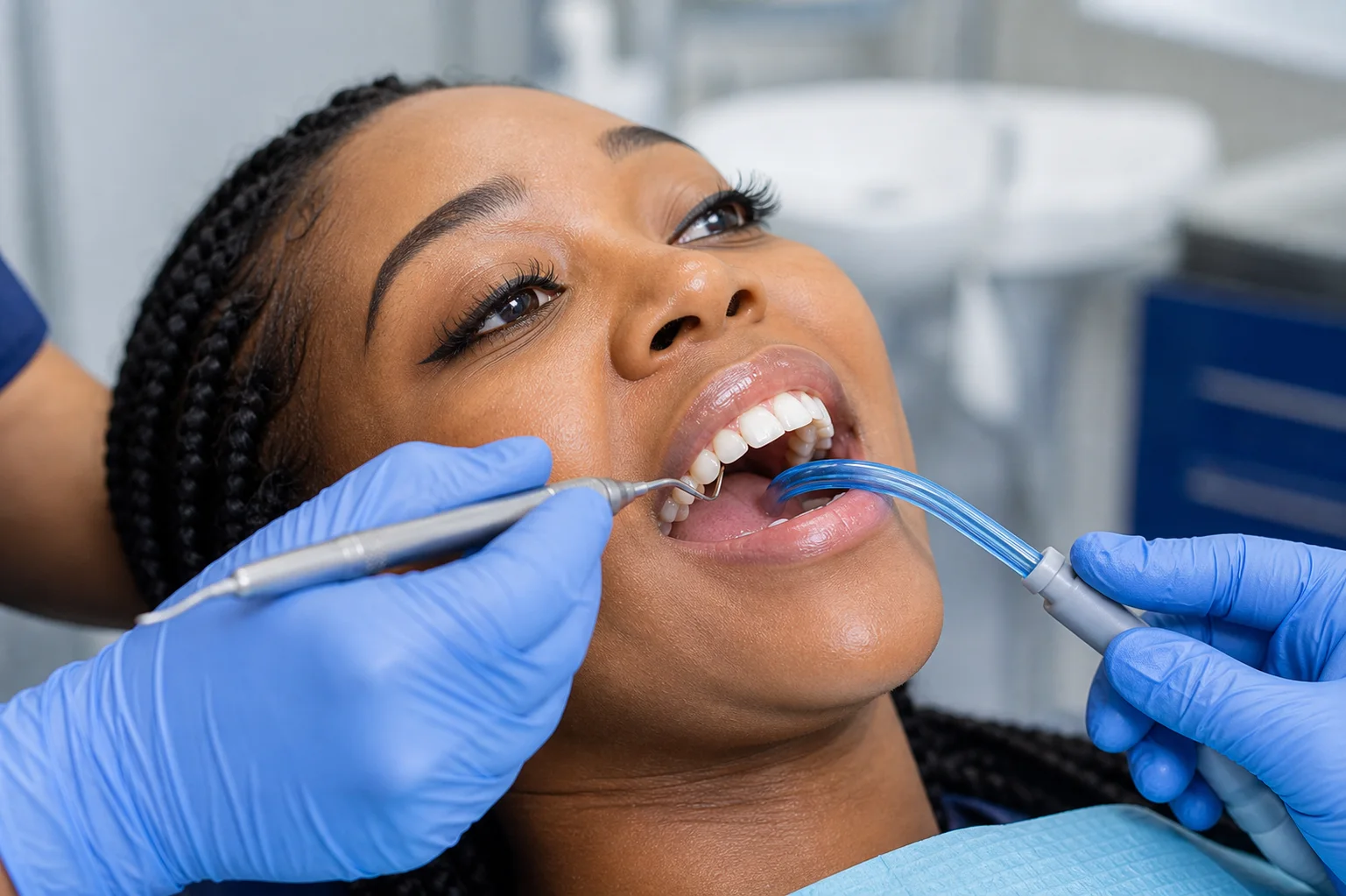
Composite bonding needs cleaning, polishing, and sensible habits to keep it looking good.
Composite can stain more readily than porcelain, especially with frequent coffee, tea, red wine, smoking, or poor plaque control. Routine polishing can refresh the surface. Patients should brush and floss carefully around the bonded edges so plaque does not collect at the margins.
Hard foods, ice chewing, nail biting, and using teeth as tools can chip bonding. If a small chip occurs, composite can often be repaired, but repeated breakage may indicate a bite problem or that the design is being overloaded.
Aftercare habits
Bonding and veneers can both improve tooth shape, but they suit different levels of change.
Bonding may be preferred for small repairs, trial changes, and conservative reshaping. Veneers may be considered when the patient wants broader changes in colour, symmetry, surface texture, or multiple teeth. The right choice depends on how much tooth structure needs to change and how the bite will load the result.
Smile On Dental can compare cost factors, maintenance, repairability, preparation, and aesthetics without implying that one option is always better. Permission-cleared real cases can be used when available to show differences, but the final recommendation should come from the patient’s own assessment.
Decision points
Composite bonding fees vary with the number of teeth, the size of each repair, and the level of cosmetic shaping required.
A small chip repair is different from rebuilding worn front edges or reshaping several teeth in the smile zone. Cost can be influenced by shade planning, whitening first, mock-ups, replacement of old bonding, bite adjustment, polishing appointments, and whether a night guard is recommended for grinding.
Smile On Dental can confirm the plan after checking enamel, bite contacts, gum health, and the patient’s cosmetic goals. This helps patients compare bonding with veneers or alignment without assuming that the least involved option is suitable for every case.
Pricing variables
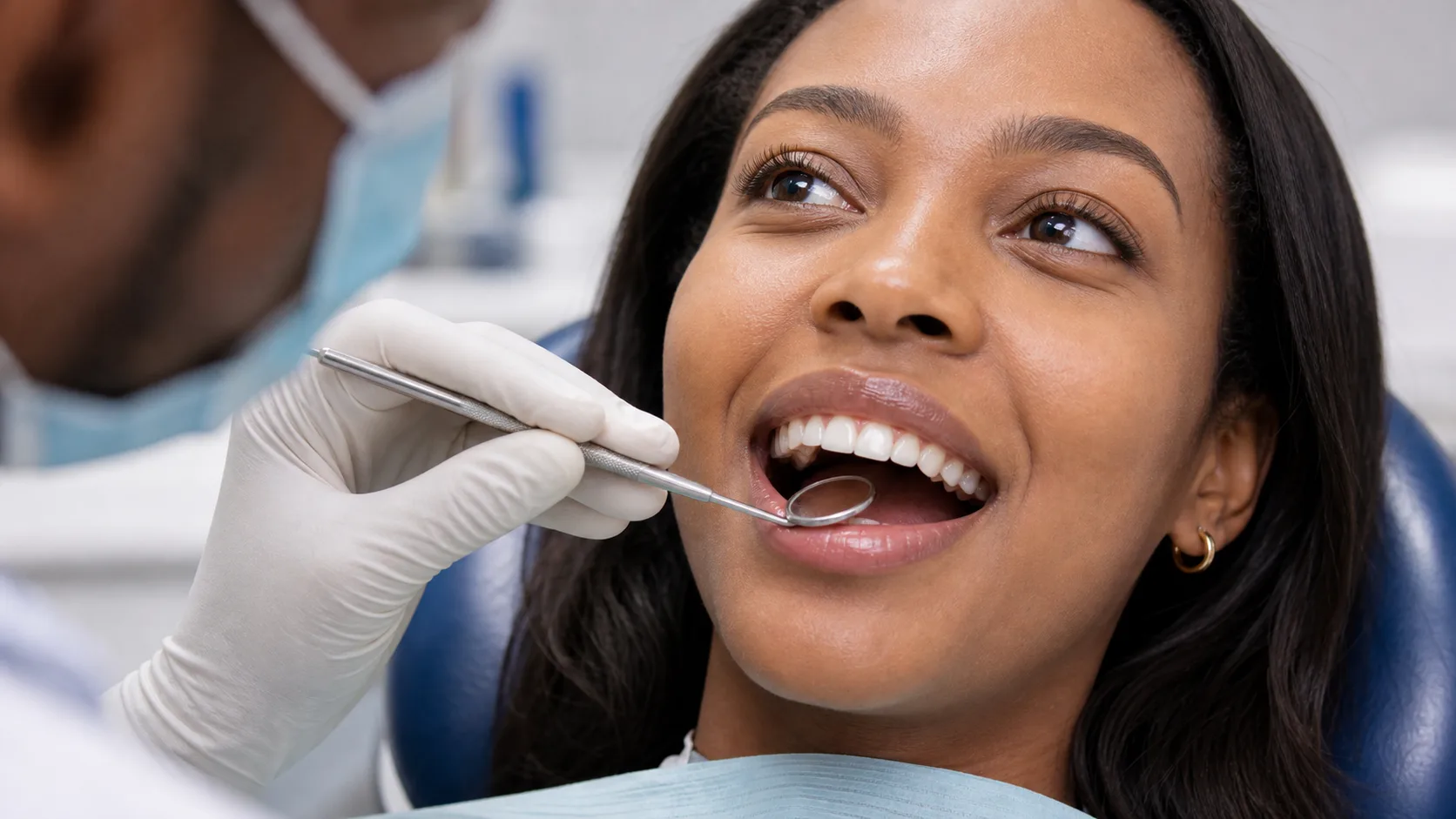
Composite bonding depends on detailed planning because small changes on front teeth are highly visible.
Smile On Dental can assess whether bonding is appropriate for the tooth structure, bite, and cosmetic concern before material is added. That includes checking whether whitening, alignment, replacement fillings, or bite management should happen first so the bonding is not overloaded or mismatched.
The practice can also review bonding over time, polish stained surfaces, repair small chips where suitable, and explain when repeated breakage suggests a different plan. The goal is a conservative result that looks natural and can be maintained.
Practice approach
Who It Helps
Treatment Journey
Often completed in one visit after suitability is confirmed.
You may come in with small chips, uneven edges, minor gaps, worn corners, or a tooth shape that affects your smile.
The dentist will ask when it started, what makes it better or worse, whether there is pain or sensitivity, and what you want the visit to help you solve.
What this first step covers
Before treatment starts, the dentist confirms what is actually going on.
The dentist checks enamel, bite, tooth colour, gum health, grinding signs, and whether bonding is strong enough for the area involved.
The dentist may then explain options such as Composite bonding, Whitening before bonding, Veneers or orthodontics if bonding will not solve the concern predictably, depending on what the examination shows.
What may be checked
Some treatments are completed in one appointment, while others need a separate visit.
If suitable, tooth-coloured resin is shaped directly on the tooth, hardened, refined, and polished so it blends with the smile.
A second visit may be needed if whitening, smile planning, multiple teeth, or bite concerns should be addressed first.
What you should know before leaving
The journey should end with you knowing how to protect the result.
A review or polish may be recommended if the bite needs refinement or if several teeth were bonded.
You are advised on staining, biting habits, cleaning, and when bonding may need polishing or repair.
Your home-care plan
Benefits
Suitability
Cosmetic Dentistry
Cosmetic treatment should be planned after checking tooth health, gum health, bite, existing restorations, shade goals, and long-term maintenance.
Suitability
The dentist considers symptoms, oral health, bite, medical history, expectations, and maintenance before recommending composite bonding.
Costs
Cost discussions are most useful after diagnosis because materials, complexity, visit count, and follow-up needs vary from patient to patient.
Appointment
Your dentist reviews your concern, oral health, and treatment goals before recommending next steps.
The team explains the likely process, timing, and care options in straightforward language.
Your treatment plan is shaped around comfort, function, appearance, and long-term oral health.
Costs & Aftercare
Before You Book
Mention whether you are booking for bonding, pain, appearance, function, prevention, or a second opinion.
At the Visit
Ask about diagnosis, options, number of visits, comfort, maintenance, and what could happen if treatment is delayed.
Aftercare
Your dentist will explain home care, review visits, and any symptoms that should be reported after treatment.
FAQs
The best starting point is a consultation. Your dentist will assess your teeth, gums, bite, symptoms, concerns, and smile goals before recommending a personalised treatment plan.
Yes. Use the Book an Appointment button to open the booking site and choose a convenient appointment time. You can also request a callback if you would prefer the practice team to contact you first.
Yes. You can request a callback if you prefer the practice team to contact you before booking. This can be helpful when you are unsure whether you need a routine visit, cosmetic consultation, orthodontic assessment, or urgent support.
Yes. Costs depend on the diagnosis, treatment complexity, materials, and number of visits required. Your dentist can explain the recommended next step before treatment begins.
Bring your identification, medical history, current medication details, previous dental information if available, and any questions you want to discuss with the dentist.
Book an assessment so the dentist can diagnose the cause before you choose a treatment. Pain or swelling may need urgent attention, X-rays, restorative care, or another clinical next step.
Related Treatments
Helpful Articles
 Cosmetic DentistryDental Veneers Cost in South Africa: What Changes the Price?9 min read
 Restorative DentistryCan a Chipped Tooth Be Repaired With Bonding or a Filling Instead of a Crown?10 min read
 Cosmetic DentistryWhitening Strips vs Professional Dentist Whitening: What Really Happens to Your Enamel, Gums, and Existing Fillings8 min read
Locations
City Treatment Pages
Clinical Leadership

Dr. Kholofelo Machaba-Selatole leads Smile On Dental & Aesthetic Studio with a warm, patient-focused approach to family, restorative, cosmetic, and orthodontic care.
60+ five-star patient reviews across Pretoria and Polokwane.
"Customer care is superb, very friendly front desk staff. I'm happy to have gained my confidence back."

Polokwane
"From reception right into the doctor's consultation room it was all smiley faces that welcomed us."

Polokwane
"The best dental service I have seen in Pretoria, cannot wait for my next appointment."

Pretoria
"Customer care is superb, very friendly front desk staff. I'm happy to have gained my confidence back."
Polokwane
"From reception right into the doctor's consultation room it was all smiley faces that welcomed us."
Polokwane
"The best dental service I have seen in Pretoria, cannot wait for my next appointment."
Pretoria
Book a Consultation