First Step
Consultation
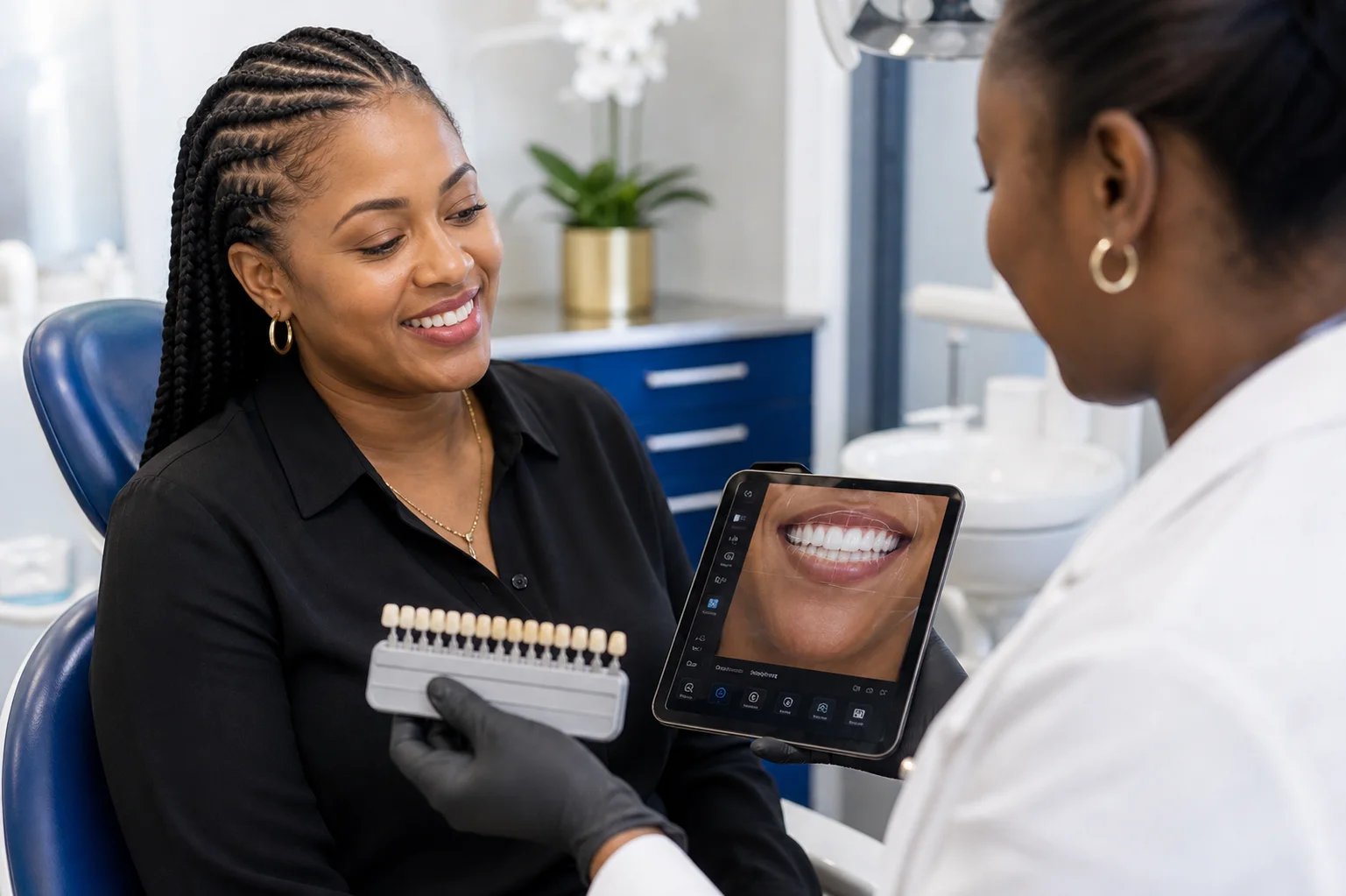
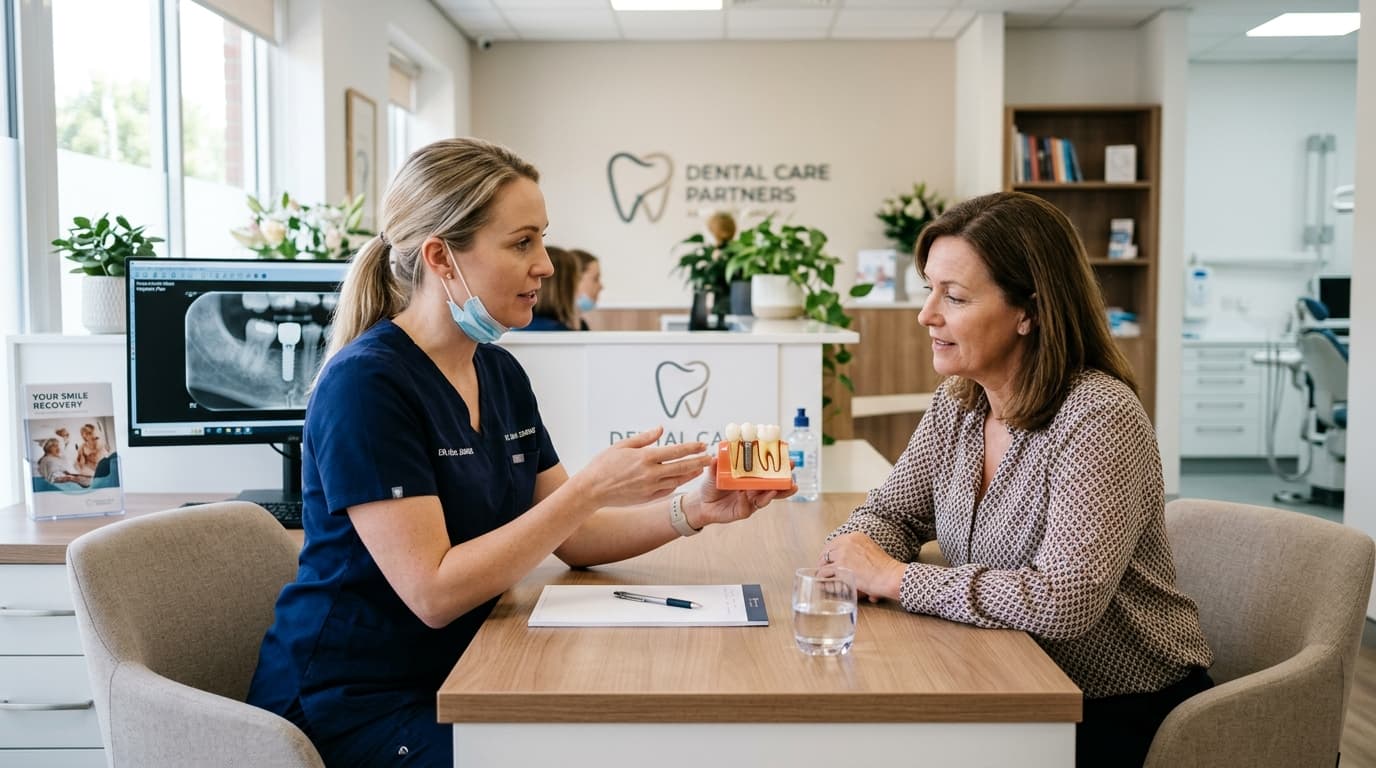
The dentist checks your concern and confirms whether this treatment is suitable before care begins.
Cosmetic Dentistry
Book Dental Veneers with Smile On Dental. Start with an assessment, understand your options, and get clear next steps before treatment begins.
Quick Summary
First Step
The dentist checks your concern and confirms whether this treatment is suitable before care begins.
Best For
Suitability depends on oral health, symptoms, goals, and clinical findings.
Planning
Timing, visits, cost factors, and aftercare are explained after the assessment.
Branch Access
Use the location section to choose the branch that is easiest for you to attend consistently.
Overview
Treatment Introduction
Veneers can be considered when patients want to improve visible teeth as part of a cosmetic smile plan. The process is planned around tooth condition, face shape, smile goals, and long-term maintenance.
Decision Support
Smile On Dental uses the visit to understand your symptoms, goals, oral health, and expectations before recommending a suitable treatment plan.
Visual Guide

Treatment Guide
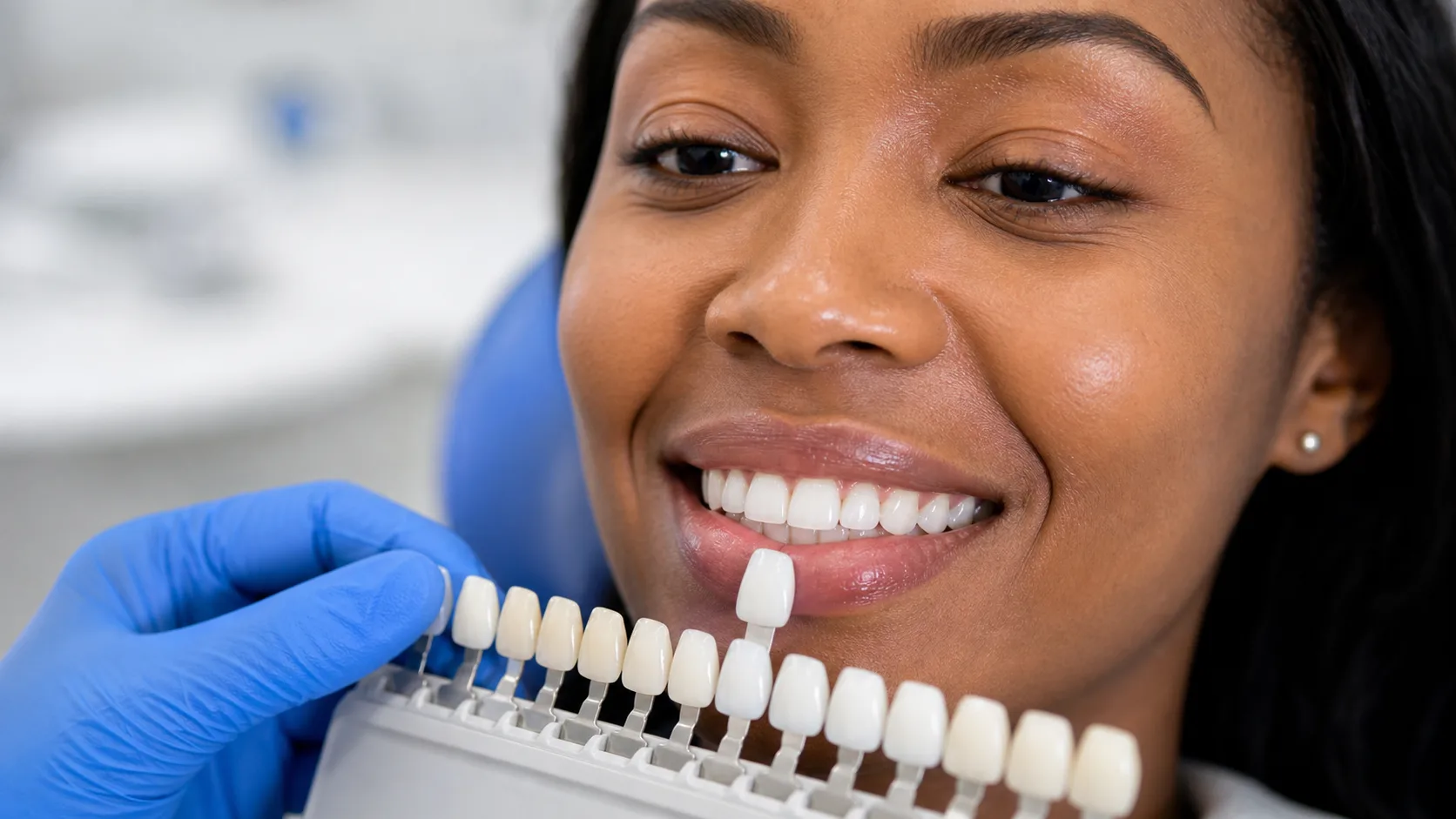
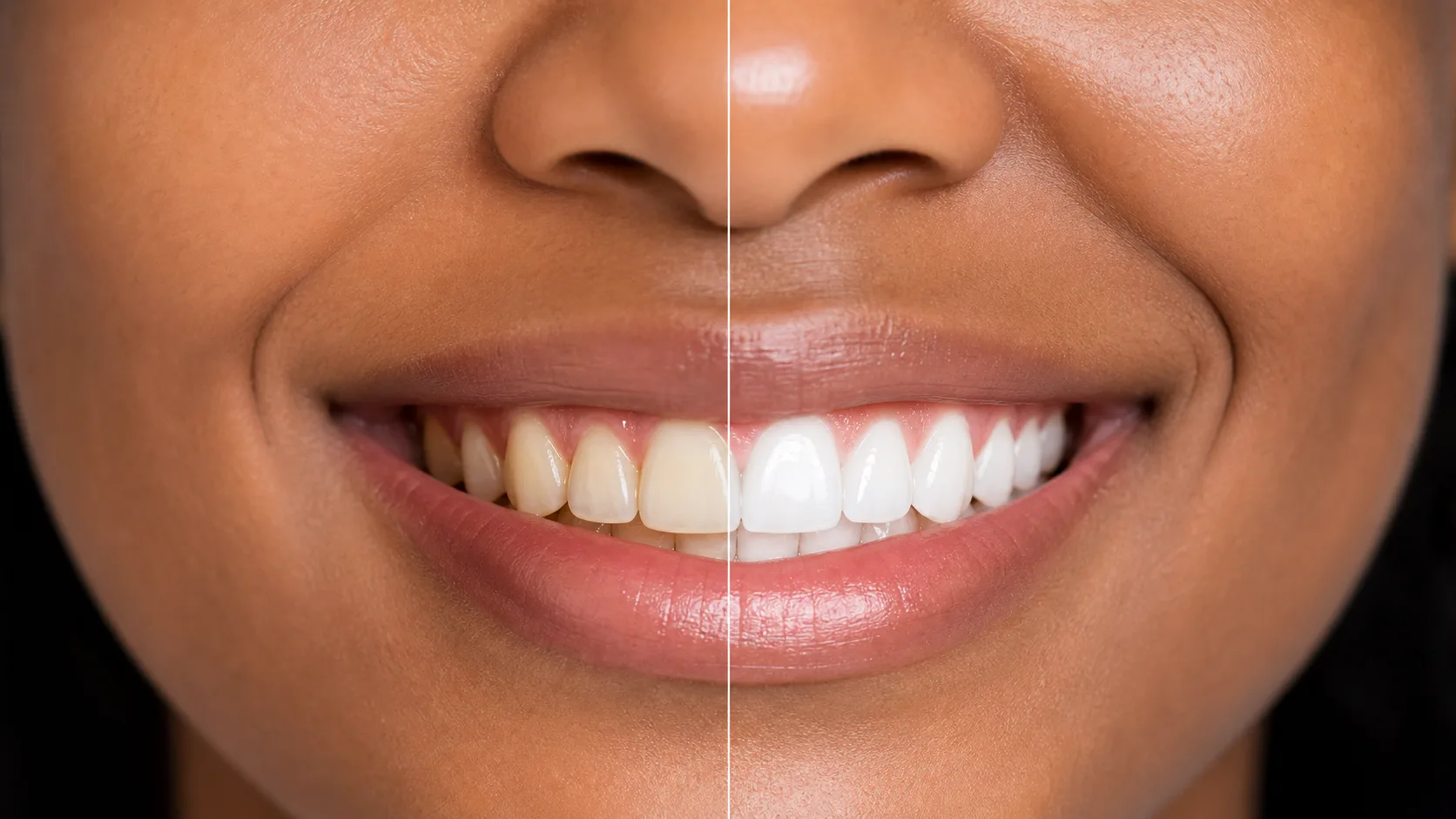
Veneers can change the front surface of teeth, but they need careful assessment before any preparation is considered.
A veneer may be used to improve shape, colour, minor spacing, worn edges, small chips, or proportions in the smile zone. Suitability depends on enamel, bite forces, tooth position, gum health, existing restorations, and how much change the patient wants. Veneers are not the right solution for every cosmetic concern.
Smile On Dental can compare veneers with whitening, bonding, aligners, crowns, or no treatment. This matters because a conservative option may achieve the goal with less tooth alteration, while a more involved veneer plan may be appropriate for broader changes.
Suitability checks
Veneer plans may involve porcelain or composite, and each material has different strengths.
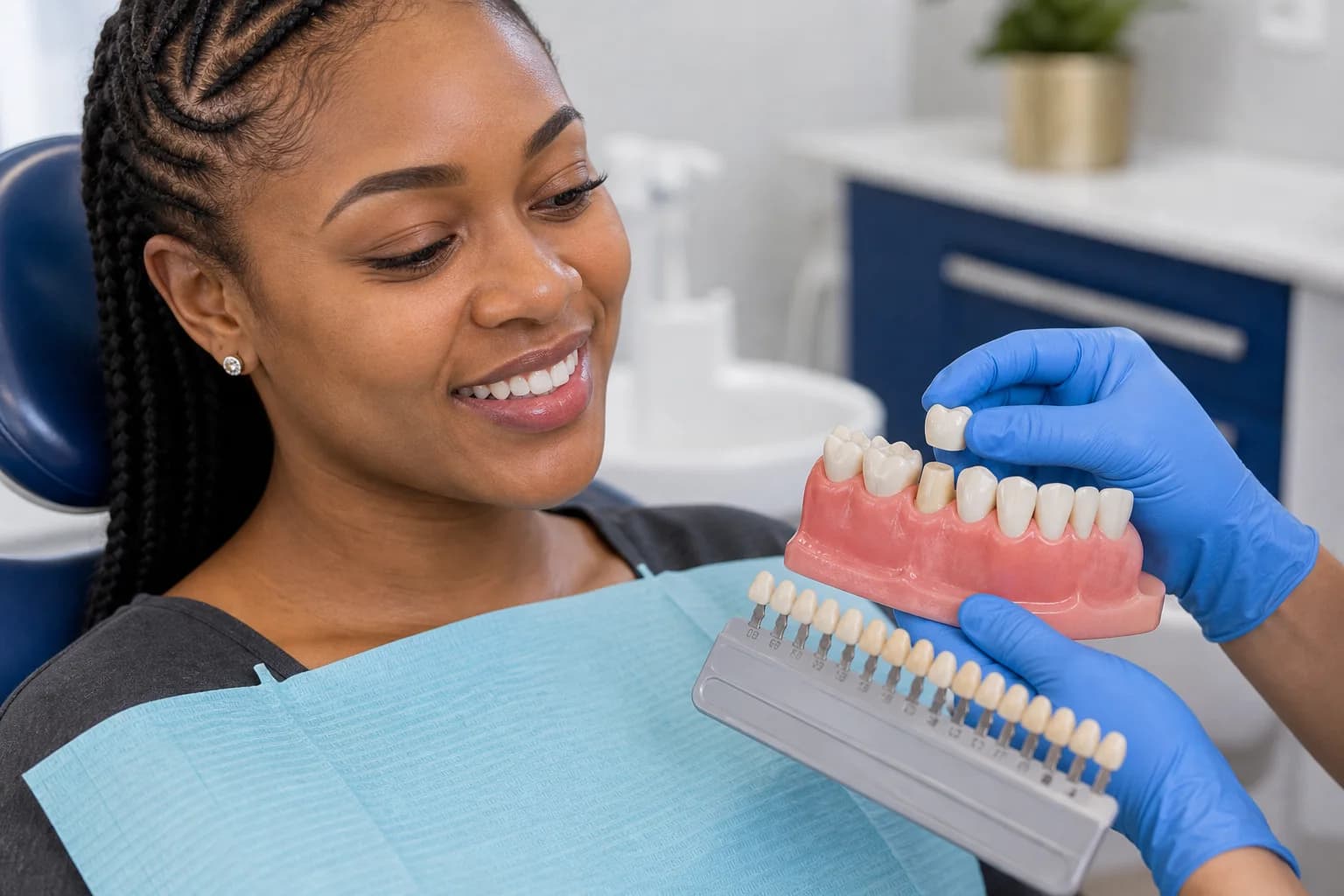
Porcelain veneers are made outside the mouth and bonded to the teeth. They can offer strong colour stability and refined surface texture when the case is suitable. They usually require more planning and laboratory work. Composite veneers are shaped directly or indirectly with tooth-coloured resin and can be more repairable.
The decision should consider appearance goals, budget factors, tooth structure, maintenance, repair expectations, and bite forces. Neither material is maintenance-free. Both need healthy gums, careful cleaning, and sensible habits to reduce staining, chipping, or margin problems.
Material comparison
Natural veneers are designed around the face, lips, gums, and neighbouring teeth.
Shape planning considers tooth length, width, midline, smile curve, gum display, and how the teeth appear during speech and smiling. A veneer that looks bright in isolation can look artificial if the proportions do not match the patient’s face. Subtle details often make the result feel believable.
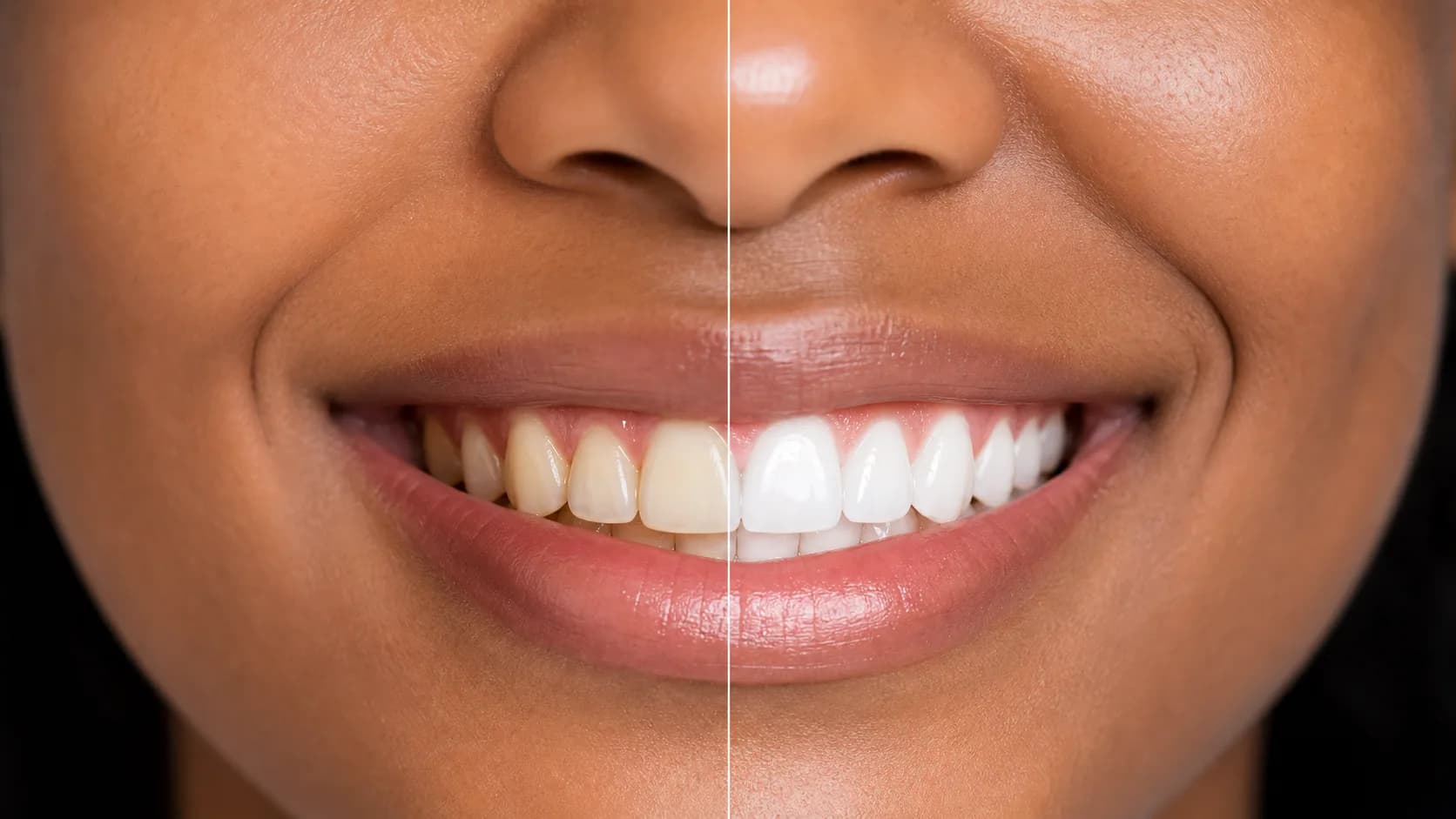
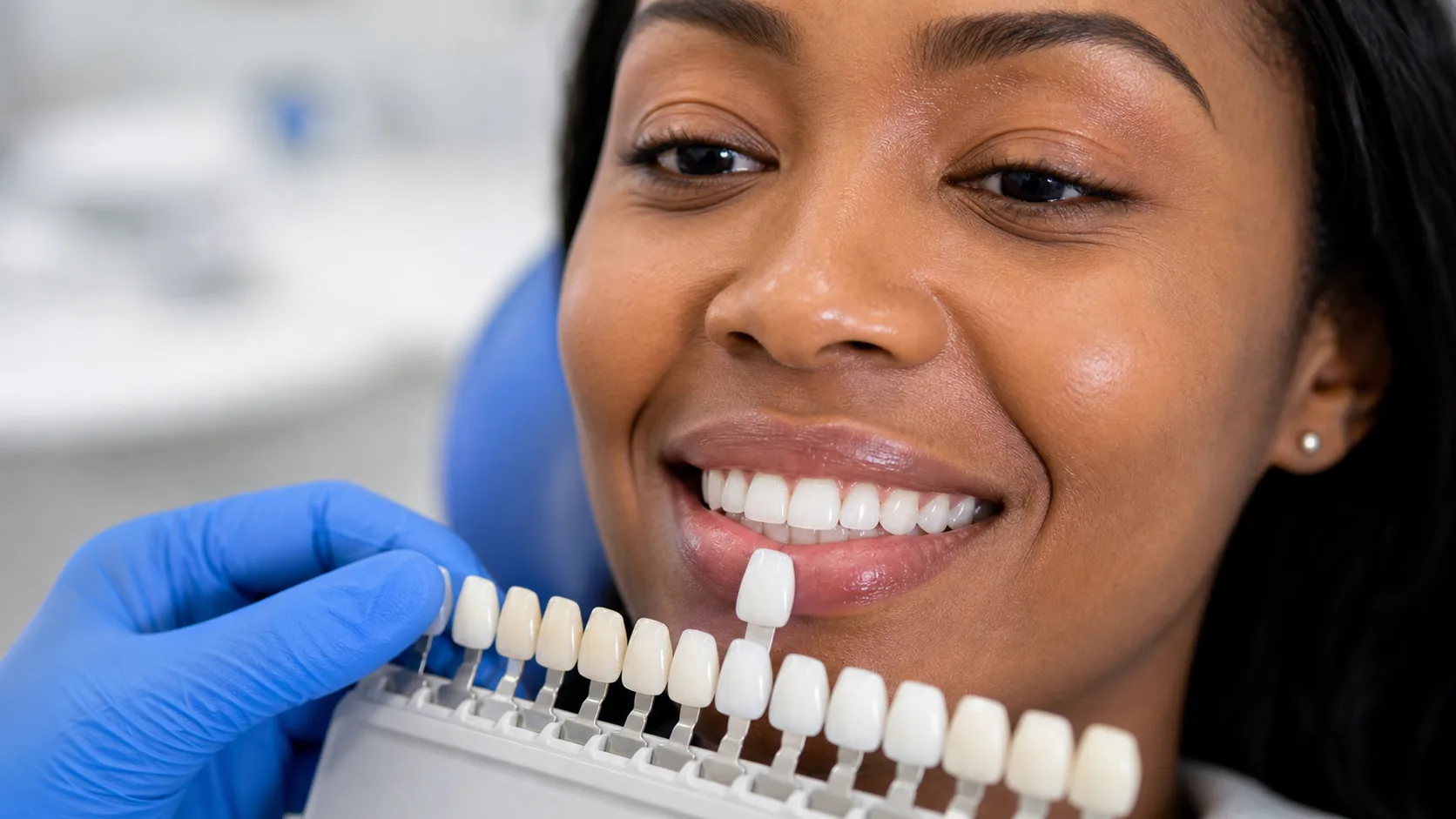
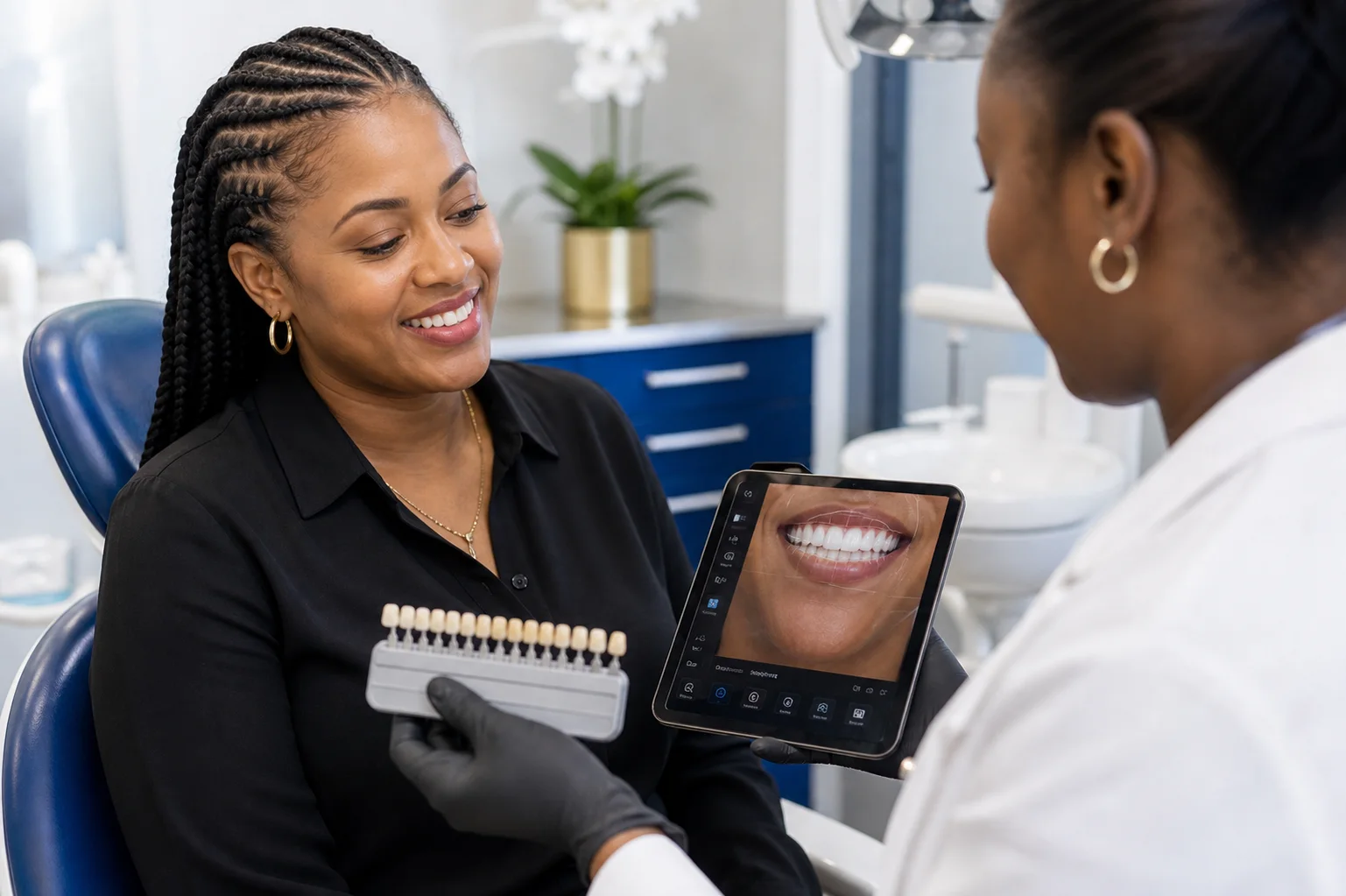
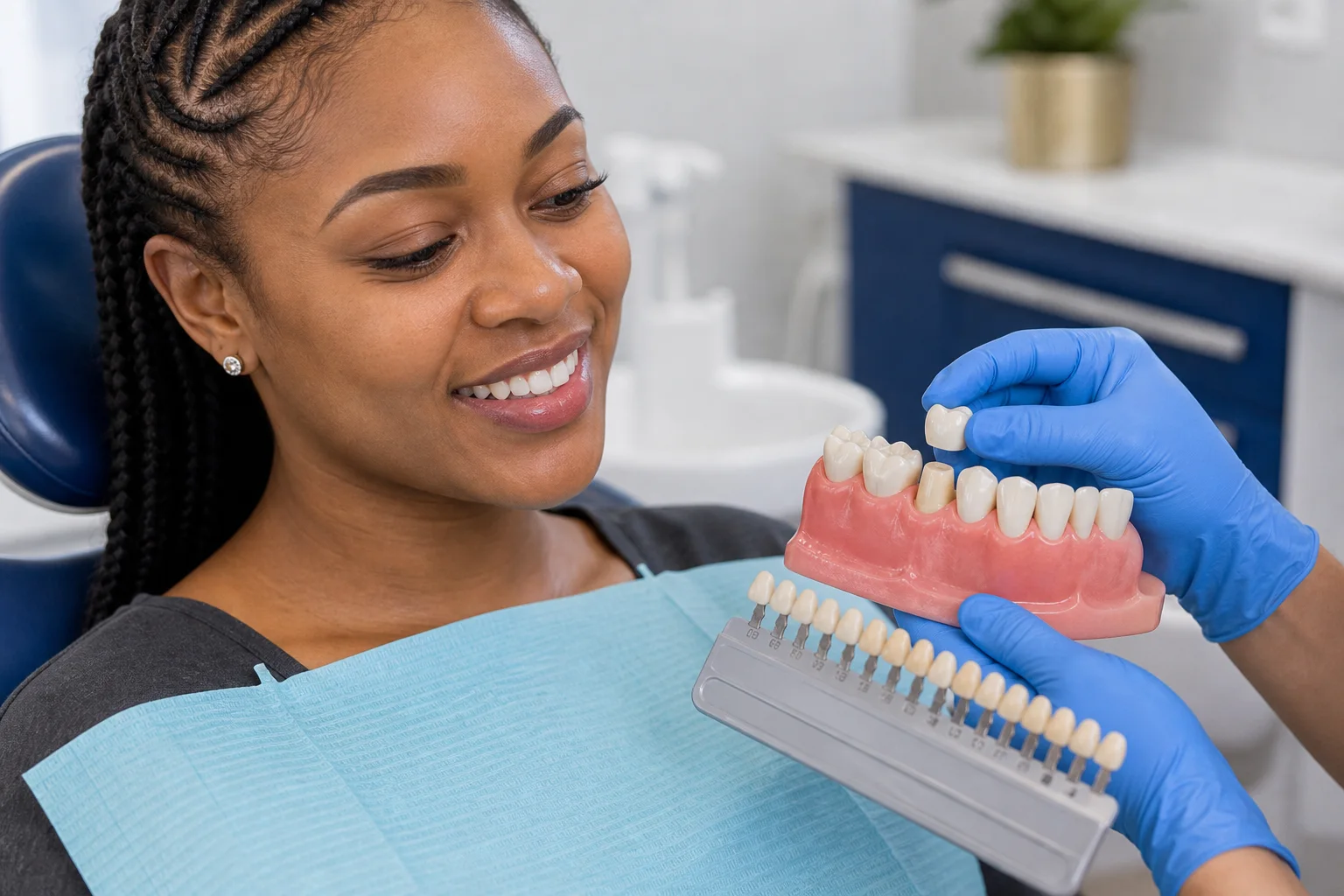
Shade planning is equally important. If whitening is desired, it may need to happen before veneer shade selection. The dentist can also discuss whether visible lower teeth, old fillings, or adjacent crowns will affect the final appearance.
Design details
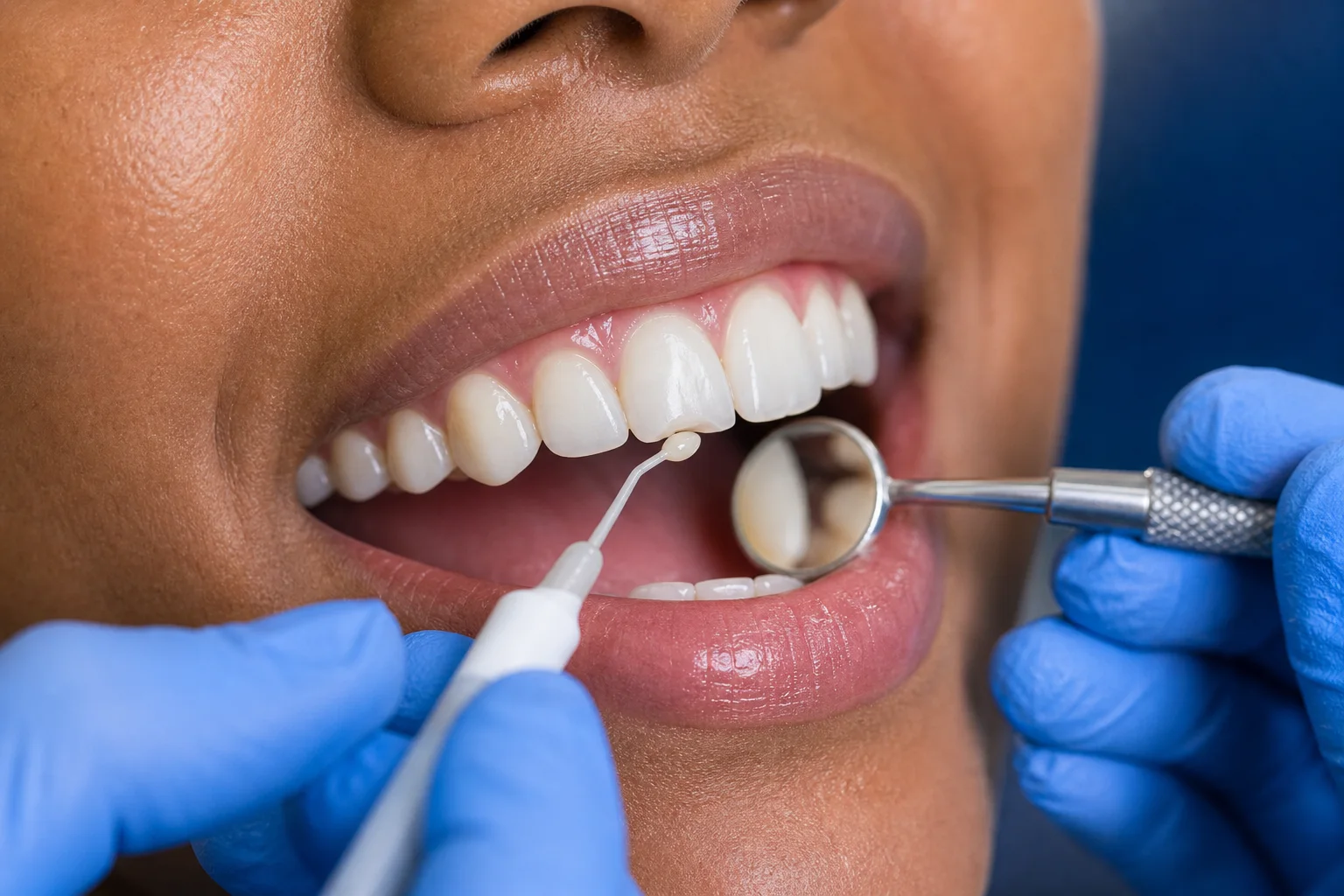
Veneer preparation depends on the tooth position and the amount of change required.
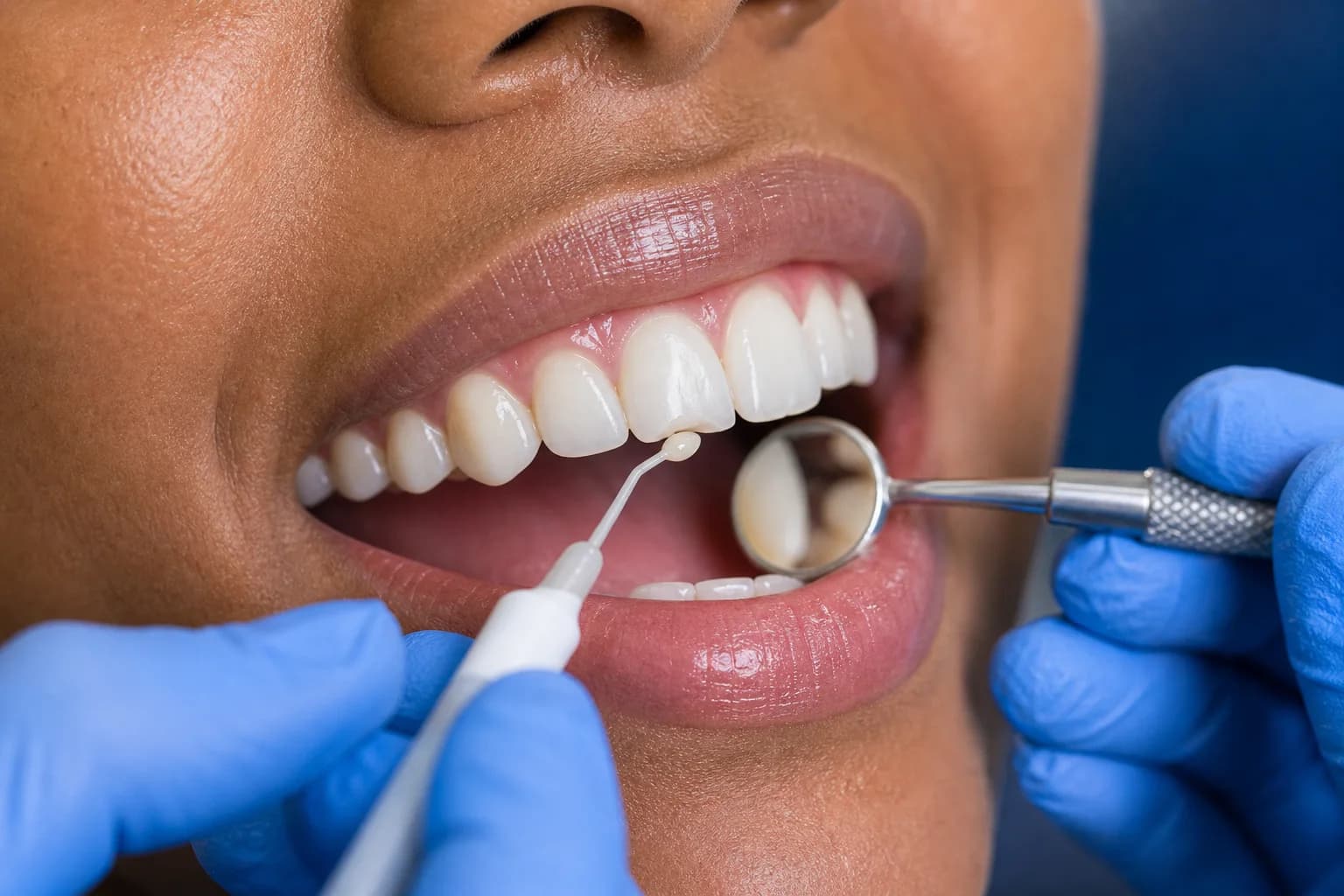
Some cases need minimal preparation, while others require more reshaping to create space for the veneer and correct proportions. The dentist should explain what is being changed and why. Tooth structure should be respected because veneers are a long-term commitment.
When laboratory-made veneers are planned, temporary veneers may be used while the final restorations are made. Temporaries help protect the prepared teeth and preview the planned shape, but they are not as strong as the final veneers and need careful eating and cleaning.
Procedure points
Veneers need a bite that will not overload the edges or bonding surfaces.
Patients who grind, clench, bite nails, chew pens, or have edge-to-edge tooth contact may place extra stress on veneers. This does not always rule veneers out, but it changes planning and aftercare. A night guard or bite management may be discussed if clinically appropriate.
Ignoring bite forces can lead to chips, debonding, cracks, or sensitivity. Smile On Dental can check how the front teeth meet during biting and side movements so the veneer design supports function as well as appearance.
Risk factors
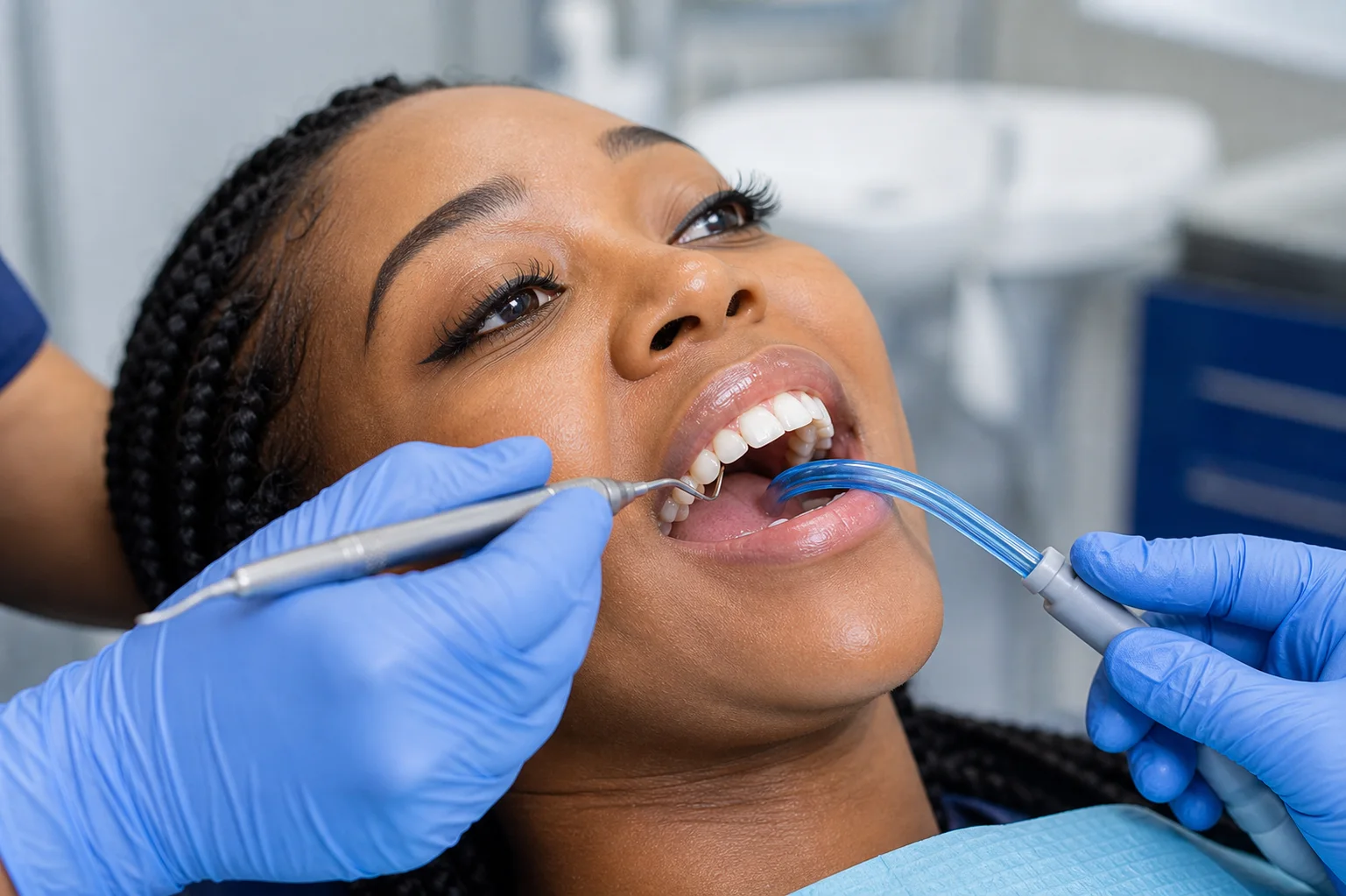
Veneers need routine care even when they look smooth and polished.
Patients should brush and floss around veneers as they would natural teeth, paying attention to the gumline. Professional maintenance helps monitor margins, gum health, staining, chips, and bite changes. Veneers do not prevent decay in the underlying tooth if plaque is left around the edges.
Habits also matter. Biting hard objects, using teeth as tools, and skipping a recommended night guard can shorten the life of cosmetic work. Maintenance visits give the dentist a chance to polish, repair, or intervene early where possible.
Care routine
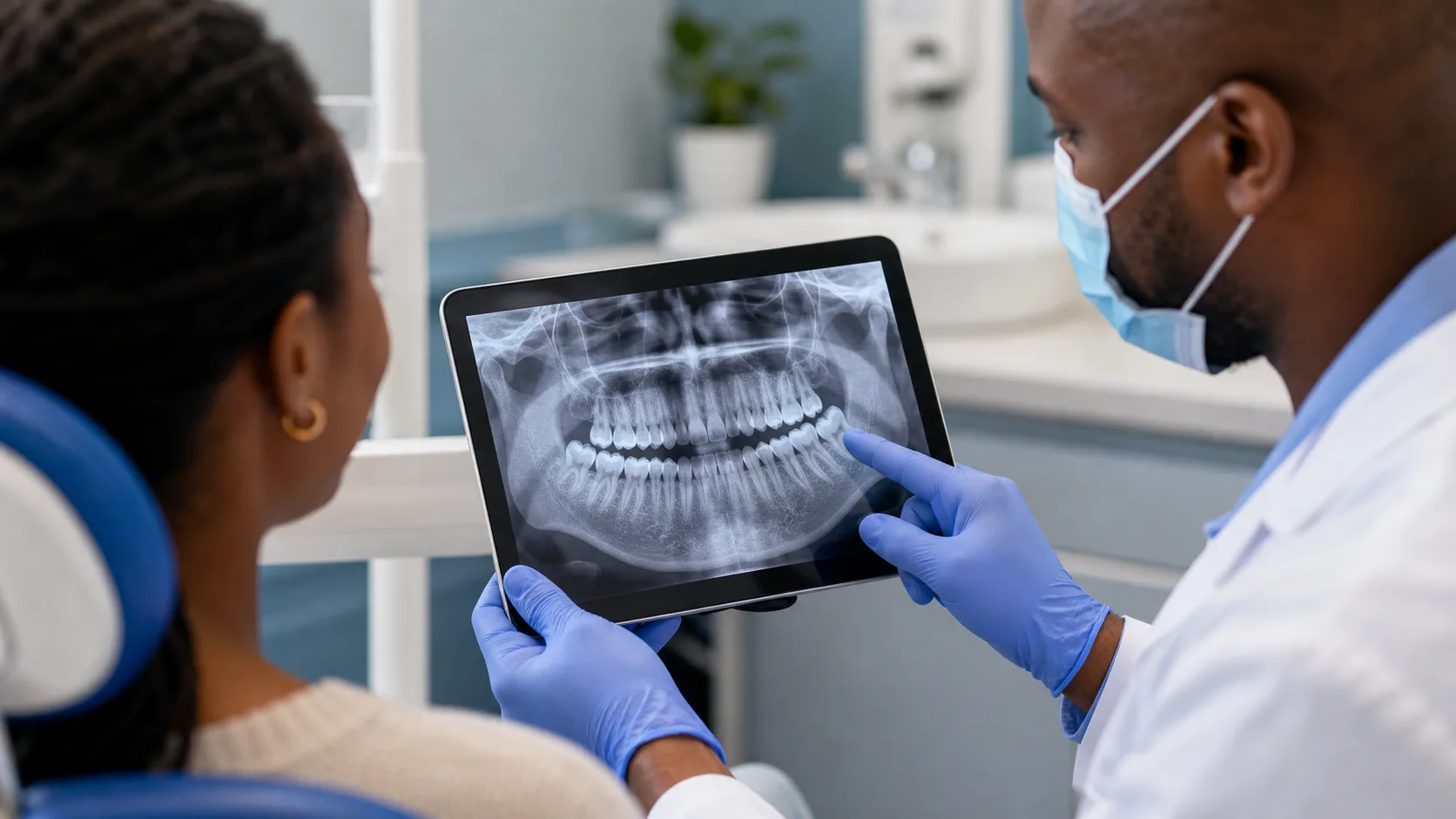
Veneer costs depend on the number of teeth, material choice, planning needs, and the condition of the mouth before treatment.
A single veneer to restore one visible tooth is different from a broader smile-zone plan involving several teeth. Fees can be influenced by porcelain or composite material, laboratory involvement, mock-ups, temporary veneers, gum treatment, whitening, bite management, and replacement of old restorations.
Smile On Dental can discuss cost factors after assessing enamel, bite, gum health, shade goals, and how much change is realistic. The plan should make clear what is included, what maintenance may be needed, and whether a more conservative option could meet the patient’s goals.
Pricing variables
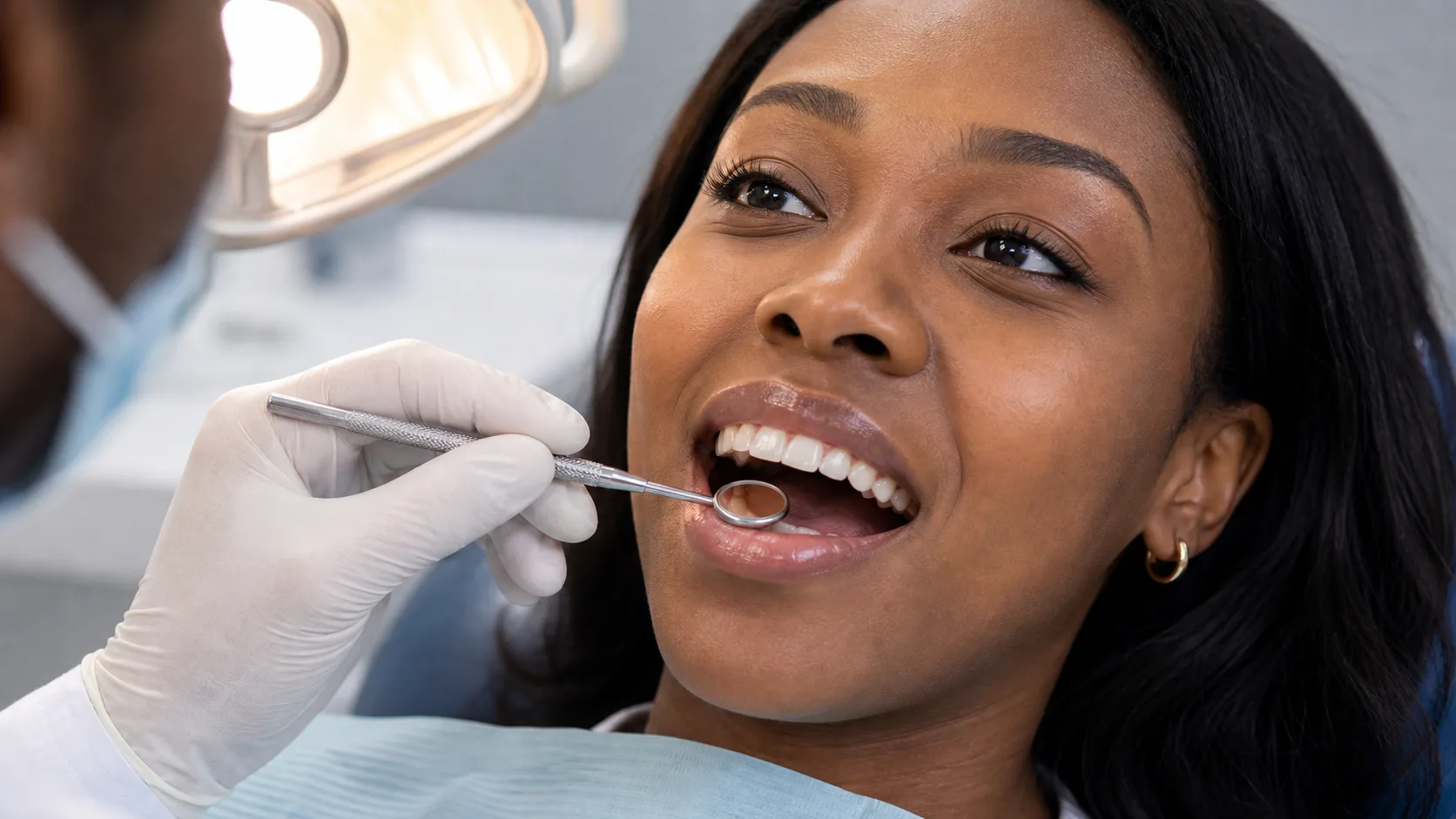
Veneers can create a significant cosmetic change, but the plan must stay realistic and tooth-led.
A patient’s starting point affects what veneers can achieve. Tooth position, gum levels, enamel defects, previous restorations, and bite limitations all influence the final plan. In some cases, orthodontics or gum treatment before veneers creates a better and more conservative result.
Permission-cleared real cases can be used when available to show planning principles, but they should not be treated as a guarantee. Smile On Dental can help patients choose a veneer plan that looks natural, protects oral health, and has a clear maintenance pathway.
Outcome planning
Who It Helps
Treatment Journey
Usually a planned cosmetic journey over more than one visit.
You may come in because front teeth look worn, uneven, discoloured, chipped, spaced, or out of proportion with the rest of your smile.
The dentist uses this first conversation to understand what you want fixed, what is urgent, what has changed recently, and what result would feel useful to you.
What the dentist may ask
The plan is based on diagnosis first, not a one-size-fits-all recommendation.
The dentist checks enamel, bite, gum line, smile symmetry, tooth position, existing fillings, and whether whitening or alignment should happen before veneers.
The suitable options may include Composite or porcelain veneers, Whitening or bonding before committing to veneers, Orthodontic alignment if tooth position affects the result. The dentist explains why one route may be more predictable than another for your mouth.
What is decided here
Some dental work needs more than one appointment because records, healing, lab work, or careful fitting are involved.
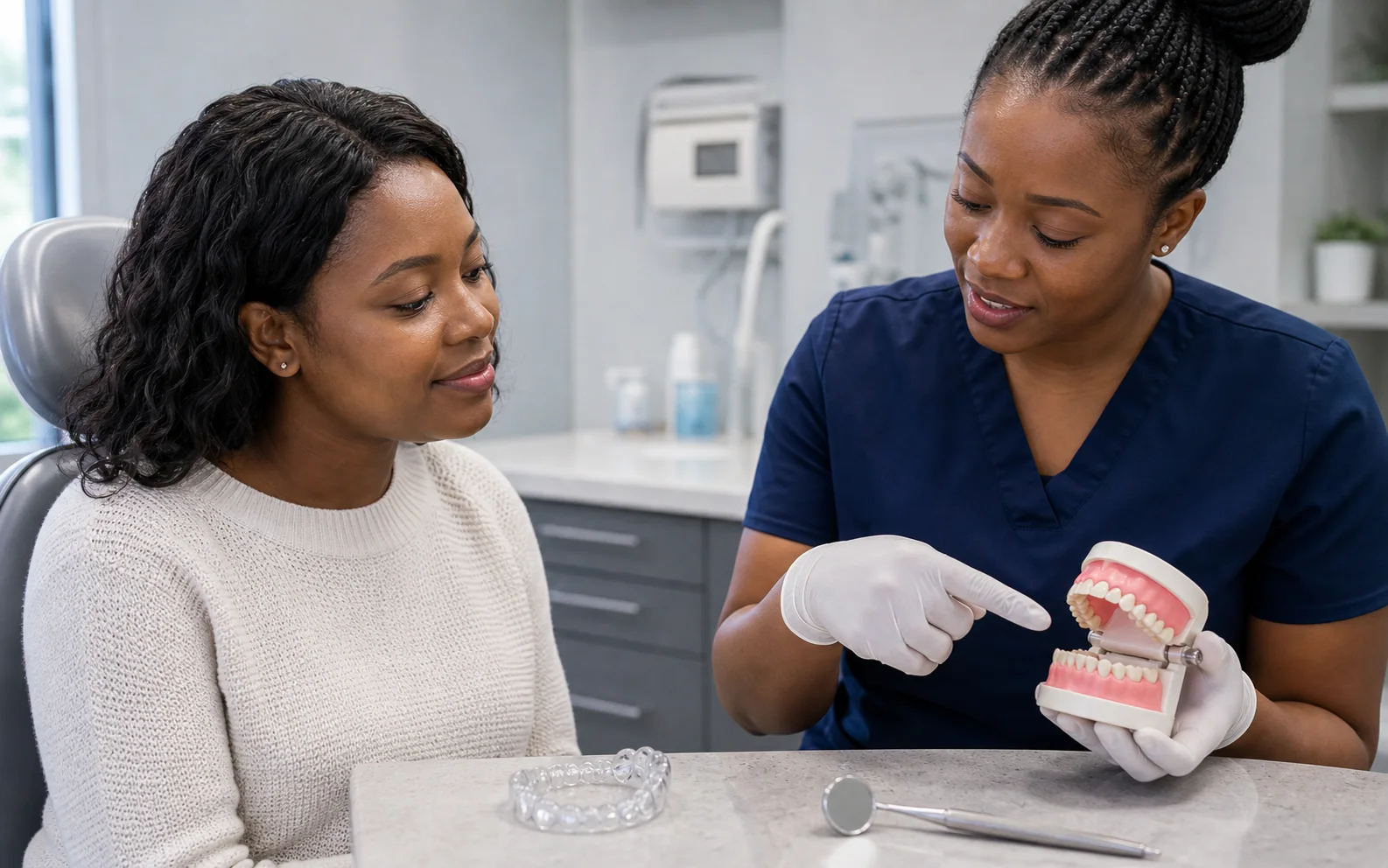
Veneer planning is careful because the result needs to look natural and last. The dentist discusses shade, shape, preparation needs, and how many teeth should be involved.
A second visit is expected when lab-made veneers, mock-ups, or detailed cosmetic planning are part of the case.
Planning details
The final part of the journey is making sure the result works in daily life.
Further visits may include records, preparation, temporary restorations, fitting, bite checks, and maintenance reviews.
You are advised on cleaning around veneers, avoiding habits that chip edges, and whether a night guard is needed to protect the work.
Aftercare focus
Benefits
Suitability
Cosmetic Dentistry
Cosmetic treatment should be planned after checking tooth health, gum health, bite, existing restorations, shade goals, and long-term maintenance.
Suitability
The dentist considers symptoms, oral health, bite, medical history, expectations, and maintenance before recommending veneers.
Costs
Cost discussions are most useful after diagnosis because materials, complexity, visit count, and follow-up needs vary from patient to patient.
Appointment
Your dentist reviews your concern, oral health, and treatment goals before recommending next steps.
The team explains the likely process, timing, and care options in straightforward language.
Your treatment plan is shaped around comfort, function, appearance, and long-term oral health.
Costs & Aftercare
Before You Book
Mention whether you are booking for veneers, pain, appearance, function, prevention, or a second opinion.
At the Visit
Ask about diagnosis, options, number of visits, comfort, maintenance, and what could happen if treatment is delayed.
Aftercare
Your dentist will explain home care, review visits, and any symptoms that should be reported after treatment.
FAQs
The best starting point is a consultation. Your dentist will assess your teeth, gums, bite, symptoms, concerns, and smile goals before recommending a personalised treatment plan.
Yes. Use the Book an Appointment button to open the booking site and choose a convenient appointment time. You can also request a callback if you would prefer the practice team to contact you first.
Yes. You can request a callback if you prefer the practice team to contact you before booking. This can be helpful when you are unsure whether you need a routine visit, cosmetic consultation, orthodontic assessment, or urgent support.
Yes. Costs depend on the diagnosis, treatment complexity, materials, and number of visits required. Your dentist can explain the recommended next step before treatment begins.
Bring your identification, medical history, current medication details, previous dental information if available, and any questions you want to discuss with the dentist.
Book an assessment so the dentist can diagnose the cause before you choose a treatment. Pain or swelling may need urgent attention, X-rays, restorative care, or another clinical next step.
Related Treatments
Helpful Articles
Locations
Clinical Leadership

Dr. Kholofelo Machaba-Selatole leads Smile On Dental & Aesthetic Studio with a warm, patient-focused approach to family, restorative, cosmetic, and orthodontic care.
60+ five-star patient reviews across Pretoria and Polokwane.
"Customer care is superb, very friendly front desk staff. I'm happy to have gained my confidence back."

Polokwane
"From reception right into the doctor's consultation room it was all smiley faces that welcomed us."

Polokwane
"The best dental service I have seen in Pretoria, cannot wait for my next appointment."

Pretoria
"Customer care is superb, very friendly front desk staff. I'm happy to have gained my confidence back."
Polokwane
"From reception right into the doctor's consultation room it was all smiley faces that welcomed us."
Polokwane
"The best dental service I have seen in Pretoria, cannot wait for my next appointment."
Pretoria
Book a Consultation