First Step
Consultation
The dentist checks your concern and confirms whether this treatment is suitable before care begins.
Restorative Dentistry
Book Tooth Decay Treatment with Smile On Dental. Start with an assessment, understand your options, and get clear next steps before treatment begins.
Quick Summary
First Step
The dentist checks your concern and confirms whether this treatment is suitable before care begins.
Best For
Suitability depends on oral health, symptoms, goals, and clinical findings.
Planning
Timing, visits, cost factors, and aftercare are explained after the assessment.
Branch Access
Use the location section to choose the branch that is easiest for you to attend consistently.
Overview
Treatment Introduction
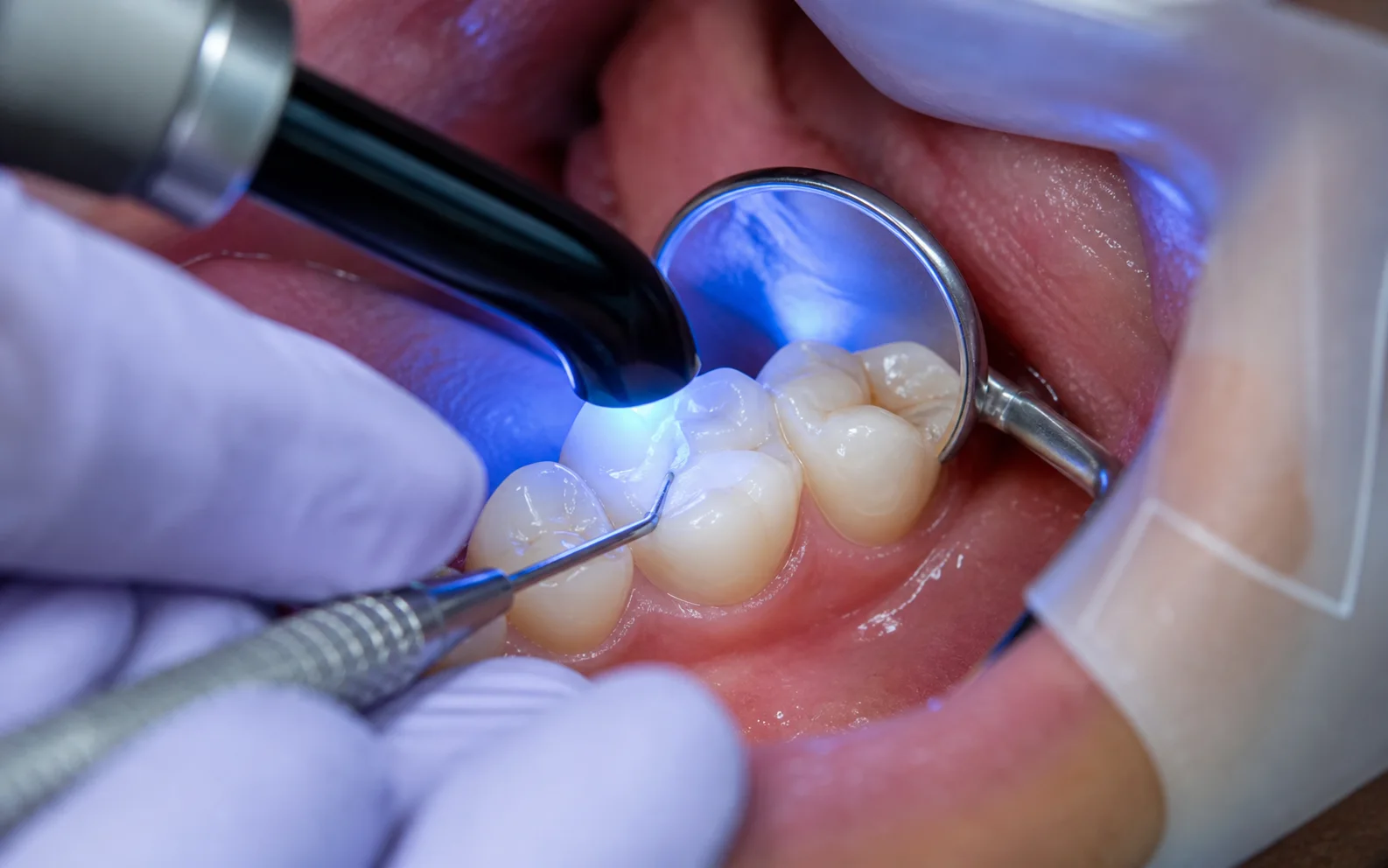
Tooth decay treatment starts by checking how far the decay has progressed and whether the tooth can be protected with prevention, restored with a filling, or needs more involved care such as a crown or root canal treatment.
Decision Support
Smile On Dental uses the visit to understand your symptoms, goals, oral health, and expectations before recommending a suitable treatment plan.
Visual Guide
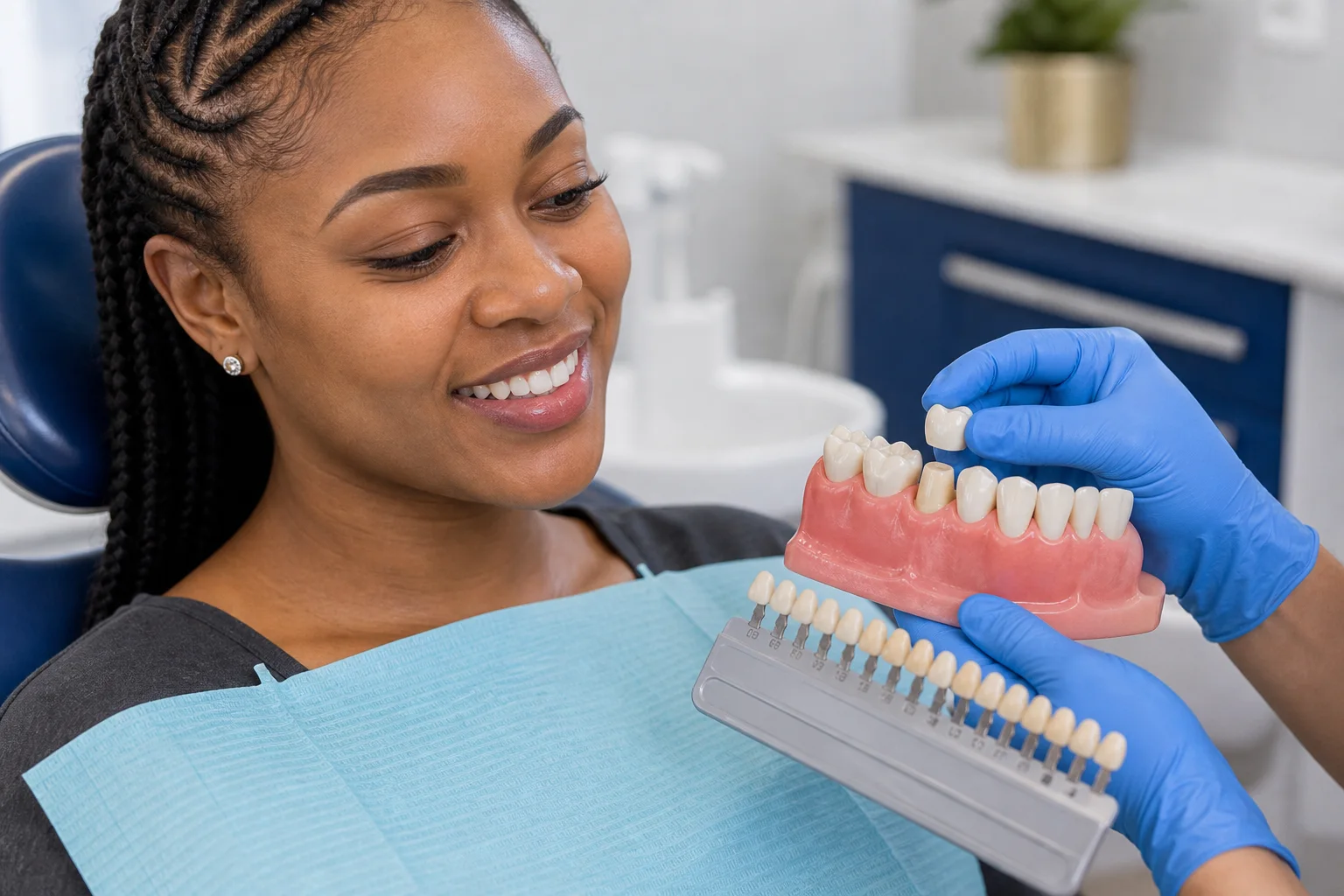
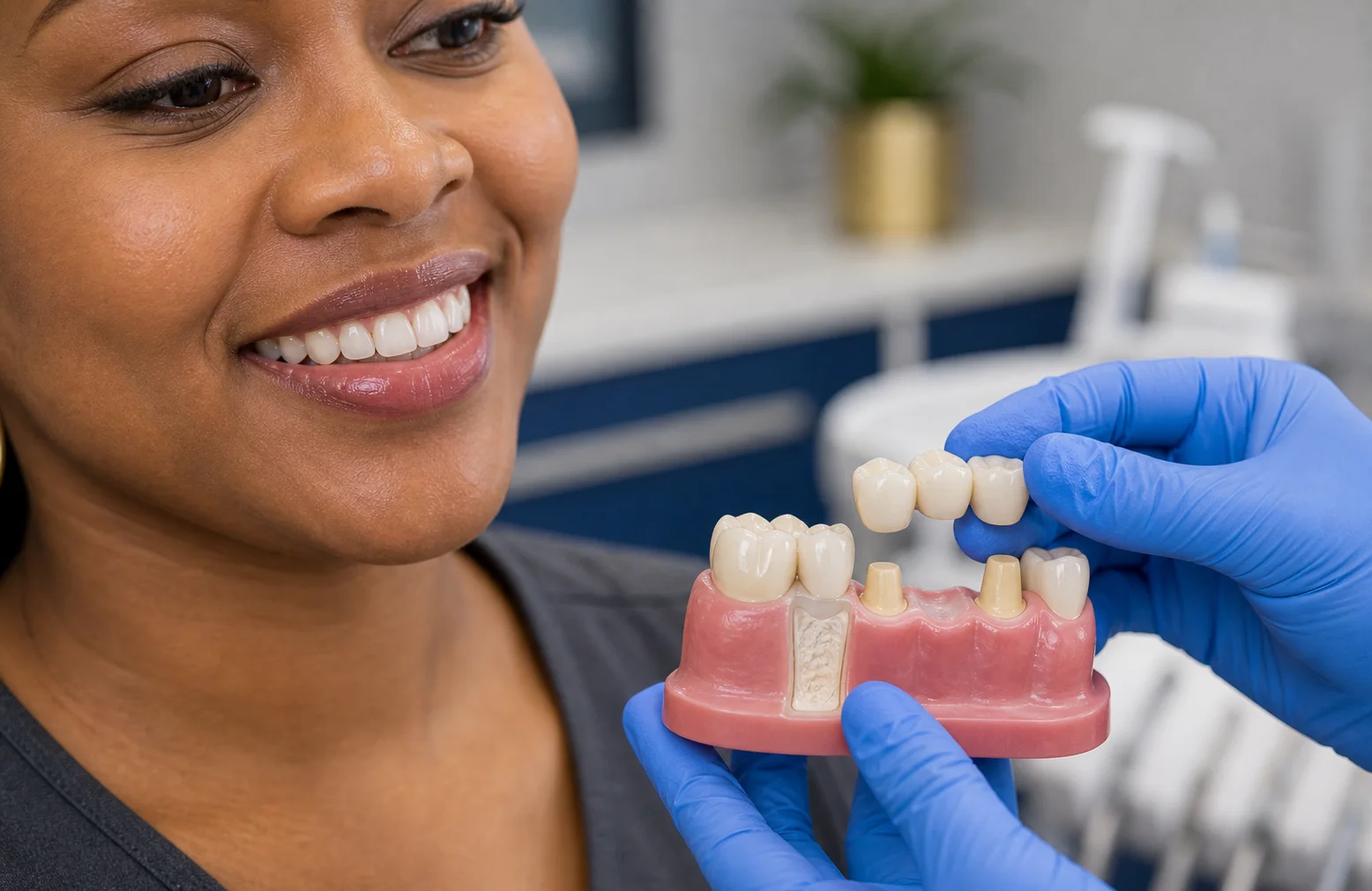
Treatment Guide
Tooth decay happens when bacteria, plaque, food habits, and time weaken tooth structure until a cavity or soft area develops.
Decay does not always hurt at the beginning. A tooth may first show a dark mark, a chalky white patch, roughness, food trapping, floss shredding, or mild sensitivity. By the time pain is constant, the cavity may be deeper and closer to the nerve.
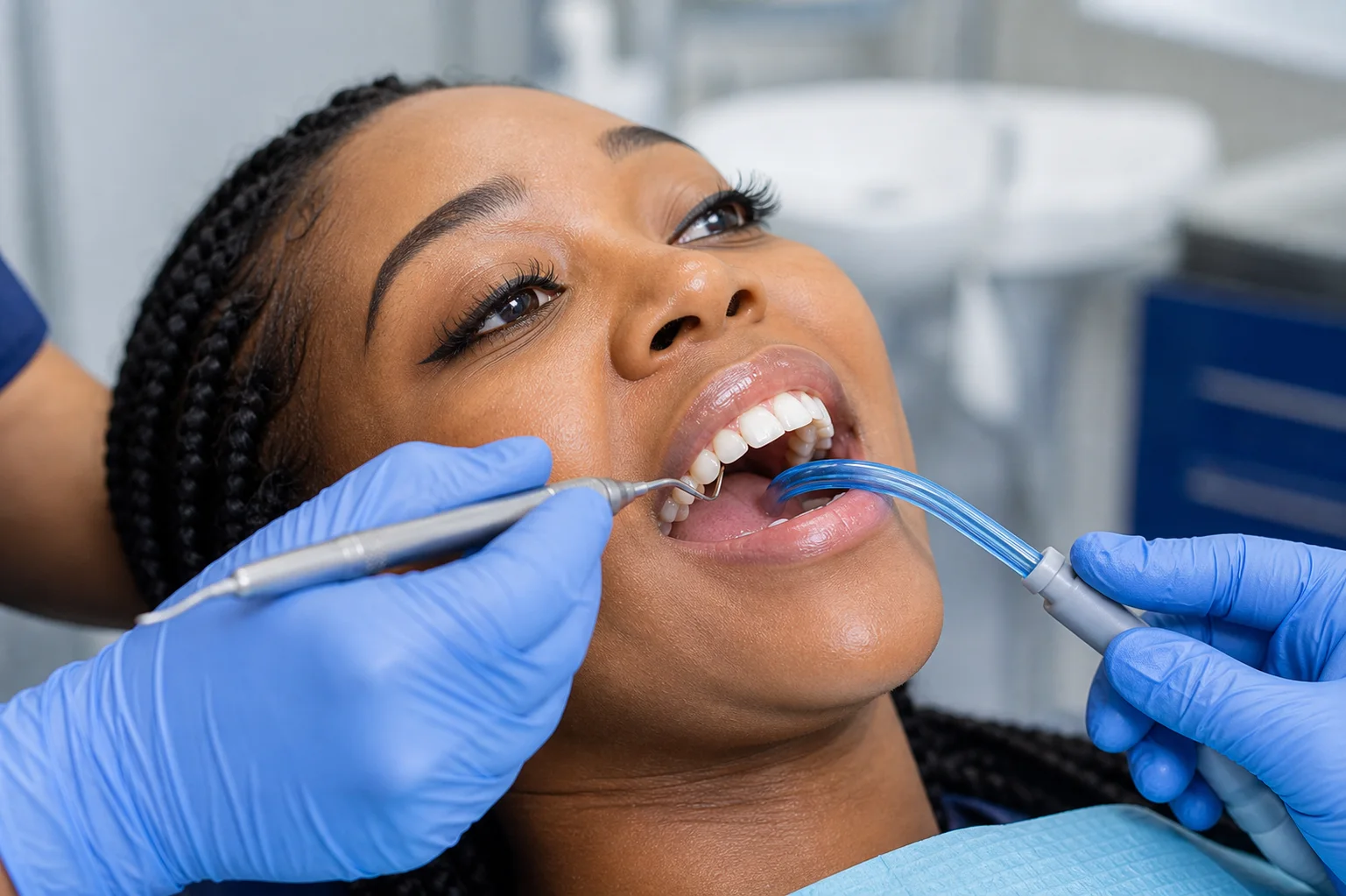
Smile On Dental assesses decay by looking at the tooth, checking symptoms, reviewing the bite, and using X-rays where needed. The goal is to understand whether the tooth can be stabilised with prevention, restored with a filling, protected with a crown, or needs root canal treatment or removal because the damage is more advanced.
Possible signs
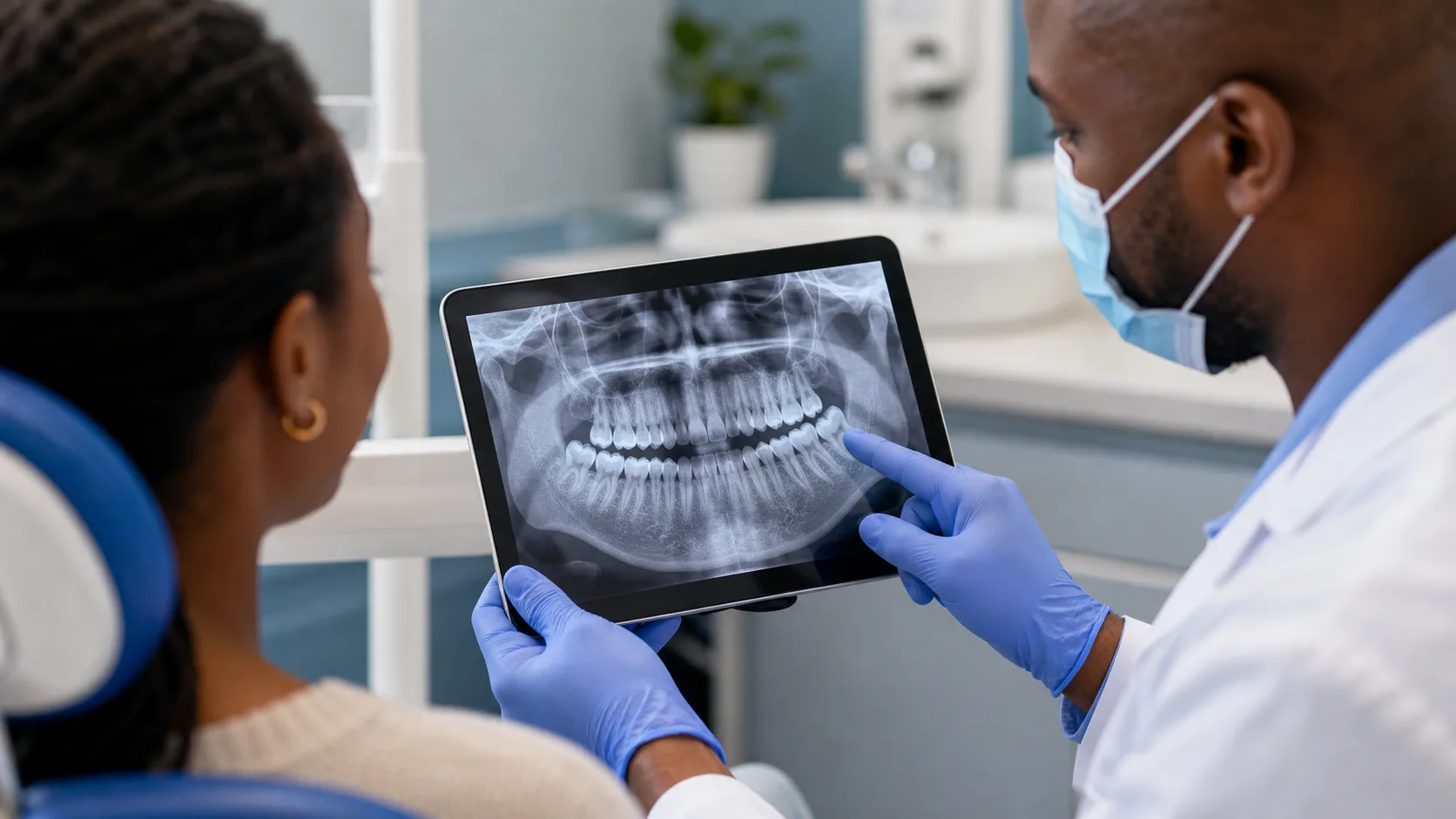
A visual check is useful, but X-rays may be needed when decay is hidden between teeth or under existing dental work.
The dentist checks the depth and position of decay, whether the enamel and dentine are affected, whether an old filling is leaking, and whether there are cracks or bite issues that change the plan. Gum health also matters because decay near the gumline can be harder to clean and restore.
X-rays can help show how close decay is to the nerve and whether there are signs of infection around the root. This information helps the dentist avoid recommending a simple filling when the tooth actually needs more protection or a different treatment pathway.
What is checked
Some early enamel changes can be managed with prevention when they have not become a cavity that needs restoration.
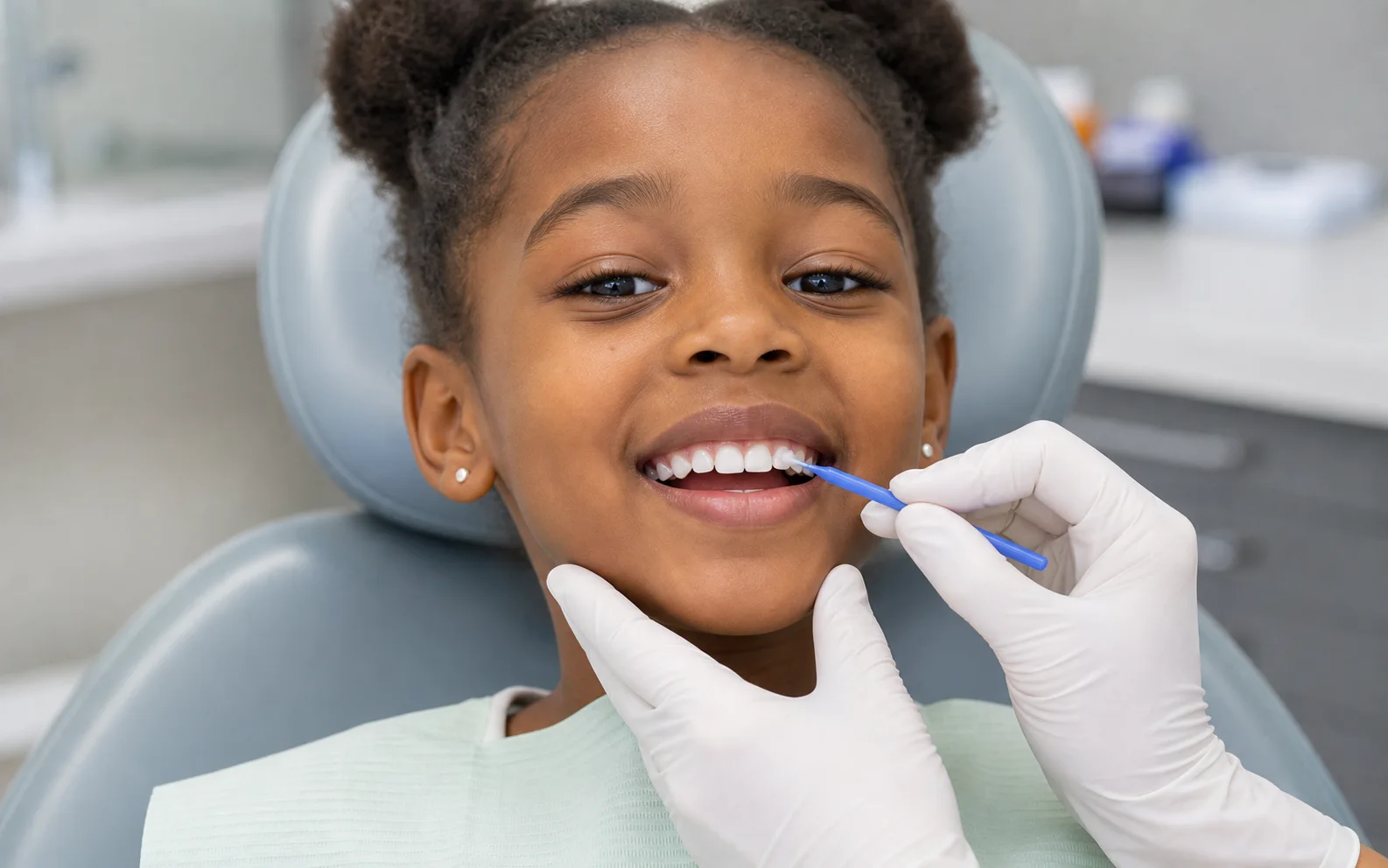
If the tooth surface is still intact, the dentist may discuss fluoride, diet changes, cleaning technique, interdental cleaning, dry mouth factors, and monitoring. This approach is only appropriate when the tooth can be kept clean and the dentist believes the area can stabilise.
Prevention is not a way to ignore decay. Once a cavity has opened, bacteria can collect inside the damaged area and daily brushing may not clean it effectively. The dentist should explain whether the tooth is being monitored or whether active repair is needed.
Prevention may involve
The treatment depends on how much healthy tooth structure remains after decay is removed.
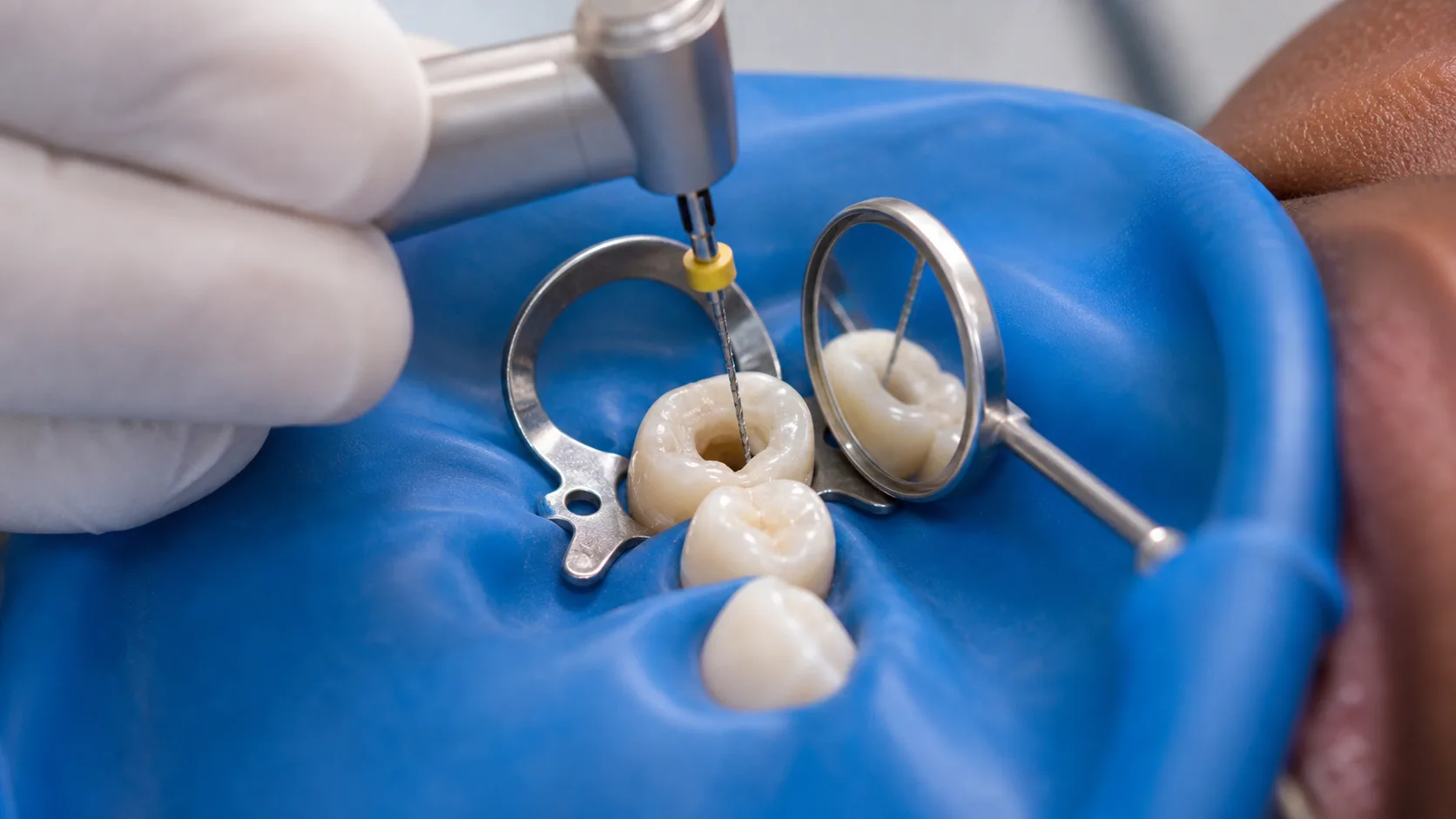
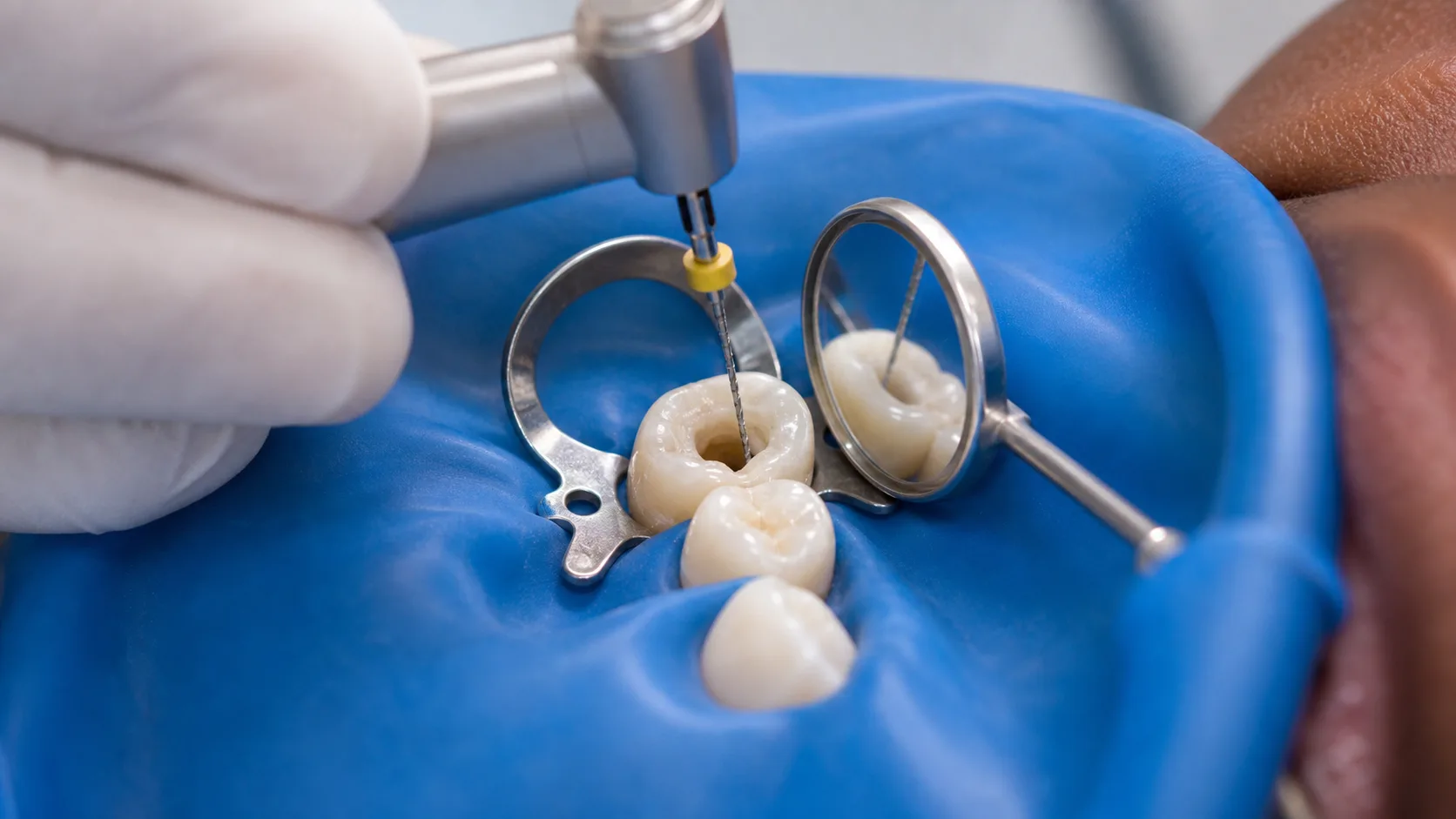
Smaller cavities may be restored with a direct filling. Larger cavities, broken-down teeth, or teeth with weakened walls may need a crown, onlay-style restoration, or a staged plan. If decay has irritated or infected the nerve, root canal treatment may be discussed before the final restoration.
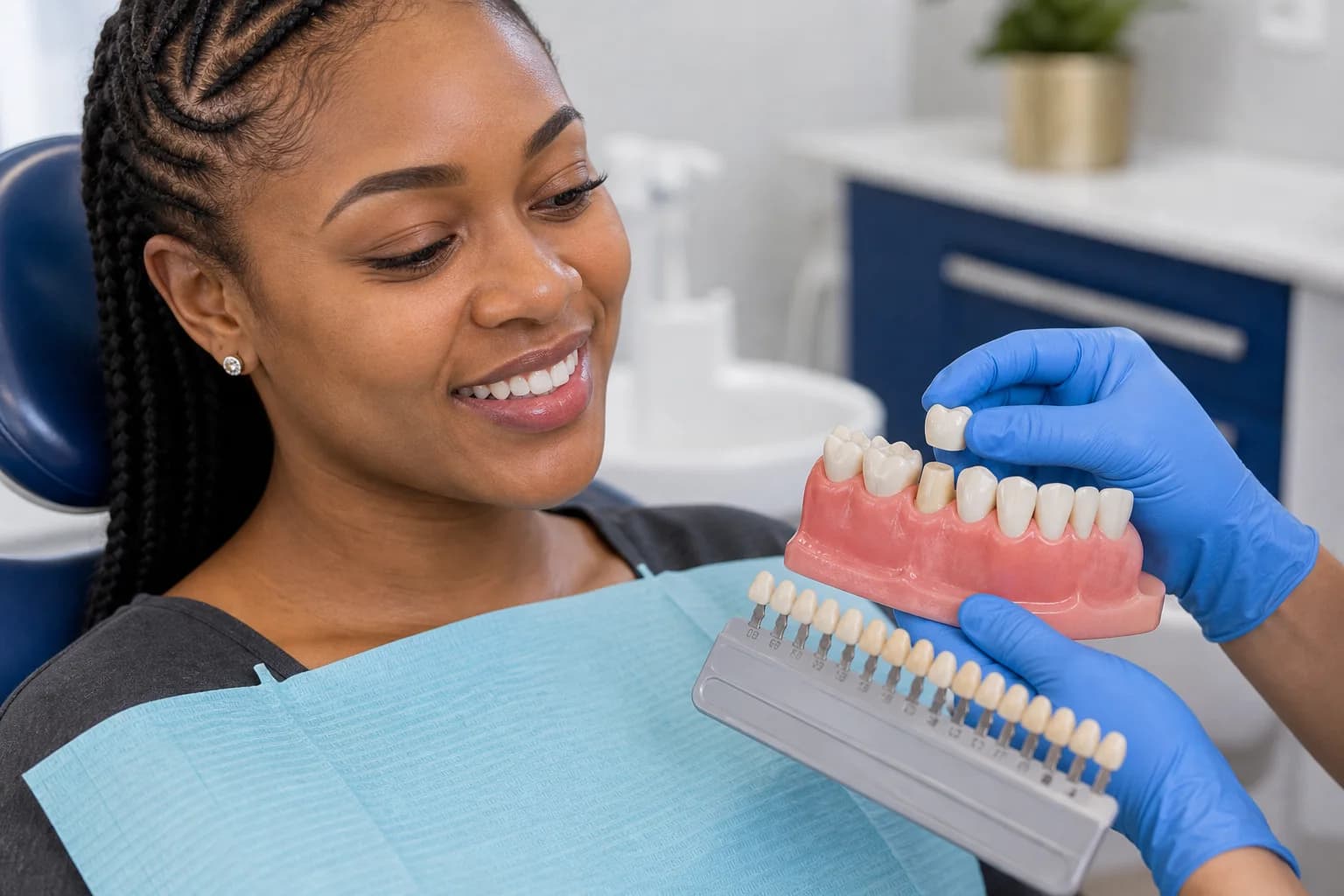
The dentist should explain why a filling is suitable or why a stronger option is recommended. A large filling can be the simpler option in the short term, but it may not protect a weak tooth if the bite is heavy or too much structure has already been lost.
Treatment options
Treating one cavity is only part of the plan; preventing the next one protects long-term oral health.
After a filling, crown, or other restoration, the dentist may advise changes to brushing, interdental cleaning, fluoride use, snack frequency, or professional cleaning intervals. The edges of fillings and crowns need careful plaque control because new decay can start around old dental work.
Patients with repeated cavities may need a broader risk discussion. Dry mouth, frequent sipping of sweet drinks, hard-to-clean crowding, exposed roots, orthodontic appliances, and inconsistent flossing can all increase risk. Addressing these factors helps treatment last longer.
Prevention priorities
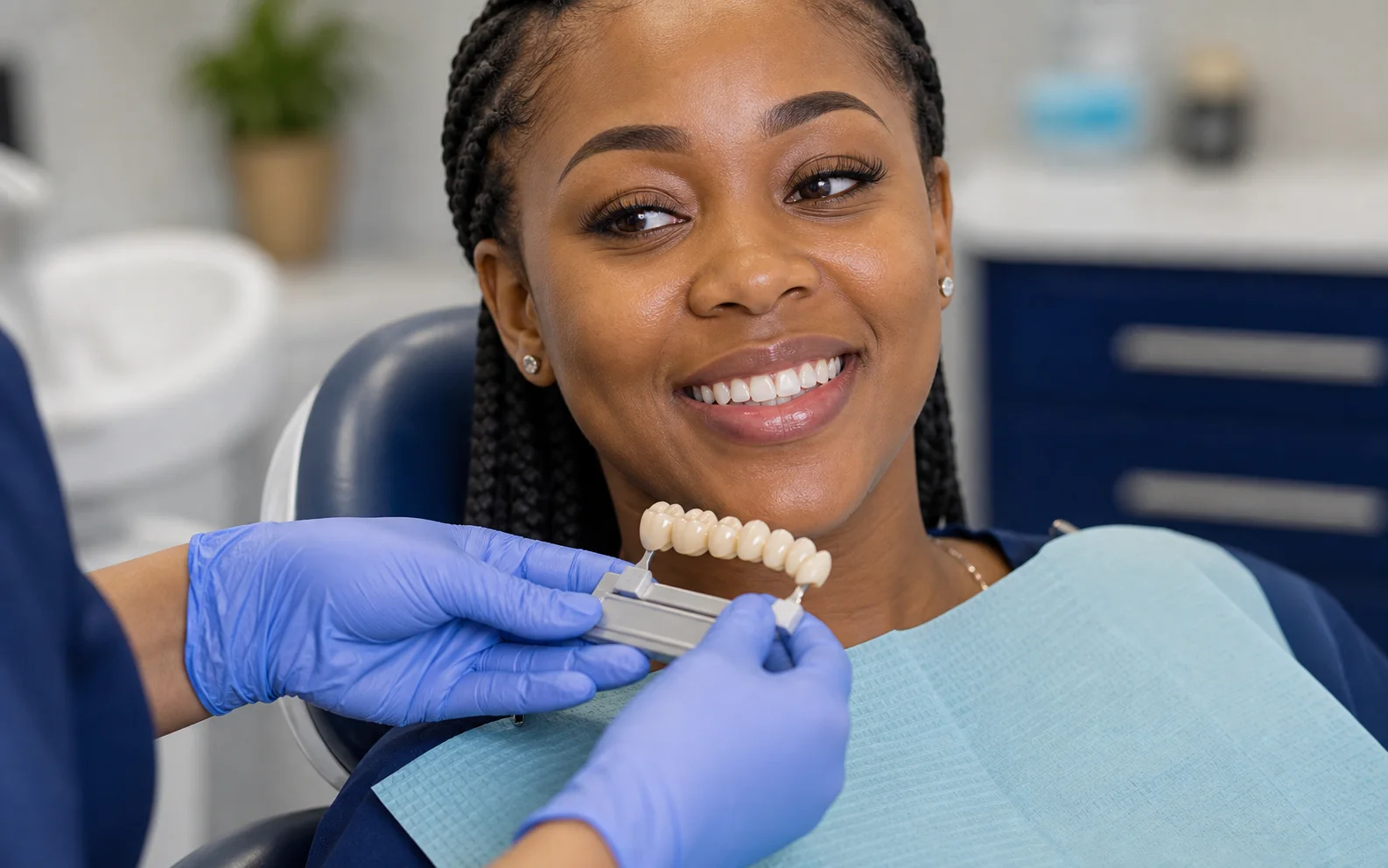
Tooth decay treatment costs depend on diagnosis, depth, materials, and the restoration needed to protect the tooth.
A small early filling is different from a large restoration, crown, root canal treatment, or extraction and replacement plan. Costs may also be affected by X-rays, old filling removal, the number of tooth surfaces involved, whether infection is present, and whether several teeth need treatment.
Smile On Dental can assess the tooth and explain the most appropriate next step before treatment begins. The useful conversation is not only what the repair costs, but how to stop the same decay pattern from affecting more teeth.
Takeaway
Who It Helps
Treatment Journey
May be preventive, single-visit, or staged depending on how far decay has progressed.
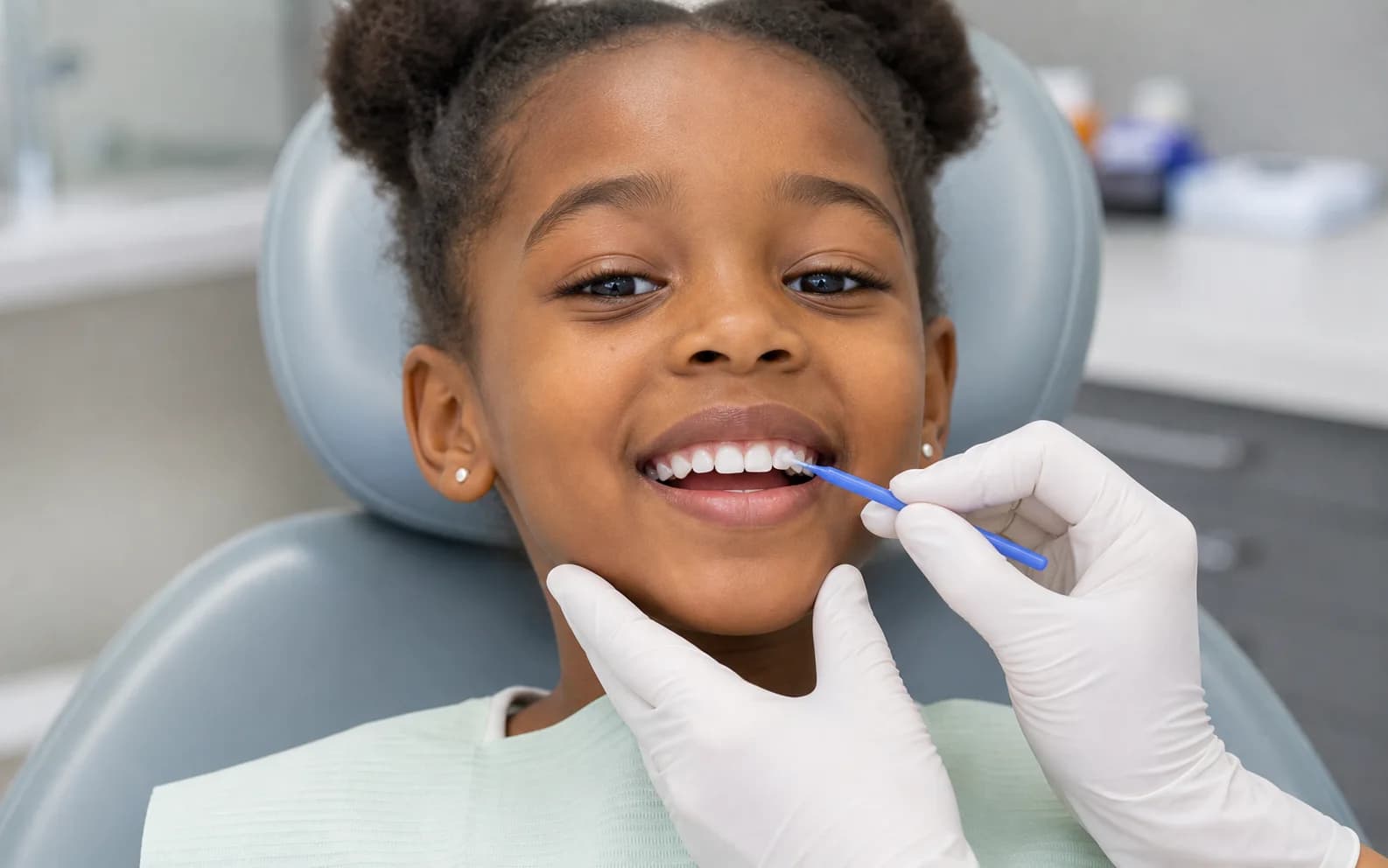
You may come in because you can see a hole, dark mark, rough patch, food trap, broken edge, sensitivity, or a filling that no longer feels right.
The dentist will ask when it started, what makes it better or worse, whether there is pain or sensitivity, and what you want the visit to help you solve.
What this first step covers
Before treatment starts, the dentist confirms what is actually going on.
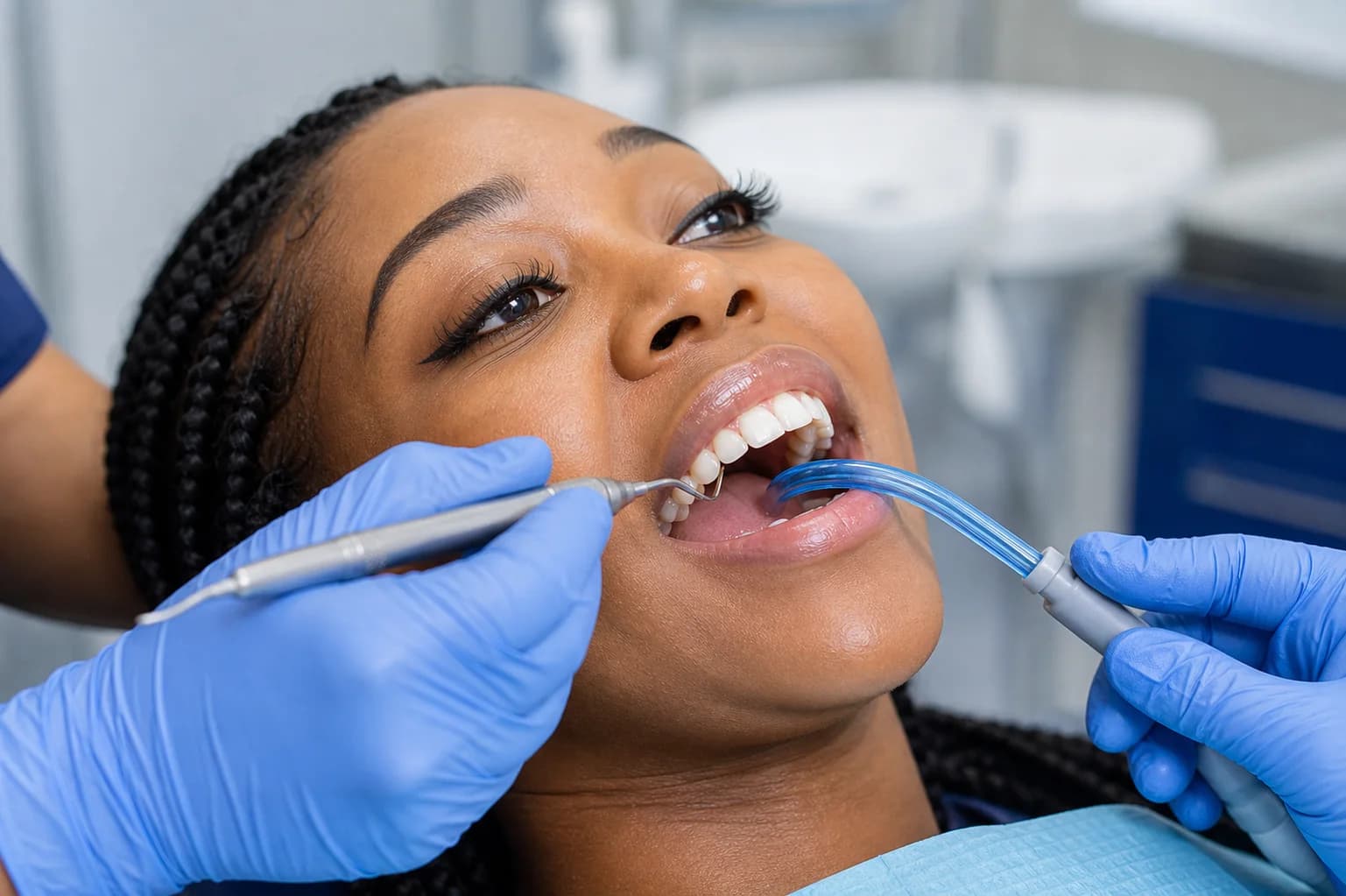
The dentist checks the tooth surface, depth of decay, old restorations, gumline, bite, symptoms, and may recommend X-rays to see whether decay is close to the nerve.
The dentist may then explain options such as Prevention and monitoring for early enamel changes, A filling when the cavity is suitable for direct repair, A crown, root canal treatment, or extraction pathway if the tooth is more damaged, depending on what the examination shows.
What may be checked
Some treatments are completed in one appointment, while others need a separate visit.
Treatment is matched to the diagnosis. Early areas may need prevention, while open cavities are cleaned and restored. Larger or infected teeth may need staged restorative care.
A second visit may be needed when X-rays, multiple teeth, deep decay, root canal treatment, crown planning, or prevention review is part of the plan.
What you should know before leaving
The journey should end with you knowing how to protect the result.
Follow-up depends on the depth of decay and the treatment provided. Deep fillings, crowns, root canal treatment, or multiple cavities may need review or staged appointments.
You are guided on brushing, interdental cleaning, fluoride toothpaste, snack frequency, and cleaning around filling or crown edges to lower the risk of new decay.
Your home-care plan
Benefits
Suitability
Restorative Dentistry
Restorative treatment depends on the amount of tooth structure, gum health, bite forces, materials, and whether the tooth can be predictably maintained.
Suitability
The dentist considers symptoms, oral health, bite, medical history, expectations, and maintenance before recommending tooth decay treatment.
Costs
Cost discussions are most useful after diagnosis because materials, complexity, visit count, and follow-up needs vary from patient to patient.
Appointment
Your dentist reviews your concern, oral health, and treatment goals before recommending next steps.
The team explains the likely process, timing, and care options in straightforward language.
Your treatment plan is shaped around comfort, function, appearance, and long-term oral health.
Costs & Aftercare
Before You Book
Mention whether you are booking for tooth decay, pain, appearance, function, prevention, or a second opinion.
At the Visit
Ask about diagnosis, options, number of visits, comfort, maintenance, and what could happen if treatment is delayed.
Aftercare
Your dentist will explain home care, review visits, and any symptoms that should be reported after treatment.
FAQs
The best starting point is a consultation. Your dentist will assess your teeth, gums, bite, symptoms, concerns, and smile goals before recommending a personalised treatment plan.
Yes. Use the Book an Appointment button to open the booking site and choose a convenient appointment time. You can also request a callback if you would prefer the practice team to contact you first.
Yes. You can request a callback if you prefer the practice team to contact you before booking. This can be helpful when you are unsure whether you need a routine visit, cosmetic consultation, orthodontic assessment, or urgent support.
Yes. Costs depend on the diagnosis, treatment complexity, materials, and number of visits required. Your dentist can explain the recommended next step before treatment begins.
Bring your identification, medical history, current medication details, previous dental information if available, and any questions you want to discuss with the dentist.
Book an assessment so the dentist can diagnose the cause before you choose a treatment. Pain or swelling may need urgent attention, X-rays, restorative care, or another clinical next step.
Related Treatments
Helpful Articles
 Restorative DentistryI Found a Dark Spot on My Tooth but It Does Not Hurt. Could It Still Be Decay?9 min read
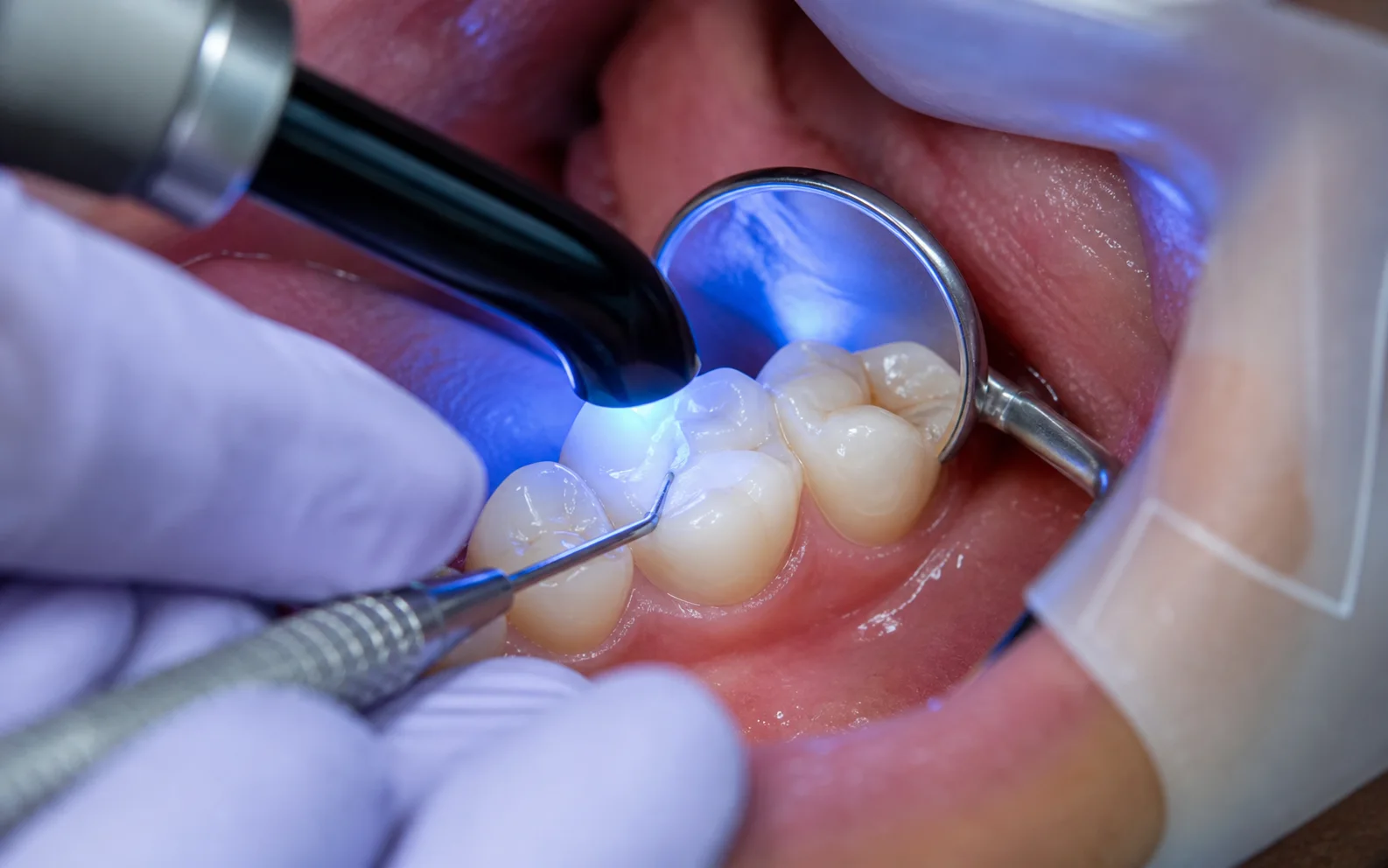 Restorative DentistryEarly Tooth Decay vs a Cavity: When Can Prevention Help and When Is a Filling Needed?10 min read
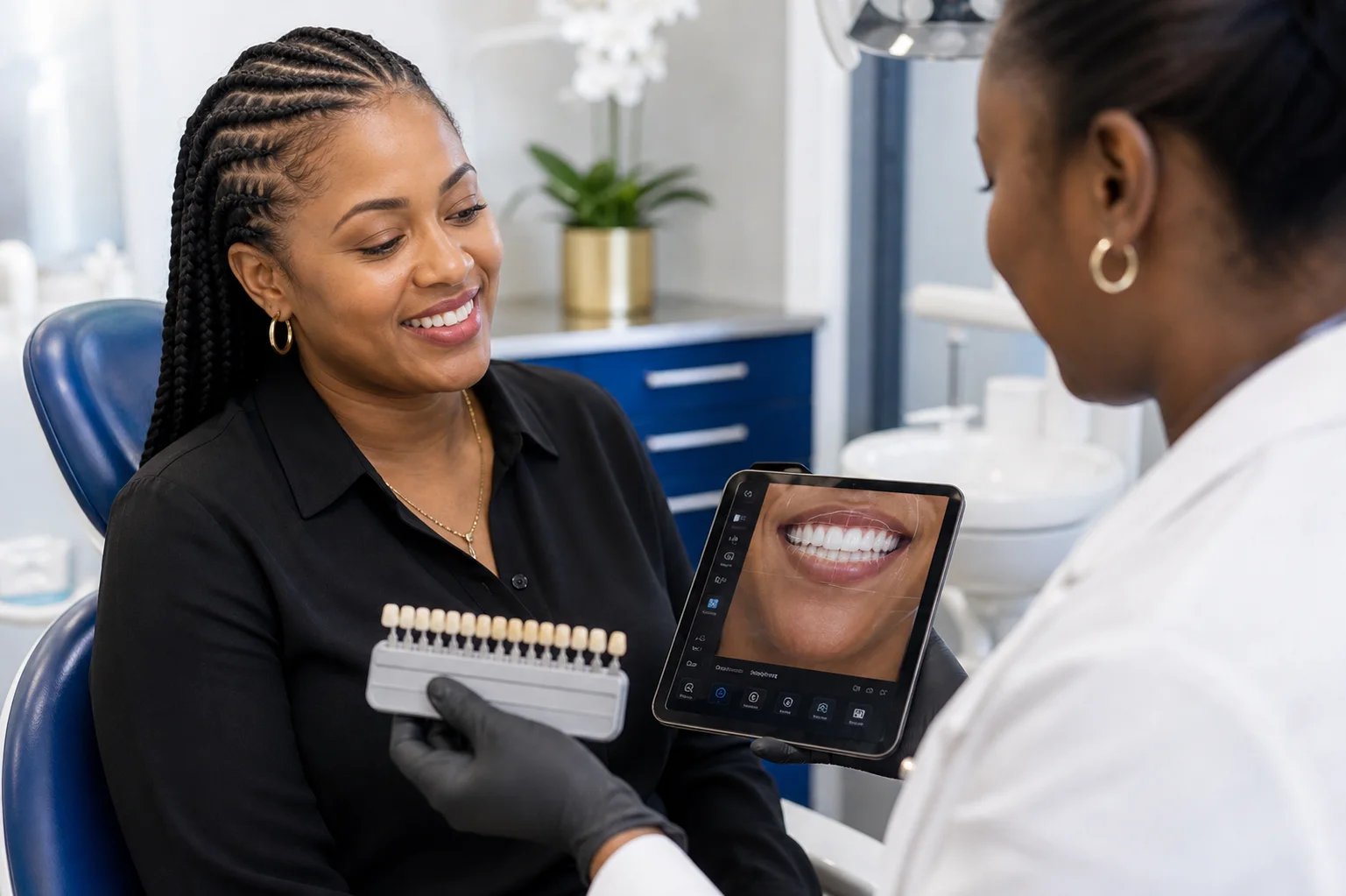 Restorative DentistryFilling, Onlay, Crown, or Root Canal: How Does the Amount of Healthy Tooth Change the Plan?10 min read
Locations
City Treatment Pages
Clinical Leadership

Dr. Kholofelo Machaba-Selatole leads Smile On Dental & Aesthetic Studio with a warm, patient-focused approach to family, restorative, cosmetic, and orthodontic care.
60+ five-star patient reviews across Pretoria and Polokwane.
"Customer care is superb, very friendly front desk staff. I'm happy to have gained my confidence back."

Polokwane
"From reception right into the doctor's consultation room it was all smiley faces that welcomed us."

Polokwane
"The best dental service I have seen in Pretoria, cannot wait for my next appointment."

Pretoria
"Customer care is superb, very friendly front desk staff. I'm happy to have gained my confidence back."
Polokwane
"From reception right into the doctor's consultation room it was all smiley faces that welcomed us."
Polokwane
"The best dental service I have seen in Pretoria, cannot wait for my next appointment."
Pretoria
Book a Consultation