First Step
Consultation
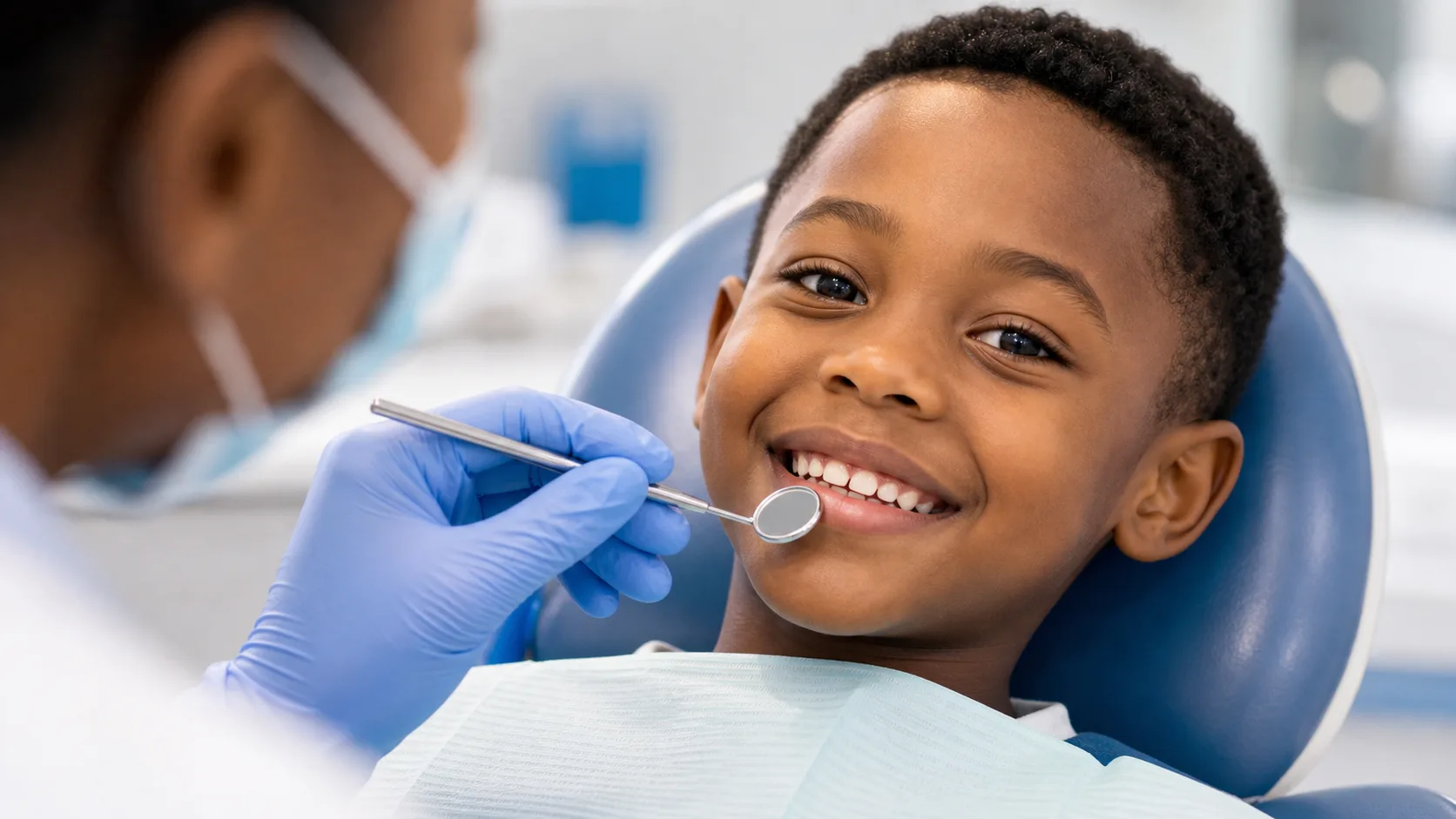
The dentist checks your concern and confirms whether this treatment is suitable before care begins.
Dental Hygiene & Prevention
Book Fluoride Treatment with Smile On Dental. Start with an assessment, understand your options, and get clear next steps before treatment begins.
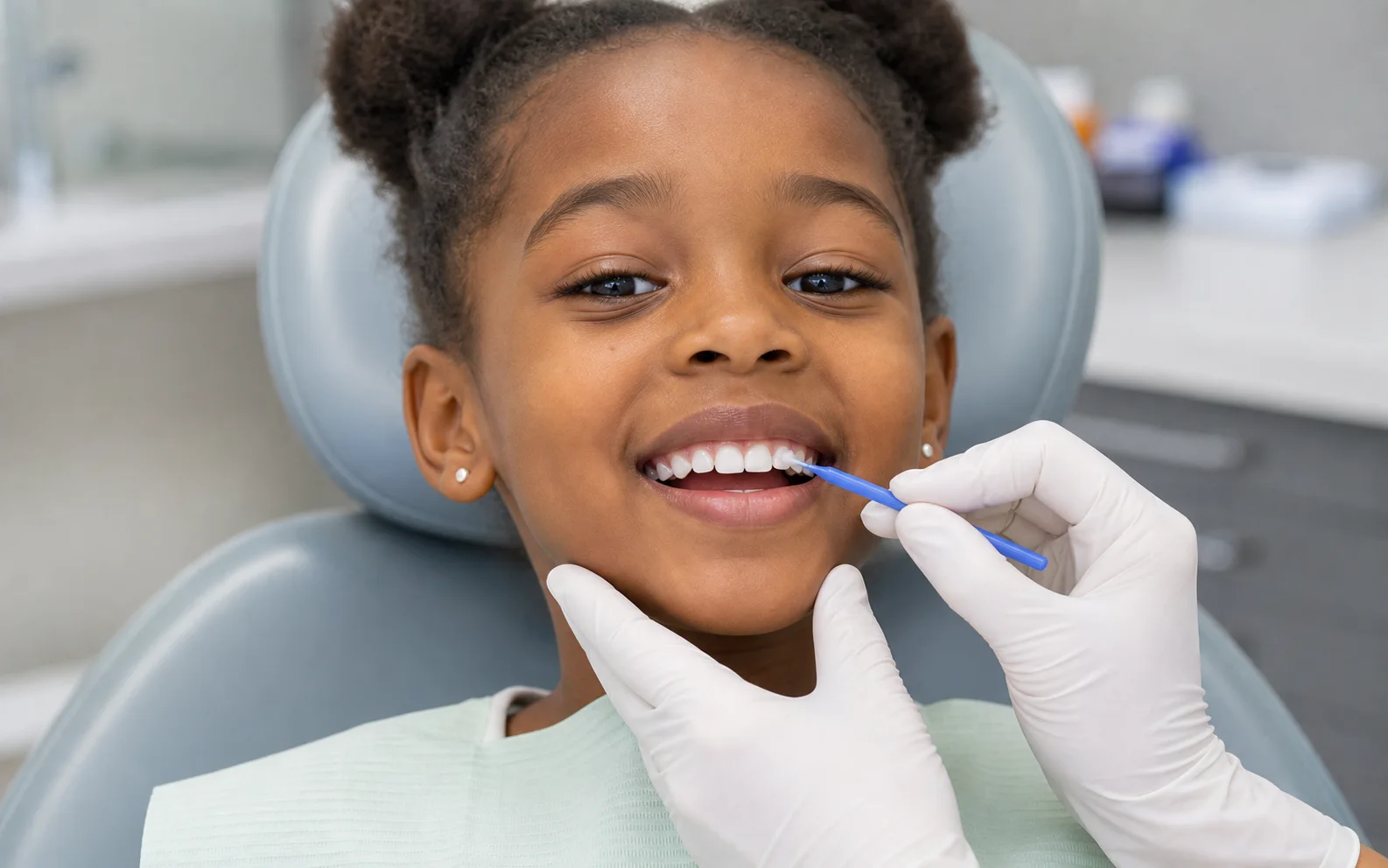
Quick Summary
First Step
The dentist checks your concern and confirms whether this treatment is suitable before care begins.
Best For
Suitability depends on oral health, symptoms, goals, and clinical findings.
Planning
Timing, visits, cost factors, and aftercare are explained after the assessment.
Branch Access
Use the location section to choose the branch that is easiest for you to attend consistently.
Overview
Treatment Introduction
Fluoride treatments may be recommended as part of a preventive dental plan, especially where cavity risk, sensitivity, or enamel protection needs are identified during assessment.
Decision Support
Smile On Dental uses the visit to understand your symptoms, goals, oral health, and expectations before recommending a suitable treatment plan.
Visual Guide
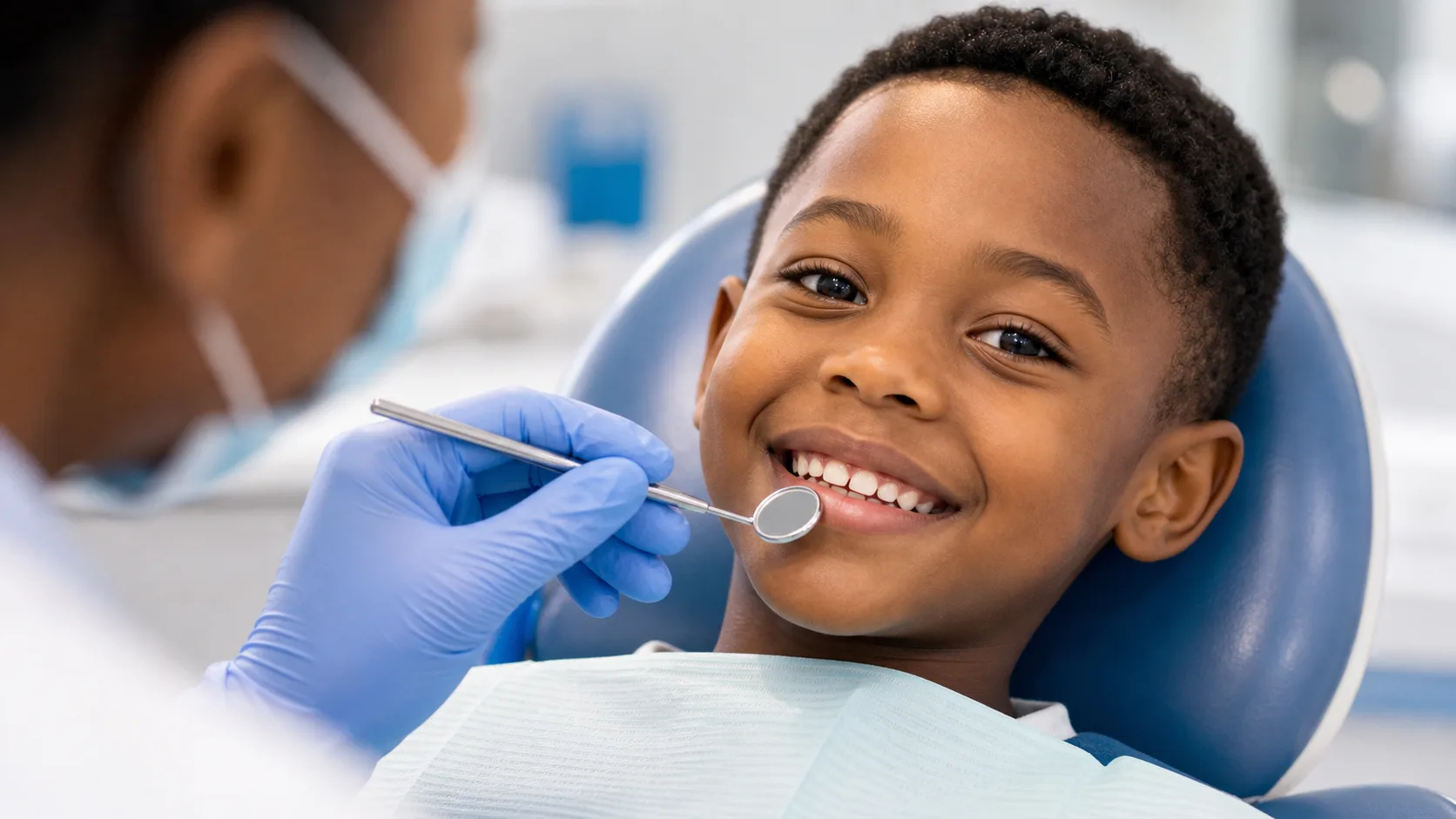
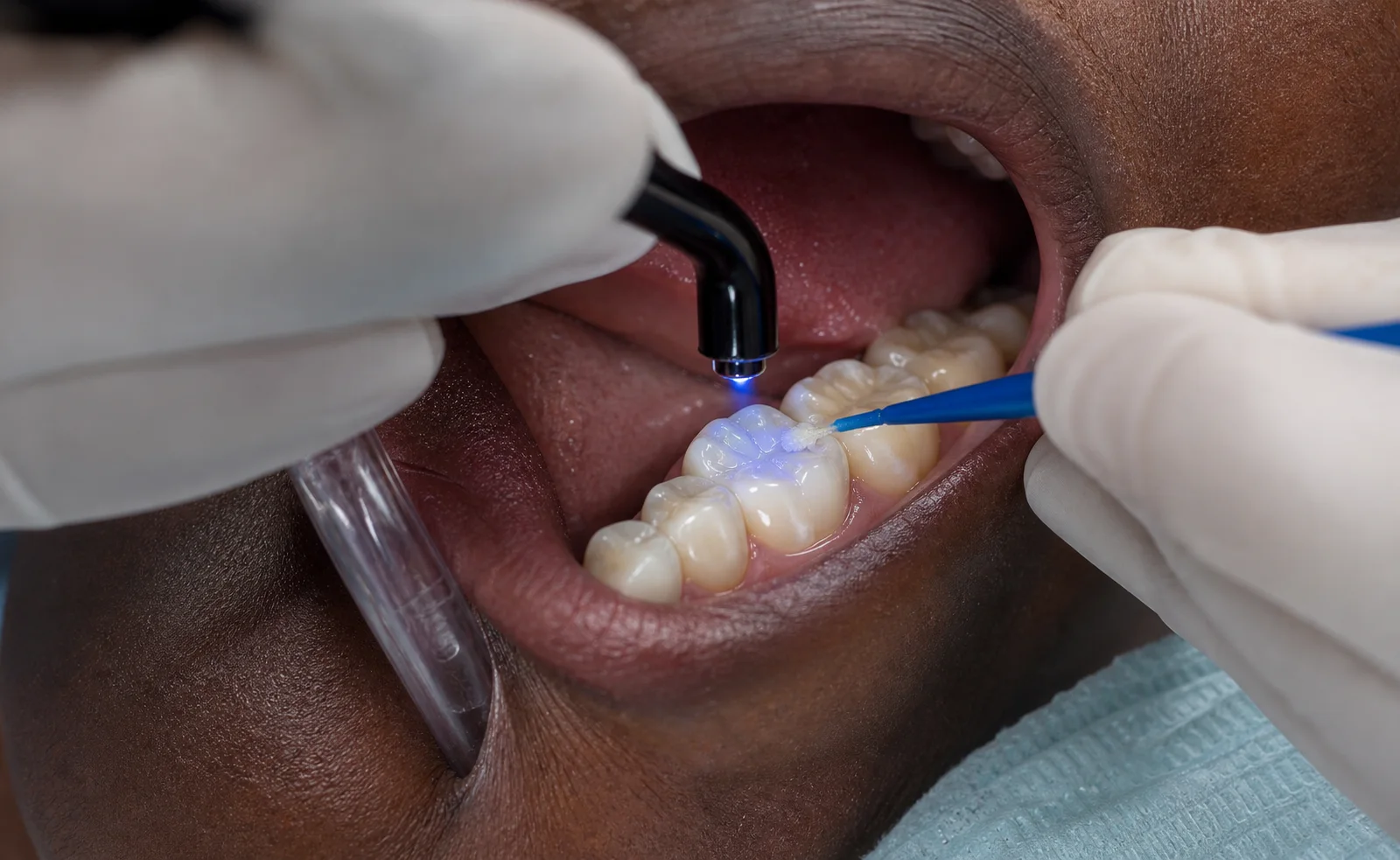
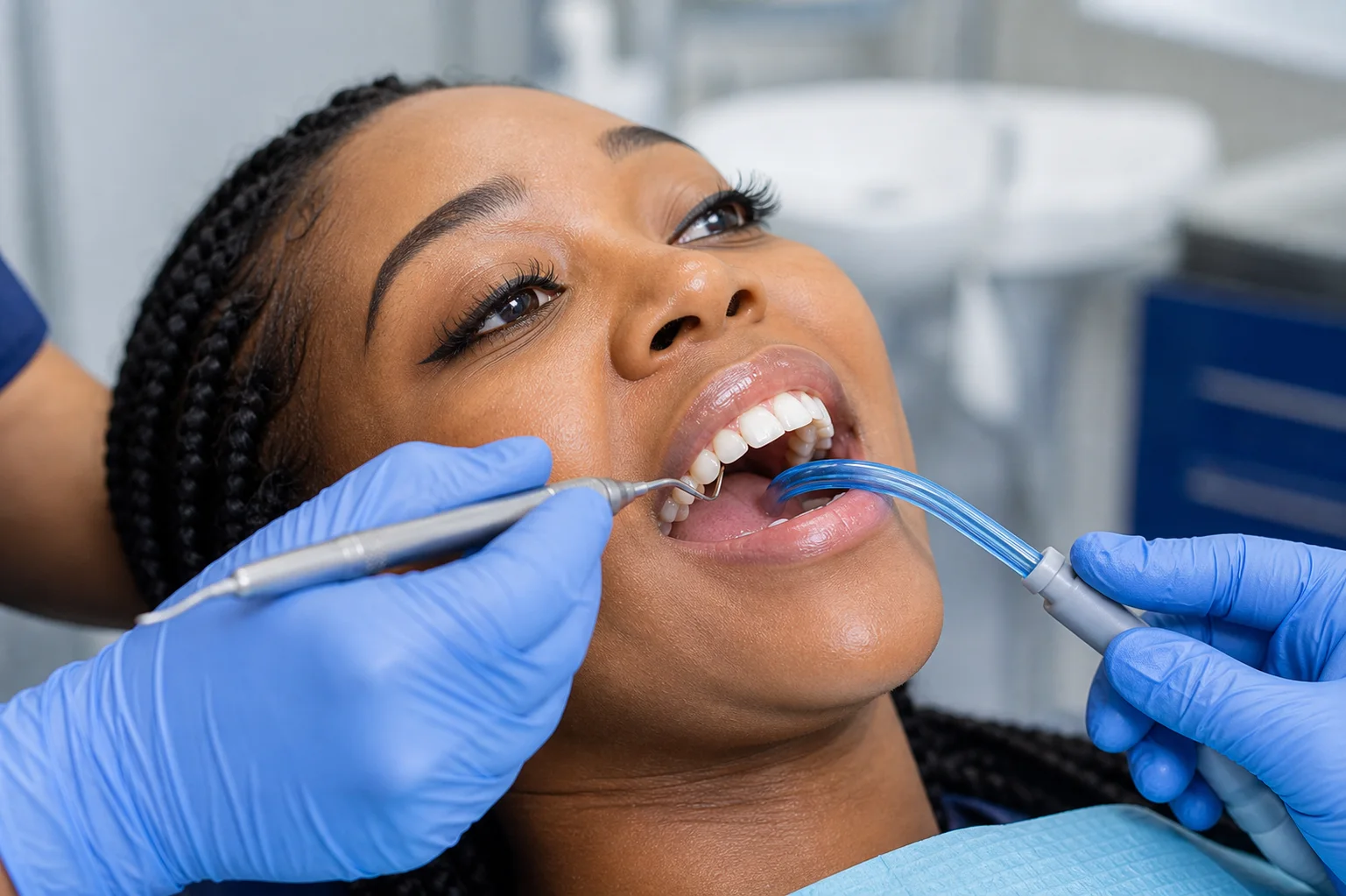

Treatment Guide
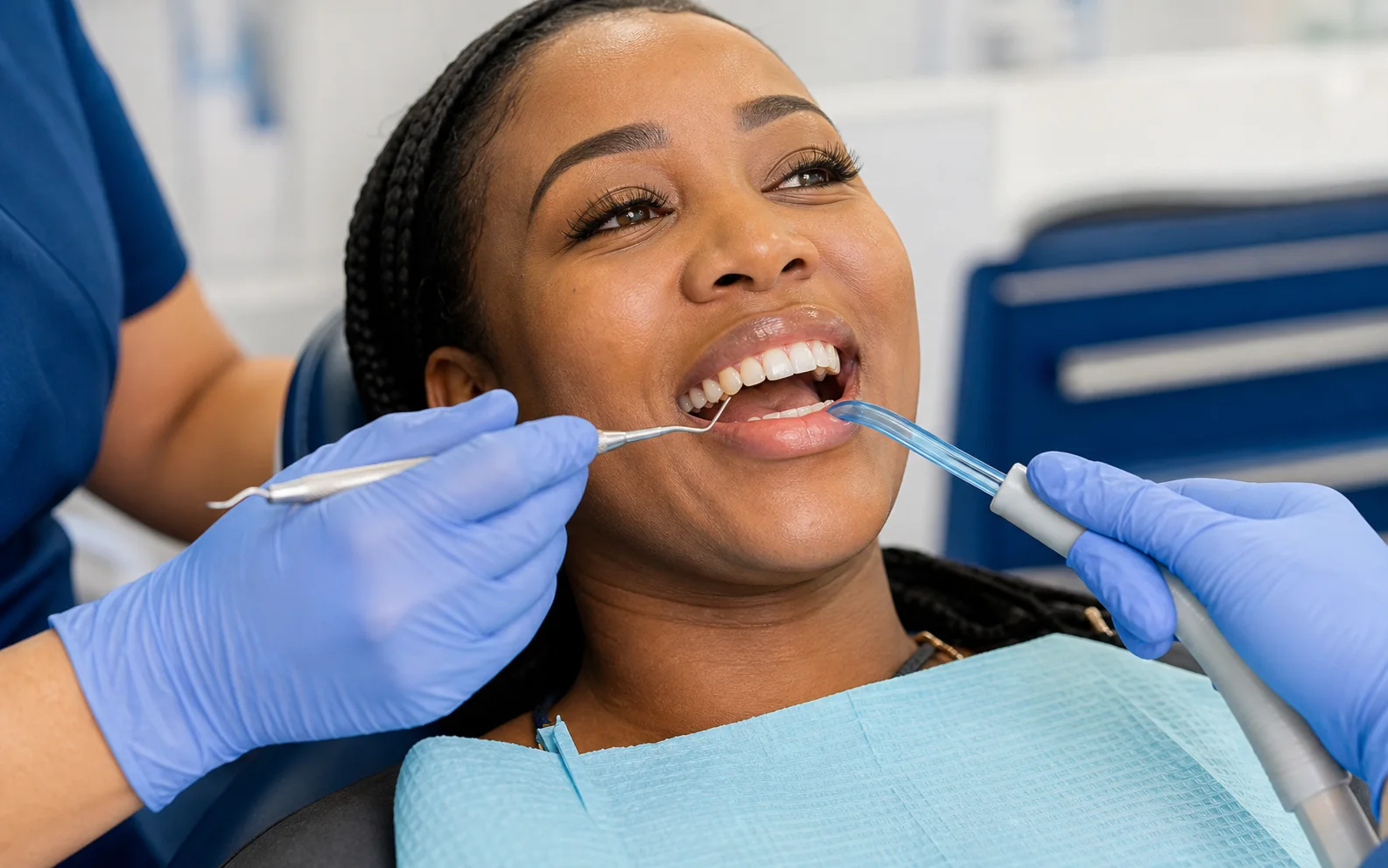
Fluoride supports enamel by helping teeth resist acid attacks from plaque bacteria, food, and drinks.
Teeth are exposed to acids throughout the day, especially with frequent snacking, sugary drinks, dry mouth, or areas that are difficult to brush. Fluoride helps strengthen enamel and can support the natural repair process in early weak spots before they progress.
Professional fluoride treatments provide a concentrated application in a controlled setting. They are often considered for children, patients with higher decay risk, orthodontic appliances, exposed root surfaces, dry mouth, or a history of repeated cavities. The treatment is most valuable when it is linked to a clear reason rather than treated as a routine extra.
Useful for
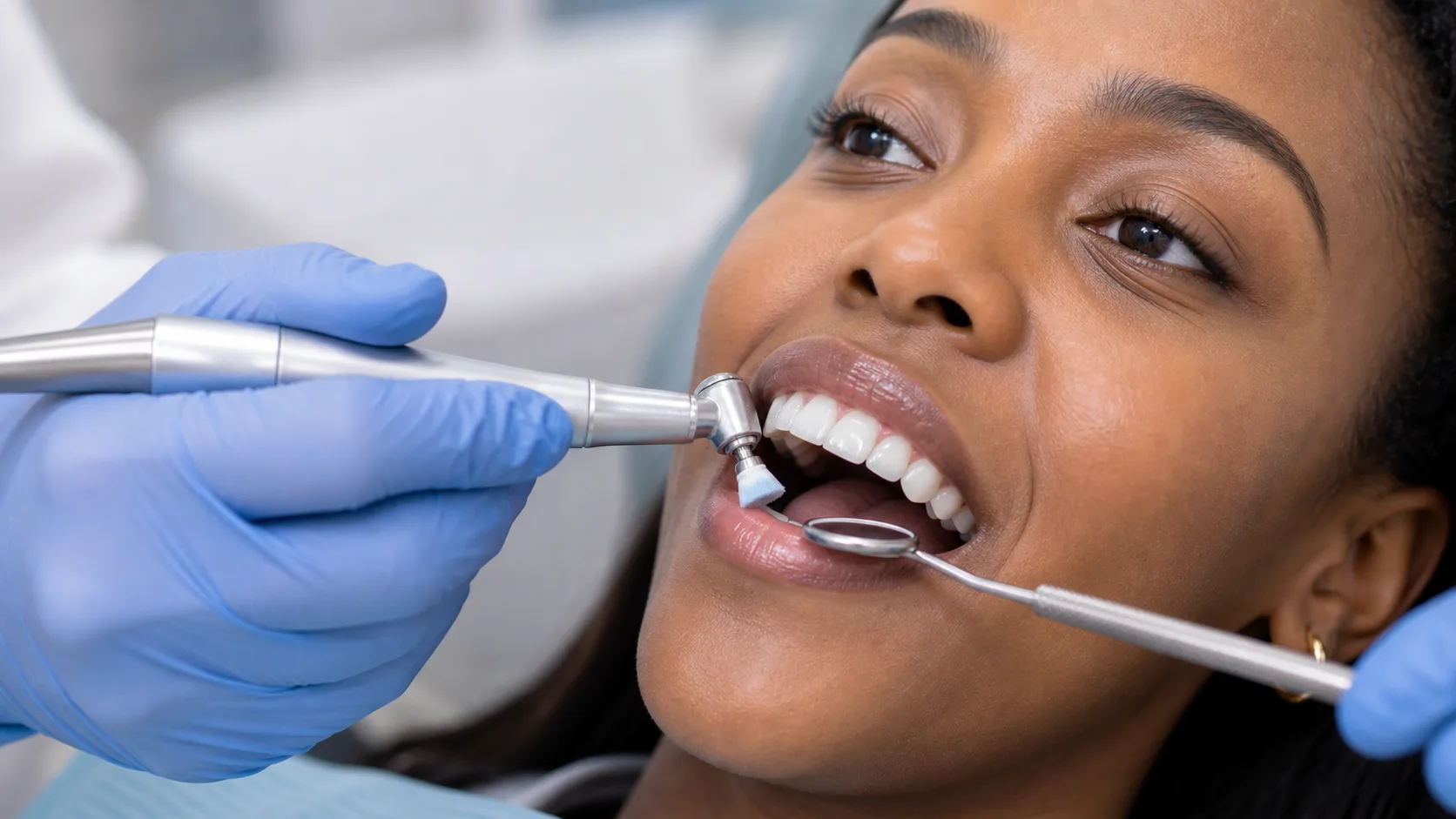
Fluoride is recommended based on risk, not as a one-size-fits-all add-on for every patient.
Your dentist may suggest fluoride if you have new cavities, white spot lesions, sensitivity from exposed dentine, reduced saliva flow, or a diet pattern that increases acid exposure. Children and teens may also benefit during stages when brushing habits are still developing.
For adults, fluoride can be particularly useful when gums have receded and root surfaces are exposed. Root surfaces are softer than enamel and may decay more easily, so a preventive strategy can make daily care more effective. It may also be discussed when dental work creates edges or spaces that are harder to clean perfectly.
Risk signs
Preparation mainly involves checking your dental history and understanding your current home-care routine.
Before applying fluoride, the dental team may ask about sensitivity, current toothpaste, mouth rinses, medications that cause dry mouth, orthodontic appliances, and recent dental treatment. This helps confirm whether fluoride is appropriate and how it fits into your prevention plan.
If plaque or tartar is present, a cleaning may be recommended first or at the same visit. Fluoride works best as part of a wider approach that includes effective brushing, interdental cleaning, diet awareness, and regular dental checks. This wider plan matters because fluoride strengthens surfaces, while plaque control reduces the acid challenge those surfaces face every day.
Discuss first
Professional fluoride treatment is typically quick, targeted, and applied directly to tooth surfaces.
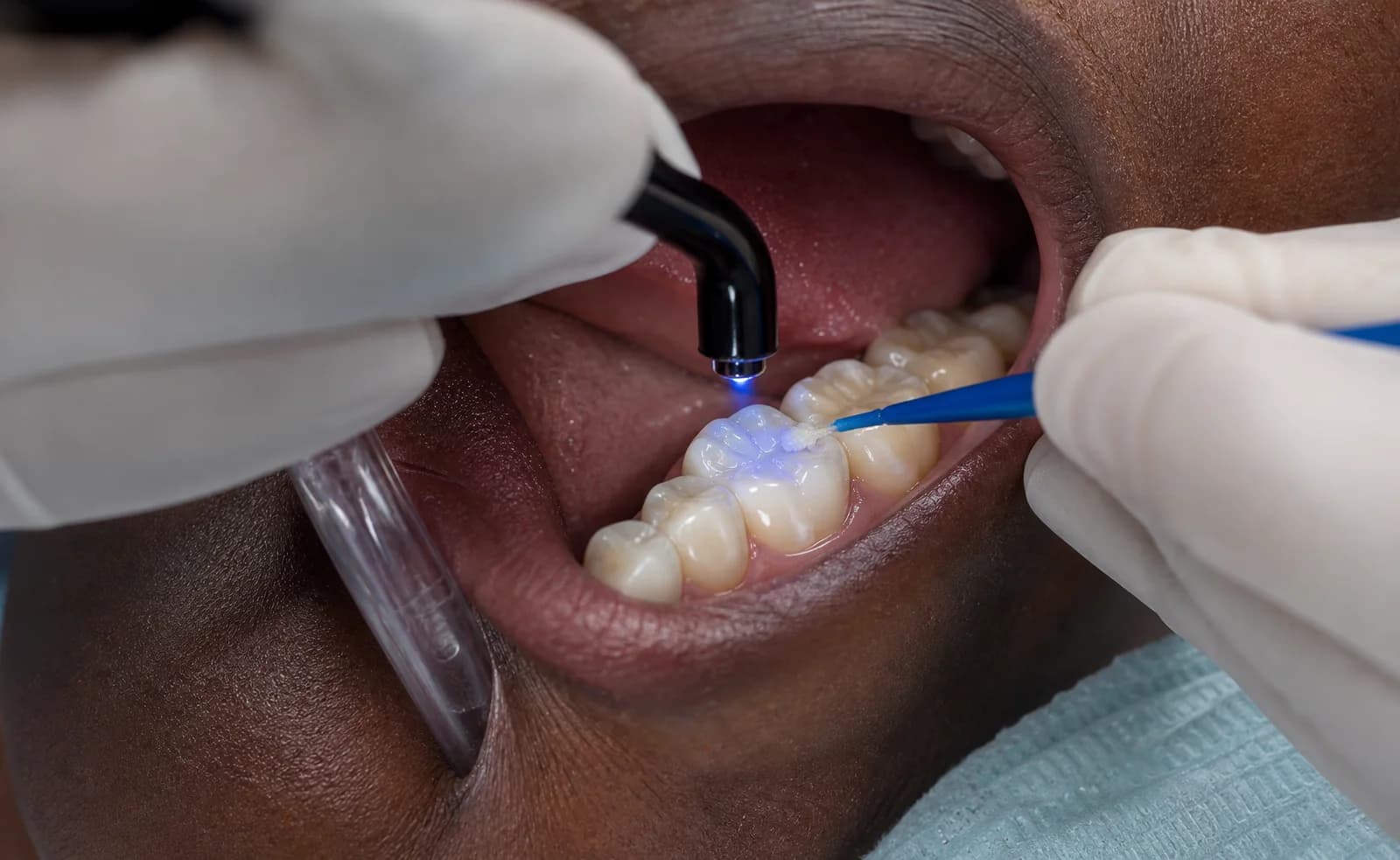
The teeth are checked and may be dried before fluoride varnish, gel, or another professional preparation is applied. The exact product and method depend on your age, risk level, and the clinical situation.
After application, you may receive simple instructions about eating, drinking, or brushing for a short period based on the product used. The aim is to give the fluoride enough contact time with the tooth surface while keeping the visit straightforward. If a child is being treated, the team can keep the process calm and simple so the appointment remains positive.
Typical steps
Fluoride can be highly useful, but it works best when expectations are realistic and home care supports it.
The main benefit is strengthening tooth surfaces against acid attack. It may help reduce decay risk and sensitivity in selected cases, especially when combined with fluoride toothpaste and better plaque control.
Fluoride does not repair a cavity that already needs a filling, and it does not replace brushing, flossing, diet changes, or dental checks. If a tooth has a hole, fracture, or ongoing pain, the dentist will assess whether restorative treatment is needed. This distinction helps patients avoid delaying care for problems that have already moved beyond prevention.
Remember
The cost of fluoride care depends on the clinical context and whether it is part of a broader visit.
Cost factors can include whether fluoride is applied after a cleaning, whether several teeth or the whole mouth are treated, the type of fluoride product used, and whether the patient also needs a consultation, X-rays, or cavity treatment.
Smile On Dental can explain when fluoride is recommended and when it is not necessary. This helps keep preventive care focused on risk rather than adding treatment without a clear reason. If your risk changes over time because of diet, medication, orthodontics, or gum recession, the recommendation can be reviewed.
May affect cost
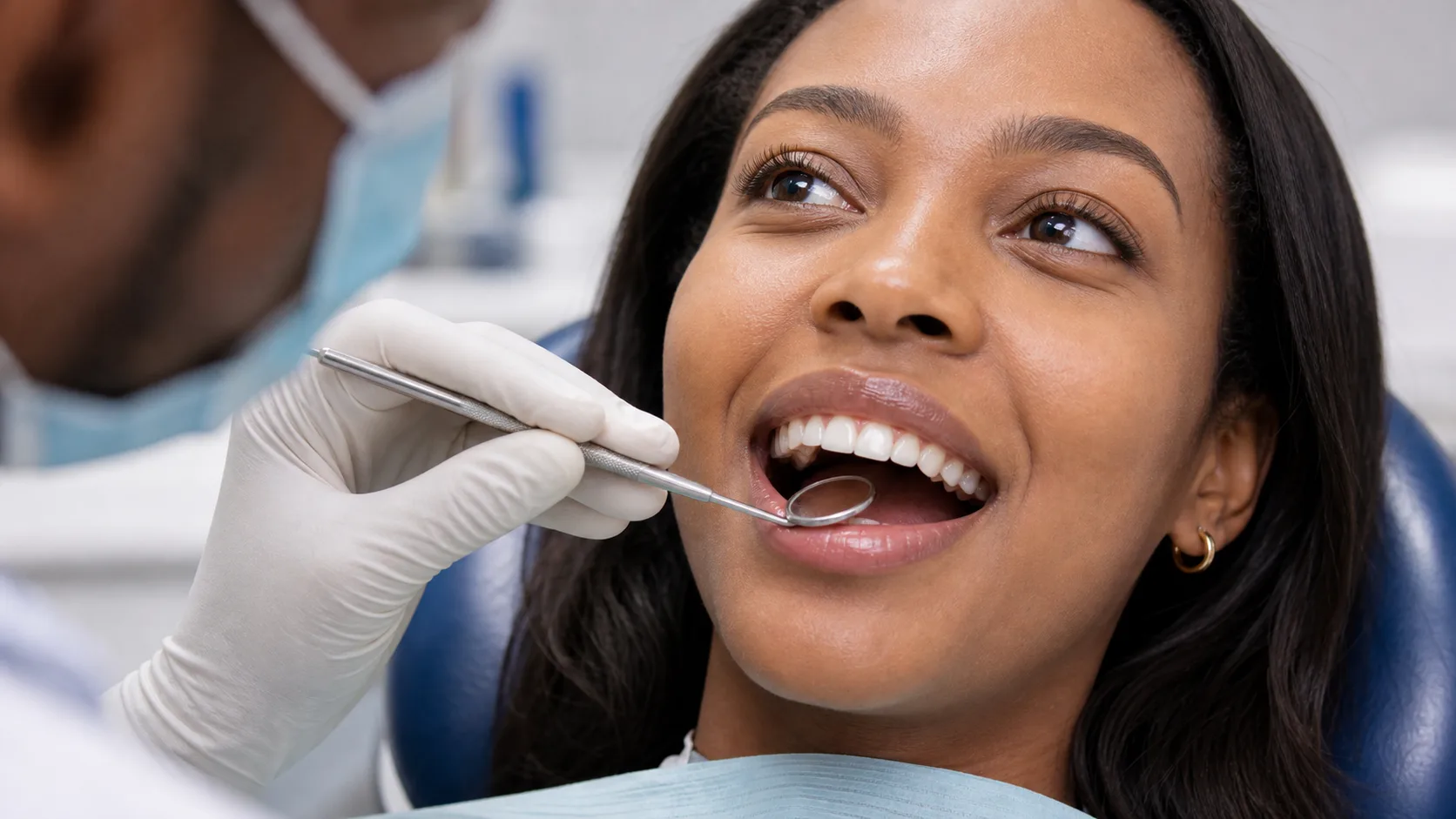
Fluoride is most useful when it is part of a prevention plan tailored to the patient.
At Smile On Dental, fluoride recommendations are linked to what the team sees in your mouth: enamel condition, gum recession, plaque control, diet patterns, and previous dental history. This keeps the advice practical and specific.
The takeaway is that fluoride treatment is not just for children. It can support enamel and exposed root surfaces at many life stages when risk is present, but it should be guided by a dental assessment. Used this way, it becomes a targeted preventive tool rather than a generic appointment add-on.
Our focus
Who It Helps
Treatment Journey
Usually a short preventive step during a dental visit.
You may come in because of cavity risk, sensitivity, early enamel concerns, dry mouth, braces, or because your child needs preventive support.
The dentist will ask when it started, what makes it better or worse, whether there is pain or sensitivity, and what you want the visit to help you solve.
What this first step covers
Before treatment starts, the dentist confirms what is actually going on.
The dentist checks enamel, decay risk, diet, brushing, existing sensitivity, and whether fluoride is appropriate for your age and oral health.
The dentist may then explain options such as In-practice fluoride application, Home fluoride guidance, Sealants, cleaning, or filling care if risk is higher, depending on what the examination shows.
What may be checked
Some treatments are completed in one appointment, while others need a separate visit.
If fluoride is suitable, it is applied to the teeth and the dentist explains how it supports enamel protection as part of a broader prevention plan.
A second visit is usually only needed if decay, sensitivity, or preventive planning requires additional care.
What you should know before leaving
The journey should end with you knowing how to protect the result.
The return interval depends on cavity risk. Higher-risk patients may need more frequent prevention visits.
You receive advice on brushing, toothpaste, diet, and what to avoid immediately after application if needed.
Your home-care plan
Benefits
Suitability
Dental Hygiene & Prevention
Preventive care works best when it is matched to your current oral health, home-care routine, gum condition, and cavity risk.
Suitability
The dentist considers symptoms, oral health, bite, medical history, expectations, and maintenance before recommending fluoride treatments.
Costs
Cost discussions are most useful after diagnosis because materials, complexity, visit count, and follow-up needs vary from patient to patient.
Appointment
Your dentist reviews your concern, oral health, and treatment goals before recommending next steps.
The team explains the likely process, timing, and care options in straightforward language.
Your treatment plan is shaped around comfort, function, appearance, and long-term oral health.
Costs & Aftercare
Before You Book
Mention whether you are booking for fluoride, pain, appearance, function, prevention, or a second opinion.
At the Visit
Ask about diagnosis, options, number of visits, comfort, maintenance, and what could happen if treatment is delayed.
Aftercare
Your dentist will explain home care, review visits, and any symptoms that should be reported after treatment.
FAQs
The best starting point is a consultation. Your dentist will assess your teeth, gums, bite, symptoms, concerns, and smile goals before recommending a personalised treatment plan.
Yes. Use the Book an Appointment button to open the booking site and choose a convenient appointment time. You can also request a callback if you would prefer the practice team to contact you first.
Yes. You can request a callback if you prefer the practice team to contact you before booking. This can be helpful when you are unsure whether you need a routine visit, cosmetic consultation, orthodontic assessment, or urgent support.
Yes. Costs depend on the diagnosis, treatment complexity, materials, and number of visits required. Your dentist can explain the recommended next step before treatment begins.
Bring your identification, medical history, current medication details, previous dental information if available, and any questions you want to discuss with the dentist.
Book an assessment so the dentist can diagnose the cause before you choose a treatment. Pain or swelling may need urgent attention, X-rays, restorative care, or another clinical next step.
Related Treatments
Locations
City Treatment Pages
Clinical Leadership

Dr. Kholofelo Machaba-Selatole leads Smile On Dental & Aesthetic Studio with a warm, patient-focused approach to family, restorative, cosmetic, and orthodontic care.
60+ five-star patient reviews across Pretoria and Polokwane.
"Customer care is superb, very friendly front desk staff. I'm happy to have gained my confidence back."

Polokwane
"From reception right into the doctor's consultation room it was all smiley faces that welcomed us."

Polokwane
"The best dental service I have seen in Pretoria, cannot wait for my next appointment."

Pretoria
"Customer care is superb, very friendly front desk staff. I'm happy to have gained my confidence back."
Polokwane
"From reception right into the doctor's consultation room it was all smiley faces that welcomed us."
Polokwane
"The best dental service I have seen in Pretoria, cannot wait for my next appointment."
Pretoria
Book a Consultation