First Step
Consultation
The dentist checks your concern and confirms whether this treatment is suitable before care begins.
Children's Dentistry
Book Children's Dentistry with Smile On Dental. Start with an assessment, understand your options, and get clear next steps before treatment begins.
Quick Summary
First Step
The dentist checks your concern and confirms whether this treatment is suitable before care begins.
Best For
Suitability depends on oral health, symptoms, goals, and clinical findings.
Planning
Timing, visits, cost factors, and aftercare are explained after the assessment.
Branch Access
Use the location section to choose the branch that is easiest for you to attend consistently.
Overview
Treatment Introduction
Children's dental care should feel calm, friendly, and reassuring. Paediatric dentistry helps families build healthy routines and gives parents practical guidance for their child's oral health.
Decision Support
Smile On Dental uses the visit to understand your symptoms, goals, oral health, and expectations before recommending a suitable treatment plan.
Visual Guide

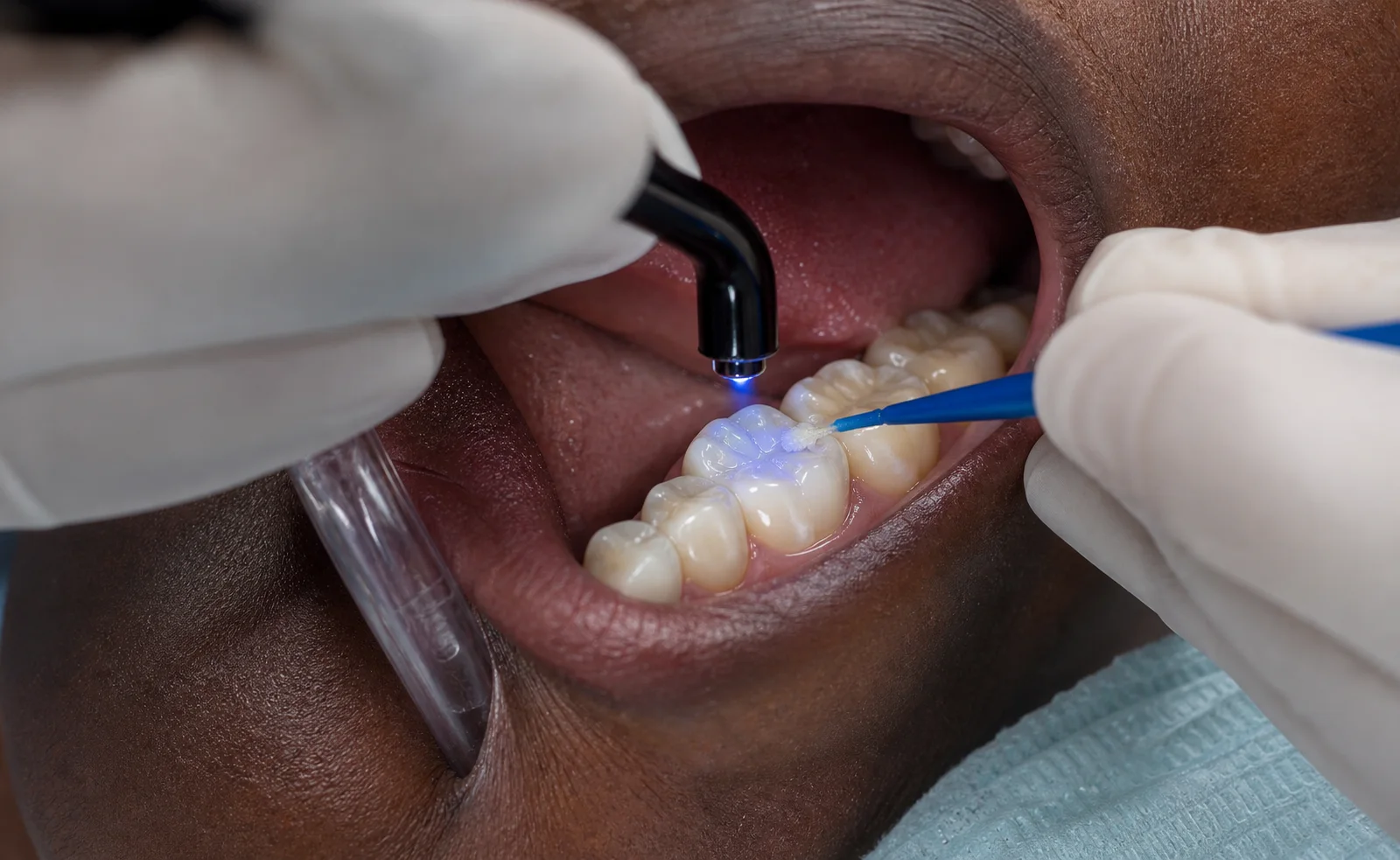
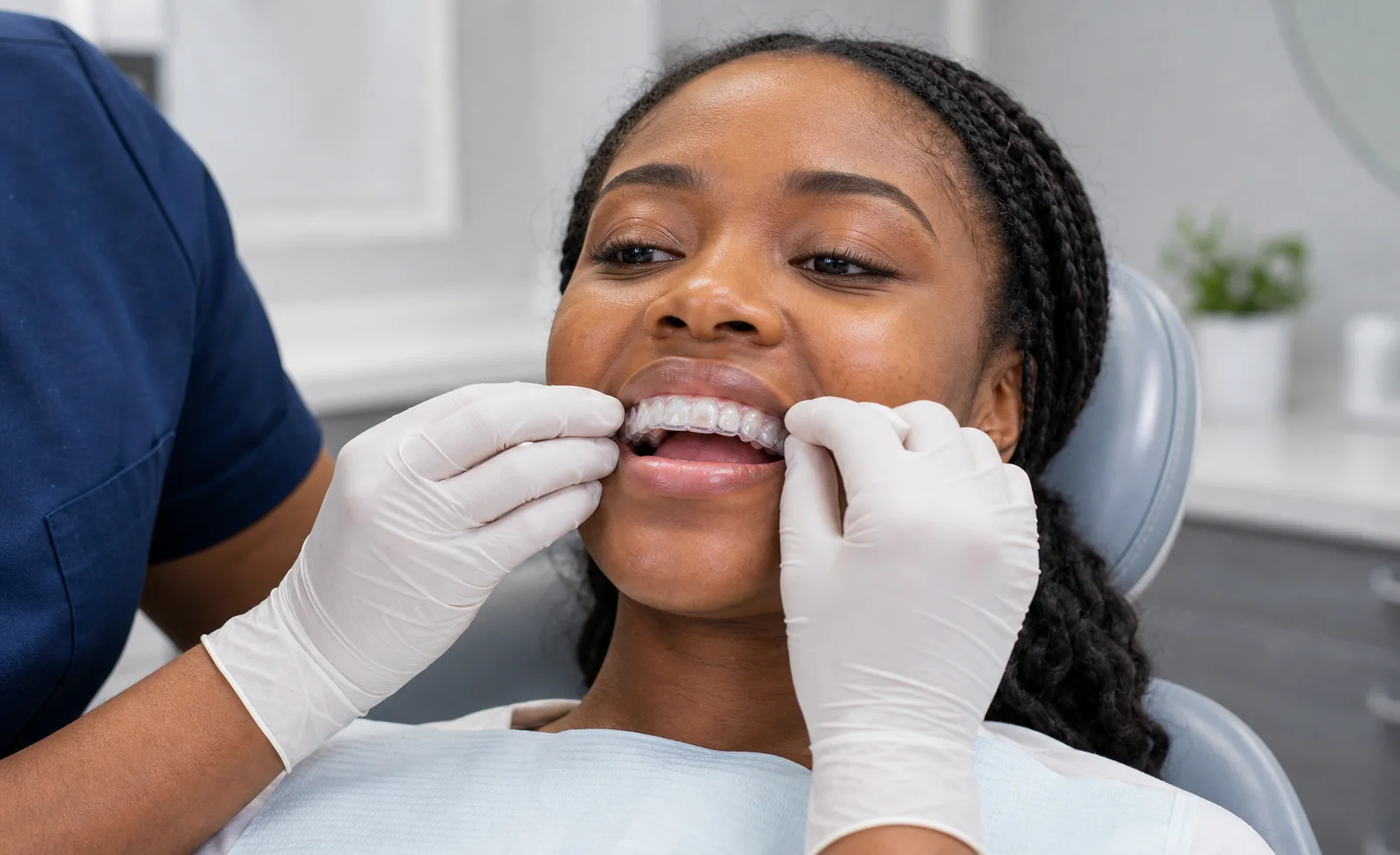
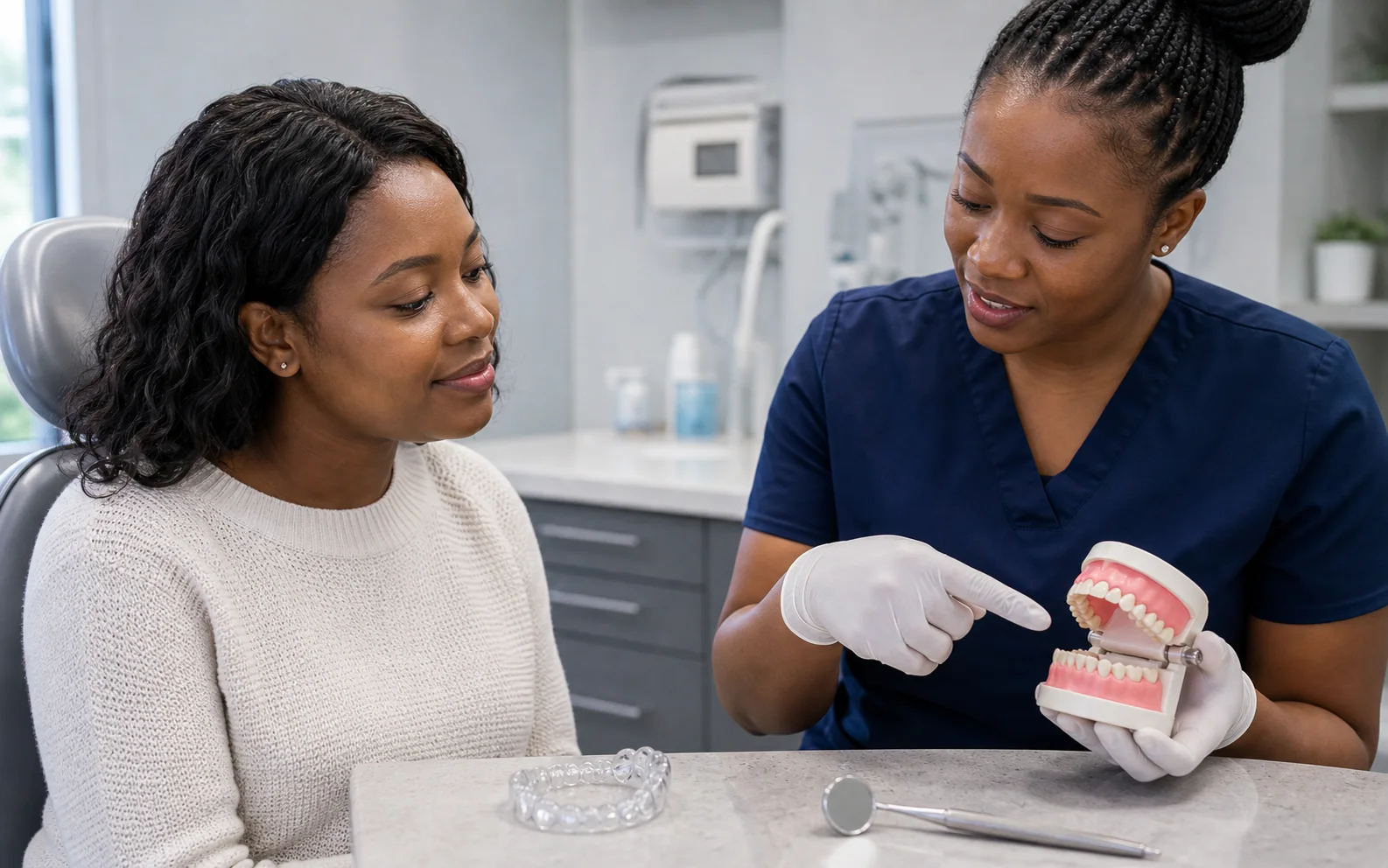
Treatment Guide
Paediatric dentistry helps children build healthy routines while giving parents a clear starting point for a first visit, toothache, prevention, or treatment decisions.
Parents often search for a kids dentist because of toothache, a visible cavity, bleeding gums, a knocked tooth, sensitivity, thumb-sucking concerns, crowded teeth, or a child who is nervous about the dentist. Some visits are also routine first dental visits, giving the dentist a chance to check development before a small concern becomes harder to manage.
At Smile On Dental, paediatric appointments are approached as an assessment first. The dentist checks the teeth, gums, bite, oral habits, and any symptoms before explaining what may be needed. The goal is to support the child without rushing into treatment that has not been clinically confirmed.
Common reasons to book
A careful assessment helps separate normal development from problems that need monitoring or treatment.
The dentist may look at baby teeth, adult teeth that are erupting, gum health, plaque levels, jaw growth, bite alignment, and how the child brushes at home. If there has been pain, trauma, or swelling, the assessment focuses on comfort and safety first, with X-rays considered only when they are clinically useful.
Parents are part of the conversation because home routines, diet, habits, previous dental experiences, and decision concerns all matter. A child who has never had treatment may need a different pace from a child who already understands the chair, mirror, and dental instruments.
Assessment may include
The right paediatric treatment depends on the child's age, cooperation, symptoms, and the condition of the tooth.
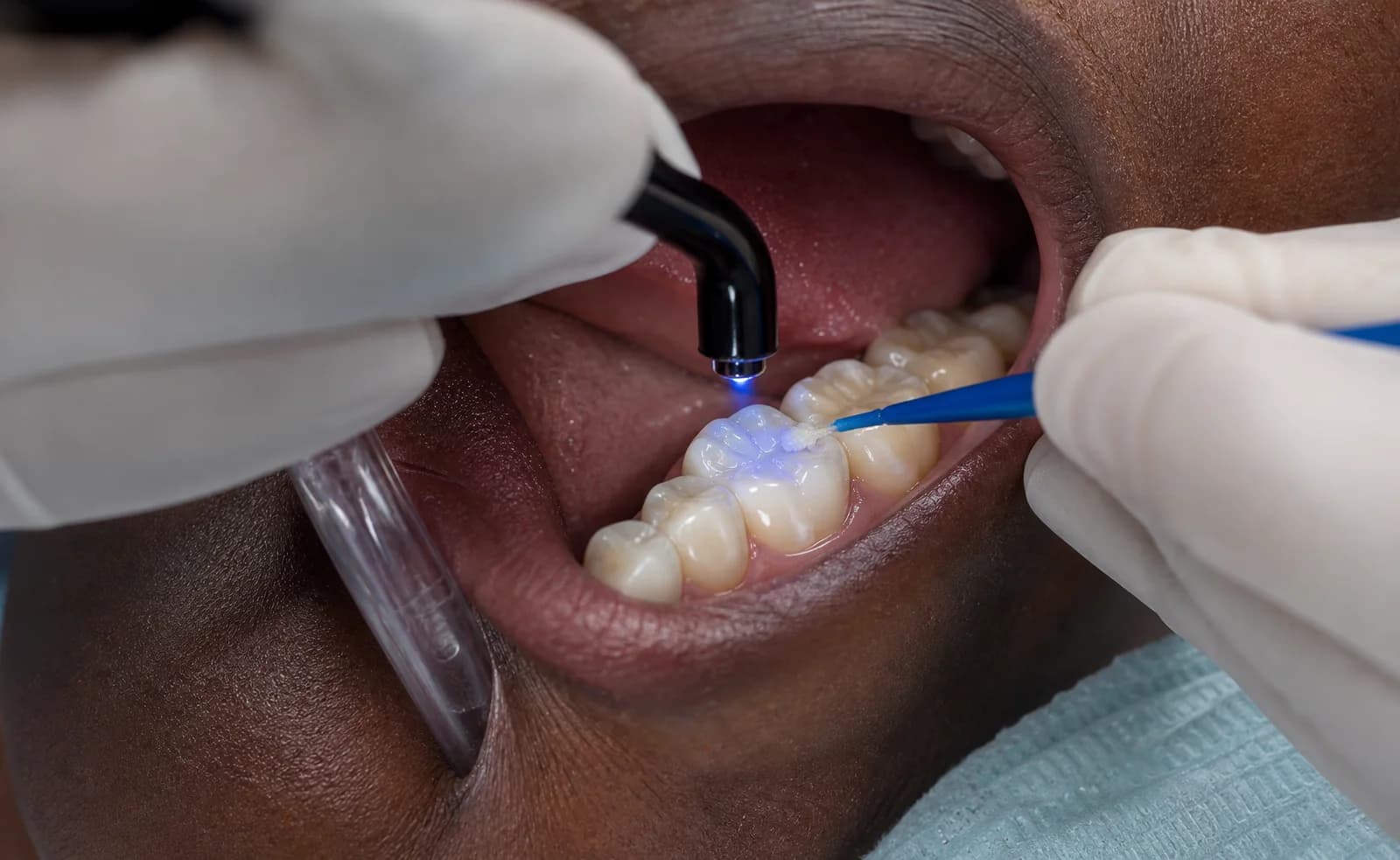
Some children only need prevention, such as cleaning guidance, fluoride advice, fissure sealants, or a review plan. Others may need a filling, treatment for a sore baby tooth, care after a dental injury, or referral for a more complex concern. The dentist should explain why a tooth is being monitored, protected, restored, or removed so parents can compare reasonable options.
Because children grow quickly, timing matters. A baby tooth close to falling out may be managed differently from a baby tooth that still needs to last for years. The dentist also considers comfort, chewing, speech, infection risk, and how treatment may affect the developing adult teeth.
Options may involve

Comfort is part of paediatric dentistry because a child's early dental experience can shape future habits.
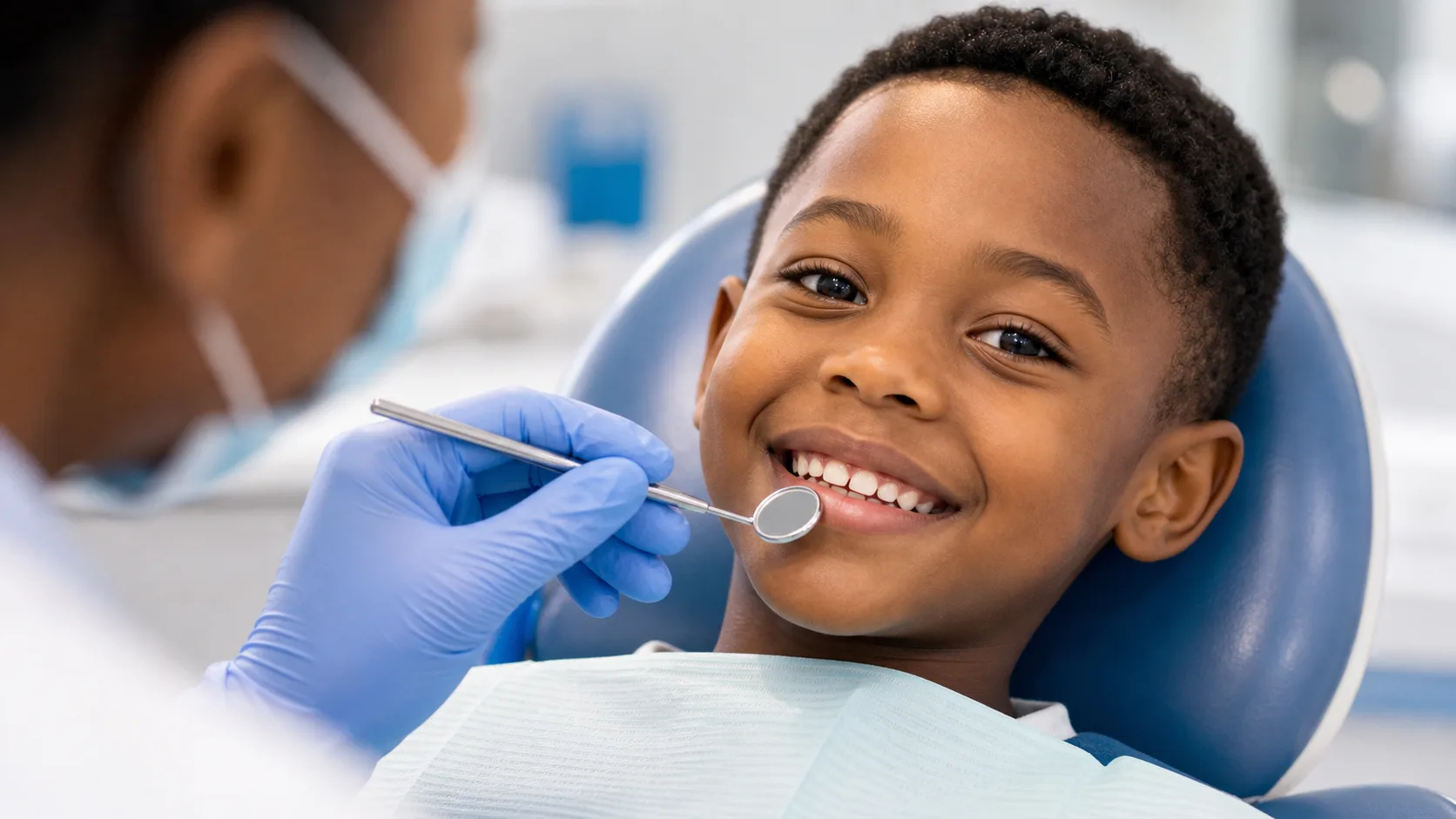
A calm appointment usually starts with simple explanations and a pace the child can manage. The dentist may show instruments, use short instructions, pause when needed, and keep the visit focused on what must be done that day. Parents can help by keeping explanations simple and avoiding frightening words before the visit.
If a child is anxious, the first visit may be about trust, examination, and planning rather than completing every possible procedure. The dentist will advise what is appropriate after seeing the child, the tooth, and the level of urgency. Comfort does not mean ignoring a problem; it means managing it in a child-appropriate way.
Comfort planning focuses on
Aftercare is usually simple, but it needs to be consistent enough to protect the child's teeth between visits.
After a filling, cleaning, extraction, or injury review, the dentist will explain what the child can eat, how to brush, what discomfort may be expected, and which symptoms should be reported. Parents should follow the specific instructions given at the visit because aftercare depends on the treatment completed.
Long-term care usually includes brushing support, age-appropriate toothpaste advice, fewer frequent sugary snacks and drinks, and regular dental checks. Children often need help brushing for longer than parents expect, especially around back teeth and gum edges where plaque can build up.
Home care priorities

Early dental support can make treatment simpler and help children become more confident with routine care.
When children are checked regularly, the dentist can pick up decay, gum inflammation, enamel concerns, crowding signs, or oral habits before they become more difficult to manage. Early advice can also help parents understand which changes at home are likely to make the biggest difference.
The benefit is not only fewer dental problems. A child who understands dental visits as normal care may be more willing to report pain, accept cleaning help, and return for reviews. That confidence can matter as much as the treatment itself.
Potential benefits

Paediatric dental costs depend on the assessment, the treatment required, and whether the visit is preventive, restorative, urgent, or review-based.
Cost factors can include the type of appointment, whether X-rays are needed, how many teeth are involved, the complexity of treatment, and whether follow-up is required. The dentist can explain the plan after examining the child, because guessing from symptoms alone may miss important details.
Smile On Dental gives families a practical starting point for children's dentistry with assessment-led care and clear next steps. If your child has pain, swelling, a broken tooth, or a dental injury, book an assessment promptly so the team can advise the appropriate course of care.
Takeaway
Who It Helps
Treatment Journey
Usually a gentle single visit, with prevention or treatment booked if needed.
You may bring your child in for a first visit, a check-up, tooth pain, cavities, cleaning, fluoride, or help building better brushing habits.
The dentist will ask when it started, what makes it better or worse, whether there is pain or sensitivity, and what you want the visit to help you solve.
What this first step covers
Before treatment starts, the dentist confirms what is actually going on.
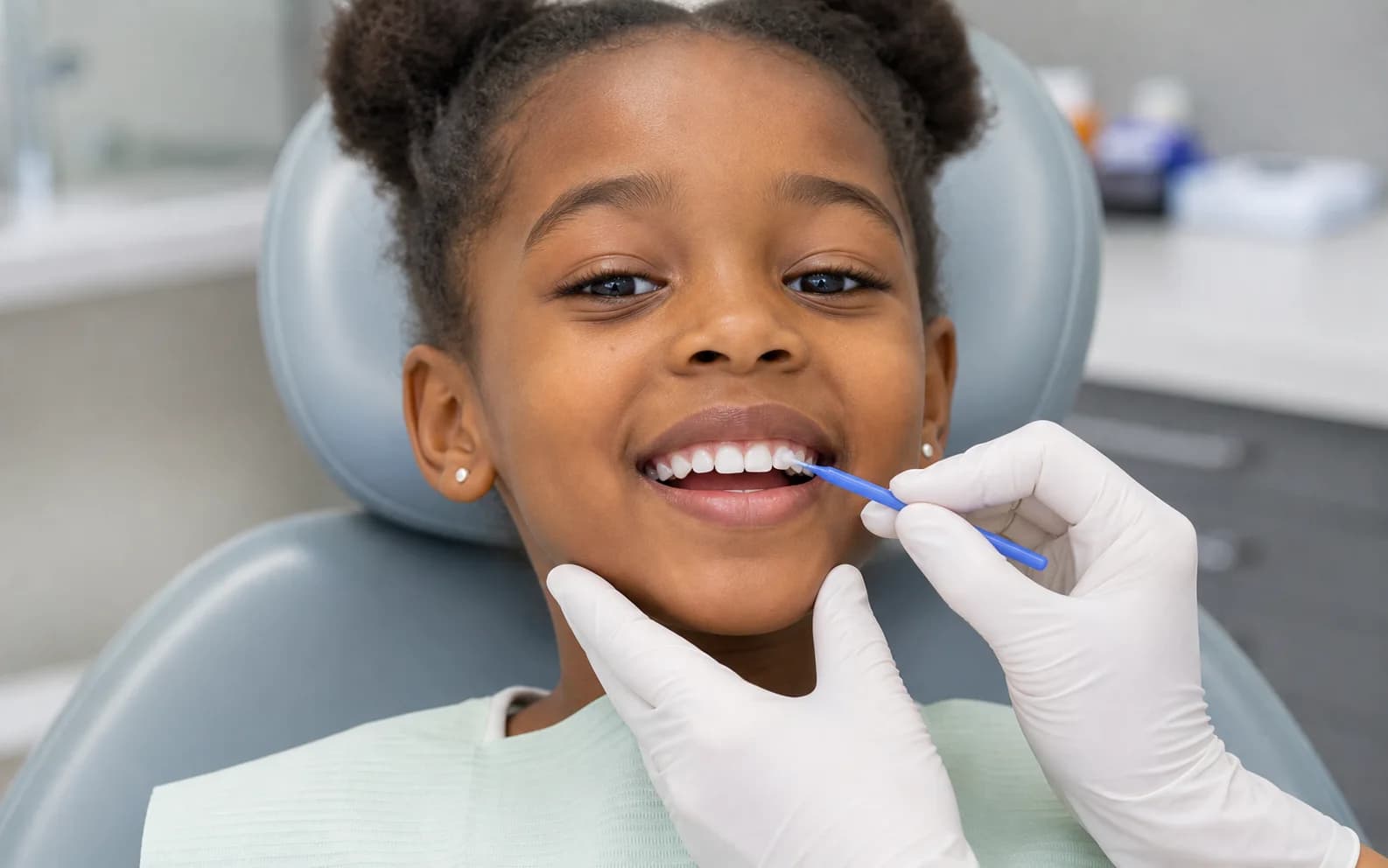
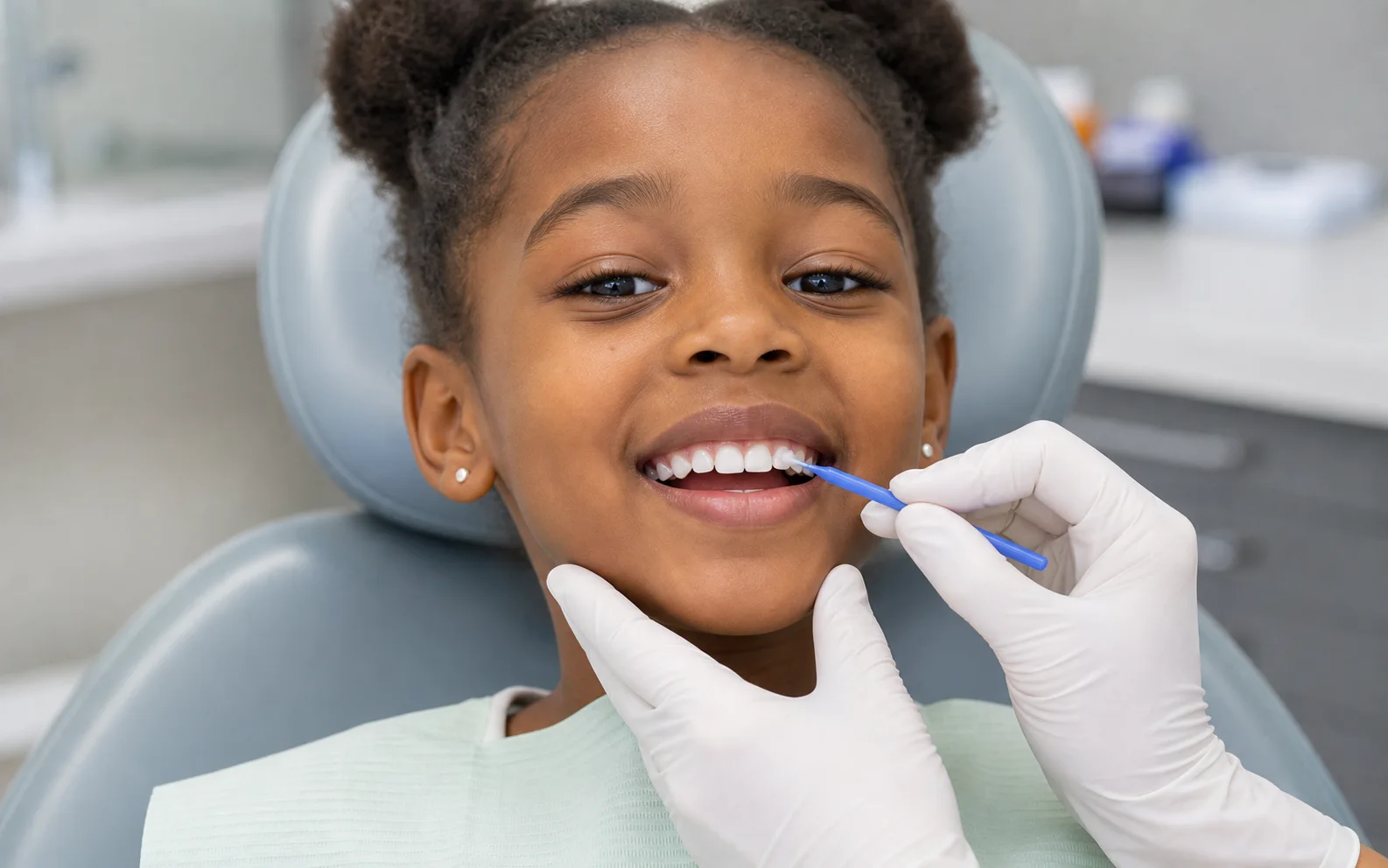
The dentist helps the child settle, checks teeth and gums, looks at development, asks about diet and brushing, and explains findings to the parent in simple terms.
The dentist may then explain options such as Routine check-up and prevention, Cleaning, fluoride, or sealants, A separate treatment appointment if a cavity or pain issue is found, depending on what the examination shows.
What may be checked
Some treatments are completed in one appointment, while others need a separate visit.
The visit is paced so the child feels safe. If care is simple and the child is ready, it may happen the same day; otherwise the next step is planned calmly.
A second visit may be best if the child needs time to build confidence or if treatment needs a longer appointment.
What you should know before leaving
The journey should end with you knowing how to protect the result.
The dentist recommends when to return based on age, risk, development, and whether treatment was needed.
Parents receive practical brushing, diet, fluoride, and habit guidance that fits the child's age.
Your home-care plan
Benefits
Suitability
Children's Dentistry
Children's dental care should support comfort, prevention, parent guidance, and age-appropriate treatment planning.
Suitability
The dentist considers symptoms, oral health, bite, medical history, expectations, and maintenance before recommending paediatric dentistry.
Costs
Cost discussions are most useful after diagnosis because materials, complexity, visit count, and follow-up needs vary from patient to patient.
Appointment
Your dentist reviews your concern, oral health, and treatment goals before recommending next steps.
The team explains the likely process, timing, and care options in straightforward language.
Your treatment plan is shaped around comfort, function, appearance, and long-term oral health.
Costs & Aftercare
Before You Book
Mention whether you are booking for children's dentistry, pain, appearance, function, prevention, or a second opinion.
At the Visit
Ask about diagnosis, options, number of visits, comfort, maintenance, and what could happen if treatment is delayed.
Aftercare
Your dentist will explain home care, review visits, and any symptoms that should be reported after treatment.
FAQs
The best starting point is a consultation. Your dentist will assess your teeth, gums, bite, symptoms, concerns, and smile goals before recommending a personalised treatment plan.
Yes. Use the Book an Appointment button to open the booking site and choose a convenient appointment time. You can also request a callback if you would prefer the practice team to contact you first.
Yes. You can request a callback if you prefer the practice team to contact you before booking. This can be helpful when you are unsure whether you need a routine visit, cosmetic consultation, orthodontic assessment, or urgent support.
Yes. Costs depend on the diagnosis, treatment complexity, materials, and number of visits required. Your dentist can explain the recommended next step before treatment begins.
Bring your identification, medical history, current medication details, previous dental information if available, and any questions you want to discuss with the dentist.
Book an assessment so the dentist can diagnose the cause before you choose a treatment. Pain or swelling may need urgent attention, X-rays, restorative care, or another clinical next step.
Related Treatments
Helpful Articles
Locations
City Treatment Pages
Clinical Leadership

Dr. Kholofelo Machaba-Selatole leads Smile On Dental & Aesthetic Studio with a warm, patient-focused approach to family, restorative, cosmetic, and orthodontic care.
60+ five-star patient reviews across Pretoria and Polokwane.
"Customer care is superb, very friendly front desk staff. I'm happy to have gained my confidence back."

Polokwane
"From reception right into the doctor's consultation room it was all smiley faces that welcomed us."

Polokwane
"The best dental service I have seen in Pretoria, cannot wait for my next appointment."

Pretoria
"Customer care is superb, very friendly front desk staff. I'm happy to have gained my confidence back."
Polokwane
"From reception right into the doctor's consultation room it was all smiley faces that welcomed us."
Polokwane
"The best dental service I have seen in Pretoria, cannot wait for my next appointment."
Pretoria
Book a Consultation