
Quick Answer
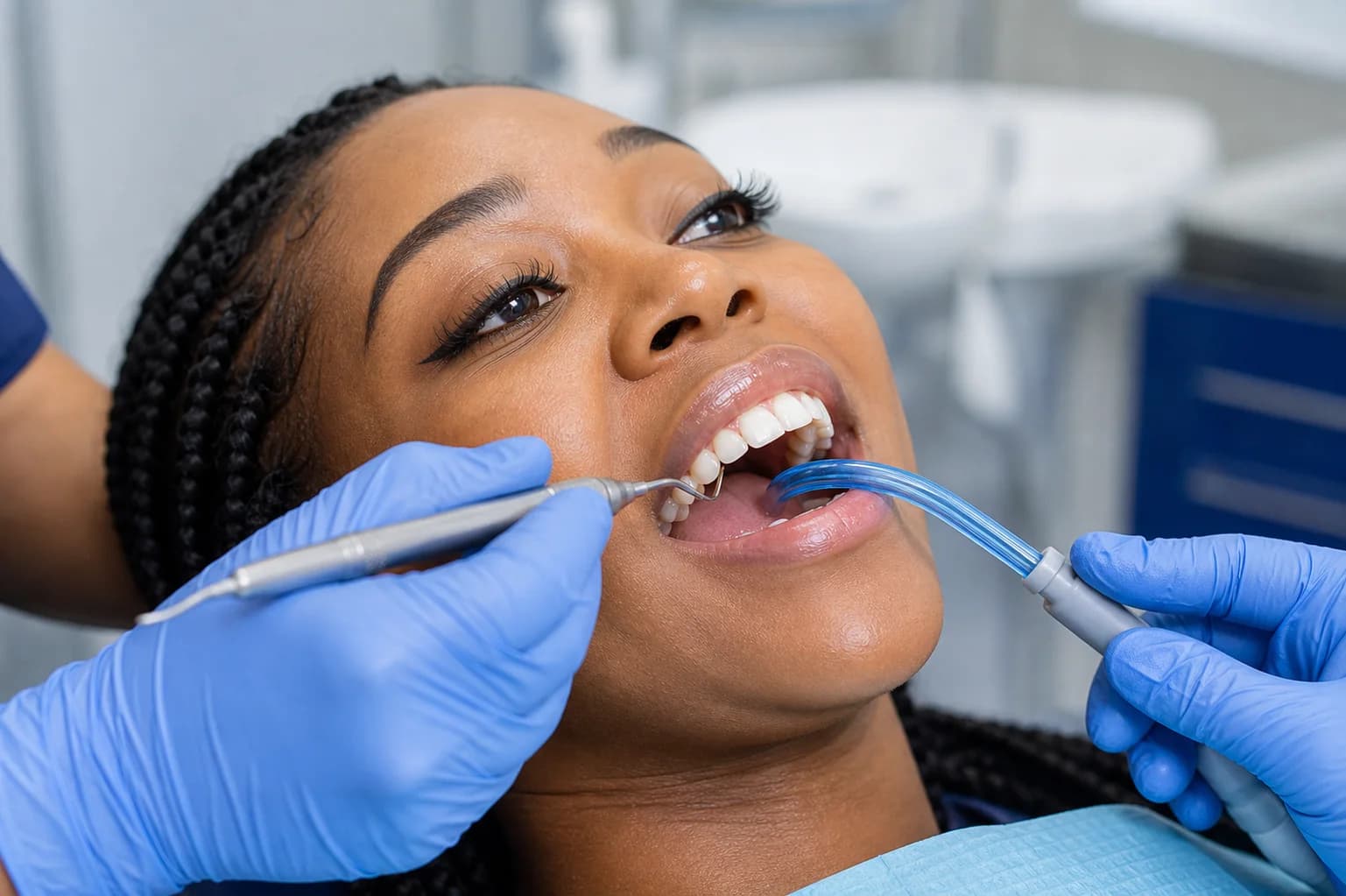
A child should usually first visit the dentist when the first tooth appears or by the first birthday. The first appointment is not only for children who already have pain or visible problems. It is a short, practical visit where the dentist checks tooth and jaw development, looks for early signs of decay or injury, gives parents brushing and feeding guidance, and helps the child become familiar with dental care from an early age.
- The first dental visit is usually recommended after the first tooth appears, but no later than the first birthday.
- Toddlers and 3-year-olds are not too young for a dental visit; they can benefit from early checks, habit advice, and preventive planning.
- Baby teeth matter for chewing, speech, space for adult teeth, comfort, and everyday function.
- Parents should book sooner if there is pain, swelling, injury, tooth colour change, spots on teeth, feeding concerns, or a cavity concern.
The first visit age at a glance
The usual guidance is simple: book the first dental visit when the first tooth appears or by the child's first birthday. This can feel early to many parents because a baby may only have one or two teeth, may not sit still for long, and may not understand the appointment yet. That is exactly why the first visit is kept practical. It is less about doing a long procedure and more about checking development, supporting home care, and giving parents a clear prevention plan.
The first visit also gives the dental team a baseline. The dentist can see how the teeth are erupting, whether the gums and soft tissues look healthy, and whether feeding or brushing habits need adjusting. A baby or toddler does not need a full set of teeth before dental care becomes useful. Once teeth are present, those teeth can collect plaque and can develop decay, so early guidance matters.
If your child is already past their first birthday and has not been seen, the next step is not to worry or wait for a perfect age. Book a first visit and let the dental team meet the child where they are now. A 2-year-old, 3-year-old, or older child can still have a helpful first appointment focused on comfort, development, prevention, and parent questions.
| Child's stage | Is a dental visit useful? | Why |
|---|---|---|
| First tooth has appeared | Yes | The dentist can check early eruption, gums, brushing needs, and decay risk. |
| Approaching the first birthday | Yes | A first visit supports prevention and gives parents feeding and cleaning guidance. |
| Toddler or 3-year-old with no previous visit | Yes | The child is not too young; the dentist can check development and build familiarity. |
| Any age with pain, swelling, trauma, spots, or visible cavities | Book sooner | Symptoms or visible changes should be assessed instead of waiting for a routine age. |
Why baby teeth matter
Baby teeth are temporary, but they are not disposable. They help a child bite, chew, speak, smile, and hold space while the jaws and adult teeth develop. When a baby tooth becomes painful, infected, broken, or lost earlier than expected, the effect can reach beyond that one tooth. The child may avoid certain foods, sleep poorly, chew on one side, or become less comfortable with daily brushing.
Healthy baby teeth also make routine dental visits easier. When a child first meets the dentist before there is a painful problem, the appointment can focus on counting teeth, checking the bite, showing parents how to clean around new teeth, and building a normal rhythm of care. That early familiarity may help later visits feel more predictable.
Parents sometimes wait because they assume small children will not cooperate. A first visit does not require adult-style cooperation. The dental team may use a parent lap position, a brief look with a small mirror, or a gentle count of the teeth. Even a short look can provide useful information when combined with parent questions about brushing, bottles, snacks, thumb sucking, pacifier use, and teething.
- support chewing and comfortable eating
- help children practise speech sounds
- hold space for developing adult teeth
- allow the dentist to notice early tooth or gum changes
- help children learn that dental visits are part of normal health care
What happens at the first dental visit
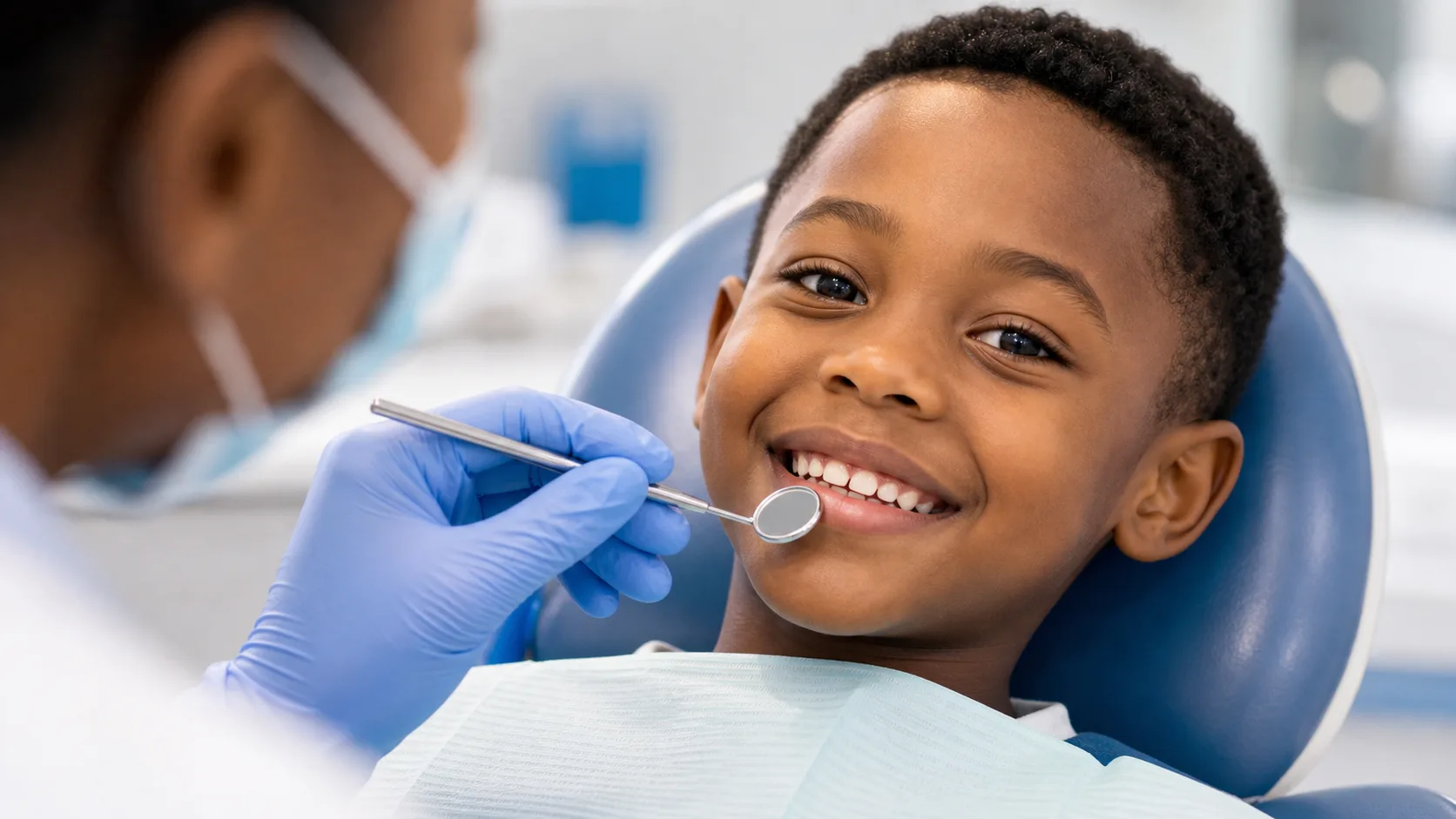
A first dental visit for a baby or toddler is usually short and parent-focused. The dentist may ask about pregnancy or birth history where relevant, medical conditions, medicines, allergies, feeding routines, bottle use, breastfeeding, night feeds, snacks, drinks, brushing, teething, pacifiers, thumb sucking, and any dental injuries. These questions are not about judging parents. They help the dentist understand the child's decay risk and give advice that fits the family's routine.
The clinical check may include the lips, cheeks, gums, tongue, palate, teeth, bite, and jaw growth. If the child is small or unsure, the parent may hold them during the check. The dentist may count teeth, check whether teeth are erupting as expected, look for white or brown spots, check for plaque around the gumline, and discuss whether a cleaning or fluoride varnish is appropriate.
The visit often ends with practical guidance. Parents may be shown brushing position, toothbrush size, toothpaste amount, what to do if gums bleed during brushing, when to start cleaning between teeth, and what signs should prompt an earlier review. The most useful outcome is a clear next step: continue routine home care, adjust a habit, use preventive treatment where suitable, or book follow-up based on the child's risk.
- Discuss the child's health, feeding, brushing, habits, and any parent concerns.
- Check the mouth, teeth, gums, bite, and jaw development as the child allows.
- Review brushing technique, toothpaste use, snacks, drinks, and injury prevention.
- Agree on the next visit timing or preventive care based on the child's risk.
Toddlers and 3-year-olds are not too young
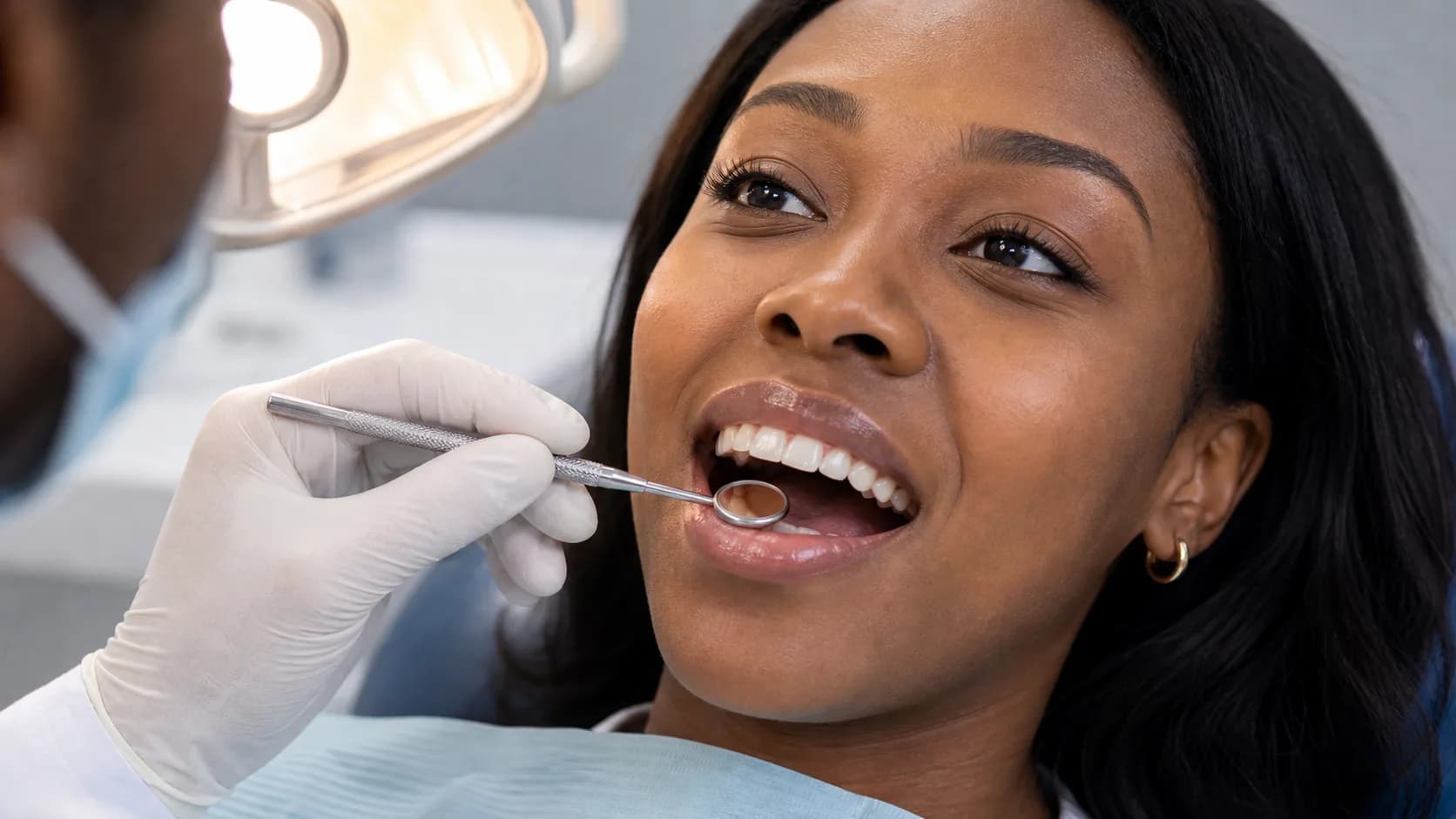
A common parent question is whether a 1-year-old, 2-year-old, or 3-year-old can really go to the dentist. The answer is yes. The appointment is simply adapted to the child's stage. A toddler may sit on a parent's lap, hold a toothbrush, look at the mirror, or only manage a brief check. That is still useful because early visits are partly about building trust and partly about giving parents timely advice.
By age 3, many children have most or all of their baby teeth. That makes a dental visit especially useful if the child has not been before. The dentist can check spacing, enamel, bite, brushing access, decay risk, and habits such as dummy or pacifier use, thumb sucking, grinding, mouth breathing, snacking, and drinks before bed. Some findings need only monitoring. Others may need prevention advice or treatment planning.
Parents should not wait for a child to behave like an older school-age patient. Movement, shyness, questions, and short attention spans are normal. The dental team's job is to work with the child's stage. A calm first visit can still count as progress even if the dentist only gets a short look and spends most of the appointment coaching the parent.
- A 1-year-old can have a brief first dental check.
- A 2-year-old can be seen even if they are shy or restless.
- A 3-year-old is not too young for a full baby-tooth assessment.
- The appointment length and approach can be adjusted to the child.
How parents can prepare
Preparation works best when it is simple. Tell your child they are going to have their teeth counted and checked. Use calm, everyday words and avoid making the appointment sound like a test. For babies and toddlers, preparation may be mostly about timing: choose an appointment time when the child is usually rested, bring comfort items if helpful, and avoid arriving hungry if possible.
Parents can also prepare by writing down questions. Useful topics include brushing struggles, toothpaste amounts, night feeds, bottles, dummy or pacifier use, thumb sucking, teething discomfort, tooth grinding, mouth injuries, and what to do if a tooth changes colour after a bump. If your child has medical conditions, allergies, regular medicines, or previous hospital care, bring those details.
The parent response during the appointment matters. If the child wriggles, cries, or refuses at first, that does not mean the visit has failed. Stay calm, let the dental team guide the pace, and keep the goal realistic. For some children, a successful first visit is a full check. For others, it is sitting in the room, meeting the team, and letting the dentist see just enough to advise the parent.
- Use short, calm wording such as teeth count or teeth check.
- Book around nap, school, and meal routines where possible.
- Brush before the visit so the dentist can assess clean teeth.
- Bring medical details, medicine names, and parent questions.
- Let the dental team guide the explanation during the appointment.

Feeding and brushing habits to discuss
The first dental visit is a good time to check the habits that shape a child's cavity risk. For babies, the dentist may ask about breastfeeding, bottle feeding, night feeds, formula, milk, juice, sweet drinks, sippy cups, snacks, and whether the child falls asleep with anything other than water in the mouth. The point is to identify sugar frequency and plaque build-up patterns early.
Brushing guidance should be specific to the child's age and ability. Parents usually need to brush for young children because toddlers do not yet have the coordination to clean thoroughly. The dentist can show how to lift the lip gently, clean along the gumline, choose a small soft toothbrush, and use an age-appropriate toothpaste amount. If the child resists brushing, the visit can focus on practical positioning and routine building.
Snacking patterns also matter. Constant grazing, sticky foods, sweet drinks, and bedtime drinks other than water can keep teeth exposed to sugars often throughout the day or night. This does not mean every treat is forbidden. It means parents should understand frequency, timing, and cleaning. A realistic plan is easier to follow than a long list of rules that does not fit the family.
| Topic | What the dentist may ask | Why it matters |
|---|---|---|
| Brushing | Who brushes, how often, and what toothpaste is used. | Young children usually need adult help to clean plaque well. |
| Night routine | Whether milk, formula, juice, or sweet drinks are used near sleep. | Teeth are more vulnerable when sugars sit on them overnight. |
| Snacks and drinks | How often the child has sweet, sticky, or sipping habits. | Frequency can affect cavity risk more than parents expect. |
| Habits | Thumb sucking, pacifiers, grinding, mouth breathing, or injuries. | Some habits need monitoring, reassurance, or early advice. |
Fluoride and sealants when relevant
Preventive care should be based on the child's age, teeth, decay risk, and clinical assessment. Fluoride can support enamel and may be discussed as toothpaste guidance, varnish, or another preventive step where suitable. For very young children, parents should ask the dentist or doctor about the right toothpaste amount and whether fluoride varnish is appropriate once teeth are present.
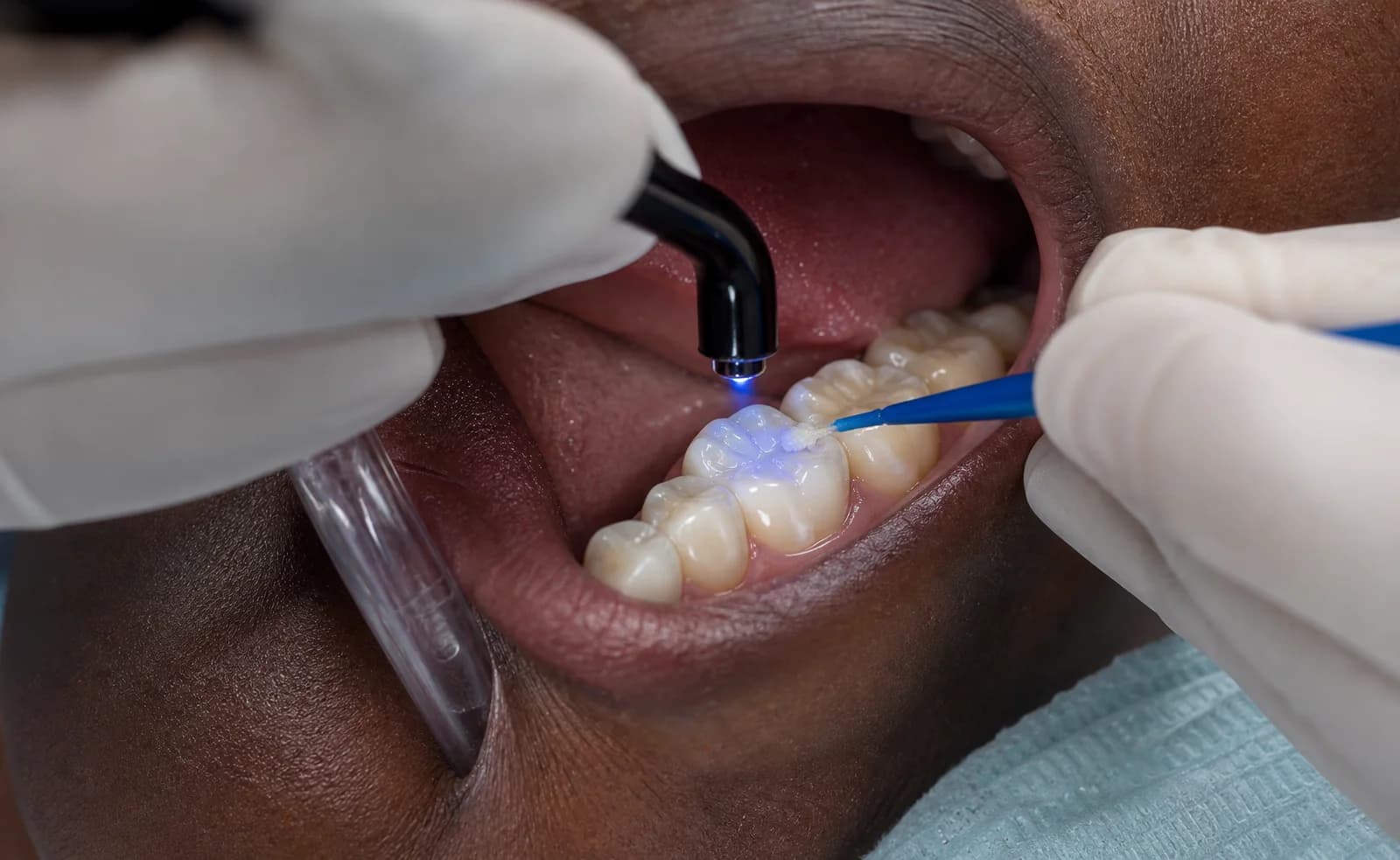
Fissure sealants are different. They are usually considered for molars with grooves that can trap plaque and food, especially when permanent back teeth erupt. A baby or young toddler will not usually be at the sealant stage yet, but parents may hear about sealants later when the first adult molars come through. The dentist can explain timing when those teeth are present and suitable.
The key is not to request every preventive treatment at once. The dentist first checks the child's mouth, then discusses what is relevant now and what may become relevant later. For one child, the main plan may be brushing and feeding advice. For another, fluoride varnish or a shorter review interval may be discussed. For an older child with newly erupted molars, sealants may be part of the prevention conversation.
- Fluoride toothpaste guidance depends on age and professional advice.
- Fluoride varnish may be discussed when a child is at higher risk or teeth need extra prevention support.
- Fissure sealants are usually discussed for grooved molars, especially permanent back teeth.
- Preventive care should match the child's actual mouth and decay risk.
When to book sooner
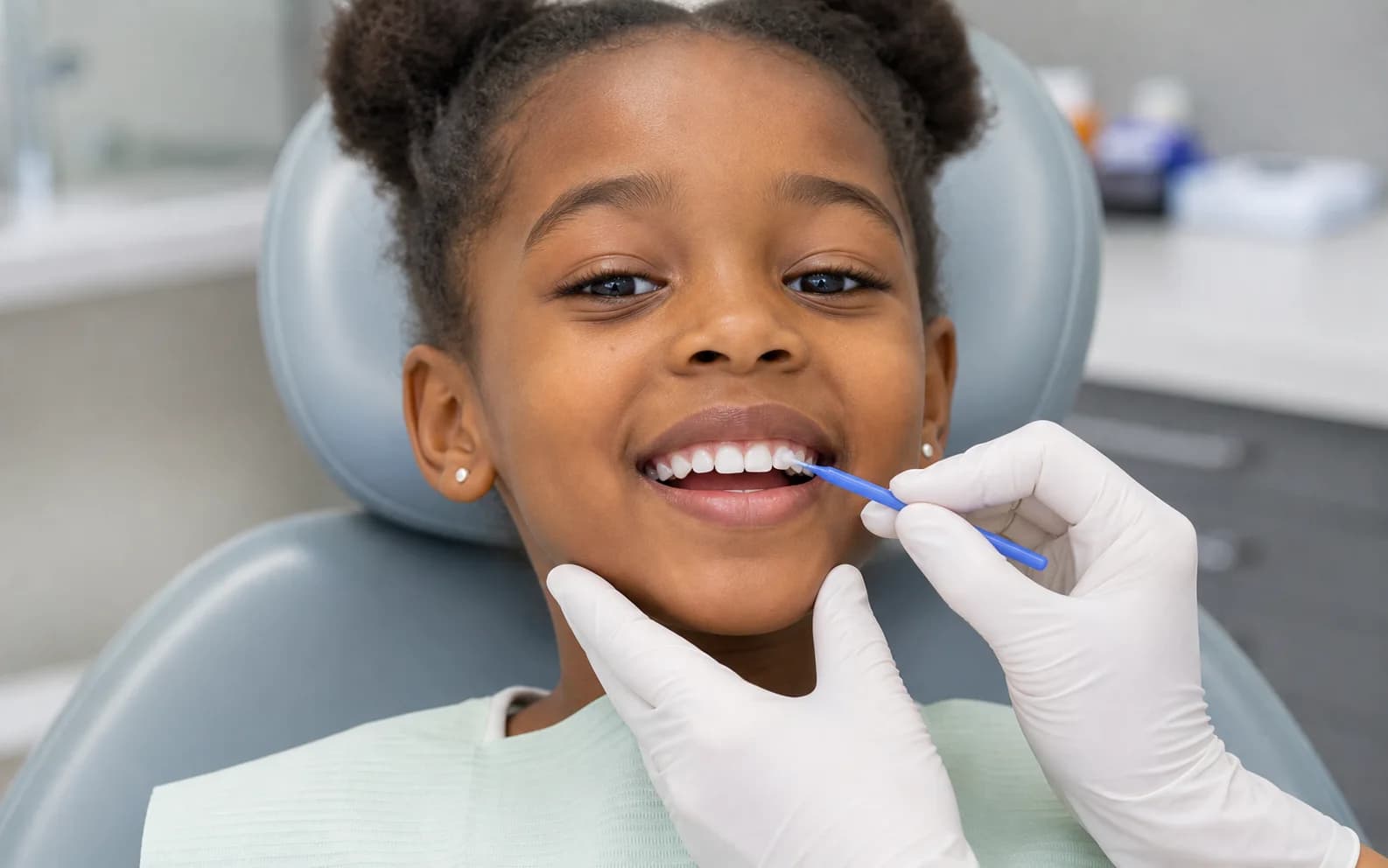
The first birthday guidance is for routine prevention. Some children should be seen sooner because symptoms or visible changes need assessment. Book a dental visit if you notice white, yellow, brown, or black marks on teeth; a chipped or injured tooth; swelling; a gum bump; bleeding that seems unusual; bad breath that persists; difficulty eating; pain when brushing; or a tooth that changes colour after a fall or bump.
Dental injuries are common when young children learn to walk, climb, and play. A bumped baby tooth may need monitoring even if it stays in place. Do not try to reposition a baby tooth at home. If a tooth is pushed into the gum, becomes loose, breaks, bleeds, or changes colour later, contact the dental practice for advice. The dentist may need to check the soft tissues, tooth position, bite, and developing adult tooth area.
Parents should also book sooner if brushing is becoming impossible, the child avoids chewing on one side, sleep is disrupted by mouth discomfort, or a caregiver notices swelling of the face or gum. These signs do not always mean complex treatment is needed, but they should be assessed. Early review gives the dentist a chance to identify the cause and discuss the most suitable next step.
- Book if there are spots, holes, swelling, pain, injury, or tooth colour changes.
- Call for advice after a fall or mouth injury, even if the child settles quickly.
- Mention feeding, chewing, sleep, brushing, and behaviour changes when booking.
- Use routine check-ups for prevention, but do not wait for routine timing when symptoms appear.
Internal Links
Related dental care
Sources
Useful information
Written by
Dr. Kholofelo Machaba-SelatoleChief Dentist & Practice Director
Dr. Kholofelo Machaba-Selatole leads Smile On Dental & Aesthetic Studio with a warm, patient-focused approach to family, restorative, cosmetic, and orthodontic care.
View Profile