
Quick Answer
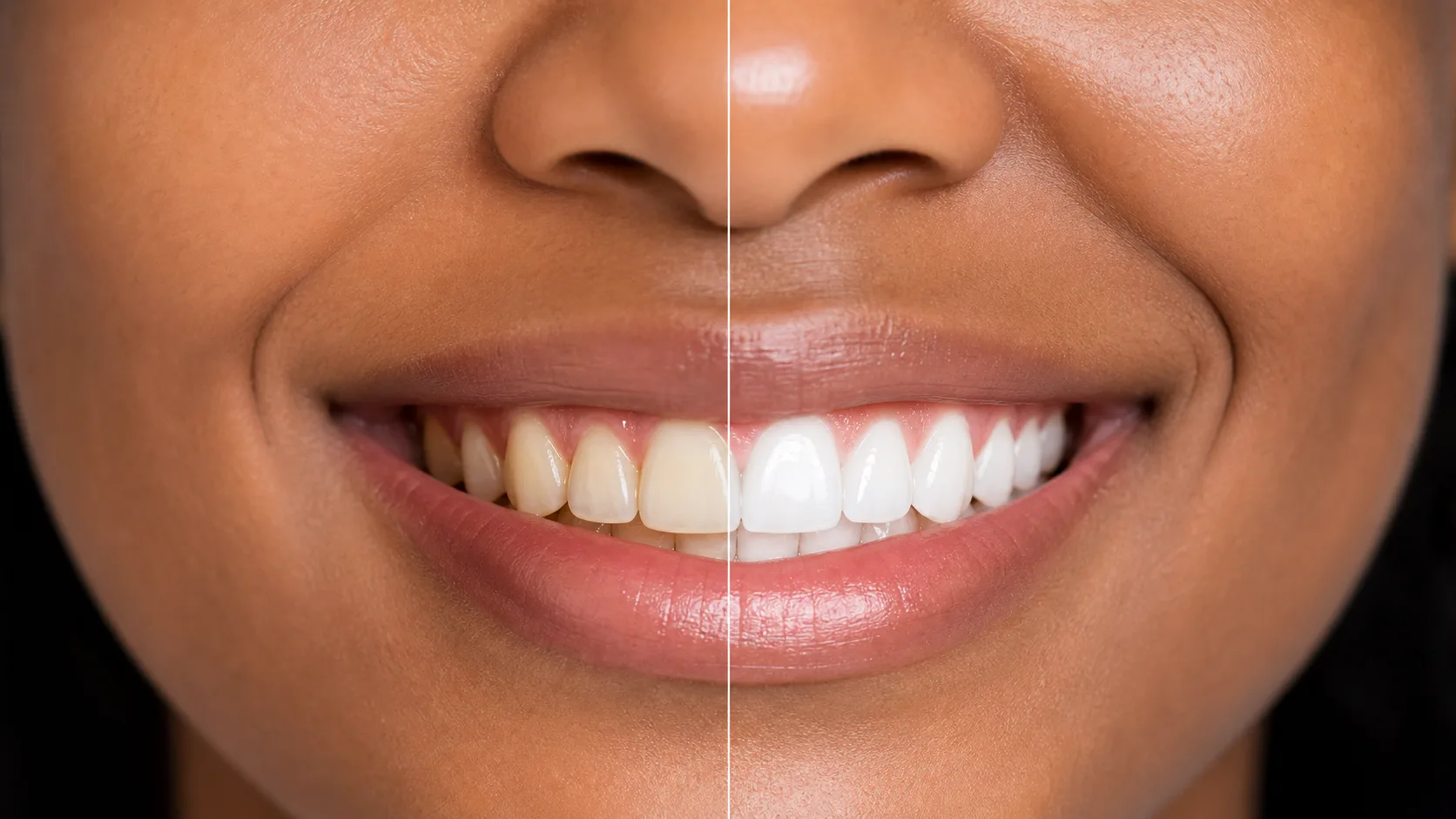
In everyday dental conversations, teeth whitening is the broader patient-friendly term for making teeth look brighter, while teeth bleaching usually refers to peroxide-based treatment that changes the colour of natural tooth structure. Whitening can include removing surface stains with cleaning or whitening toothpaste, but bleaching uses ingredients such as hydrogen peroxide or carbamide peroxide where clinically suitable. The right choice depends on whether the colour concern is external staining, internal discolouration, existing restorations, sensitivity, gum health, or another issue that needs diagnosis first.
- Whitening is the broader term, while bleaching usually means peroxide-based colour change in natural teeth.
- External stains from plaque, food, drinks, or tobacco may improve with cleaning before bleaching is considered.
- Internal discolouration, age-related shade changes, trauma, fluorosis, or a single dark tooth need dentist assessment before treatment.
- Hydrogen peroxide and carbamide peroxide are common bleaching ingredients, but they should be used with the right diagnosis and gum protection.
- Crowns, veneers, fillings, bridges, dentures, and implant crowns do not bleach like natural teeth.
- Sensitivity, gum irritation, cavities, gum disease, exposed roots, pregnancy, age, or unrealistic shade goals may change whether bleaching is appropriate.
Whitening and bleaching are not always the same word
Patients often use teeth whitening and teeth bleaching as if they mean the same thing. In many clinic conversations, that is understandable because both phrases usually refer to making a smile look brighter. The important difference is that whitening can be a broad appearance goal, while bleaching is usually the chemical method used to lighten natural tooth structure with peroxide-based products.
A whitening conversation may include professional dental cleaning, polishing, stain-control advice, whitening toothpaste, dentist-supplied home whitening, in-practice whitening, or a broader cosmetic plan. A bleaching conversation is narrower. It usually asks whether hydrogen peroxide or carbamide peroxide can safely change the shade of the natural teeth in that specific mouth.
This distinction matters because not every darker-looking smile needs bleaching. Some teeth look darker because of plaque, tartar, tea, coffee, tobacco, or surface stains. Some teeth look darker because of age-related internal colour, trauma, old restorations, enamel defects, decay, or a tooth that needs diagnosis. The safer starting point is not the product name. It is the reason the teeth look the way they do.
| Term | What it usually means | What to check first |
|---|---|---|
| Teeth whitening | A broad goal of making teeth look brighter. | Whether the concern is surface stain, natural tooth colour, restorations, or another dental issue. |
| Teeth bleaching | Peroxide-based treatment intended to lighten natural tooth structure. | Whether the teeth and gums are healthy enough and whether bleaching is likely to suit the stain type. |
| Dental cleaning | Removal of plaque, tartar, and some external stains. | Whether build-up is masking the true tooth shade before cosmetic whitening is discussed. |
External stains are different from internal colour changes
External stains sit on the outside of the tooth surface. They are often linked to plaque retention, tartar, smoking, coffee, tea, red wine, cola, strongly coloured foods, or areas that are difficult to clean. These stains can make teeth look dull or yellow-brown even when the underlying tooth shade has not changed much.
Professional cleaning can remove plaque and tartar and may reduce some external staining. Whitening toothpaste can also help some surface stains when used correctly, although it does not replace a dental cleaning where there is hardened tartar. If the main issue is external stain, cleaning first may make the smile look brighter and may also help the dentist see the baseline shade more accurately.
Internal colour changes happen within enamel or dentine, or because the tooth structure has changed over time. Age-related yellowing, fluorosis, trauma-related darkening, old dental history, certain developmental stain patterns, or a single tooth that has become dark can behave differently from ordinary surface stain. Bleaching may be discussed for some internal stains, but the response can vary and diagnosis matters before treatment begins.
- Surface stains may respond to cleaning, polishing, and better stain-control habits.
- Internal discolouration may need bleaching, restorative planning, or a different diagnosis-led option.
- A single dark tooth should be assessed before general whitening is planned.
- White patches or uneven enamel may look different after the surrounding tooth shade changes.
A dentist assessment should come before bleaching
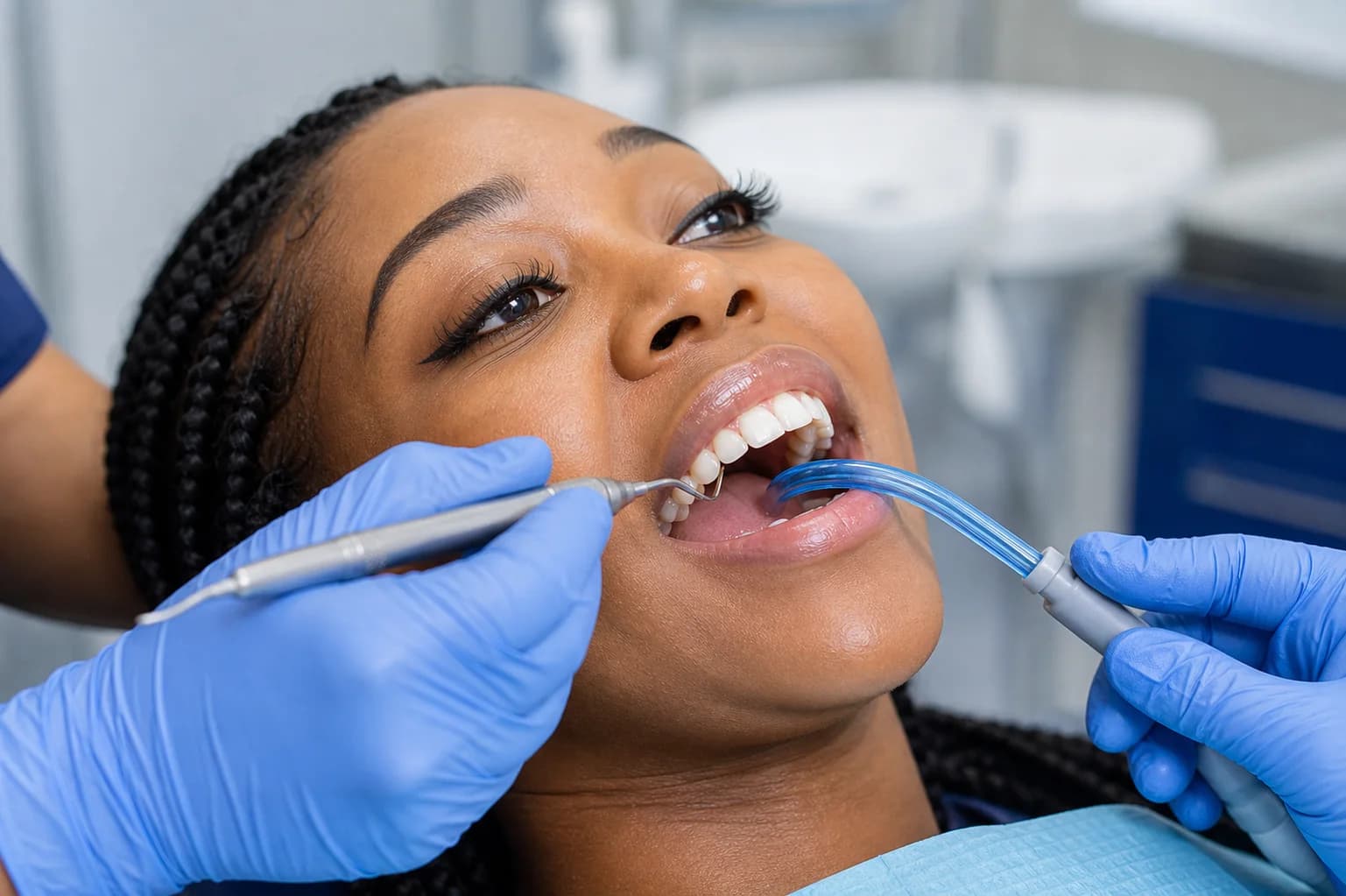
Bleaching is elective cosmetic treatment, but it still starts with oral health. The dentist checks the teeth, gums, sensitivity history, existing restorations, shade goals, and the pattern of discolouration. X-rays or other tests may be recommended where clinically appropriate, especially when there is pain, a single dark tooth, old restorations, suspected decay, cracks, or a history of trauma.
This assessment helps separate cosmetic concerns from dental problems. A cavity, leaking filling, gum disease, exposed root, cracked tooth, or inflamed gum area may need treatment before bleaching is considered. If peroxide gel reaches irritated gums, cracks, exposed dentine, or unhealthy tooth structure, discomfort can be more likely and the colour concern may not be solved.
Assessment also protects expectations. Bleaching can lighten suitable natural teeth, but it cannot guarantee a particular shade and it does not create the same result in every mouth. The dentist may discuss whether bleaching alone is realistic or whether cleaning, sensitivity care, composite bonding, veneers, crowns, or a broader smile makeover should be compared.
- Review the colour concern, dental history, sensitivity, and previous whitening.
- Check teeth, gums, restorations, cracks, cavities, and exposed root areas.
- Identify whether the staining is external, internal, mixed, or linked to one tooth.
- Treat cleaning, gum, decay, or sensitivity issues first where needed.
- Choose a whitening or bleaching plan only if it is clinically suitable.

Peroxide ingredients do the bleaching work
Professional bleaching usually involves hydrogen peroxide or carbamide peroxide. Carbamide peroxide breaks down and releases hydrogen peroxide. These ingredients can move through enamel and dentine and help change colour compounds inside natural tooth structure. That is different from simply polishing away stain on the surface.
The details of peroxide treatment matter. Concentration, contact time, tray fit, gum protection, tooth condition, sensitivity risk, and review instructions all affect how bleaching is planned. Dentist-supplied home whitening often uses custom trays designed to fit the teeth closely and reduce unnecessary gel contact with the gums. In-practice whitening may use peroxide gel while the gums are protected during the appointment.
Over-the-counter strips, gels, toothpastes, and rinses are not the same as a dentist-supervised bleaching plan. Some products mainly remove external stains, some contain peroxide at lower strengths, and some may not suit patients with sensitivity, gum problems, visible restorations, or uncertain staining. Patients should avoid trying to intensify whitening with household acids, abrasive scrubs, or improvised peroxide mixtures because these approaches can damage enamel or irritate soft tissues.
| Approach | What it may do | Main caution |
|---|---|---|
| Professional cleaning | Removes plaque, tartar, and some external stains. | It does not chemically bleach the internal tooth shade. |
| Whitening toothpaste | May help control some surface stains. | It may not change deeper tooth colour and abrasive use can be a concern. |
| Dentist-supplied home bleaching | Uses peroxide gel in trays according to instructions. | Tray fit, dose, timing, sensitivity, and gum contact need guidance. |
| In-practice bleaching | Uses peroxide gel with professional isolation and monitoring. | Suitability and gum protection still matter. |
Sensitivity and gum irritation are common planning points
Temporary tooth sensitivity and gum irritation are among the most common side effects discussed with bleaching. Sensitivity may be more likely when teeth already have exposed roots, gum recession, cracks, worn enamel, leaking fillings, untreated cavities, or a history of sensitivity to cold or sweet foods and drinks. The dentist may adjust the whitening method, timing, product strength, or sequence of care.
Gum irritation can happen when whitening gel contacts the gums, especially if trays do not fit well or too much gel is used. In-practice whitening usually includes protection for the gums, and home whitening should include clear instructions about gel amount, tray wear, and what to do if irritation develops. More gel does not mean a better or safer result.
A patient who already has sensitivity may need a slower plan, desensitising advice, sensitivity treatment, a different cosmetic option, or postponement until the cause is understood. Bleaching should not be used to cover up symptoms that need diagnosis. If pain is sharp, spontaneous, one-sided, linked to biting, or associated with swelling, the priority is assessment rather than cosmetic whitening.
- Tell the dentist about sensitivity before whitening starts.
- Do not overfill whitening trays or extend wear time without guidance.
- Stop and contact the dental team if irritation or sensitivity is worrying.
- Treat active dental problems before cosmetic bleaching where needed.
Restorations will not bleach like natural teeth
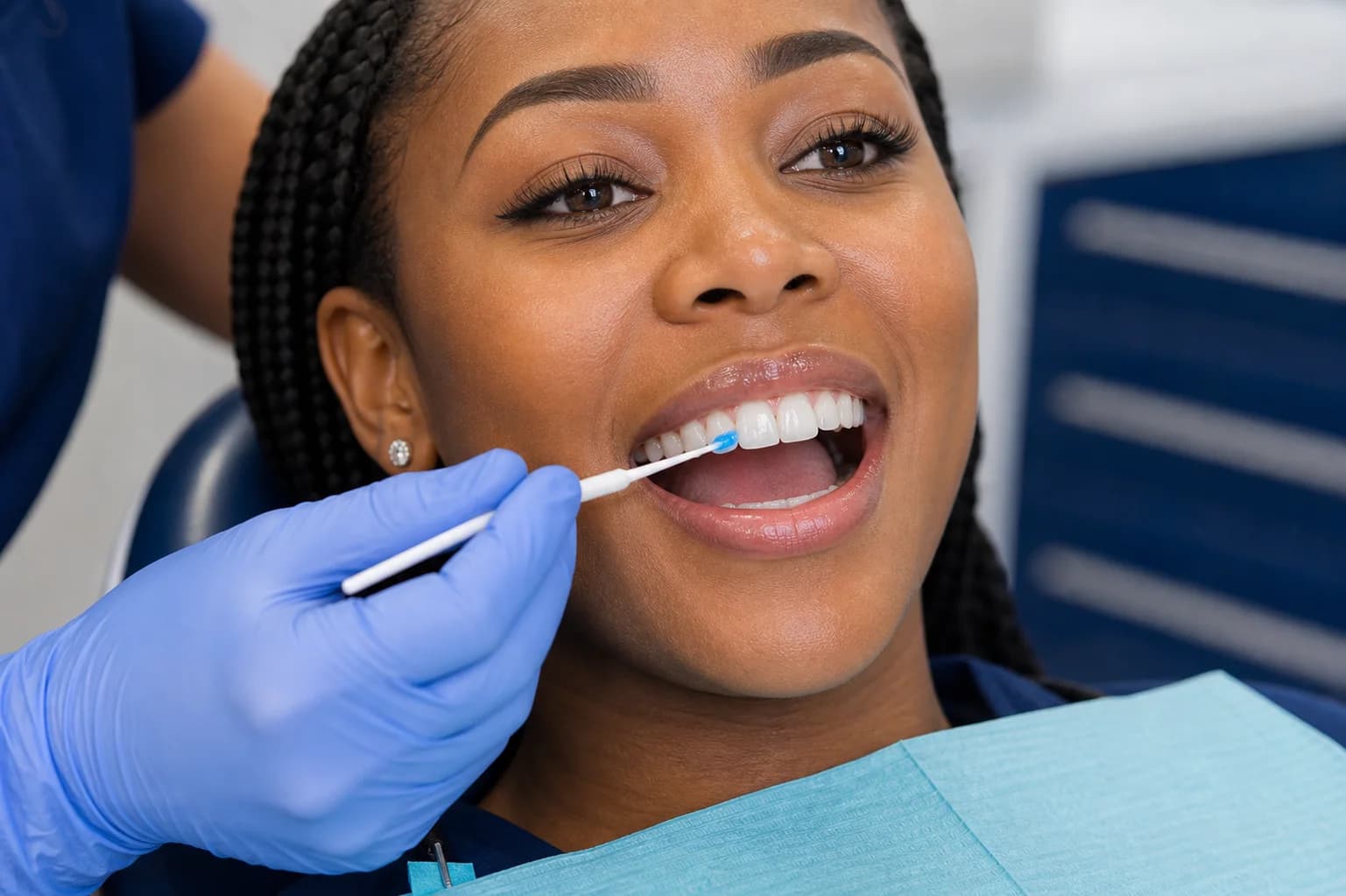
Bleaching works on natural tooth structure. It does not lighten crowns, veneers, fillings, bridges, dentures, or implant crowns in the same way. This is one of the most important reasons to plan whitening with a dentist, especially when tooth-coloured restorations are visible in the smile.
If natural teeth are bleached around an old front filling or crown, the natural tooth may become lighter while the restoration stays the same colour. That can make a mismatch more obvious. The dentist may discuss whether the restoration can be polished, repaired, left alone, replaced after whitening, or included in a broader cosmetic plan.
Sequencing matters for cosmetic dentistry. If a patient is considering bonding, veneers, crowns, or a smile makeover, whitening may be discussed first so future restorations can be matched to the lighter natural tooth shade once the colour has stabilised. In other cases, bleaching may not be enough to reach the goal, and restorations may be the more relevant conversation after assessment.
| Existing dental work | Whitening consideration |
|---|---|
| Composite fillings | They may not match after nearby natural teeth are bleached. |
| Crowns or bridges | The porcelain or ceramic shade will not bleach like natural enamel. |
| Veneers | Whitening natural teeth around veneers can change the shade balance. |
| Implant crowns | The implant crown shade is fixed and may need cosmetic planning if visible. |
| Dentures | Denture teeth are not bleached through normal tooth whitening treatment. |
When bleaching may not be the right answer
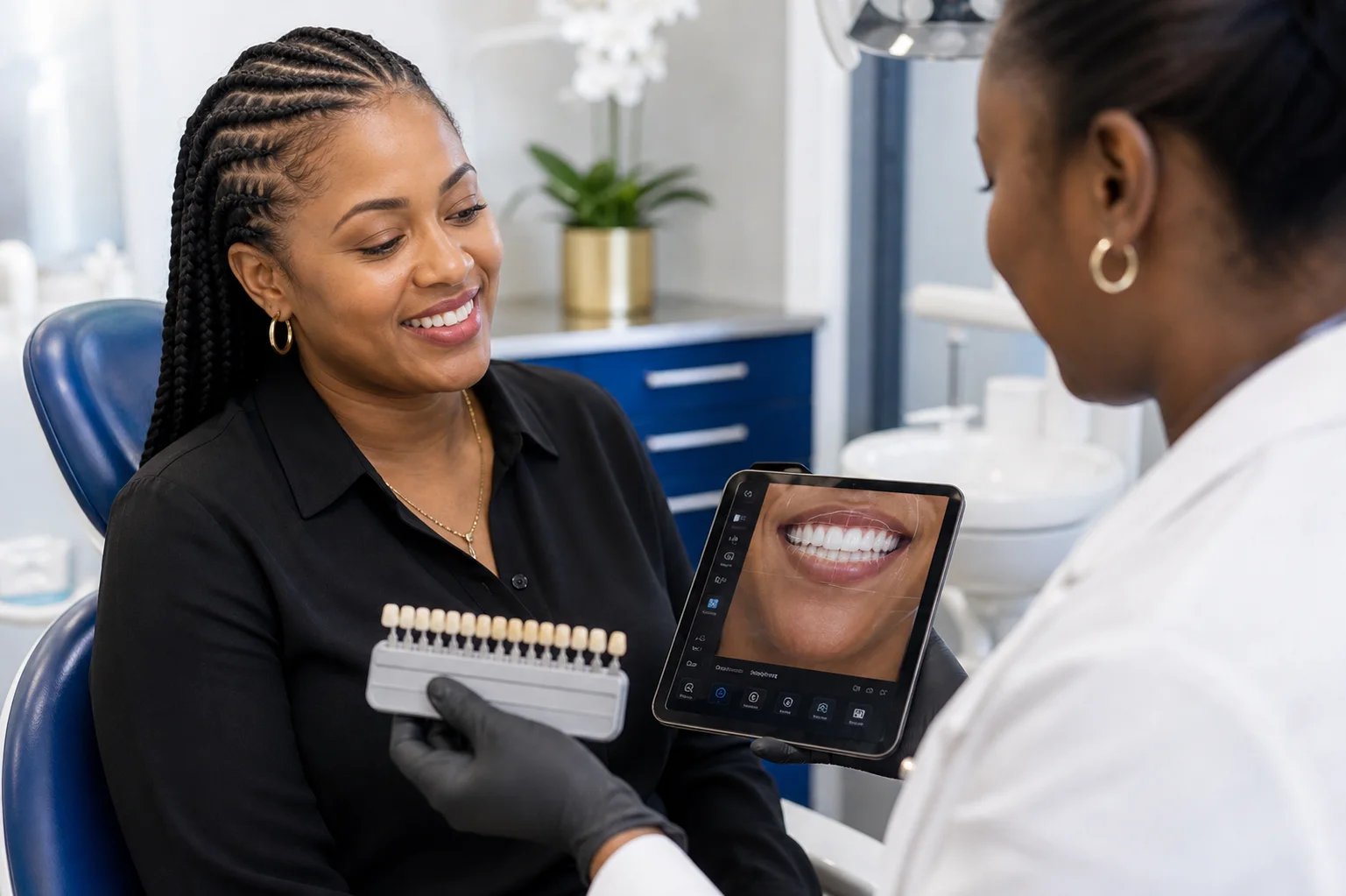
Bleaching is not automatically suitable for every patient or every colour concern. It may need to wait if there are cavities, gum disease, leaking restorations, cracked teeth, exposed roots, active sensitivity, mouth sores, or unclear symptoms. It may also be unsuitable or delayed for younger patients, pregnant or breastfeeding patients, or anyone whose medical or dental history makes cosmetic bleaching less appropriate at that time.
Bleaching may also be the wrong tool when the concern is not natural tooth colour. Heavy tartar needs cleaning, not bleaching. A grey or brown single tooth may need diagnosis. A restoration mismatch may need restorative planning. Severe enamel defects, uneven white spots, deep intrinsic staining, or very high shade expectations may require a more detailed cosmetic discussion.
This does not mean the patient has no options. It means the first step changes. The dentist may recommend dental cleaning, sensitivity treatment, gum care, decay repair, replacement of old restorations, composite bonding, veneers, crowns, or a staged smile makeover. The safest answer is the one that fits the cause of the colour concern and the condition of the mouth.
- Bleaching is not a substitute for dental cleaning when tartar or plaque is the main issue.
- Bleaching is not a treatment for toothache, swelling, decay, or gum disease.
- Bleaching cannot change the colour of crowns, veneers, dentures, bridges, or fillings.
- Bleaching should not be chosen from shade promises without a dentist assessment.
How to choose the next step
A useful whitening decision starts with a simple question: what is making the teeth look darker? If the answer is mostly external staining, cleaning and stain-control habits may be the first step. If the answer is natural tooth shade, peroxide bleaching may be discussed if the teeth and gums are healthy enough. If the answer involves restorations, trauma, one dark tooth, or uneven enamel, the plan may need to be more specific.
For Smile On Dental patients, the main treatment page explains the general whitening service, while the Pretoria and Polokwane whitening pages help local patients find the relevant service information. The dental cleaning page is useful when surface stain or tartar may be part of the concern. The sensitivity treatment page is useful when discomfort needs attention before cosmetic whitening. The smile makeover page may be relevant when whitening is only one part of the final goal.
The related whitening question guide can help patients prepare for a first conversation, and the whitening price guide explains why quotes vary without reducing the decision to one number. Taken together, these pages support a safer choice: diagnose the colour concern, clean or treat what needs attention first, and only bleach when the method suits the teeth, gums, restorations, and expectations.
- Book an assessment before choosing a bleaching product or method.
- Clean first if plaque, tartar, or surface stain is masking the baseline shade.
- Discuss sensitivity, gum health, and visible restorations before treatment.
- Compare bleaching with bonding, veneers, crowns, or a smile makeover only after diagnosis.
- Follow the dentist's instructions for trays, gel amount, timing, and maintenance.
Internal Links
Related dental care
Sources
Useful information
Written by
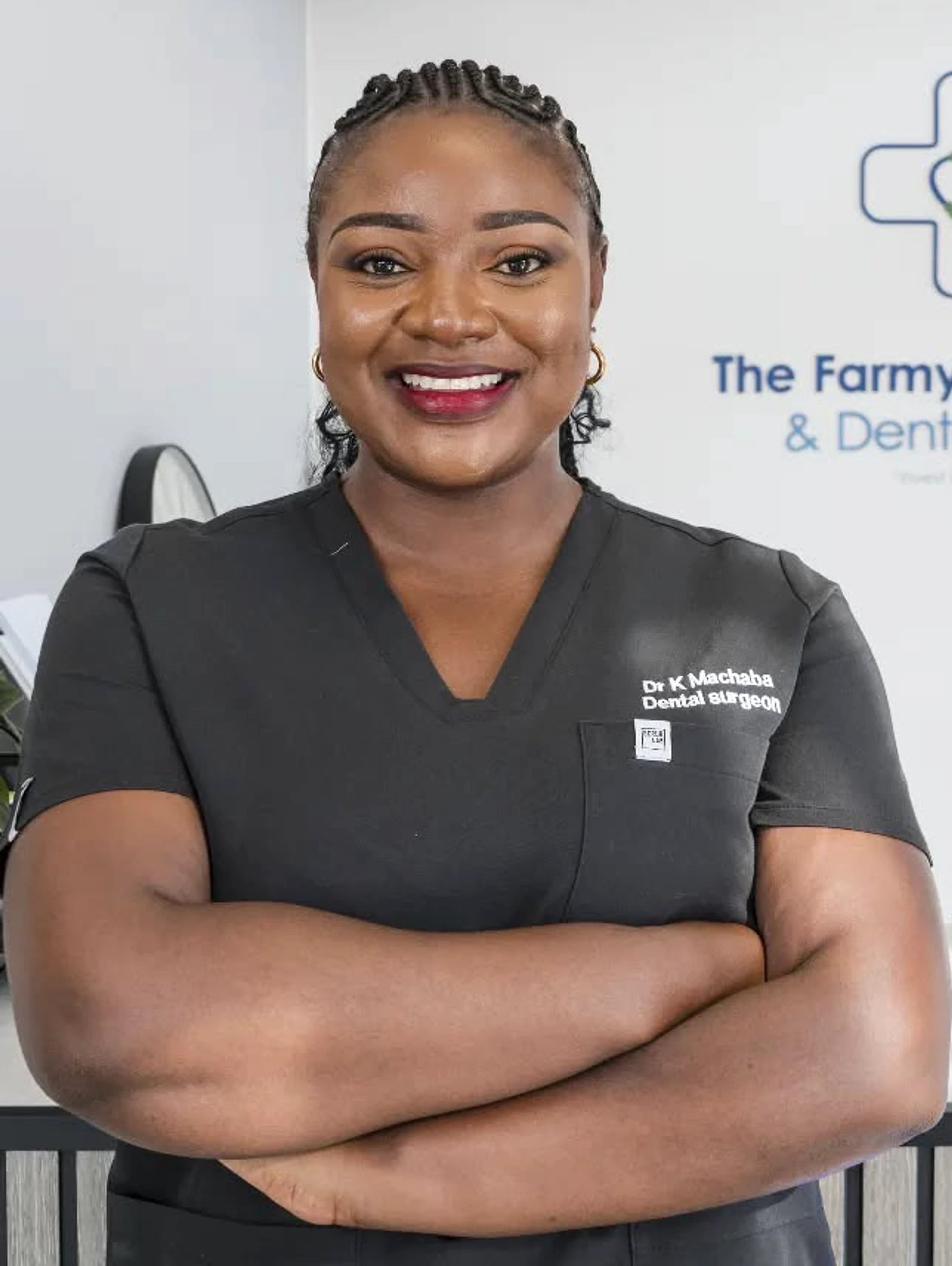
Dr. Kholofelo Machaba-SelatoleChief Dentist & Practice Director
Dr. Kholofelo Machaba-Selatole leads Smile On Dental & Aesthetic Studio with a warm, patient-focused approach to family, restorative, cosmetic, and orthodontic care.
View Profile