First Step
Consultation
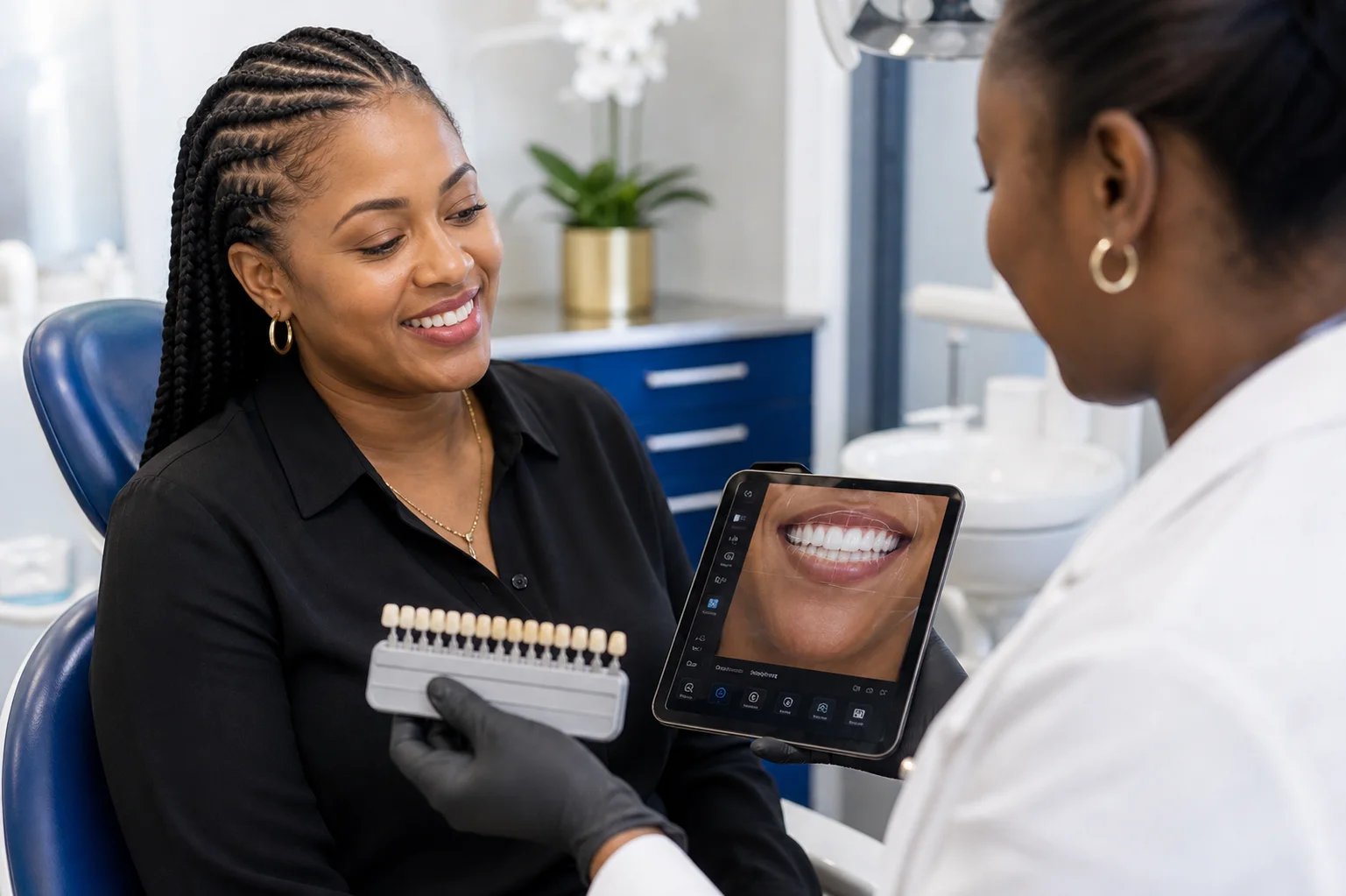
The dentist checks your concern and confirms whether this treatment is suitable before care begins.
Cosmetic Dentistry
Book Teeth Whitening with Smile On Dental. Start with an assessment, understand your options, and get clear next steps before treatment begins.
Quick Summary
First Step
The dentist checks your concern and confirms whether this treatment is suitable before care begins.
Best For
Suitability depends on oral health, symptoms, goals, and clinical findings.
Planning
Timing, visits, cost factors, and aftercare are explained after the assessment.
Branch Access
Use the location section to choose the branch that is easiest for you to attend consistently.
Overview
Treatment Introduction
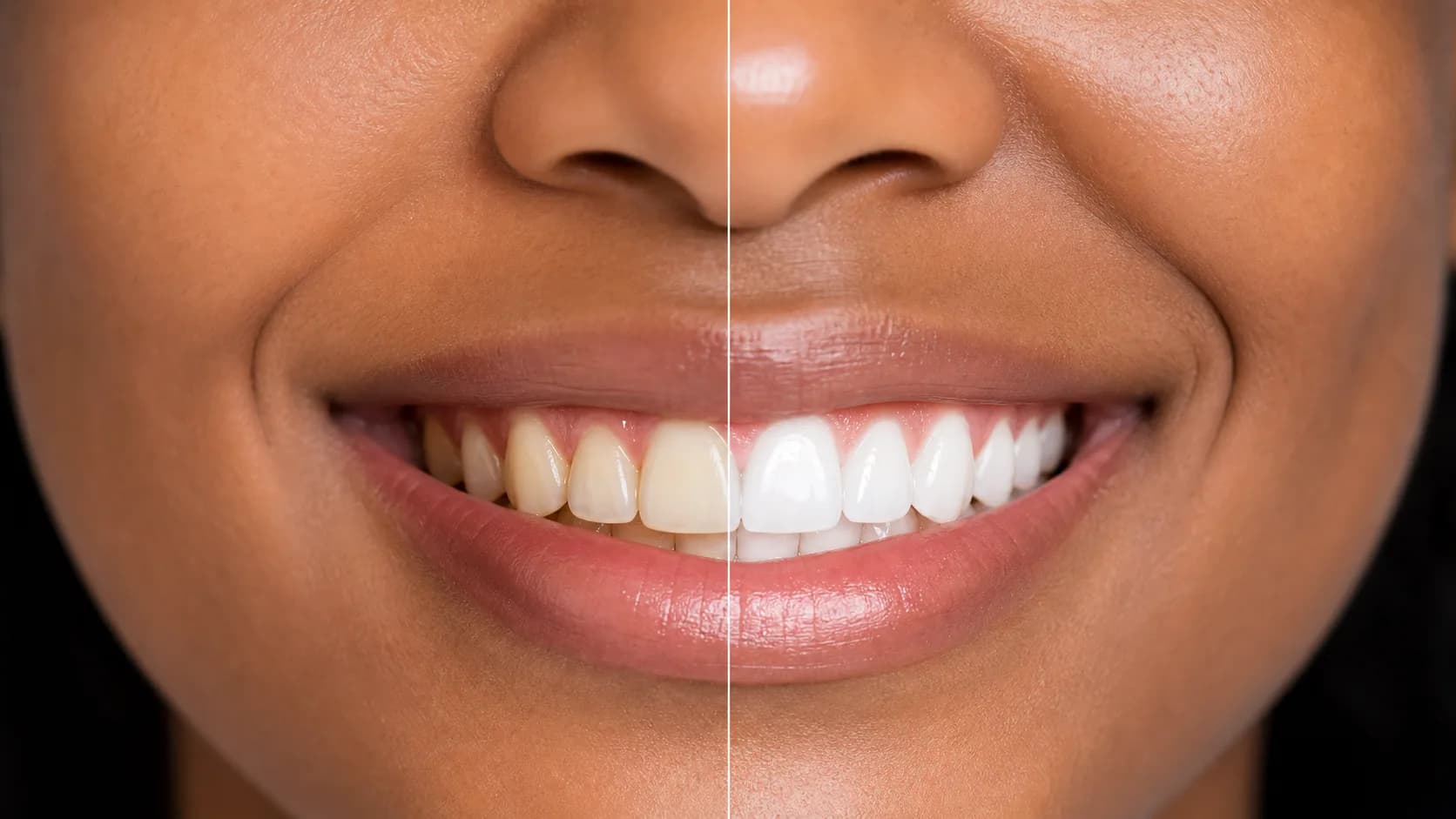
Teeth whitening can help refresh the appearance of your smile when staining or dullness affects confidence. A dental consultation helps confirm whether whitening is suitable for your teeth and gums.
Decision Support
Smile On Dental uses the visit to understand your symptoms, goals, oral health, and expectations before recommending a suitable treatment plan.
Visual Guide
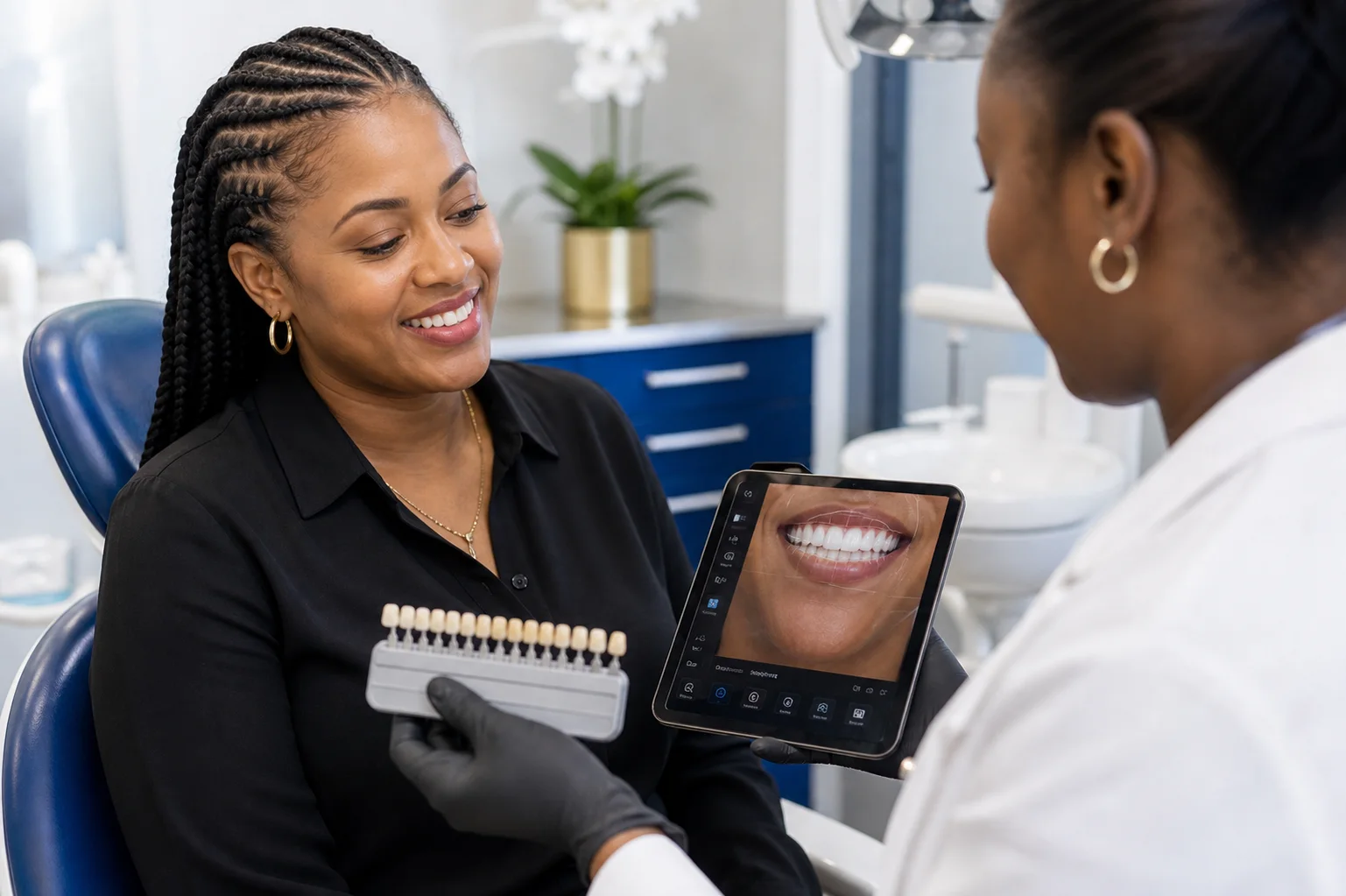
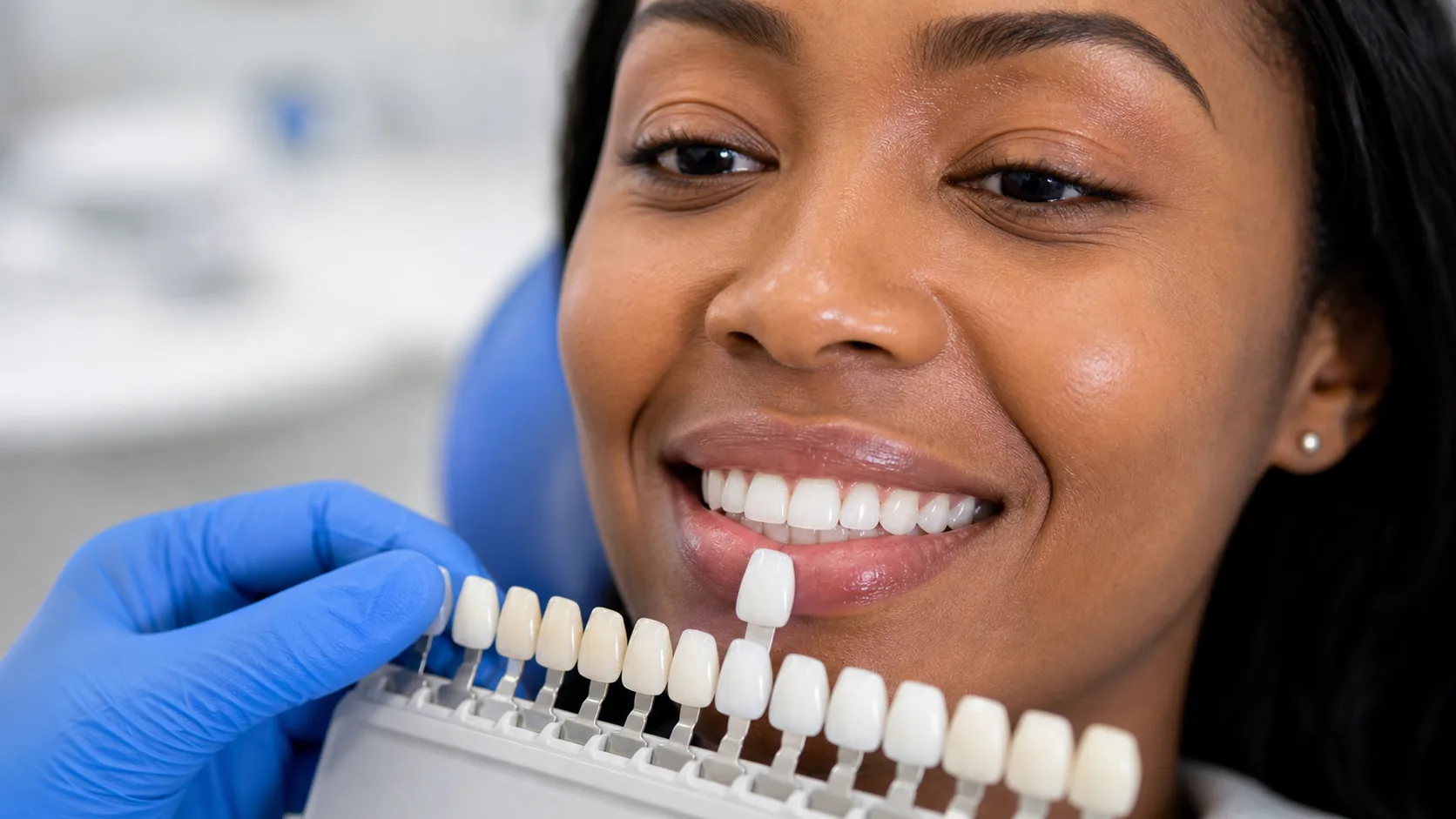
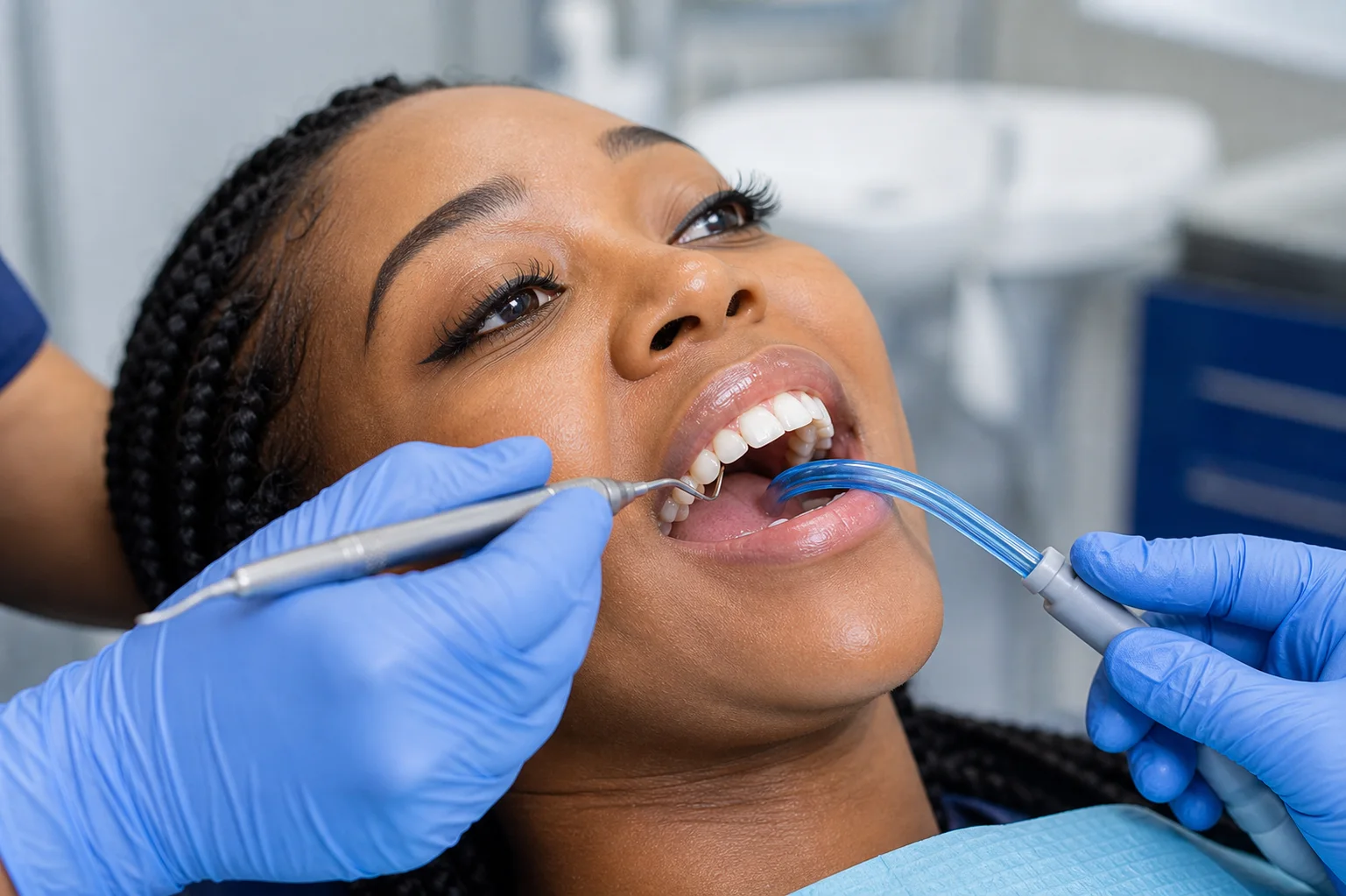
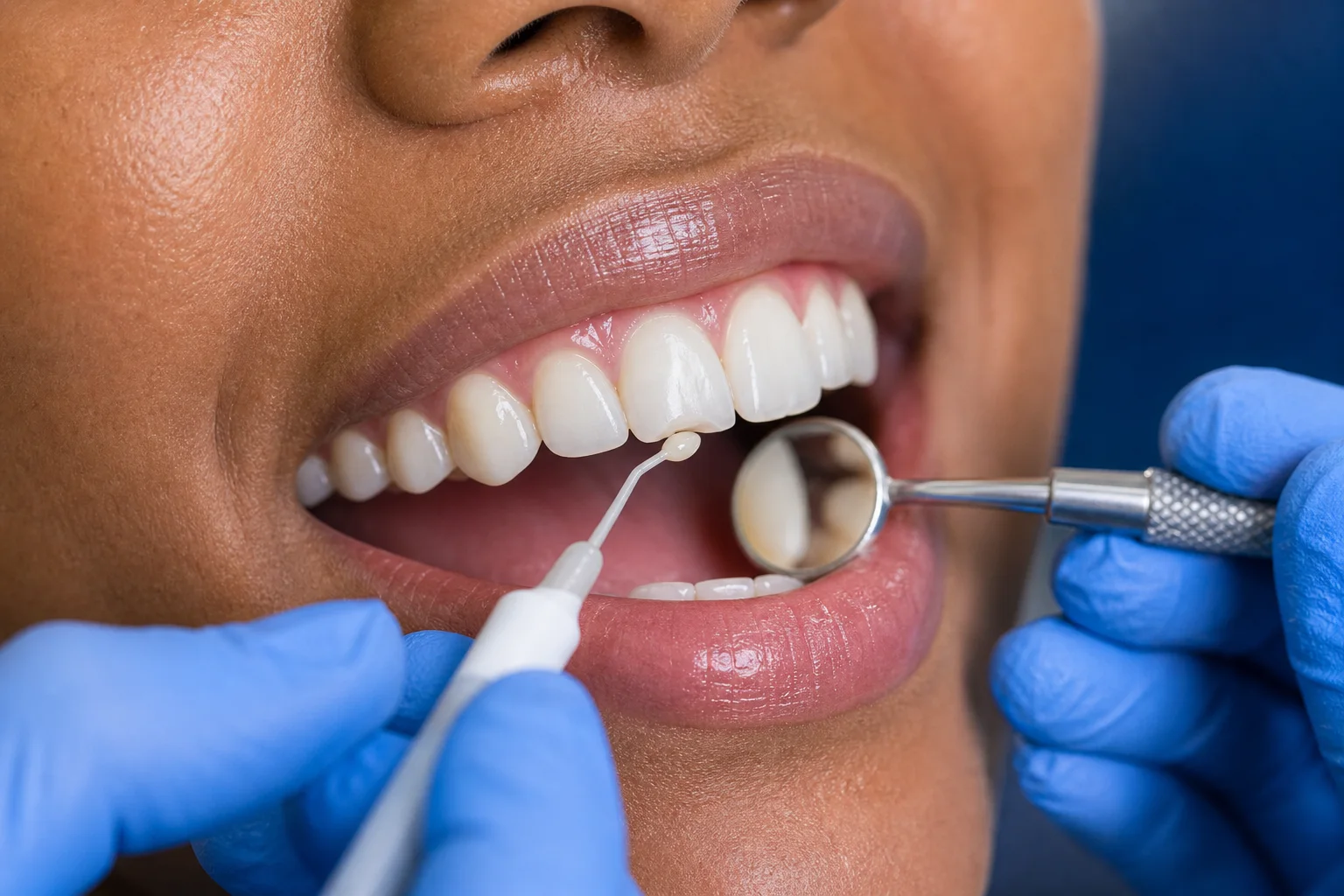

Treatment Guide
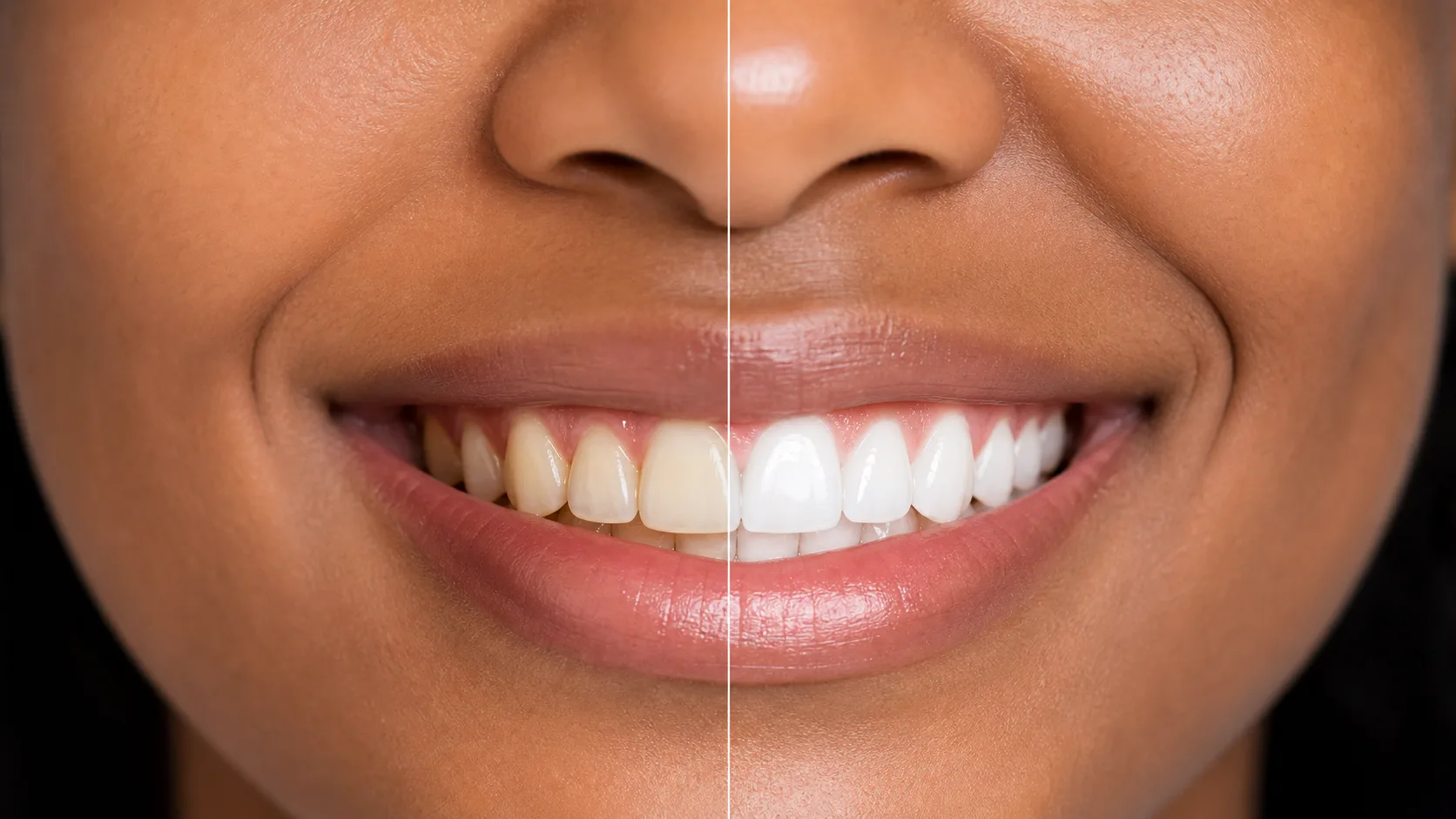
Teeth whitening works best when the cause of discolouration is understood before treatment starts.
Surface stains from coffee, tea, red wine, tobacco, and some foods may respond differently from internal discolouration, old trauma, fluorosis, or medication-related colour changes. Existing crowns, veneers, bridges, and fillings will not whiten like natural enamel, so they must be considered in the plan.
Smile On Dental can check enamel, gum health, sensitivity, cracks, decay, and restorations before recommending a whitening approach. This avoids whitening over untreated problems and helps the patient understand what can realistically change and what may need cosmetic restoration instead.
Suitability checks
Professional whitening is planned with dental oversight, which matters for safety and consistency.
The dentist can discuss whether in-chair, take-home, or combined whitening is appropriate based on the patient’s teeth and preferences. Professional systems are selected and monitored to reduce unnecessary gum irritation and manage sensitivity. The aim is a controlled process rather than guesswork.
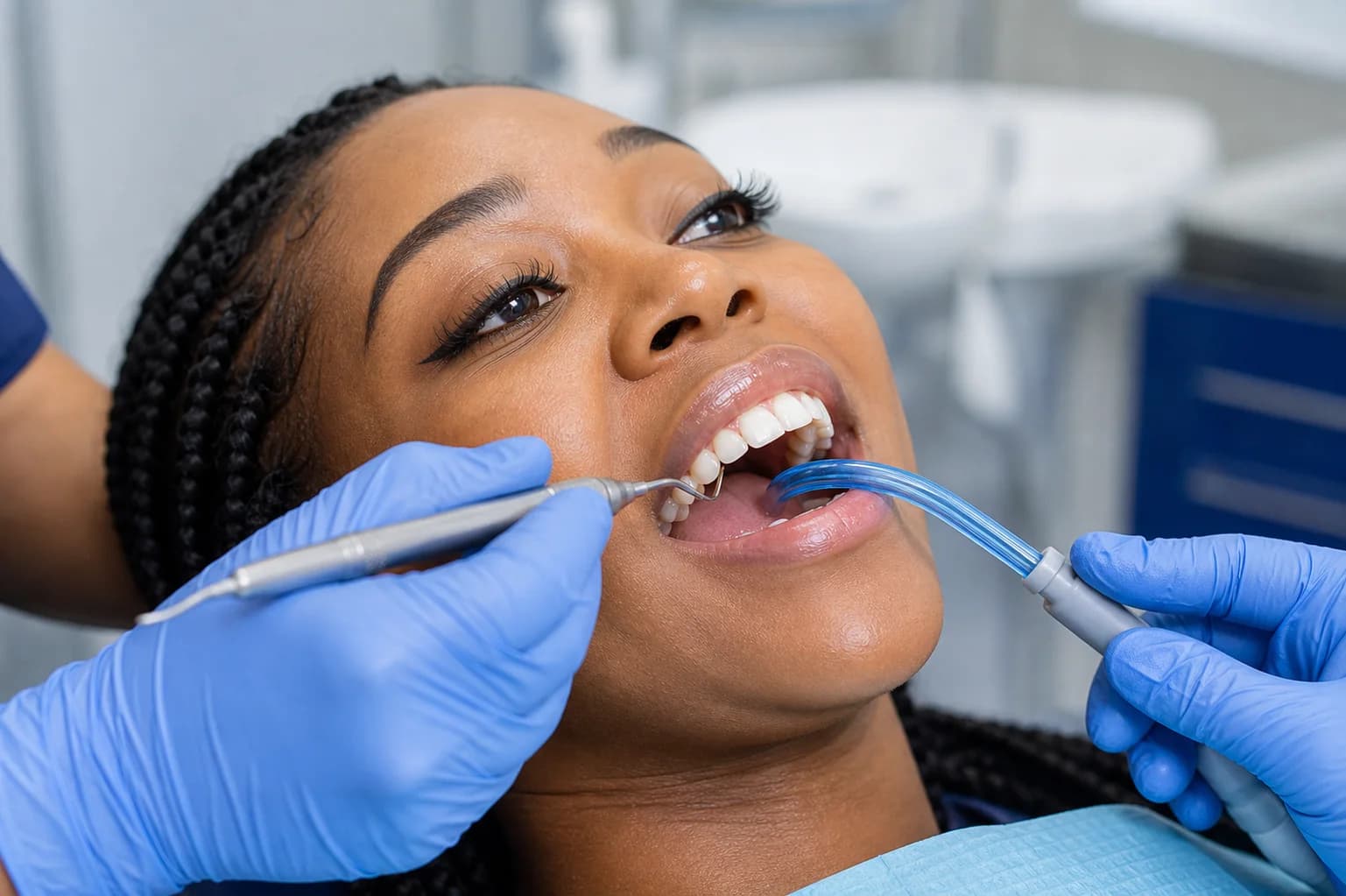
A dental clean may be recommended before whitening so surface deposits do not interfere with the result. If the patient has front fillings, bonding, crowns, or veneers, shade differences may become more visible after whitening and replacement may need to be discussed separately.
Professional benefits
A whiter smile should still look natural next to the patient’s features and existing dentistry.
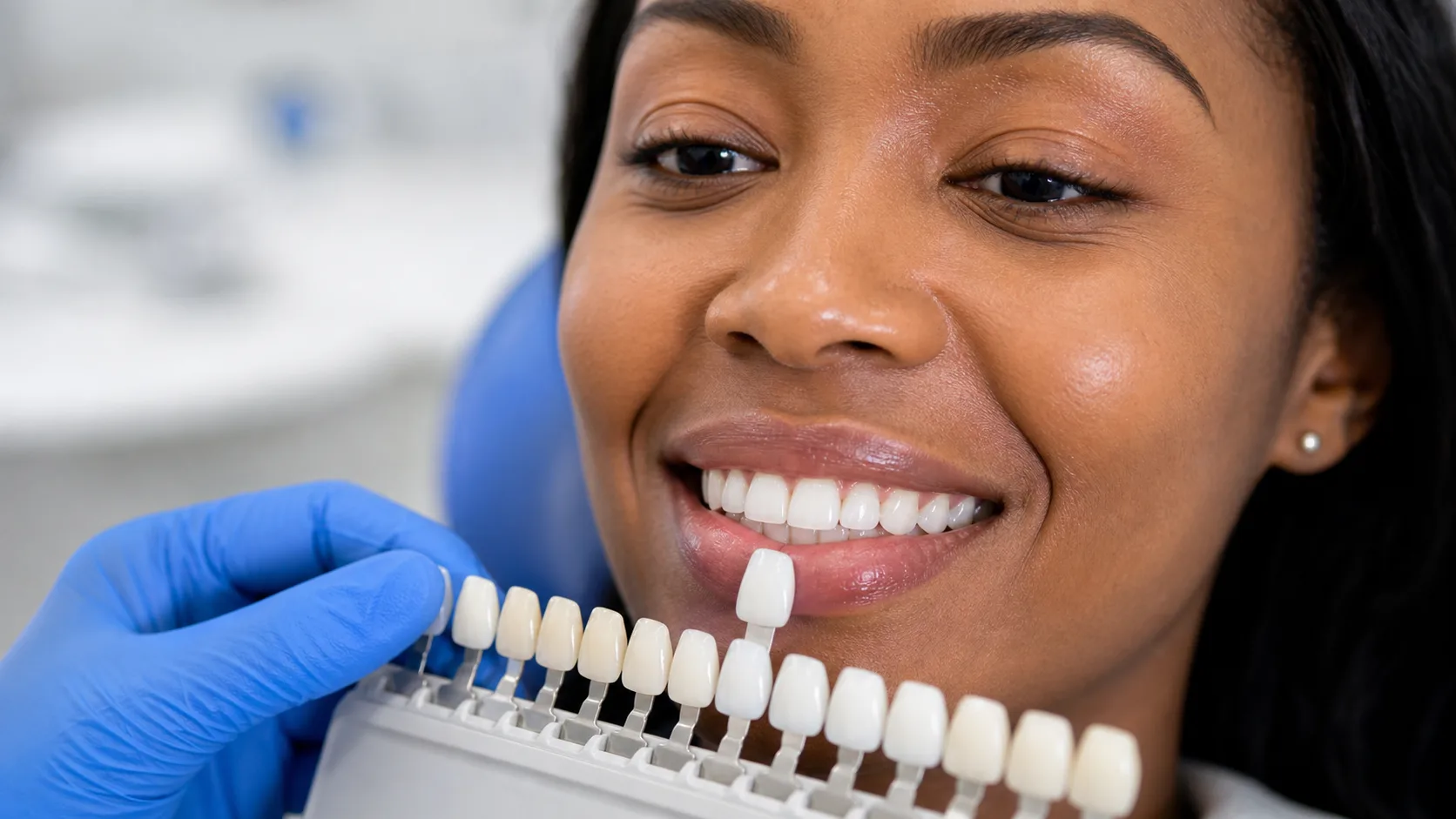
Shade planning considers the starting colour, translucency, age-related enamel changes, and whether the teeth have yellow, grey, brown, or patchy tones. Some stains lift more predictably than others. Deep internal discolouration may need a different cosmetic plan if whitening alone cannot address it.
The goal should not be a universal shade number for every patient. Smile On Dental can guide a natural-looking direction and explain that results vary from person to person. No whitening system can guarantee an exact final shade for every tooth.
Shade factors
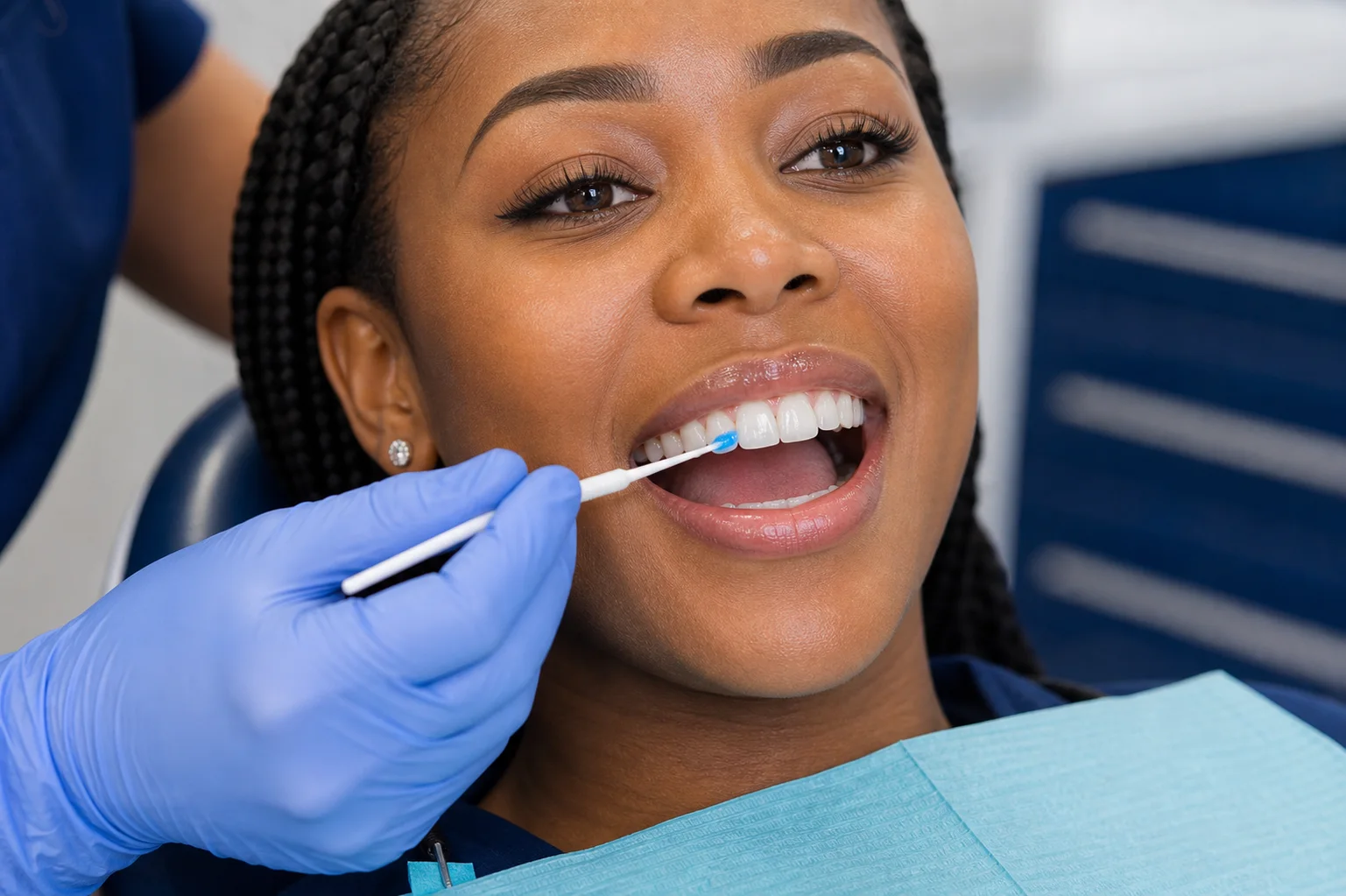
Temporary sensitivity can happen with whitening, especially in patients who already have sensitive teeth.
Sensitivity risk can be increased by gum recession, enamel wear, cracks, exposed dentine, tooth grinding, or untreated decay. A pre-whitening examination helps identify these issues before gel is used. The dentist may recommend desensitising products, spacing sessions, or treating the cause first.
Patients should report sharp, lingering, or unusual pain rather than assuming it is normal. Whitening should be comfortable enough to complete responsibly. If sensitivity becomes a barrier, the plan can be adjusted or paused while the teeth are reassessed.
Sensitivity planning
Whitening often needs to happen before bonding, veneers, or visible filling replacement.
Composite, porcelain, and ceramic materials do not lighten in the same way as enamel. If new cosmetic restorations are planned, whitening first allows the dentist to match the restorations to the chosen natural tooth shade. This can prevent mismatched front teeth after the smile brightens.
Timing matters because tooth colour can settle after whitening. Smile On Dental can advise when shade matching should happen after whitening is complete. Planning the order well is especially important in smile makeovers where whitening is only one part of a broader result.
Cosmetic timing
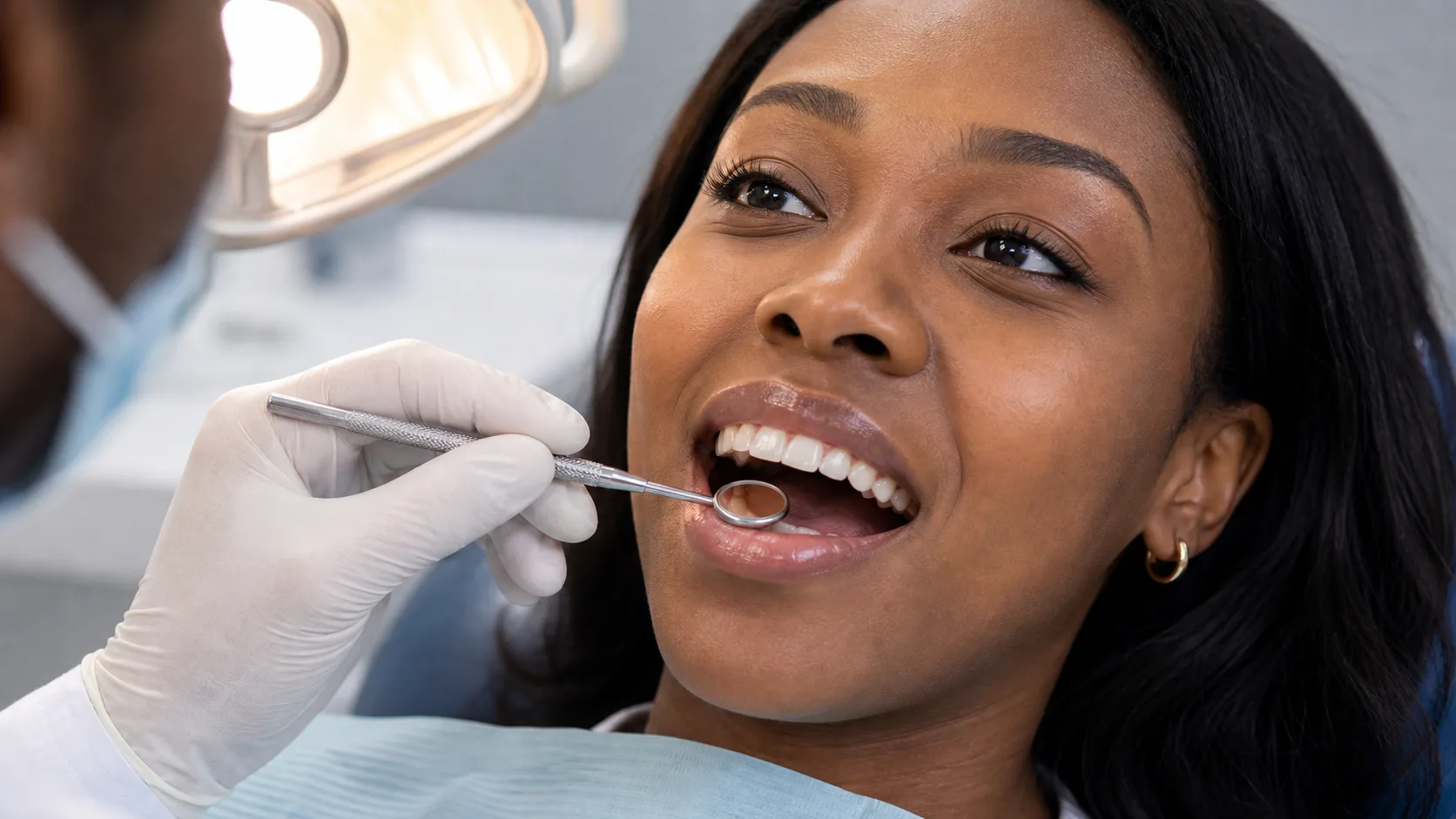
Whitening is not permanent because teeth remain exposed to food, drink, habits, and ageing.
Coffee, tea, red wine, coloured sauces, smoking, and poor plaque control can dull the result over time. Routine cleaning helps remove surface deposits, while good home care slows stain build-up. Some patients may need maintenance whitening if it remains suitable for their teeth.
Maintenance should be guided by dental advice rather than constant unsupervised whitening. Overuse can irritate gums or worsen sensitivity. The safest approach is to protect the result with hygiene, sensible stain habits, and periodic review.
Maintenance habits
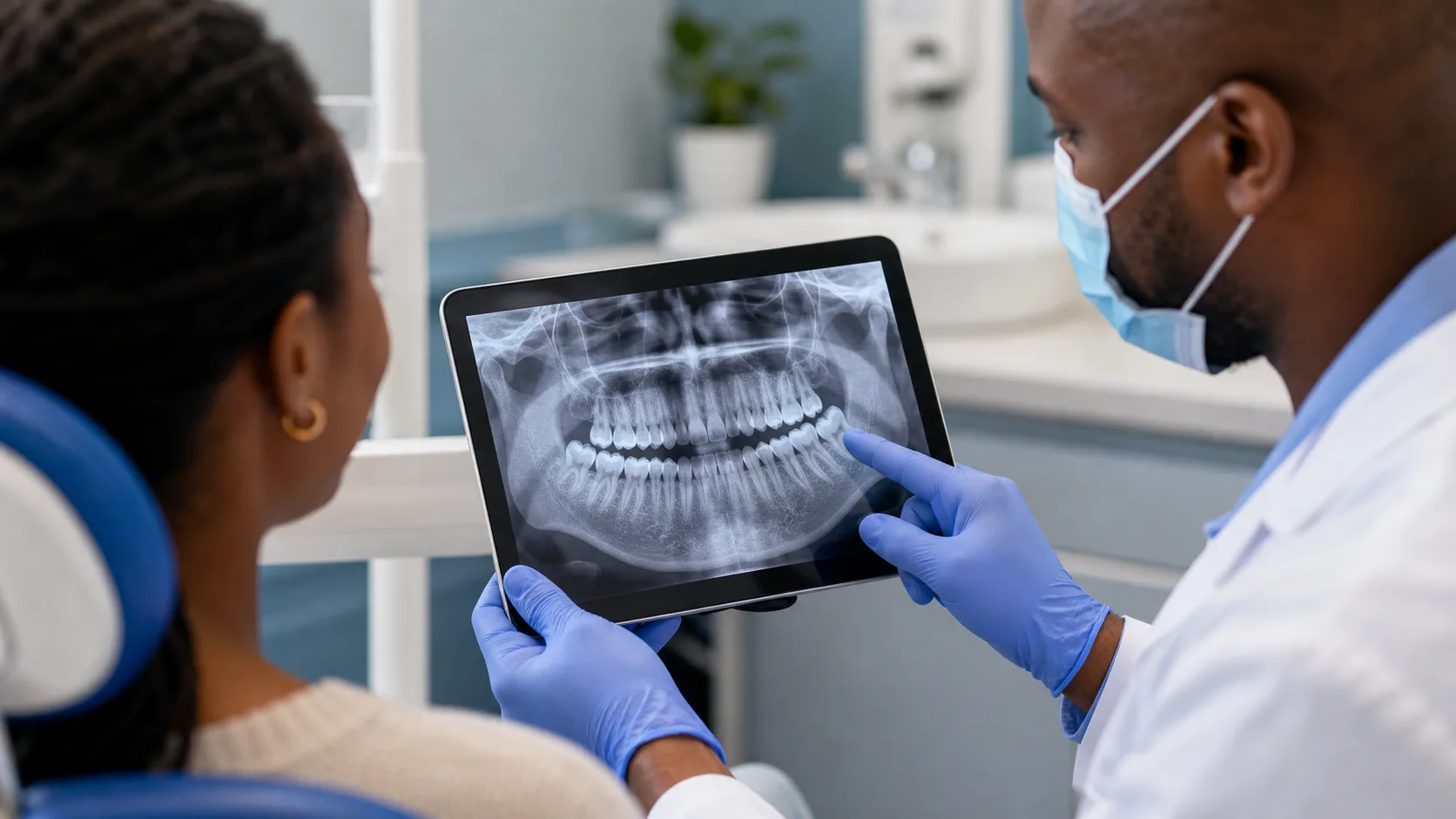
Whitening fees vary because suitability, method, and supporting dental care vary.
Cost can be influenced by whether the plan involves take-home whitening, in-chair whitening, or a combined approach, as well as whether a clean, sensitivity care, review appointments, or replacement of visible restorations is needed. Whitening a healthy, unrestored smile is not the same as whitening before a broader cosmetic plan.
Smile On Dental should confirm recommendations after checking the teeth and gums. This helps patients understand what is included and avoids assuming that whitening alone will address every colour concern, especially when old fillings, crowns, veneers, or internal stains are visible.
Pricing variables
Some colour concerns need more than whitening to achieve an even appearance.
White patches, dark single teeth, old trauma, deep internal stains, and heavily restored teeth may not respond evenly to whitening. In these cases, bonding, veneers, crowns, internal bleaching for suitable root-treated teeth, or replacement restorations may be discussed depending on the diagnosis.
Smile On Dental can explain whether whitening is likely to be the main treatment or a supporting step. A clear plan helps patients avoid repeated whitening attempts when a different cosmetic or restorative option would be more appropriate.
Consider alternatives for
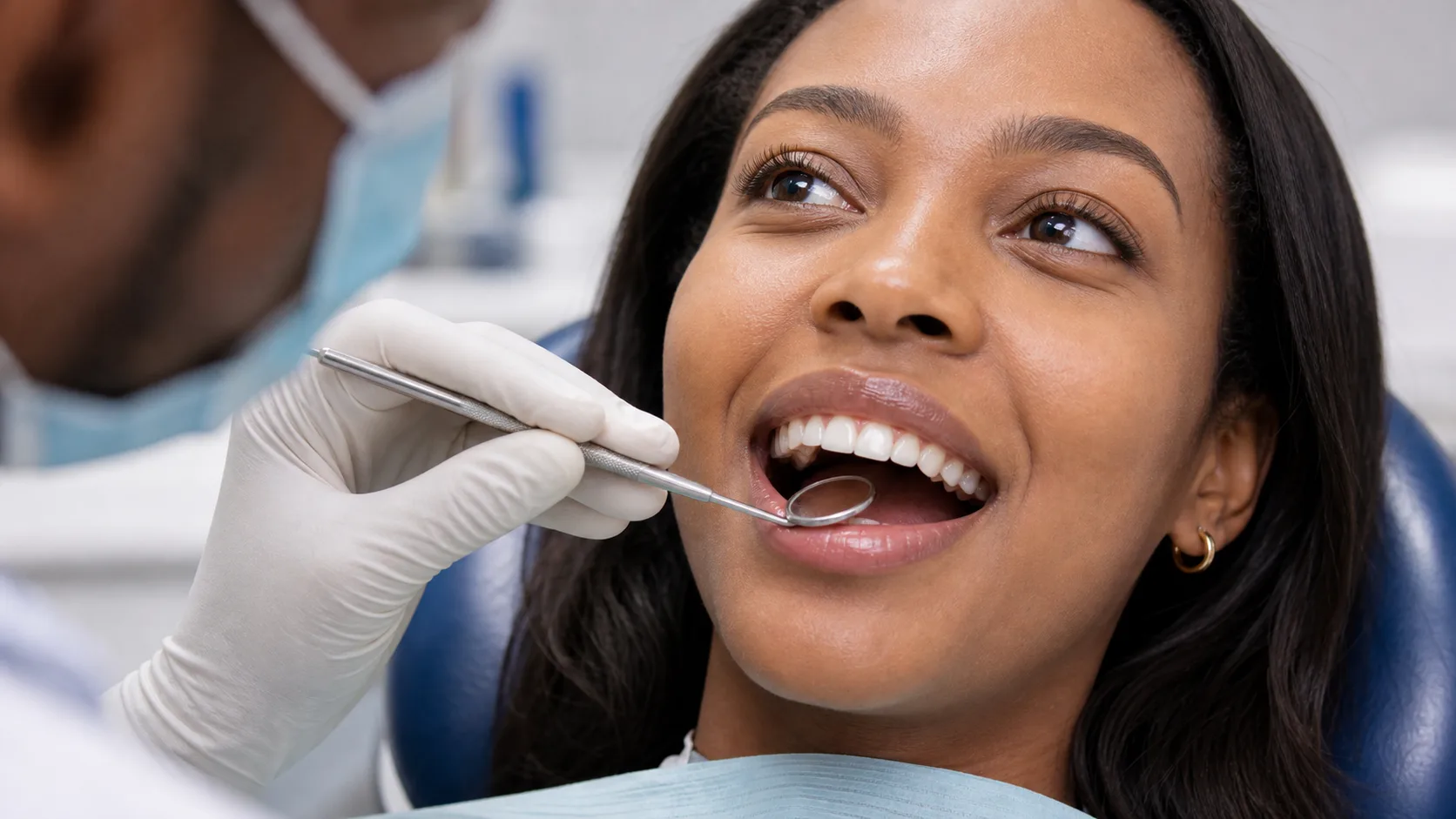
Whitening is most useful when it is planned around oral health and the patient’s existing dentistry.
Smile On Dental can check whether staining is likely to respond to whitening, whether sensitivity needs attention first, and whether restorations in the smile zone will affect the final shade match. That clinical context is important because whitening products do not change every tooth or material in the same way.
The practice can also sequence whitening with bonding, veneers, hygiene visits, or replacement fillings where needed. Patients get a plan that respects enamel, manages sensitivity risk, and keeps expectations realistic rather than chasing a guaranteed shade.
Practice approach
Who It Helps
Treatment Journey
Often starts with one suitability visit, followed by the whitening method chosen.
You may come in because your teeth look darker, stained, uneven in shade, or dull before an event or cosmetic treatment.
The dentist will ask when it started, what makes it better or worse, whether there is pain or sensitivity, and what you want the visit to help you solve.
What this first step covers
Before treatment starts, the dentist confirms what is actually going on.
The dentist checks gum health, cavities, sensitivity, enamel condition, exposed roots, existing fillings or crowns, and your starting shade before whitening is discussed.
The dentist may then explain options such as Professional take-home whitening, In-practice whitening where suitable, Cleaning or restorative care first if staining is not the only concern, depending on what the examination shows.
What may be checked
Some treatments are completed in one appointment, while others need a separate visit.
Once suitability is confirmed, the dentist explains how the whitening system works, how long it may take, what sensitivity can feel like, and what result is realistic for your teeth.
A second visit may be needed if cleaning is required first, sensitivity risk is high, or trays and follow-up are part of the whitening plan.
What you should know before leaving
The journey should end with you knowing how to protect the result.
Some patients need a shade review or maintenance advice after whitening. If restorations no longer match the new shade, replacement may be discussed separately.
You are guided on tray use, sensitivity control, food and drink habits during whitening, and how to maintain the shade after treatment.
Your home-care plan
Benefits
Suitability
Cosmetic Dentistry
Cosmetic treatment should be planned after checking tooth health, gum health, bite, existing restorations, shade goals, and long-term maintenance.
Suitability
The dentist considers symptoms, oral health, bite, medical history, expectations, and maintenance before recommending teeth whitening.
Costs
Cost discussions are most useful after diagnosis because materials, complexity, visit count, and follow-up needs vary from patient to patient.
Appointment
Your dentist reviews your concern, oral health, and treatment goals before recommending next steps.
The team explains the likely process, timing, and care options in straightforward language.
Your treatment plan is shaped around comfort, function, appearance, and long-term oral health.
Costs & Aftercare
Before You Book
Mention whether you are booking for whitening, pain, appearance, function, prevention, or a second opinion.
At the Visit
Ask about diagnosis, options, number of visits, comfort, maintenance, and what could happen if treatment is delayed.
Aftercare
Your dentist will explain home care, review visits, and any symptoms that should be reported after treatment.
FAQs
The best starting point is a consultation. Your dentist will assess your teeth, gums, bite, symptoms, concerns, and smile goals before recommending a personalised treatment plan.
Yes. Use the Book an Appointment button to open the booking site and choose a convenient appointment time. You can also request a callback if you would prefer the practice team to contact you first.
Yes. You can request a callback if you prefer the practice team to contact you before booking. This can be helpful when you are unsure whether you need a routine visit, cosmetic consultation, orthodontic assessment, or urgent support.
Yes. Costs depend on the diagnosis, treatment complexity, materials, and number of visits required. Your dentist can explain the recommended next step before treatment begins.
Bring your identification, medical history, current medication details, previous dental information if available, and any questions you want to discuss with the dentist.
Book an assessment so the dentist can diagnose the cause before you choose a treatment. Pain or swelling may need urgent attention, X-rays, restorative care, or another clinical next step.
Related Treatments
Helpful Articles
 Cosmetic DentistryWhitening Strips vs Professional Dentist Whitening: What Really Happens to Your Enamel, Gums, and Existing Fillings8 min readCosmetic DentistryTeeth Bleaching vs Teeth Whitening: Is There a Difference?9 min readCosmetic DentistryTeeth Whitening Price in South Africa: What Affects the Cost?9 min read
Locations
City Treatment Pages
Clinical Leadership

Dr. Kholofelo Machaba-Selatole leads Smile On Dental & Aesthetic Studio with a warm, patient-focused approach to family, restorative, cosmetic, and orthodontic care.
60+ five-star patient reviews across Pretoria and Polokwane.
"Customer care is superb, very friendly front desk staff. I'm happy to have gained my confidence back."

Polokwane
"From reception right into the doctor's consultation room it was all smiley faces that welcomed us."

Polokwane
"The best dental service I have seen in Pretoria, cannot wait for my next appointment."

Pretoria
"Customer care is superb, very friendly front desk staff. I'm happy to have gained my confidence back."
Polokwane
"From reception right into the doctor's consultation room it was all smiley faces that welcomed us."
Polokwane
"The best dental service I have seen in Pretoria, cannot wait for my next appointment."
Pretoria
Book a Consultation