First Step
Consultation
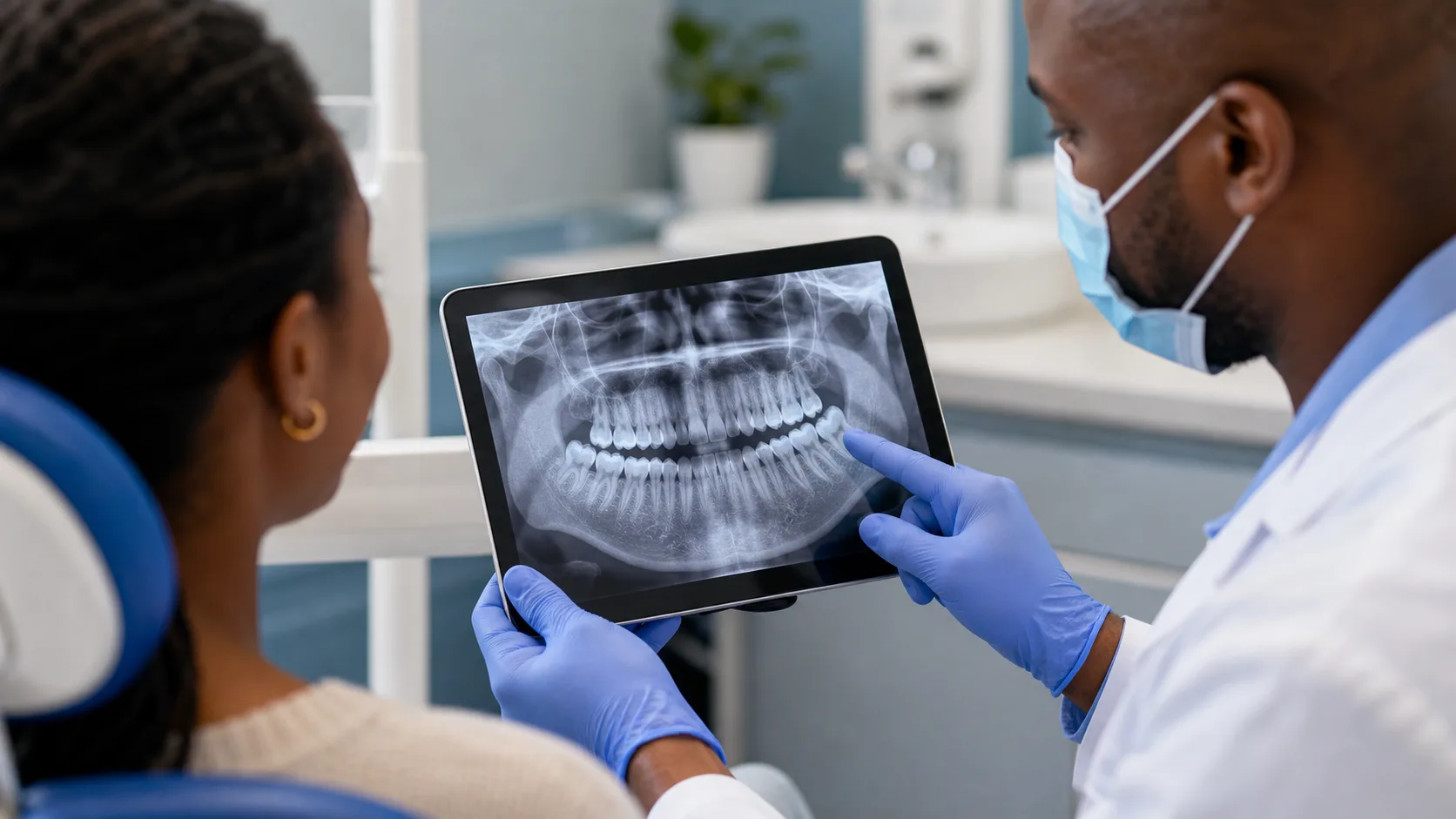
The dentist checks your concern and confirms whether this treatment is suitable before care begins.
Restorative Dentistry
Book Root Canal Treatment with Smile On Dental. Start with an assessment, understand your options, and get clear next steps before treatment begins.
Quick Summary
First Step
The dentist checks your concern and confirms whether this treatment is suitable before care begins.
Best For
Suitability depends on oral health, symptoms, goals, and clinical findings.
Planning
Timing, visits, cost factors, and aftercare are explained after the assessment.
Branch Access
Use the location section to choose the branch that is easiest for you to attend consistently.
Overview
Treatment Introduction
Root canal treatment is designed to treat infection or inflammation inside a tooth while preserving the natural tooth where possible. It is often considered when pain, sensitivity, or infection affects daily comfort.
Decision Support
Smile On Dental uses the visit to understand your symptoms, goals, oral health, and expectations before recommending a suitable treatment plan.
Visual Guide
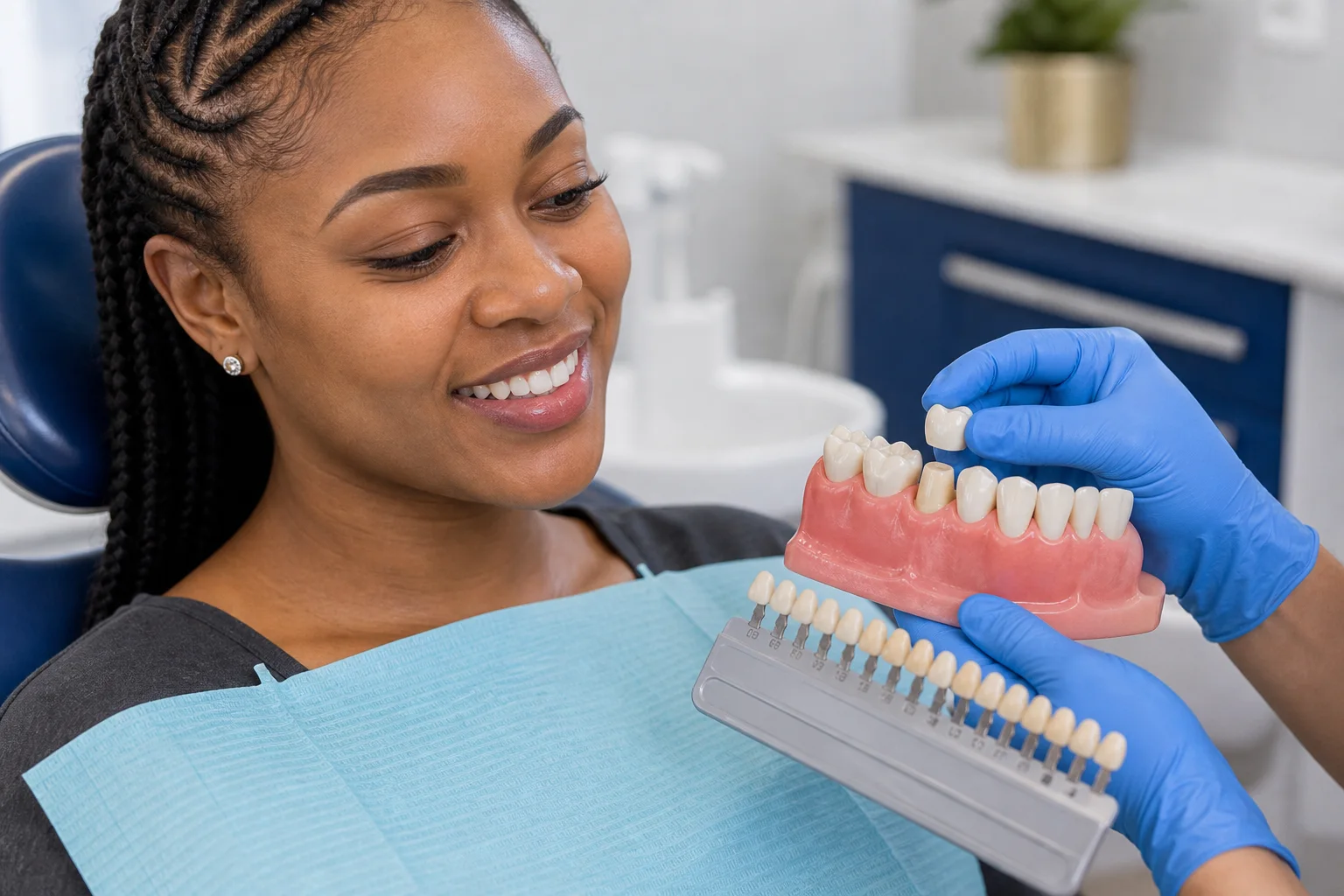
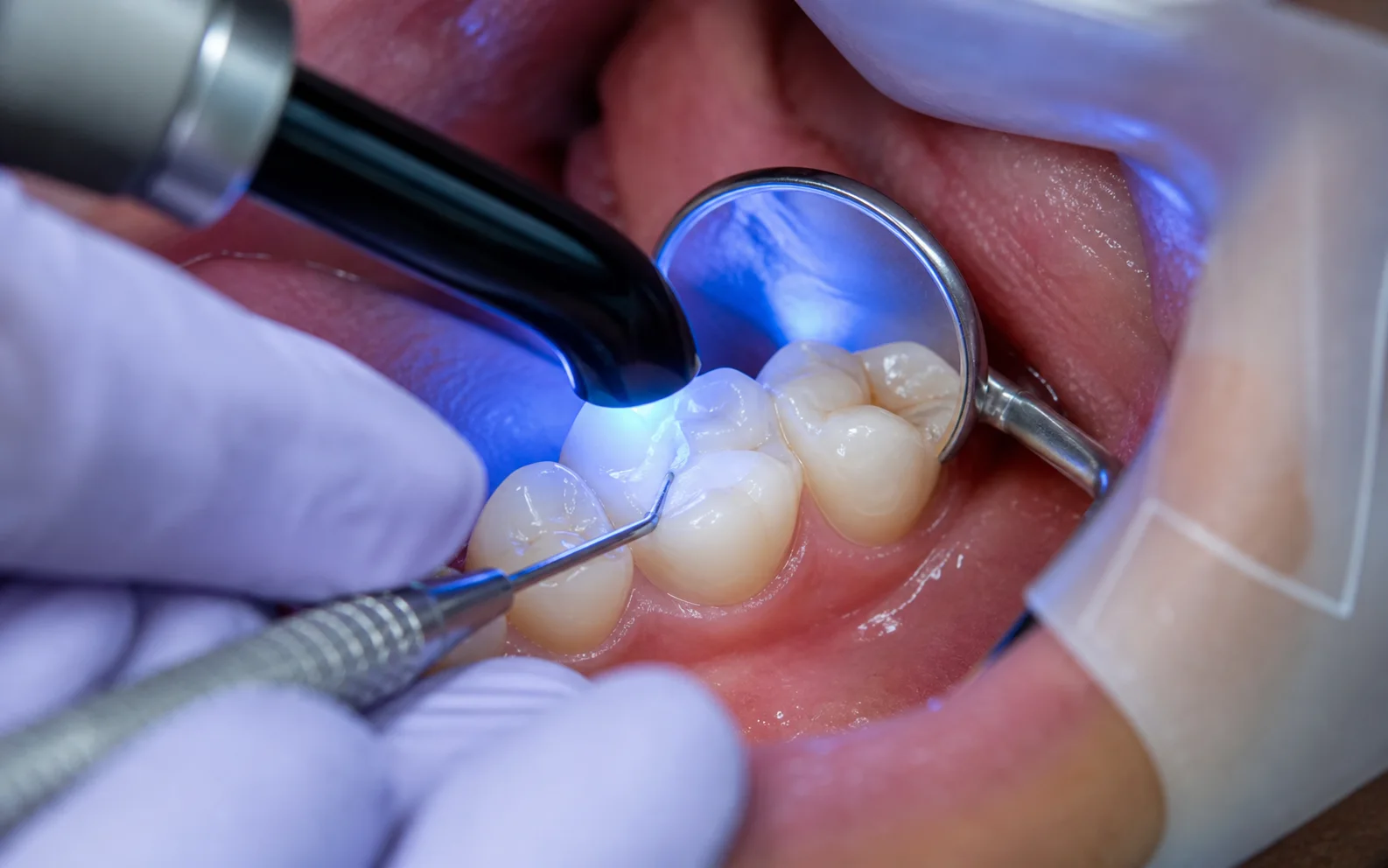

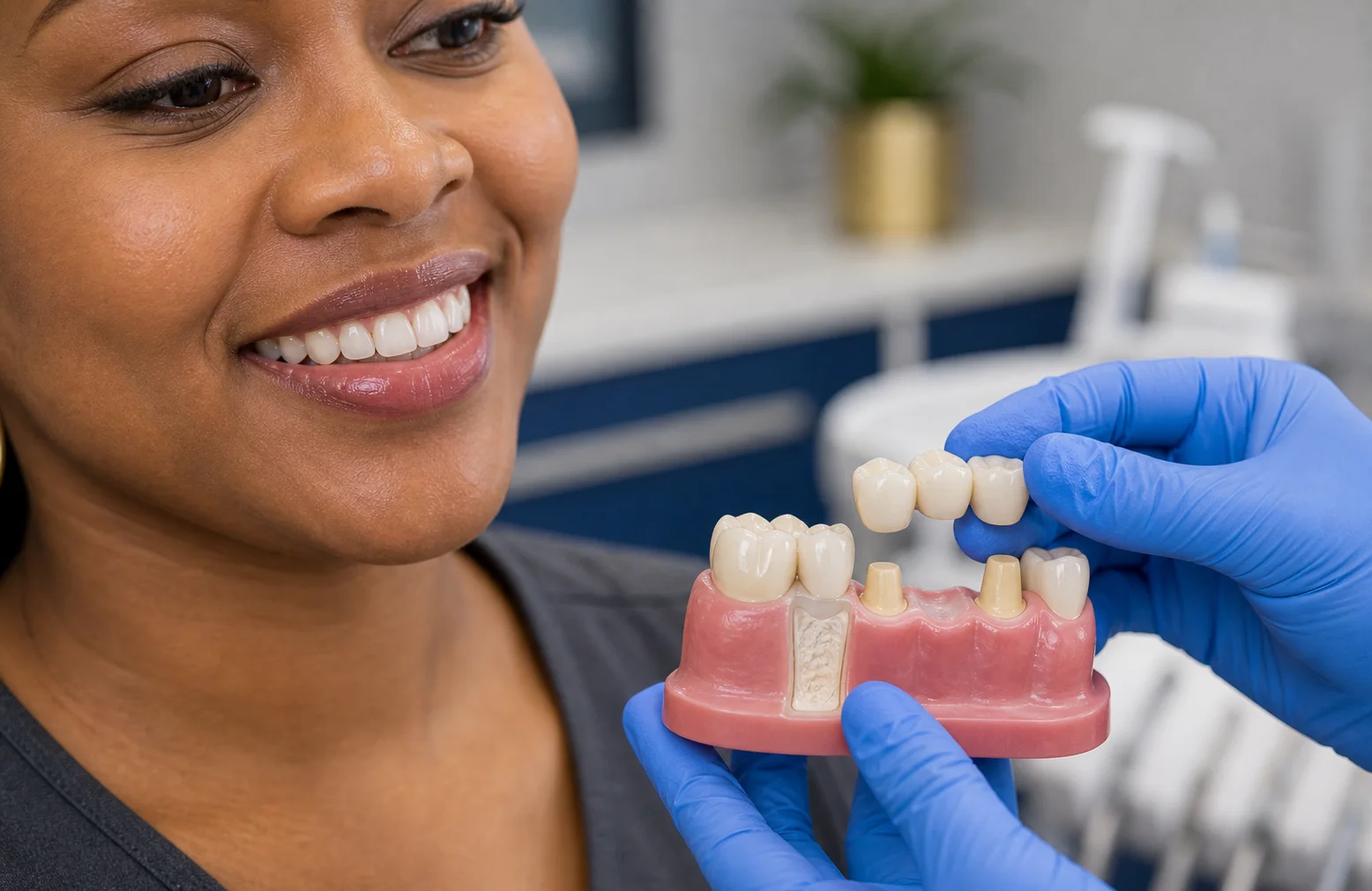
Treatment Guide
Root canal treatment is used when the soft tissue inside a tooth becomes inflamed, infected, or no longer healthy.
The pulp inside a tooth contains nerves and blood vessels. Deep decay, a crack, trauma, or repeated dental work can irritate this tissue until the tooth becomes painful or infected. Root canal treatment removes the affected tissue from inside the tooth so the canal spaces can be cleaned, shaped, filled, and sealed.
The purpose is to help preserve a natural tooth that might otherwise need removal. It is not a cosmetic shortcut or a guaranteed way to save every tooth. The remaining tooth structure, the extent of infection, gum support, and future restoration needs all influence whether treatment is appropriate.
Possible signs
Accurate diagnosis separates a tooth that needs root canal treatment from one that may need a filling, gum care, extraction, or monitoring.
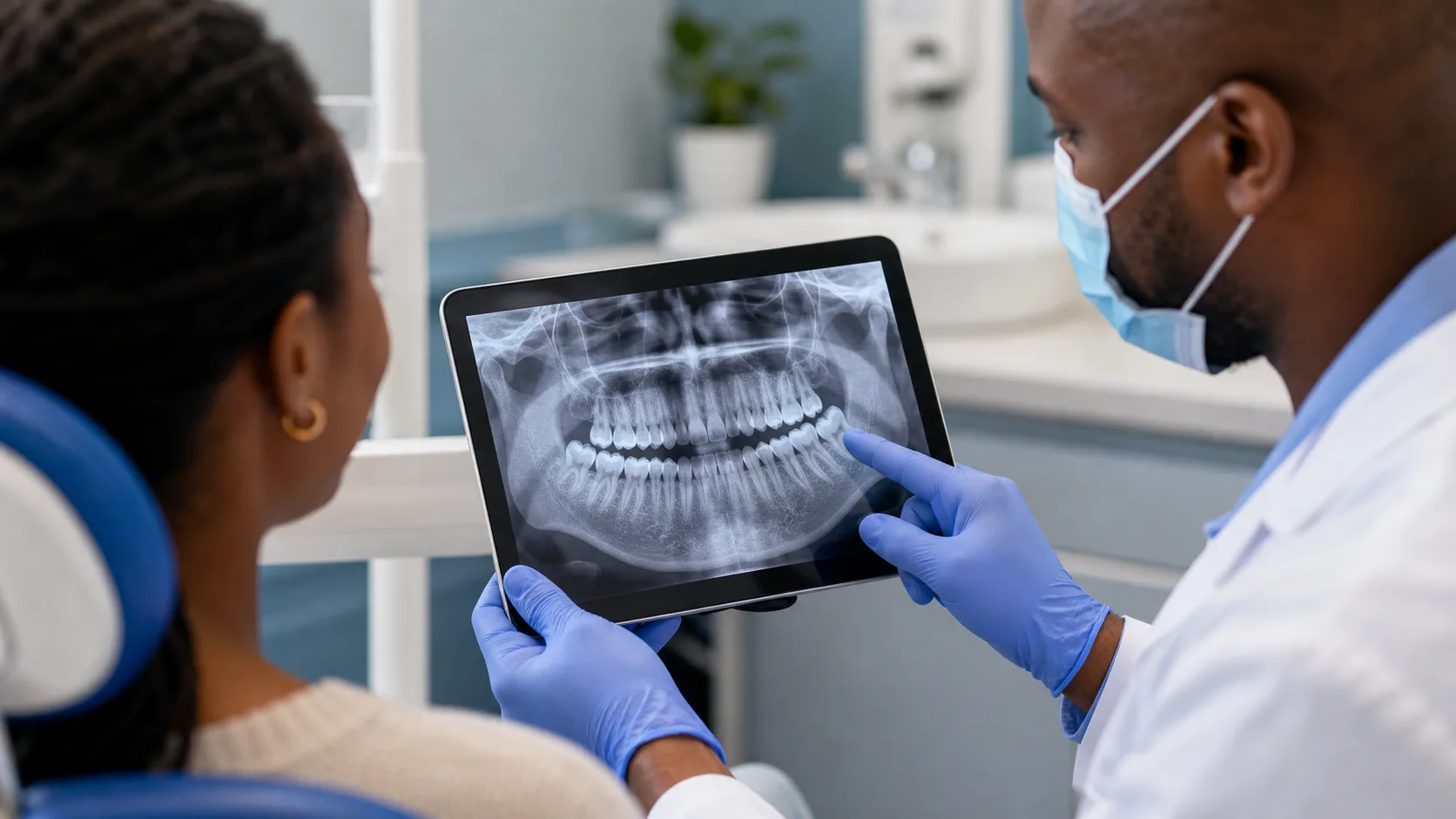
At Smile On Dental, the assessment may include symptoms, clinical tests, X-rays, and examination of the gum and bite. Dental pain can be referred, which means the tooth that hurts is not always the tooth causing the problem. A careful diagnosis reduces the risk of treating the wrong tooth or missing a crack that changes the prognosis.
Your dentist will also assess whether the tooth can be restored after the canals are treated. A root canal removes infection inside the tooth, but the tooth still needs enough structure for a reliable filling or crown. If the tooth is badly broken or has poor support, other options may need to be discussed.
Diagnosis includes
The procedure is planned around access, cleaning, sealing, and restoring the tooth.
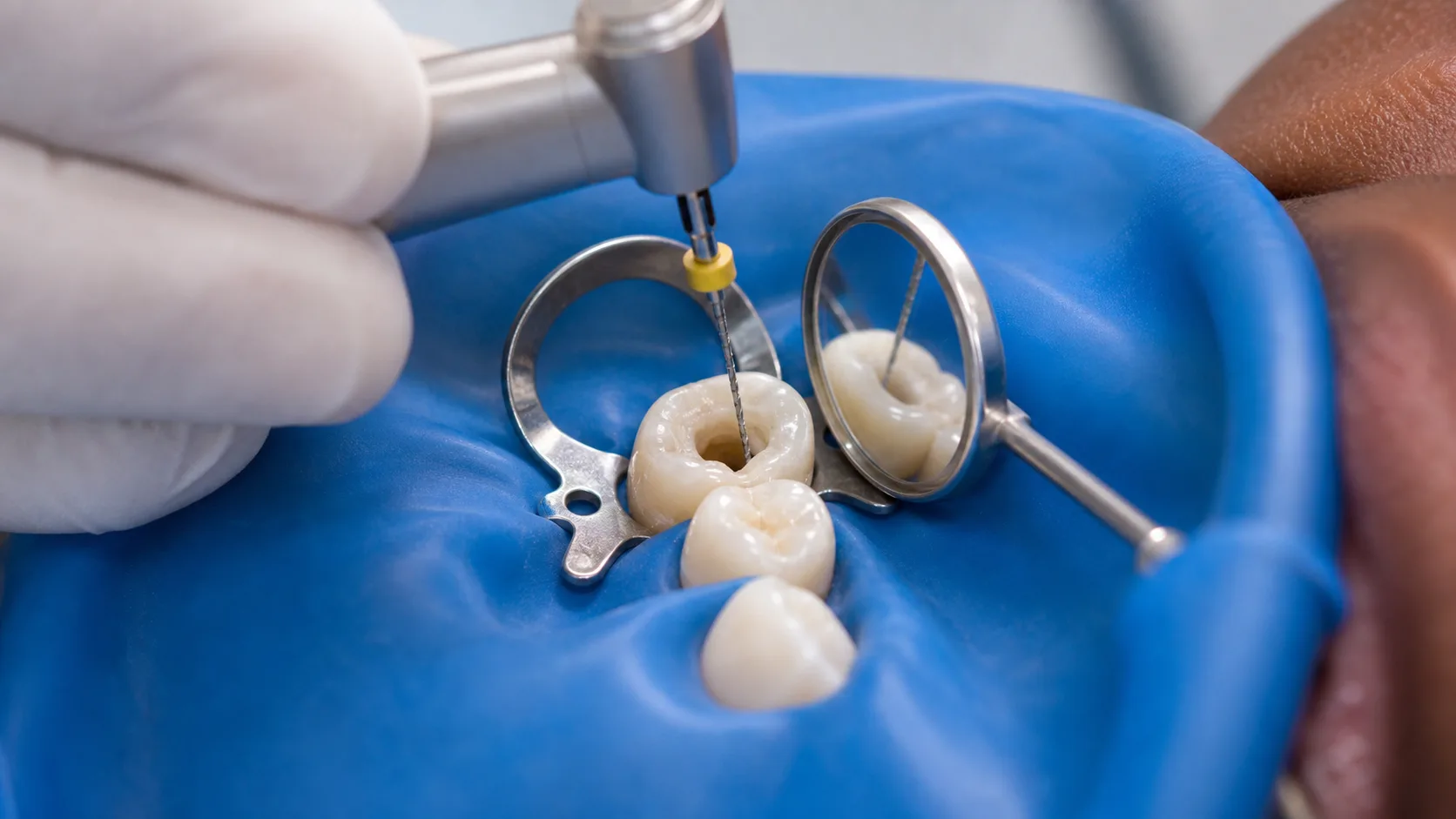
The dentist creates a small access opening, removes the affected pulp tissue, and cleans the root canal spaces with fine instruments and disinfecting solutions. The canals are shaped so they can be filled properly. The number and shape of canals vary by tooth, which is why molars are usually more complex than front teeth.
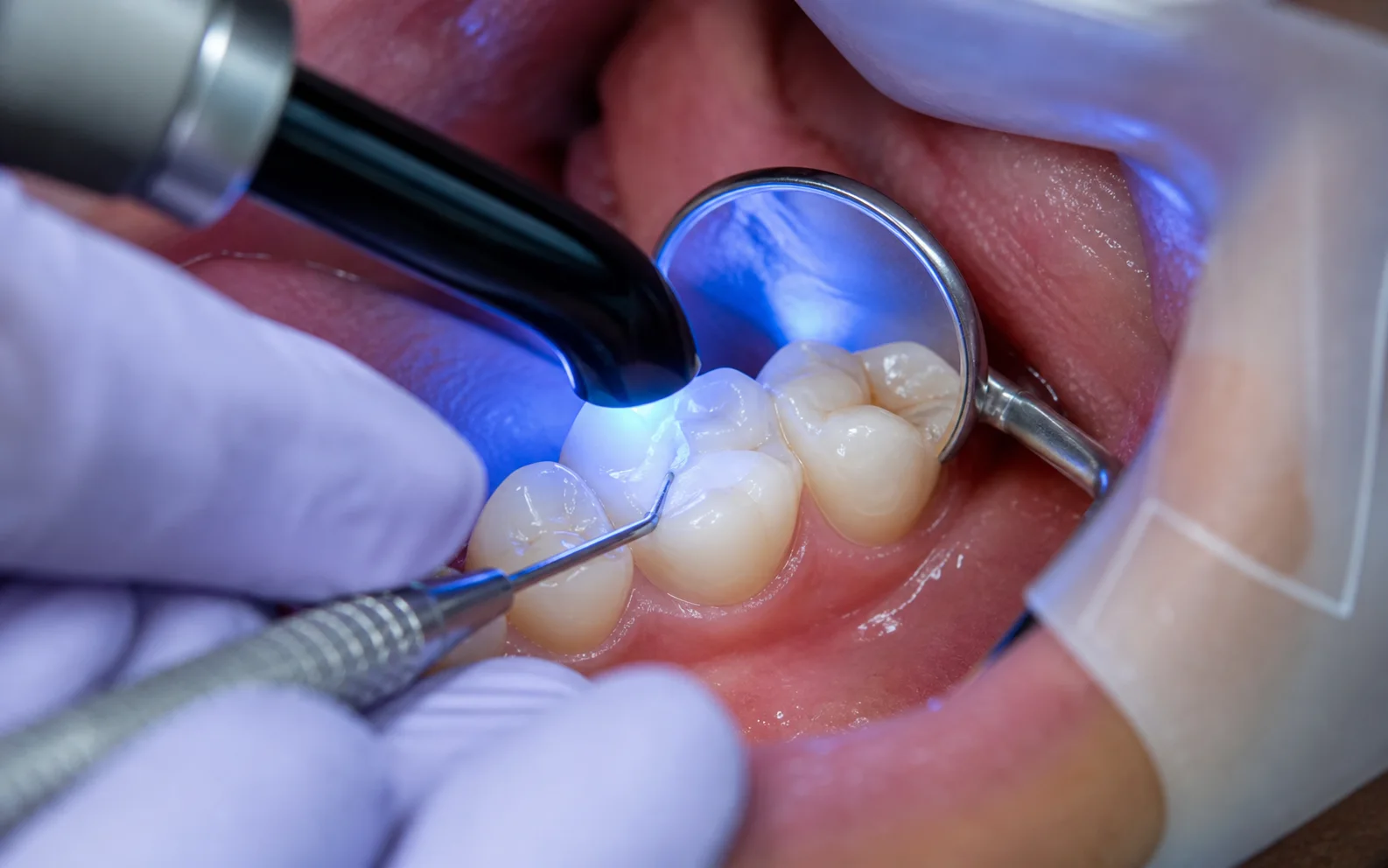
Once the canals are ready, they are filled and sealed with a root canal filling material. A temporary or final restoration may be placed depending on the situation. Because root-treated teeth can be weaker after deep decay or large fillings, a crown is often discussed when extra protection is needed, especially for back teeth.
Core stages
Root canal treatment treats the inside of the tooth; the outside still needs a durable restoration.
A front tooth with minimal damage may only need a bonded restoration, while a molar with a large cavity may need a crown to reduce the risk of fracture. The final restoration is not an optional cosmetic detail. It helps seal the tooth from bacteria and protects remaining tooth structure from chewing forces.
Your dentist will explain whether a filling, core build-up, crown, or other restoration is recommended. The timing depends on the tooth, symptoms, and how much structure remains. Until the final restoration is placed, it is sensible to avoid heavy chewing on that tooth if your dentist advises caution.
Restoration goals
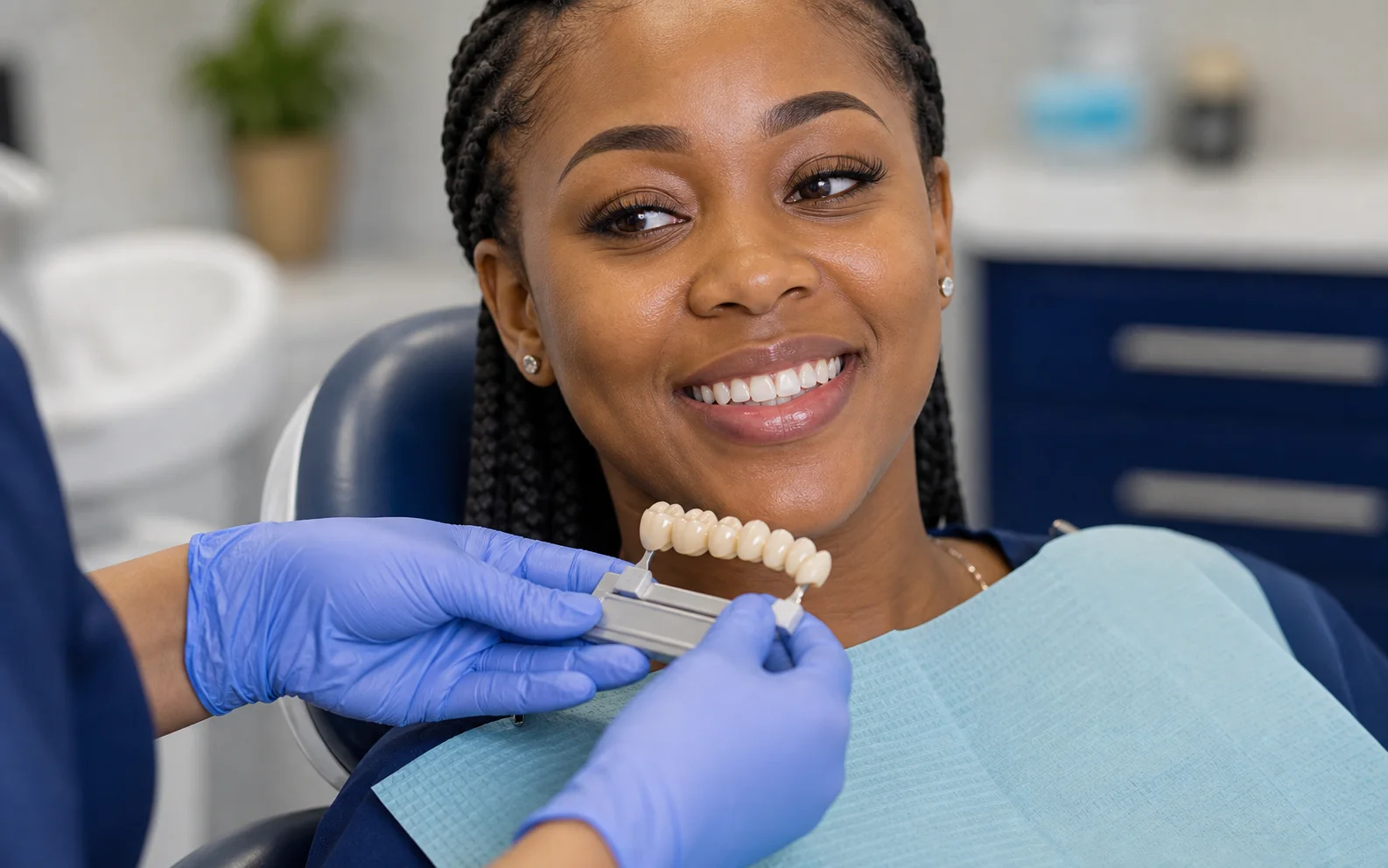
Root canal treatment is one option for a damaged tooth, but it is not the only possible pathway.
If the tooth is restorable, root canal treatment may allow it to remain in function with an appropriate final restoration. If the tooth is split, has very little structure left, has poor gum support, or carries a guarded prognosis, removal and replacement options may need to be discussed instead.
Alternatives can include extraction with no replacement, a denture, a bridge, or an implant-based option after assessment. The best choice depends on the tooth, the surrounding mouth, your health, maintenance expectations, and the cost of each complete pathway.
Decision factors

Follow-up care checks healing, comfort, and the condition of the final restoration.
Some tenderness after treatment can occur because the tissues around the tooth have been inflamed or worked on. This should settle, but worsening pain, swelling, or a bite that feels high should be reported. The tooth should gradually return to comfortable function once the infection is controlled and the restoration is stable.
Long-term monitoring matters because a root-treated tooth can still develop decay, gum problems, cracks, or restoration failure. Routine check-ups and X-rays when needed help your dentist assess the root area and the seal around the restoration. Daily cleaning remains essential, even though the nerve inside the tooth has been removed.
Aftercare focus
Root canal fees depend on the tooth type, complexity, infection, and final restoration required.
A front tooth usually has fewer canals than a molar, while curved canals, previous treatment, posts, crowns, or extensive infection can increase complexity. X-rays and diagnostic tests also form part of planning. Smile On Dental should confirm the expected scope after examination rather than quoting as if every tooth is identical.
It is also important to consider the restoration after the canal work. A root canal without an appropriate final seal can place the tooth at risk of reinfection or fracture. When comparing options, ask what is included in the plan and whether a crown or build-up is likely to be needed later.
What affects price
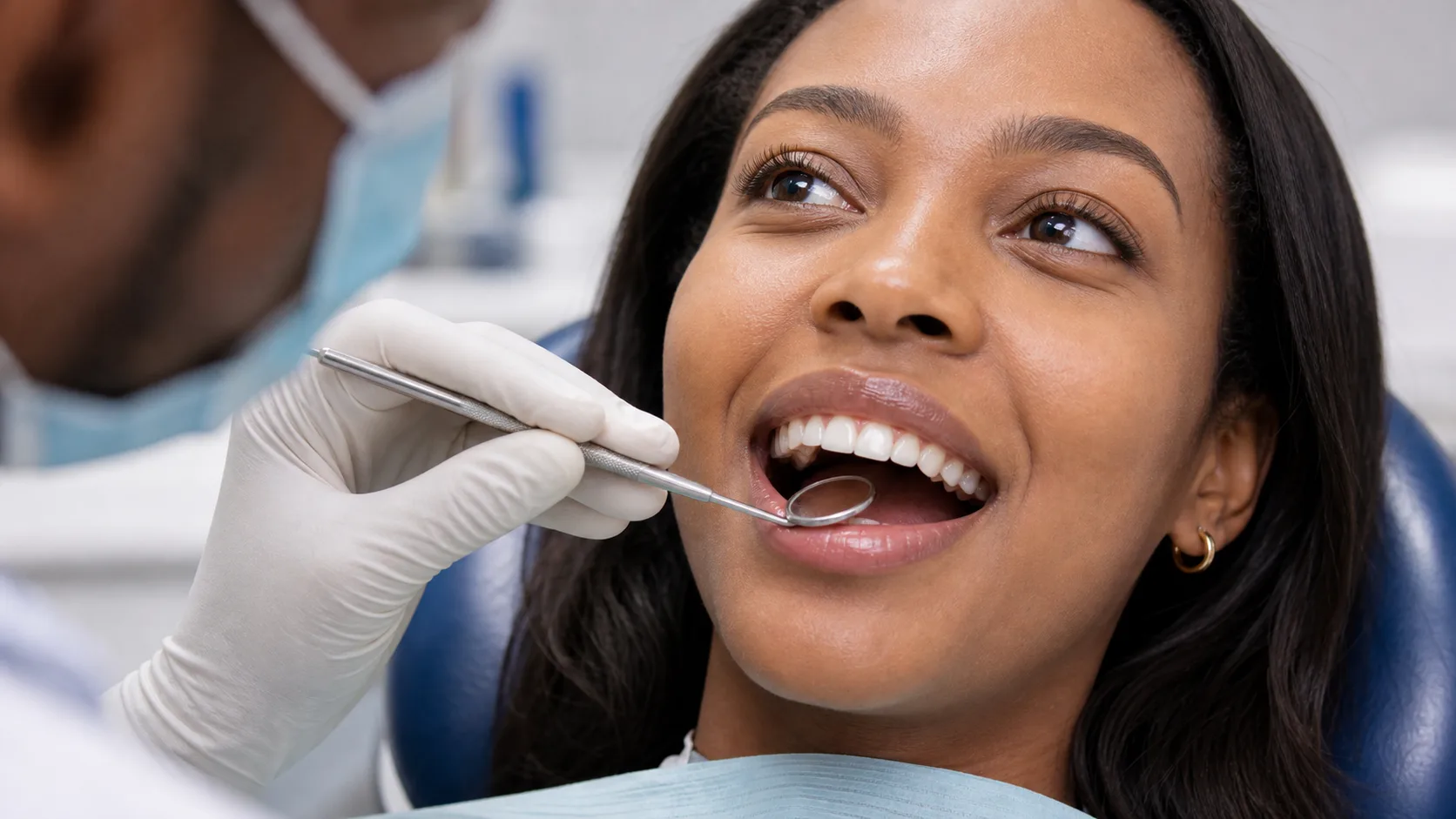
The Smile On Dental approach is to explain the tooth, the risk, and the restoration plan before treatment begins.
Root canal treatment can feel daunting because patients often arrive with pain or uncertainty. A clear explanation helps you understand why the tooth is being treated, what the procedure is intended to do, and what signs would change the plan. That clarity is part of responsible restorative dentistry.
The takeaway is that root canal treatment is about preserving a natural tooth when that is a sound option. The best result depends on diagnosis, cleaning, sealing, final restoration, and ongoing care. If the tooth cannot be predictably restored, your dentist should discuss alternatives so you can make an informed decision.
Planning priorities
Who It Helps
Treatment Journey
May be one or more visits depending on infection and tooth complexity.
You may come in with lingering pain, swelling, biting pain, a deep cavity, a cracked tooth, or sensitivity that does not settle.
The dentist uses this first conversation to understand what you want fixed, what is urgent, what has changed recently, and what result would feel useful to you.
What the dentist may ask
The plan is based on diagnosis first, not a one-size-fits-all recommendation.
The dentist checks symptoms, taps or tests the tooth, reviews gum swelling, and usually uses X-rays to understand the roots and surrounding bone.
The suitable options may include Root canal treatment to try to save the tooth, Extraction if the tooth cannot be predictably restored, A crown or filling after the root canal to protect the tooth. The dentist explains why one route may be more predictable than another for your mouth.
What is decided here
Some dental work needs more than one appointment because records, healing, lab work, or careful fitting are involved.
If root canal treatment is suitable, the infected or inflamed tissue inside the tooth is cleaned out, the canals are disinfected, and the tooth is sealed or dressed between visits.
A second visit is common when infection needs time to settle, canals are complex, or the final restoration is planned separately.
Planning details
The final part of the journey is making sure the result works in daily life.
The tooth often needs a final filling or crown after root canal treatment. The dentist explains when to return and what symptoms should improve.
You are told how to protect the tooth while it settles, especially if it has a temporary filling or is still weak.
Aftercare focus
Benefits
Suitability
Restorative Dentistry
Restorative treatment depends on the amount of tooth structure, gum health, bite forces, materials, and whether the tooth can be predictably maintained.
Suitability
The dentist considers symptoms, oral health, bite, medical history, expectations, and maintenance before recommending root canal treatment.
Costs
Cost discussions are most useful after diagnosis because materials, complexity, visit count, and follow-up needs vary from patient to patient.
Appointment
Your dentist reviews your concern, oral health, and treatment goals before recommending next steps.
The team explains the likely process, timing, and care options in straightforward language.
Your treatment plan is shaped around comfort, function, appearance, and long-term oral health.
Costs & Aftercare
Before You Book
Mention whether you are booking for root canal, pain, appearance, function, prevention, or a second opinion.
At the Visit
Ask about diagnosis, options, number of visits, comfort, maintenance, and what could happen if treatment is delayed.
Aftercare
Your dentist will explain home care, review visits, and any symptoms that should be reported after treatment.
FAQs
The best starting point is a consultation. Your dentist will assess your teeth, gums, bite, symptoms, concerns, and smile goals before recommending a personalised treatment plan.
Yes. Use the Book an Appointment button to open the booking site and choose a convenient appointment time. You can also request a callback if you would prefer the practice team to contact you first.
Yes. You can request a callback if you prefer the practice team to contact you before booking. This can be helpful when you are unsure whether you need a routine visit, cosmetic consultation, orthodontic assessment, or urgent support.
Yes. Costs depend on the diagnosis, treatment complexity, materials, and number of visits required. Your dentist can explain the recommended next step before treatment begins.
Bring your identification, medical history, current medication details, previous dental information if available, and any questions you want to discuss with the dentist.
Book an assessment so the dentist can diagnose the cause before you choose a treatment. Pain or swelling may need urgent attention, X-rays, restorative care, or another clinical next step.
Related Treatments
Helpful Articles
 Restorative DentistryFilling, Onlay, Crown, or Root Canal: How Does the Amount of Healthy Tooth Change the Plan?10 min read
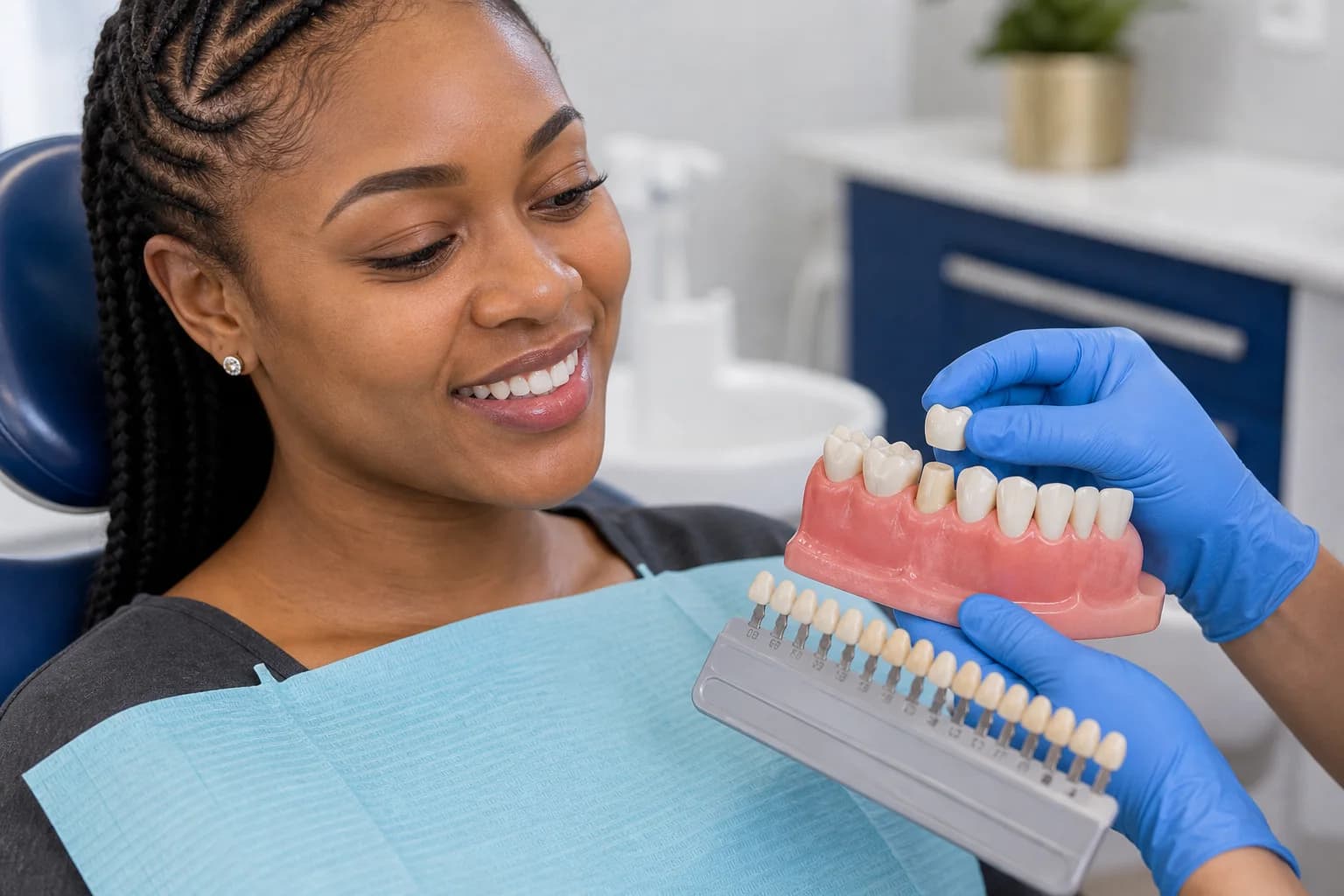 Restorative DentistryWhy Might a Tooth Need a Crown After Root Canal Treatment?11 min read
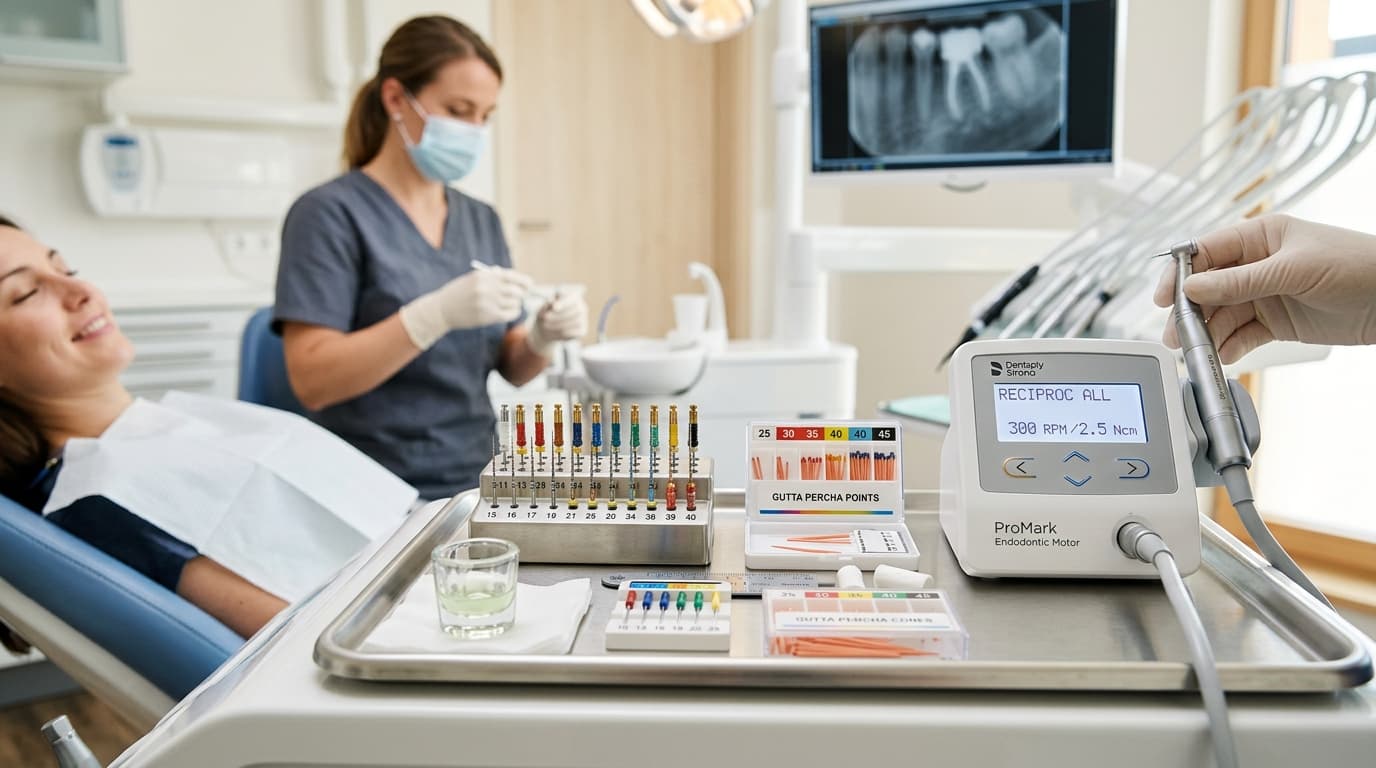 Restorative DentistryWhat Happens During Root Canal Treatment From the First X-Ray to the Final Restoration?11 min read
Locations
City Treatment Pages
Clinical Leadership

Dr. Kholofelo Machaba-Selatole leads Smile On Dental & Aesthetic Studio with a warm, patient-focused approach to family, restorative, cosmetic, and orthodontic care.
60+ five-star patient reviews across Pretoria and Polokwane.
"Customer care is superb, very friendly front desk staff. I'm happy to have gained my confidence back."

Polokwane
"From reception right into the doctor's consultation room it was all smiley faces that welcomed us."

Polokwane
"The best dental service I have seen in Pretoria, cannot wait for my next appointment."

Pretoria
"Customer care is superb, very friendly front desk staff. I'm happy to have gained my confidence back."
Polokwane
"From reception right into the doctor's consultation room it was all smiley faces that welcomed us."
Polokwane
"The best dental service I have seen in Pretoria, cannot wait for my next appointment."
Pretoria
Book a Consultation