Quick Answer
A filling may be enough for smaller areas of damage, while a crown may be considered when the tooth needs broader protection, strength, or coverage after larger damage, cracks, heavy wear, or root canal treatment.
- Fillings usually restore smaller areas of tooth structure.
- Crowns can protect teeth that need broader coverage or strength.
- The choice depends on remaining tooth structure, symptoms, bite forces, and long-term maintenance.
Fillings restore smaller areas
A filling may be suitable when decay or damage affects a smaller part of the tooth and enough healthy structure remains to support the restoration.
The dentist assesses the tooth, bite, and surrounding gums before recommending the material and approach.
- small to moderate cavities
- minor chips or worn areas
- replacement of older fillings where enough tooth remains
Crowns add broader protection
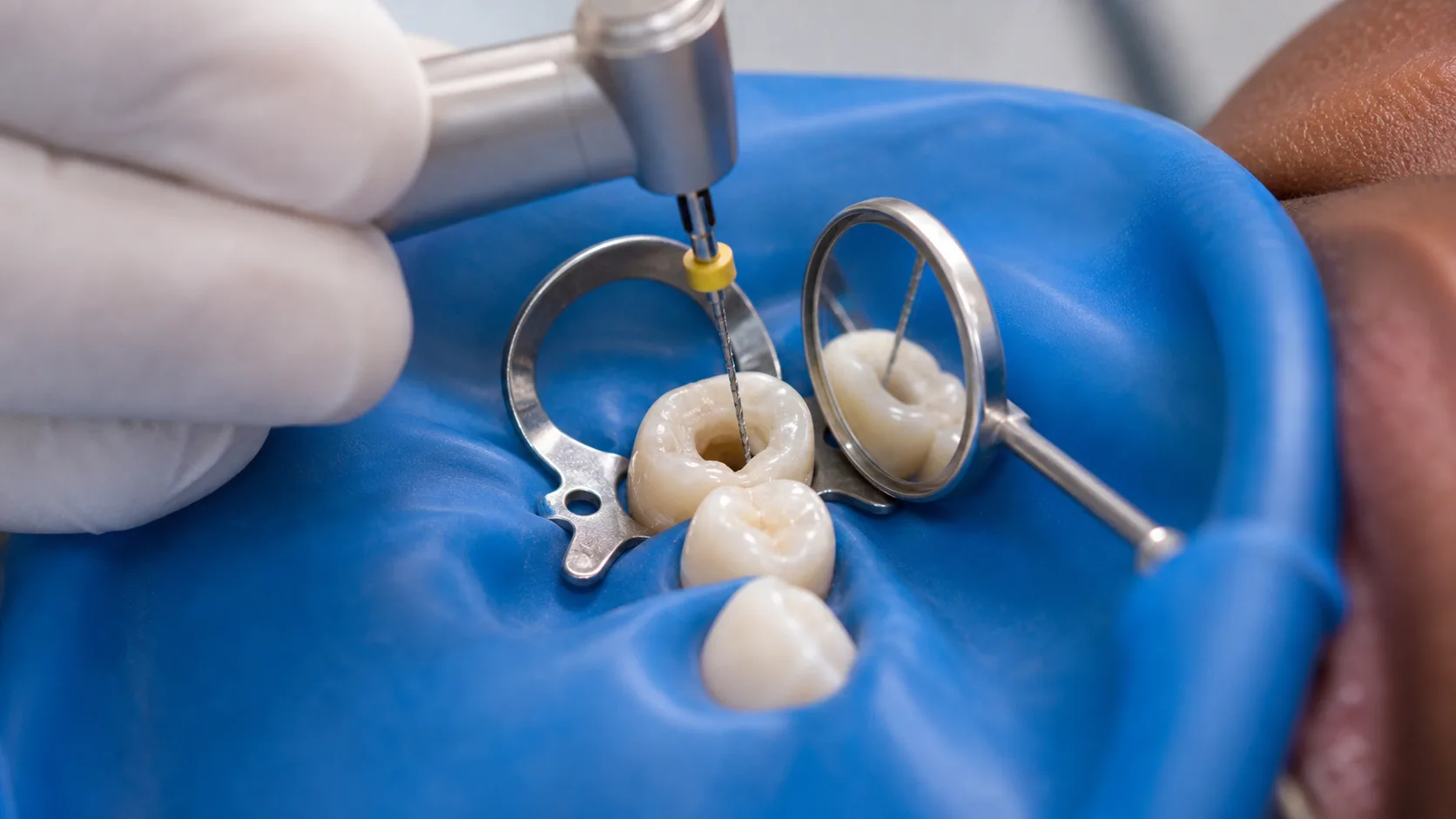
A crown can be considered when a tooth needs more coverage, strength, or shape correction than a filling can provide. This may follow larger damage, cracks, heavy wear, or root canal treatment.
The goal is to protect the tooth while supporting comfortable function and a natural appearance where possible.
Diagnosis guides the choice
The best restorative option depends on the remaining tooth structure, symptoms, bite forces, cosmetic expectations, and long-term maintenance.
A careful examination gives the dentist the context needed to recommend filling, crown, monitoring, or another restorative option.
| Restoration | Often considered when |
|---|---|
| Filling | A smaller damaged area can be repaired directly. |
| Crown | The tooth needs broader coverage or extra protection. |
| Monitoring | An early issue may not need immediate restoration. |
Internal Links
Related dental care
Sources
Useful information

Written by
Dr. Kholofelo Machaba-SelatoleChief Dentist & Practice Director
Dr. Kholofelo Machaba-Selatole leads Smile On Dental & Aesthetic Studio with a warm, patient-focused approach to family, restorative, cosmetic, and orthodontic care.
View Profile