
Quick Answer
Dental implant cost in South Africa cannot be reduced to one reliable price without an examination because the fee depends on what has to be assessed, prepared, placed, restored, and maintained. A complete quote should explain the consultation and imaging, the number of implants, whether bone or gum preparation is needed, the implant fixture, the abutment, the final crown, bridge, or denture attachment, and any staged visits before the final replacement is fitted.
- A dental implant quote should cover the full pathway, not only the implant fixture.
- Assessment and imaging help the dentist check bone, gums, bite, nearby teeth, and healing factors before discussing suitability.
- Costs change when more teeth are missing, when bone or gum support needs preparation, or when the final restoration is a bridge or denture attachment instead of a single crown.
- Implants should be compared with dentures and dental bridges where those options are realistic for the same gap.
Start with the full treatment pathway
Patients often ask for the cost of a dental implant as if it is one item. In practice, implant care is usually a sequence of decisions. The implant fixture is only one part of that sequence. The dentist also has to plan the site, the surgery, the healing period, and the visible replacement tooth or teeth that will attach to the implant.
That is why two patients can ask about dental implants and receive different treatment plans. One person may need a single implant crown in a healthy gap. Another may need an extraction first, gum treatment, bone assessment, a temporary replacement, or an implant-supported bridge. Those differences affect the scope before any final fee can be confirmed.
A responsible quote should make the stages clear. It should show whether the fee includes the assessment, imaging, surgical placement, implant components, temporary replacement where relevant, laboratory work, the final crown or prosthesis, and review visits. If a quote only names one component, ask what is still separate.
- consultation and oral-health assessment
- X-rays or 3D imaging where clinically appropriate
- implant fixture and surgical placement
- abutment and final crown, bridge, or denture attachment
- follow-up, maintenance, or staged treatment needs
What the first assessment checks
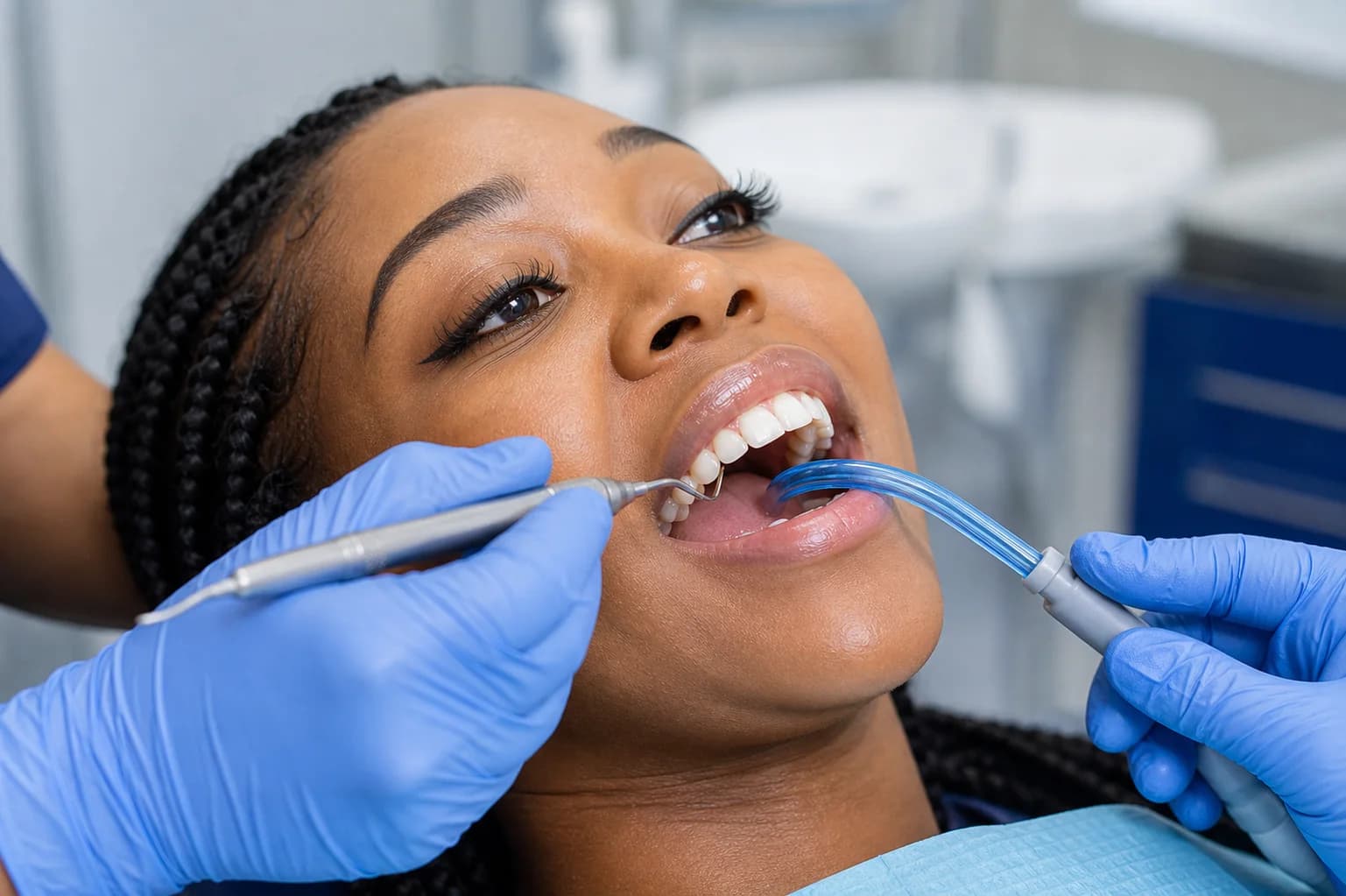
The first appointment is not only about whether a tooth is missing. The dentist needs to understand why the tooth was lost, whether the site has enough support, and whether the mouth is healthy enough to begin implant planning. This includes checking the gums, bite, nearby teeth, medical history, daily cleaning, and any symptoms such as pain, swelling, or looseness.
Assessment can affect cost because it may reveal work that should happen before implant treatment. Untreated gum inflammation, decay on neighbouring teeth, a failing tooth that still needs removal, or bite forces from grinding can all change the plan. In some cases, another missing-tooth option may be more suitable after the assessment.
This is also where expectations should be clarified. An implant is not the visible tooth by itself. It is a replacement root that supports a crown, bridge, or denture component. The final restoration must be planned from the start because it affects implant position, cleaning access, appearance, and bite contact.

Imaging can change the plan
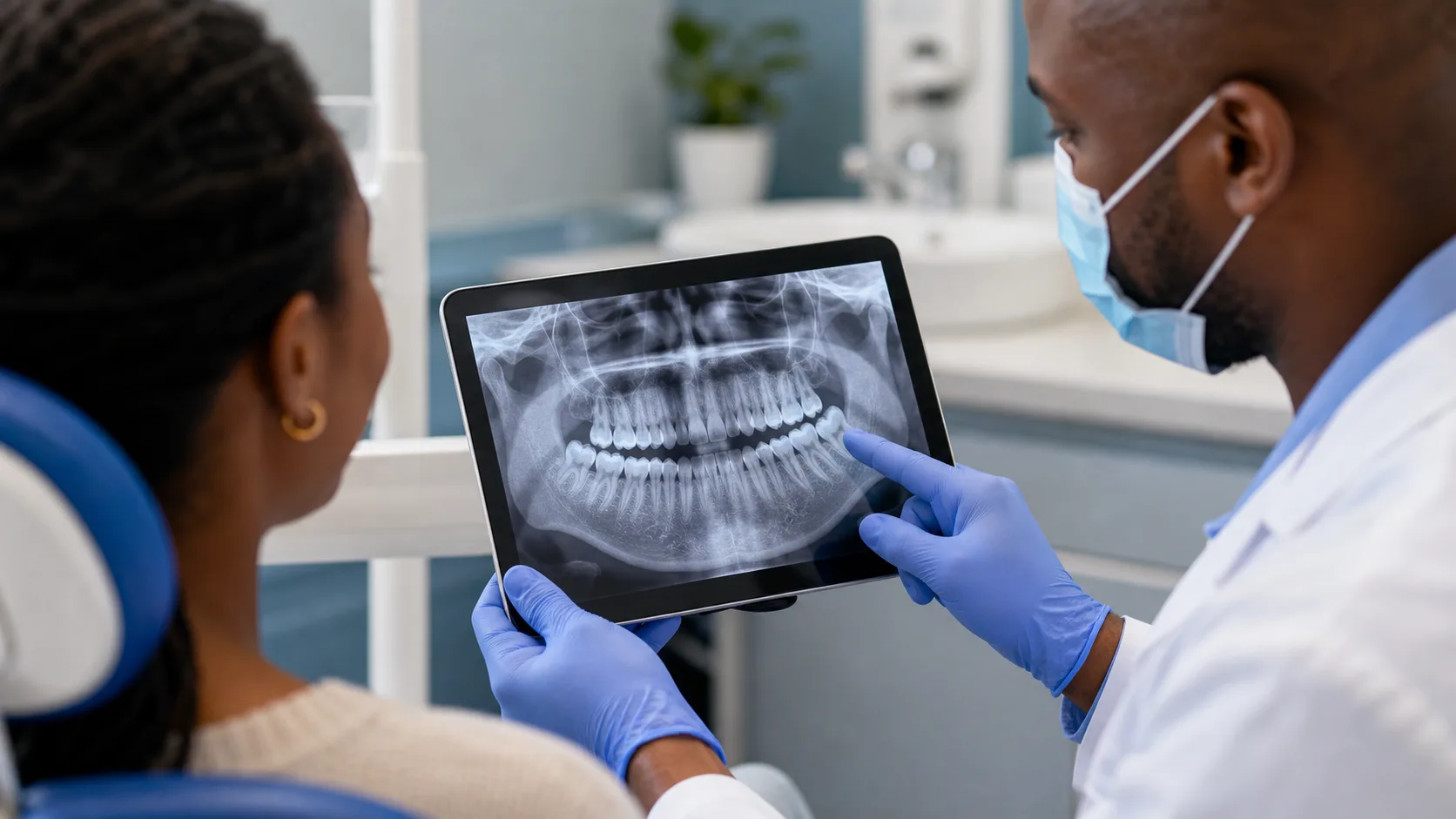
X-rays may be recommended when the dentist needs to assess teeth, roots, infection, bone levels, or nearby structures. For implant planning, three-dimensional imaging may be appropriate in selected cases because the dentist may need more detail about bone height, bone width, and the position of important anatomy around the proposed implant site.
Imaging is not a decorative extra. It helps the dentist decide whether the site can support an implant, whether additional planning is needed, and whether a different option should be discussed. It can also help avoid quoting as if every missing tooth area has the same bone shape.
The type of imaging depends on the clinical question. A simple case may not need the same records as a complex gap, a back-tooth site near anatomical structures, or a patient who has had long-term tooth loss. Ask which images are being recommended and what decision they are meant to support.
- bone height and width
- position of nearby roots and anatomical structures
- condition of neighbouring teeth
- infection or bone changes around the site
Number of teeth and restoration type matter
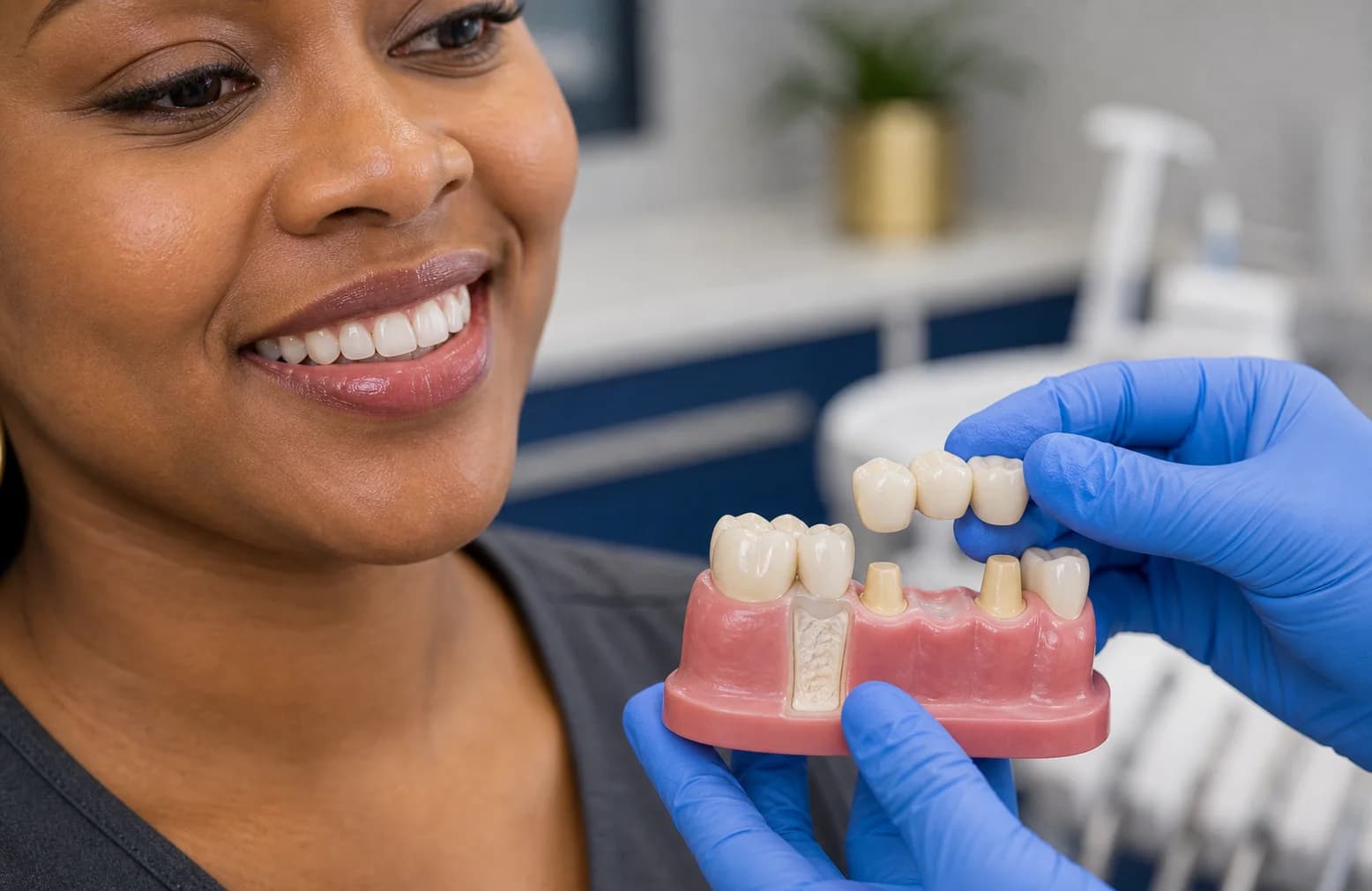
The number of missing teeth is one of the biggest reasons implant costs vary. Replacing one tooth with a single implant crown is different from replacing several teeth with an implant-supported bridge or helping stabilise a denture. The number of implants and the final restoration are planned together.
It is also important to understand that the number of missing teeth does not always equal the number of implants. In some multi-tooth cases, a bridge may use fewer implants than the number of teeth being replaced. In other cases, the site, bite, bone, or cleaning access may require a different design.
The final restoration affects laboratory work, materials, components, and maintenance. A single crown, bridge, and implant-retained denture each has different design requirements. That is why a patient comparing implant costs should ask what final tooth replacement is included, not only what implant fixture is being placed.
| Replacement need | Cost factor to clarify |
|---|---|
| One missing tooth | Whether the quote includes the fixture, abutment, and single implant crown. |
| Several missing teeth | Whether the plan uses separate crowns, an implant-supported bridge, or another design. |
| Loose or unstable denture | Whether implants are being planned to retain a denture and what components are included. |
| Tooth still needs removal | Whether extraction, healing, temporary replacement, and later implant planning are separate stages. |
Implant components are priced as a system
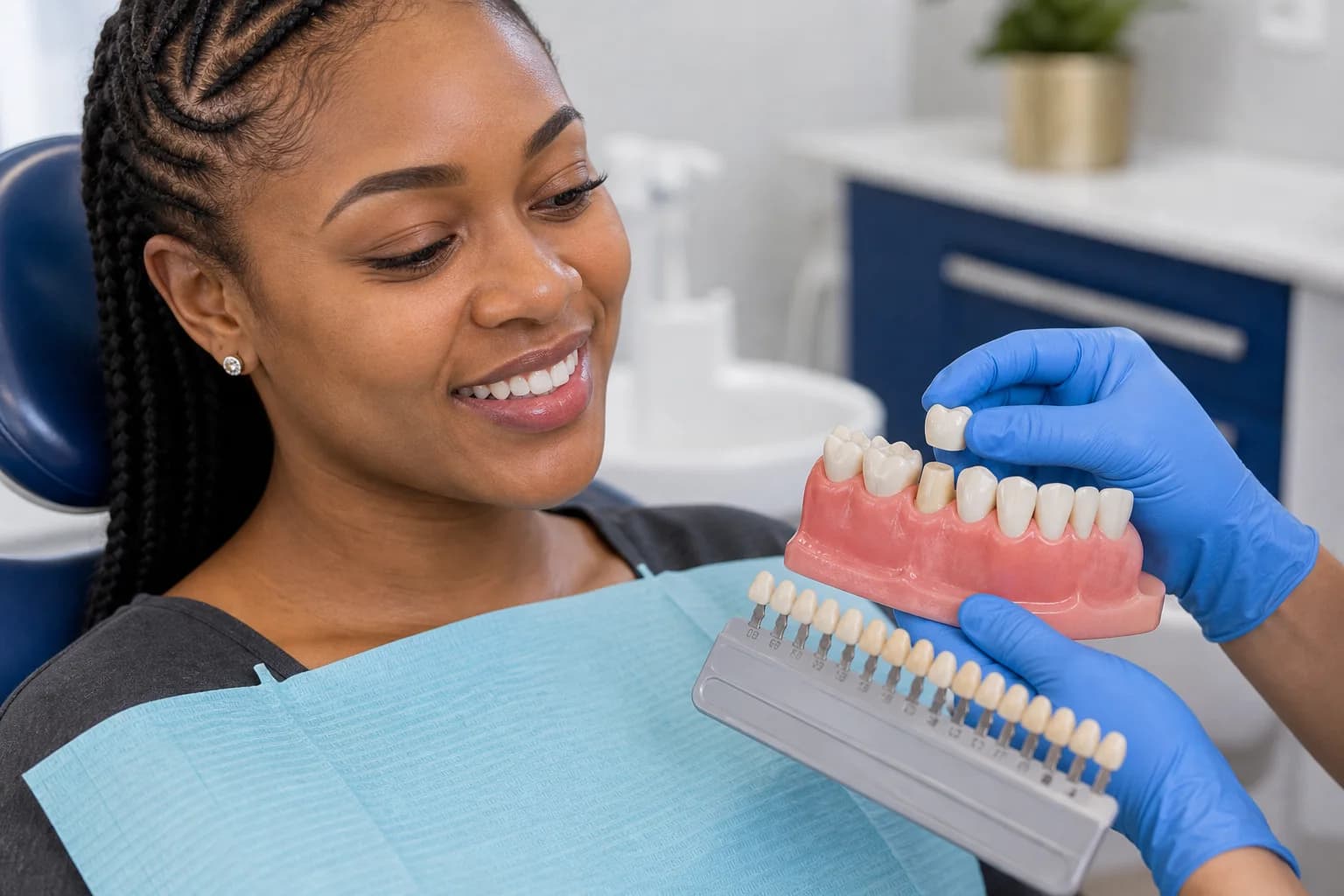
A dental implant replacement usually involves more than one component. The fixture is placed in the jawbone. An abutment or connector is then used to support the visible restoration. The final crown, bridge, or denture attachment is made to fit the bite, gum shape, and appearance goals.
These parts need to work together. A lower headline fee may not mean the full tooth replacement is included. It may refer only to one stage or one component. When comparing treatment plans, ask whether the quoted amount includes the fixture, surgical placement, abutment, laboratory crown or prosthesis, and any temporary or review appointments.
Material choice, component design, and laboratory work can influence the fee. The dentist should explain the recommended design in practical terms: what is being replaced, how it will be cleaned, how it will meet the bite, and what maintenance will be needed after fitting.
- implant fixture placed in the bone
- abutment or connector between the fixture and restoration
- crown, bridge, or denture attachment made for the mouth
- clinical and laboratory stages needed to fit the final result
Bone, gum, and healing needs affect cost
Implants rely on healthy support from the bone and surrounding gum. If a tooth has been missing for a long time, if infection affected the area, or if the gum is inflamed, the site may need extra assessment before an implant can be considered. Some patients may need staged preparation. Others may be better served by a bridge, denture, or another plan.
Bone or gum procedures should not be assumed for every patient, but they should be discussed when the site does not offer enough support for the planned implant position. These steps can change timing and cost because the dentist may need to stabilise the mouth before moving to implant placement or final restoration.
Healing factors also matter. Medical history, medicines, smoking status where relevant, grinding, and cleaning ability can influence suitability and sequencing. The dentist should discuss these issues before treatment begins because implant care depends on both surgery and long-term maintenance.
- Assess gum health, bone support, nearby teeth, and bite forces.
- Treat active disease or unstable teeth before implant placement where needed.
- Plan the implant position around the final crown, bridge, or denture design.
- Review healing and maintenance needs before fitting the final restoration.
Staged treatment changes timing and fees
Implant treatment is often staged because the mouth has to be prepared, the implant site has to heal, and the final restoration must be made to fit accurately. The sequence may include consultation, imaging, extraction where needed, site healing, implant placement, further healing, restoration records, and final fitting.
Some cases can move faster than others, but timing should not be promised before assessment. A front tooth, a back tooth, a long-standing gap, and a denture-stability case can all have different timelines. If bone or gum preparation is needed, the treatment may be split into additional stages.
Staging affects cost conversations because each appointment may have a different purpose. One stage may diagnose and plan. Another may place the implant. Another may restore it. Ask for the treatment plan to show the sequence, what each stage includes, and when the final crown, bridge, or denture attachment is expected to be discussed.
| Stage | What to ask |
|---|---|
| Assessment | What records, imaging, and suitability checks are included? |
| Preparation | Is extraction, gum care, or site preparation needed first? |
| Placement | What implant components and surgical visits are included? |
| Restoration | Is the abutment and final crown, bridge, or denture attachment included? |
| Review | What maintenance or follow-up visits should be planned? |
Compare implants with bridges and dentures
Dental implants can be a strong option for suitable patients, but they are not the only way to replace missing teeth. A dental bridge may be discussed when neighbouring teeth already need crowns or when a fixed replacement is preferred but implant treatment is not suitable. Dentures may suit patients who need a removable option, have multiple missing teeth, or need a staged approach.
The cost comparison should include the full pathway for each option. A bridge may involve preparation of support teeth. A denture may need adjustments, relines, or future replacement as the mouth changes. An implant may need imaging, staged healing, components, and long-term review. The right comparison is not only the first fee; it is the treatment burden, maintenance, lifespan expectations, and suitability for the mouth.
Before accepting an implant quote, ask what diagnosis the plan is based on, what images were used, what alternatives were considered, and what is included in each stage. It is reasonable to ask whether the final crown, bridge, or denture attachment is included, whether temporary replacement is needed, and whether any bone, gum, extraction, or review appointments are separate.
For patients comparing options, Smile On Dental has separate information on dental implants, dental bridges, dentures, and dental crowns. These pages can help you understand the treatment categories before a dentist confirms what is appropriate for your mouth.
- What exactly is included in this quote?
- Does the plan include assessment, imaging, placement, abutment, and final restoration?
- Are bone, gum, extraction, temporary replacement, or review visits separate?
- What alternatives were considered for this gap?
- What cleaning and maintenance will this restoration need?
| Option | Usually compared by |
|---|---|
| Dental implant | Bone and gum support, staged treatment, component costs, and final restoration. |
| Dental bridge | Condition of neighbouring teeth, crown preparation, cleaning access, and fixed replacement needs. |
| Denture | Number of missing teeth, removable design, fit, adjustments, and future maintenance. |
Internal Links
Related dental care
Sources
Useful information
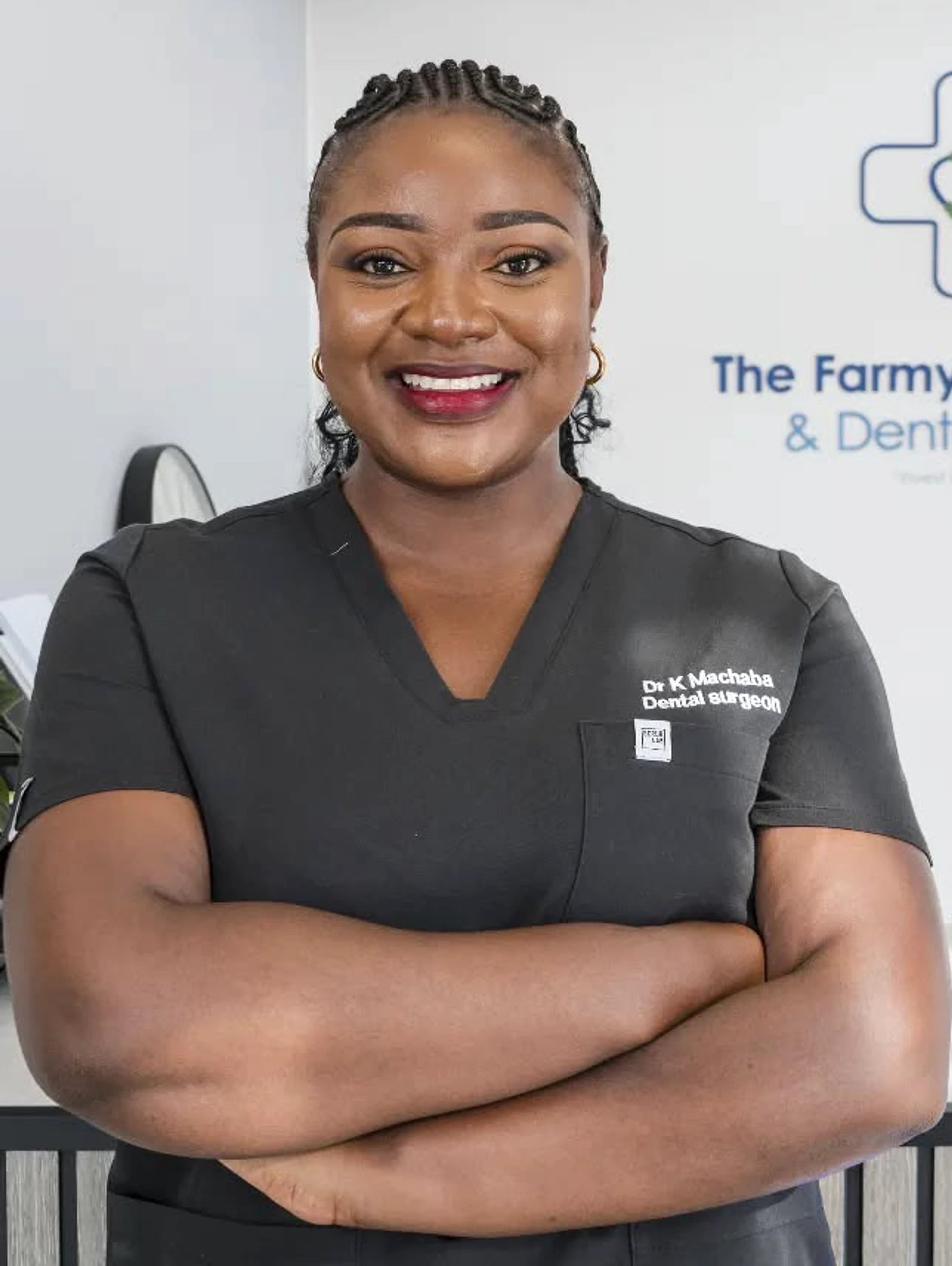
Written by
Dr. Kholofelo Machaba-SelatoleChief Dentist & Practice Director
Dr. Kholofelo Machaba-Selatole leads Smile On Dental & Aesthetic Studio with a warm, patient-focused approach to family, restorative, cosmetic, and orthodontic care.
View Profile