First Step
Consultation
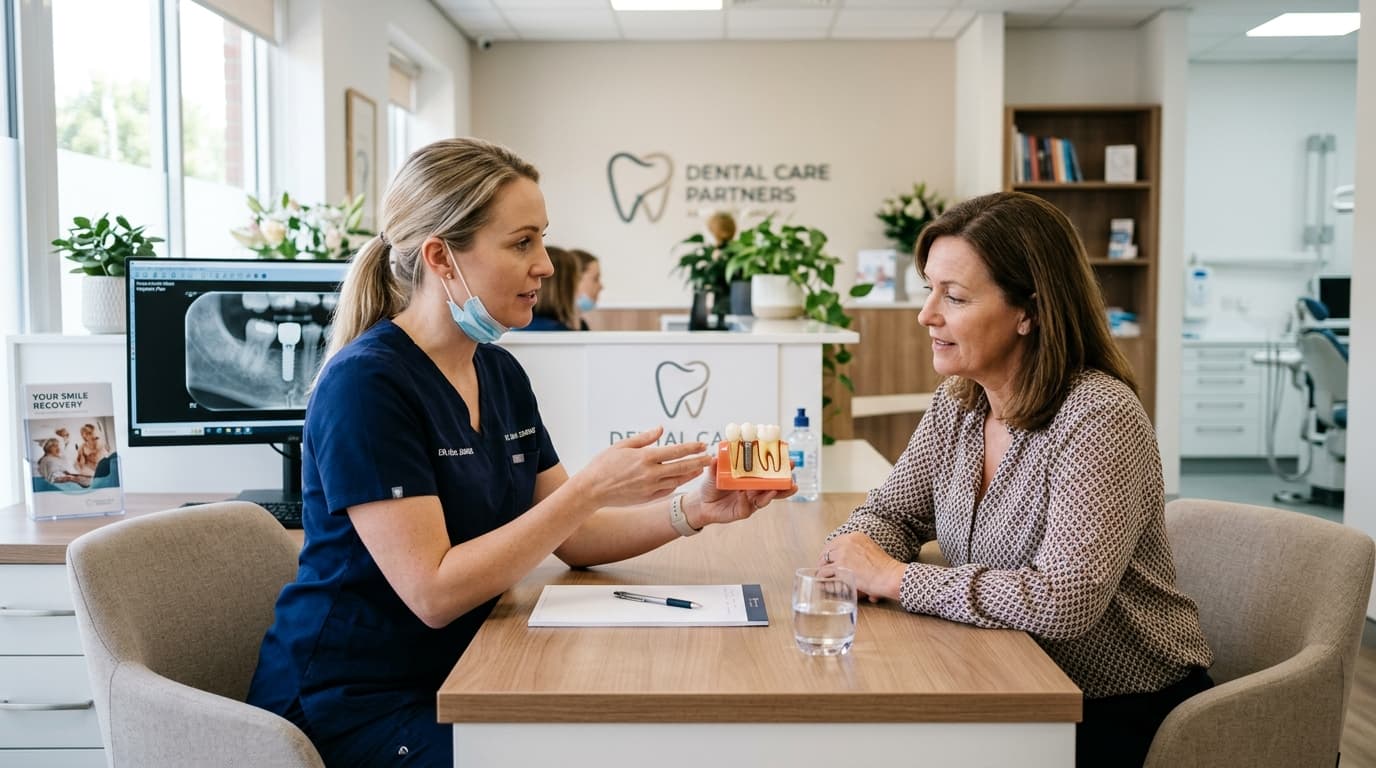
The dentist checks your concern and confirms whether this treatment is suitable before care begins.
Restorative Dentistry
Book Dentures with Smile On Dental. Start with an assessment, understand your options, and get clear next steps before treatment begins.
Quick Summary
First Step
The dentist checks your concern and confirms whether this treatment is suitable before care begins.
Best For
Suitability depends on oral health, symptoms, goals, and clinical findings.
Planning
Timing, visits, cost factors, and aftercare are explained after the assessment.
Branch Access
Use the location section to choose the branch that is easiest for you to attend consistently.
Overview
Treatment Introduction
Dentures can help restore appearance and function when several teeth are missing. Planning considers comfort, fit, chewing needs, appearance, and long-term maintenance.
Decision Support
Smile On Dental uses the visit to understand your symptoms, goals, oral health, and expectations before recommending a suitable treatment plan.
Visual Guide
Treatment Guide
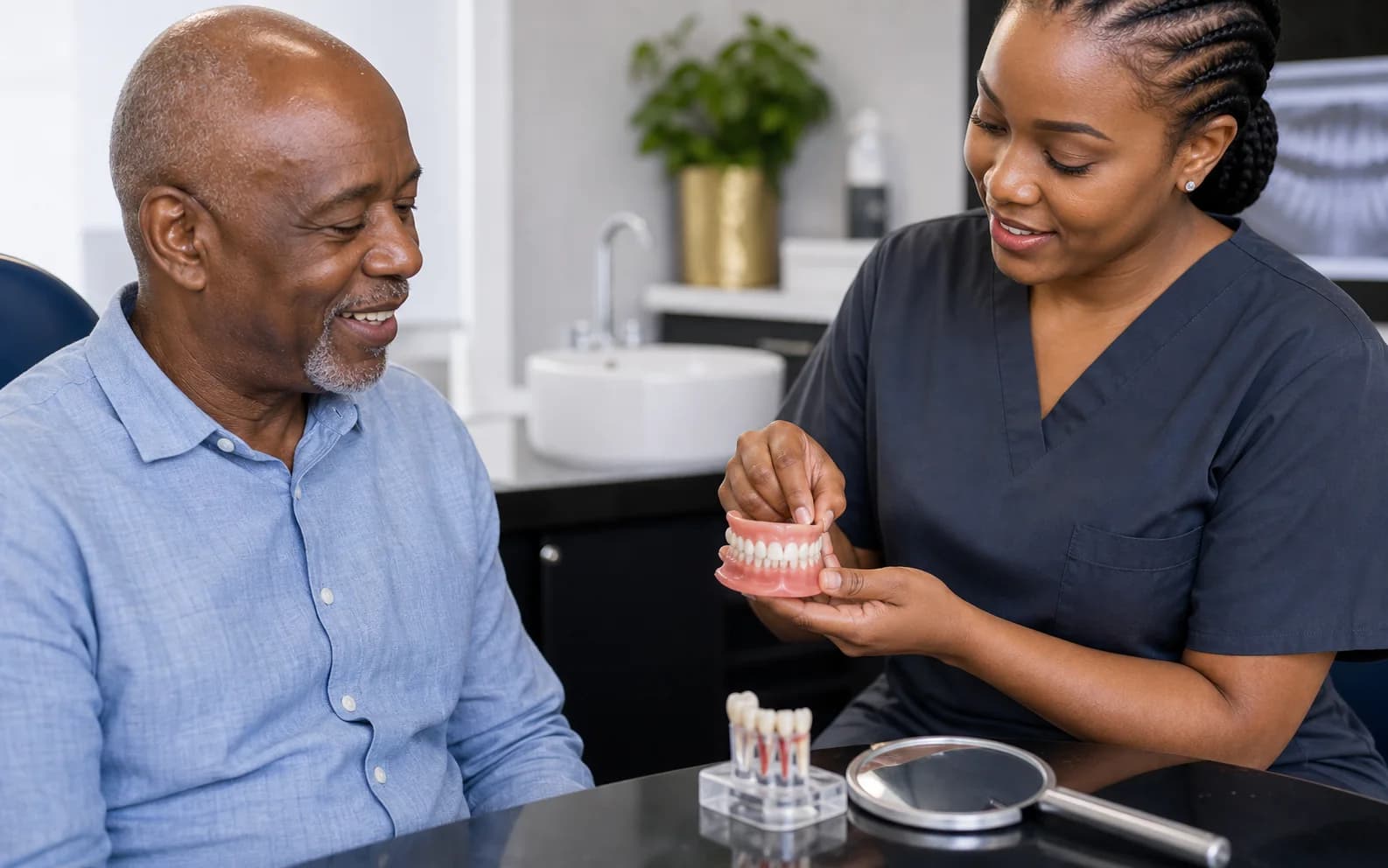
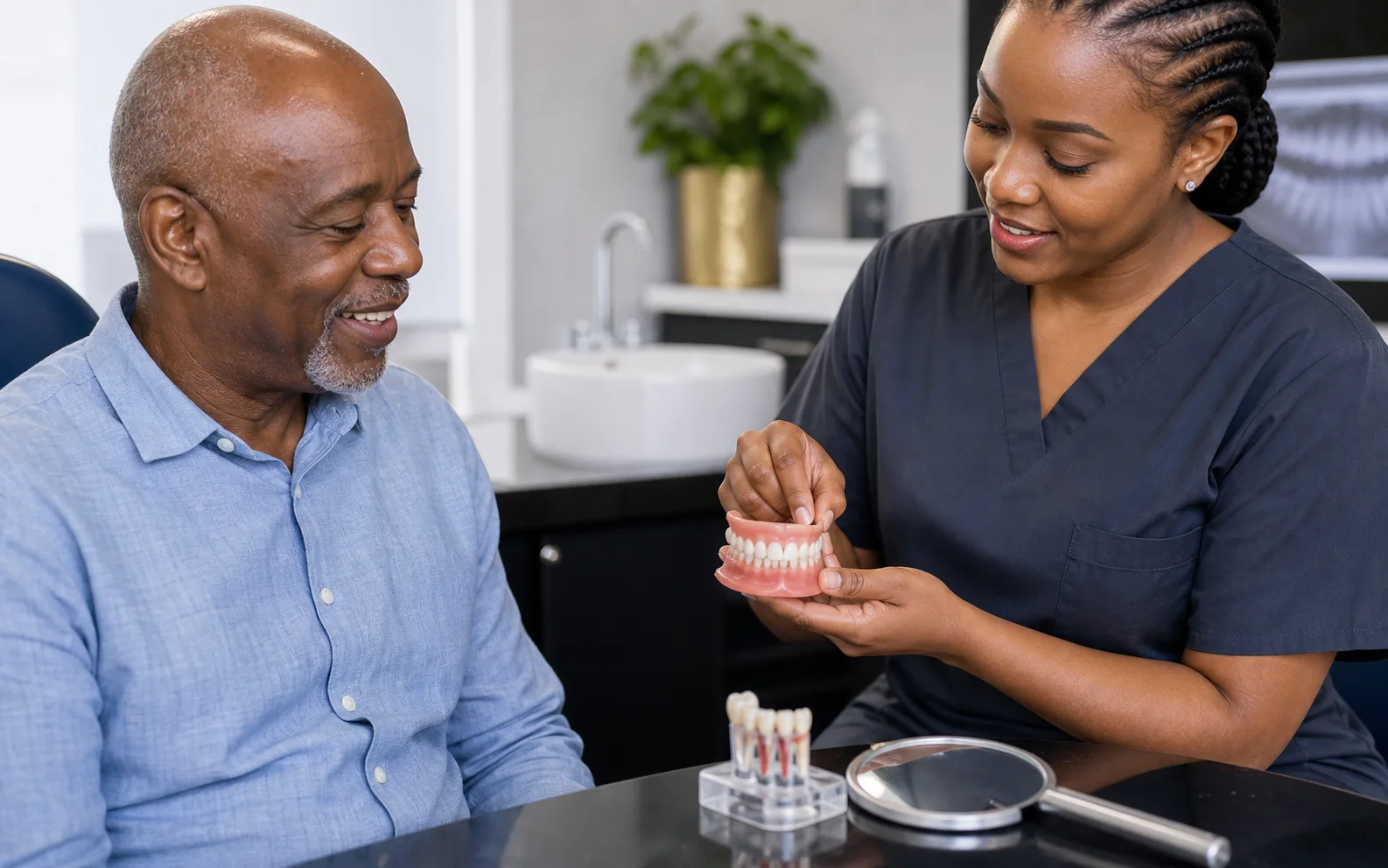
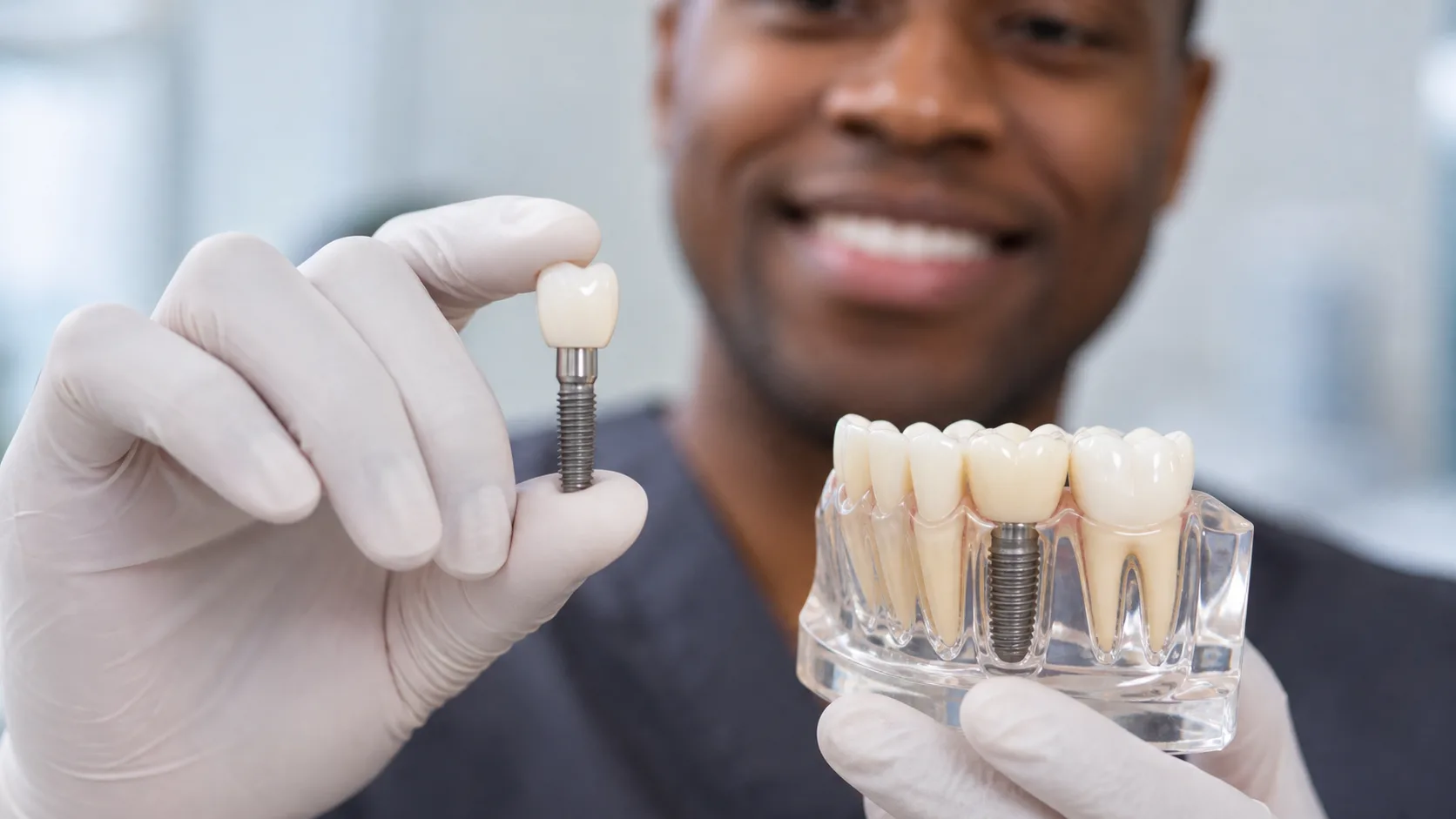
Dentures are removable appliances used to replace missing teeth and support everyday eating, speech, and appearance.
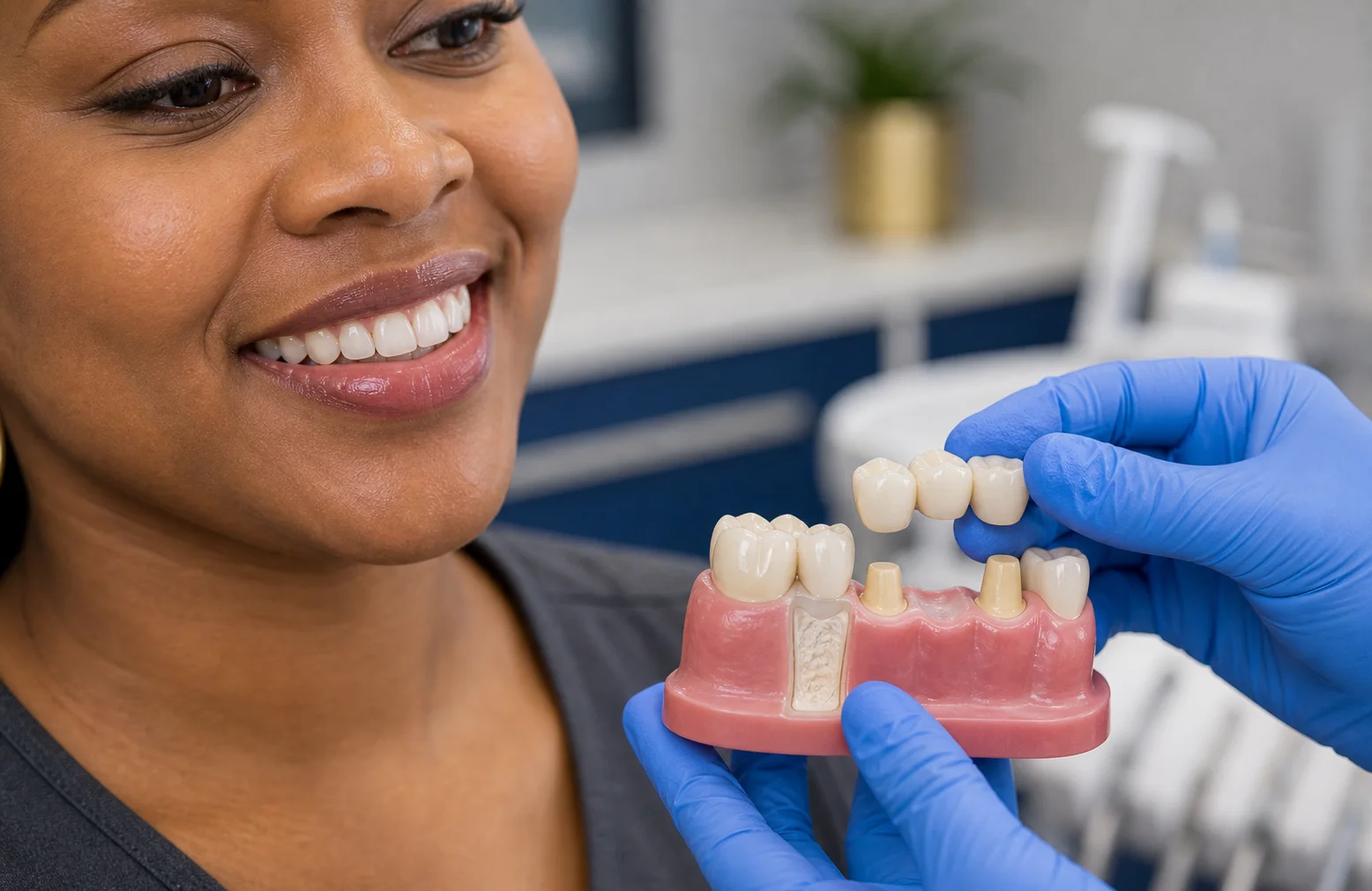
A partial denture replaces some missing teeth while natural teeth remain. A full denture replaces all teeth in an arch. Dentures can be a practical option when several teeth are missing, when a fixed bridge is not suitable, or when implant-based treatment is not part of the current plan.
The aim is not only to fill spaces. A denture should support the lips and cheeks, meet the opposing teeth evenly, and be shaped so it can be cleaned. Smile On Dental assesses the gums, remaining teeth, bite, and expectations before recommending a denture design.
Denture uses
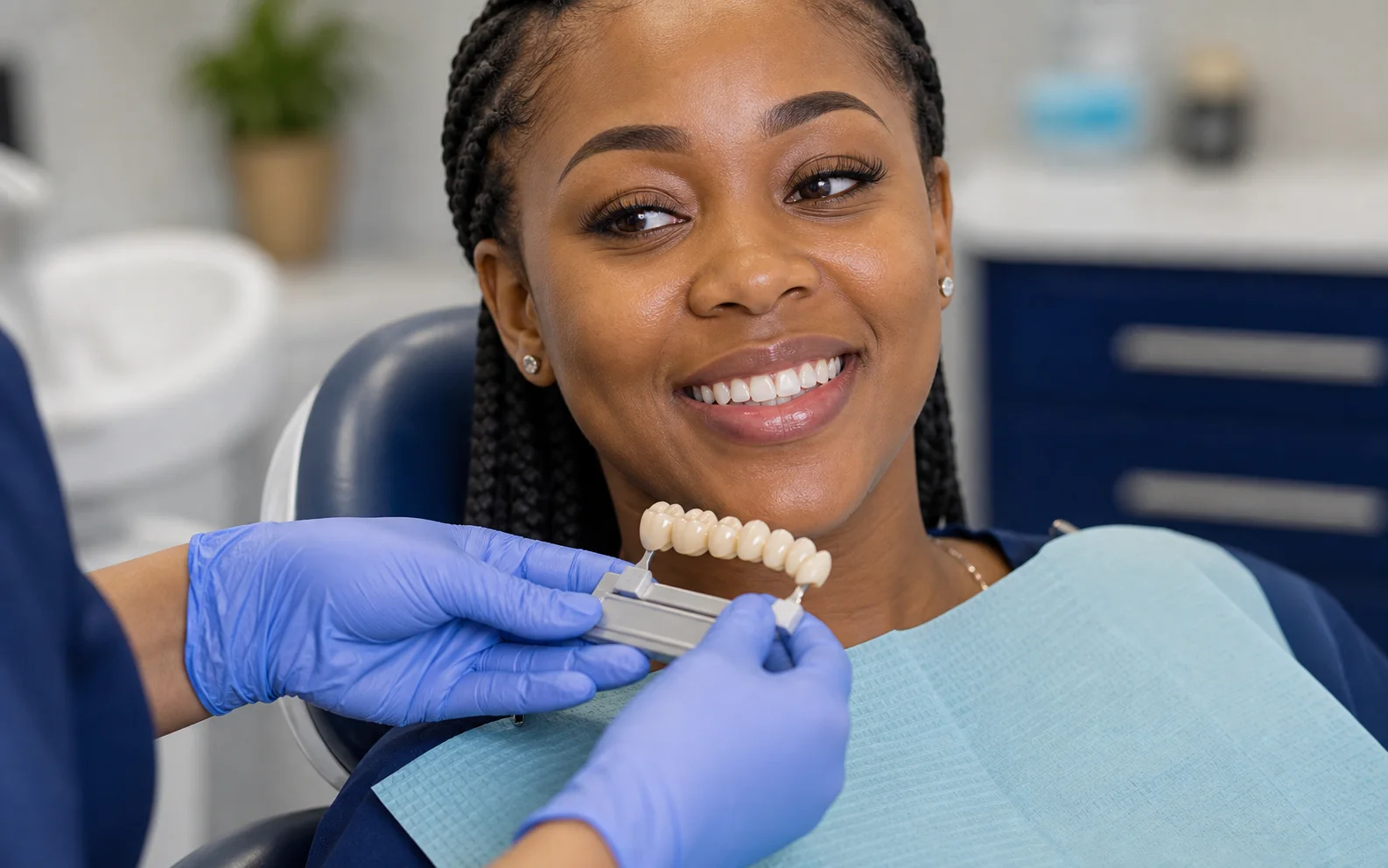
A partial denture uses remaining teeth and gum areas for support, so the health of those teeth matters.
Partial dentures may be made with acrylic, metal frameworks, flexible materials, or other designs depending on the clinical situation. Clasps or rests may help hold the denture in place. The design should avoid placing damaging forces on weak teeth and should allow you to clean around both the denture and the natural teeth.
Before making a partial denture, your dentist may recommend fillings, cleaning, extractions, or gum treatment so the mouth is stable. Building a denture around untreated decay or loose teeth can lead to discomfort and early changes in fit.
Partial denture planning
A full denture relies on the shape of the gums, saliva, muscles, and bite for stability.
Upper full dentures often gain more surface support from the palate, while lower full dentures can be more challenging because the tongue and shallower ridge affect movement. A good impression, balanced bite, and realistic adjustment period are all part of full denture care.
If teeth need to be removed before a full denture, the gums and bone will change as they heal. That can affect fit over time. Your dentist should explain whether an immediate denture, later reline, or staged approach may be relevant after examining your mouth.
Full denture factors

Denture treatment usually involves records, try-ins, fitting, and adjustment rather than a single isolated step.
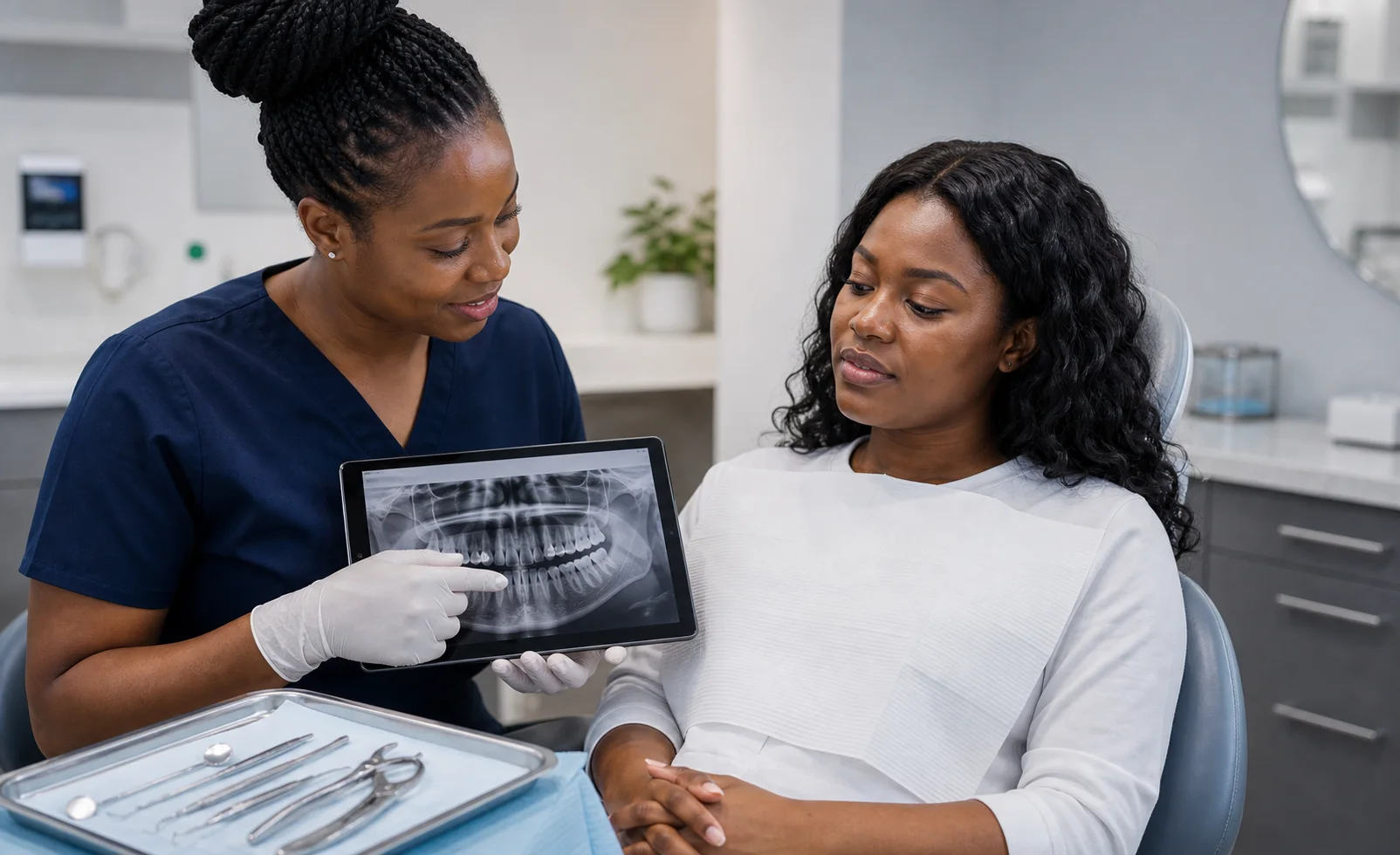
Your dentist records the shape of the mouth and the way the jaws meet. For many dentures, a try-in stage allows tooth position, bite, and appearance to be assessed before the final denture is completed. This stage helps refine the result before the appliance is finished.
At fitting, pressure areas and bite contacts are checked. New dentures often need adjustments as the soft tissues adapt. A sore spot does not mean the denture has failed, but it should be adjusted rather than tolerated, especially if it causes ulcers or affects eating.
Process stages
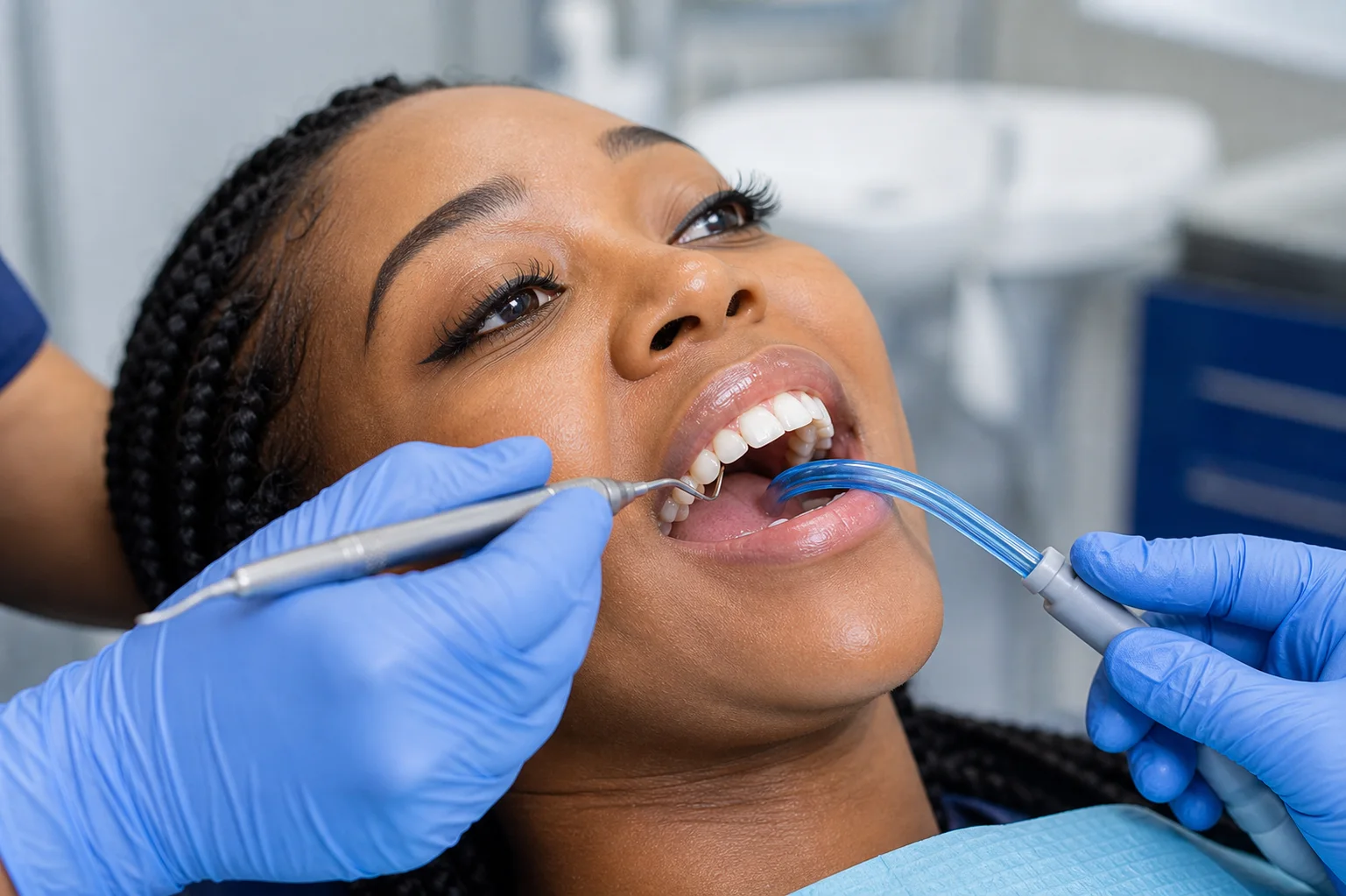
Dentures need daily cleaning, and the gums and remaining teeth need care even when teeth have been replaced.
Remove and clean dentures daily using the method recommended by your dental team. Plaque and food can collect on the denture surface, around clasps, and against the gum. The mouth should also be cleaned, including the gums, tongue, palate, and any remaining teeth.
Dentures should be checked if they become loose, cracked, painful, or difficult to chew with. Using glue or home repairs to manage a poor fit can hide a problem and may irritate the tissues. A reline, repair, or remake may be needed depending on the cause.
Care habits
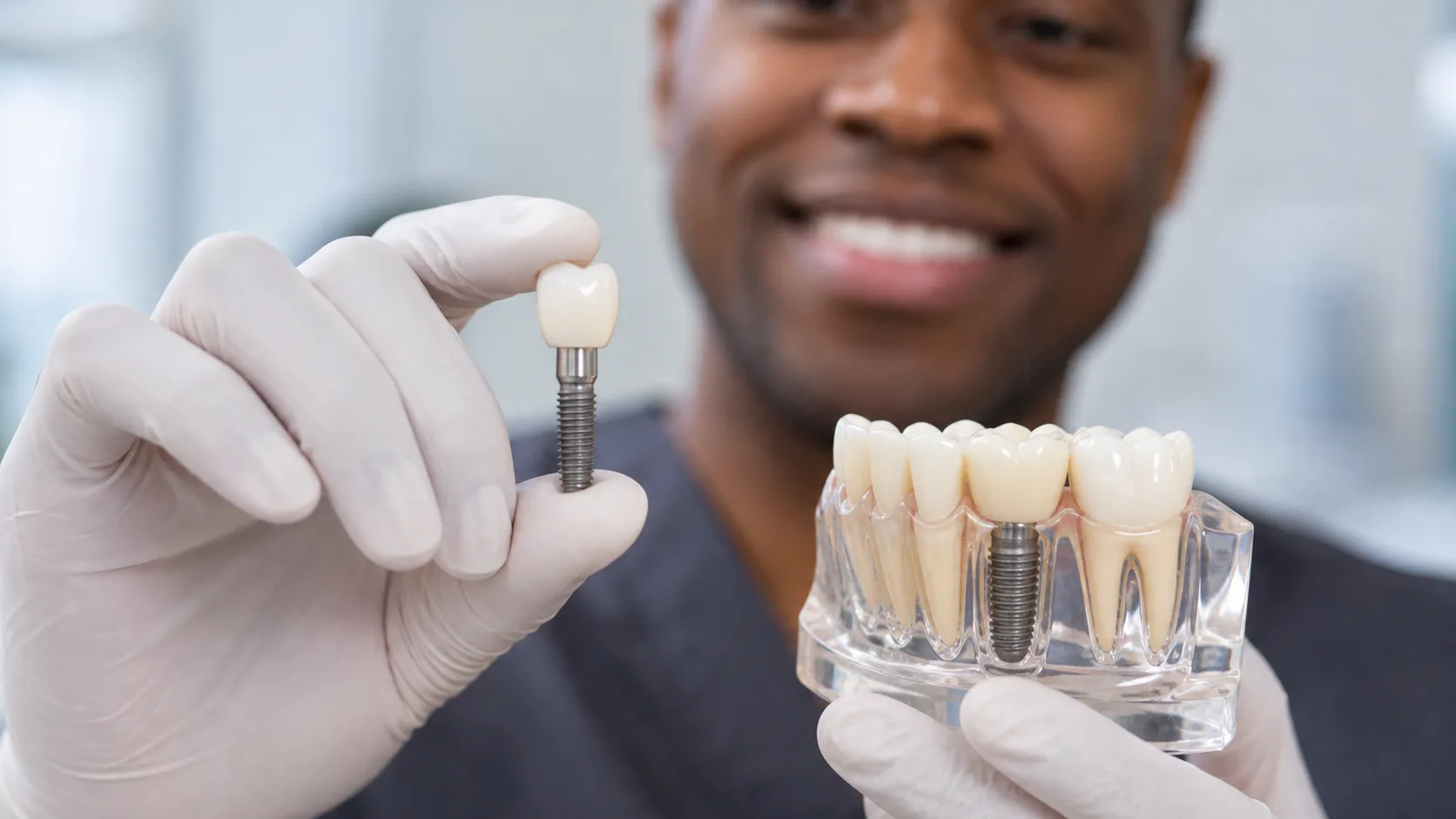
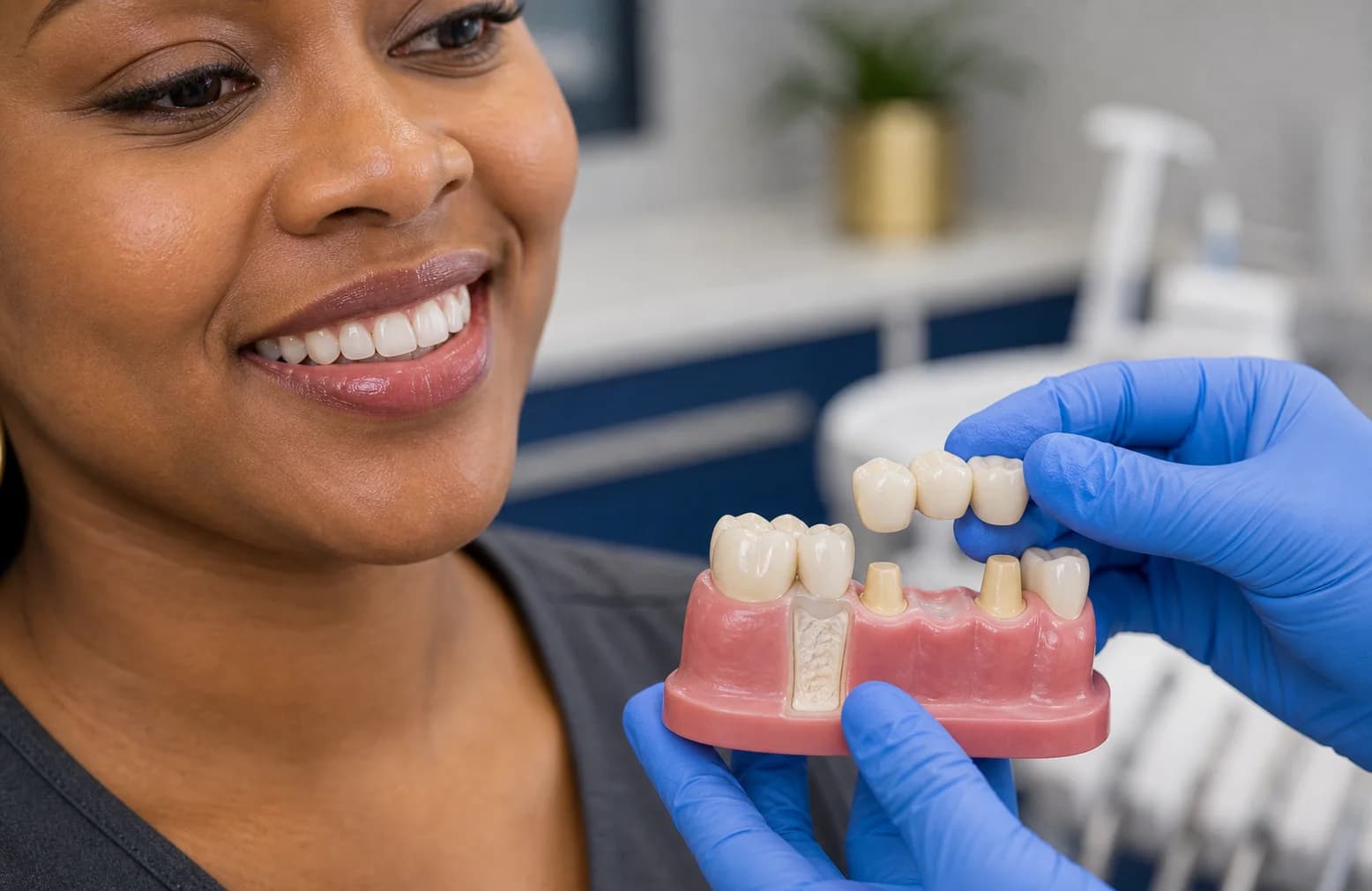
Dentures can replace missing teeth without being fixed to the mouth, but they work differently from bridges or implants.
A removable denture may be suitable when several teeth are missing, when the mouth needs a staged plan, or when fixed treatment is not the right option. It can also act as an interim replacement while gums heal or while longer-term treatment is being planned.
The limitation is movement. Dentures rest on gums and remaining teeth, so they can feel different from natural teeth and may need adjustment, relining, or replacement as the mouth changes. Smile On Dental should compare partial dentures, full dentures, bridges, and implant-supported options where they are relevant to your mouth.
What to compare
Denture costs depend on the type of denture, materials, number of teeth replaced, and preparation needed.
A small acrylic partial denture differs from a metal framework partial or a complete upper and lower set. The fee may also be affected by extractions, fillings, cleaning, relines, repairs, or additional appointments required to make the denture fit properly.
Smile On Dental can discuss options after checking the mouth and identifying what must be stable before the denture is made. A lower upfront cost is not always the best long-term value if the design is uncomfortable, difficult to clean, or poorly supported by the remaining teeth.
What affects price
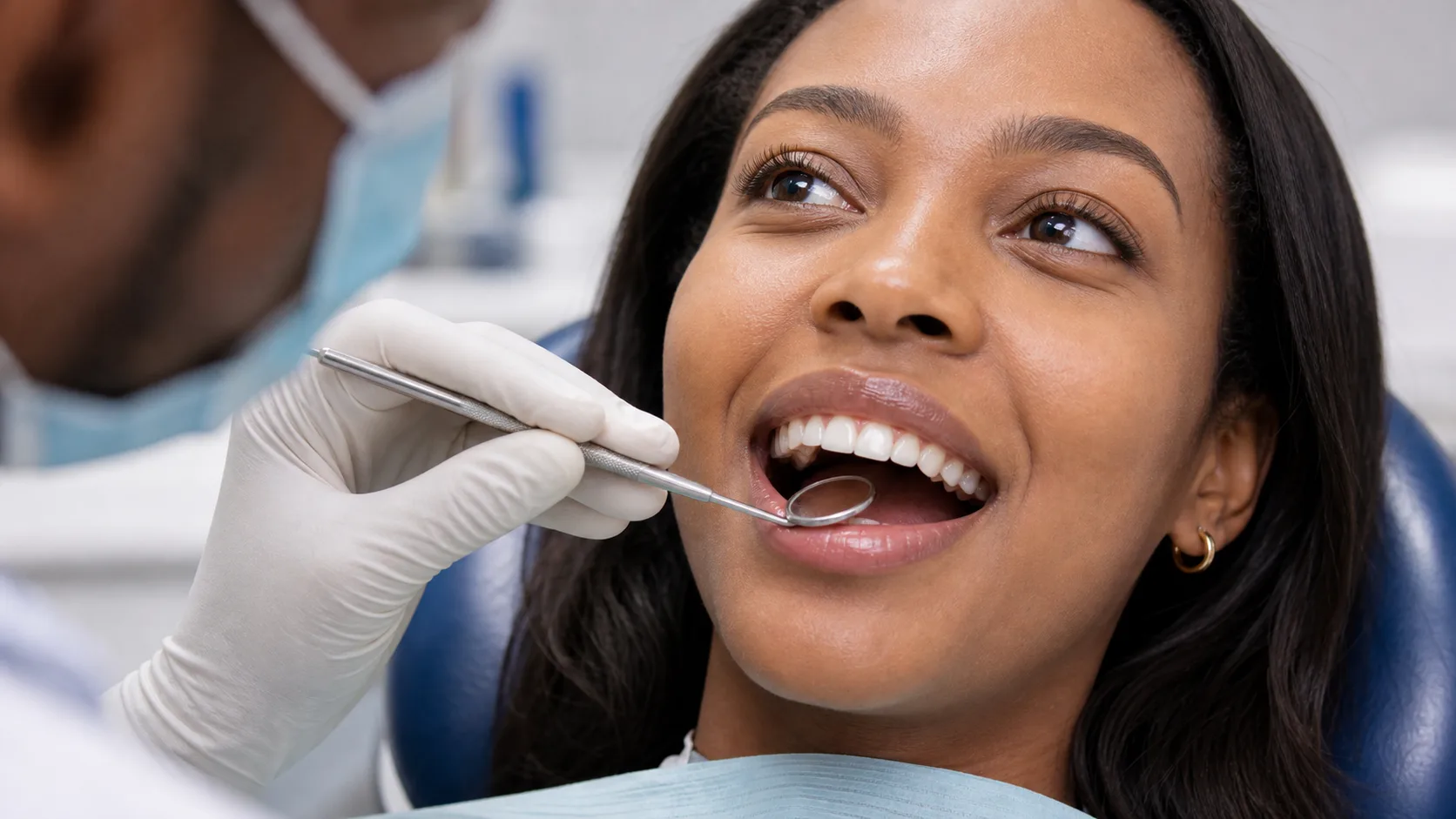
Smile On Dental plans dentures around fit, function, cleanability, and the health of the whole mouth.
A denture is a daily-use appliance, so small design choices matter. Tooth position, gum coverage, clasp placement, bite balance, and follow-up adjustments all influence comfort. The team should also explain how to care for the denture and when to return for review.
The takeaway is that dentures can be a valuable removable replacement option when they are planned carefully and maintained well. They may need adjustment as the mouth changes, and regular reviews help keep them comfortable and functional.
Denture priorities
Who It Helps
Treatment Journey
Usually a staged journey for impressions, fitting, and adjustments.
You may come in because several teeth are missing, a current denture is loose, eating is difficult, or you want a better-looking removable replacement.
The dentist uses this first conversation to understand what you want fixed, what is urgent, what has changed recently, and what result would feel useful to you.
What the dentist may ask
The plan is based on diagnosis first, not a one-size-fits-all recommendation.
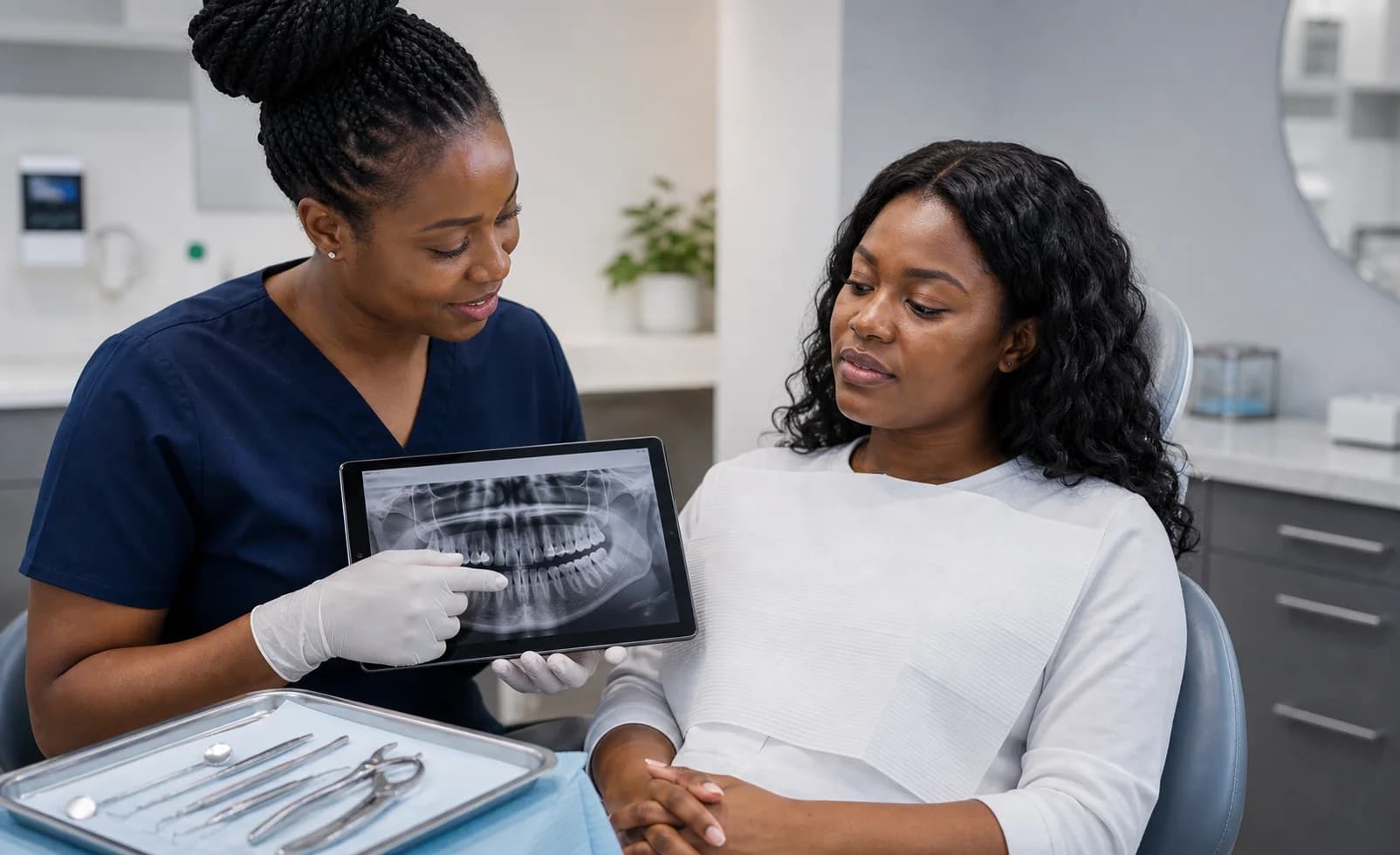
The dentist checks the gums, remaining teeth, bite, jaw shape, smile line, speech, and whether extractions or other care are needed before denture planning.
The suitable options may include Partial dentures, Full dentures, Implant, bridge, or repair options where suitable. The dentist explains why one route may be more predictable than another for your mouth.
What is decided here
Some dental work needs more than one appointment because records, healing, lab work, or careful fitting are involved.
Denture treatment usually involves records and fitting stages so the shape, bite, and appearance can be built carefully.
Multiple visits are expected for new dentures, especially when impressions, try-ins, extractions, or adjustments are part of the plan.
Planning details
The final part of the journey is making sure the result works in daily life.
Adjustment visits are normal because gums and muscles need time to adapt. Sore spots, looseness, and bite changes can be refined.
You are shown how to clean the denture, protect the gums, store it safely, and return if rubbing or looseness develops.
Aftercare focus
Benefits
Suitability
Restorative Dentistry
Restorative treatment depends on the amount of tooth structure, gum health, bite forces, materials, and whether the tooth can be predictably maintained.
Suitability
The dentist considers symptoms, oral health, bite, medical history, expectations, and maintenance before recommending dentures.
Costs
Cost discussions are most useful after diagnosis because materials, complexity, visit count, and follow-up needs vary from patient to patient.
Appointment
Your dentist reviews your concern, oral health, and treatment goals before recommending next steps.
The team explains the likely process, timing, and care options in straightforward language.
Your treatment plan is shaped around comfort, function, appearance, and long-term oral health.
Costs & Aftercare
Before You Book
Mention whether you are booking for dentures, pain, appearance, function, prevention, or a second opinion.
At the Visit
Ask about diagnosis, options, number of visits, comfort, maintenance, and what could happen if treatment is delayed.
Aftercare
Your dentist will explain home care, review visits, and any symptoms that should be reported after treatment.
FAQs
The best starting point is a consultation. Your dentist will assess your teeth, gums, bite, symptoms, concerns, and smile goals before recommending a personalised treatment plan.
Yes. Use the Book an Appointment button to open the booking site and choose a convenient appointment time. You can also request a callback if you would prefer the practice team to contact you first.
Yes. You can request a callback if you prefer the practice team to contact you before booking. This can be helpful when you are unsure whether you need a routine visit, cosmetic consultation, orthodontic assessment, or urgent support.
Yes. Costs depend on the diagnosis, treatment complexity, materials, and number of visits required. Your dentist can explain the recommended next step before treatment begins.
Bring your identification, medical history, current medication details, previous dental information if available, and any questions you want to discuss with the dentist.
Book an assessment so the dentist can diagnose the cause before you choose a treatment. Pain or swelling may need urgent attention, X-rays, restorative care, or another clinical next step.
Related Treatments
Helpful Articles
Locations
Clinical Leadership

Dr. Kholofelo Machaba-Selatole leads Smile On Dental & Aesthetic Studio with a warm, patient-focused approach to family, restorative, cosmetic, and orthodontic care.
60+ five-star patient reviews across Pretoria and Polokwane.
"Customer care is superb, very friendly front desk staff. I'm happy to have gained my confidence back."

Polokwane
"From reception right into the doctor's consultation room it was all smiley faces that welcomed us."

Polokwane
"The best dental service I have seen in Pretoria, cannot wait for my next appointment."

Pretoria
"Customer care is superb, very friendly front desk staff. I'm happy to have gained my confidence back."
Polokwane
"From reception right into the doctor's consultation room it was all smiley faces that welcomed us."
Polokwane
"The best dental service I have seen in Pretoria, cannot wait for my next appointment."
Pretoria
Book a Consultation