First Step
Consultation
The dentist checks your concern and confirms whether this treatment is suitable before care begins.
Restorative Dentistry
Book Dental Bridges with Smile On Dental. Start with an assessment, understand your options, and get clear next steps before treatment begins.
Quick Summary
First Step
The dentist checks your concern and confirms whether this treatment is suitable before care begins.
Best For
Suitability depends on oral health, symptoms, goals, and clinical findings.
Planning
Timing, visits, cost factors, and aftercare are explained after the assessment.
Branch Access
Use the location section to choose the branch that is easiest for you to attend consistently.
Overview
Treatment Introduction
A dental bridge can be considered when replacing a missing tooth or teeth by using neighbouring teeth or restorations for support. Suitability depends on oral health, bite, and the condition of surrounding teeth.
Decision Support
Smile On Dental uses the visit to understand your symptoms, goals, oral health, and expectations before recommending a suitable treatment plan.
Visual Guide
Treatment Guide
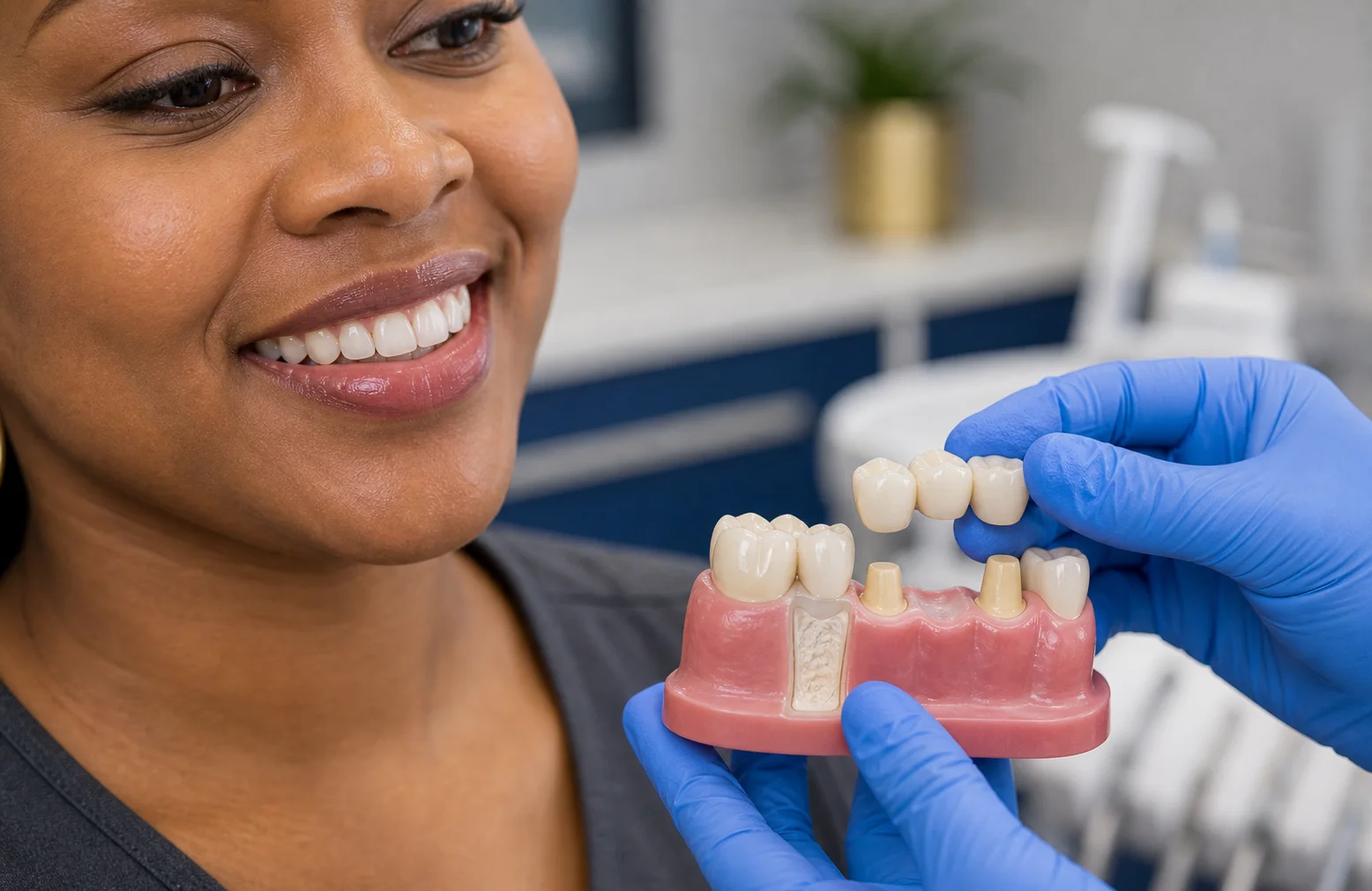
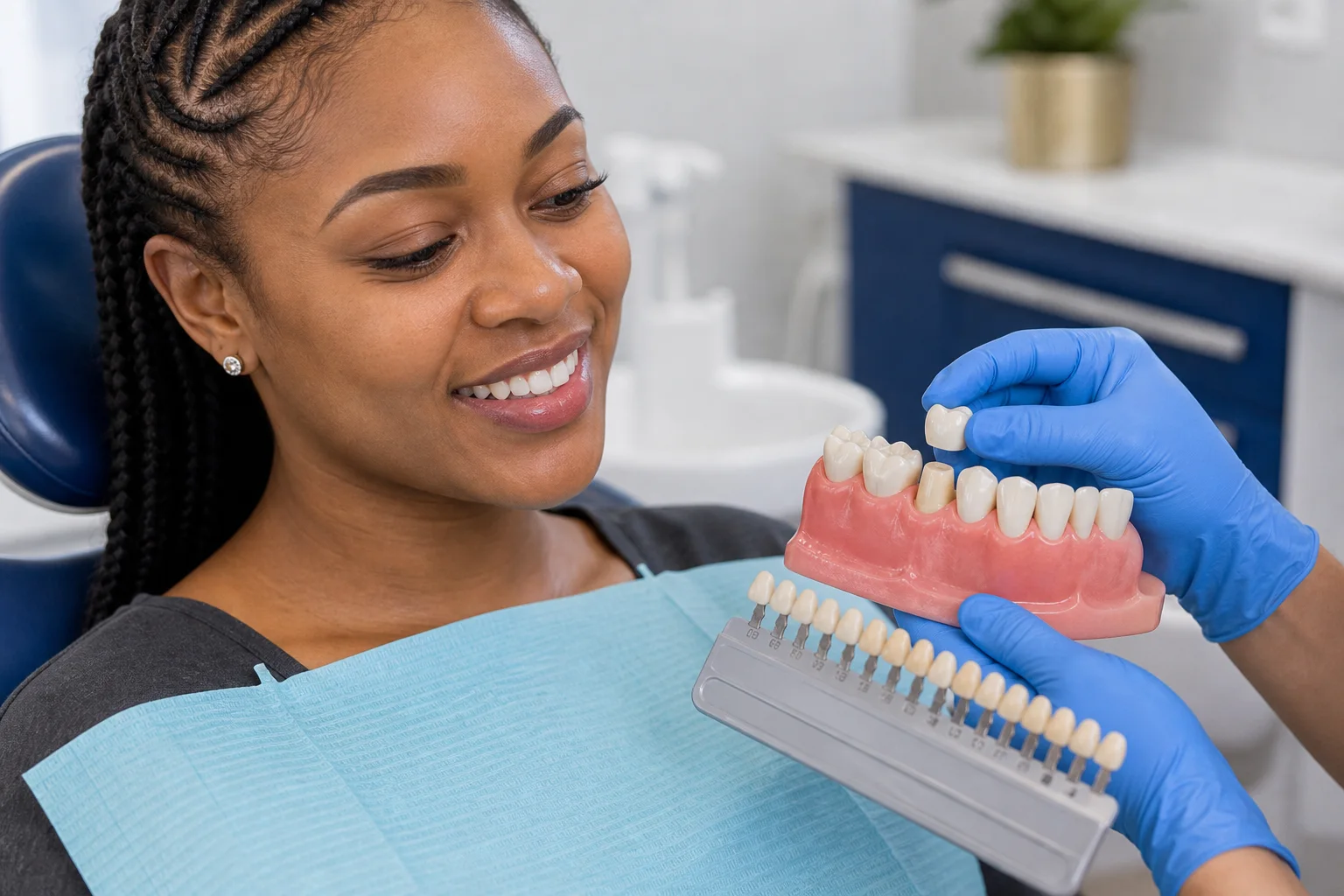
A dental bridge replaces one or more missing teeth by anchoring a false tooth to neighbouring support teeth or restorations.
A bridge can restore a gap that affects chewing, speech, appearance, or the stability of nearby teeth. Traditional bridges usually use crowns on the teeth beside the gap, with a replacement tooth joined between them. Other designs may be discussed depending on the position of the missing tooth and the condition of the supporting teeth.
The support teeth are central to the decision. If they are already heavily restored, a bridge may protect and connect them. If they are healthy and untouched, your dentist should discuss the trade-off of preparing them, along with other replacement options such as an implant or denture where appropriate.
Bridge uses
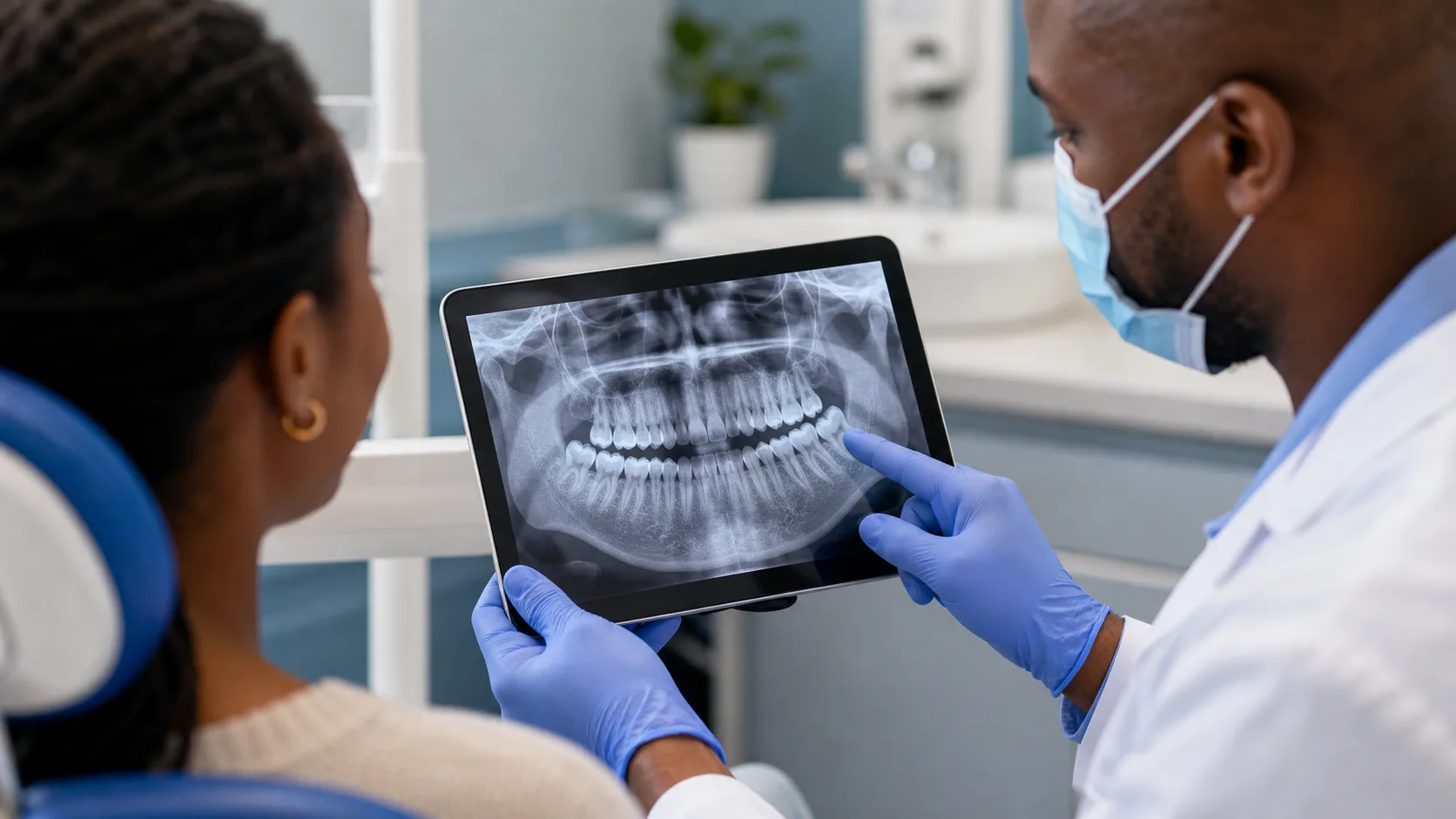
Bridge planning checks the gap, the bite, and the health of the teeth that would carry the restoration.
Smile On Dental assesses the gum shape, bone level, bite forces, and condition of the adjacent teeth. X-rays may be needed to check roots, bone support, decay, or old restorations. A bridge depends on its supports, so gum disease, mobility, cracks, or large untreated cavities can change the plan.
The dentist also considers how the bridge will be cleaned. A replacement tooth that looks acceptable but cannot be cleaned underneath may create gum inflammation or odour. Planning the shape of the pontic, the space under it, and the flossing route is part of making the bridge practical for daily life.
Planning checks
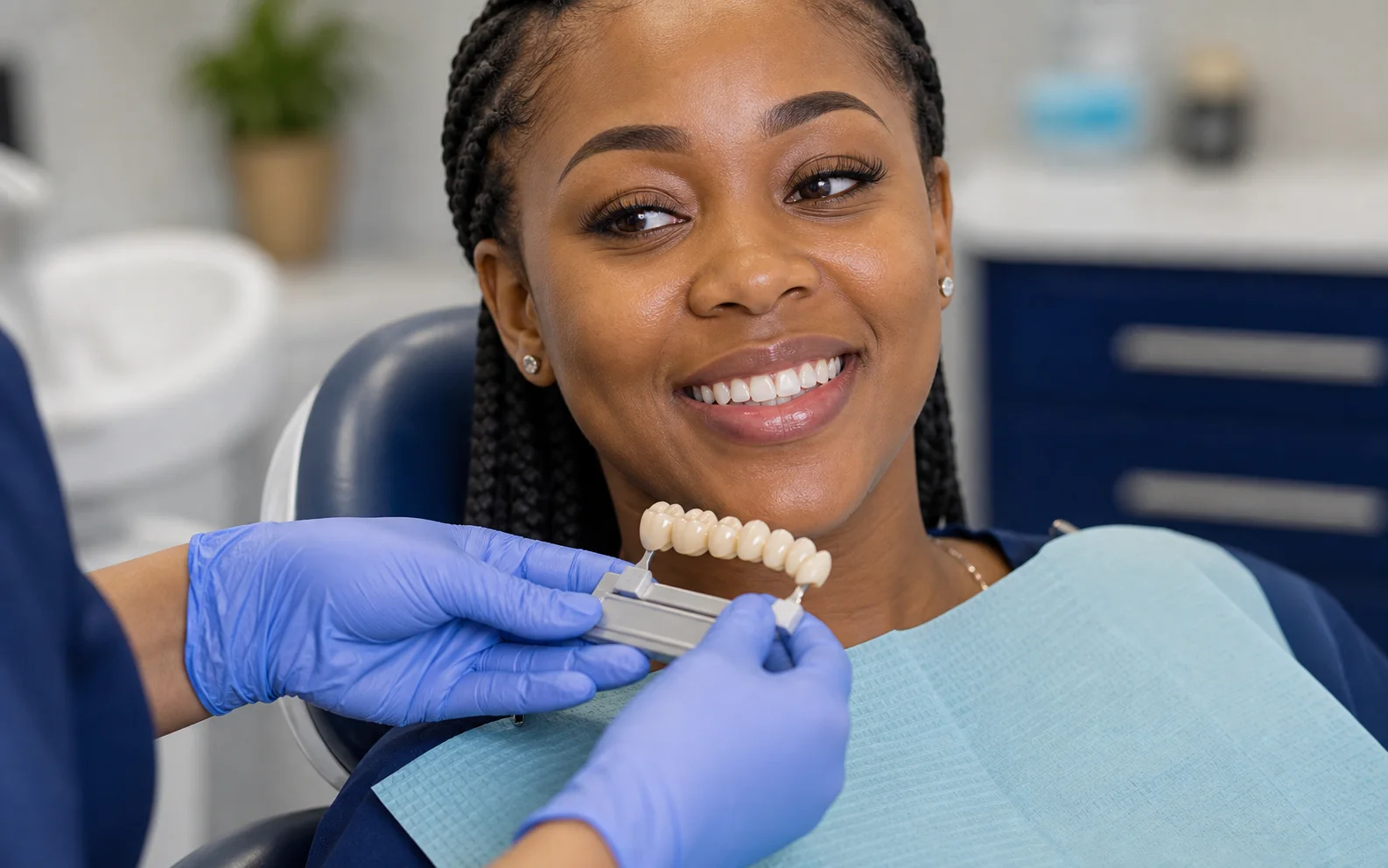
Different bridge designs solve different problems, so the choice should follow the clinical situation.
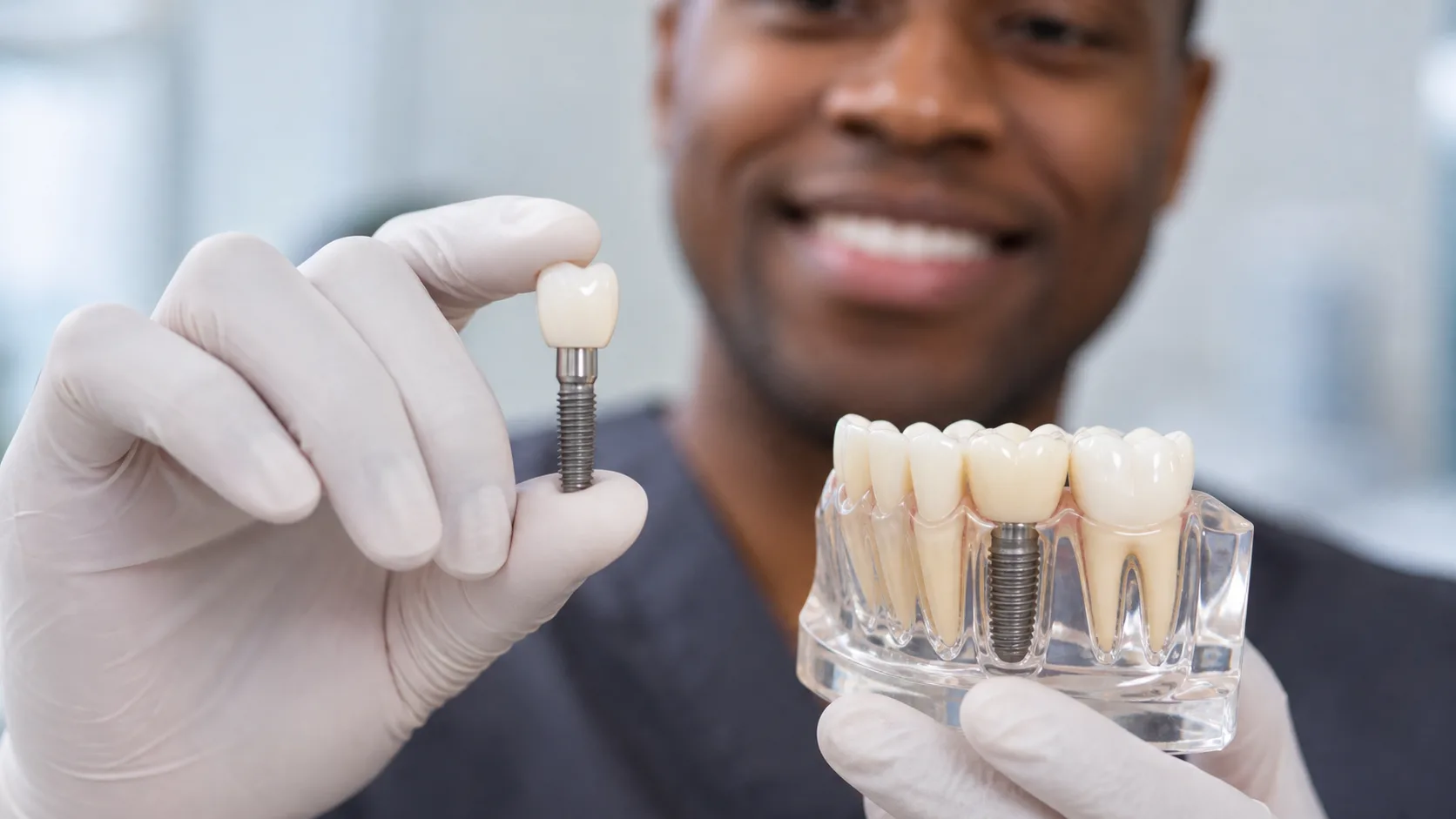
A conventional bridge uses crowns on teeth next to the gap. It can be strong, but it requires preparing those teeth. A resin-bonded bridge may be considered in selected situations where a lighter design is suitable, often for lower-force areas. Implant-supported bridges are a separate option that require implant assessment and planning.
The number of missing teeth, the length of the span, and the bite all affect whether a bridge is sensible. Long spans place more stress on support teeth, and back teeth carry heavier forces. Your dentist should explain why a specific bridge design is recommended and what alternatives would mean for maintenance and cost.
Design factors
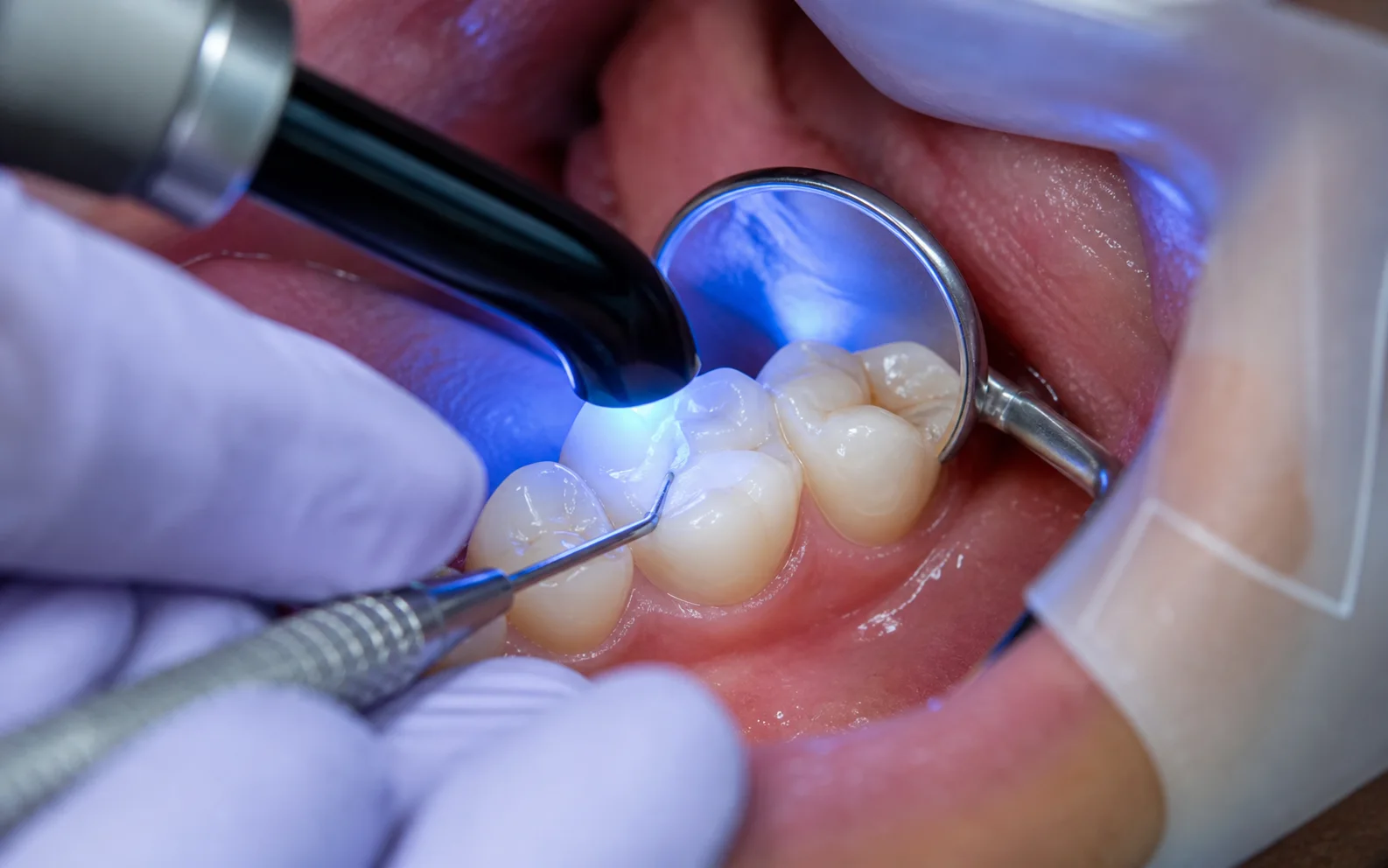
A bridge procedure prepares the supports, records the bite, and fits a custom restoration across the gap.
For a conventional bridge, the support teeth are shaped for crowns and any decay or weak filling material is addressed. An impression or scan records the prepared teeth, the gap, and the opposing bite. A temporary bridge may be placed to protect the teeth and preserve appearance while the final bridge is made.
At the fitting visit, your dentist checks how the bridge seats, how the replacement tooth meets the gum, whether floss can pass underneath, and whether the bite feels balanced. Cementation should happen only after fit, comfort, and cleaning access have been checked.
Procedure steps
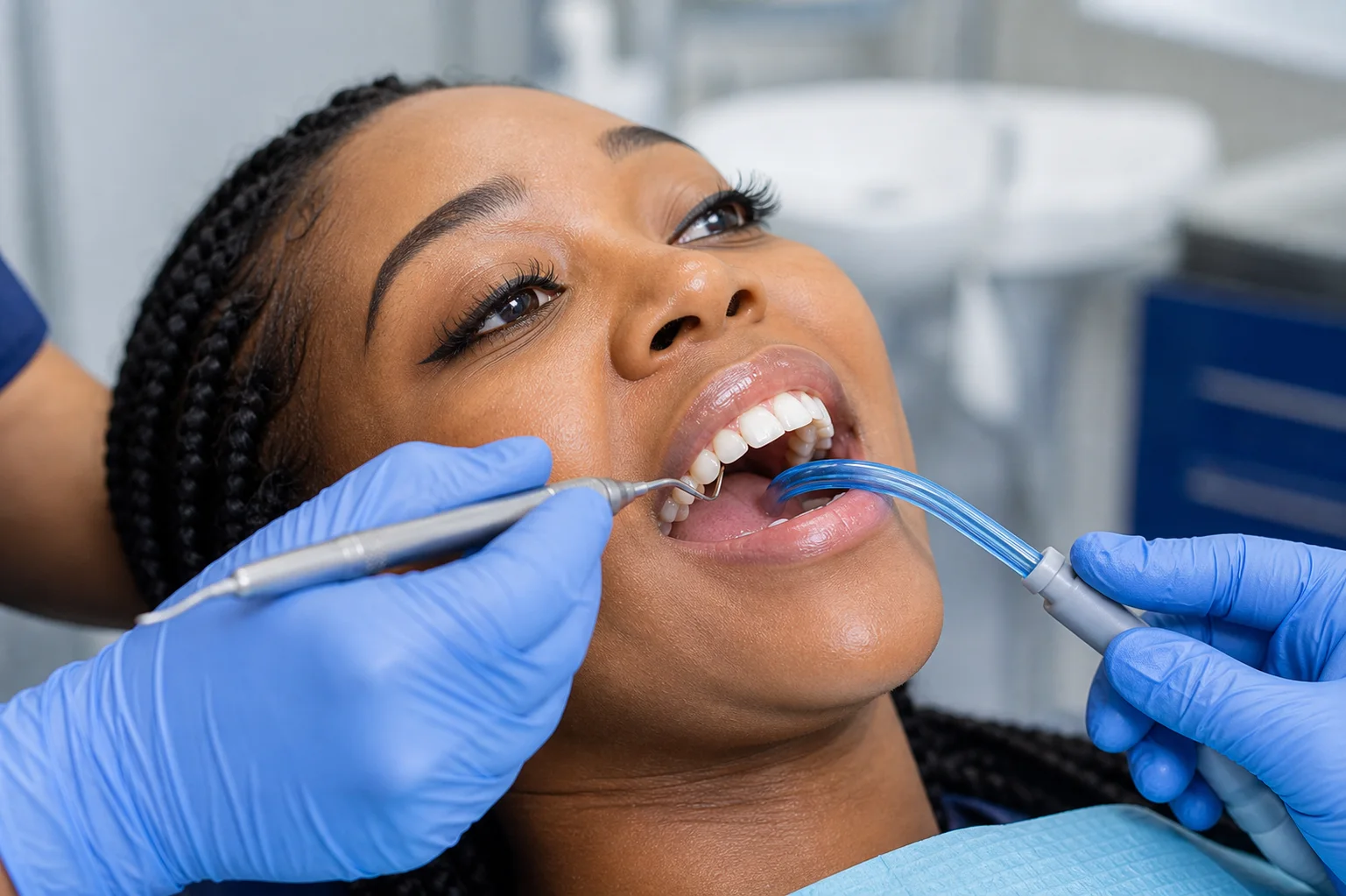
Bridge care is different from cleaning separate teeth because the replacement tooth is joined to its supports.
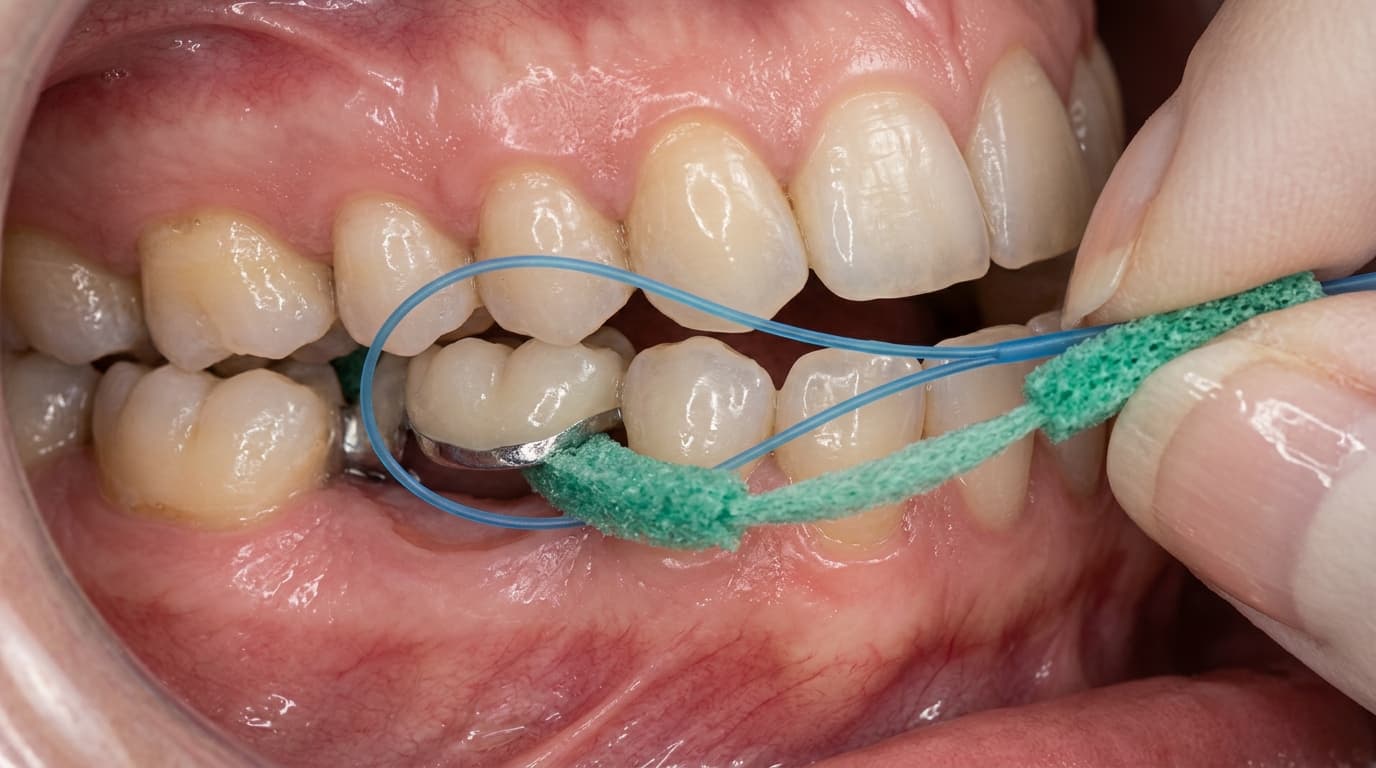
You cannot floss straight down between joined bridge units, so special floss, threaders, or interdental brushes may be needed to clean under the pontic and around the support teeth. Your dental team should show you the route before you leave so home care is realistic.
Daily cleaning protects the gum and the bridge margins. The support teeth can still decay at the edges of the crowns, and plaque trapped under the replacement tooth can irritate the gum. Routine dental visits help check that the bridge remains secure, cleanable, and comfortable in your bite.
Bridge care
A bridge can be a fixed replacement for a gap, but the trade-offs depend on the support teeth.
The benefit is that a bridge is fixed in place and can restore appearance and chewing contact without a removable appliance. It may be a practical option when the neighbouring teeth already need crowns or when an implant pathway is not suitable or not preferred after assessment.
The limitation is that the bridge relies on the teeth or implants that support it. Preparing healthy support teeth, cleaning under the replacement tooth, and managing bite forces are important considerations. Alternatives such as a denture, implant assessment, orthodontic space management, or leaving the gap may need to be compared before a decision is made.
Bridge trade-offs

Bridge costs are influenced by the number of units, materials, support tooth treatment, and laboratory work.
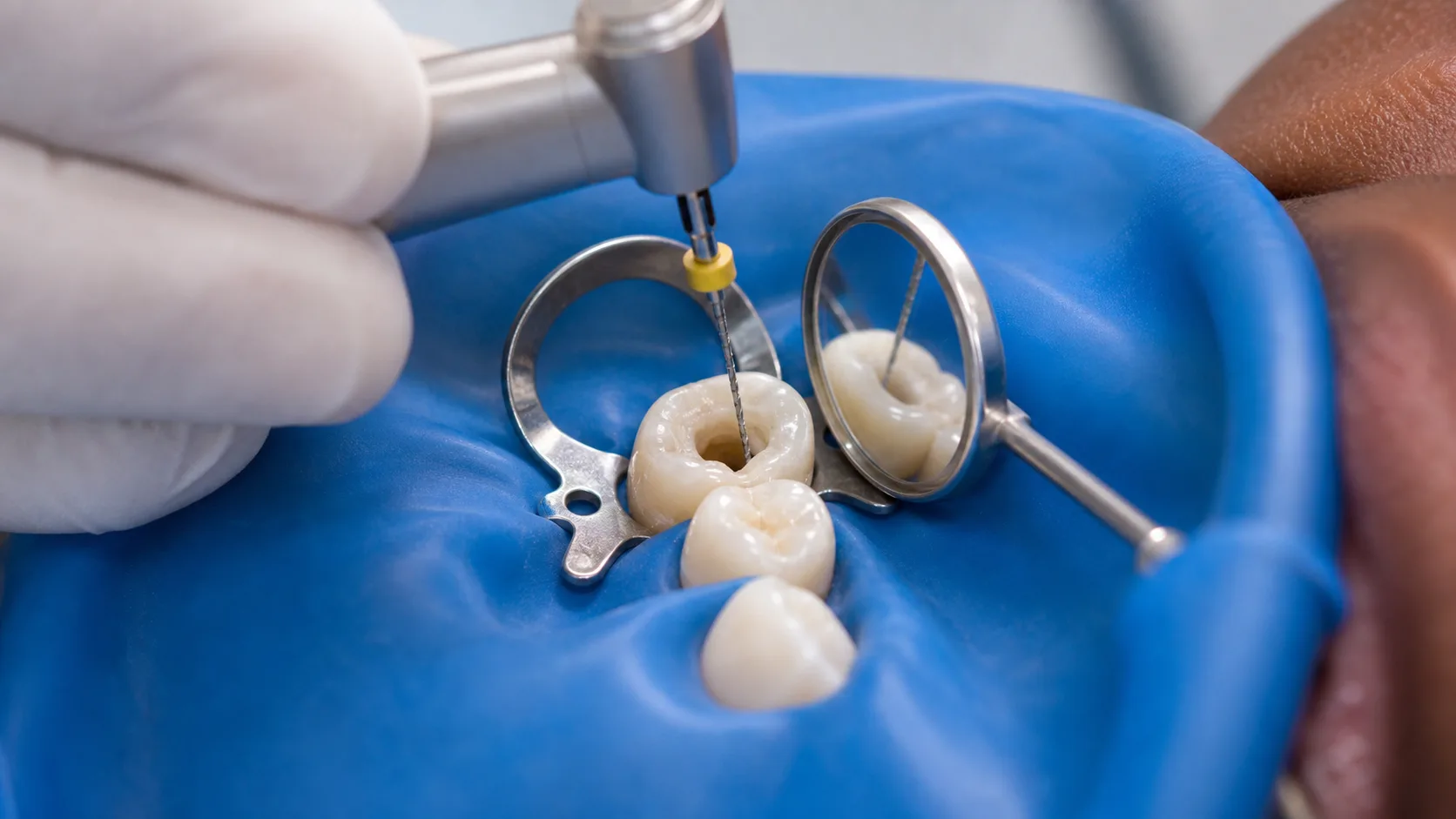
A three-unit bridge is different from a longer bridge, and a front bridge has different aesthetic requirements from a back bridge. Costs may also change if support teeth need fillings, root canal treatment, core build-ups, gum care, or replacement of old restorations before the bridge can be made.
A proper estimate should be connected to a specific design, not just the word bridge. Smile On Dental can discuss the clinical findings, the proposed bridge type, and alternatives after assessing the gap and the support teeth. This gives you a clearer comparison between bridge, denture, and implant-based options where they are relevant.
What affects price
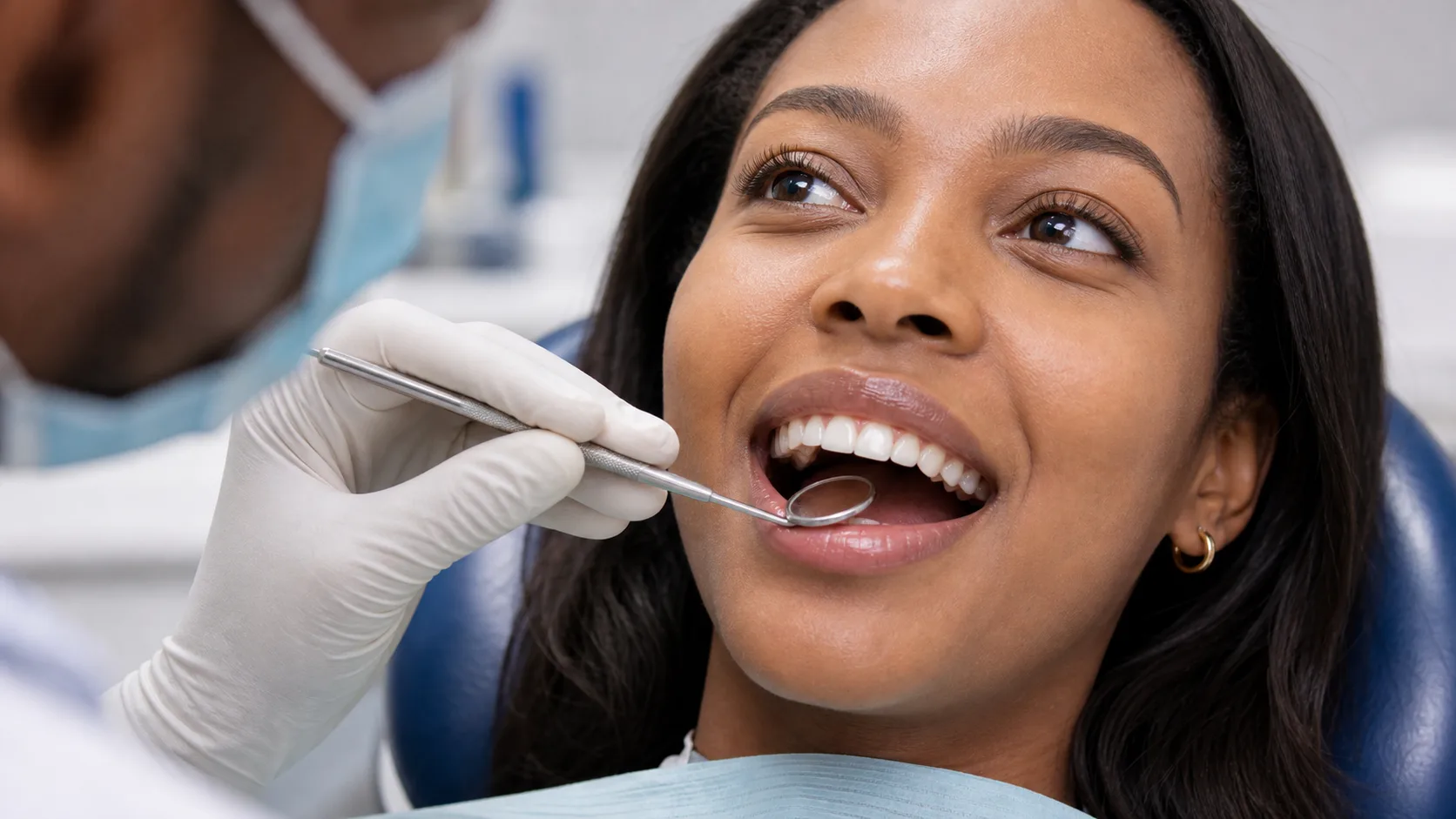
Smile On Dental focuses on whether a bridge is cleanable, supported, and sensible for the specific gap.
The team should help you understand the benefit of fixed replacement as well as the maintenance responsibilities. A bridge can feel stable and natural, but it depends on the health of its supporting teeth. Protecting those teeth is the long-term priority.
The takeaway is that a dental bridge is a fixed option for replacing missing teeth when the supports are suitable. It should be planned around the bite, gum health, cleaning access, and alternatives so the decision is practical as well as aesthetic.
Bridge priorities
Who It Helps
Treatment Journey
Usually a planned restorative journey over multiple visits.
You may come in because a tooth is missing, chewing feels uneven, or a visible gap affects your smile.
The dentist uses this first conversation to understand what you want fixed, what is urgent, what has changed recently, and what result would feel useful to you.
What the dentist may ask
The plan is based on diagnosis first, not a one-size-fits-all recommendation.
The dentist checks the gap, neighbouring teeth, gum health, bite, bone support, and whether the supporting teeth are strong enough for a bridge.
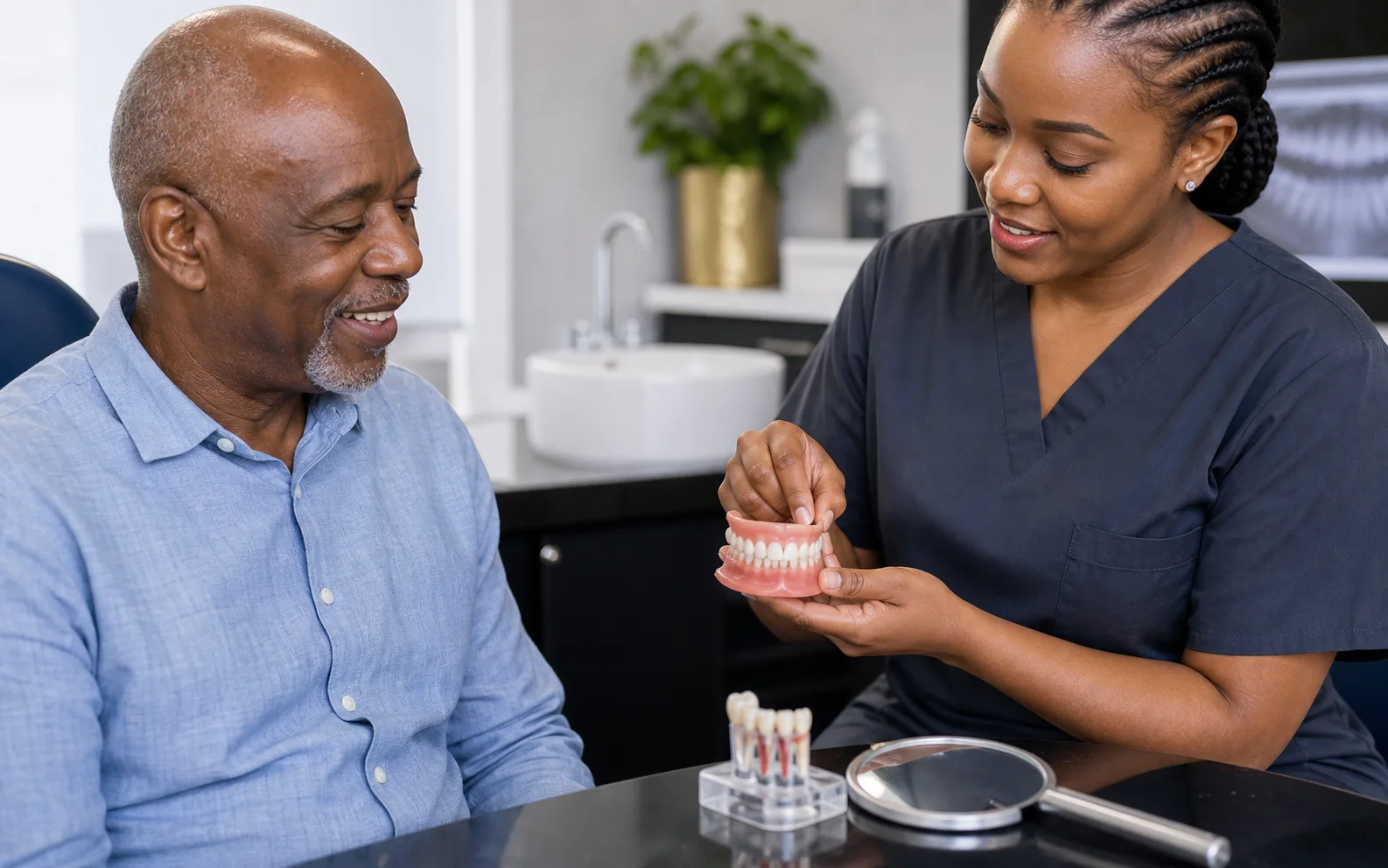
The suitable options may include A bridge supported by neighbouring teeth, An implant-supported replacement where suitable, A removable denture as another replacement option. The dentist explains why one route may be more predictable than another for your mouth.
What is decided here
Some dental work needs more than one appointment because records, healing, lab work, or careful fitting are involved.
If a bridge is suitable, the supporting teeth or restorations are prepared and records are taken. The final bridge is designed to restore appearance and function as naturally as possible.
A second visit is expected because bridge work usually involves planning, preparation, lab construction, and final fitting.
Planning details
The final part of the journey is making sure the result works in daily life.
Fitting includes checking contact points, bite, gum fit, and cleaning access. Reviews help monitor the supporting teeth over time.
You are shown how to clean under the bridge and around the supporting teeth because those areas protect the long-term result.
Aftercare focus
Benefits
Suitability
Restorative Dentistry
Restorative treatment depends on the amount of tooth structure, gum health, bite forces, materials, and whether the tooth can be predictably maintained.
Suitability
The dentist considers symptoms, oral health, bite, medical history, expectations, and maintenance before recommending dental bridges.
Costs
Cost discussions are most useful after diagnosis because materials, complexity, visit count, and follow-up needs vary from patient to patient.
Appointment
Your dentist reviews your concern, oral health, and treatment goals before recommending next steps.
The team explains the likely process, timing, and care options in straightforward language.
Your treatment plan is shaped around comfort, function, appearance, and long-term oral health.
Costs & Aftercare
Before You Book
Mention whether you are booking for bridges, pain, appearance, function, prevention, or a second opinion.
At the Visit
Ask about diagnosis, options, number of visits, comfort, maintenance, and what could happen if treatment is delayed.
Aftercare
Your dentist will explain home care, review visits, and any symptoms that should be reported after treatment.
FAQs
The best starting point is a consultation. Your dentist will assess your teeth, gums, bite, symptoms, concerns, and smile goals before recommending a personalised treatment plan.
Yes. Use the Book an Appointment button to open the booking site and choose a convenient appointment time. You can also request a callback if you would prefer the practice team to contact you first.
Yes. You can request a callback if you prefer the practice team to contact you before booking. This can be helpful when you are unsure whether you need a routine visit, cosmetic consultation, orthodontic assessment, or urgent support.
Yes. Costs depend on the diagnosis, treatment complexity, materials, and number of visits required. Your dentist can explain the recommended next step before treatment begins.
Bring your identification, medical history, current medication details, previous dental information if available, and any questions you want to discuss with the dentist.
Book an assessment so the dentist can diagnose the cause before you choose a treatment. Pain or swelling may need urgent attention, X-rays, restorative care, or another clinical next step.
Related Treatments
Helpful Articles
Locations
Clinical Leadership

Dr. Kholofelo Machaba-Selatole leads Smile On Dental & Aesthetic Studio with a warm, patient-focused approach to family, restorative, cosmetic, and orthodontic care.
60+ five-star patient reviews across Pretoria and Polokwane.
"Customer care is superb, very friendly front desk staff. I'm happy to have gained my confidence back."

Polokwane
"From reception right into the doctor's consultation room it was all smiley faces that welcomed us."

Polokwane
"The best dental service I have seen in Pretoria, cannot wait for my next appointment."

Pretoria
"Customer care is superb, very friendly front desk staff. I'm happy to have gained my confidence back."
Polokwane
"From reception right into the doctor's consultation room it was all smiley faces that welcomed us."
Polokwane
"The best dental service I have seen in Pretoria, cannot wait for my next appointment."
Pretoria
Book a Consultation