First Step
Consultation
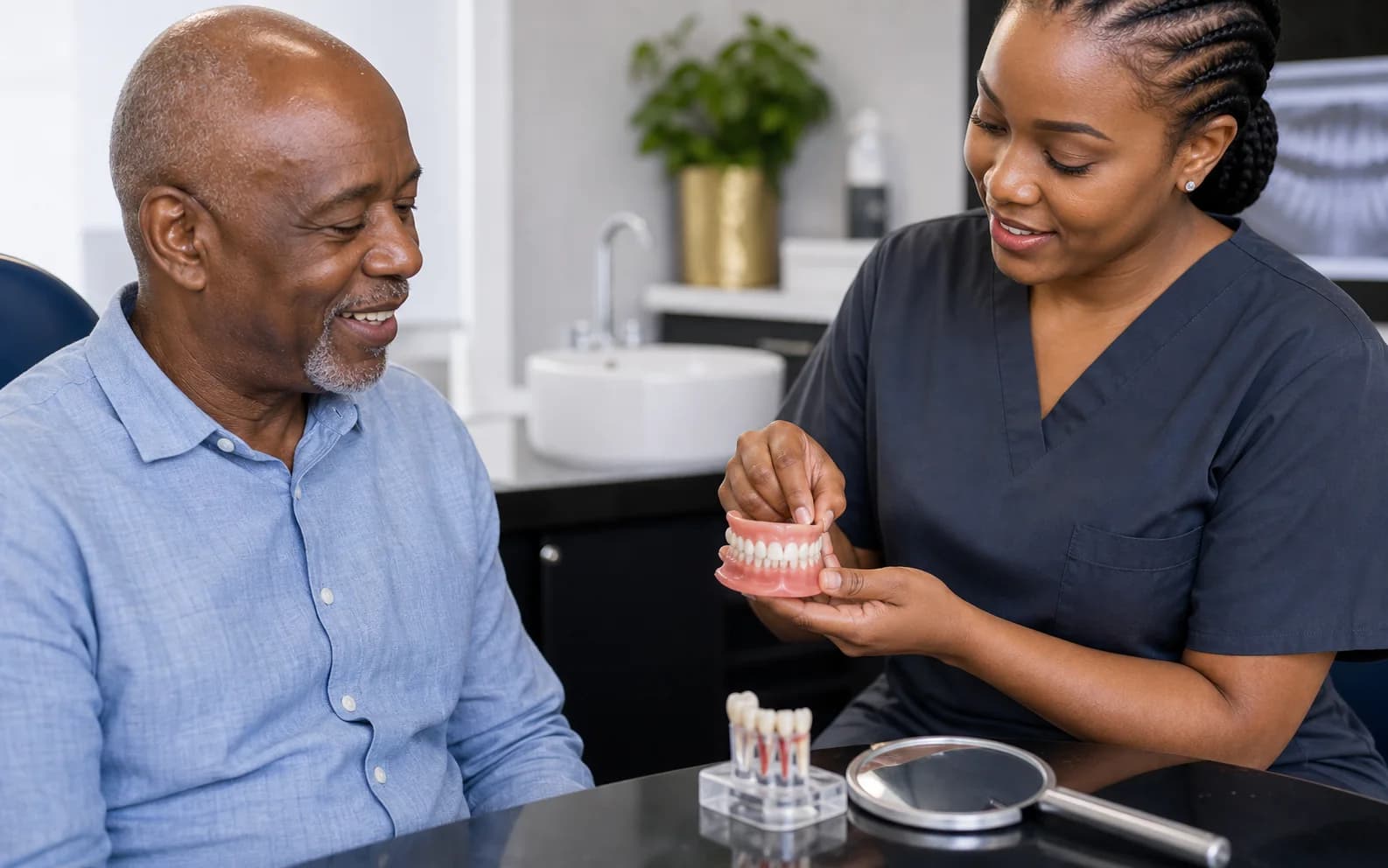
The dentist checks your concern and confirms whether this treatment is suitable before care begins.
Restorative Dentistry
Book Dental Implants with Smile On Dental. Start with an assessment, understand your options, and get clear next steps before treatment begins.
Quick Summary
First Step
The dentist checks your concern and confirms whether this treatment is suitable before care begins.
Best For
Suitability depends on oral health, symptoms, goals, and clinical findings.
Planning
Timing, visits, cost factors, and aftercare are explained after the assessment.
Branch Access
Use the location section to choose the branch that is easiest for you to attend consistently.
Overview
Treatment Introduction
Dental implants are considered when a patient wants to replace missing teeth with a stable, long-term option. Suitability depends on oral health, bone support, medical history, and the final restoration plan.
Decision Support
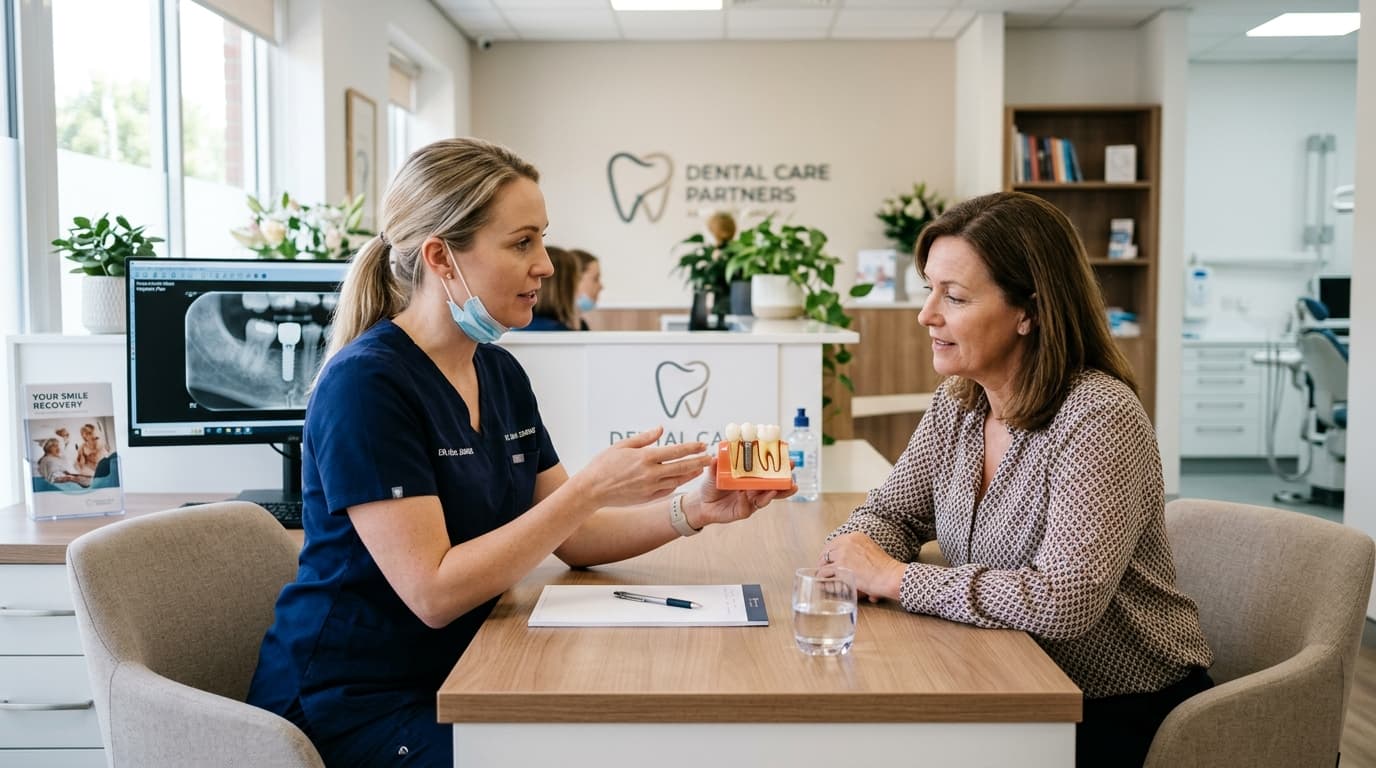
Smile On Dental uses the visit to understand your symptoms, goals, oral health, and expectations before recommending a suitable treatment plan.
Visual Guide
Treatment Guide
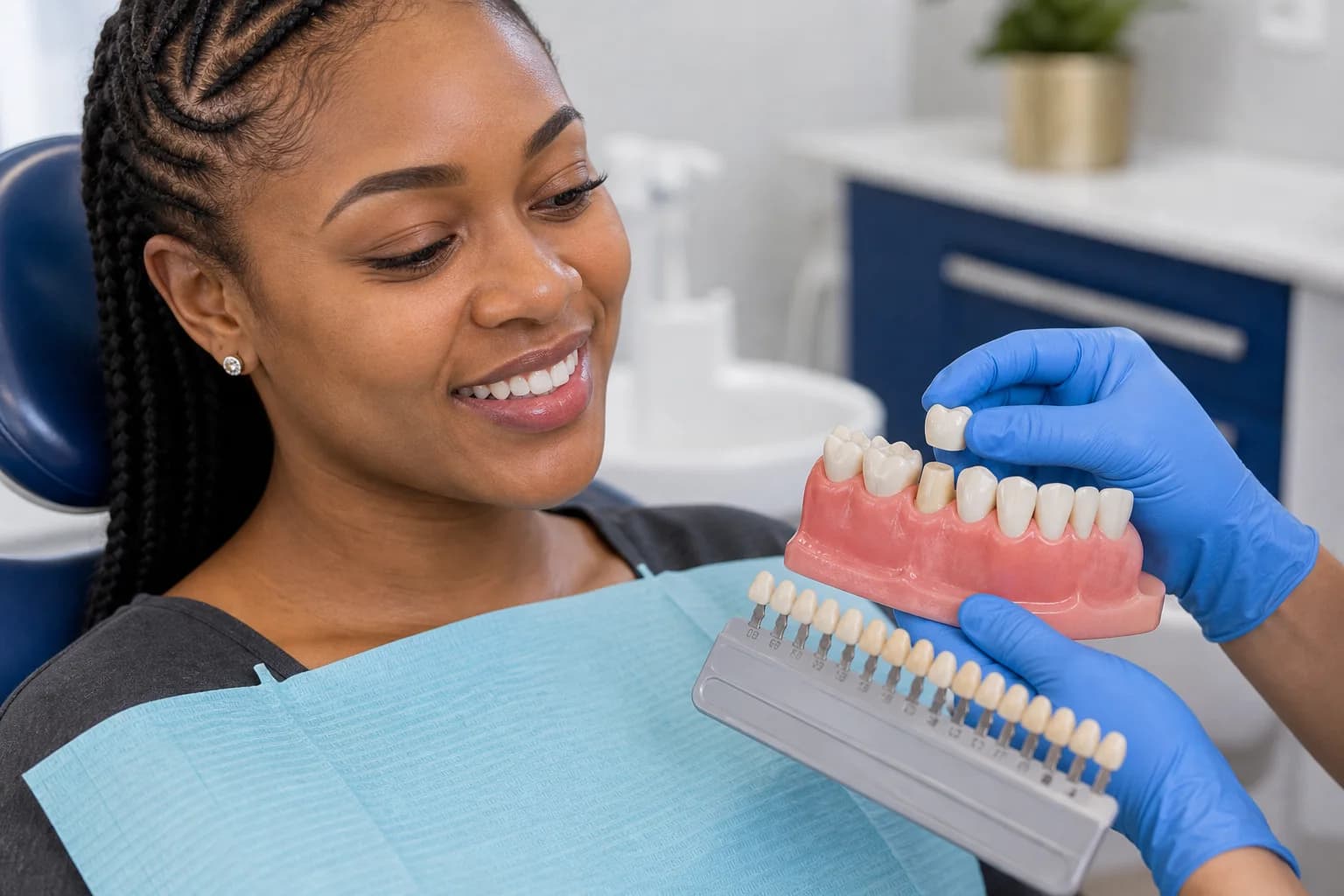
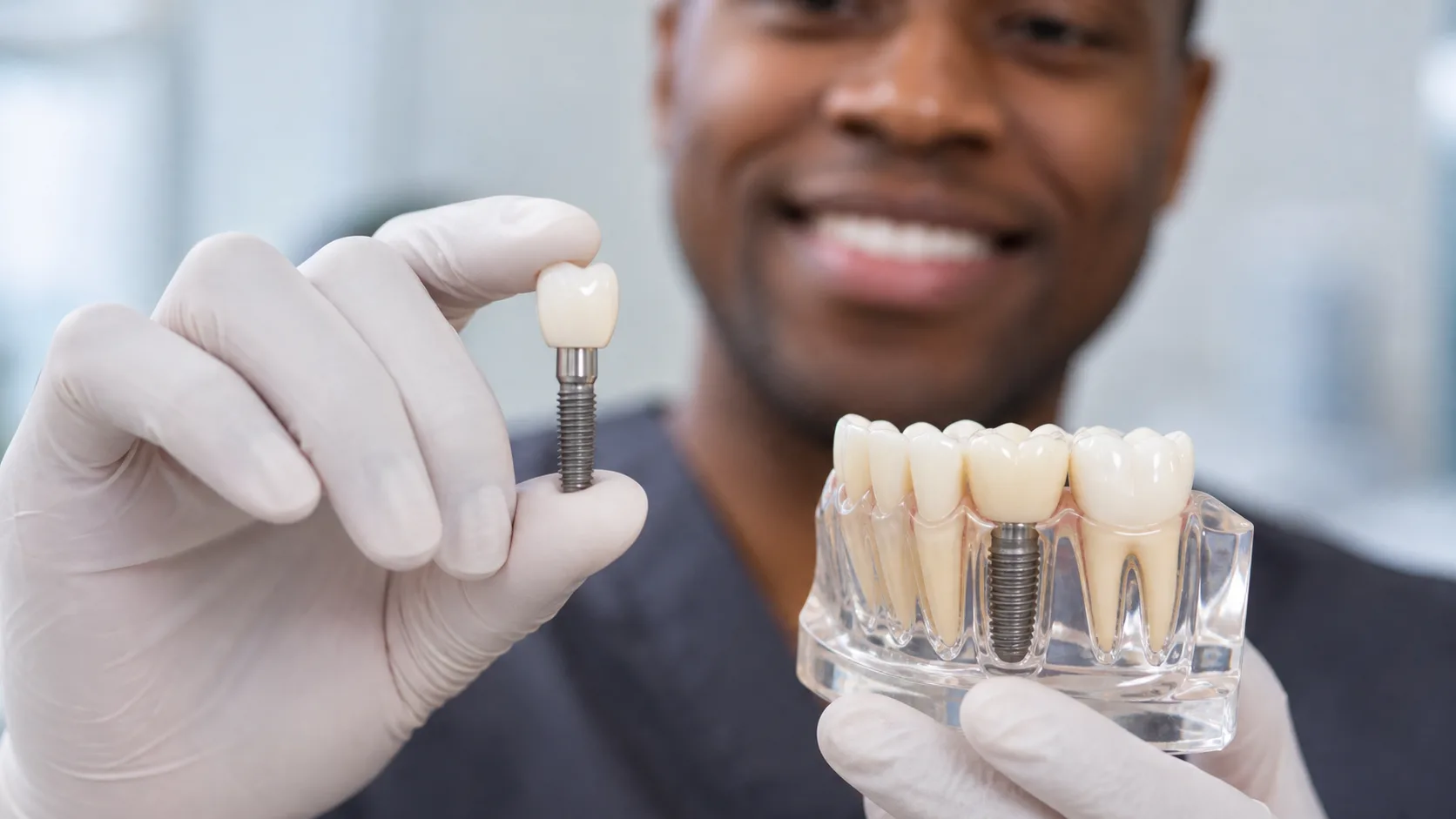
A dental implant is a replacement tooth root that can support a crown, bridge, or denture after careful planning.
Implants are used to replace missing teeth without relying on neighbouring teeth in the same way as a conventional bridge. The implant fixture is placed in the jawbone, then a restoration is attached after the required healing and restorative stages. The visible tooth is usually a crown or prosthetic component, not the implant itself.
Implant treatment is not automatically suitable for every gap or every patient. Smile On Dental must assess bone volume, gum health, medical history, oral hygiene, bite forces, and expectations before advising whether an implant pathway is appropriate or whether another replacement option should be considered.
Implant uses
Implant planning begins with diagnosis and suitability checks, not with choosing a tooth shape.
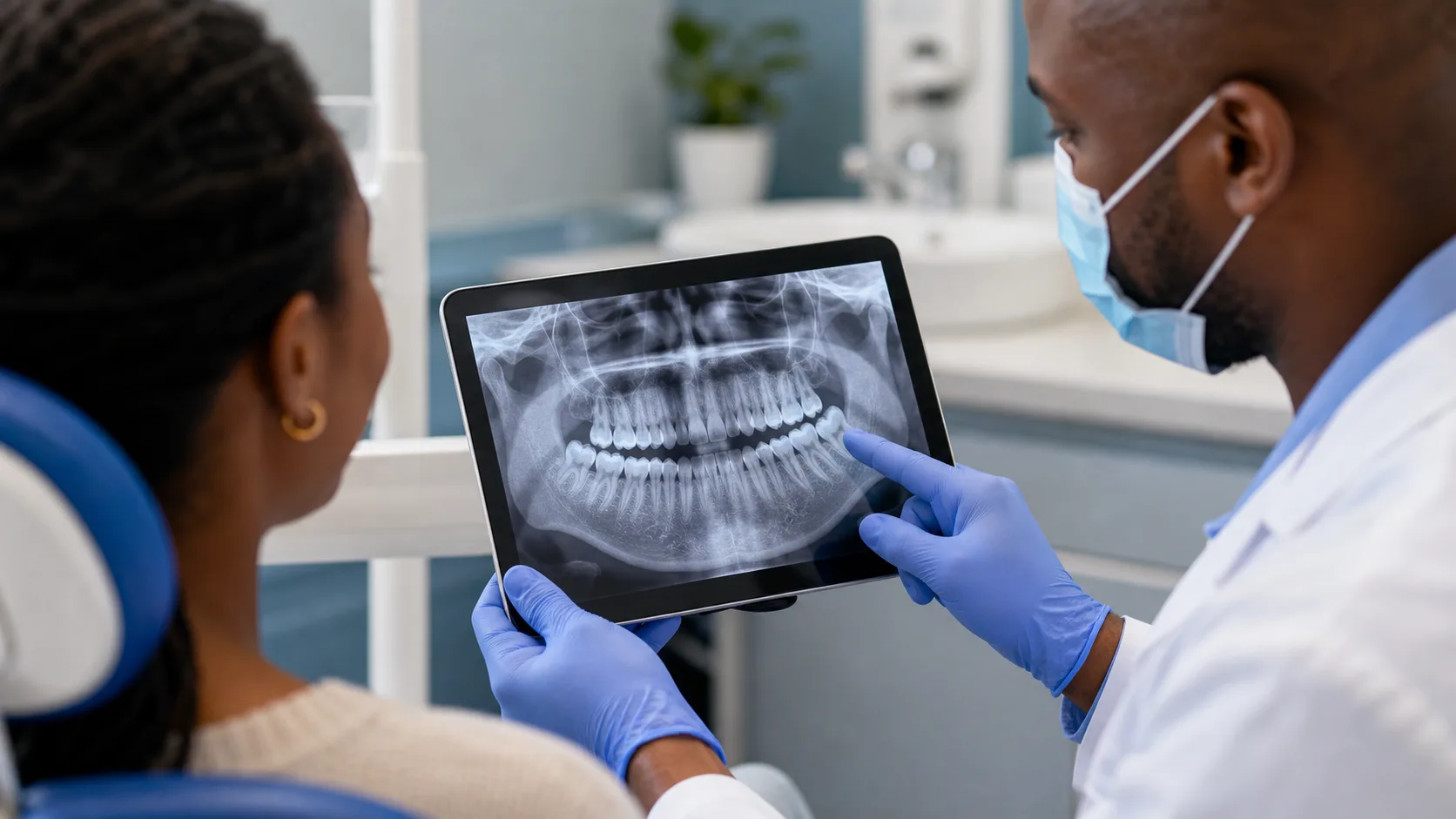
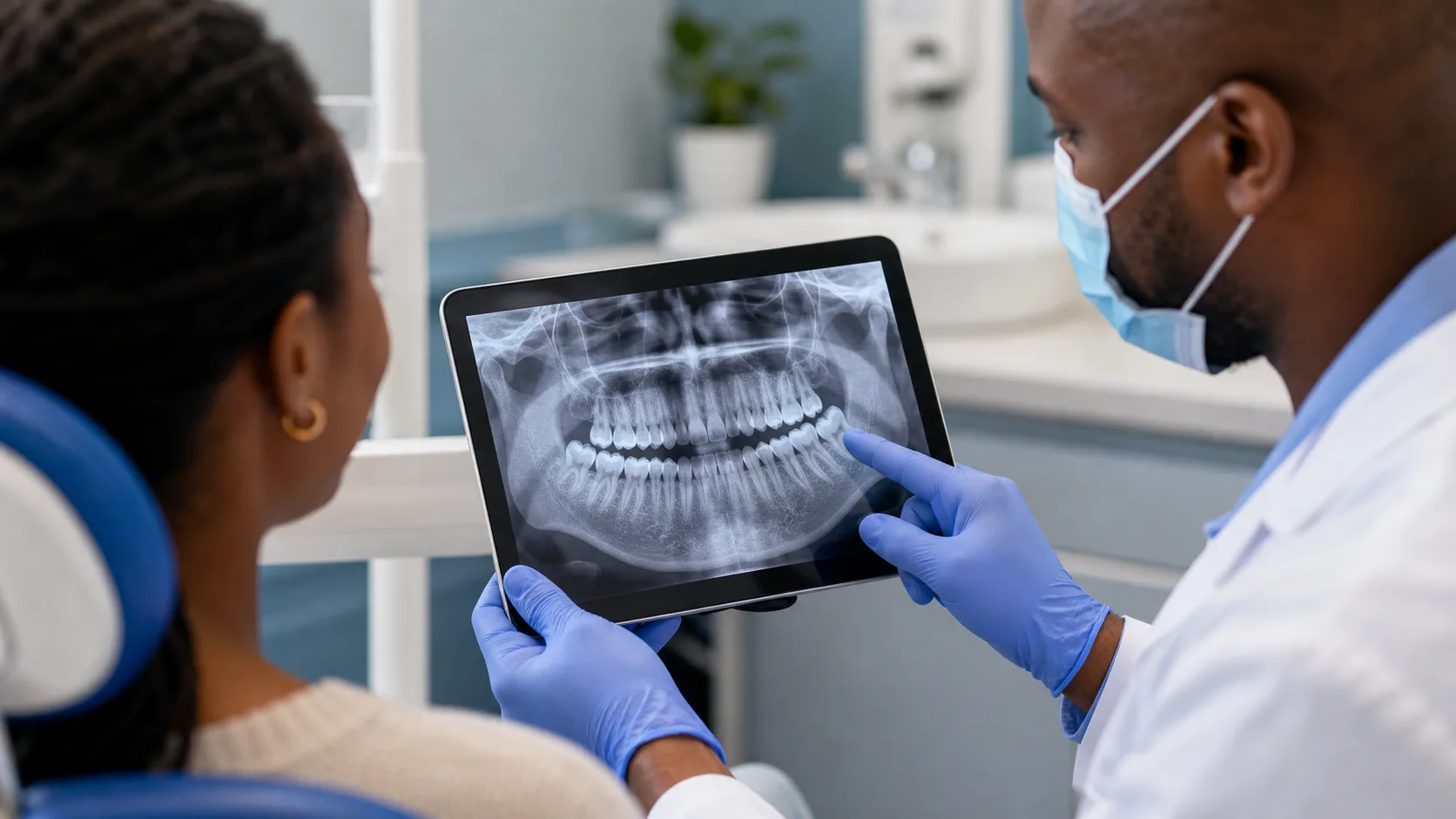
The dentist assesses the missing tooth area, the amount and shape of bone, gum condition, nearby teeth, and the bite. Imaging may be required to understand the anatomy around the proposed implant site. Medical history and smoking status may also be discussed because healing and maintenance are important parts of implant care.
If there is not enough bone or gum support, additional procedures may be discussed, or another treatment may be more appropriate. No responsible implant plan should promise suitability before assessment. The right recommendation depends on clinical findings and the risks that apply to your mouth.
Assessment includes

Implant care is staged because the surgical and restorative parts both need planning.
The usual pathway includes consultation, imaging, placement planning, implant placement, healing, and restoration. The exact sequence depends on the site, bone condition, and whether other dental treatment is needed first. Some patients may need gum care, extraction-site healing, or provisional replacement planning before the final restoration.
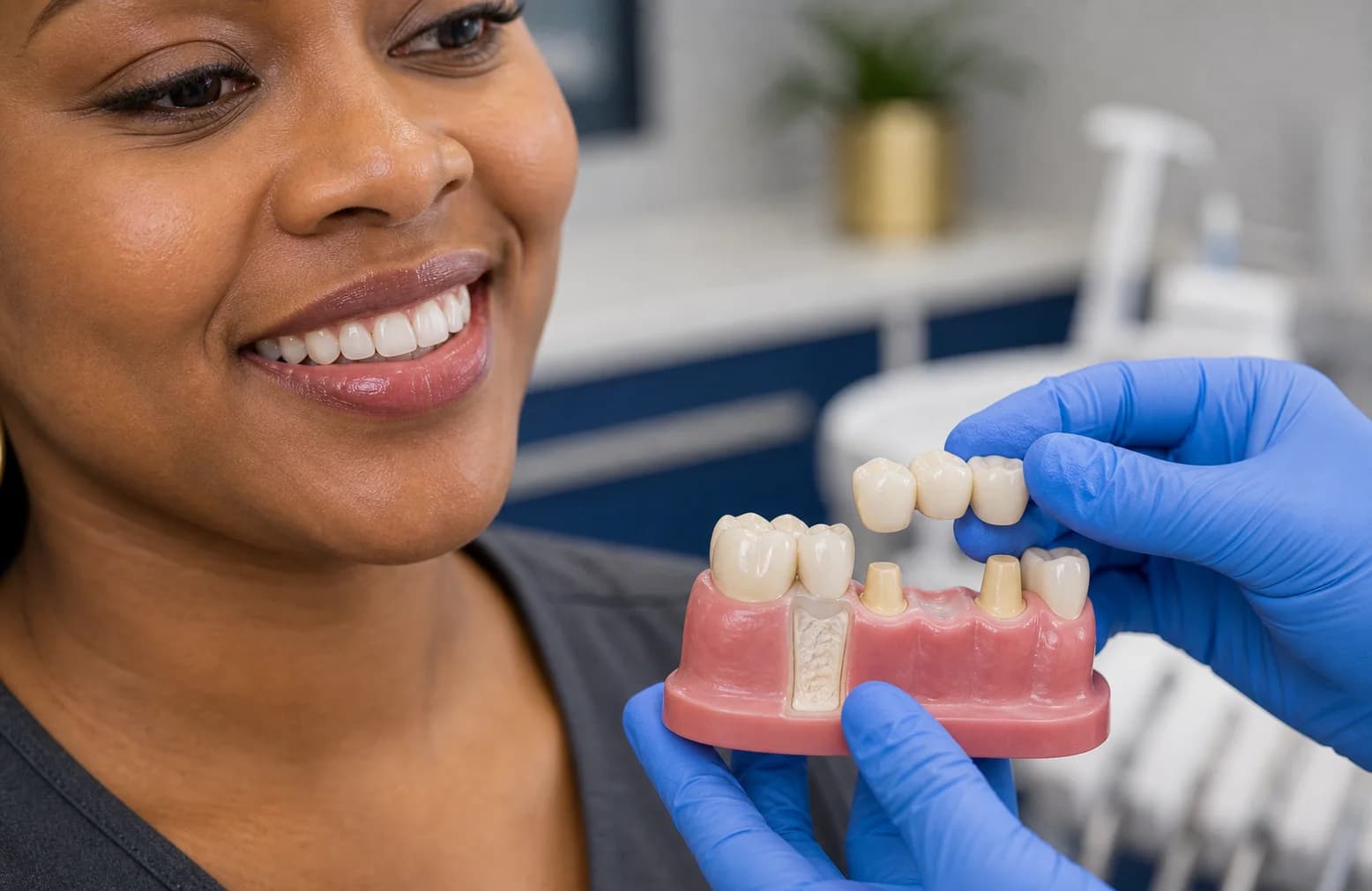
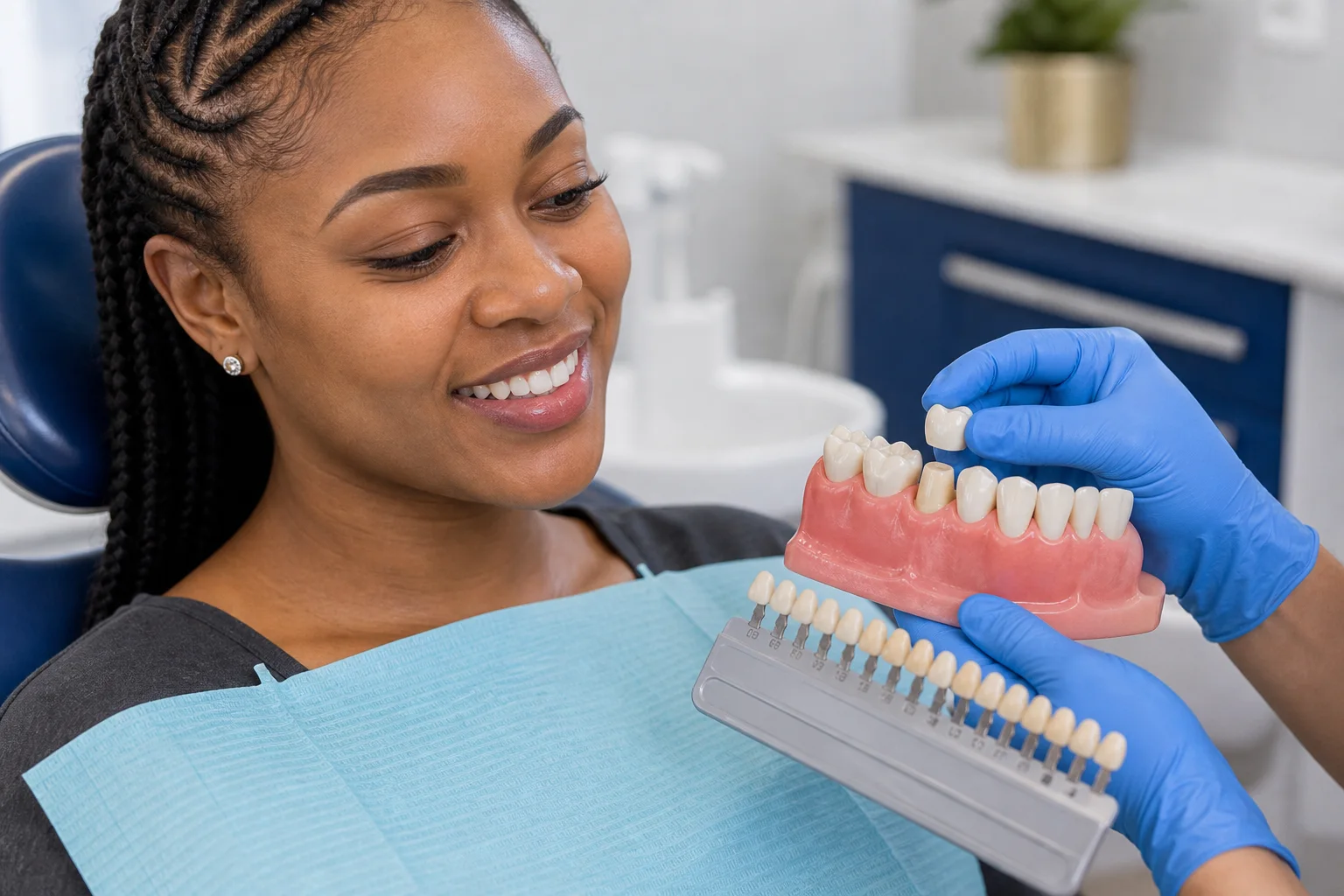
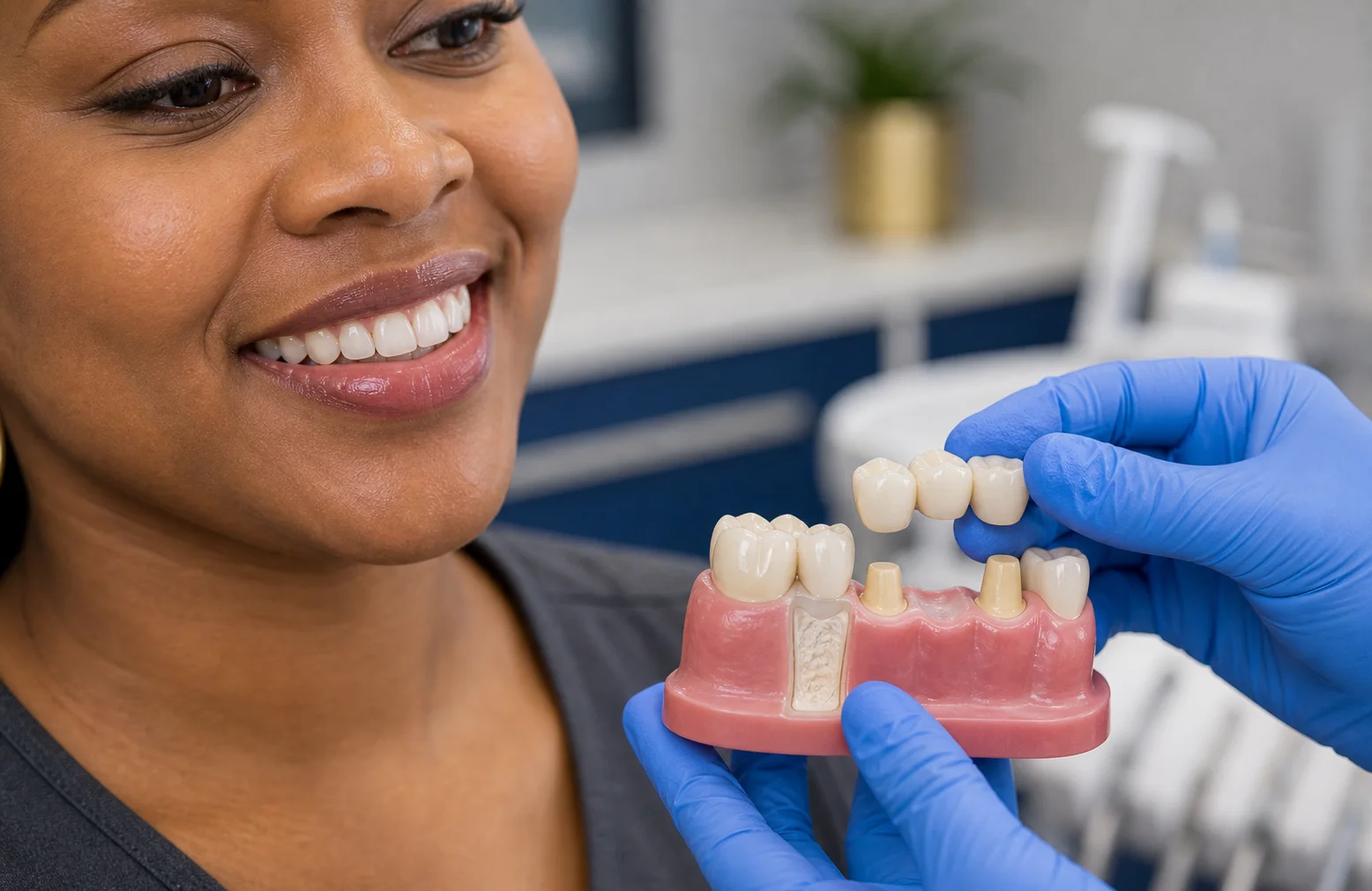
After the implant is ready to restore, an abutment and crown, bridge, or denture attachment is made to fit the planned bite. The restoration must look appropriate, but it also needs to be shaped for cleaning and designed so forces are controlled. Implant success depends on both biology and mechanics.
Typical stages
The implant fixture supports the replacement, while the final restoration determines appearance, chewing contact, and cleanability.
A single implant crown replaces one tooth. An implant bridge may replace several teeth using fewer implants than the number of missing teeth, depending on the plan. Implant-retained dentures may improve stability in selected cases, but they still need assessment, maintenance, and realistic expectations.
Each option has different maintenance needs and cost factors. A single crown must be flossed around carefully, while a bridge or denture attachment may require special cleaning tools. Your dentist should explain the restoration design before treatment so the surgical plan supports the final tooth replacement.
Restoration choices
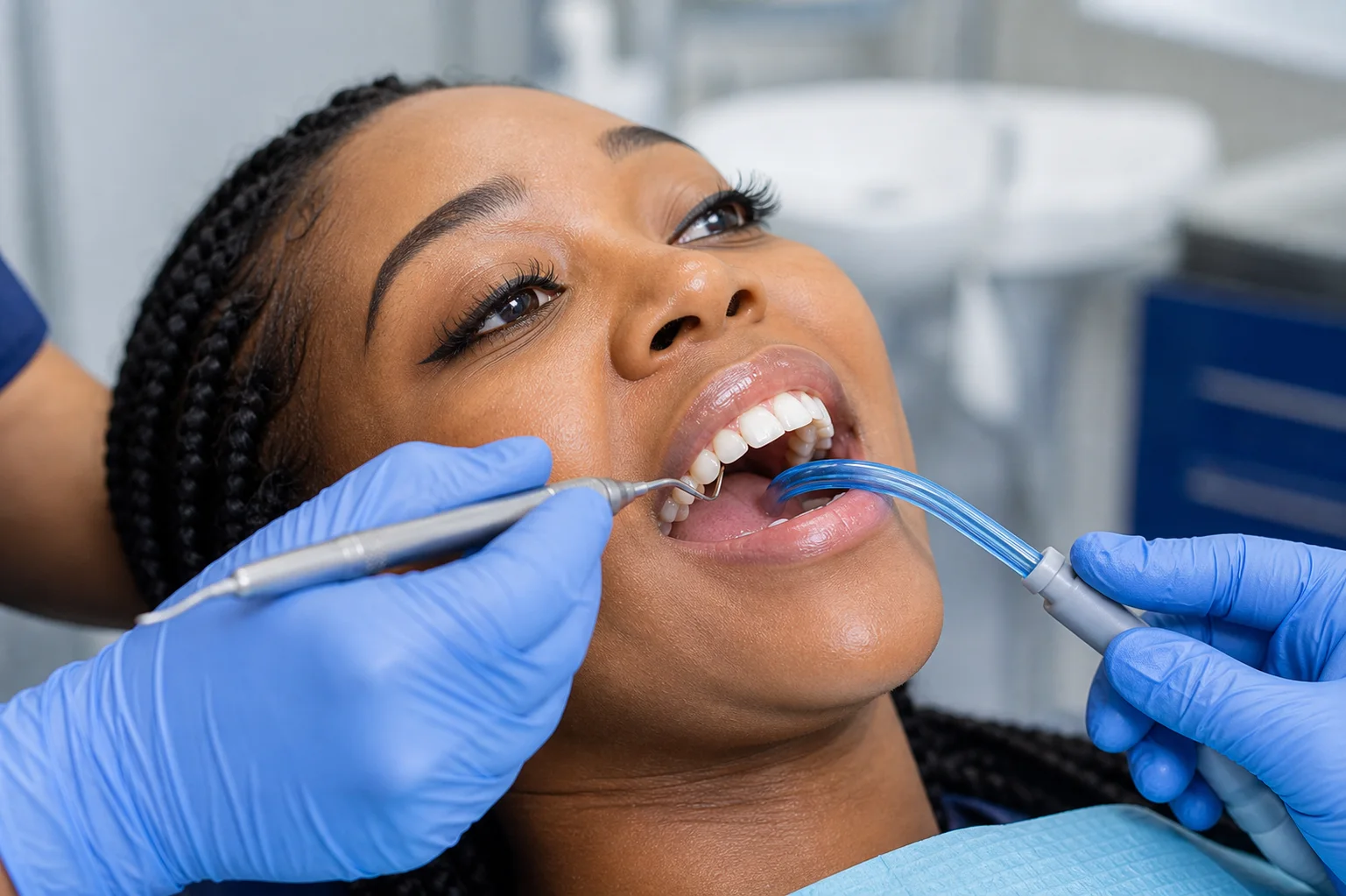
Implants do not get cavities, but the gum and bone around them can become inflamed if plaque is not controlled.
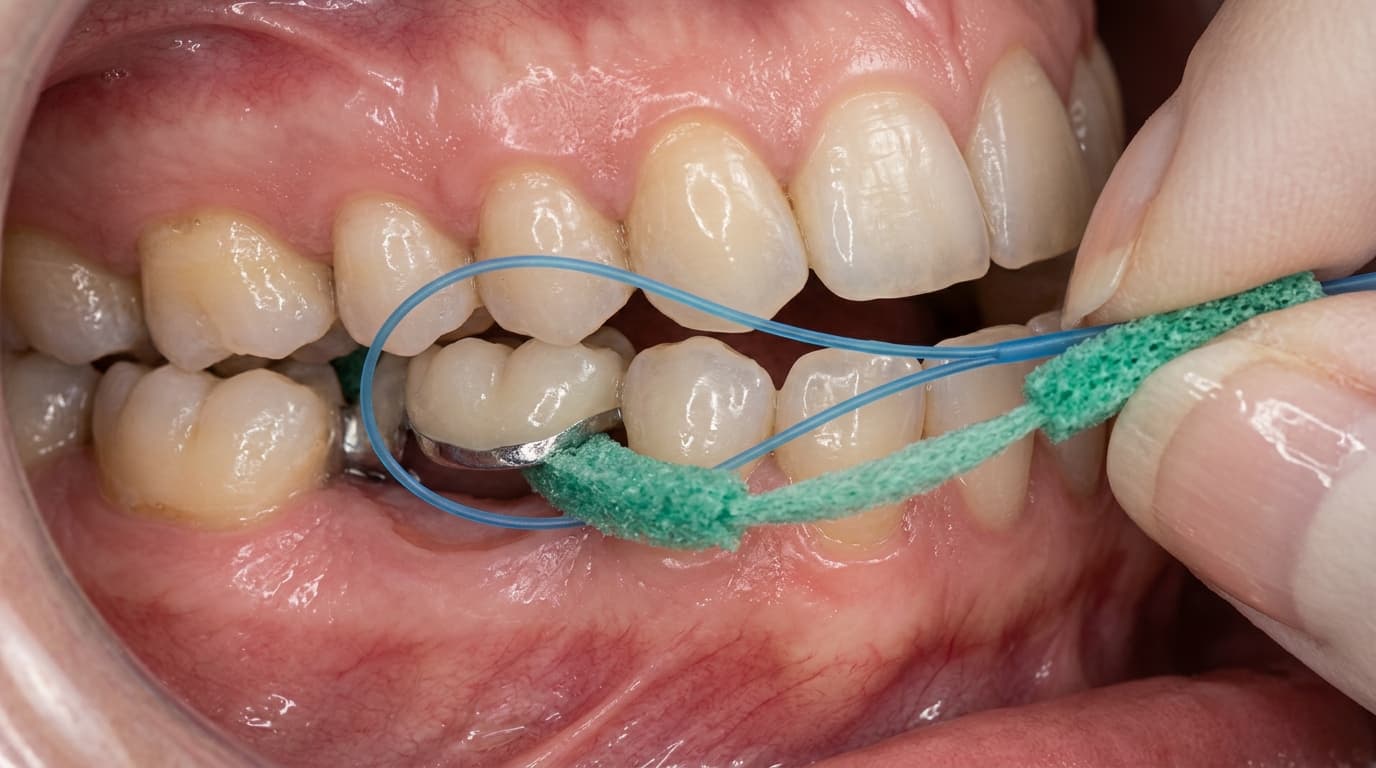
Daily cleaning around the implant restoration is essential. Depending on the design, you may need floss, interdental brushes, or other tools to clean the gum line and the spaces under a bridge. The dental team should show you how to clean the exact restoration you receive.
Regular reviews check the gum condition, bite, screws or components where relevant, and the restoration surface. Report bleeding, swelling, looseness, discomfort, or a change in bite. Early maintenance is important because implant problems are easier to manage when changes are detected promptly.
Maintenance focus
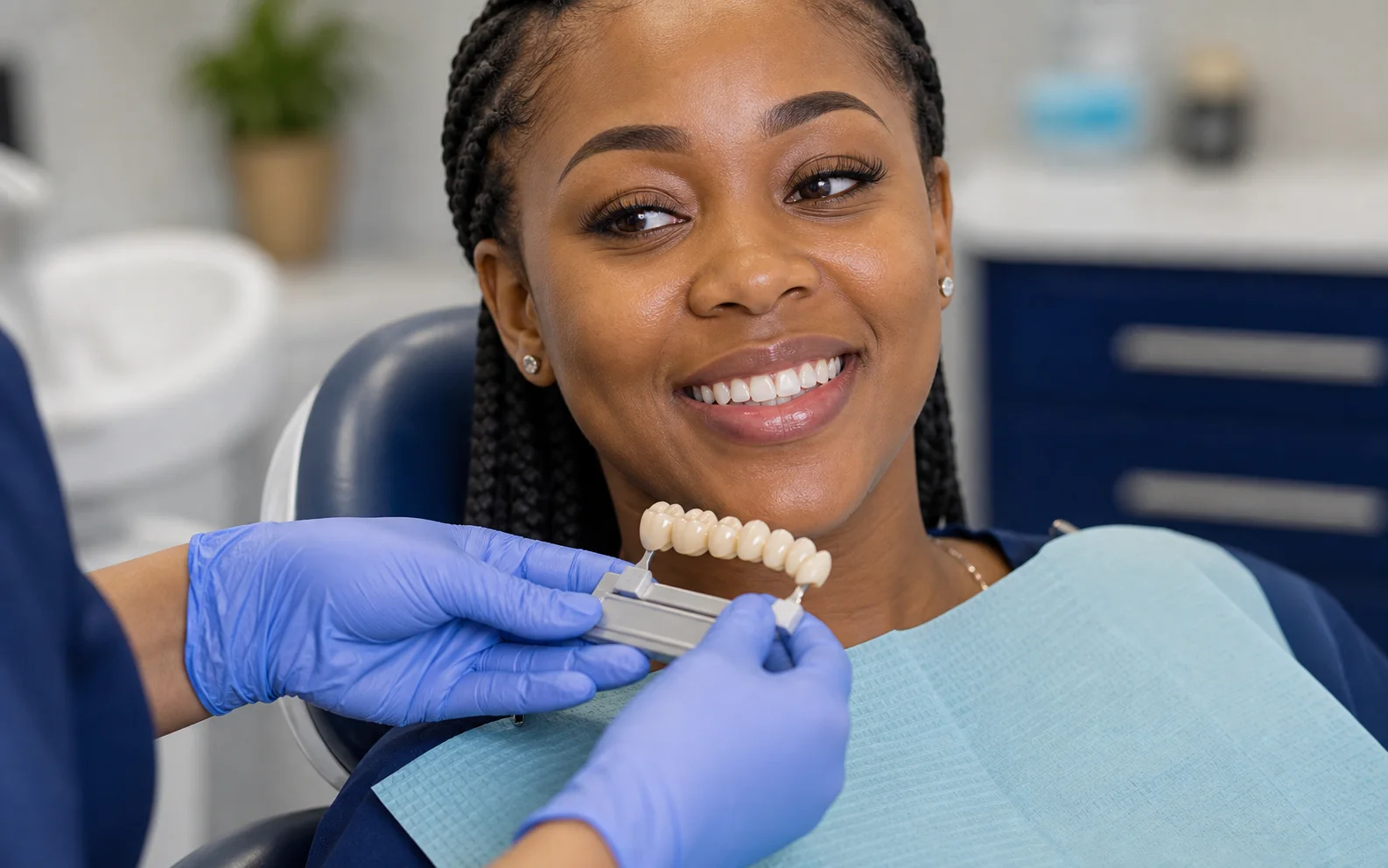
Implants can be a strong replacement option for suitable patients, but they are not the default answer for every missing tooth.
A bridge may be more appropriate when neighbouring teeth already need crowns, while a denture may be better for a staged or removable plan. In some cases, leaving a gap or stabilising the rest of the mouth first may be the responsible recommendation. Smile On Dental should compare options after examining the site and the surrounding teeth.
Implant limitations include the need for adequate bone and gum support, healthy daily cleaning, suitable healing conditions, and a restoration that can be maintained. No timeline or outcome should be assumed before assessment, because grafting needs, healing response, bite forces, and medical factors can change the plan.
Compare before deciding
Implant costs vary because assessment, surgical planning, components, restoration type, and preparation needs differ.
A single implant crown is not priced the same way as an implant bridge or implant-retained denture. Fees may be affected by imaging, extraction needs, bone or gum procedures, temporary replacement, implant components, laboratory work, and the final crown or prosthesis.
Smile On Dental should provide treatment options after examination and planning. When comparing costs, make sure you understand which stages are included and which may be separate. Implant treatment is a staged investment, so the full pathway matters more than a single headline figure.
What affects price
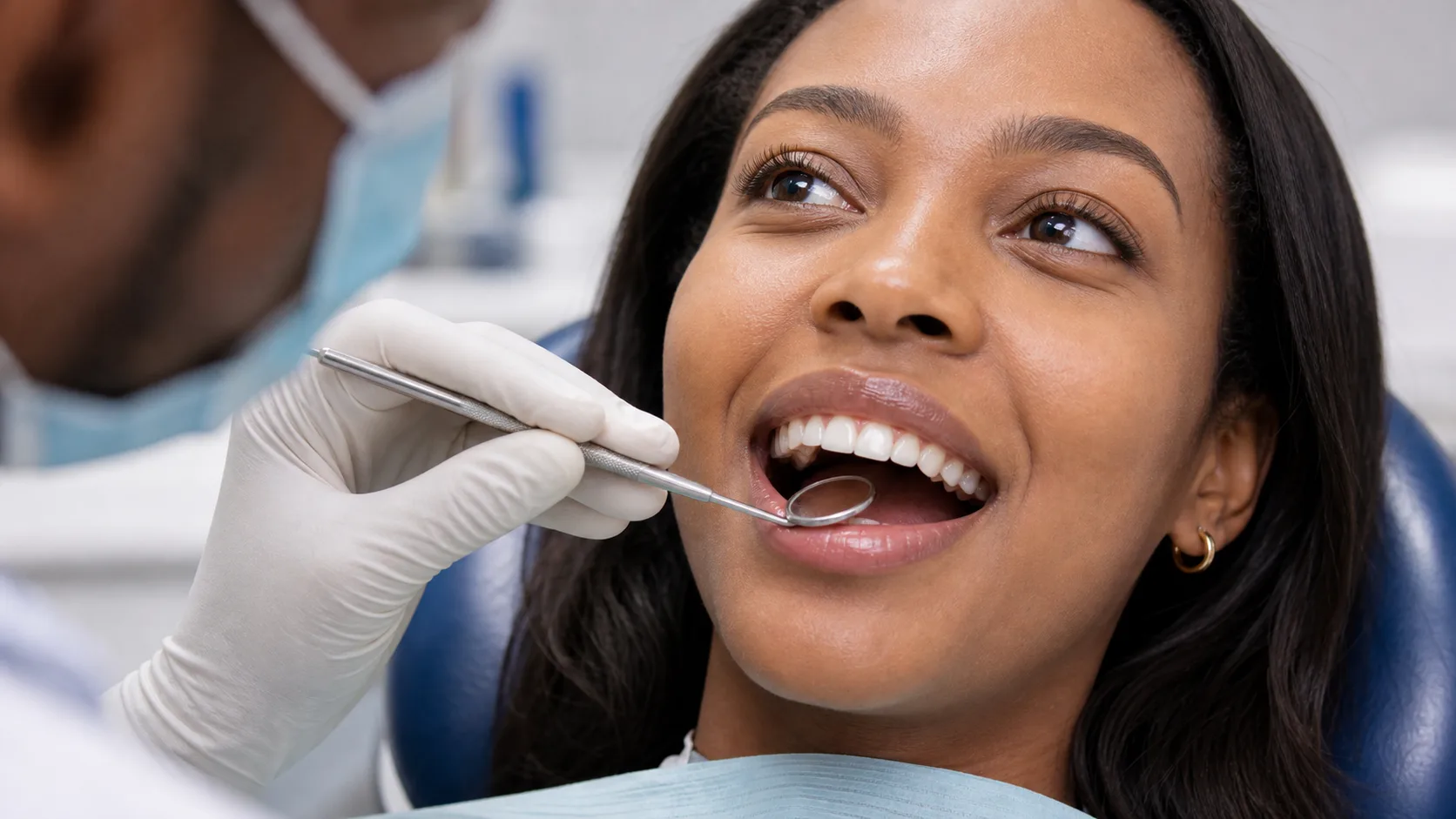
Smile On Dental approaches implants as part of a complete replacement plan, from diagnosis through maintenance.
The team should help you understand the clinical findings, the options for the gap, and the responsibilities that come with implant care. This includes discussing alternatives such as bridges or dentures when they are relevant, because the best option depends on the mouth, not on a one-size-fits-all preference.
The takeaway is that dental implants can be a strong replacement option for suitable patients after proper assessment. A responsible plan considers bone, gum health, bite, restoration design, cost factors, and long-term cleaning before treatment begins.
Implant priorities
Who It Helps
Treatment Journey
A staged journey involving assessment, planning, placement, healing, and restoration.
You may come in because a tooth is missing, a denture feels unstable, or you want to compare implants with bridges or dentures.
The dentist uses this first conversation to understand what you want fixed, what is urgent, what has changed recently, and what result would feel useful to you.
What the dentist may ask
The plan is based on diagnosis first, not a one-size-fits-all recommendation.
The dentist checks oral health, bone support, gum condition, bite, medical history, X-rays or scans, and the final crown or bridge plan.
The suitable options may include Single-tooth implant planning, Implant-supported bridge or denture options, Bridge or denture alternatives if implants are not suitable. The dentist explains why one route may be more predictable than another for your mouth.
What is decided here
Some dental work needs more than one appointment because records, healing, lab work, or careful fitting are involved.
Implant treatment is planned around the final tooth first. Placement, healing time, and the final restoration are explained before the journey starts.
Multiple visits are expected because implants need careful planning, healing, and restorative stages.
Planning details
The final part of the journey is making sure the result works in daily life.
Follow-up includes healing checks, restoration planning, fitting, bite checks, and maintenance visits to protect the implant and surrounding gum.
You are shown how to clean around the implant and why regular maintenance matters for long-term stability.
Aftercare focus
Benefits
Suitability
Restorative Dentistry
Restorative treatment depends on the amount of tooth structure, gum health, bite forces, materials, and whether the tooth can be predictably maintained.
Suitability
The dentist considers symptoms, oral health, bite, medical history, expectations, and maintenance before recommending dental implants.
Costs
Cost discussions are most useful after diagnosis because materials, complexity, visit count, and follow-up needs vary from patient to patient.
Appointment
Your dentist reviews your concern, oral health, and treatment goals before recommending next steps.
The team explains the likely process, timing, and care options in straightforward language.
Your treatment plan is shaped around comfort, function, appearance, and long-term oral health.
Costs & Aftercare
Before You Book
Mention whether you are booking for implants, pain, appearance, function, prevention, or a second opinion.
At the Visit
Ask about diagnosis, options, number of visits, comfort, maintenance, and what could happen if treatment is delayed.
Aftercare
Your dentist will explain home care, review visits, and any symptoms that should be reported after treatment.
FAQs
The best starting point is a consultation. Your dentist will assess your teeth, gums, bite, symptoms, concerns, and smile goals before recommending a personalised treatment plan.
Yes. Use the Book an Appointment button to open the booking site and choose a convenient appointment time. You can also request a callback if you would prefer the practice team to contact you first.
Yes. You can request a callback if you prefer the practice team to contact you before booking. This can be helpful when you are unsure whether you need a routine visit, cosmetic consultation, orthodontic assessment, or urgent support.
Yes. Costs depend on the diagnosis, treatment complexity, materials, and number of visits required. Your dentist can explain the recommended next step before treatment begins.
Bring your identification, medical history, current medication details, previous dental information if available, and any questions you want to discuss with the dentist.
Book an assessment so the dentist can diagnose the cause before you choose a treatment. Pain or swelling may need urgent attention, X-rays, restorative care, or another clinical next step.
Related Treatments
Helpful Articles
Locations
City Treatment Pages
Clinical Leadership

Dr. Kholofelo Machaba-Selatole leads Smile On Dental & Aesthetic Studio with a warm, patient-focused approach to family, restorative, cosmetic, and orthodontic care.
60+ five-star patient reviews across Pretoria and Polokwane.
"Customer care is superb, very friendly front desk staff. I'm happy to have gained my confidence back."

Polokwane
"From reception right into the doctor's consultation room it was all smiley faces that welcomed us."

Polokwane
"The best dental service I have seen in Pretoria, cannot wait for my next appointment."

Pretoria
"Customer care is superb, very friendly front desk staff. I'm happy to have gained my confidence back."
Polokwane
"From reception right into the doctor's consultation room it was all smiley faces that welcomed us."
Polokwane
"The best dental service I have seen in Pretoria, cannot wait for my next appointment."
Pretoria
Book a Consultation