First Step
Consultation
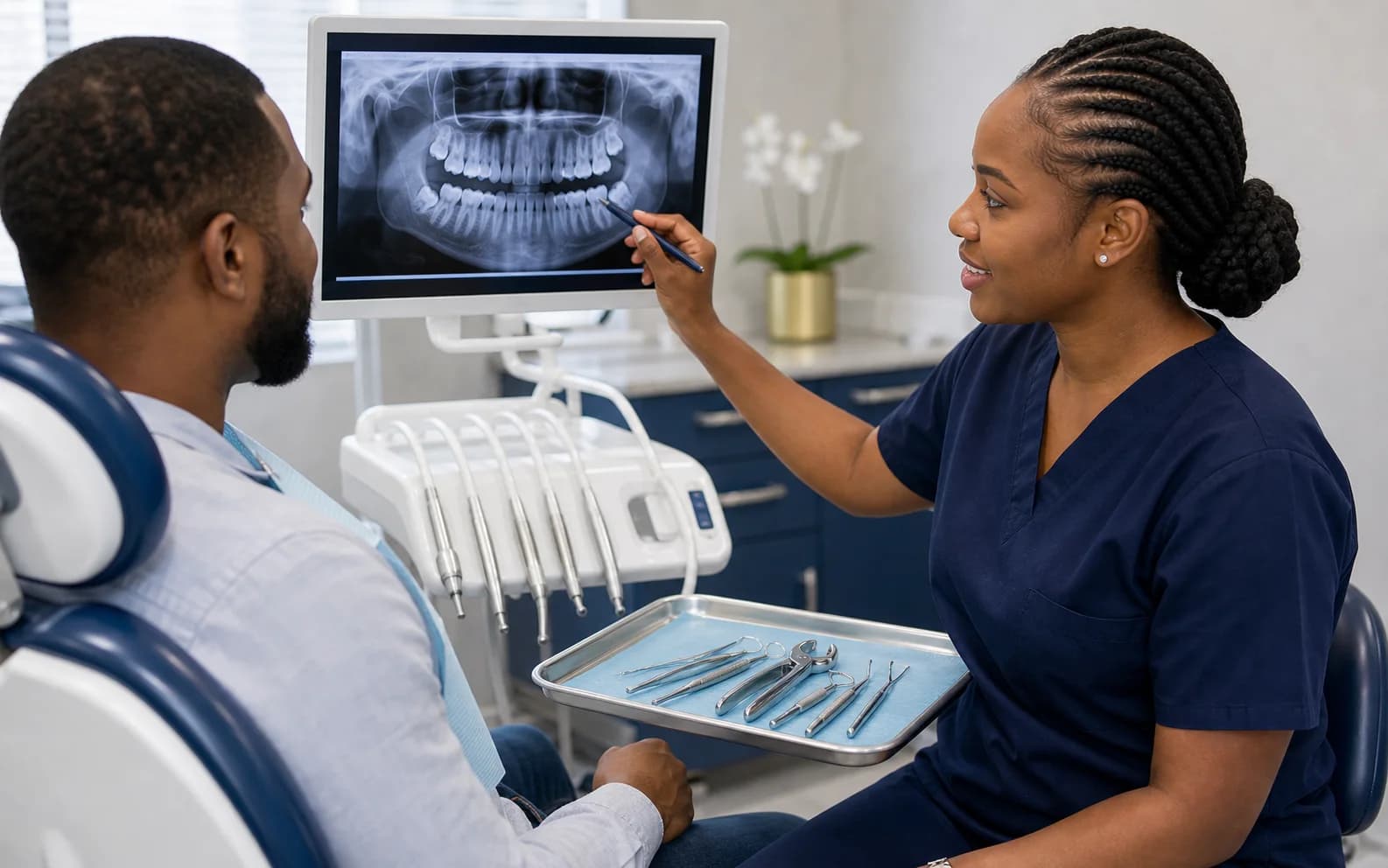
The dentist checks your concern and confirms whether this treatment is suitable before care begins.
Surgical & Emergency Dentistry
Book Tooth Removal with Smile On Dental. Start with an assessment, understand your options, and get clear next steps before treatment begins.
Quick Summary
First Step
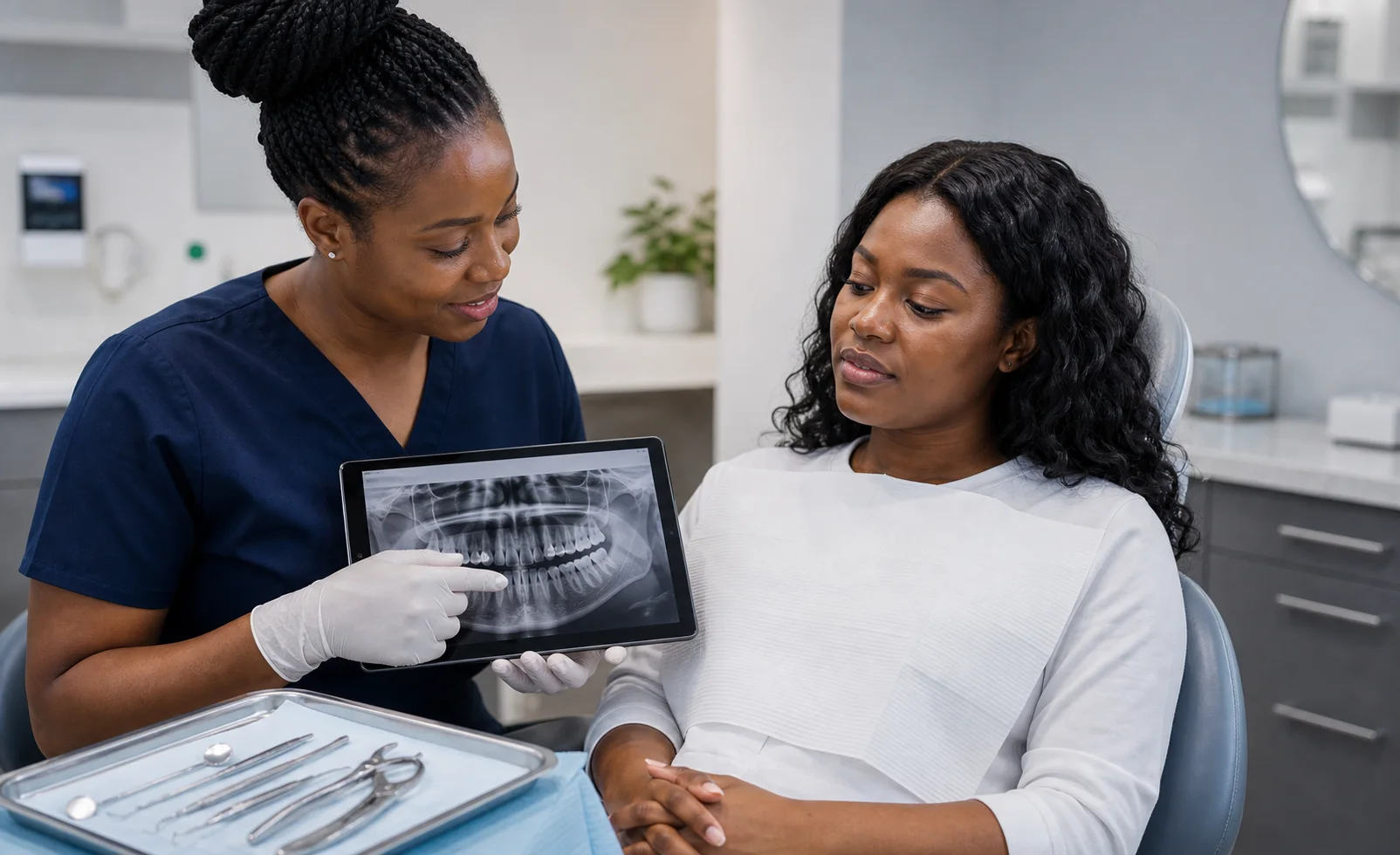
The dentist checks your concern and confirms whether this treatment is suitable before care begins.
Best For
Suitability depends on oral health, symptoms, goals, and clinical findings.
Planning
Timing, visits, cost factors, and aftercare are explained after the assessment.
Branch Access
Use the location section to choose the branch that is easiest for you to attend consistently.
Overview
Treatment Introduction
Tooth extractions are considered when a tooth cannot be restored or is causing ongoing problems. A careful assessment helps the dentist explain the approach, aftercare, and future replacement options if needed.
Decision Support
Smile On Dental uses the visit to understand your symptoms, goals, oral health, and expectations before recommending a suitable treatment plan.
Visual Guide
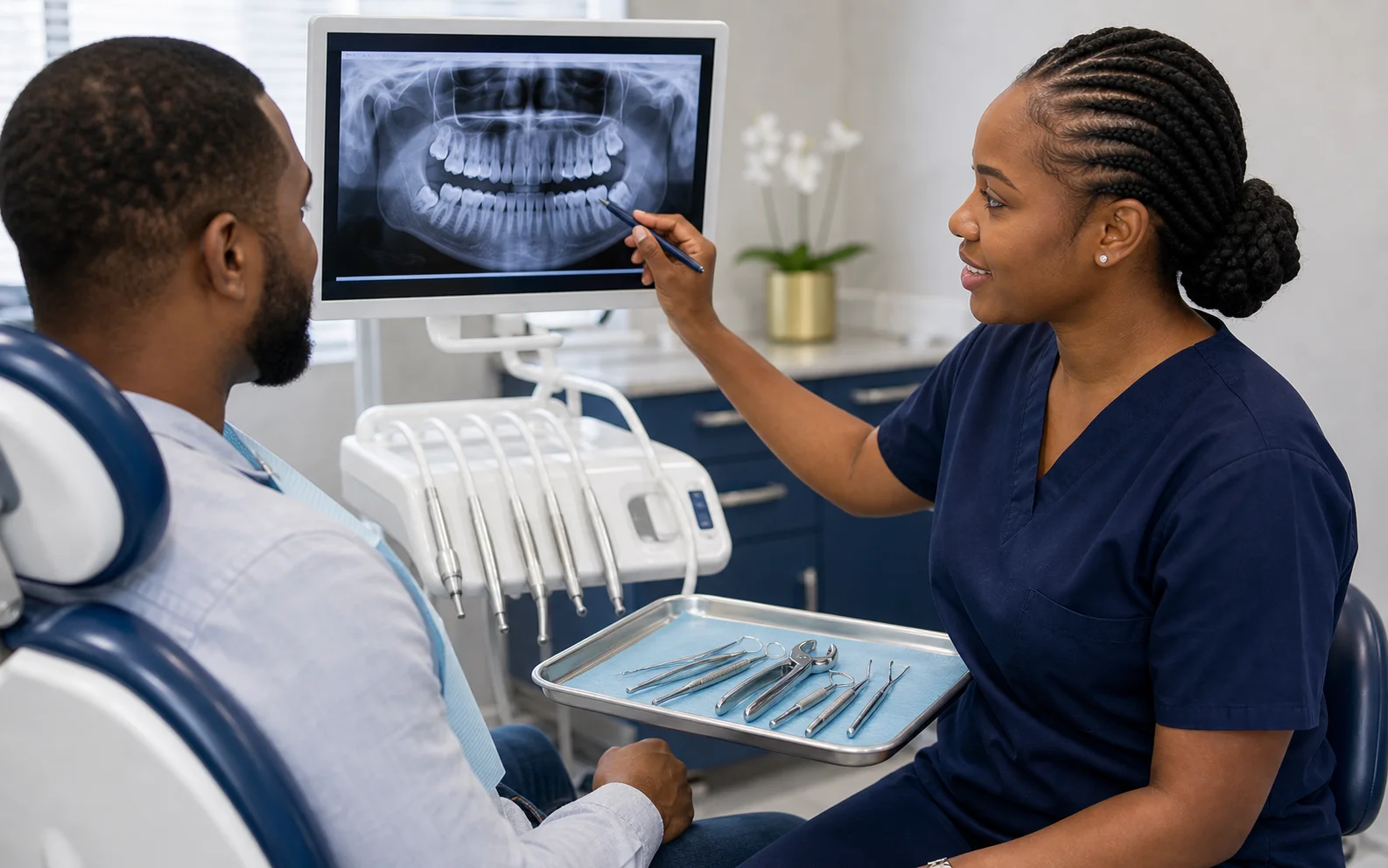
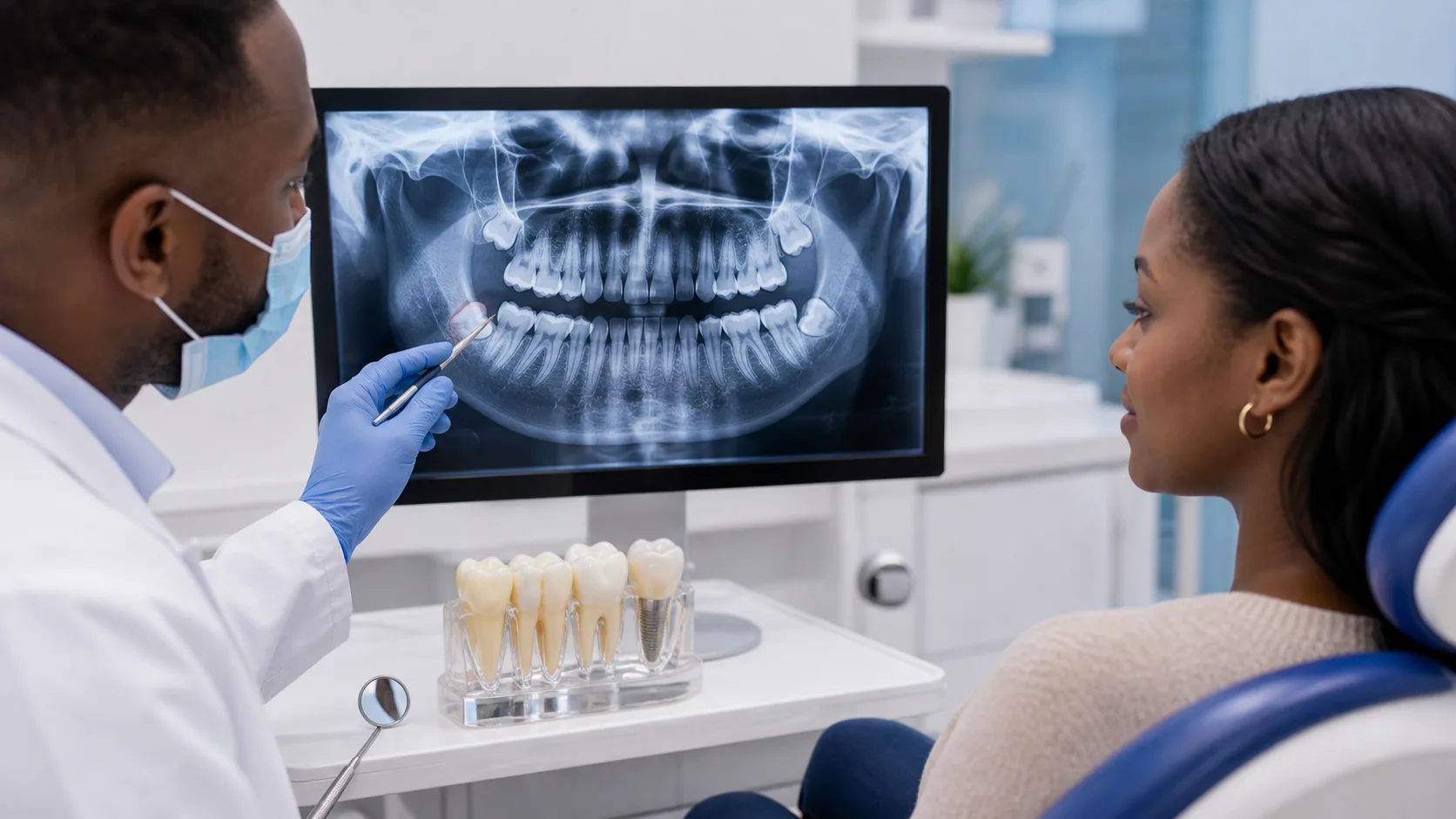
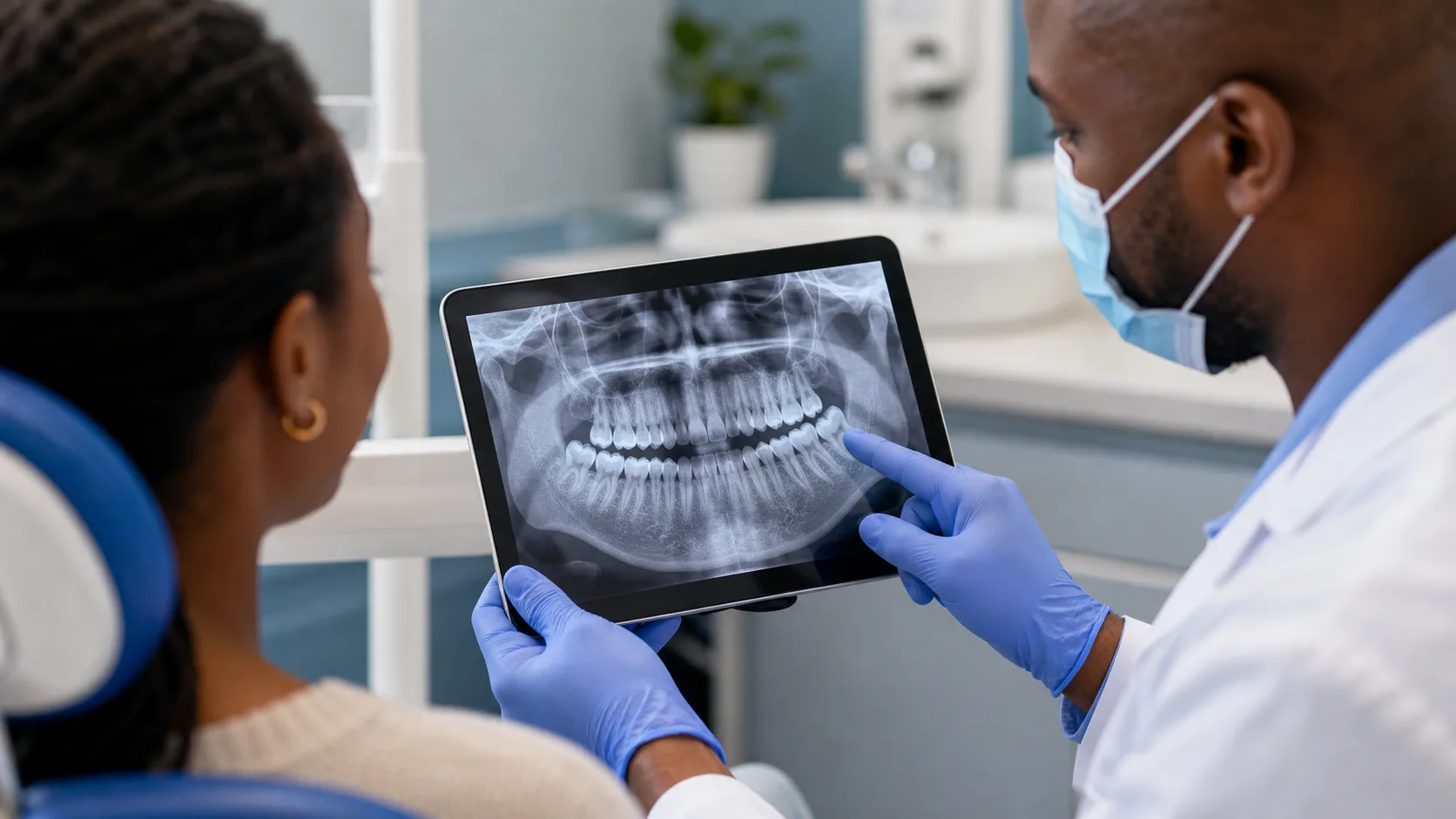
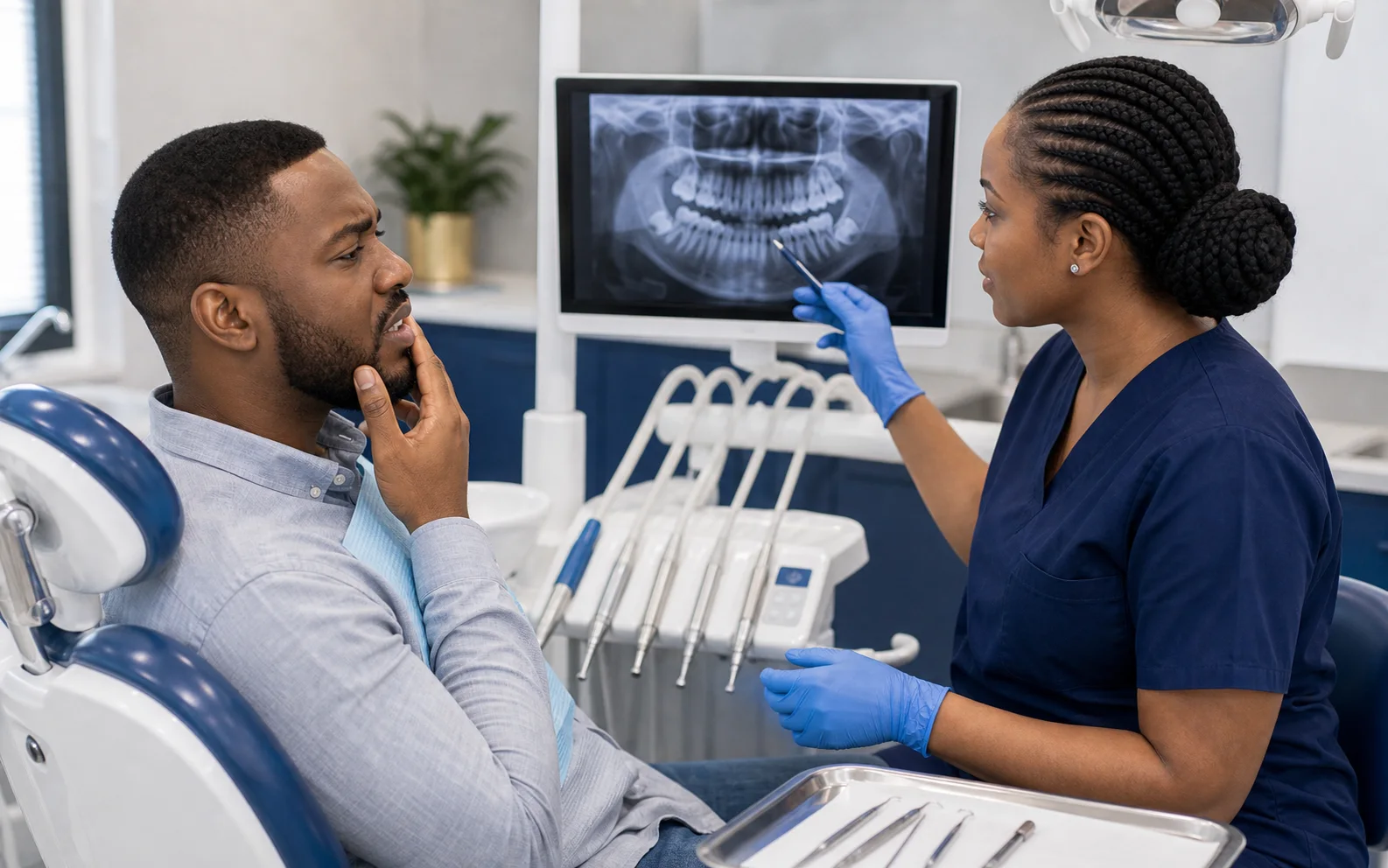

Treatment Guide
Tooth extraction is considered when keeping a tooth is not suitable, predictable, or in the patient's best interest after assessment.
A dentist may discuss tooth extraction for severe decay, a broken tooth that cannot be restored, advanced gum support loss, infection risk, orthodontic planning, crowding, trauma, or a tooth causing repeated pain. The decision should follow examination and, where needed, dental X-rays.
At Smile On Dental, extraction planning includes whether the tooth can be saved, what happens if it is removed, and how the space may affect chewing, appearance, bite, and future treatment. Removal is not treated as a shortcut when a better conservative option is available.
Reasons extraction may be discussed
Assessment helps the dentist understand the tooth, roots, bone, infection risk, and possible replacement options.
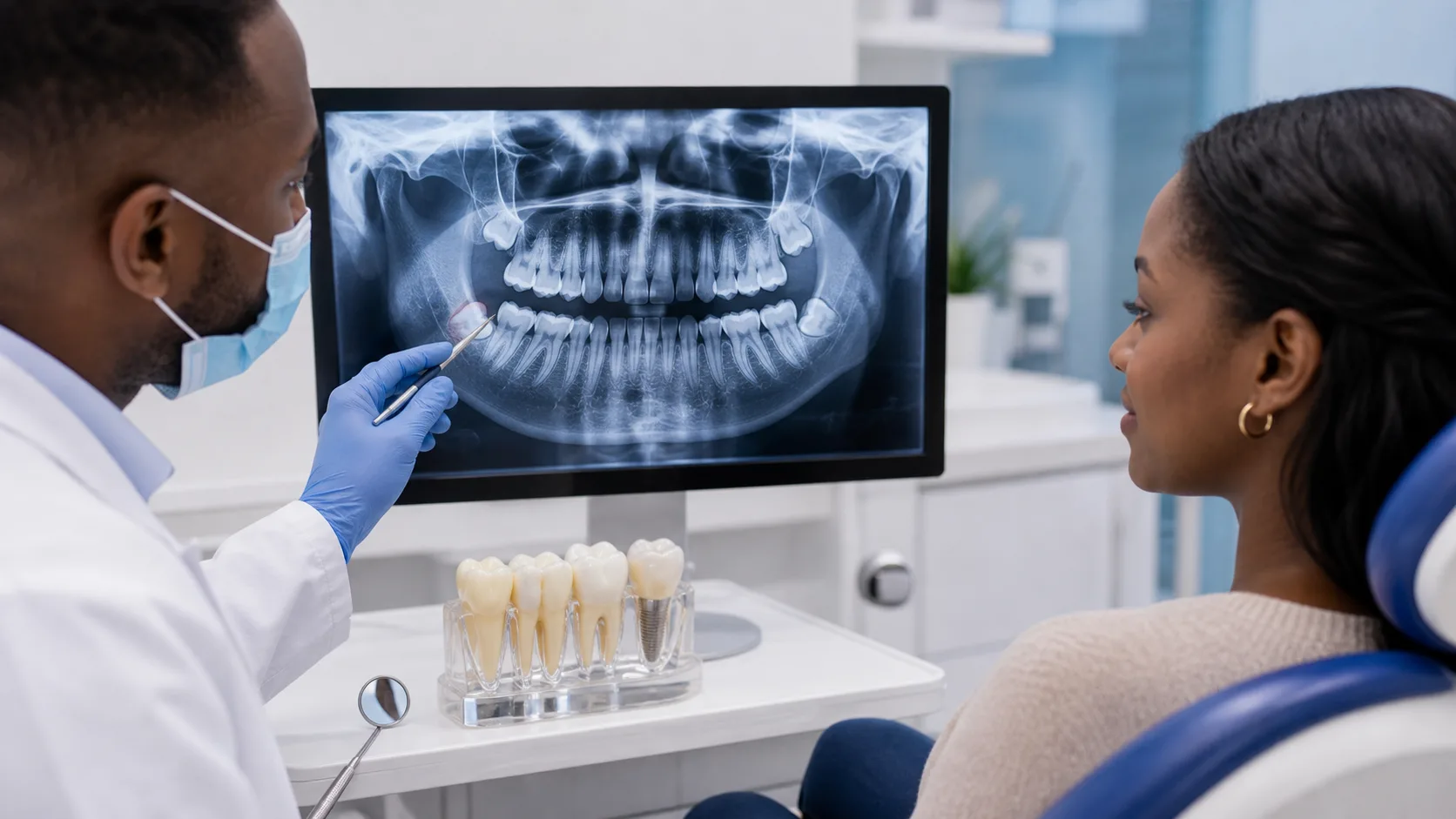
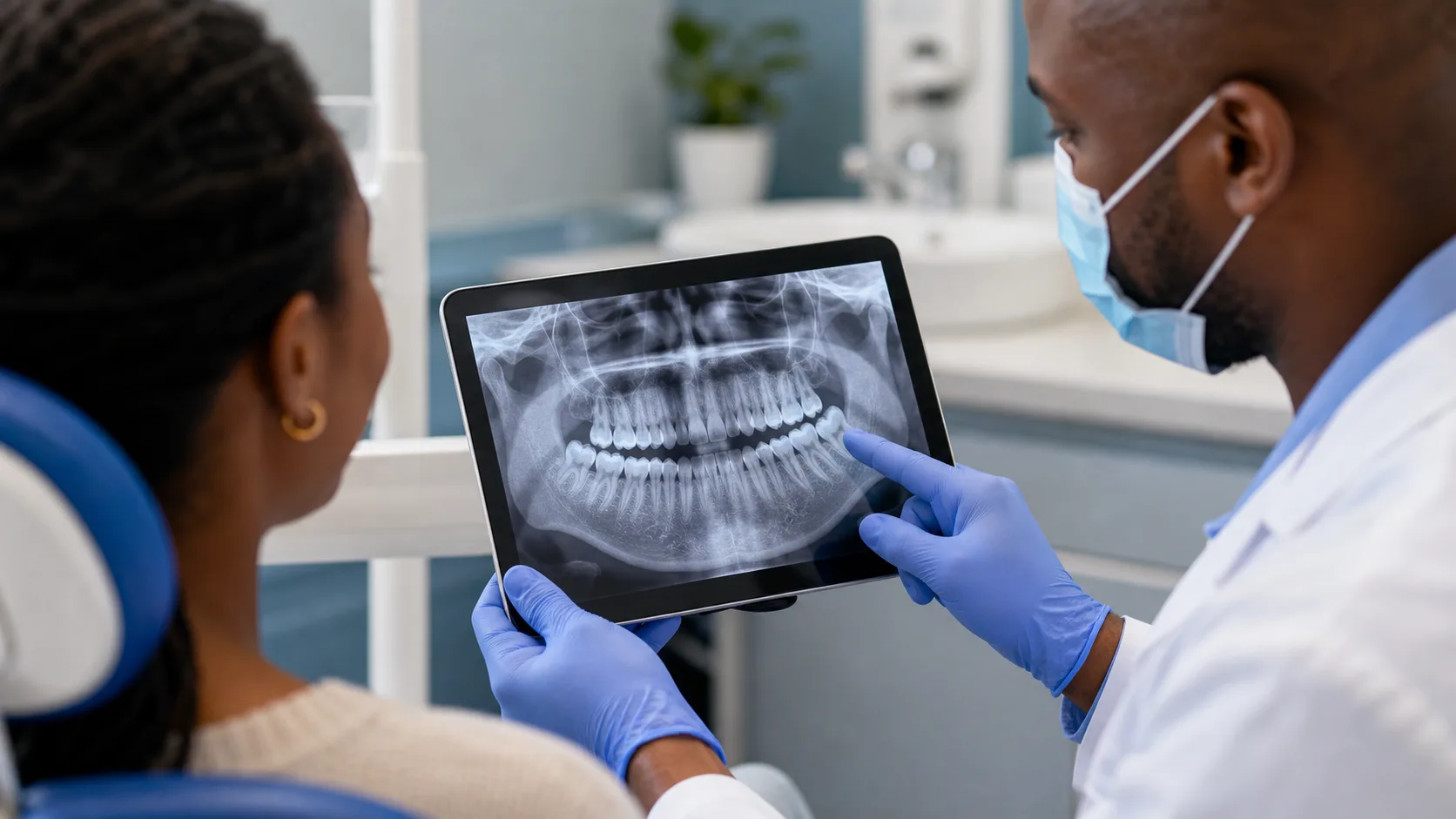
The dentist checks the tooth structure, gum condition, tenderness, swelling, bite, neighbouring teeth, and medical history. X-rays may be needed to see root shape, bone levels, decay depth, infection around the root, or the position of nearby structures.
This information helps determine whether a routine extraction is appropriate or whether the case is more complex. The dentist should also explain alternatives where reasonable, such as fillings, crowns, root canal treatment, gum treatment, monitoring, or referral for surgical management.
Planning checks
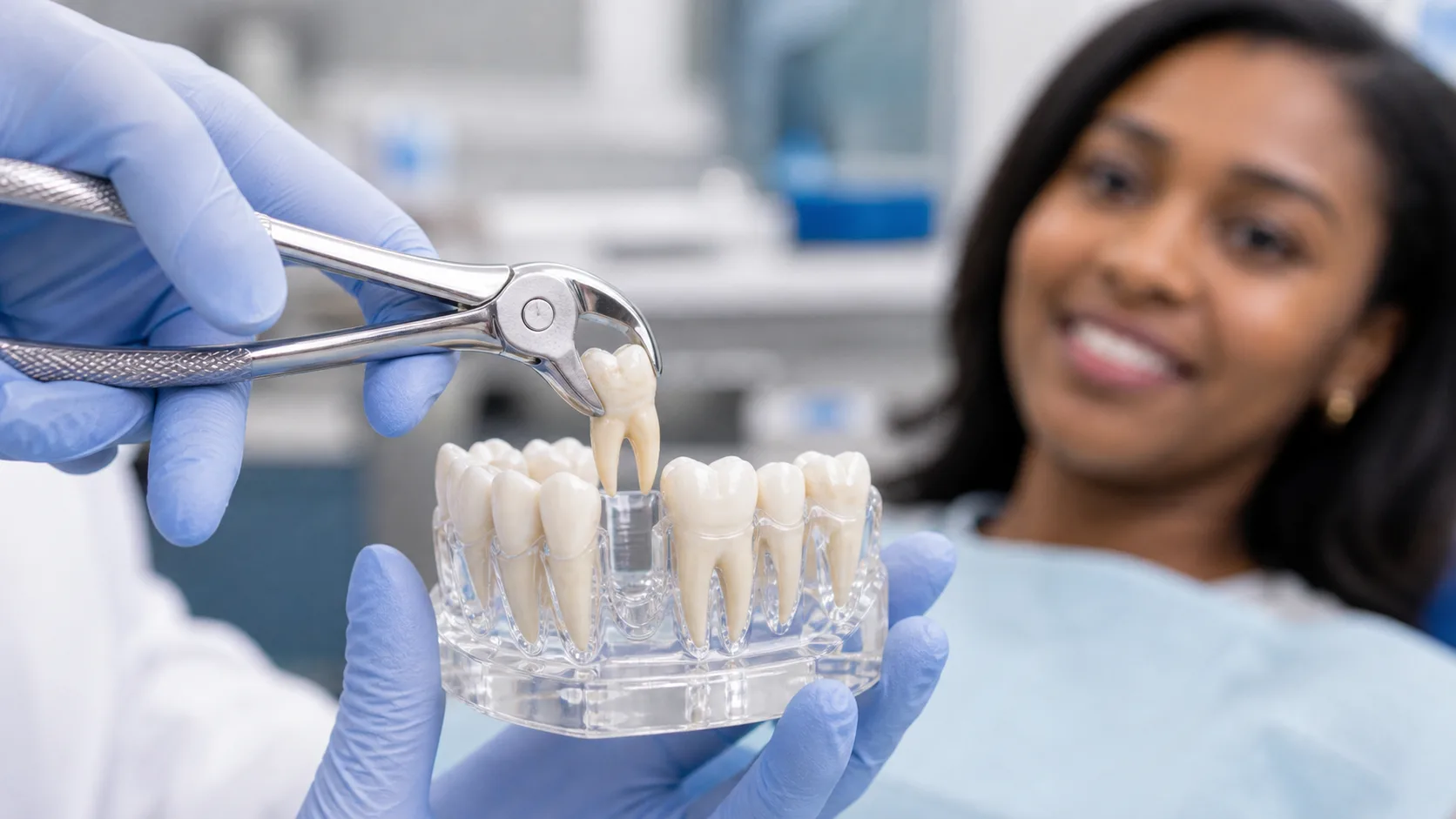
The extraction process depends on the tooth position, root shape, remaining tooth structure, and surrounding bone.
For a straightforward extraction, the dentist numbs the area and gently loosens the tooth before removing it. If a tooth is broken down, has curved roots, or is difficult to access, the dentist may discuss a different approach or referral before proceeding.
Patients should expect the dentist to confirm numbness, explain pressure sensations, and give instructions for the rest of the day. Pain should be controlled during the procedure, but pressure and movement are common because the tooth is being released from the socket.
Procedure basics

Comfort planning is important because many patients feel nervous about having a tooth removed.
The dentist can explain each step, pause when needed, and check that the area is numb before continuing. Patients should tell the team if they have had difficult dental experiences, trouble getting numb, strong anxiety, or medical conditions that may affect treatment.
Clear communication helps avoid surprises. The patient should know what is normal, what is not, and who to contact after the appointment if bleeding, swelling, pain, or healing does not seem to be following the expected pattern.
Tell the dentist about

Aftercare protects the blood clot and supports healing after the tooth has been removed.
The dentist will explain how to bite on gauze if needed, what to avoid, how to clean around the area, and when to restart normal eating. Patients are usually advised not to disturb the socket, smoke, rinse aggressively, or poke the area while early healing begins.
Some tenderness and swelling may occur, depending on the tooth and the procedure. Patients should contact the practice if bleeding does not settle, pain worsens after initially improving, swelling spreads, a bad taste develops, or they are unsure whether healing is progressing normally.
Aftercare priorities
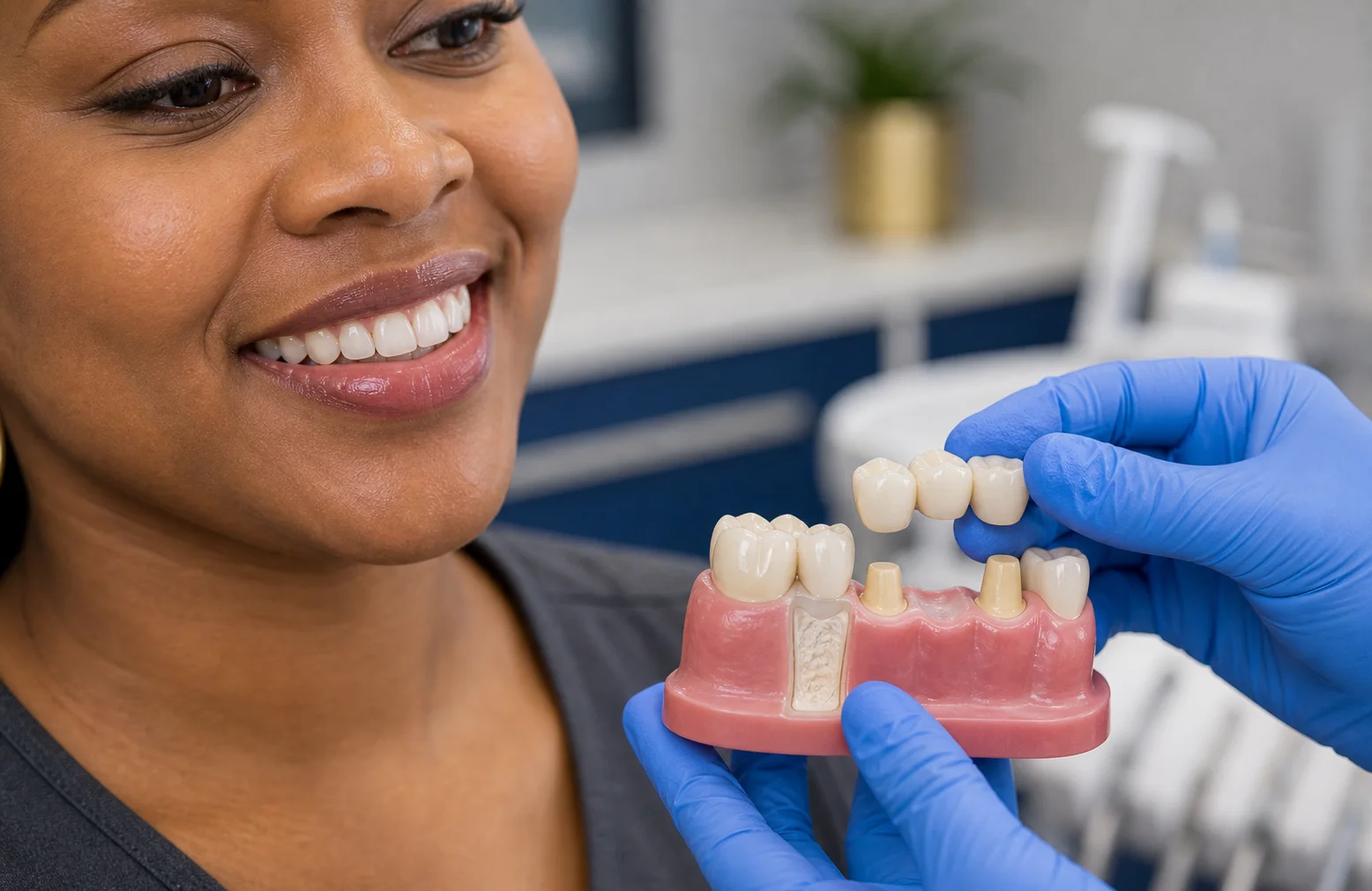
Extraction can remove a source of pain or infection, but the space left behind should be considered.
When a tooth cannot be kept, removal may relieve symptoms, reduce infection risk, or make space for a larger treatment plan. The benefit depends on the diagnosis and on following aftercare so healing can progress as expected.
After extraction, the dentist may discuss leaving the space, a denture, bridge, implant assessment, orthodontic space management, or monitoring. Replacement planning is important because missing teeth can affect chewing, appearance, speech, and how neighbouring teeth move over time.
Planning after removal

Extraction costs depend on complexity, X-rays, the tooth involved, and whether replacement planning is needed.
A simple tooth removal is different from a broken, infected, or difficult-to-access tooth. Costs may also be affected by imaging, the tooth location, root shape, review visits, medication guidance, referral needs, or future replacement options such as dentures, bridges, or implant assessment.
Smile On Dental can assess whether extraction is the right step and explain the plan before treatment begins. The takeaway is to avoid delaying assessment when a tooth is painful, swollen, broken, or repeatedly infected, because waiting can make care more complicated.
Takeaway
Who It Helps
Treatment Journey
May be same-day or planned after assessment and X-rays.
You may come in with a painful, broken, loose, infected, or badly damaged tooth that may not be restorable.
The dentist will ask when it started, what makes it better or worse, whether there is pain or sensitivity, and what you want the visit to help you solve.
What this first step covers
Before treatment starts, the dentist confirms what is actually going on.
The dentist checks the tooth, gum, swelling, X-ray findings, medical history, and whether saving the tooth is possible before recommending removal.
The dentist may then explain options such as Simple extraction where suitable, Surgical extraction if removal is more complex, Replacement planning after healing when needed, depending on what the examination shows.
What may be checked
Some treatments are completed in one appointment, while others need a separate visit.
If removal is appropriate, the dentist explains numbing, pressure sensations, aftercare, and what to expect while the area heals.
A second visit may be needed if infection must settle first, imaging is required, or replacement options need planning.
What you should know before leaving
The journey should end with you knowing how to protect the result.
Follow-up depends on the case. Some patients only need aftercare instructions, while others need review for healing or replacement planning.
You receive instructions for bleeding control, eating, cleaning, medication use, and warning signs that should be reported.
Your home-care plan
Benefits
Suitability
Surgical & Emergency Dentistry
Pain, swelling, infection, trauma, or removal planning should start with diagnosis so the dentist can explain the safest next step and aftercare.
Suitability
The dentist considers symptoms, oral health, bite, medical history, expectations, and maintenance before recommending tooth extractions.
Costs
Cost discussions are most useful after diagnosis because materials, complexity, visit count, and follow-up needs vary from patient to patient.
Appointment
Your dentist reviews your concern, oral health, and treatment goals before recommending next steps.
The team explains the likely process, timing, and care options in straightforward language.
Your treatment plan is shaped around comfort, function, appearance, and long-term oral health.
Costs & Aftercare
Before You Book
Mention whether you are booking for extractions, pain, appearance, function, prevention, or a second opinion.
At the Visit
Ask about diagnosis, options, number of visits, comfort, maintenance, and what could happen if treatment is delayed.
Aftercare
Your dentist will explain home care, review visits, and any symptoms that should be reported after treatment.
FAQs
The best starting point is a consultation. Your dentist will assess your teeth, gums, bite, symptoms, concerns, and smile goals before recommending a personalised treatment plan.
Yes. Use the Book an Appointment button to open the booking site and choose a convenient appointment time. You can also request a callback if you would prefer the practice team to contact you first.
Yes. You can request a callback if you prefer the practice team to contact you before booking. This can be helpful when you are unsure whether you need a routine visit, cosmetic consultation, orthodontic assessment, or urgent support.
Yes. Costs depend on the diagnosis, treatment complexity, materials, and number of visits required. Your dentist can explain the recommended next step before treatment begins.
Bring your identification, medical history, current medication details, previous dental information if available, and any questions you want to discuss with the dentist.
Book an assessment so the dentist can diagnose the cause before you choose a treatment. Pain or swelling may need urgent attention, X-rays, restorative care, or another clinical next step.
Related Treatments
Helpful Articles
Locations
City Treatment Pages
Clinical Leadership

Dr. Kholofelo Machaba-Selatole leads Smile On Dental & Aesthetic Studio with a warm, patient-focused approach to family, restorative, cosmetic, and orthodontic care.
60+ five-star patient reviews across Pretoria and Polokwane.
"Customer care is superb, very friendly front desk staff. I'm happy to have gained my confidence back."

Polokwane
"From reception right into the doctor's consultation room it was all smiley faces that welcomed us."

Polokwane
"The best dental service I have seen in Pretoria, cannot wait for my next appointment."

Pretoria
"Customer care is superb, very friendly front desk staff. I'm happy to have gained my confidence back."
Polokwane
"From reception right into the doctor's consultation room it was all smiley faces that welcomed us."
Polokwane
"The best dental service I have seen in Pretoria, cannot wait for my next appointment."
Pretoria
Book a Consultation