First Step
Consultation
The dentist checks your concern and confirms whether this treatment is suitable before care begins.
Surgical & Emergency Dentistry
Book Wisdom Tooth Removal with Smile On Dental. Start with an assessment, understand your options, and get clear next steps before treatment begins.
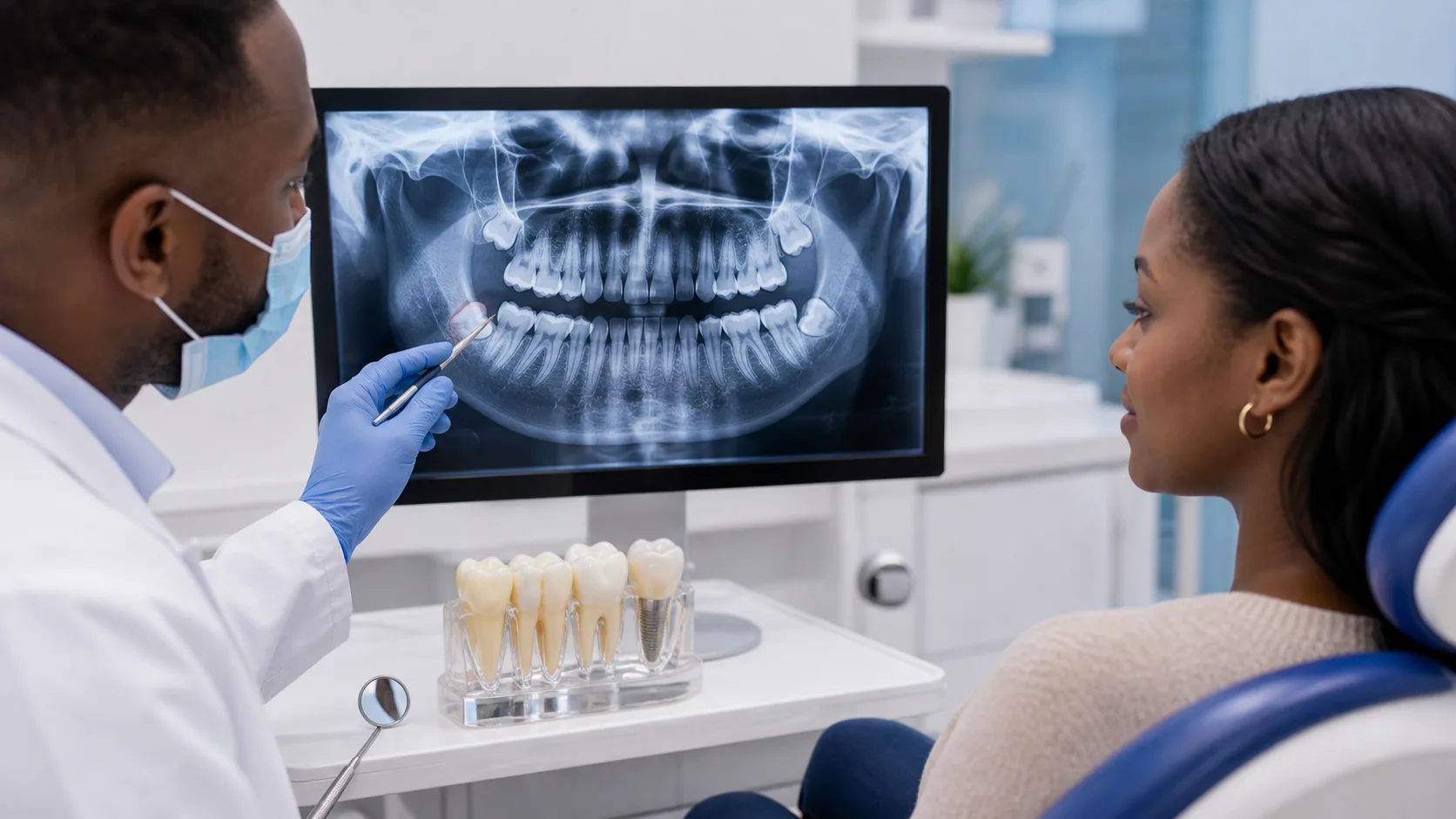
Quick Summary
First Step
The dentist checks your concern and confirms whether this treatment is suitable before care begins.
Best For
Suitability depends on oral health, symptoms, goals, and clinical findings.
Planning
Timing, visits, cost factors, and aftercare are explained after the assessment.
Branch Access
Use the location section to choose the branch that is easiest for you to attend consistently.
Overview
Treatment Introduction
Wisdom tooth removal planning depends on tooth position, symptoms, X-ray findings, and the recommended approach.
Decision Support
Smile On Dental uses the visit to understand your symptoms, goals, oral health, and expectations before recommending a suitable treatment plan.
Visual Guide
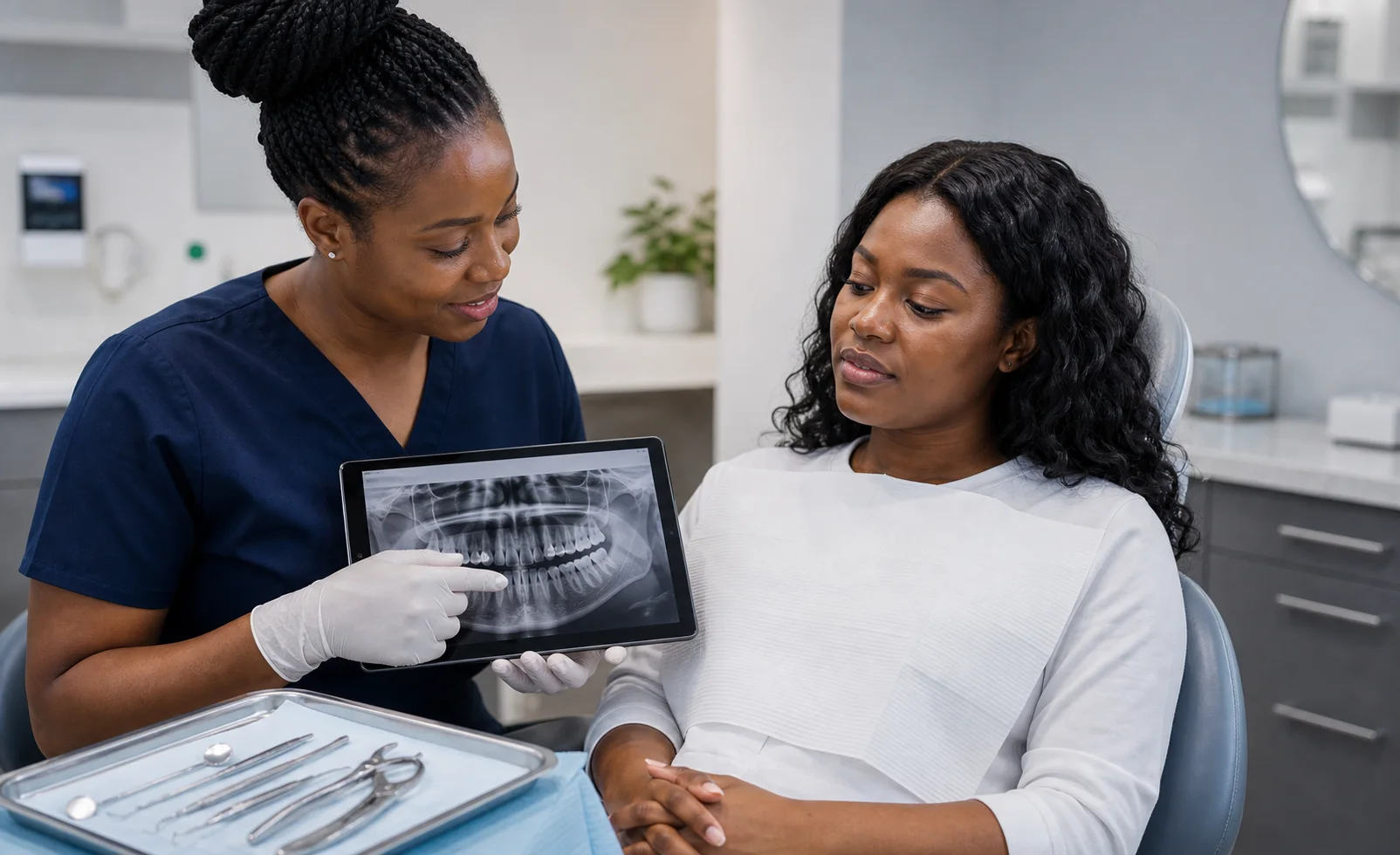
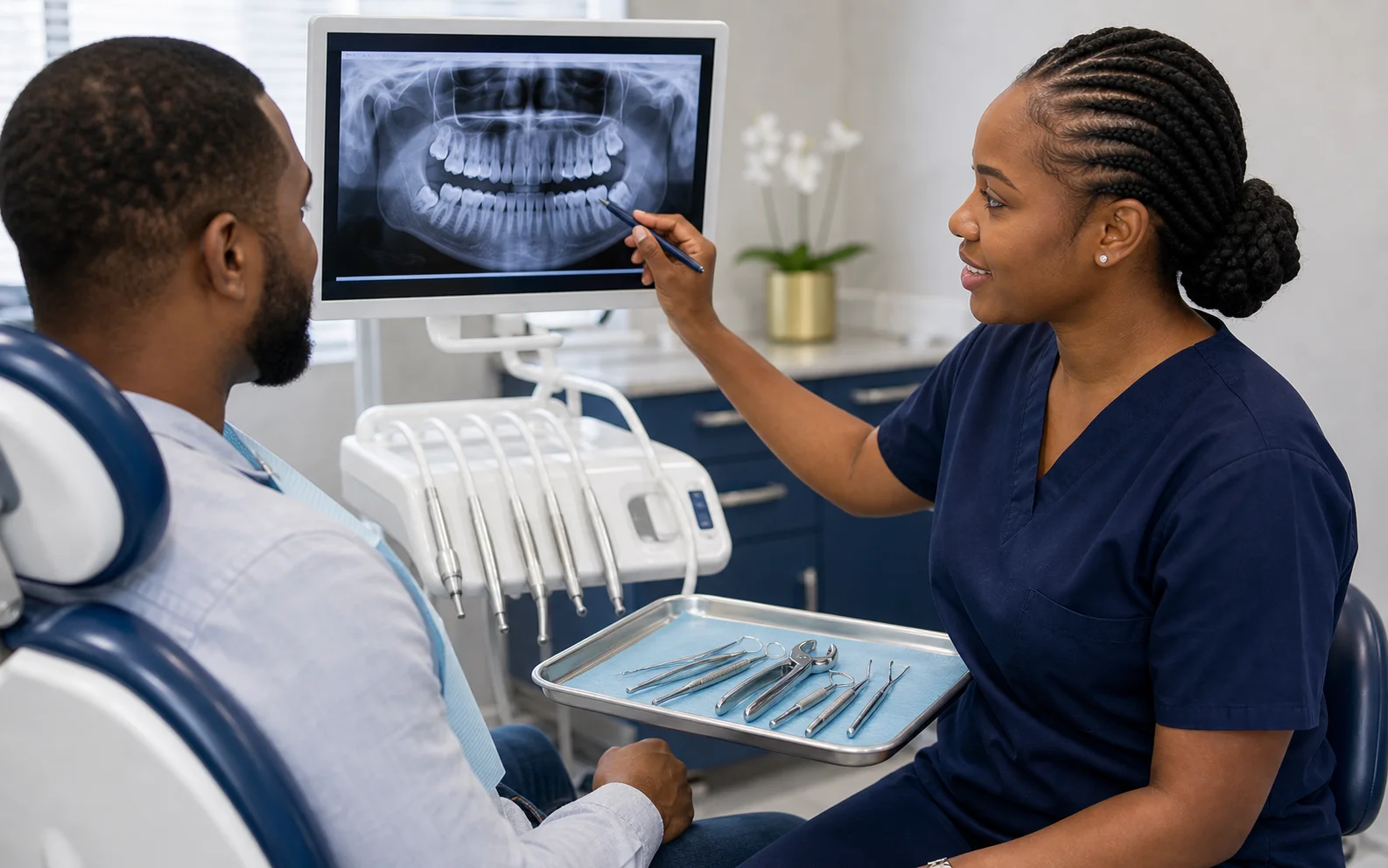
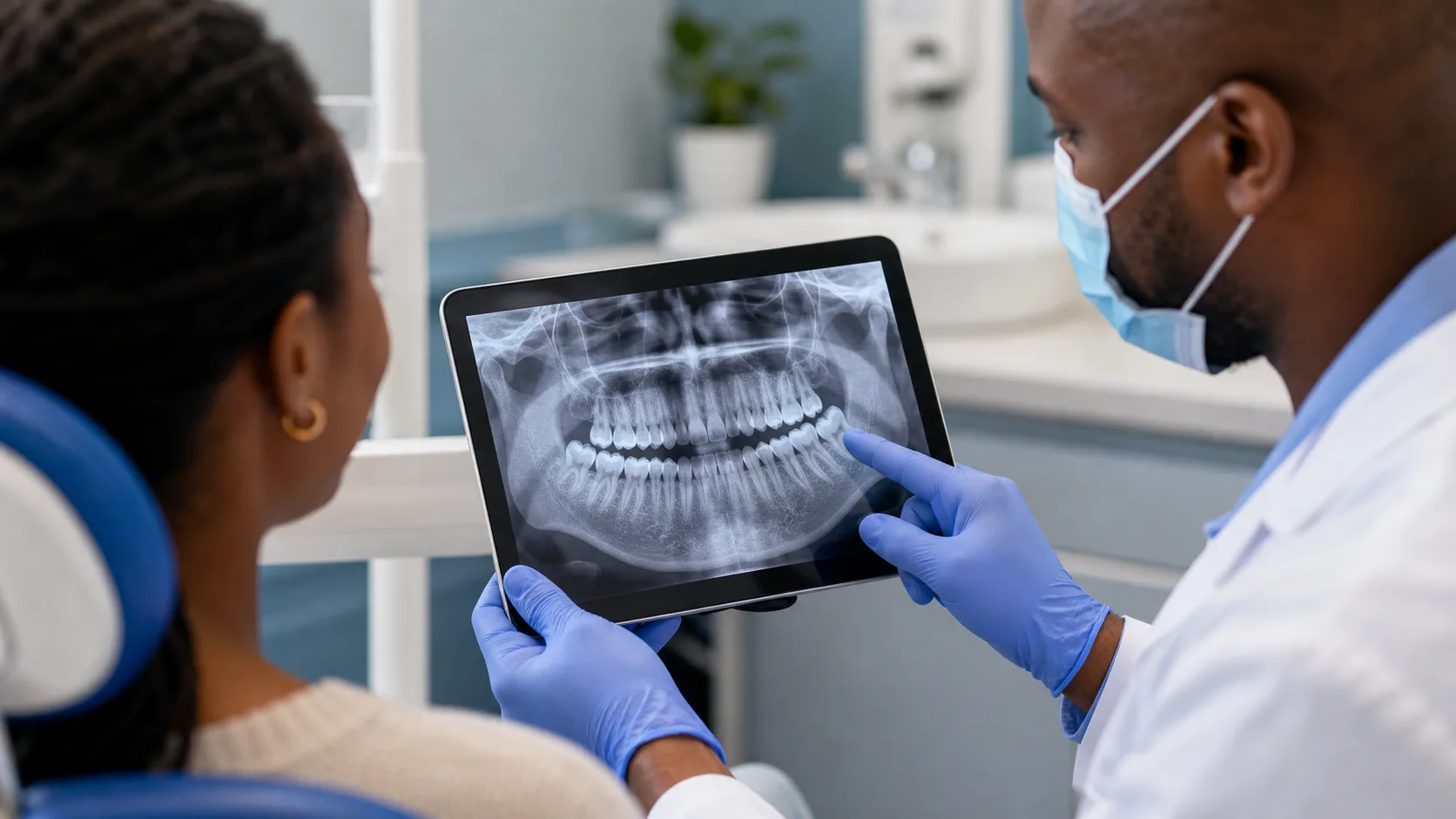

Treatment Guide
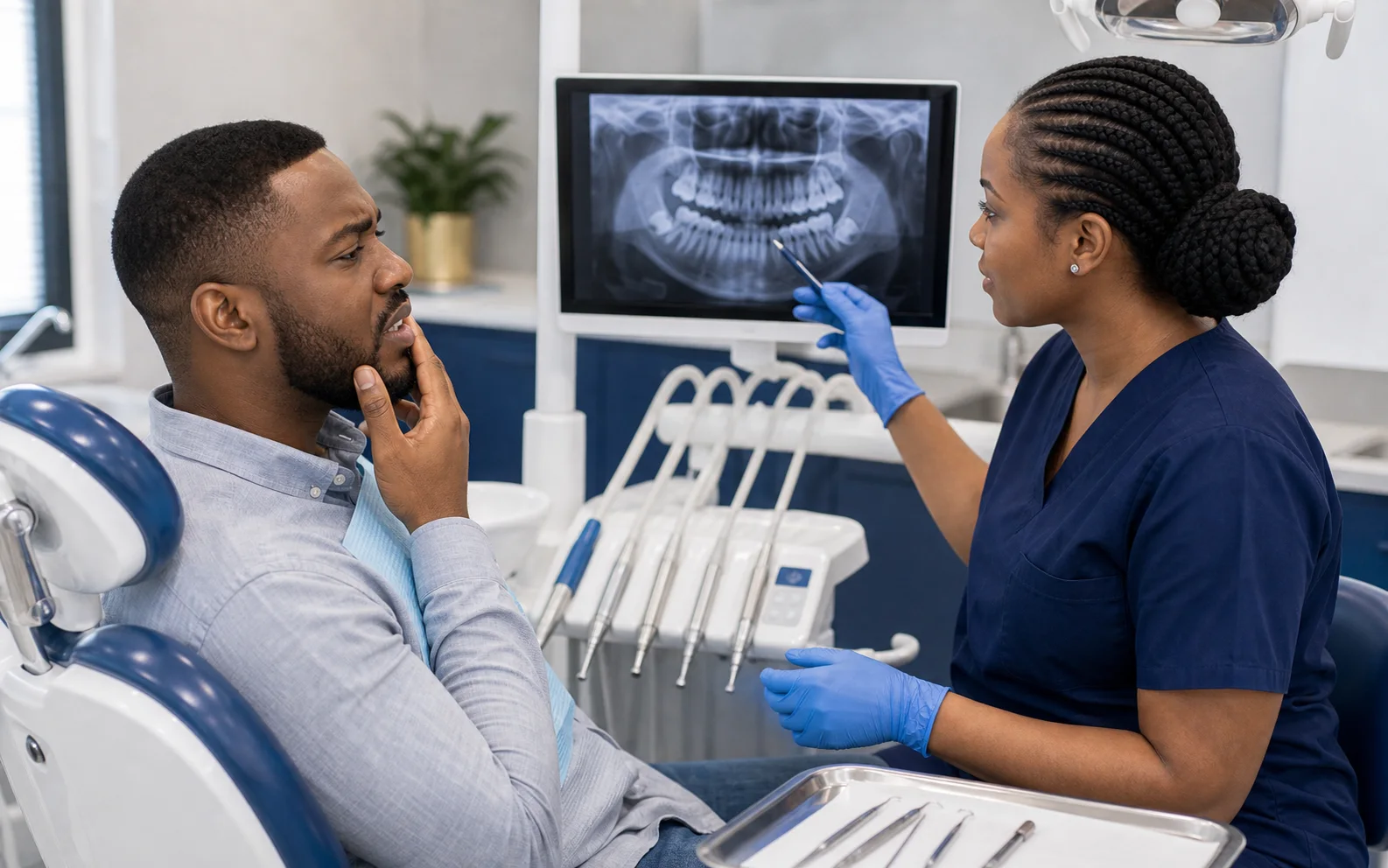
Wisdom tooth removal may be considered when a third molar causes pain, infection, decay, crowding pressure, or cleaning problems.
Wisdom teeth can erupt normally, remain partly covered by gum, grow at an angle, or stay impacted in the jaw. Problems often arise when food and bacteria collect around a partially erupted tooth, or when decay affects the wisdom tooth or the neighbouring second molar.
At Smile On Dental, removal is considered after assessment. Some wisdom teeth can be monitored, while others need planned removal because they repeatedly flare up or threaten nearby teeth. The recommendation depends on symptoms, position, hygiene access, and imaging findings.
Reasons to assess wisdom teeth
Wisdom tooth planning relies on understanding the tooth position, root shape, and nearby structures.
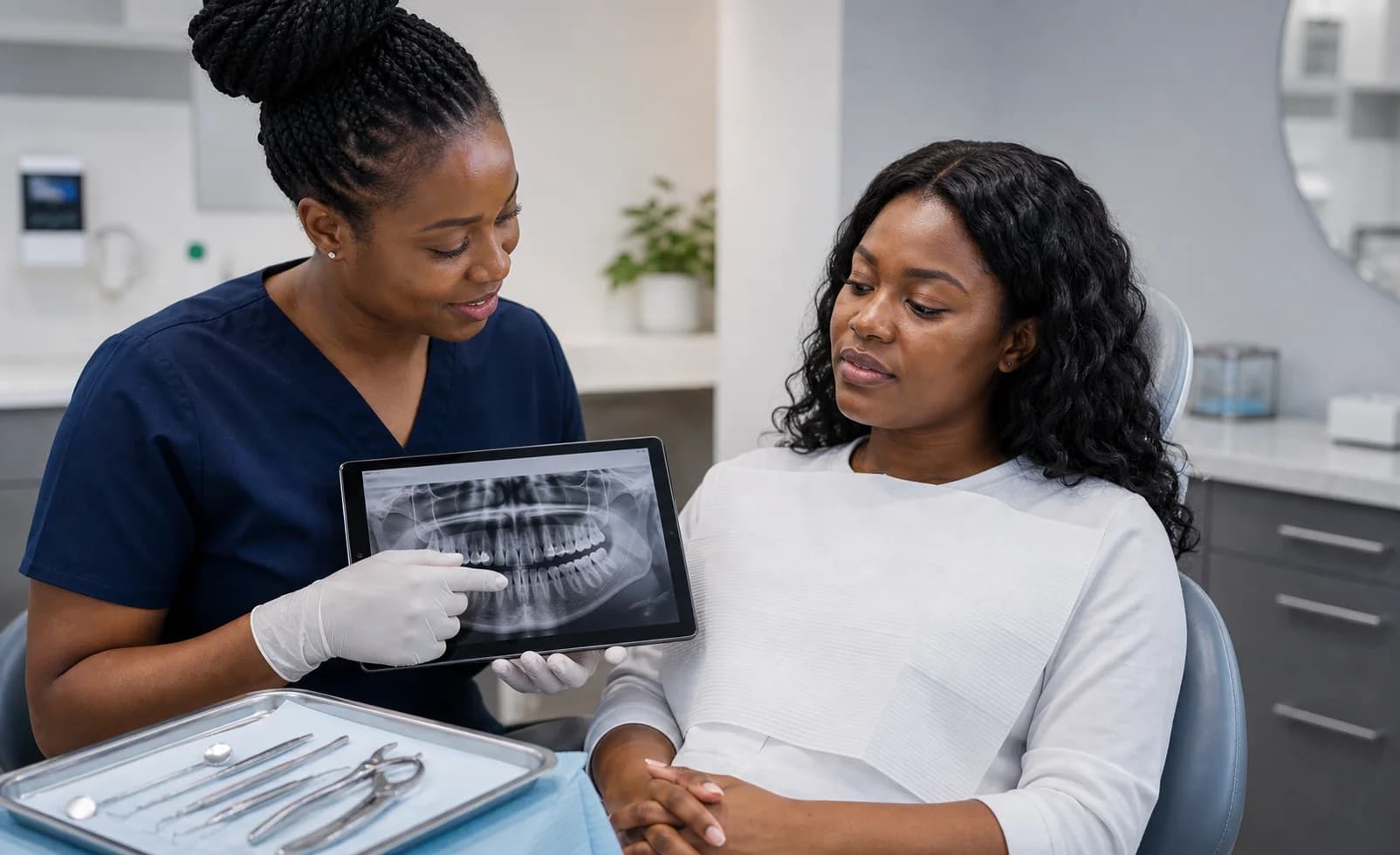
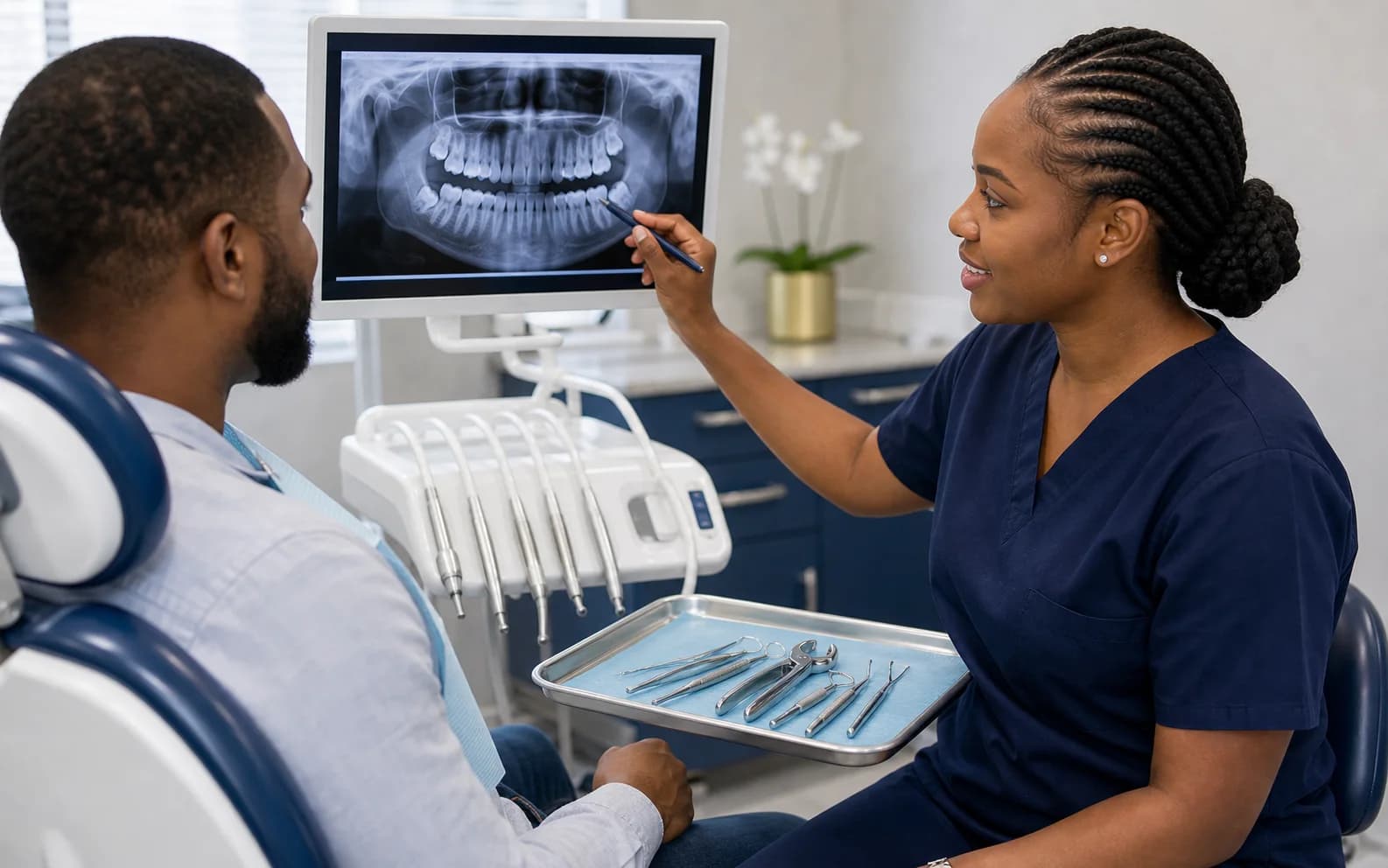
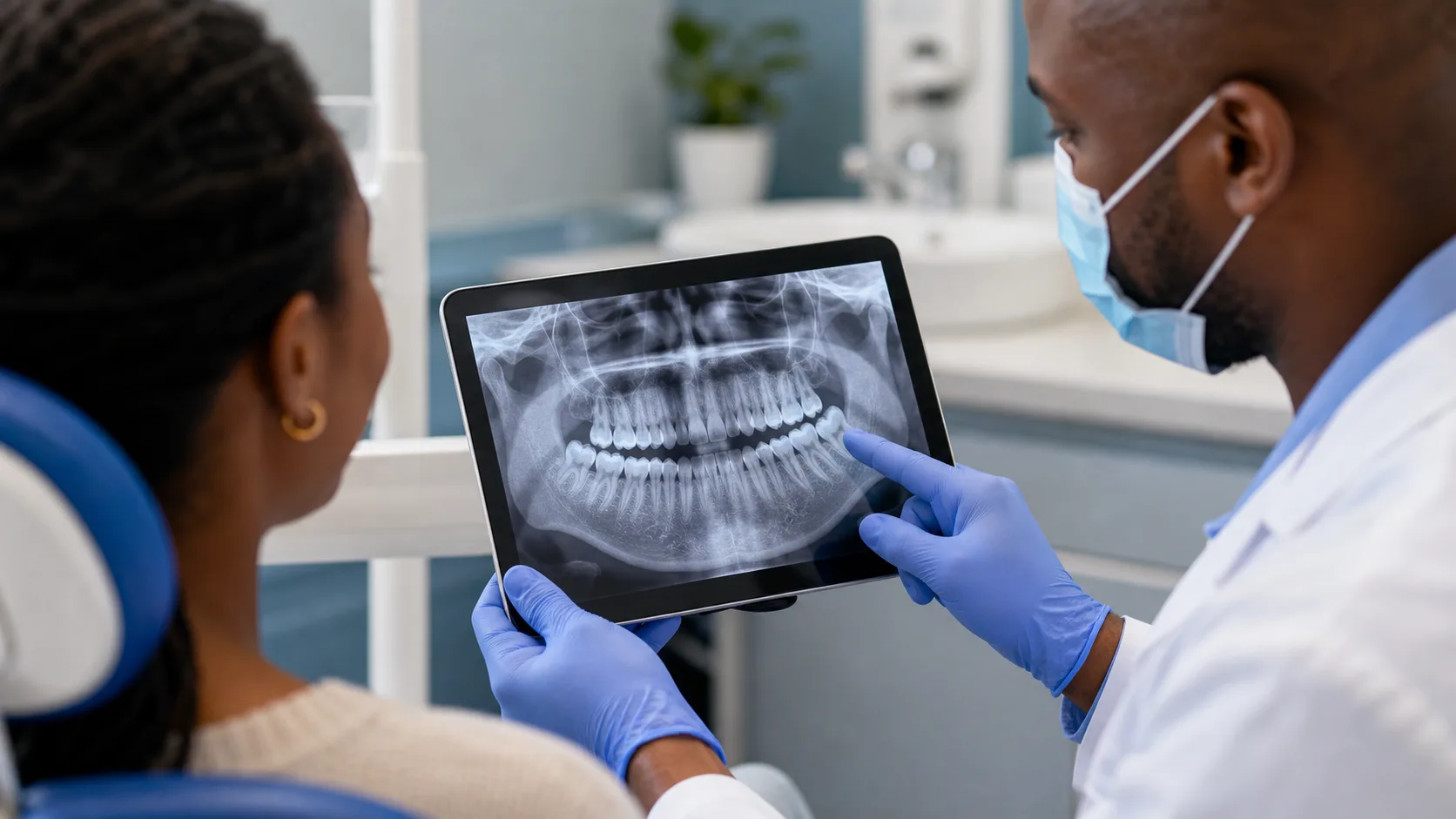
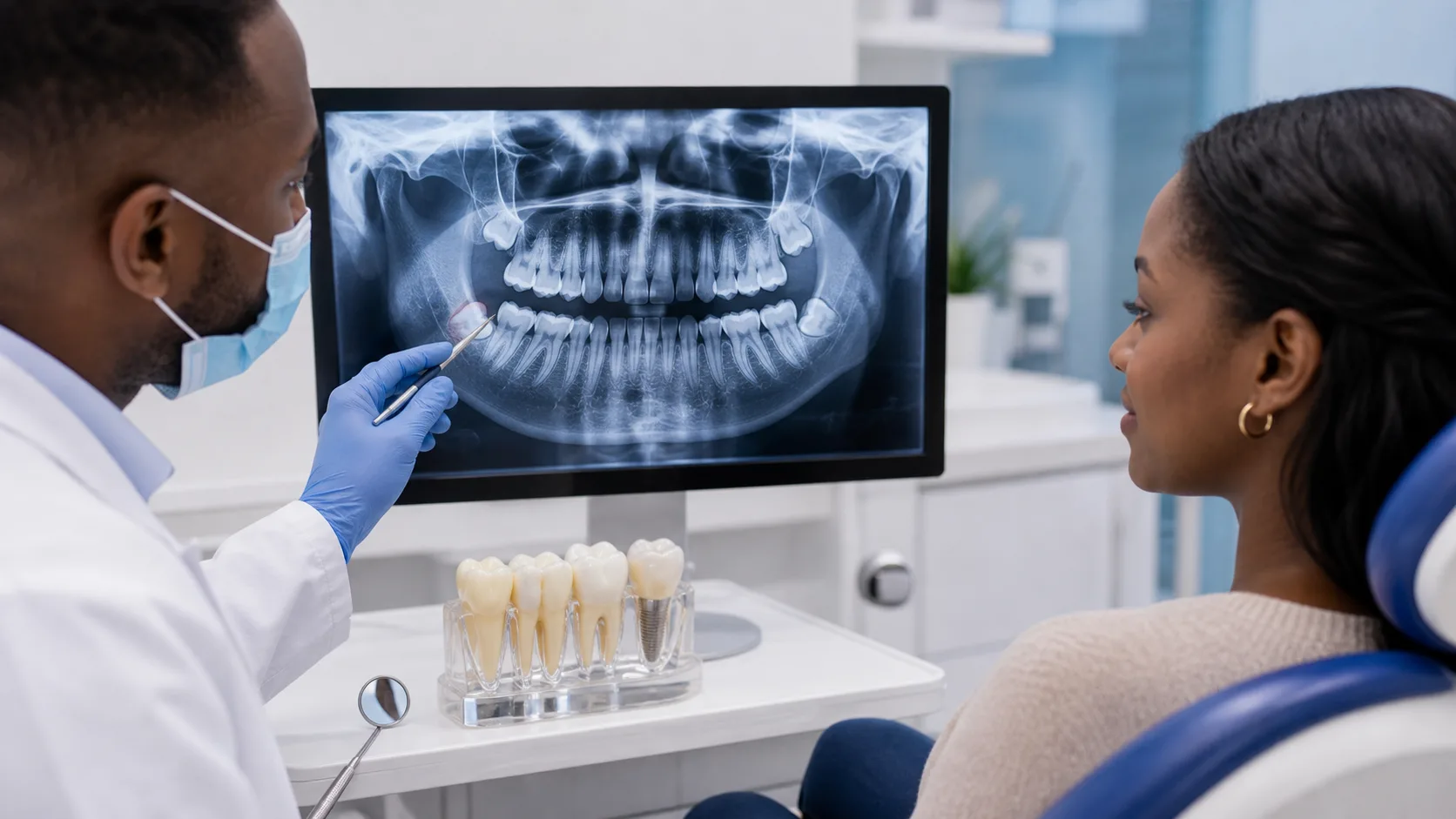
The dentist may check the gum around the wisdom tooth, mouth opening, bite, decay, swelling, and whether the tooth can be cleaned properly. X-rays help show whether the tooth is upright, angled, impacted, close to other roots, close to important structures, or associated with infection.
This assessment also helps decide whether removal can be managed at the practice or whether referral is more appropriate. Wisdom teeth vary widely, so advice should be based on imaging and examination rather than age alone.
Planning checks
The procedure can range from a straightforward extraction to a surgical removal, depending on the tooth.
If the wisdom tooth is fully erupted and accessible, removal may be similar to another extraction. If it is impacted, partly covered, or angled, the dentist may need a surgical approach, which can include controlled access, sectioning the tooth, or placing stitches.
The dentist should explain the approach before treatment, including what is known from the X-ray, whether alternatives such as monitoring are reasonable, and what aftercare is likely to involve. Patients should also understand whether one tooth or multiple wisdom teeth are being considered and why.
Procedure may involve
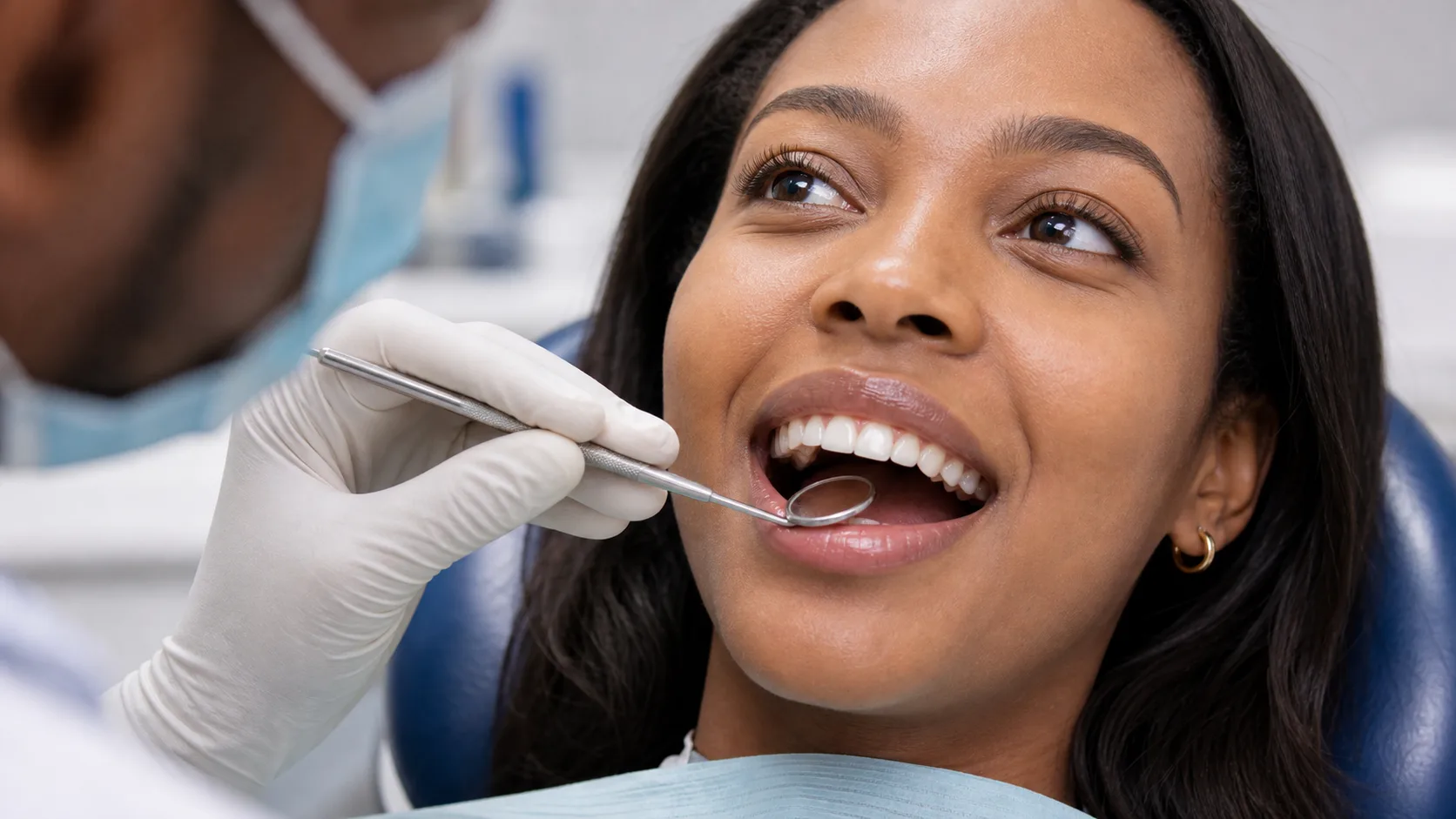
Preparation helps the patient understand the procedure, recovery expectations, and when to ask for help.
Before removal, patients should tell the dentist about medical conditions, medication use, allergies, previous extraction experiences, anxiety, and any current swelling or limited mouth opening. This information helps with planning and may affect whether treatment proceeds immediately.
During the appointment, patients should expect pressure and movement once the area is numb, but not sharp pain. The dentist can pause and reassess comfort if needed. Clear instructions before and after treatment reduce uncertainty during the first days of healing.
Before the appointment

Wisdom tooth recovery depends on the tooth position, procedure type, and how well aftercare instructions are followed.
The dentist will explain how to protect the clot, manage cleaning, eat comfortably, avoid smoking or vigorous rinsing, and use any medication as directed. If stitches are placed, the team will explain whether a review or removal appointment is needed.
Tenderness, swelling, bruising, or limited mouth opening can occur after more involved removals. Patients should contact the practice if bleeding is difficult to control, swelling worsens, pain increases after initially settling, a bad taste or discharge develops, or they are worried about healing.
Aftercare priorities
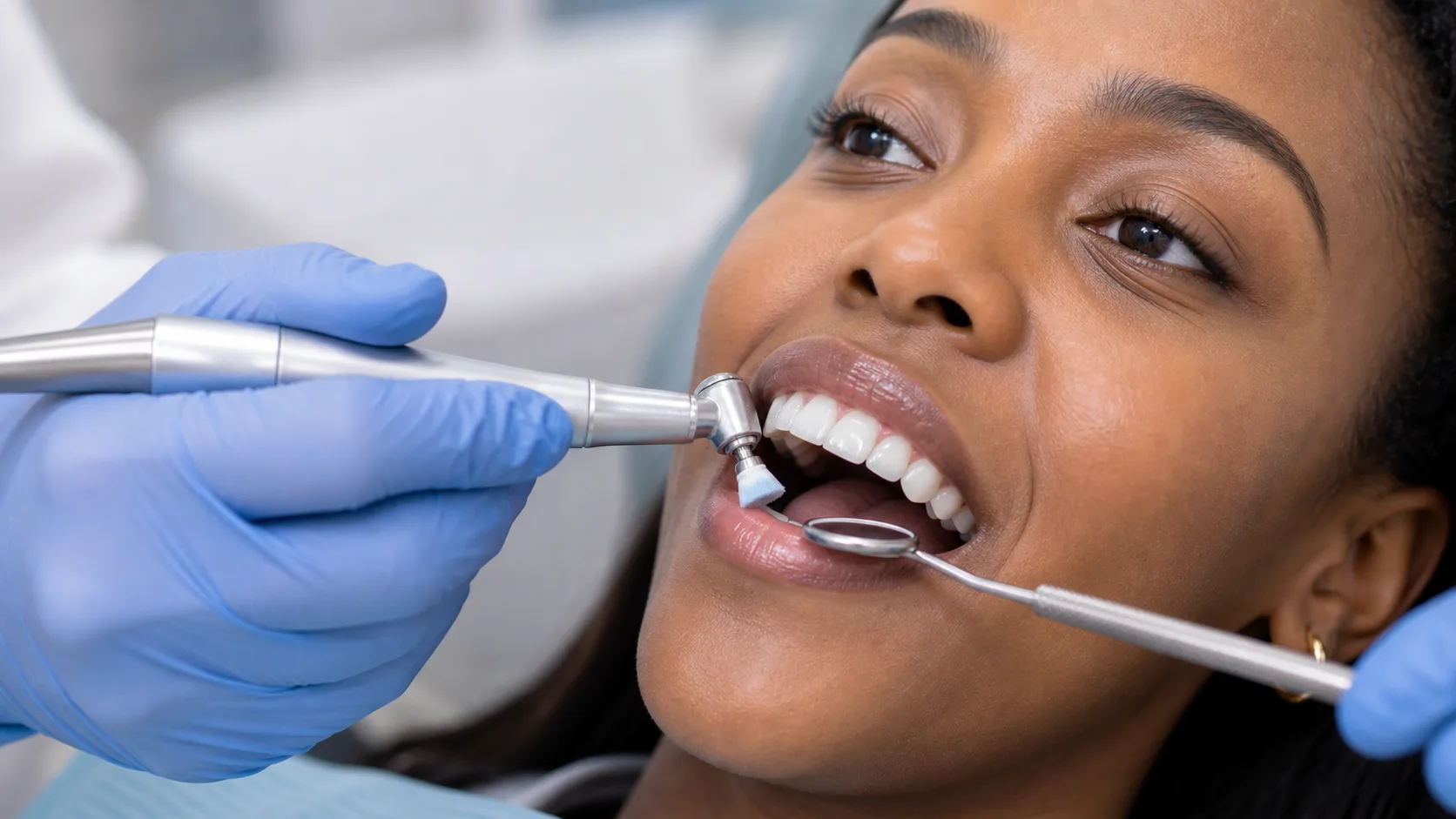
Timely wisdom tooth care can reduce repeated flare-ups and protect neighbouring teeth where risk is identified.
When a wisdom tooth repeatedly traps food or causes gum infection, treatment may reduce cycles of pain, swelling, and emergency visits. If decay is developing on the wisdom tooth or the tooth in front, earlier planning may help protect more important chewing teeth.
Not every wisdom tooth needs removal. The benefit of assessment is that the dentist can separate teeth that are healthy and cleanable from those that are causing problems or likely to create ongoing maintenance difficulties.
Potential benefits
Wisdom tooth removal costs depend on assessment, X-rays, tooth position, complexity, number of teeth, and follow-up needs.
A fully erupted wisdom tooth can involve different planning from an impacted tooth close to important structures. Cost may also depend on whether removal is simple or surgical, whether one or multiple teeth are treated, whether stitches are needed, and whether referral is recommended after imaging.
Smile On Dental can assess wisdom tooth symptoms and explain whether monitoring, treatment, or referral is the right next step. The takeaway is to book an assessment for repeated back-of-mouth pain, swelling, bad taste, or cleaning difficulty around a wisdom tooth.
Takeaway
Who It Helps
Treatment Journey
May be same-day or planned after X-ray review.
You may come in with pain at the back of the mouth, swelling, food trapping, gum infection, pressure, or repeated wisdom tooth flare-ups.
The dentist will ask when it started, what makes it better or worse, whether there is pain or sensitivity, and what you want the visit to help you solve.
What this first step covers
Before treatment starts, the dentist confirms what is actually going on.
The dentist checks the gum around the wisdom tooth, jaw opening, infection signs, tooth position, and X-rays to understand how difficult removal may be.
The dentist may then explain options such as Monitoring if removal is not immediately needed, Simple or surgical removal, Referral if position or risk makes the case complex, depending on what the examination shows.
What may be checked
Some treatments are completed in one appointment, while others need a separate visit.
If removal is recommended, the dentist explains numbing, pressure, possible sectioning, stitches where needed, and what the first few days of healing may feel like.
A second visit may be needed if infection must settle first, imaging is required, or surgical planning is more complex.
What you should know before leaving
The journey should end with you knowing how to protect the result.
A review may be booked if the extraction is surgical, symptoms were severe, or healing needs closer monitoring.
Aftercare covers bleeding control, soft foods, cleaning around the area, medication, swelling, and warning signs such as worsening pain or swelling.
Your home-care plan
Benefits
Suitability
Surgical & Emergency Dentistry
Pain, swelling, infection, trauma, or removal planning should start with diagnosis so the dentist can explain the safest next step and aftercare.
Suitability
The dentist considers symptoms, oral health, bite, medical history, expectations, and maintenance before recommending wisdom tooth removal.
Costs
Cost discussions are most useful after diagnosis because materials, complexity, visit count, and follow-up needs vary from patient to patient.
Appointment
Your dentist reviews your concern, oral health, and treatment goals before recommending next steps.
The team explains the likely process, timing, and care options in straightforward language.
Your treatment plan is shaped around comfort, function, appearance, and long-term oral health.
Costs & Aftercare
Before You Book
Mention whether you are booking for wisdom teeth, pain, appearance, function, prevention, or a second opinion.
At the Visit
Ask about diagnosis, options, number of visits, comfort, maintenance, and what could happen if treatment is delayed.
Aftercare
Your dentist will explain home care, review visits, and any symptoms that should be reported after treatment.
FAQs
The best starting point is a consultation. Your dentist will assess your teeth, gums, bite, symptoms, concerns, and smile goals before recommending a personalised treatment plan.
Yes. Use the Book an Appointment button to open the booking site and choose a convenient appointment time. You can also request a callback if you would prefer the practice team to contact you first.
Yes. You can request a callback if you prefer the practice team to contact you before booking. This can be helpful when you are unsure whether you need a routine visit, cosmetic consultation, orthodontic assessment, or urgent support.
Yes. Costs depend on the diagnosis, treatment complexity, materials, and number of visits required. Your dentist can explain the recommended next step before treatment begins.
Bring your identification, medical history, current medication details, previous dental information if available, and any questions you want to discuss with the dentist.
Book an assessment so the dentist can diagnose the cause before you choose a treatment. Pain or swelling may need urgent attention, X-rays, restorative care, or another clinical next step.
Related Treatments
Helpful Articles
Locations
City Treatment Pages
Clinical Leadership

Dr. Kholofelo Machaba-Selatole leads Smile On Dental & Aesthetic Studio with a warm, patient-focused approach to family, restorative, cosmetic, and orthodontic care.
60+ five-star patient reviews across Pretoria and Polokwane.
"Customer care is superb, very friendly front desk staff. I'm happy to have gained my confidence back."

Polokwane
"From reception right into the doctor's consultation room it was all smiley faces that welcomed us."

Polokwane
"The best dental service I have seen in Pretoria, cannot wait for my next appointment."

Pretoria
"Customer care is superb, very friendly front desk staff. I'm happy to have gained my confidence back."
Polokwane
"From reception right into the doctor's consultation room it was all smiley faces that welcomed us."
Polokwane
"The best dental service I have seen in Pretoria, cannot wait for my next appointment."
Pretoria
Book a Consultation