

Quick Answer
After a tooth extraction, the first few hours focus on controlled pressure, rest, and protecting the blood clot. The first day is usually about soft food, avoiding rinsing or straws, and following the dentist's medicine instructions. Days 2 to 3 may bring soreness, swelling, and bruising, while the first week usually shifts toward gentle cleaning and gradual return to normal routines. Healing timing varies by tooth, complexity, medical history, smoking, oral hygiene, and whether the extraction was simple, surgical, or wisdom-tooth related.
- Protecting the blood clot in the socket is the main priority during the first 24 hours.
- Soreness, mild oozing, swelling, bruising, and jaw stiffness can be part of normal recovery, especially after more complex removal.
- Worsening pain after a few days, uncontrolled bleeding, fever, pus, spreading swelling, or trouble swallowing or breathing should be checked promptly.
Recovery depends on the type of extraction
A tooth extraction recovery timeline is useful, but it should not be read as a guarantee that every socket heals on the same schedule. A small, straightforward tooth removal may feel easier within a few days. A surgical extraction, impacted wisdom tooth, infected tooth, broken root, or tooth removed from dense bone can need more time and more careful aftercare.
The dentist's instructions from the appointment matter most because they are based on the tooth removed, whether stitches were placed, whether an X-ray was needed, the patient's medical history, and any medicines prescribed. Patients should also tell the dentist about blood thinners, immune concerns, diabetes, smoking, pregnancy, allergies, and previous dry socket before or during treatment planning.
The broad goal after removal is the same: allow a stable blood clot to form, avoid disturbing the socket, keep the rest of the mouth clean, and report symptoms that move away from normal healing. If the extraction was for pain or infection, it is also important not to assume every symptom has been solved immediately. The tissue still needs time to settle, and some cases need review or replacement planning after initial healing.
- Simple extractions may settle faster than surgical extractions.
- Wisdom-tooth removal may involve more swelling, jaw stiffness, and review needs.
- Smoking, poor oral hygiene, difficult removal, and disturbed clots may increase dry socket risk.
- Medication and medical history can change aftercare instructions.
The recovery timeline at a glance
Most patients want to know what is normal and when to worry. The table below gives a practical recovery map, but it should be adjusted to the instructions given at the appointment. If your dentist gives different timing, follow that advice because it reflects your actual extraction.
The biggest early priority is not speed. It is stability. A clot that stays protected gives the socket a better chance to heal without avoidable irritation. That is why the first day often feels stricter than the rest of the week.
| Stage | What may be expected | Main focus |
|---|---|---|
| First hours | Numbness, gauze pressure, mild oozing, early tenderness as anaesthetic wears off. | Rest, bite on gauze as instructed, avoid hot food and drinks while numb. |
| First day | Tenderness, mild bleeding or pink saliva, need for soft foods and reduced activity. | Protect the clot, avoid rinsing hard, spitting forcefully, smoking, alcohol, and straws. |
| Days 2 to 3 | Soreness, swelling, bruising, jaw stiffness, and a strange-looking socket may be noticed. | Use medicines as directed, keep cleaning gentle, watch whether symptoms are improving or worsening. |
| First week | Gradual improvement, easier eating, less swelling, possible stitch changes if sutures were placed. | Return to routine carefully, avoid hard food near the socket, follow any review plan. |
| After one week | Soft tissue may feel much better, while deeper bone and gum healing continue. | Book review if pain, bad taste, swelling, bleeding, or function is not settling. |
First hours: protect the blood clot
The first few hours after tooth removal are about clot formation. The dentist may place gauze and ask the patient to bite down with steady pressure. A small amount of oozing can be normal, and saliva can make bleeding look heavier than it is. If fresh bleeding continues, the patient should follow the practice's instructions for gauze pressure and contact the dentist if it does not settle.
Numbness can last for a few hours, so eating and drinking need care. Hot drinks, chewing while numb, and biting the cheek or tongue can cause injuries that are easy to miss at first. Soft, cool or lukewarm foods are usually safer early on, but the exact food advice may change if the extraction was surgical or if other treatment was done at the same visit.
This stage is also when patients should avoid actions that can pull at the clot. Forceful spitting, vigorous rinsing, drinking through a straw, smoking, alcohol, and heavy activity can disturb early healing. If medication was prescribed, it should be taken only as directed. Do not add extra medicines, aspirin, antibiotics, or mouth rinses unless the dentist or pharmacist has said they are suitable for you.
- Keep steady pressure on gauze for the time advised.
- Rest with your head supported and avoid heavy activity.
- Stay careful while numb, especially with hot drinks and chewing.
- Avoid disturbing the socket with rinsing, spitting, straws, smoking, or fingers.

First day and days 2 to 3
During the first day, the socket may feel tender and the mouth may feel different. Pink saliva, mild oozing, a metallic taste, and discomfort as the anaesthetic wears off can happen. The patient should keep food soft, chew away from the extraction site where possible, and avoid anything that can break into sharp pieces or pack into the socket.
By days 2 to 3, some patients feel noticeably better, while others notice swelling, bruising, jaw stiffness, or a deeper ache. This is especially common after surgical removal or wisdom-tooth extraction. The useful question is whether symptoms are broadly moving in the right direction. Tenderness that slowly improves is different from pain that suddenly becomes stronger or starts spreading to the ear, temple, neck, or side of the face.
The socket can look uneven, pale, dark, or unusual during healing. Looking at it repeatedly usually does not tell the patient whether it is healing well. Symptoms and function are more useful. If the pain is worsening instead of improving, if the taste or smell is getting worse, or if swelling is increasing, the dentist should review the site.
- Eat soft foods and avoid chewing directly on the socket.
- Keep brushing other teeth, but be gentle around the extraction area.
- Do not poke the socket with fingers, toothpicks, or a toothbrush.
- Watch for pain that is getting stronger after initially settling.

First week: cleaning, food, and activity
The first week is when many patients start returning to normal routines, but the socket still needs protection. A soft diet is usually easier at first. Hard, crunchy, sticky, spicy, or seedy foods can irritate the area or become trapped. Chewing on the other side can help, but patients should not force normal eating before the mouth is ready.
Cleaning should be gentle and practical. The rest of the teeth still need brushing because plaque and food build-up can irritate the mouth. Around the extraction site, follow the dentist's timing for rinsing, salt-water rinses, or any prescribed mouthwash. Some instructions ask patients to avoid rinsing early, then begin gentle rinses later. The key word is gentle: vigorous swishing and forceful spitting can disturb healing.
Activity should return gradually. Desk work and light routines may feel manageable sooner than sport, heavy lifting, long shifts, or strenuous exercise. If activity increases throbbing or bleeding, slow down and follow the dentist's advice. Patients who had sedation, a surgical extraction, or multiple teeth removed may also have specific driving, work, or supervision instructions from the treatment team.
| Topic | Often helpful | Avoid unless cleared |
|---|---|---|
| Food | Soft meals, chewing away from the site, plenty of fluids. | Hard crusts, nuts, seeds, chips, sticky sweets, and very hot foods early on. |
| Cleaning | Brush other teeth and clean gently near the site as instructed. | Forceful rinsing, poking, or trying to scrape the socket clean. |
| Activity | Rest first, then return gradually as symptoms settle. | Heavy exercise if it triggers bleeding, throbbing, or dizziness. |
| Habits | Follow medicine instructions and keep the mouth clean. | Smoking, vaping, alcohol, and straw use during early clot protection. |
When a second visit may be needed
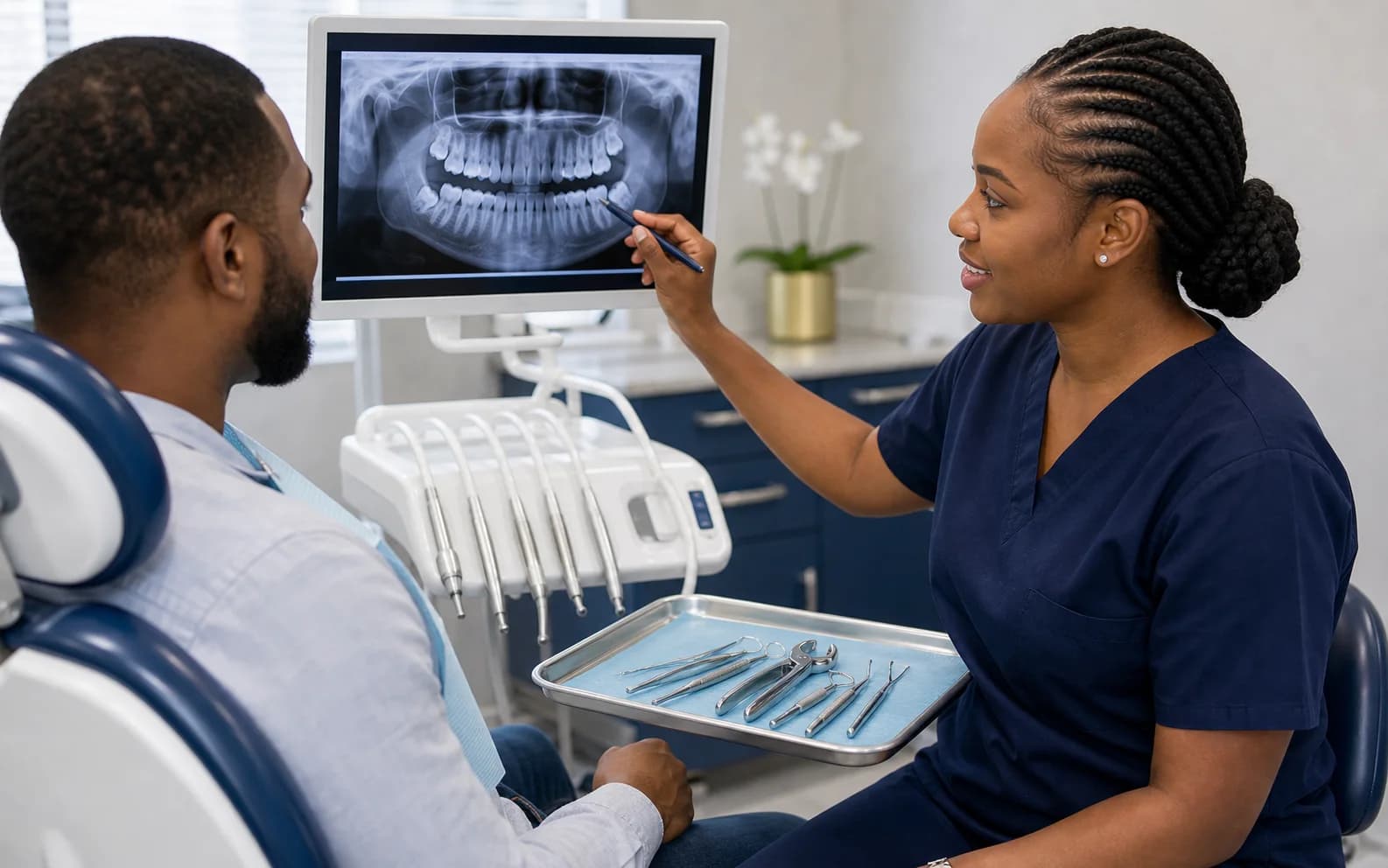
A second visit is not automatically a sign that something has gone wrong. Some extraction plans include a review, especially after surgical removal, wisdom-tooth extraction, stitches, infection, difficult root removal, or when the dentist wants to check healing before planning the next stage of care.
A review may also be needed if symptoms change. The dentist may check whether food is trapped, whether the socket is healing as expected, whether dry socket may be present, whether stitches need attention, or whether infection needs treatment. If a medicated dressing is placed for dry socket symptoms, more than one visit may be needed to change or remove it.
Second visits can also be about long-term planning. If the removed tooth affects chewing, appearance, bite support, or nearby teeth, the dentist may discuss replacement options after initial healing. That discussion may include monitoring, a bridge, denture, implant assessment, or another restorative option depending on the mouth, budget, bone, gum health, and patient goals.
- Planned review after surgical or wisdom-tooth removal.
- Assessment of worsening pain, swelling, bad taste, bleeding, or food trapping.
- Stitch review if sutures were placed and the dentist wants to check the area.
- Replacement planning when the missing tooth affects function or appearance.
Warning signs after tooth removal
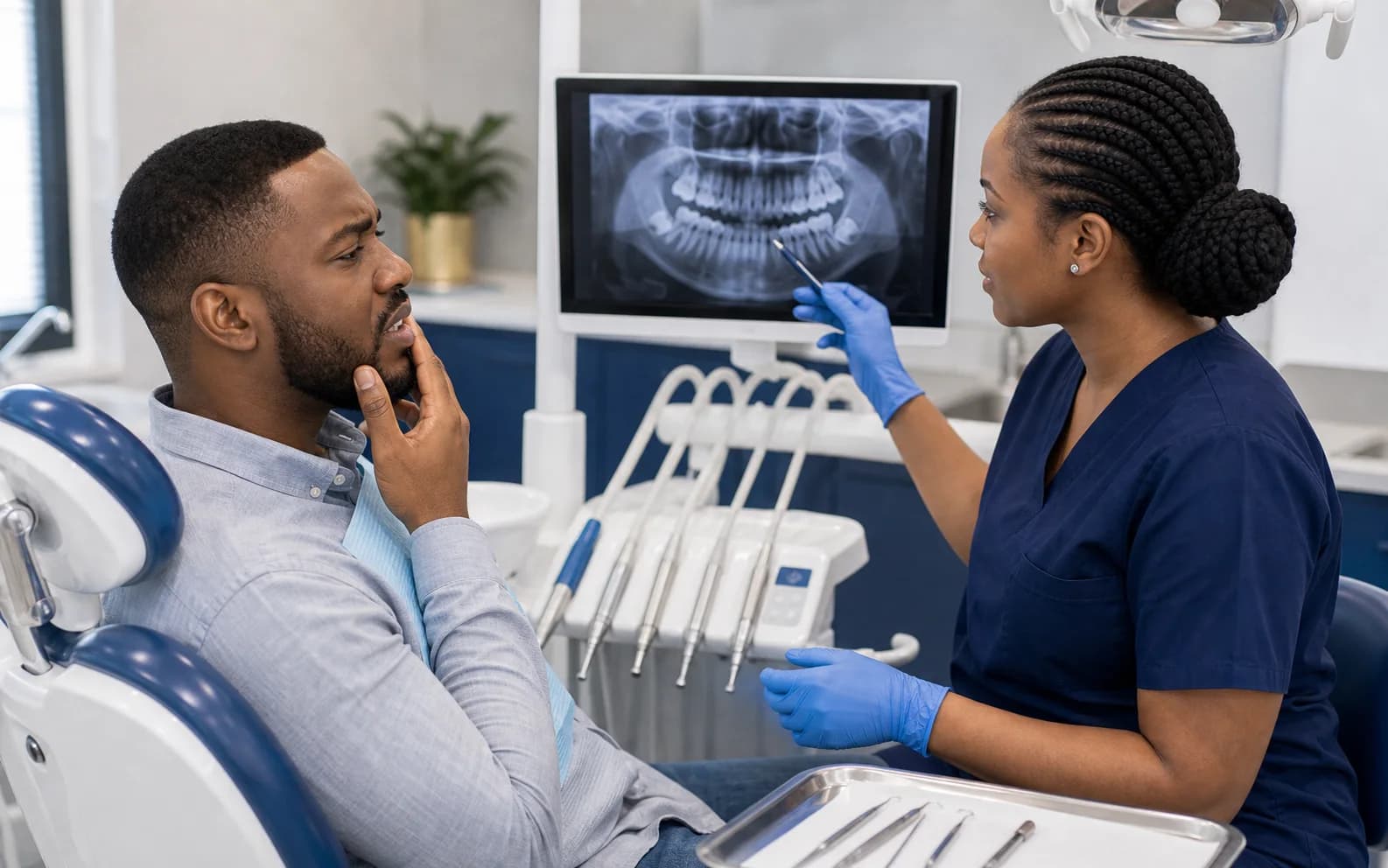
Some discomfort after removal is expected, but certain symptoms should not be watched for too long at home. Contact the dentist if pain is worsening after a few days, if pain spreads toward the ear or side of the face, if there is a bad taste or smell that is getting worse, or if the socket feels increasingly painful after it seemed to be settling.
Bleeding that does not reduce with the pressure instructions given by the dentist should be checked. So should swelling that is spreading, pus, fever, chills, rash, hives, or symptoms that feel out of proportion to the expected recovery. Difficulty breathing, difficulty swallowing, chest pain, or rapidly spreading facial or neck swelling needs urgent medical help.
Dry socket is one possible reason for severe pain after extraction, but patients should not try to diagnose it by appearance alone. Other causes can include trapped food, infection, trauma to the area, bite irritation, or a problem unrelated to the extraction. The safest next step is assessment, especially if symptoms are getting worse rather than gradually better.
- Call the dental practice if pain is worsening after the first few days.
- Seek prompt dental advice for bad taste, bad smell, pus, fever, or spreading swelling.
- Use emergency medical services for trouble breathing, trouble swallowing, chest pain, or rapidly spreading swelling.
- Book urgent dental care if bleeding remains heavy despite following pressure instructions.
How Smile On Dental can help with extraction recovery
Patients considering tooth removal can use a consultation to understand why extraction is being recommended, whether a simple or surgical approach may be needed, and what aftercare should look like. The dentist may assess the tooth, gum, bite, symptoms, X-rays where clinically useful, and any medical factors that could affect healing.
If the concern is a wisdom tooth, broken tooth, swelling, or an extraction site that is not settling, the appointment should focus on diagnosis and next steps rather than promises about timing. Recovery can only be guided properly when the dentist knows what was removed, how it was removed, and what symptoms are present now.
For local patients, the related extraction pages can help with treatment context before booking. The main tooth extraction page explains the service, the Pretoria and Polokwane pages help patients choose a practical city starting point, and the wisdom tooth, surgical extraction, and emergency pages support more specific situations.
- Use an assessment to confirm whether removal is needed.
- Ask what aftercare applies to your specific extraction.
- Report symptoms that worsen rather than improve.
- Discuss replacement planning after initial healing when a missing tooth affects function.
Internal Links
Related dental care
Sources
Useful information

Written by
Dr. Kholofelo Machaba-SelatoleChief Dentist & Practice Director
Dr. Kholofelo Machaba-Selatole leads Smile On Dental & Aesthetic Studio with a warm, patient-focused approach to family, restorative, cosmetic, and orthodontic care.
View Profile