First Step
Consultation
The dentist checks your concern and confirms whether this treatment is suitable before care begins.
Surgical & Emergency Dentistry
Book Emergency Dental Care with Smile On Dental. Start with an assessment, understand your options, and get clear next steps before treatment begins.
Quick Summary
First Step
The dentist checks your concern and confirms whether this treatment is suitable before care begins.
Best For
Suitability depends on oral health, symptoms, goals, and clinical findings.
Planning
Timing, visits, cost factors, and aftercare are explained after the assessment.
Branch Access
Use the location section to choose the branch that is easiest for you to attend consistently.
Overview
Treatment Introduction
Emergency dental care helps patients get assessed when pain, swelling, injury, or a broken tooth needs prompt attention. The first step is diagnosis, followed by the most appropriate treatment recommendation.
Decision Support
Smile On Dental uses the visit to understand your symptoms, goals, oral health, and expectations before recommending a suitable treatment plan.
Visual Guide

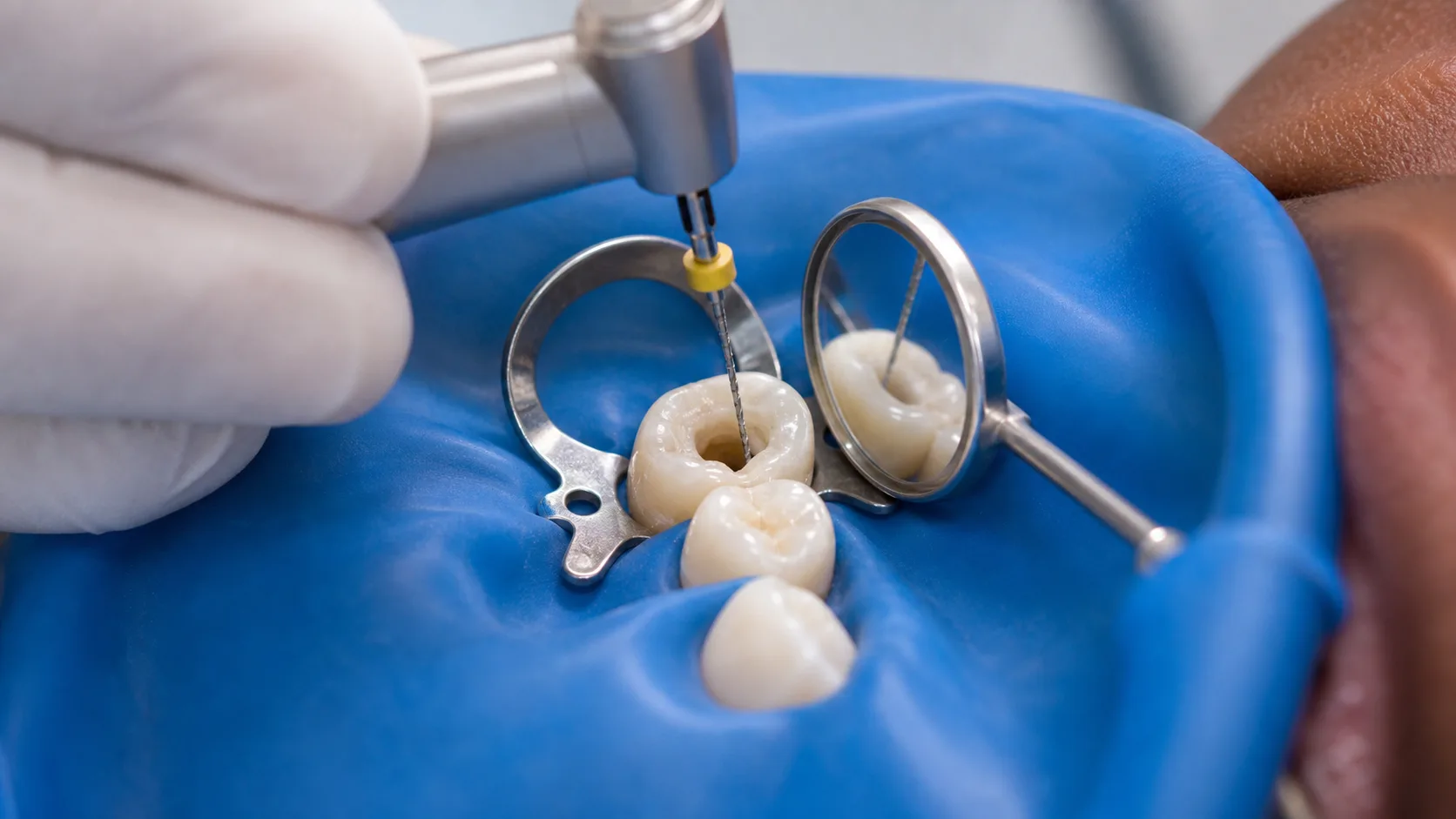
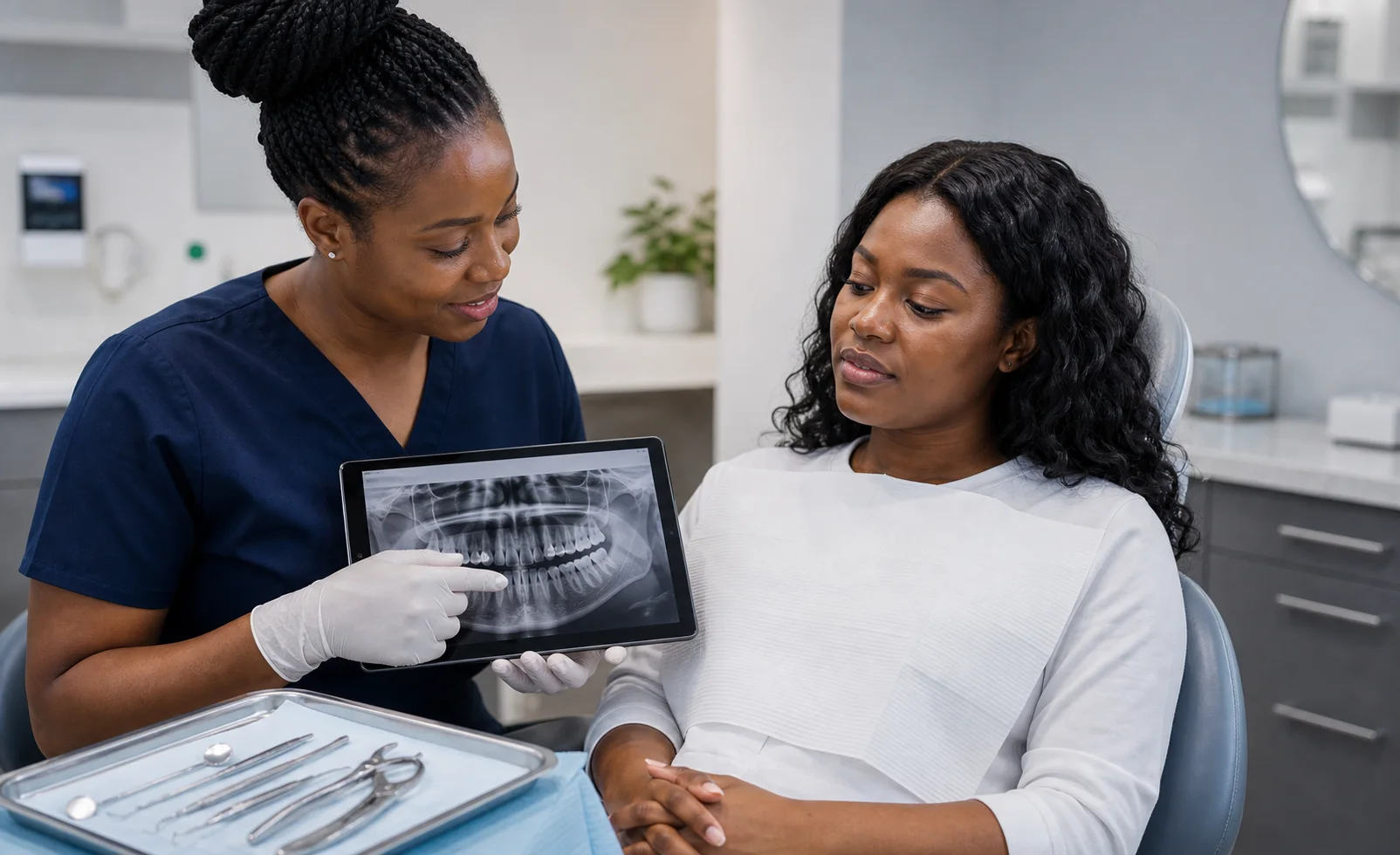
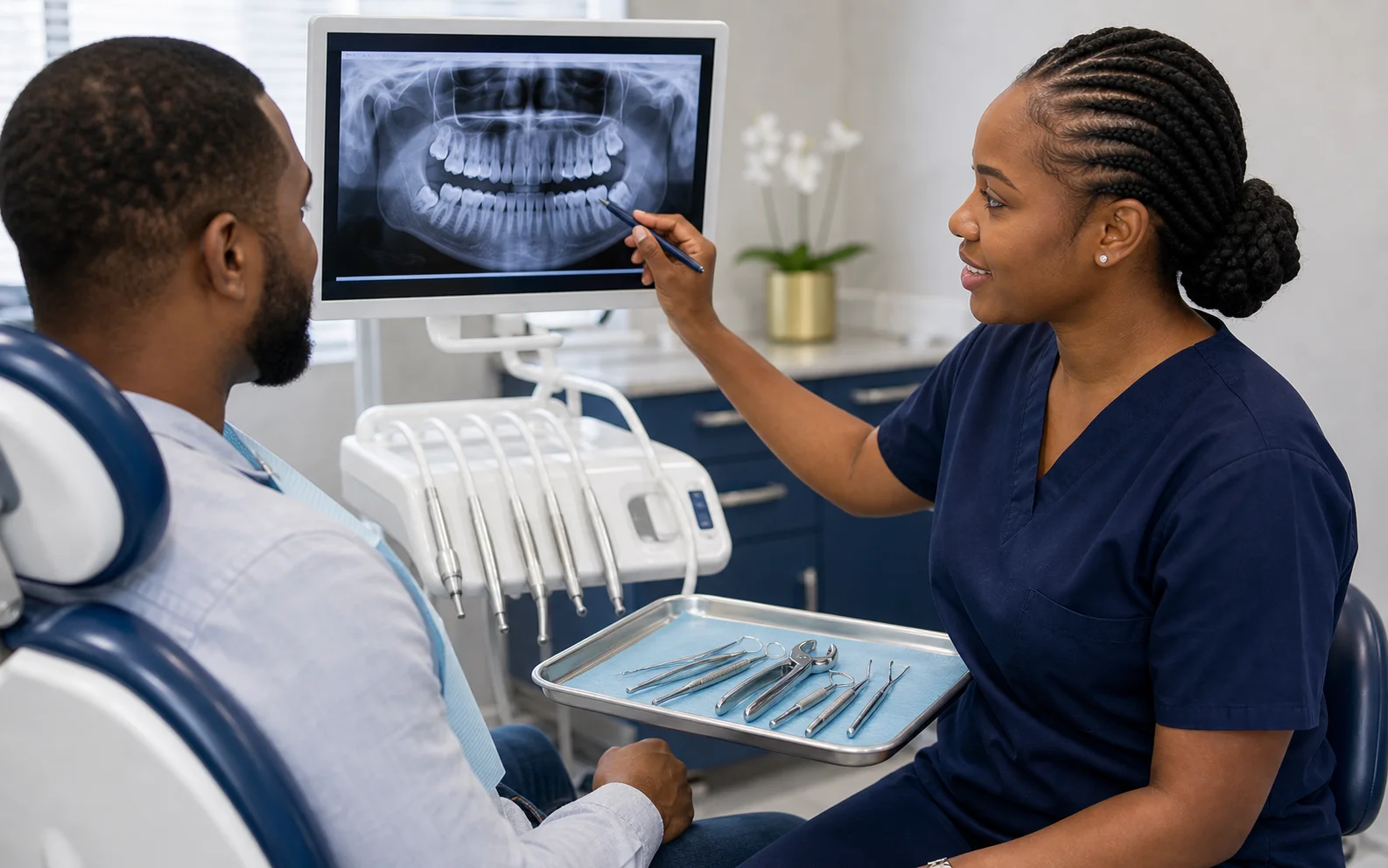
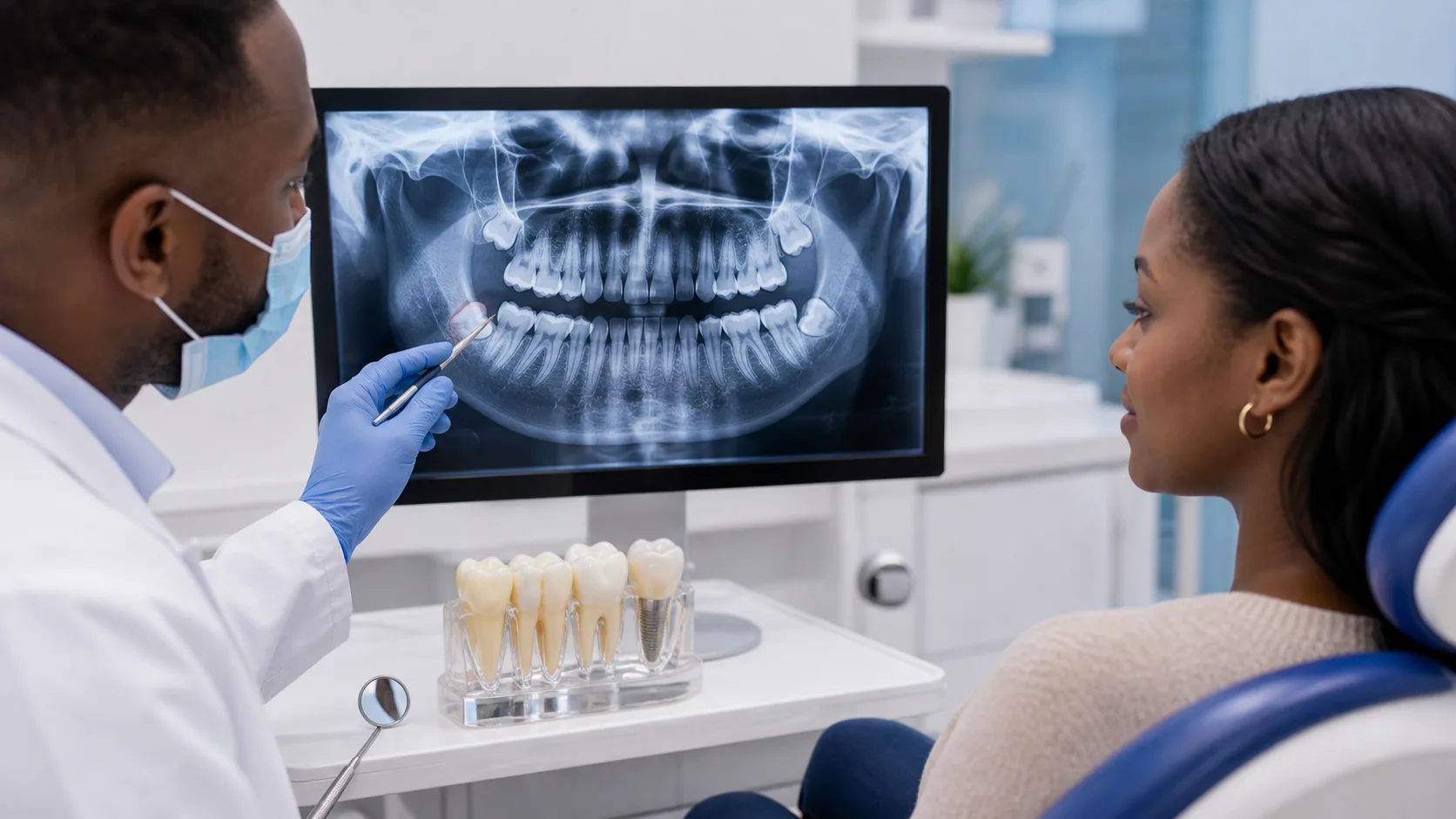
Treatment Guide
Emergency dental care is for urgent symptoms that need assessment, relief, or direction before the problem worsens.
Patients may need urgent help for severe toothache, swelling, dental trauma, a knocked tooth, a broken tooth, uncontrolled bleeding after dental treatment, a lost filling causing pain, or signs of spreading infection. The dentist needs to assess the problem before confirming the cause or the safest next step.
Smile On Dental encourages patients not to self-diagnose urgent dental symptoms. Pain can come from decay, cracks, gum infection, bite trauma, wisdom teeth, sinus-related pressure, or other causes. A prompt assessment helps identify the next safe step.
Urgent signs to check
The first emergency visit is often about identifying the problem, reducing risk, and deciding what should happen next.
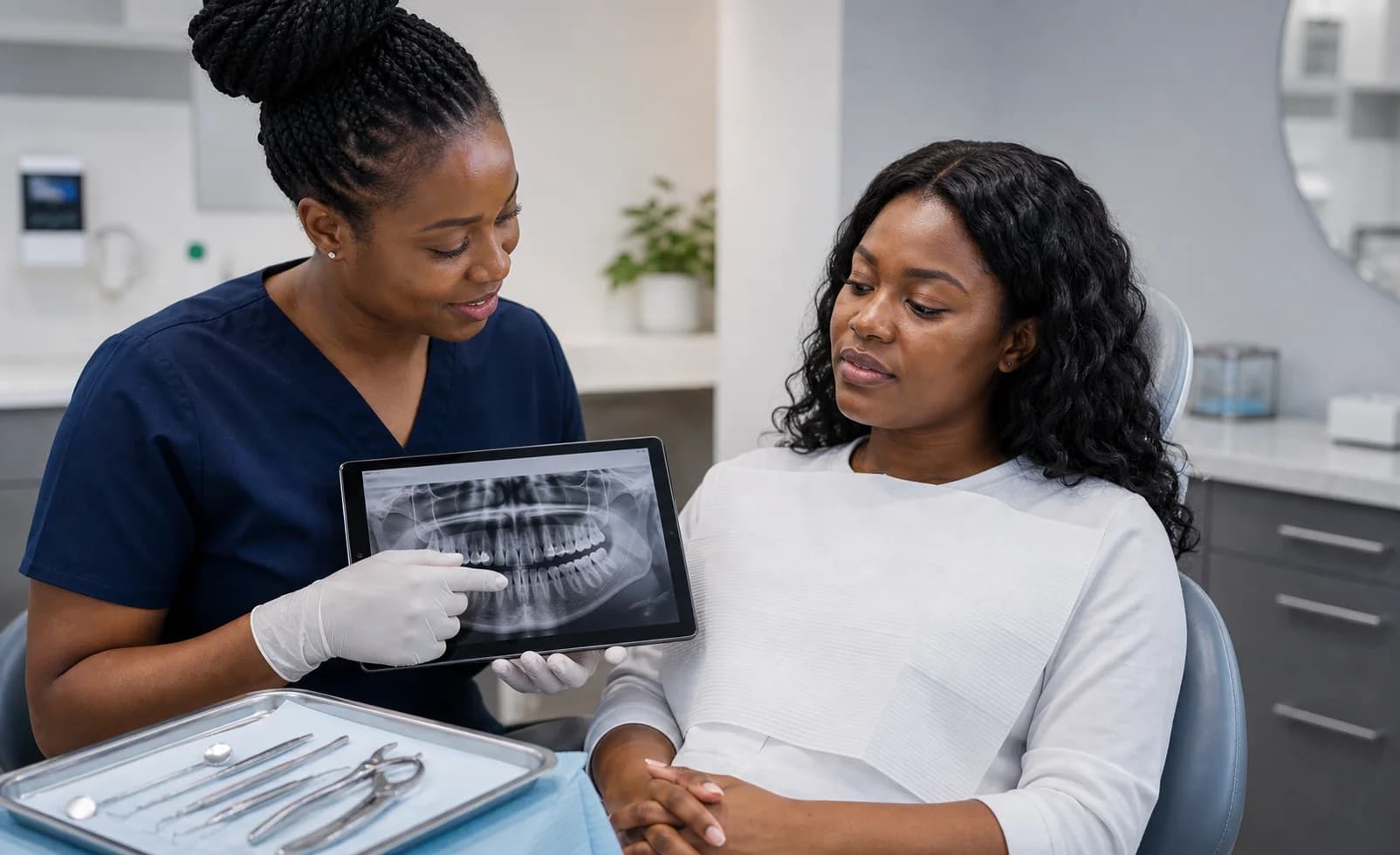
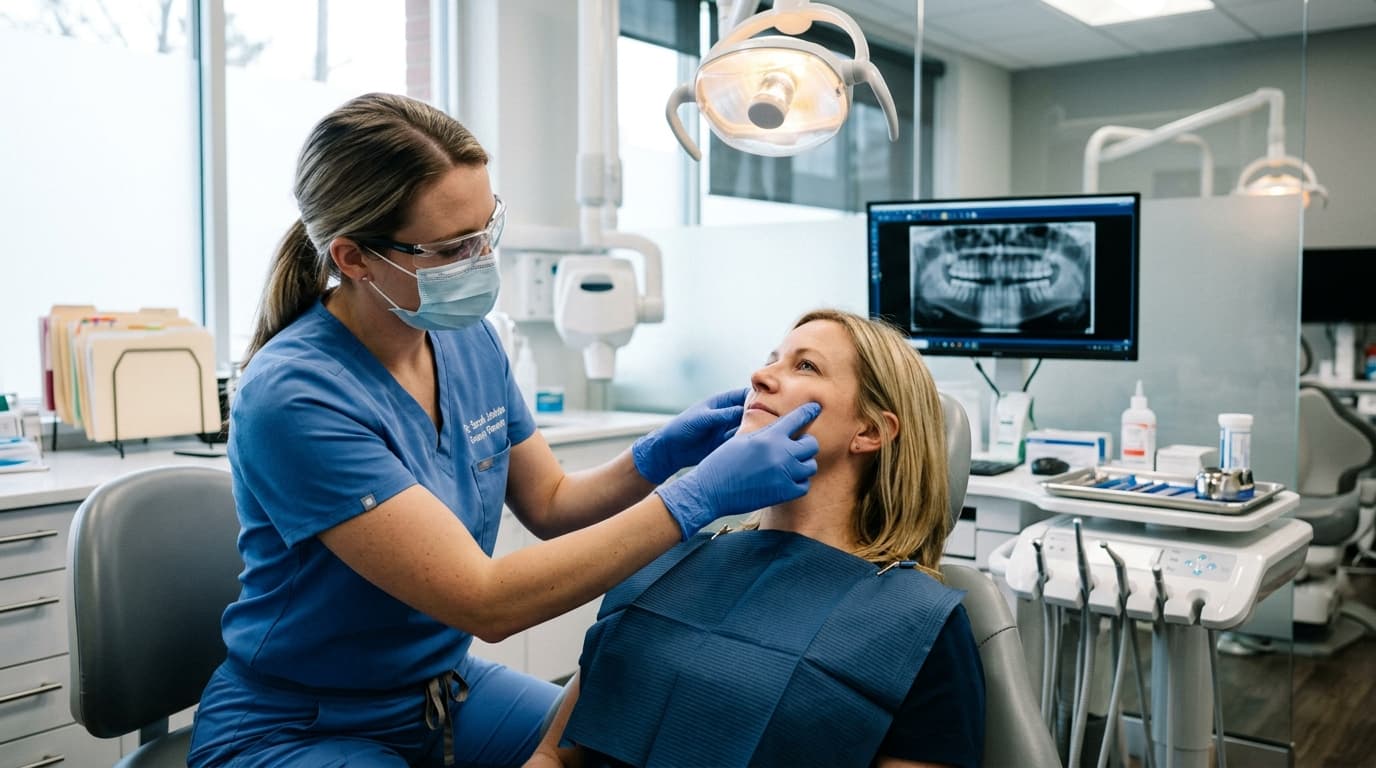
The dentist may ask when symptoms started, what makes them worse, whether swelling is spreading, whether there has been trauma, and whether the patient has fever, difficulty swallowing, or difficulty opening the mouth. The examination may include X-rays where they are needed.
Not every emergency can be fully completed in one appointment. Sometimes the immediate goal is pain relief support, infection control advice, temporary repair, smoothing a sharp edge, stabilising trauma, or arranging the correct follow-up treatment after diagnosis.
Assessment may include

Emergency treatment depends on the diagnosis, urgency, and what can be safely managed at the appointment.
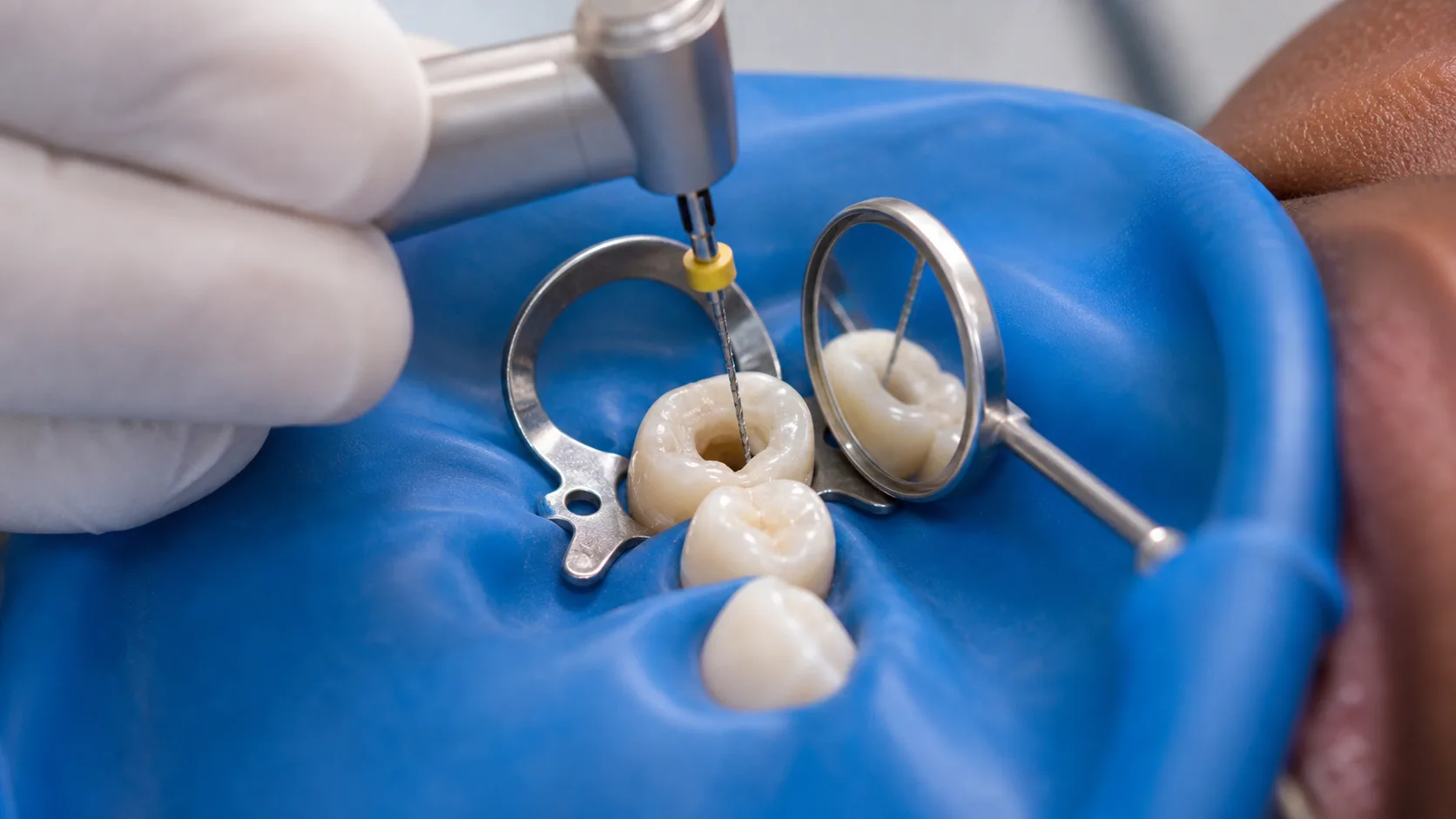
Possible care may include a temporary filling, smoothing a sharp tooth, draining where appropriate, extraction planning, starting root canal-related care, treating gum infection, adjusting a painful bite, or prescribing medication when clinically indicated. Alternatives and limitations should be explained based on the findings.
If a tooth is knocked out, broken, or displaced, timing matters and patients should contact the practice as soon as possible. Trauma care is assessment-led because the age of the patient, tooth type, storage of the tooth, and injury pattern all affect the advice.
Possible emergency steps

Emergency visits can be stressful, so clear communication and staged care are important.
The dentist will usually focus first on the most urgent symptom, such as pain, swelling, bleeding, or trauma. Patients should describe the pain honestly, including whether it wakes them, worsens with heat or cold, hurts on biting, or comes with swelling.
Comfort planning may include numbing for a procedure, careful pacing, and explaining why only part of the problem can be handled immediately. Patients who are anxious should say so early, because emergency symptoms can feel more overwhelming when fear and pain are both present.
Help the visit by sharing
Aftercare depends on the emergency treatment completed and whether a follow-up appointment is needed.
The dentist may give instructions for eating, cleaning, medication use, temporary fillings, trauma monitoring, extraction sockets, or swelling. Patients should follow the advice given for their specific diagnosis rather than using general internet instructions.
If swelling spreads, breathing or swallowing becomes difficult, bleeding is uncontrolled, pain rapidly worsens, fever develops, or the patient feels systemically unwell, urgent medical attention may be needed. Dental emergency care should never delay help for symptoms that may be medically serious.
Aftercare priorities
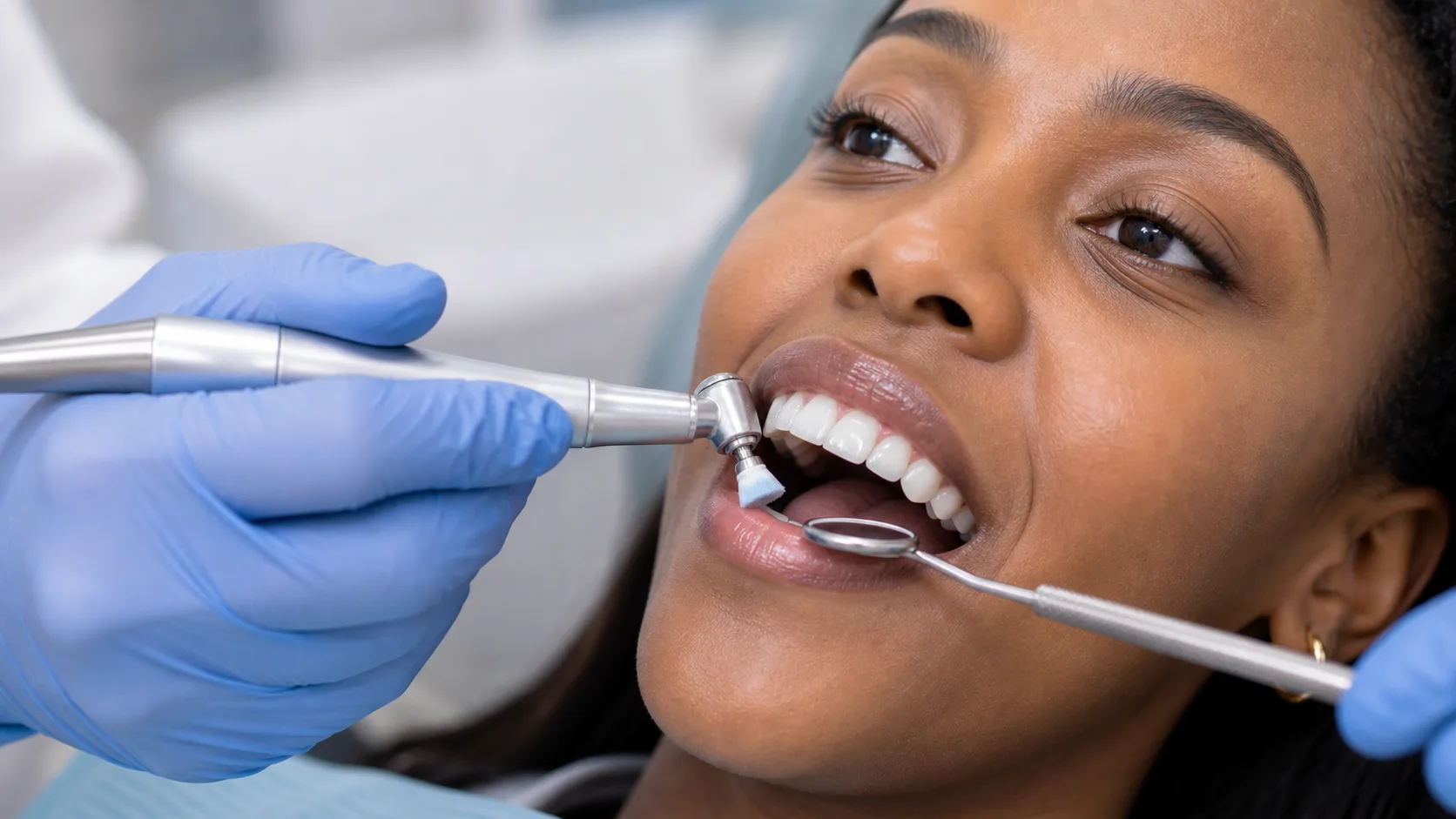
Prompt assessment can reduce uncertainty and may prevent a dental problem from becoming more difficult to manage.
Early care can help identify whether pain is coming from a tooth, gum, bite, wisdom tooth, restoration, or injury. That clarity matters because different causes need different treatment. Painkillers may mask symptoms for a while, but they do not diagnose or repair the underlying issue.
Emergency care can also protect future options. A cracked tooth, infection, or trauma injury may be easier to manage when assessed quickly. The dentist can explain what is urgent, what is temporary, and what needs a planned follow-up appointment.
Potential benefits
Emergency dental costs depend on the examination, X-rays, treatment needed, medication guidance, and follow-up care.
A temporary repair, extraction, root canal-related visit, trauma assessment, X-ray, or infection review can all involve different planning. The dentist can only confirm the most appropriate option after examining the area and understanding the patient's symptoms.
Smile On Dental can provide an assessment-led emergency starting point and explain the next step clearly. The takeaway is to book promptly for urgent dental symptoms, especially swelling, trauma, severe pain, or a broken tooth that is sharp or painful.
Takeaway
Who It Helps
Treatment Journey
Focused on urgent assessment first, then relief or treatment planning.
You may come in with severe pain, swelling, a broken tooth, a lost filling, bleeding, infection signs, or a dental injury.
The dentist will ask when it started, what makes it better or worse, whether there is pain or sensitivity, and what you want the visit to help you solve.
What this first step covers
Before treatment starts, the dentist confirms what is actually going on.
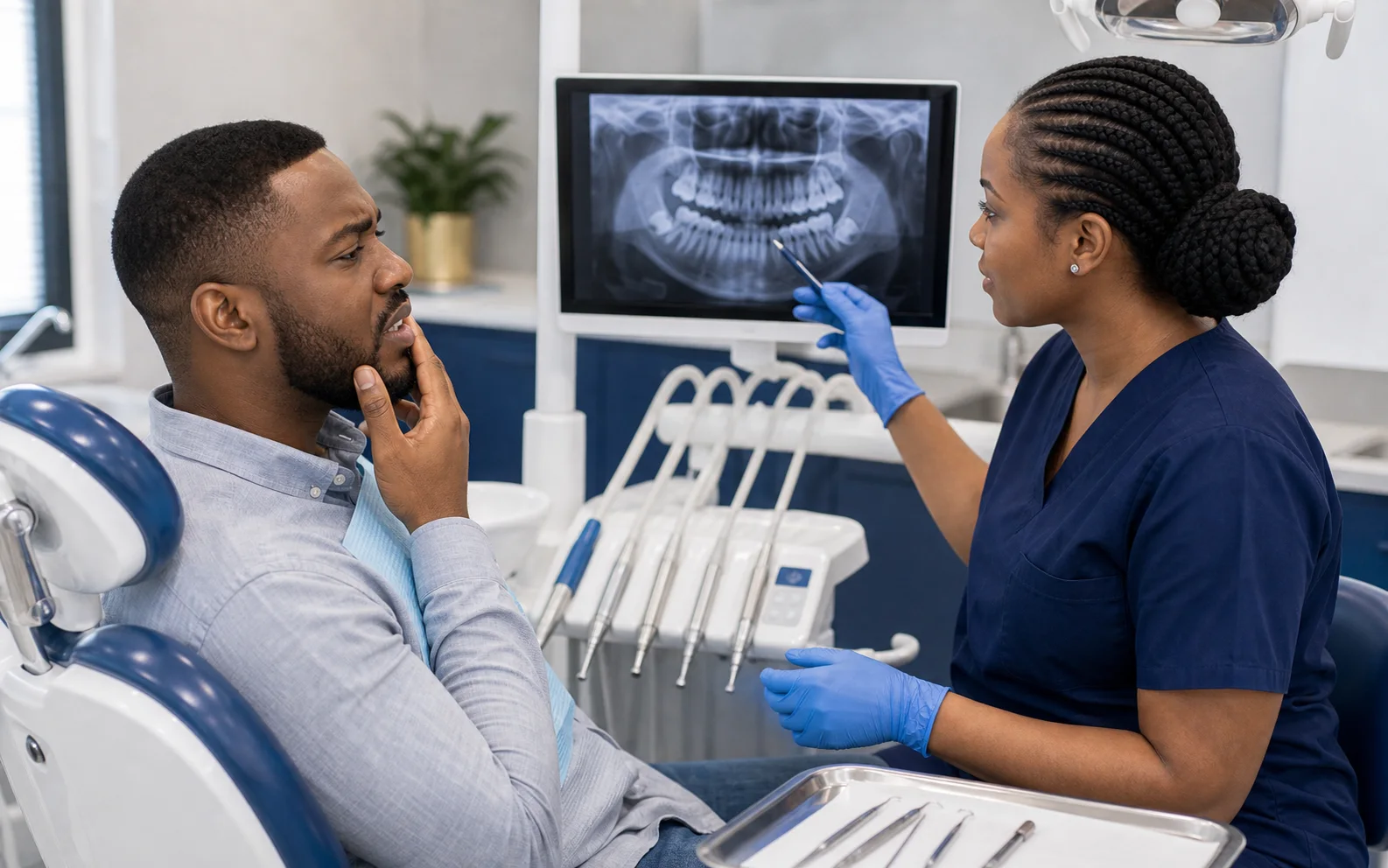
The dentist identifies the urgent issue, checks the tooth and gums, reviews pain triggers, and may use X-rays to decide what needs immediate attention.
The dentist may then explain options such as Same-day relief where possible, Medication and planned treatment if infection or swelling needs stabilising, Root canal, filling, crown, or extraction depending on the cause, depending on what the examination shows.
What may be checked
Some treatments are completed in one appointment, while others need a separate visit.
The first goal is to understand the cause and reduce risk. Sometimes treatment can start immediately; sometimes the safest first step is stabilisation and a booked procedure.
A second visit is common when the emergency appointment controls symptoms first and definitive treatment comes next.
What you should know before leaving
The journey should end with you knowing how to protect the result.
Emergency visits often need follow-up because pain relief is not always the final treatment. The dentist explains what still needs to be completed.
You receive clear guidance on medication, eating, cleaning, what to avoid, and warning signs that need urgent attention.
Your home-care plan
Benefits
Suitability
Surgical & Emergency Dentistry
Pain, swelling, infection, trauma, or removal planning should start with diagnosis so the dentist can explain the safest next step and aftercare.
Suitability
The dentist considers symptoms, oral health, bite, medical history, expectations, and maintenance before recommending emergency dental care.
Costs
Cost discussions are most useful after diagnosis because materials, complexity, visit count, and follow-up needs vary from patient to patient.
Appointment
Your dentist reviews your concern, oral health, and treatment goals before recommending next steps.
The team explains the likely process, timing, and care options in straightforward language.
Your treatment plan is shaped around comfort, function, appearance, and long-term oral health.
Costs & Aftercare
Before You Book
Mention whether you are booking for emergency care, pain, appearance, function, prevention, or a second opinion.
At the Visit
Ask about diagnosis, options, number of visits, comfort, maintenance, and what could happen if treatment is delayed.
Aftercare
Your dentist will explain home care, review visits, and any symptoms that should be reported after treatment.
FAQs
The best starting point is a consultation. Your dentist will assess your teeth, gums, bite, symptoms, concerns, and smile goals before recommending a personalised treatment plan.
Yes. Use the Book an Appointment button to open the booking site and choose a convenient appointment time. You can also request a callback if you would prefer the practice team to contact you first.
Yes. You can request a callback if you prefer the practice team to contact you before booking. This can be helpful when you are unsure whether you need a routine visit, cosmetic consultation, orthodontic assessment, or urgent support.
Yes. Costs depend on the diagnosis, treatment complexity, materials, and number of visits required. Your dentist can explain the recommended next step before treatment begins.
Bring your identification, medical history, current medication details, previous dental information if available, and any questions you want to discuss with the dentist.
Book an assessment so the dentist can diagnose the cause before you choose a treatment. Pain or swelling may need urgent attention, X-rays, restorative care, or another clinical next step.
Related Treatments
Helpful Articles
Locations
City Treatment Pages
Clinical Leadership

Dr. Kholofelo Machaba-Selatole leads Smile On Dental & Aesthetic Studio with a warm, patient-focused approach to family, restorative, cosmetic, and orthodontic care.
60+ five-star patient reviews across Pretoria and Polokwane.
"Customer care is superb, very friendly front desk staff. I'm happy to have gained my confidence back."

Polokwane
"From reception right into the doctor's consultation room it was all smiley faces that welcomed us."

Polokwane
"The best dental service I have seen in Pretoria, cannot wait for my next appointment."

Pretoria
"Customer care is superb, very friendly front desk staff. I'm happy to have gained my confidence back."
Polokwane
"From reception right into the doctor's consultation room it was all smiley faces that welcomed us."
Polokwane
"The best dental service I have seen in Pretoria, cannot wait for my next appointment."
Pretoria
Book a Consultation