First Step
Consultation
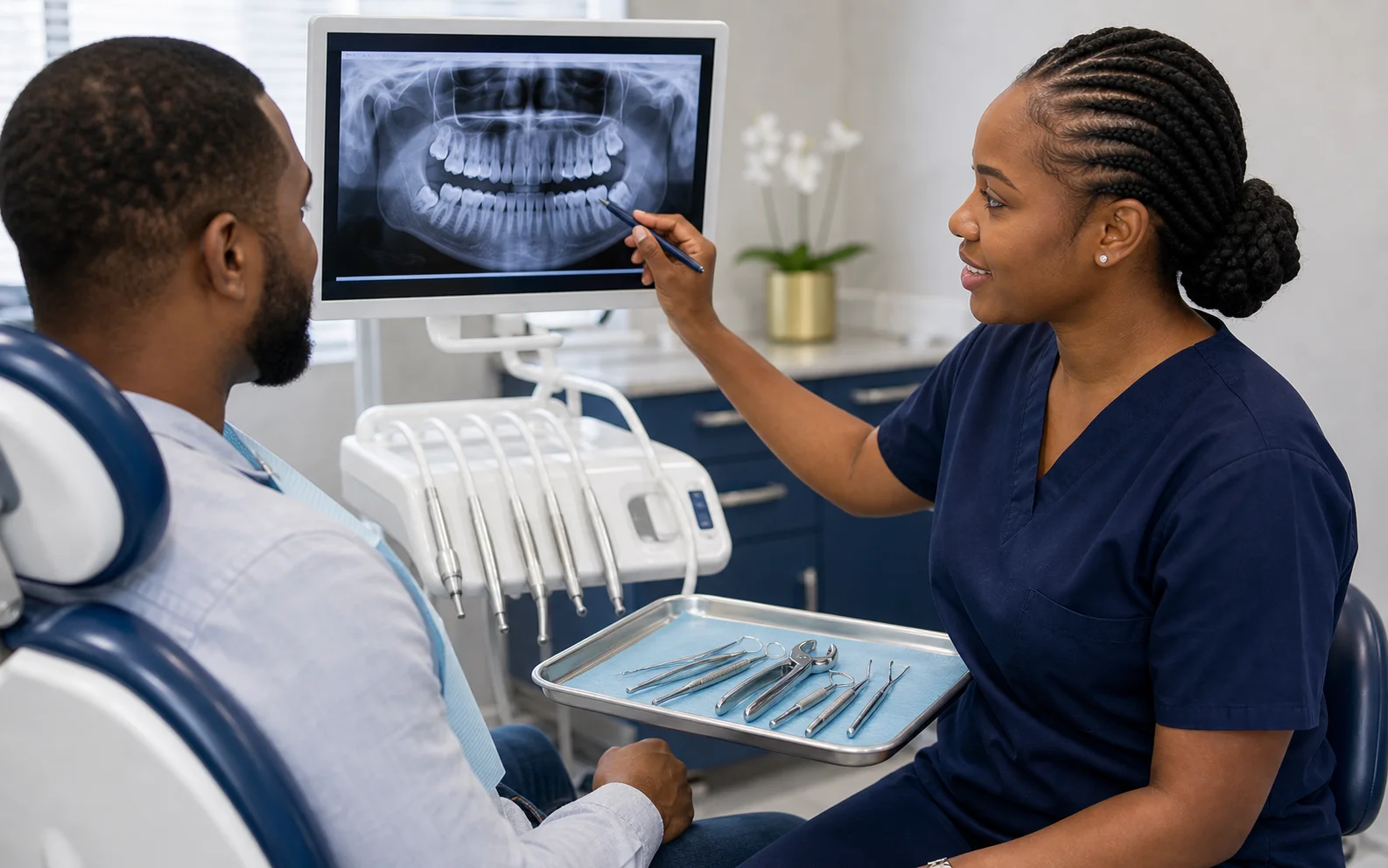
The dentist checks your concern and confirms whether this treatment is suitable before care begins.
Surgical & Emergency Dentistry
Book Surgical Tooth Removal with Smile On Dental. Start with an assessment, understand your options, and get clear next steps before treatment begins.
Quick Summary
First Step
The dentist checks your concern and confirms whether this treatment is suitable before care begins.
Best For
Suitability depends on oral health, symptoms, goals, and clinical findings.
Planning
Timing, visits, cost factors, and aftercare are explained after the assessment.
Branch Access
Use the location section to choose the branch that is easiest for you to attend consistently.
Overview
Treatment Introduction
Surgical extractions may be considered when a tooth is difficult to remove with a simple extraction approach. Assessment and imaging help guide the safest recommended plan.
Decision Support
Smile On Dental uses the visit to understand your symptoms, goals, oral health, and expectations before recommending a suitable treatment plan.
Visual Guide

Treatment Guide
Surgical extraction may be considered when a tooth cannot be removed predictably with a straightforward approach.
This may apply to broken teeth, retained roots, teeth with unusual root shape, teeth covered partly by gum or bone, impacted teeth, or teeth close to important structures. The dentist needs to assess the tooth and surrounding anatomy before deciding whether a surgical extraction, routine extraction, monitoring, or referral is appropriate.
At Smile On Dental, the priority is careful planning. A surgical extraction is not automatically more serious, but it does need a clear reason, appropriate imaging where required, and aftercare that matches the level of treatment completed.
Reasons it may be discussed
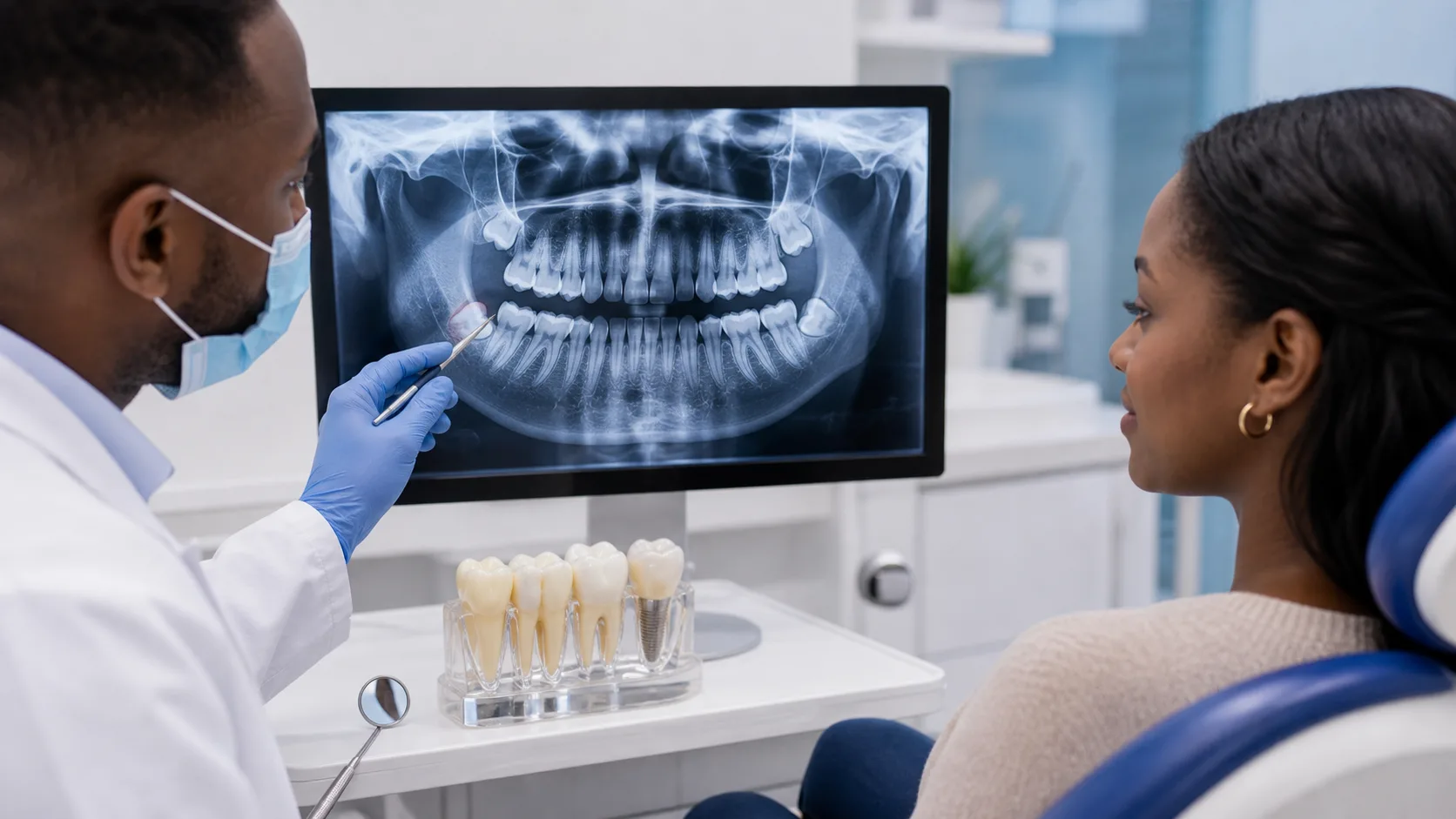
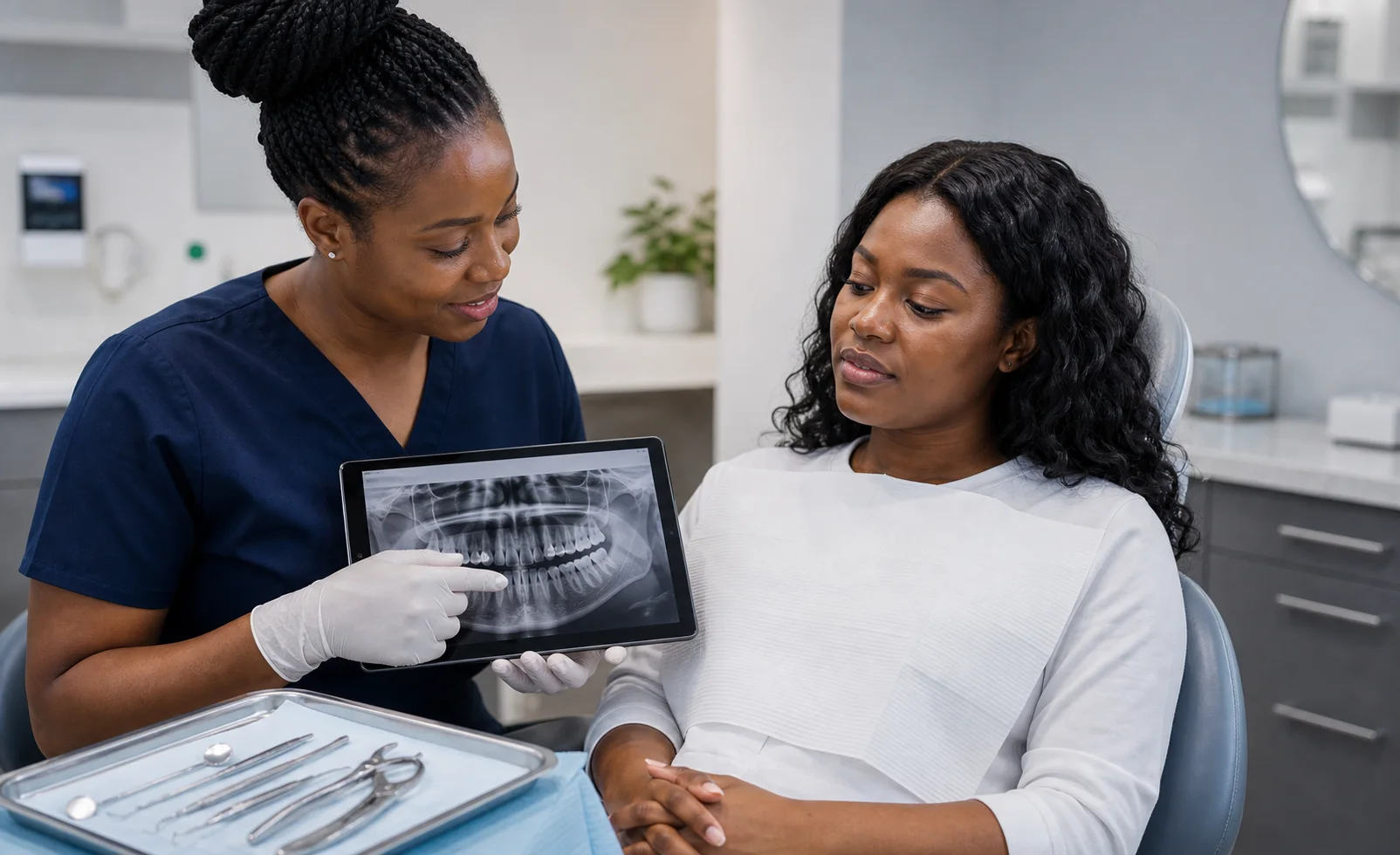
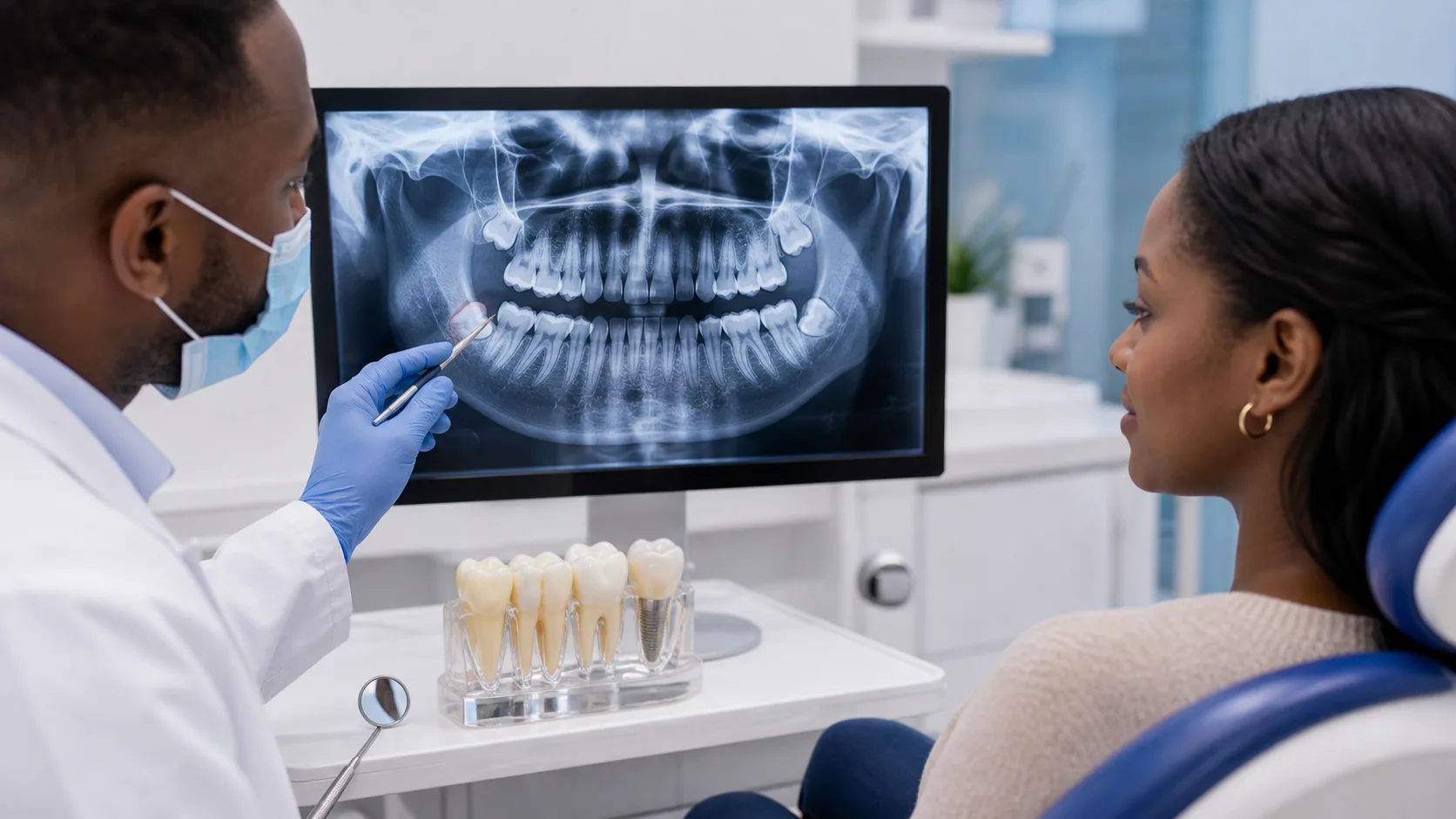
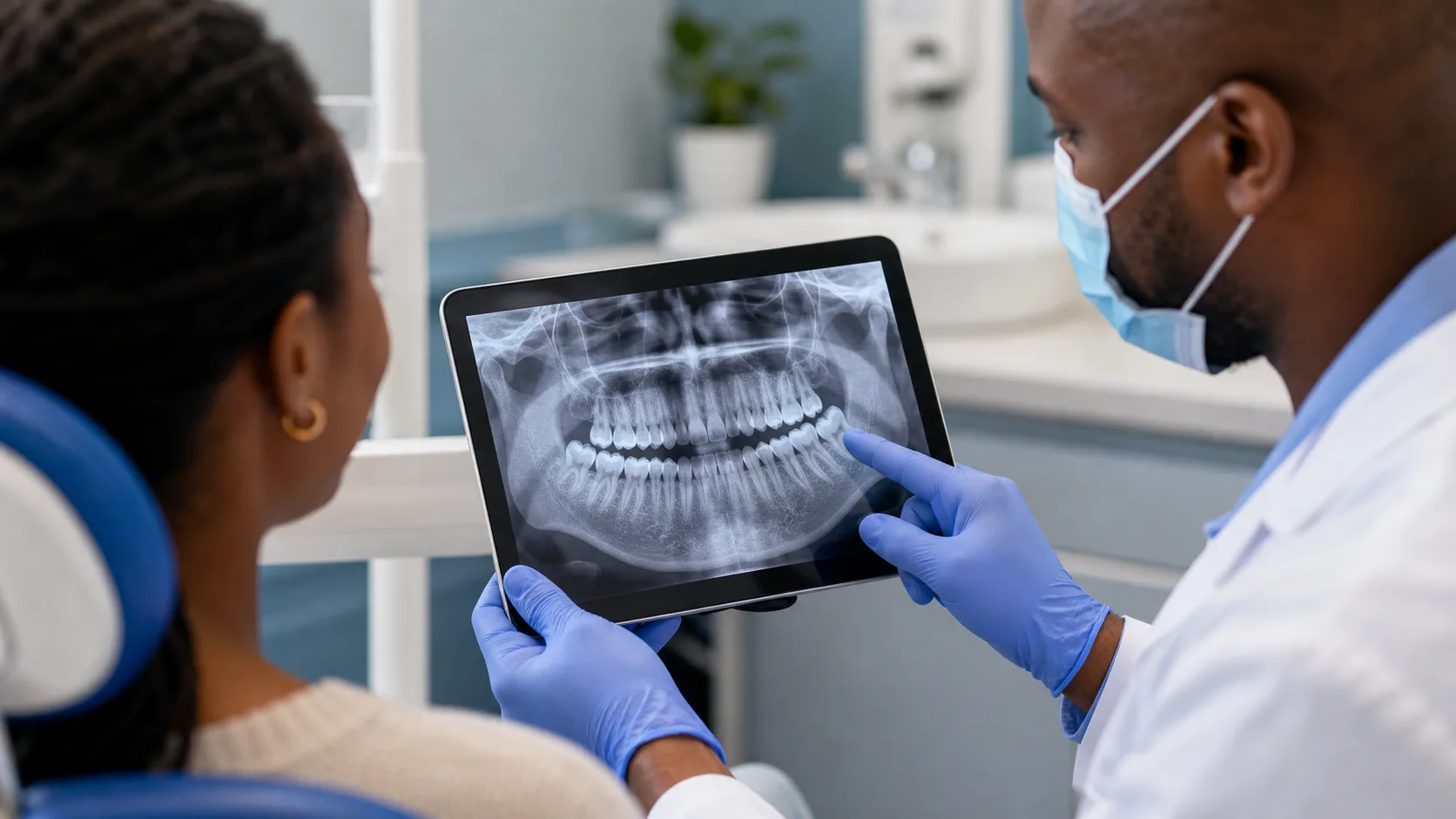
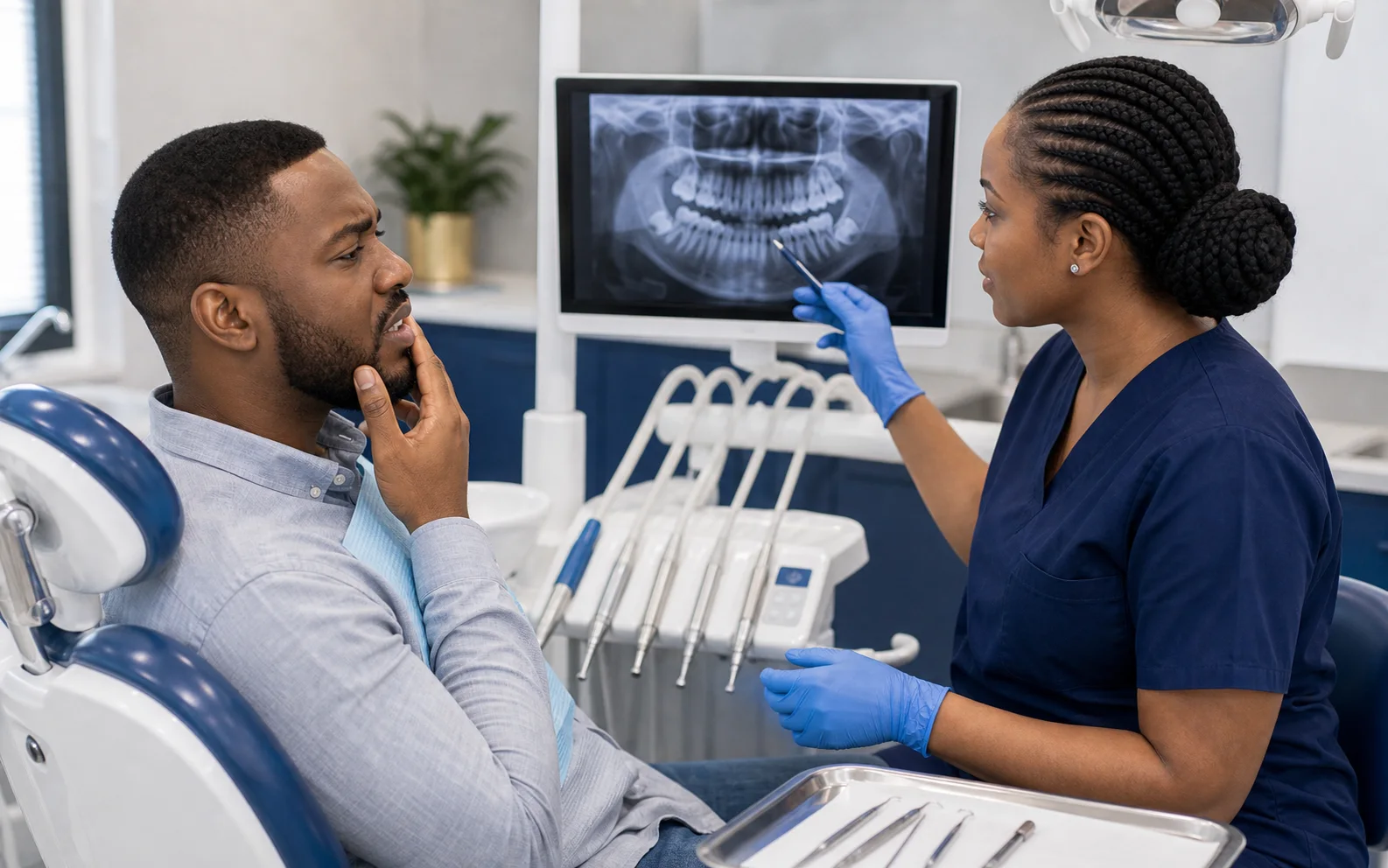
Imaging helps the dentist understand root position, bone, infection, and nearby anatomical structures.
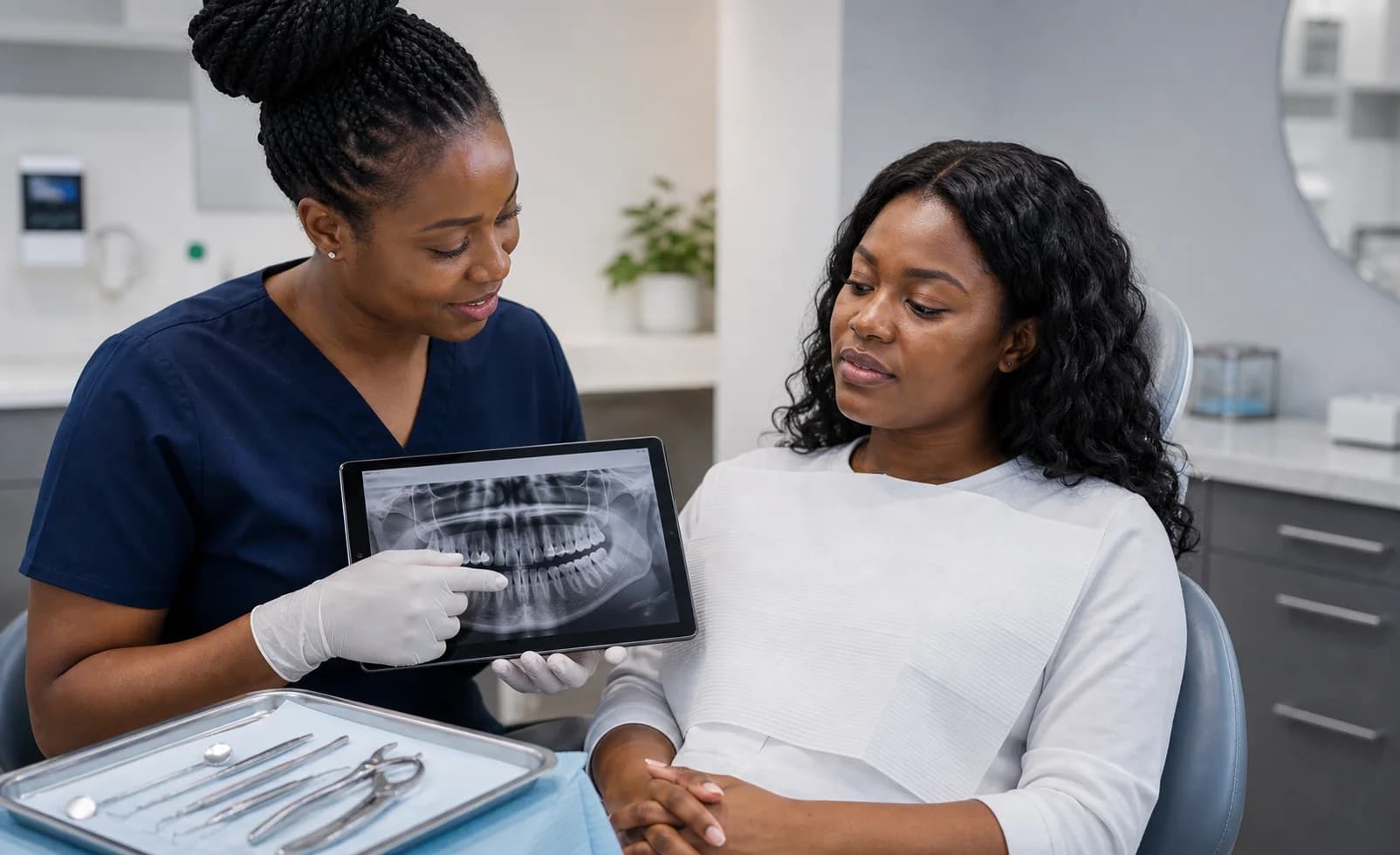
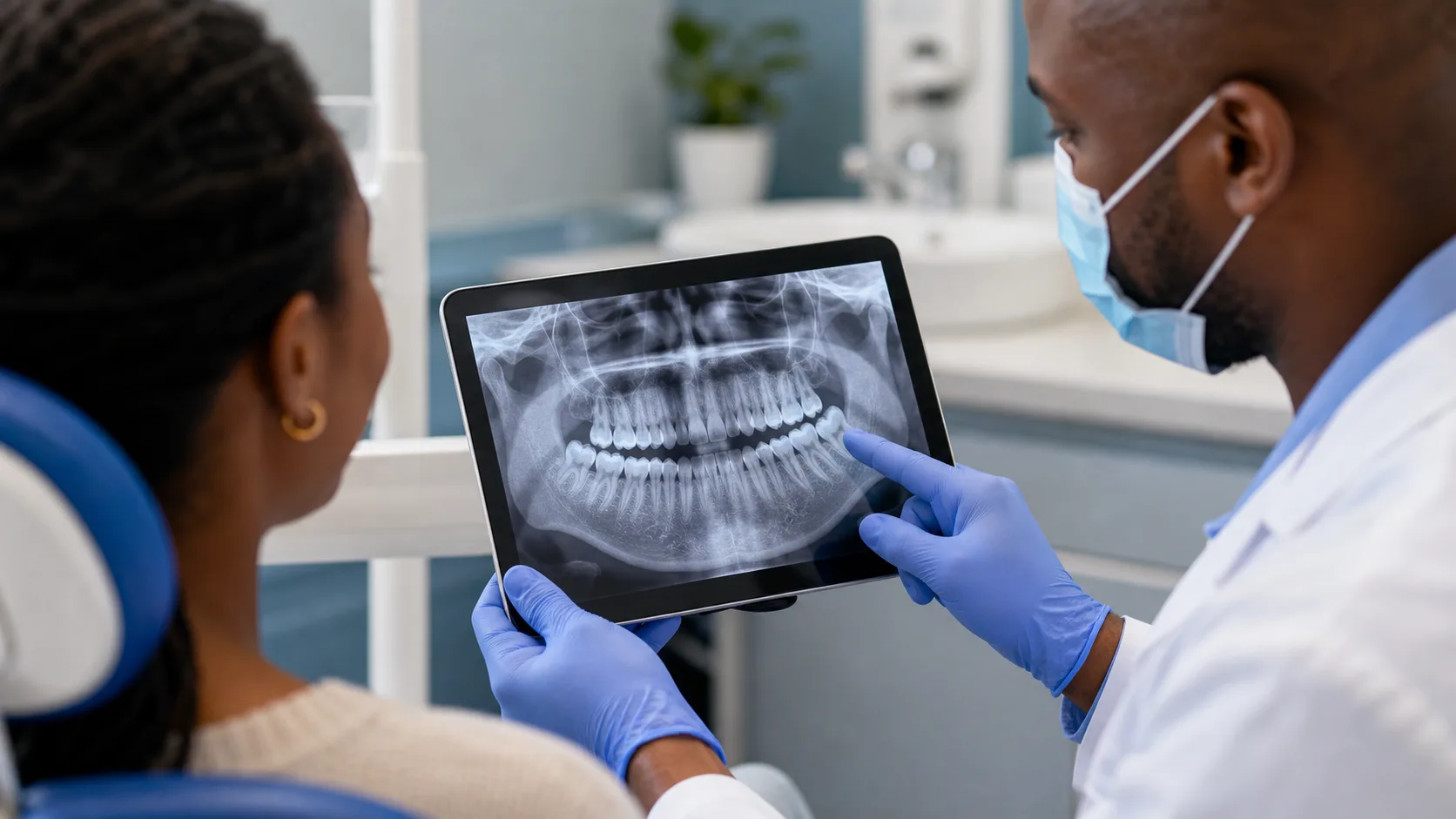
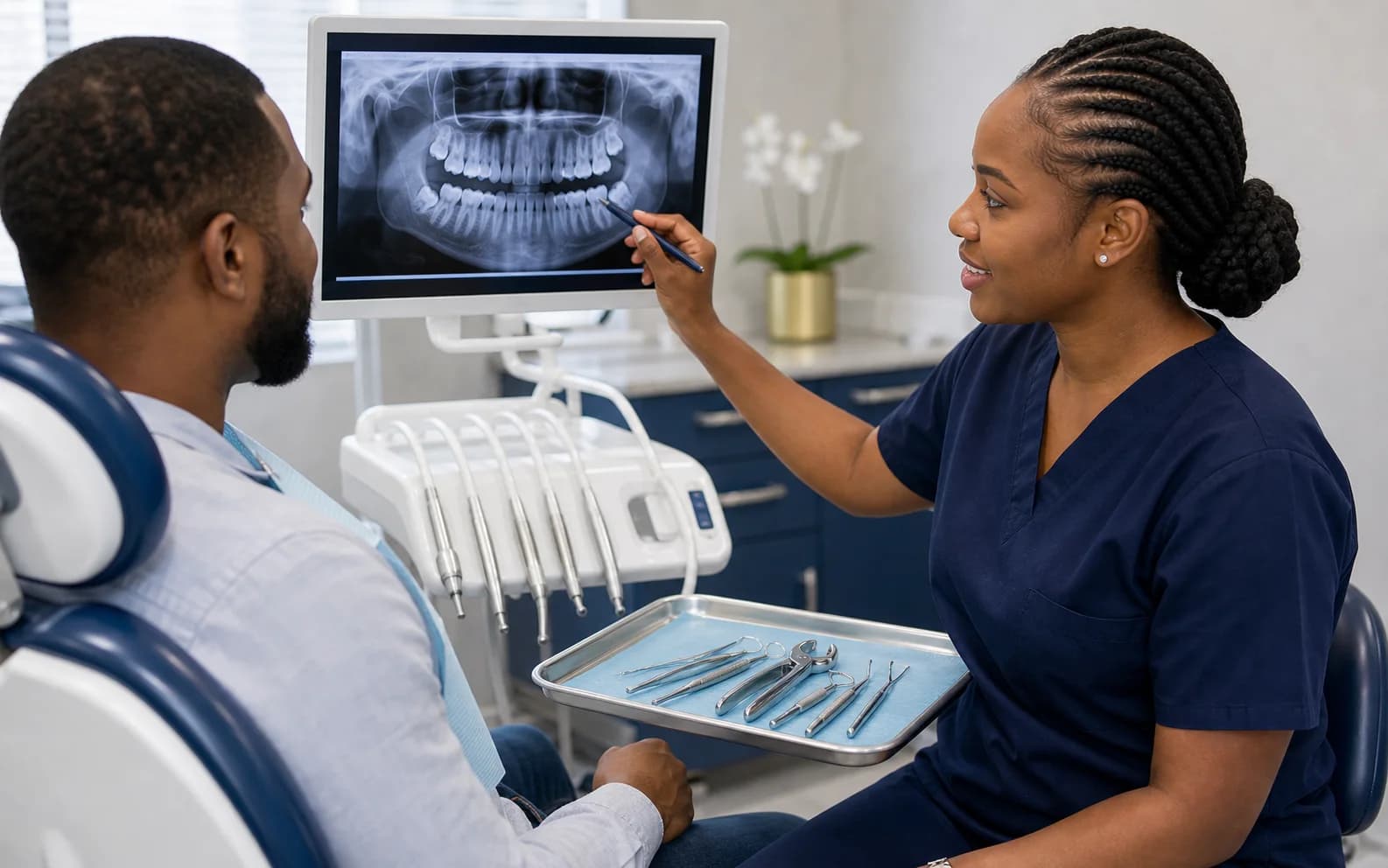
The dentist may check symptoms, swelling, gum condition, mouth opening, tooth position, and medical history. X-rays are often important for surgical extraction planning because the visible part of the tooth may not show the root shape, retained roots, infection, bone coverage, or the relationship to neighbouring teeth.
The assessment also helps decide whether treatment can be done at the practice or whether referral is more appropriate. Referral may be recommended when the tooth position, medical factors, or risk level sits outside routine practice-based care.
Planning may review

The exact steps depend on the tooth, but the aim is to remove it with controlled access and clear aftercare.
The dentist numbs the area and may need to create access through gum tissue, remove a small amount of bone, divide the tooth, or place stitches. These steps are not used for every case; they are chosen when they help remove the tooth more safely and predictably.
Patients should expect pressure and movement rather than sharp pain once the area is numb. The dentist will explain what was done, whether stitches were placed, and how the aftercare differs from a simple extraction.
Possible procedure steps

Preparation helps patients understand what to expect and what information the dentist needs before treatment.
Patients should share medication use, bleeding concerns, allergies, medical conditions, pregnancy status, previous extraction experiences, and any current swelling or fever. This information helps the dentist plan safely and decide whether treatment should proceed, be delayed, or be referred.
Comfort is managed through communication, local numbing, and a clear explanation of the procedure. If a patient is highly anxious or the case is complex, the dentist can discuss what options are appropriate within the practice setting or whether another care pathway is needed.
Before treatment, mention
Surgical extraction aftercare is focused on clot protection, swelling control, cleaning, and watching for warning signs.
The dentist will explain how to manage gauze, eating, cleaning, rinsing, activity, and any medication instructions. Patients should avoid disturbing the socket, smoking, vigorous rinsing, or using the area for chewing until advised, because early healing depends on clot stability.
Swelling, bruising, tenderness, or limited mouth opening may occur depending on the procedure. Patients should contact the practice if bleeding is hard to control, swelling worsens, pain increases after initially improving, a bad taste or discharge develops, or they are concerned about healing.
Aftercare priorities
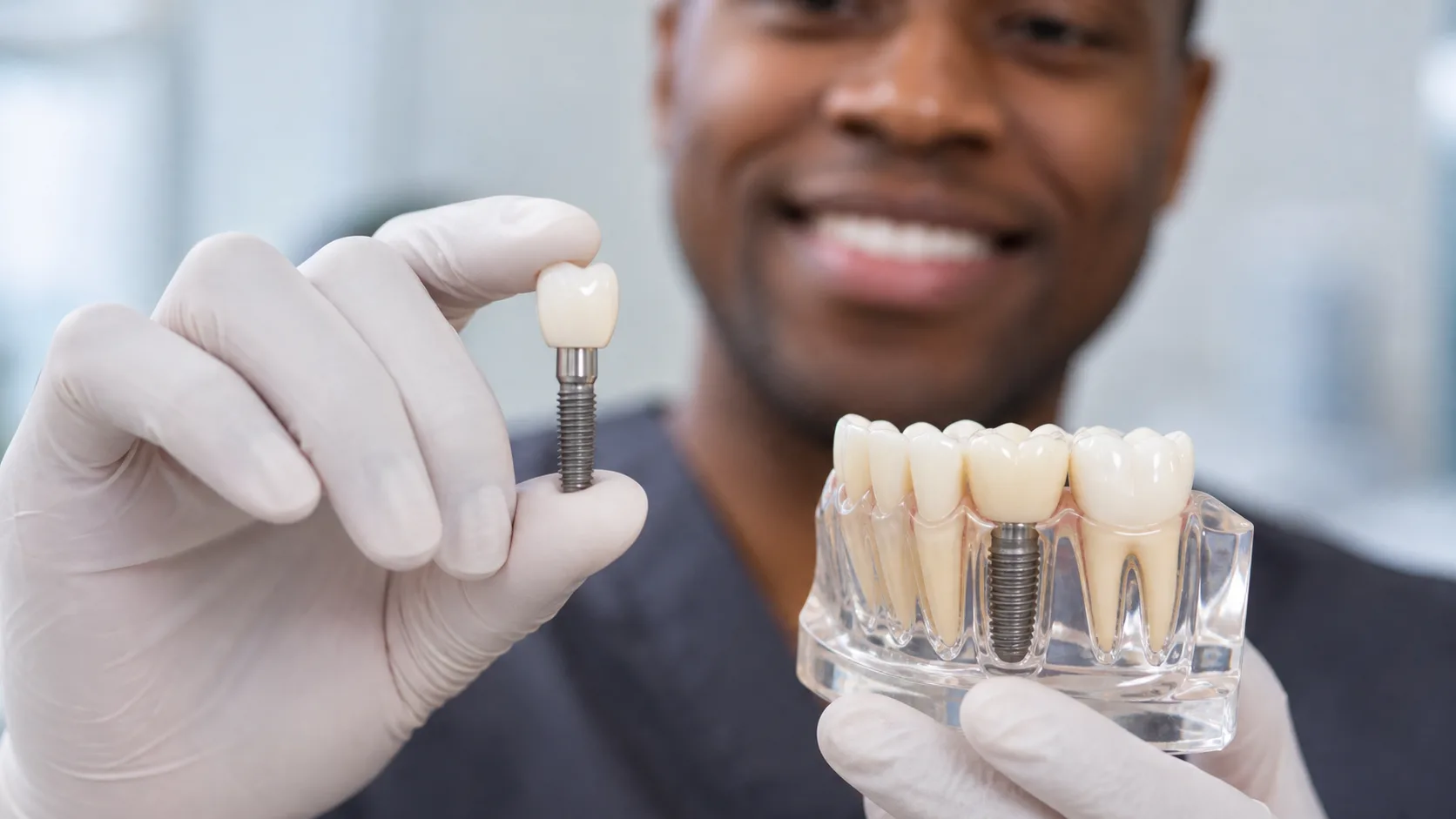
Surgical extraction can remove a problematic tooth or root when leaving it would create ongoing risk.
The benefit may be relief from pain, reduced infection risk, removal of a retained root, or preparation for future restorative, orthodontic, or implant-related planning. The exact benefit depends on the diagnosis and the health of the surrounding bone and gums.
Once healing begins, the dentist may discuss whether the space should be restored or monitored. For visible or chewing teeth, replacement planning can be important because neighbouring teeth, bite balance, and gum shape may change over time.
After healing, consider

Surgical extraction costs depend on the complexity of the tooth, imaging, access, review needs, and referral requirements.
A retained root, impacted tooth, or broken tooth may require more planning than a simple extraction. Costs can also depend on X-rays, access difficulty, tooth sectioning, the number of teeth involved, whether stitches are needed, follow-up care, and whether replacement options are discussed later.
Smile On Dental can assess the tooth and explain whether a surgical approach is appropriate. The takeaway is to get a proper examination before deciding, because the part of the tooth you can see may not show the complexity underneath.
Takeaway
Who It Helps
Treatment Journey
Usually planned carefully and may need imaging before treatment.
You may come in because a tooth is broken down, impacted, stuck under the gum, or difficult to remove with a simple approach.
The dentist will ask when it started, what makes it better or worse, whether there is pain or sensitivity, and what you want the visit to help you solve.
What this first step covers
Before treatment starts, the dentist confirms what is actually going on.
The dentist reviews symptoms, X-rays, root shape, tooth position, nearby structures, medical history, and surgical complexity.
The dentist may then explain options such as Surgical extraction at the practice where suitable, Referral for complex surgical care, Staged replacement planning after healing, depending on what the examination shows.
What may be checked
Some treatments are completed in one appointment, while others need a separate visit.
The procedure is explained before starting, including numbing, pressure, sectioning if needed, stitches where appropriate, and the healing plan.
A second visit is common when imaging, infection control, stitch review, or replacement planning is required.
What you should know before leaving
The journey should end with you knowing how to protect the result.
A review may be recommended to check healing, remove sutures if needed, or discuss the next restorative step.
Aftercare is detailed because swelling, bleeding control, soft diet, cleaning, and medication timing matter after surgical removal.
Your home-care plan
Benefits
Suitability
Surgical & Emergency Dentistry
Pain, swelling, infection, trauma, or removal planning should start with diagnosis so the dentist can explain the safest next step and aftercare.
Suitability
The dentist considers symptoms, oral health, bite, medical history, expectations, and maintenance before recommending surgical extractions.
Costs
Cost discussions are most useful after diagnosis because materials, complexity, visit count, and follow-up needs vary from patient to patient.
Appointment
Your dentist reviews your concern, oral health, and treatment goals before recommending next steps.
The team explains the likely process, timing, and care options in straightforward language.
Your treatment plan is shaped around comfort, function, appearance, and long-term oral health.
Costs & Aftercare
Before You Book
Mention whether you are booking for surgical extractions, pain, appearance, function, prevention, or a second opinion.
At the Visit
Ask about diagnosis, options, number of visits, comfort, maintenance, and what could happen if treatment is delayed.
Aftercare
Your dentist will explain home care, review visits, and any symptoms that should be reported after treatment.
FAQs
The best starting point is a consultation. Your dentist will assess your teeth, gums, bite, symptoms, concerns, and smile goals before recommending a personalised treatment plan.
Yes. Use the Book an Appointment button to open the booking site and choose a convenient appointment time. You can also request a callback if you would prefer the practice team to contact you first.
Yes. You can request a callback if you prefer the practice team to contact you before booking. This can be helpful when you are unsure whether you need a routine visit, cosmetic consultation, orthodontic assessment, or urgent support.
Yes. Costs depend on the diagnosis, treatment complexity, materials, and number of visits required. Your dentist can explain the recommended next step before treatment begins.
Bring your identification, medical history, current medication details, previous dental information if available, and any questions you want to discuss with the dentist.
Book an assessment so the dentist can diagnose the cause before you choose a treatment. Pain or swelling may need urgent attention, X-rays, restorative care, or another clinical next step.
Related Treatments
Helpful Articles
Locations
City Treatment Pages
Clinical Leadership

Dr. Kholofelo Machaba-Selatole leads Smile On Dental & Aesthetic Studio with a warm, patient-focused approach to family, restorative, cosmetic, and orthodontic care.
60+ five-star patient reviews across Pretoria and Polokwane.
"Customer care is superb, very friendly front desk staff. I'm happy to have gained my confidence back."

Polokwane
"From reception right into the doctor's consultation room it was all smiley faces that welcomed us."

Polokwane
"The best dental service I have seen in Pretoria, cannot wait for my next appointment."

Pretoria
"Customer care is superb, very friendly front desk staff. I'm happy to have gained my confidence back."
Polokwane
"From reception right into the doctor's consultation room it was all smiley faces that welcomed us."
Polokwane
"The best dental service I have seen in Pretoria, cannot wait for my next appointment."
Pretoria
Book a Consultation