First Step
Consultation
The dentist checks your concern and confirms whether this treatment is suitable before care begins.
Orthodontics
Book Interceptive Orthodontics with Smile On Dental. Start with an assessment, understand your options, and get clear next steps before treatment begins.

Quick Summary
First Step
The dentist checks your concern and confirms whether this treatment is suitable before care begins.
Best For
Suitability depends on oral health, symptoms, goals, and clinical findings.
Planning
Timing, visits, cost factors, and aftercare are explained after the assessment.
Branch Access
Use the location section to choose the branch that is easiest for you to attend consistently.
Overview
Treatment Introduction
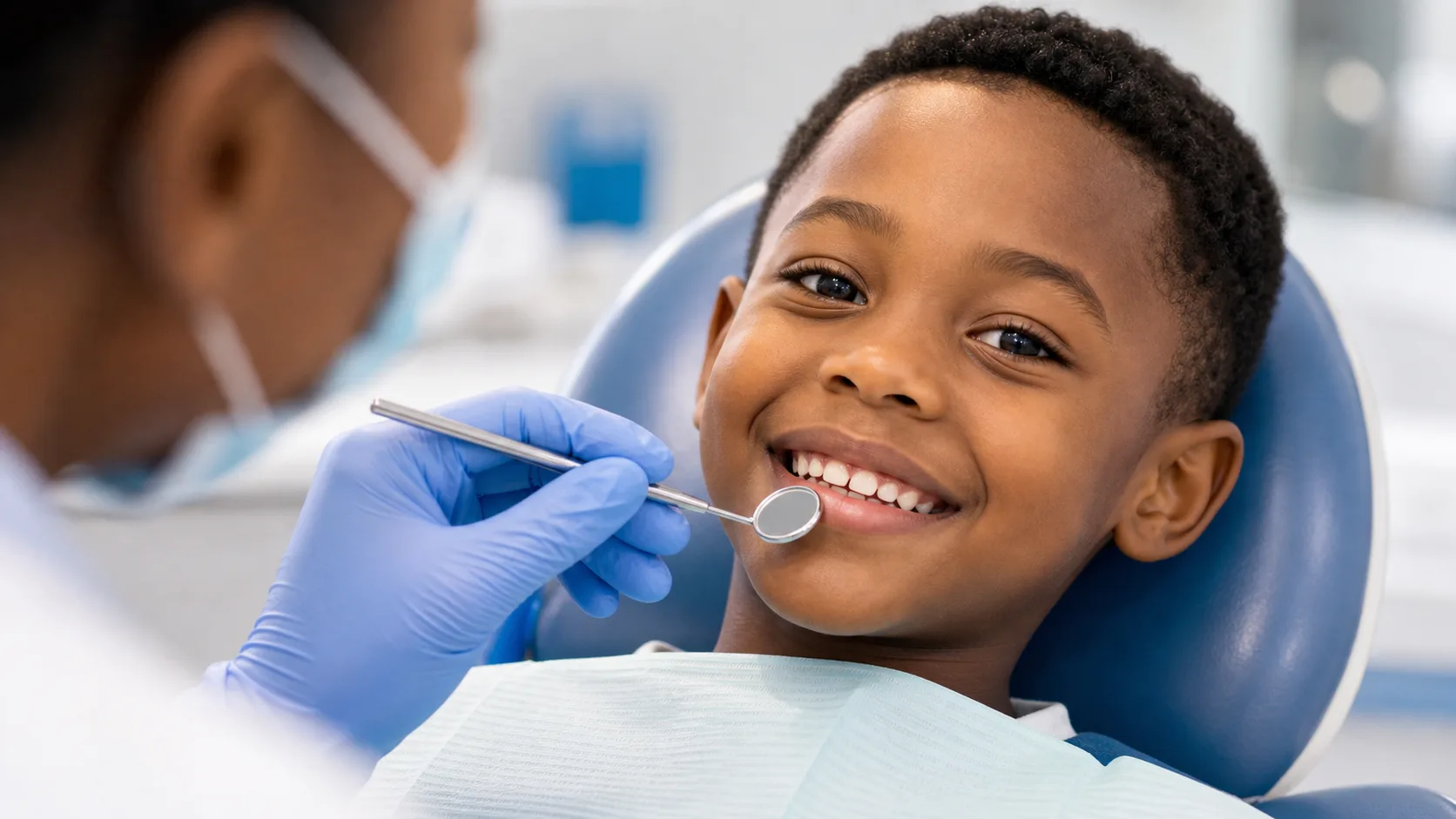
Interceptive orthodontics focuses on identifying developing alignment or bite concerns in children. Early assessment can help parents understand whether monitoring, prevention, or orthodontic planning may be needed.
Decision Support
Smile On Dental uses the visit to understand your symptoms, goals, oral health, and expectations before recommending a suitable treatment plan.
Visual Guide


Treatment Guide
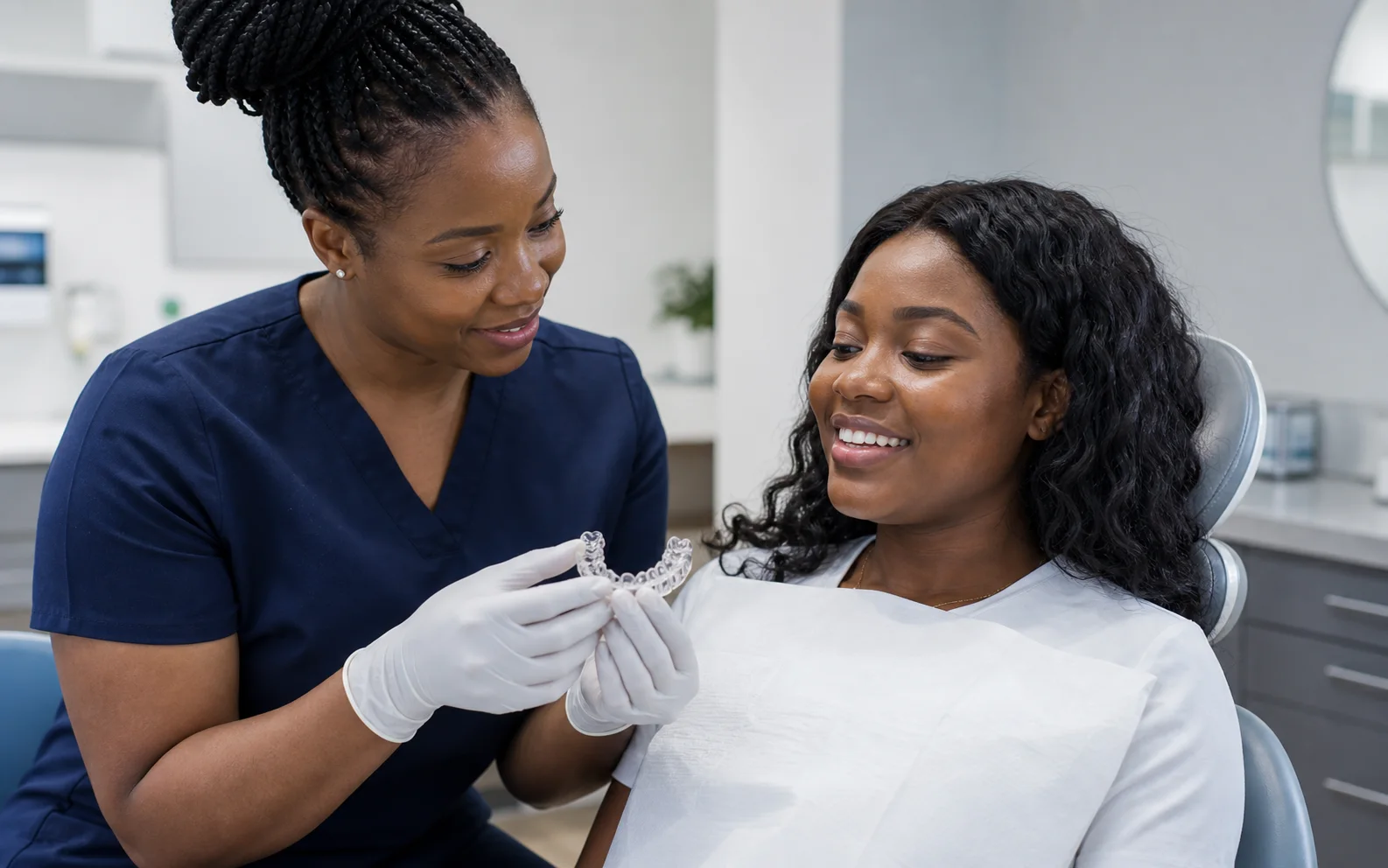
Interceptive orthodontics looks for developing problems while a child is still growing.
The aim is not to rush every child into treatment. It is to identify crowding, crossbites, harmful habits, early tooth loss, delayed eruption, and jaw growth patterns that may become harder to manage later. Some children only need monitoring, while others benefit from early, focused intervention.
Smile On Dental can assess the baby teeth, adult teeth that are erupting, bite development, facial symmetry, and oral habits. Parents get a clearer picture of whether the child is on track, whether space is being lost, or whether a future orthodontic plan may be needed.
Early signs
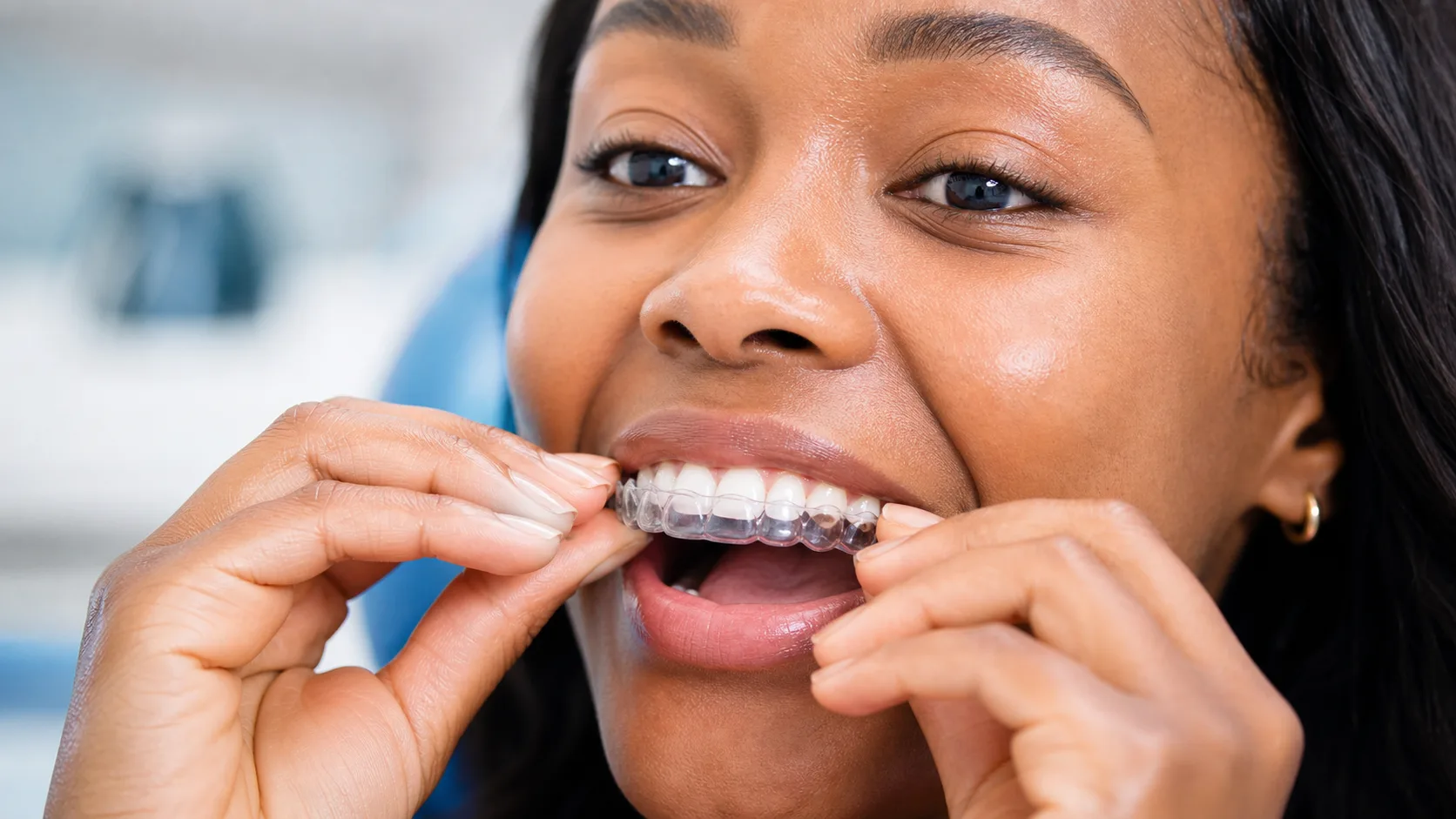
Some orthodontic problems are easier to guide while the jaws and dental arches are still developing.
A narrow upper arch, a crossbite, or a space-loss problem may influence how adult teeth erupt. Early treatment can sometimes reduce the severity of later crowding or improve the path for adult teeth. It does not remove the need for future braces in every case, but it may make later treatment more straightforward.
Timing is case-specific. Starting too early can mean unnecessary treatment, while waiting too long can reduce options. A measured approach uses growth, eruption stage, symptoms, and risk to decide whether to monitor, intervene, or refer for specialist orthodontic assessment.
Timing factors
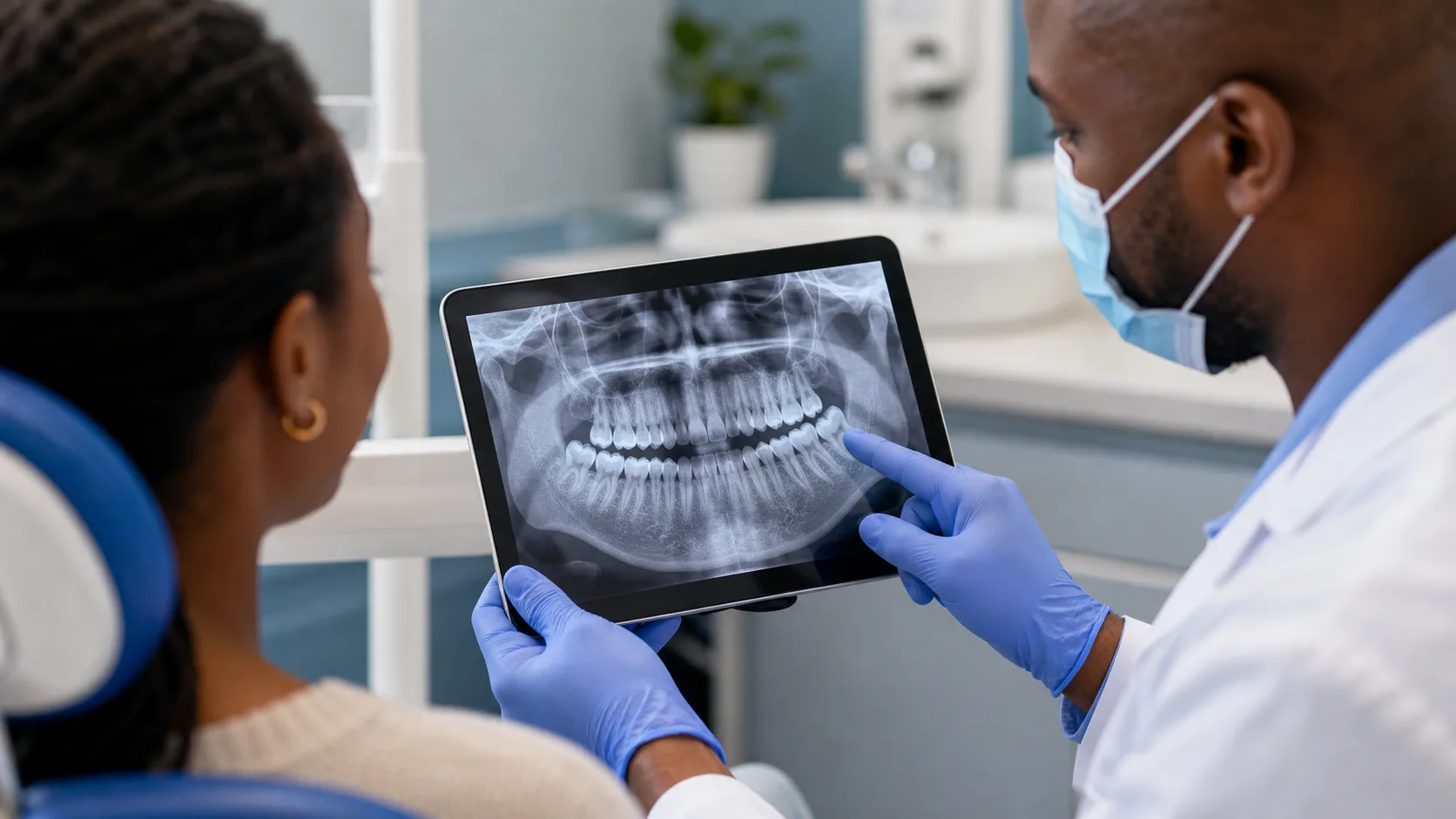
Space in a child’s mouth is valuable because adult teeth need a clear path to erupt.
If a baby tooth is lost early through decay, trauma, or extraction, nearby teeth can drift into the space. That may block the adult tooth underneath or make crowding worse. Space maintainers or monitoring may be considered depending on which tooth was lost and how close the adult tooth is to erupting.
X-rays can help show where developing teeth are positioned. The dentist can then explain whether the space should be held, whether eruption is likely soon, or whether the child should be monitored. The goal is to protect future alignment without adding appliances unnecessarily.
Space concerns

Oral habits can shape the bite when they continue during key growth stages.
Thumb sucking, finger sucking, dummy use beyond the early years, tongue thrusting, mouth breathing patterns, and lip habits can contribute to open bites, narrow arches, or front tooth changes. The approach should be supportive rather than shaming, especially for younger children.
Habit guidance may include parent coaching, monitoring, simple reminders, or appliance discussions if the habit is persistent and affecting development. If airway, speech, or medical factors seem involved, the child may need coordinated care with the appropriate healthcare provider.
Habit checks
Interceptive appliances are chosen for a specific problem, not as a one-size-fits-all treatment.
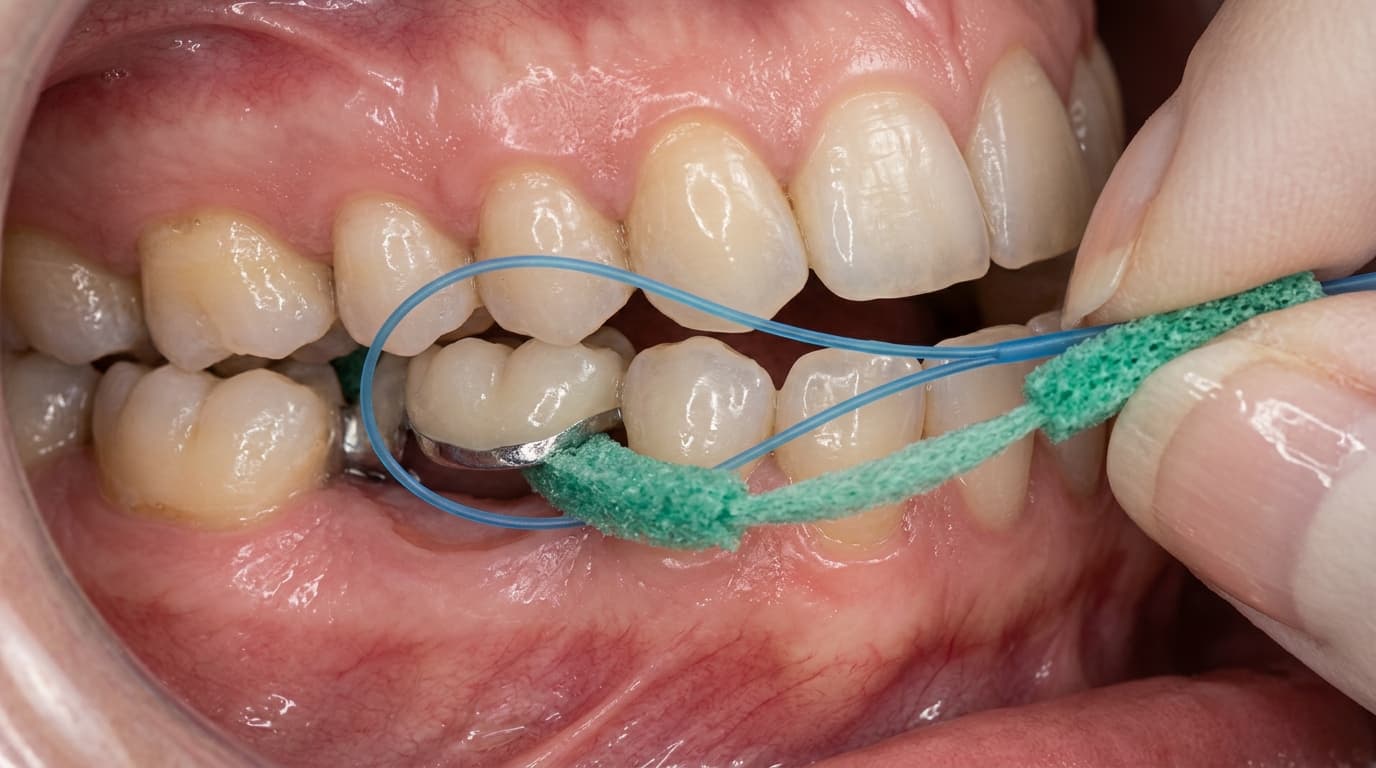
Depending on the diagnosis, treatment may involve a space maintainer, an expansion-style appliance, a limited fixed appliance, a habit appliance, or a monitoring plan. The appliance should have a clear purpose, such as holding space, correcting a crossbite, or helping guide eruption.
Parents should understand what the appliance is meant to do, how it is cleaned, what foods may damage it, and what signs require a call to the practice. Children also need simple, calm instructions so the appliance becomes manageable within daily routines.
Appliance planning
Early orthodontic care is often about reducing risk, not promising that future orthodontics will never be needed.
Some children who receive interceptive treatment still need braces or aligners later once more adult teeth erupt. That does not mean early care failed. It may have corrected a bite issue, preserved space, improved eruption, or reduced the complexity of the next phase.
Smile On Dental should explain the difference between monitoring, interceptive treatment, and comprehensive orthodontics. Clear expectations help parents decide whether the benefit of early intervention justifies the appliance, appointments, and home care involved.
Expectation points
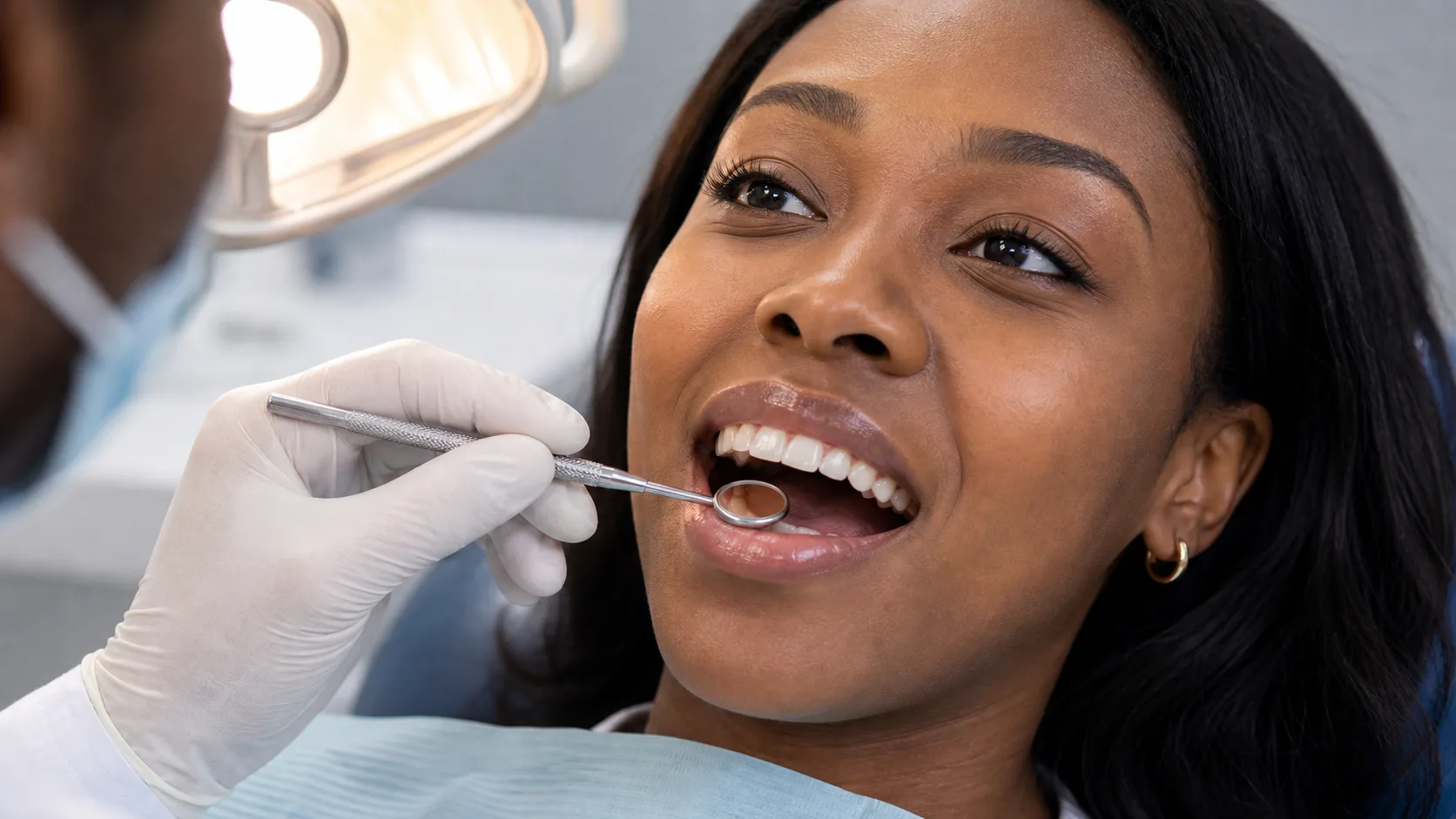
The best interceptive plans keep the next stage in view.
As adult teeth erupt, the plan may change. A child who only needed observation at one visit may need treatment later, while a child with an appliance may move into a monitoring phase once the immediate issue is corrected. Growth and eruption are active processes.
Regular dental visits allow the team to track hygiene, decay risk, bite changes, and eruption timing. This gives parents practical information rather than guesswork. When specialist input is needed, the referral can be made with records and context already in place.
Long-term focus
Who It Helps
Treatment Journey
Usually a monitoring and early-guidance journey for children.
Parents may come in because adult teeth are erupting crooked, the bite looks unusual, baby teeth are lost early or late, or a previous dentist recommended an orthodontic check.
The dentist will usually ask what bothers you most, whether you have had orthodontic treatment before, what your daily routine is like, and how committed you can be to reviews, appliance care, or retainer wear.
What this first step covers
Orthodontic care needs a proper starting point before anything is fitted or made.
The dentist checks tooth development, jaw growth, bite, habits, crowding signs, airway or thumb-sucking concerns, and whether immediate treatment or monitoring is better.
This is where the journey becomes more personal. Two patients can ask for the same treatment, but their gum health, bite, tooth movement needs, and relapse risk can lead to different recommendations.
What may be checked
The options are discussed after the dentist understands what your mouth actually needs.
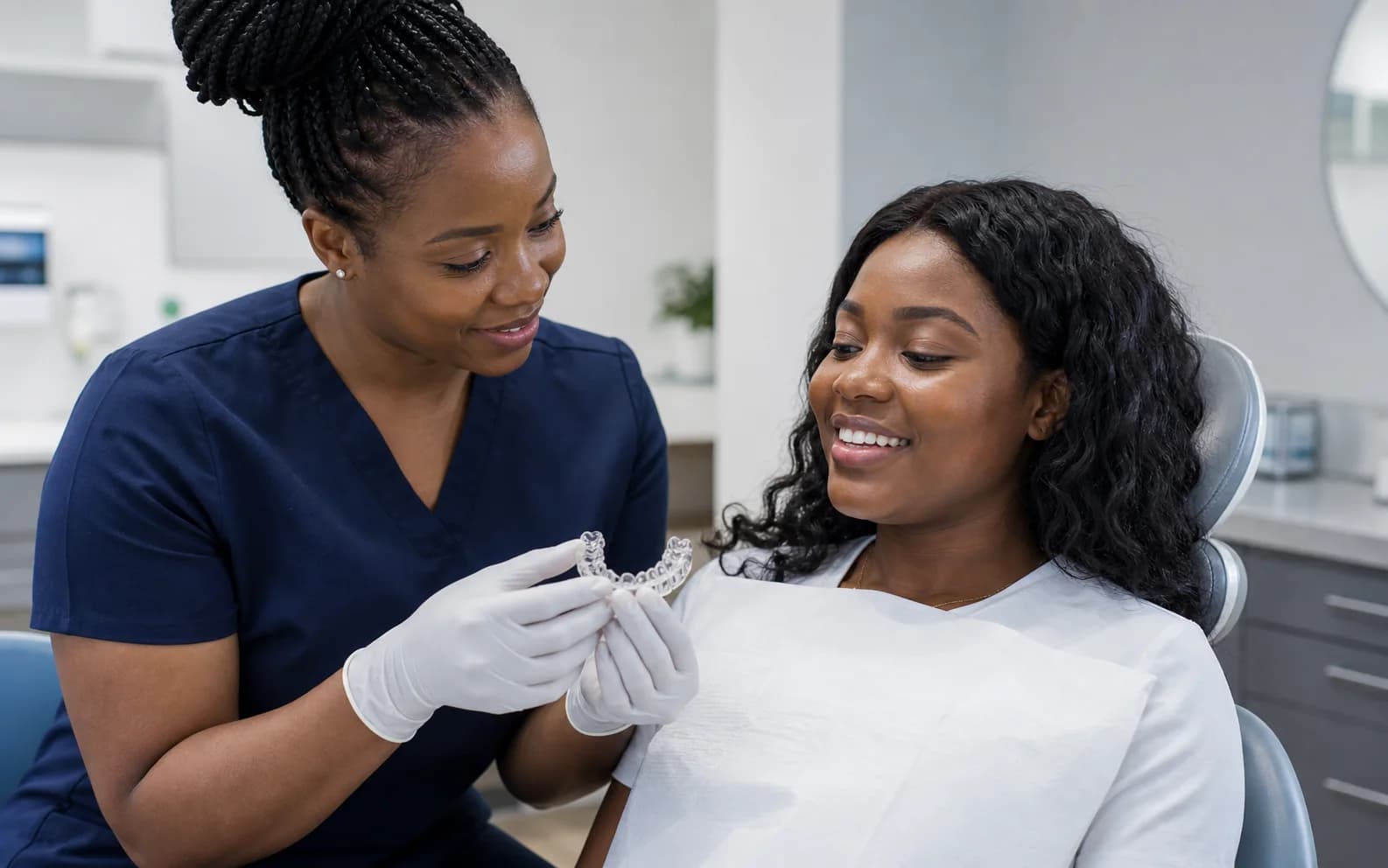
At this point, the conversation can include Monitoring growth at review visits, Early appliance planning where needed, Future braces or aligner planning when the child is older. The dentist explains what each option means in real life, including visibility, comfort, cleaning, wear time, review visits, and cost factors.
The aim is not to rush you into an appliance. It is to help you understand what will happen from the first active step through to the final maintenance stage.
Decisions made here
This is the physical treatment stage, and the details depend on the option chosen.
If early treatment is needed, the aim is usually to guide development rather than finish all orthodontic care at once. Parents are told what the appliance or monitoring plan is trying to achieve.
Follow-up visits track growth, eruption, appliance fit, and timing for the next phase if needed.
What happens during active care
Orthodontic treatment does not end when the teeth look straighter.
Parents receive guidance on brushing, appliance care, habits, and what changes should be reported between visits.
Follow-up is common because children's teeth and jaws change over time and timing matters.
Long-term maintenance
Benefits
Suitability
Orthodontics
Orthodontic planning starts with your bite, spacing, crowding, gum health, and treatment goals before braces, aligners, or retainers are recommended.
Suitability
The dentist considers symptoms, oral health, bite, medical history, expectations, and maintenance before recommending interceptive orthodontics.
Costs
Cost discussions are most useful after diagnosis because materials, complexity, visit count, and follow-up needs vary from patient to patient.
Appointment
Your dentist reviews your concern, oral health, and treatment goals before recommending next steps.
The team explains the likely process, timing, and care options in straightforward language.
Your treatment plan is shaped around comfort, function, appearance, and long-term oral health.
Costs & Aftercare
Before You Book
Mention whether you are booking for interceptive ortho, pain, appearance, function, prevention, or a second opinion.
At the Visit
Ask about diagnosis, options, number of visits, comfort, maintenance, and what could happen if treatment is delayed.
Aftercare
Your dentist will explain home care, review visits, and any symptoms that should be reported after treatment.
FAQs
The best starting point is a consultation. Your dentist will assess your teeth, gums, bite, symptoms, concerns, and smile goals before recommending a personalised treatment plan.
Yes. Use the Book an Appointment button to open the booking site and choose a convenient appointment time. You can also request a callback if you would prefer the practice team to contact you first.
Yes. You can request a callback if you prefer the practice team to contact you before booking. This can be helpful when you are unsure whether you need a routine visit, cosmetic consultation, orthodontic assessment, or urgent support.
Yes. Costs depend on the diagnosis, treatment complexity, materials, and number of visits required. Your dentist can explain the recommended next step before treatment begins.
Bring your identification, medical history, current medication details, previous dental information if available, and any questions you want to discuss with the dentist.
Book an assessment so the dentist can diagnose the cause before you choose a treatment. Pain or swelling may need urgent attention, X-rays, restorative care, or another clinical next step.
Related Treatments
Locations
City Treatment Pages
Clinical Leadership
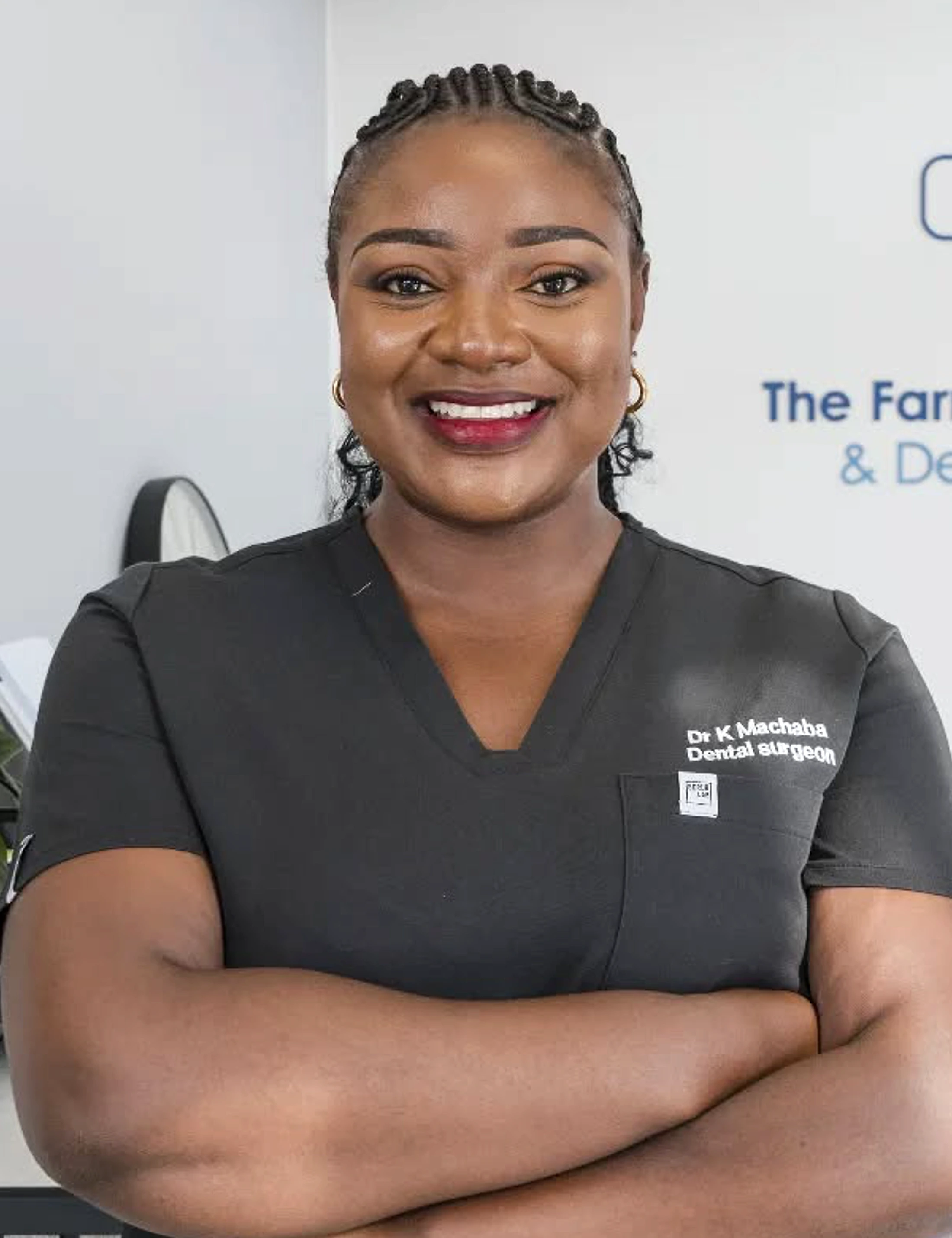
Dr. Kholofelo Machaba-Selatole leads Smile On Dental & Aesthetic Studio with a warm, patient-focused approach to family, restorative, cosmetic, and orthodontic care.
60+ five-star patient reviews across Pretoria and Polokwane.
"Customer care is superb, very friendly front desk staff. I'm happy to have gained my confidence back."

Polokwane
"From reception right into the doctor's consultation room it was all smiley faces that welcomed us."

Polokwane
"The best dental service I have seen in Pretoria, cannot wait for my next appointment."

Pretoria
"Customer care is superb, very friendly front desk staff. I'm happy to have gained my confidence back."
Polokwane
"From reception right into the doctor's consultation room it was all smiley faces that welcomed us."
Polokwane
"The best dental service I have seen in Pretoria, cannot wait for my next appointment."
Pretoria
Book a Consultation