First Step
Consultation
The dentist checks your concern and confirms whether this treatment is suitable before care begins.
Polokwane Dental Care
Book Digital Dental X-rays in Polokwane with Smile On Dental. Start with an assessment, understand your options, and get clear next steps before treatment begins.
Quick Summary
First Step
The dentist checks your concern and confirms whether this treatment is suitable before care begins.
Best For
Suitability depends on oral health, symptoms, goals, and clinical findings.
Planning
Timing, visits, cost factors, and aftercare are explained after the assessment.
City Access
Start from a Smile On Dental branch in Polokwane; branch choice can be based on access and appointment fit.
How It Works
Start online or request a callback so the team can help you choose the right appointment.
Tell the dentist what feels uncomfortable, what you want to improve, or what treatment you are considering.
Your teeth, gums, bite, and smile goals are reviewed before a recommendation is made.
Receive dental guidance shaped around comfort, function, appearance, and confidence.
Overview
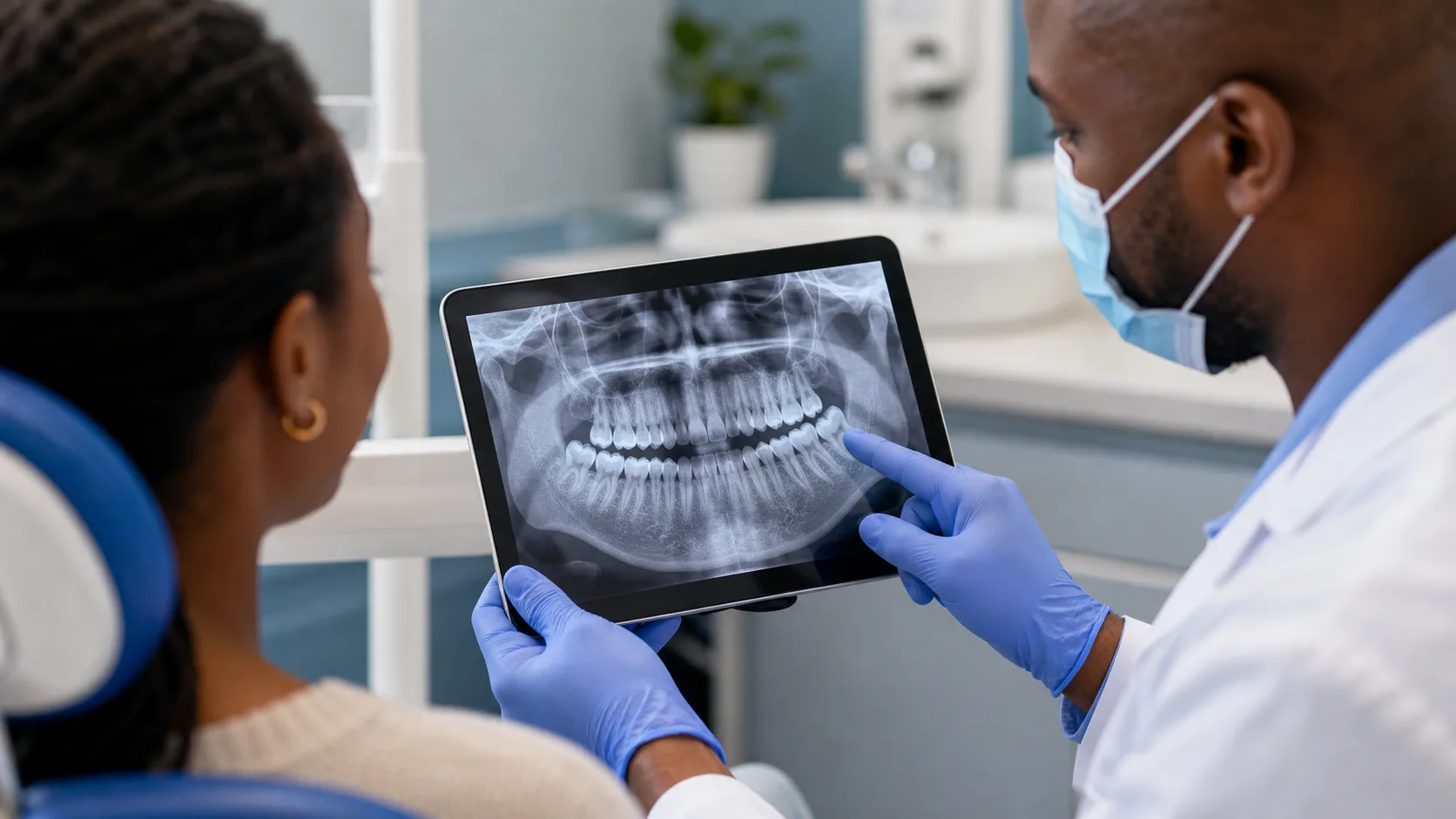
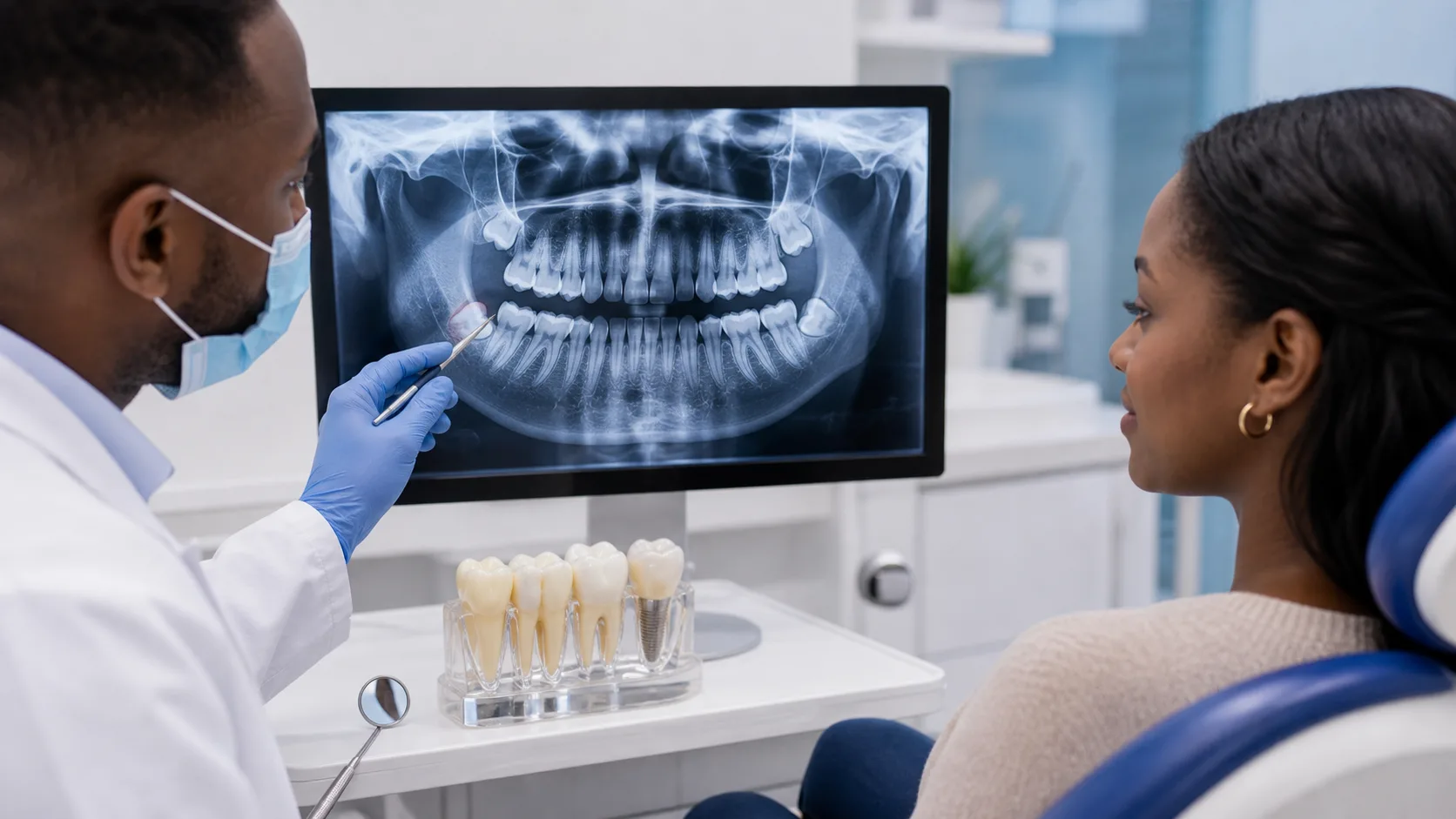
Digital dental X-rays help your dentist see what is happening below the surface. They may be recommended when symptoms, treatment planning, or routine assessment require more information.
Smile On Dental supports Polokwane patients through branch-based care. Start with a consultation so the dentist can assess your oral health, explain suitable options, and confirm the next step.
Use the main digital dental x-rays page for deeper education before choosing a branch or requesting a callback.
View Digital Dental X-raysVisual Guide



Treatment Guide
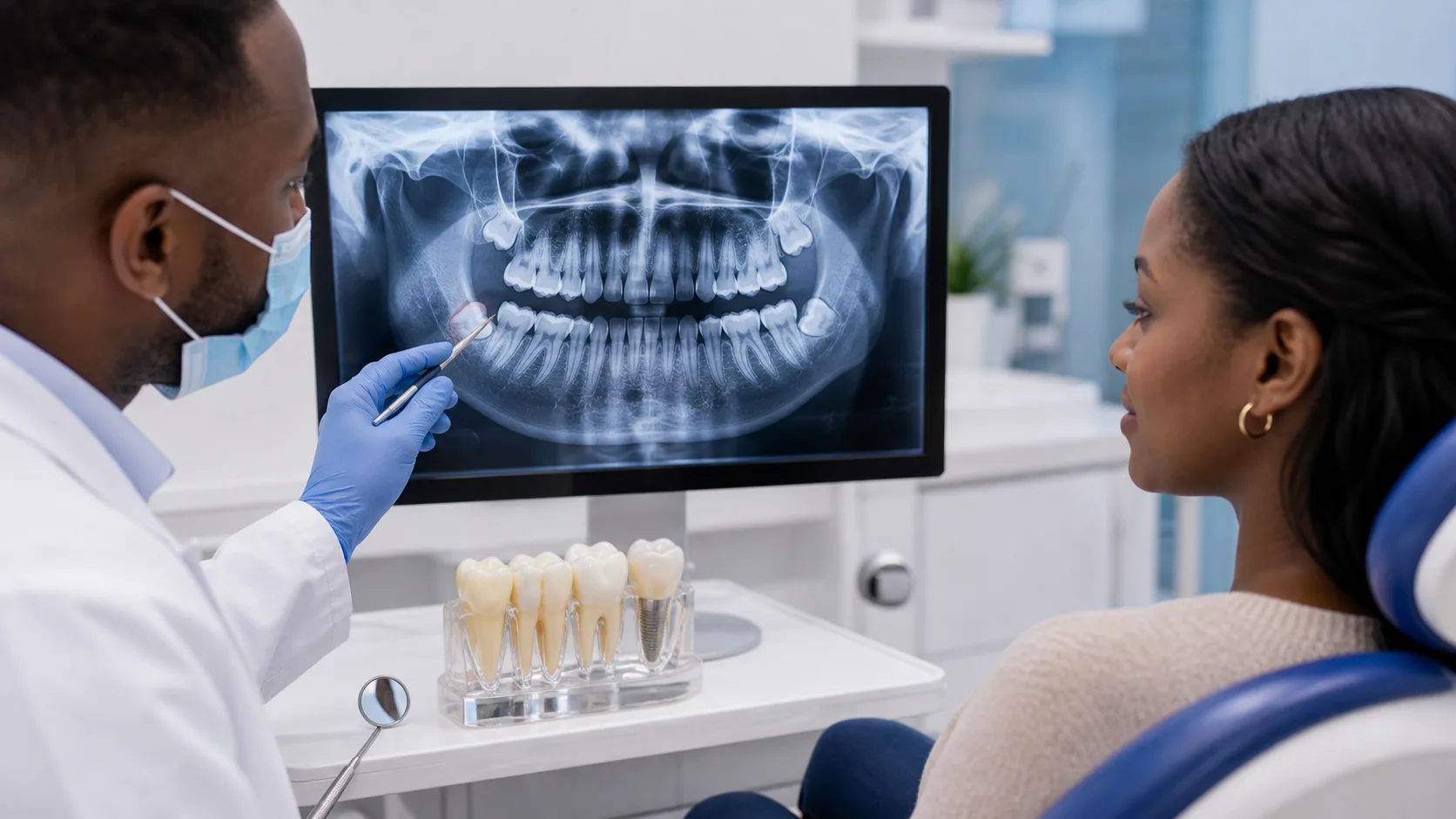
Digital dental X-rays help the dentist assess areas that cannot be seen properly during a visual examination.
Looking in the mouth shows the visible tooth surfaces and soft tissues, but some concerns sit between teeth, under restorations, around roots, or within the bone. Imaging gives the dentist extra information when the clinical question justifies it.
In Polokwane, imaging may be discussed during a problem visit, gum assessment, wisdom tooth review, restorative planning, orthodontic records, or implant-related assessment. The image supports the diagnosis; it is not a substitute for the clinical exam.
X-rays may show
Whether imaging is needed depends on the symptom pattern, previous dental history, risk level, and treatment being planned.
An image may be useful for toothache, swelling, trauma, deeper sensitivity, wisdom tooth position, gum and bone assessment, root canal planning, extraction planning, or checking areas between teeth. It can also help assess old crowns, fillings, or bridges.
X-rays are not automatic at every appointment. Existing images may be useful if they are current enough, and any new image should be linked to a clear diagnostic question.
Common reasons

There is usually little to prepare, but a few details can help the team position you comfortably and safely.
Tell the dentist if you are pregnant or may be pregnant, gag easily, struggle to bite down, feel anxious around dental equipment, or wear removable dental appliances. Those details can affect which view is easiest to capture.
A denture, retainer, aligner, jewellery near the mouth, or another removable item may need to come out before imaging. The team then positions the sensor or machine for the specific tooth, jaw area, or planning view.
Mention first
Digital imaging is usually brief and focused on the view needed to answer the dentist's question.
For smaller views, a sensor may be placed in the mouth while you bite gently. For broader views, you may stand or sit still while the machine moves around the head. The technique depends on whether the dentist needs one tooth, bitewing, or wider planning information.
The dentist reads the image alongside your symptoms and mouth exam. Hidden structures may be clearer on the image, but the treatment decision still comes from the full assessment.
Process includes
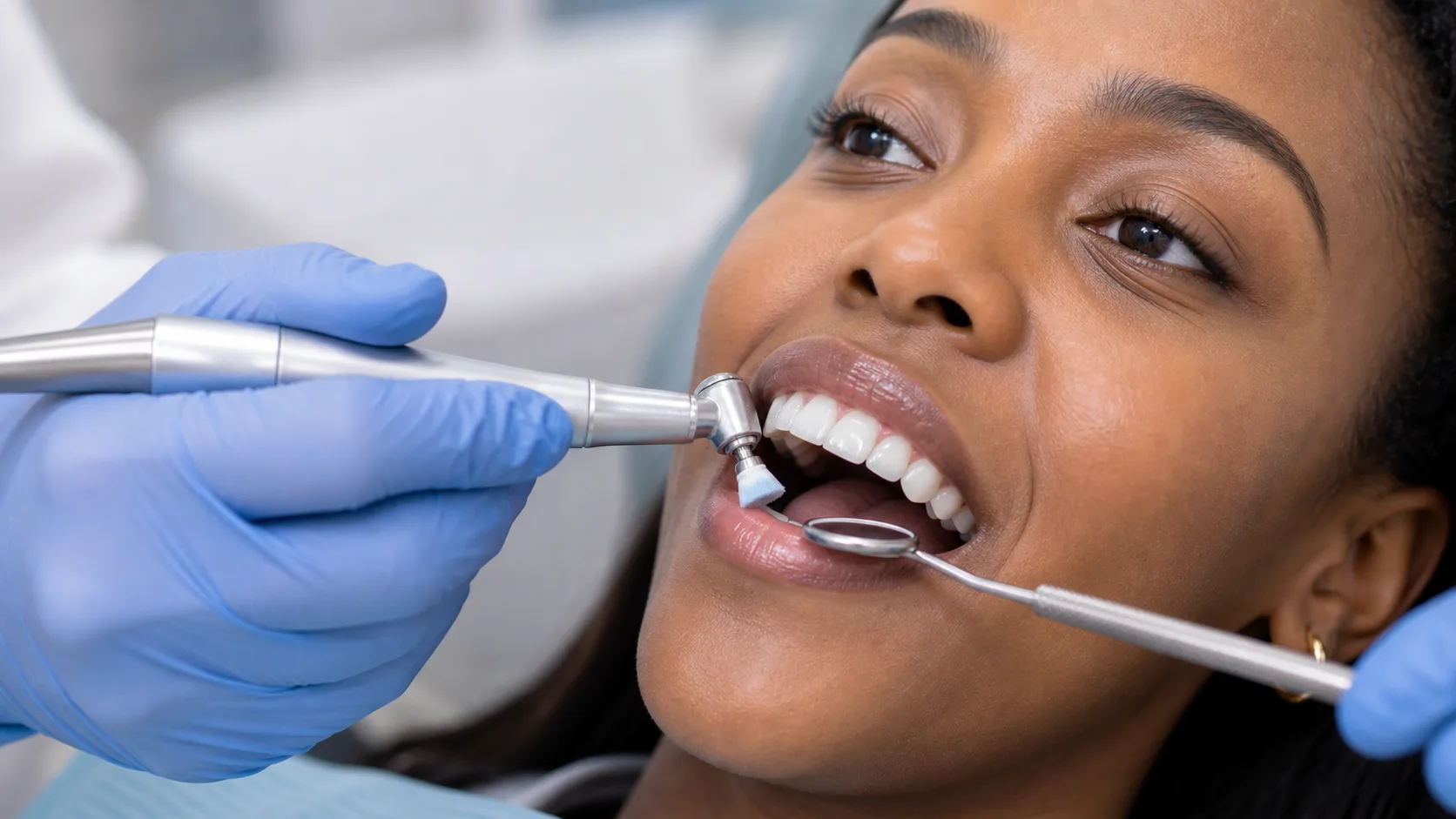
X-rays should be used selectively when the information is likely to change diagnosis, planning, or monitoring.
Dental teams reduce unnecessary exposure by choosing images carefully and using appropriate technique. Digital records can be reviewed quickly, stored with the chart, and compared later when the dentist is monitoring change.
The practical benefit for Polokwane patients is less guesswork. A tooth may look normal from the outside while decay, infection, or bone changes are developing in places the eye cannot see.
Benefits include
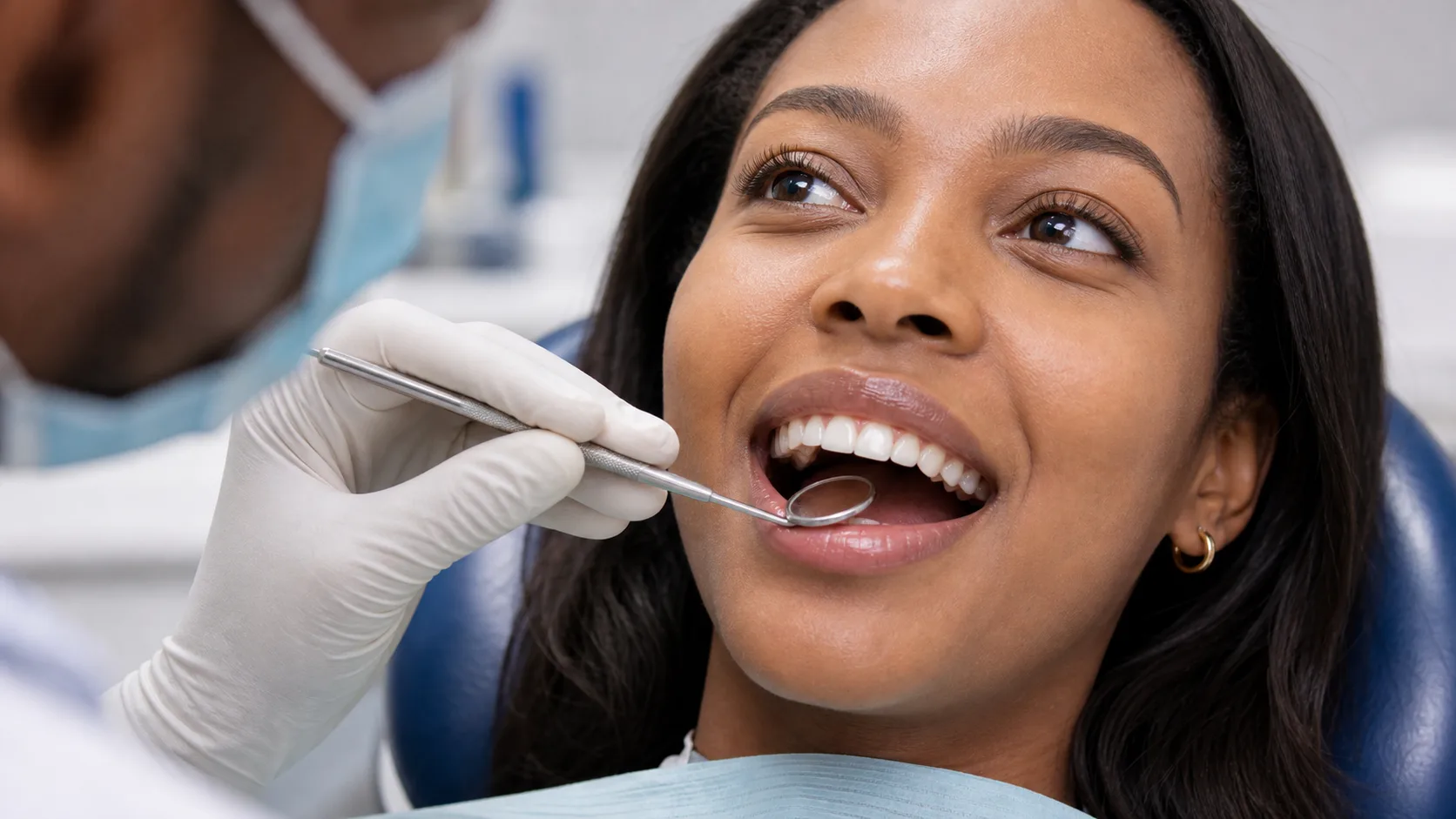
The cost of imaging depends on the view needed and how many images are required for the clinical question.
A focused image for one sore tooth is different from broader imaging for wisdom teeth, gum disease, orthodontics, or complex treatment planning. Costs may also depend on whether imaging is part of a consultation, urgent visit, or treatment plan.
The takeaway is that digital X-rays should answer a useful clinical question. Patients can ask why an image is recommended, what it may show, and how the result will affect the next step.
May affect cost
Who It Helps
Treatment Journey
Your dentist explains why imaging may be useful.
The image is captured as part of assessment or planning.
Findings are used to guide diagnosis and next steps.
Suitability
General Dentistry
General dental concerns can have more than one cause. The safest first step is an assessment so the dentist can explain what is happening before treatment is chosen.
Suitability
The dentist considers symptoms, oral health, bite, medical history, expectations, and maintenance before recommending digital dental x-rays.
Costs
Cost discussions are most useful after diagnosis because materials, complexity, visit count, and follow-up needs vary from patient to patient.
Appointment
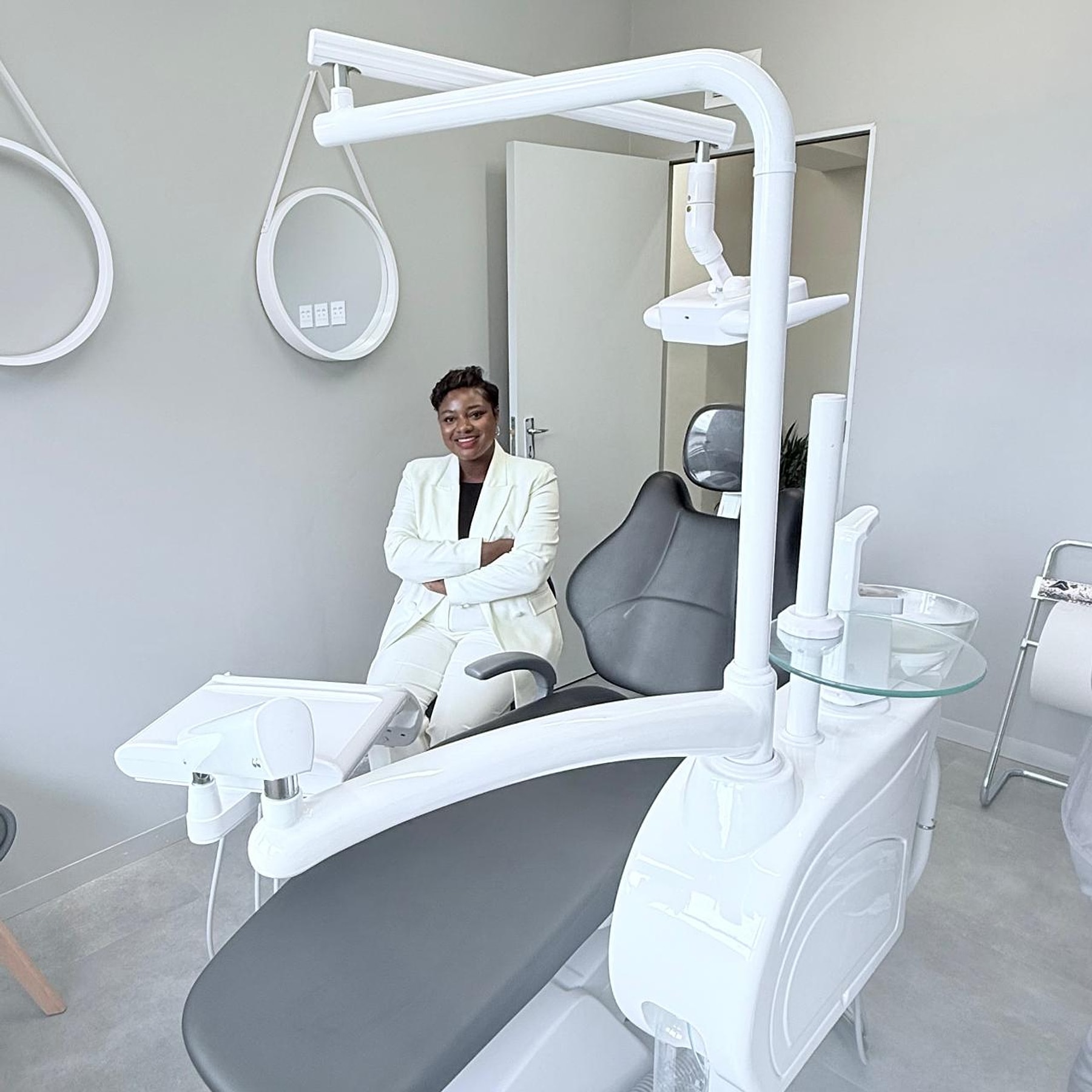
A useful treatment visit starts before the dentist looks inside your mouth. The practice needs enough background to understand why you booked, what you are worried about, and what information may affect your care.
When you arrive for digital dental x-rays in Polokwane, the first step is usually confirming your details and making sure the team understands the reason for your visit. If you are a new patient, you may need to share medical history, medication details, allergies, previous dental treatment, and the concern that brought you in. If you have seen another dentist recently, previous records or X-rays can also help the dentist understand what has already been checked.
This preparation stage should not feel like admin for the sake of admin. It helps the clinical team tailor the appointment to you. A patient coming in for pain needs a different starting point from someone planning whitening, braces, veneers, implants, cleaning, gum care, or a routine check-up. The more clearly you explain the concern, the easier it is for the practice to prepare the right appointment flow and avoid rushing important decisions.
Helpful details to bring or mention
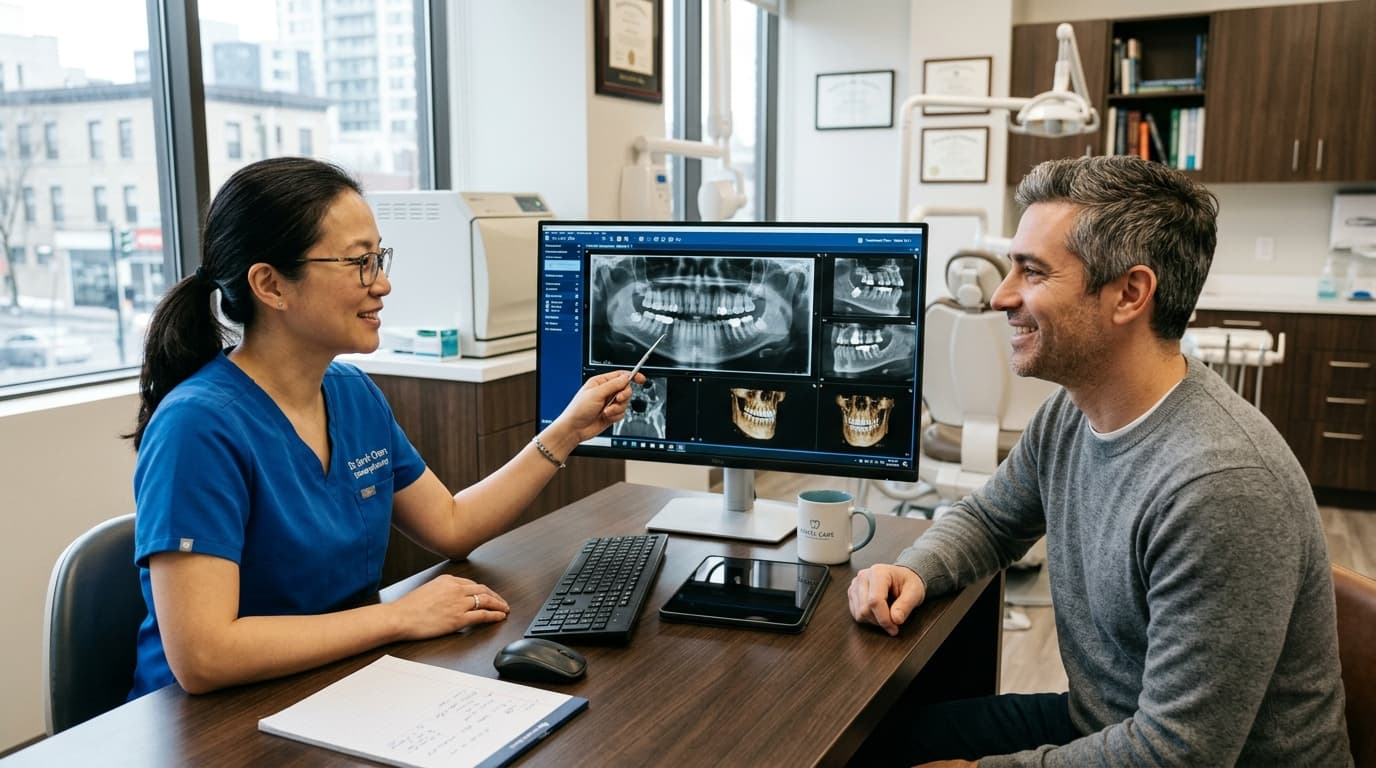
The consultation is an open conversation about your oral health, symptoms, habits, expectations, and treatment goals. This is where the dentist starts connecting your reason for booking with a practical clinical direction.
For digital dental x-rays in Polokwane, the dentist needs to know what you want to improve and what is currently affecting you. That could be pain, sensitivity, bleeding gums, a broken tooth, missing teeth, staining, crowding, bite problems, jaw discomfort, dental anxiety, or a smile concern. You may also be asked about brushing and flossing routines, diet, grinding, smoking, previous treatment, and how long the concern has been present.
This part of the visit is important because two patients can ask for the same treatment but need very different plans. One patient may be suitable to continue quickly. Another may first need gum care, a filling, X-rays, infection control, orthodontic planning, or a more detailed discussion about alternatives. The consultation should make the next step clearer without making you feel forced into treatment before the assessment is complete.
What to discuss openly
The dental examination gives the dentist the clinical information needed to decide whether the requested treatment is suitable and whether anything else needs attention first.
During the examination, the dentist checks the teeth, gums, soft tissues, bite, jaw comfort, existing restorations, and the area linked to x-rays. They may look for decay, cracks, gum inflammation, infection signs, wear, mobility, alignment issues, bite pressure, failing restorations, or anything that could affect the safety and predictability of treatment.
The examination should be thorough but understandable. The dentist may use a small mirror, probe, photographs, scans, or digital X-rays where needed. X-rays are not automatically required for every patient, but they can help when the dentist needs to see below the surface, check roots, bone levels, hidden decay, impacted teeth, infection, or the condition of a tooth before making a treatment recommendation.
What may be assessed
After the consultation and examination, the dentist explains what was found and how treatment can be approached. This is where the visit should become practical and specific.
For digital dental x-rays in Polokwane, the plan should explain why the treatment is being considered, what needs to happen first, how many visits may be involved, and what the expected maintenance looks like. If another treatment is more suitable, that should be explained too. A good plan connects diagnosis, options, comfort, timing, cost factors, and long-term care instead of only naming a procedure.
General dental concerns can have more than one cause. The safest first step is an assessment so the dentist can explain what is happening before treatment is chosen. The dentist can also explain what could happen if treatment is delayed, whether the concern is urgent, and whether the work should be staged. This helps you understand the difference between immediate relief, preventive care, cosmetic improvement, functional repair, and longer-term treatment planning.
Questions worth asking
The treatment visit should follow a clear sequence so you understand what is happening and why. The exact process depends on the diagnosis, the final plan, and the treatment being done.
Before starting digital dental x-rays, the team confirms the agreed treatment and checks that you are comfortable to continue. Depending on the procedure, the dentist may prepare the area, numb the tooth or gums, take records, clean the area, isolate the tooth, shape a restoration, adjust the bite, place attachments, discuss shade, remove build-up, or follow a surgical or orthodontic sequence. The important point is that the steps should match the plan already discussed with you.
If you feel nervous, uncomfortable, or unsure, say so before treatment starts or as soon as something changes. Patient comfort and consent are part of the process. You should know whether the visit is mainly diagnostic, preventive, cosmetic, restorative, orthodontic, surgical, or part of a longer staged plan.
Typical appointment flow
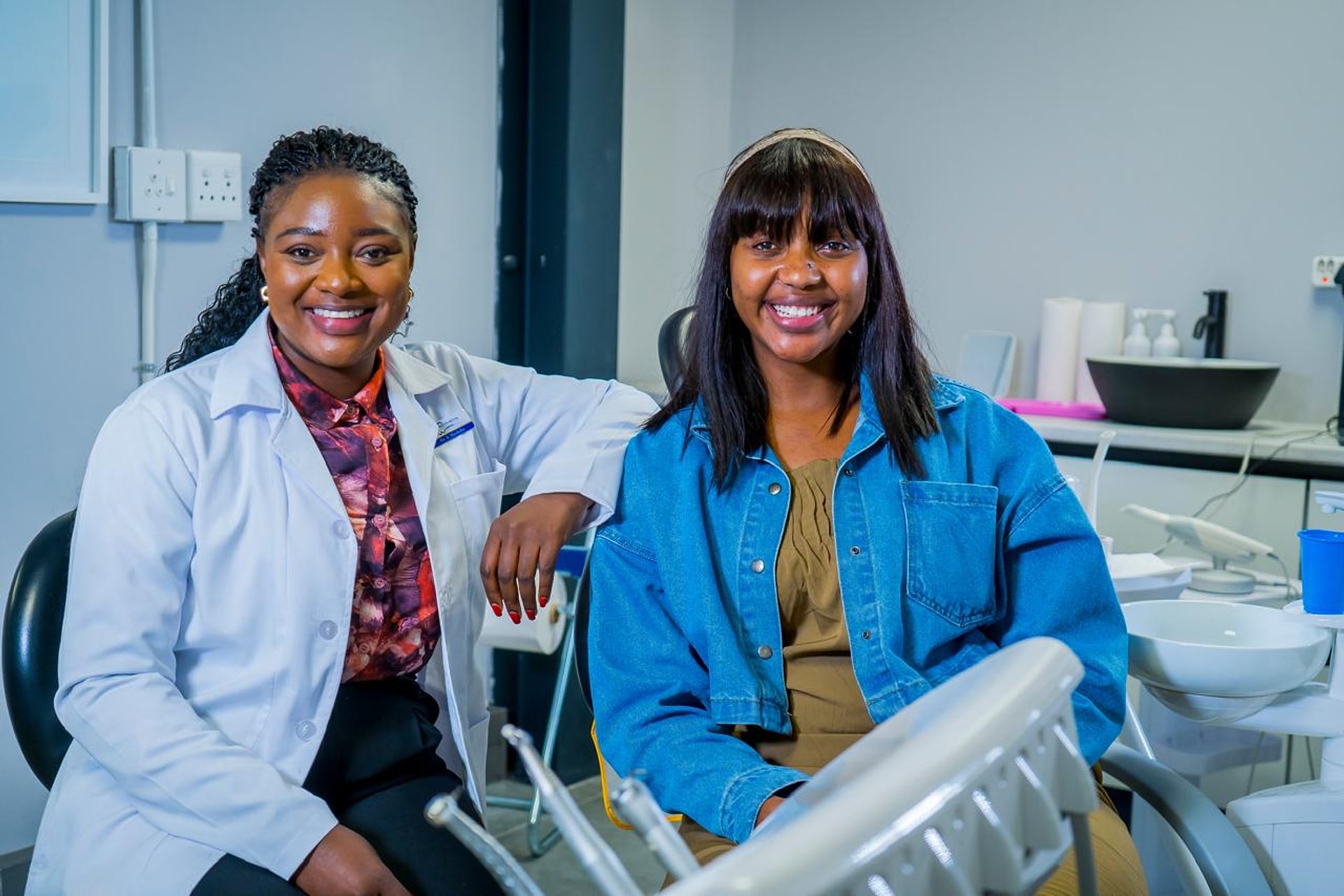
A proper appointment ends with clear aftercare, follow-up guidance, and practical instructions for protecting your mouth after the visit.
After digital dental x-rays, the dentist explains what to expect, what is normal, and what should be reported. Some patients only need home-care advice. Others may need a review, healing instructions, staged appointments, bite checks, orthodontic monitoring, gum maintenance, whitening maintenance, restoration care, or a replacement plan. The advice should match what was actually done, not a generic handout that ignores your treatment.
This aftercare stage is where long-term value is protected. Good instructions help you understand eating, brushing, flossing, sensitivity, discomfort, temporary numbness, bleeding, swelling, appliance wear, review visits, or maintenance routines where relevant. If something feels unusual after the appointment, contact the practice instead of guessing. Follow-up keeps treatment connected to comfort, function, appearance, and long-term oral health.
What aftercare should make clear
Polokwane Branches
Before You Book
Before You Book
Mention whether you are booking for x-rays, pain, appearance, function, prevention, or a second opinion.
At the Visit
Ask about diagnosis, options, number of visits, comfort, maintenance, and what could happen if treatment is delayed.
Aftercare
Your dentist will explain home care, review visits, and any symptoms that should be reported after treatment.
Related Treatments
Helpful Articles
 Dental CareWhat Can a Dental X-Ray Reveal About Tooth Roots, Wisdom Teeth, and Jawbone?9 min read
 Dental CareAre Dental X-Rays Safe, and How Does a Dentist Decide When They Are Necessary?9 min read
 Dental CareI Have a Treatment Plan From Another Dentist. Can I Book a Consultation to Understand My Options?9 min read
Questions
The best starting point is a consultation. Your dentist will assess your teeth, gums, bite, symptoms, concerns, and smile goals before recommending a personalised treatment plan.
Yes. Use the Book an Appointment button to open the booking site and choose a convenient appointment time. You can also request a callback if you would prefer the practice team to contact you first.
Yes. You can request a callback if you prefer the practice team to contact you before booking. This can be helpful when you are unsure whether you need a routine visit, cosmetic consultation, orthodontic assessment, or urgent support.
Yes. Costs depend on the diagnosis, treatment complexity, materials, and number of visits required. Your dentist can explain the recommended next step before treatment begins.
Bring your identification, medical history, current medication details, previous dental information if available, and any questions you want to discuss with the dentist.
Book an assessment so the dentist can diagnose the cause before you choose a treatment. Pain or swelling may need urgent attention, X-rays, restorative care, or another clinical next step.
Book Care