
Quick Answer
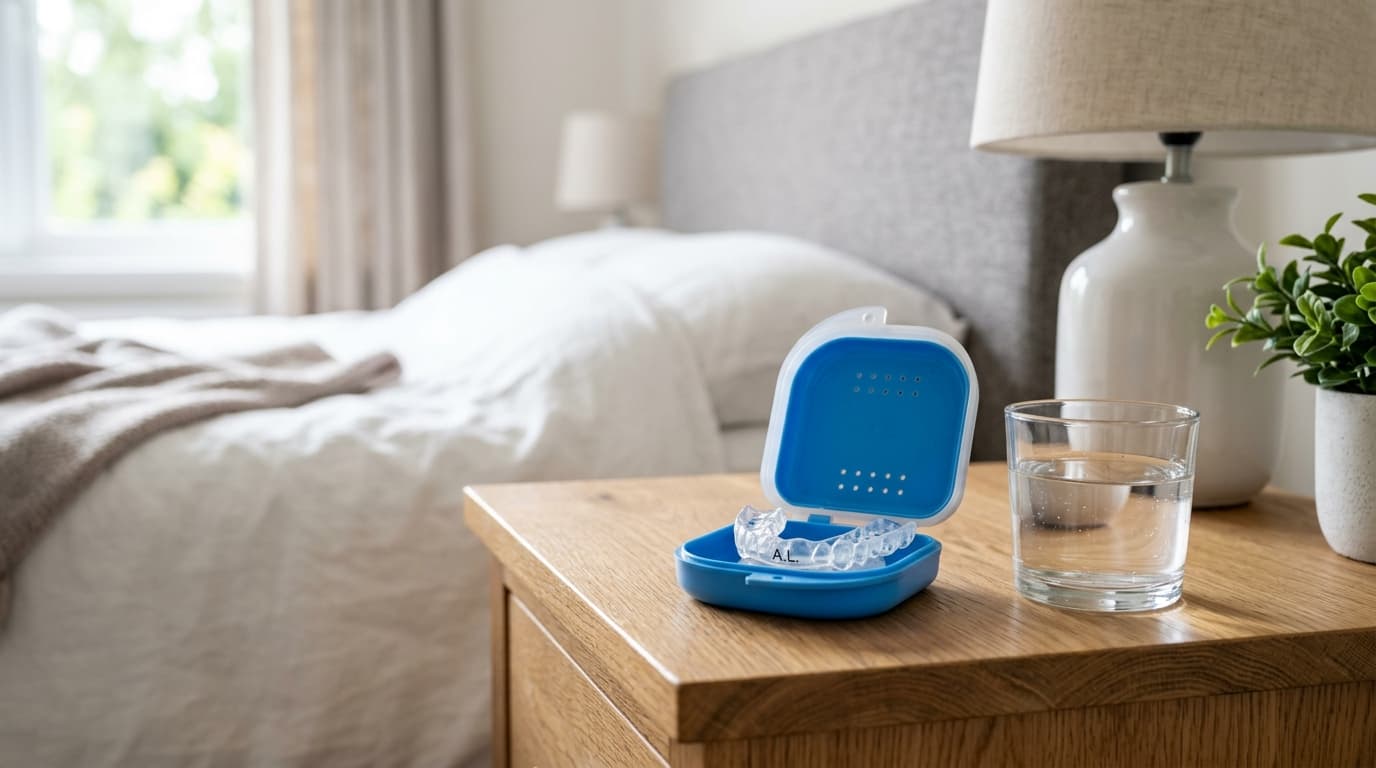
Clean your night guard immediately after waking by brushing it gently with a soft toothbrush and mild antibacterial liquid soap or non-abrasive dish soap under lukewarm water. Avoid hot water (which warps acrylic), abrasive toothpastes (which scratch the surface), and alcohol mouthwashes. Store the guard completely dry in a ventilated, perforated case away from pets.
- Regular toothpaste contains micro-abrasives that scratch acrylic, creating microscopic pores where bacteria and odor thrive.
- Hot or boiling water permanently distorts precision thermoplastic guards, ruining their fit and bite balance.
- Soaking the guard in specialized dental appliance cleaning tablets once or twice a week removes calcified mineral tartar.
- Always store the night guard in a ventilated case; keeping it in a sealed, damp container fosters mould and bacterial growth.
Start with the full situation, not one isolated detail
Your custom night guard is an investment in your dental health, but because it sits directly over your teeth all night, it accumulates saliva, oral bacteria, plaque, and mineral deposits. Without proper daily hygiene, guards can develop foul odors, yellow discoloration, and white calcified tartar crusts.
However, cleaning a dental appliance is different from cleaning natural teeth. Many common cleaning habits—like scrubbing with whitening toothpaste or soaking in hot water—can permanently ruin the appliance.
The useful question is not only whether cleaning and storing a dental night guard is common. It is whether the pattern, timing, location, and associated symptoms point to something that needs prevention, monitoring, repair, or urgent treatment. A dental assessment combines what you have noticed with the condition of the teeth, gums, bite, and existing dental work.
What may explain cleaning and storing a dental night guard
Several explanations can produce a similar experience. Appearance or symptoms at home can narrow the conversation, but they cannot reliably confirm the diagnosis. The dentist looks for a finding that explains the whole pattern rather than choosing treatment from one symptom.
Tell the dental team what changed, when it started, whether it is improving or recurring, and what makes it better or worse. That history helps the examination focus on the most relevant teeth and tissues while still checking for another source.
| Possible factor | Why it may matter |
|---|---|
| Bacterial plaque and biofilm accumulation | Normal oral bacteria multiplying on the acrylic surface, leading to morning bad breath and cloudy film. |
| Calcified mineral tartar (calculus) buildup | Salivary minerals crystallizing into hard white spots that cannot be removed with simple brushing. |
| Micro-scratching from abrasive toothpastes | Rough cleaning agents creating microscopic grooves that harbor stubborn bacterial colonies. |
| Thermal warping from hot water exposure | High temperatures softening the acrylic and destroying the precision laboratory fit. |
What the dentist may check
The appointment begins with your symptoms, dental history, medicines, allergies, health conditions, and previous treatment. The clinical examination then tests the possibilities that fit cleaning and storing a dental night guard. An X-ray or another diagnostic step may be used only where it adds useful information.
No single test answers every dental question. Visual findings, gum measurements, bite response, sensitivity testing, imaging, and comparison with nearby teeth are interpreted together. If the source is uncertain, the safest plan may include review or referral before irreversible treatment.
| Check | What it helps establish |
|---|---|
| Visual inspection for cloudiness and tartar spots | Checking for stubborn white mineral deposits inside the tooth indentations. |
| Odor and hygiene assessment | Evaluating whether deep bacterial biofilm has penetrated surface micro-pores. |
| Structural integrity and crack review | Inspecting borders and bite planes for micro-fractures, splits, or thinning. |
| Storage case hygiene check | Ensuring the case is clean, dry, and has adequate ventilation holes. |
How the next step is chosen
Daily gentle cleaning with liquid soap plus weekly effervescent soaking keeps your guard crystal clear, fresh, and hygienic for years. Never use hot water, bleach, or abrasive whitening toothpastes.
The recommended option should match the diagnosis, the amount of healthy tooth and gum support, the urgency, your wider health, and whether the result can be maintained. Ask the dentist to distinguish treatment needed to control disease from elective improvements that can safely wait.
A complete plan should include any temporary stage, definitive procedure, final restoration, and review. If care is staged, confirm what protects the area between visits and which change means the next appointment should be brought forward.
| Possible next step | When it may enter the discussion |
|---|---|
| Daily Routine: Mild liquid soap and soft brush | Brushing gently with clear, non-abrasive liquid hand soap or dish soap under lukewarm water every morning. |
| Weekly Deep Clean: Retainer / Guard cleaning tablet | Soaking for 15 minutes in effervescent specialized appliance cleaner (e.g., Retainer Brite) to dissolve tartar. |
| Natural Vinegar Soak for Mineral Buildup | Soaking the guard in a 50/50 mixture of distilled white vinegar and cool water for 30 minutes to dissolve hard scale. |
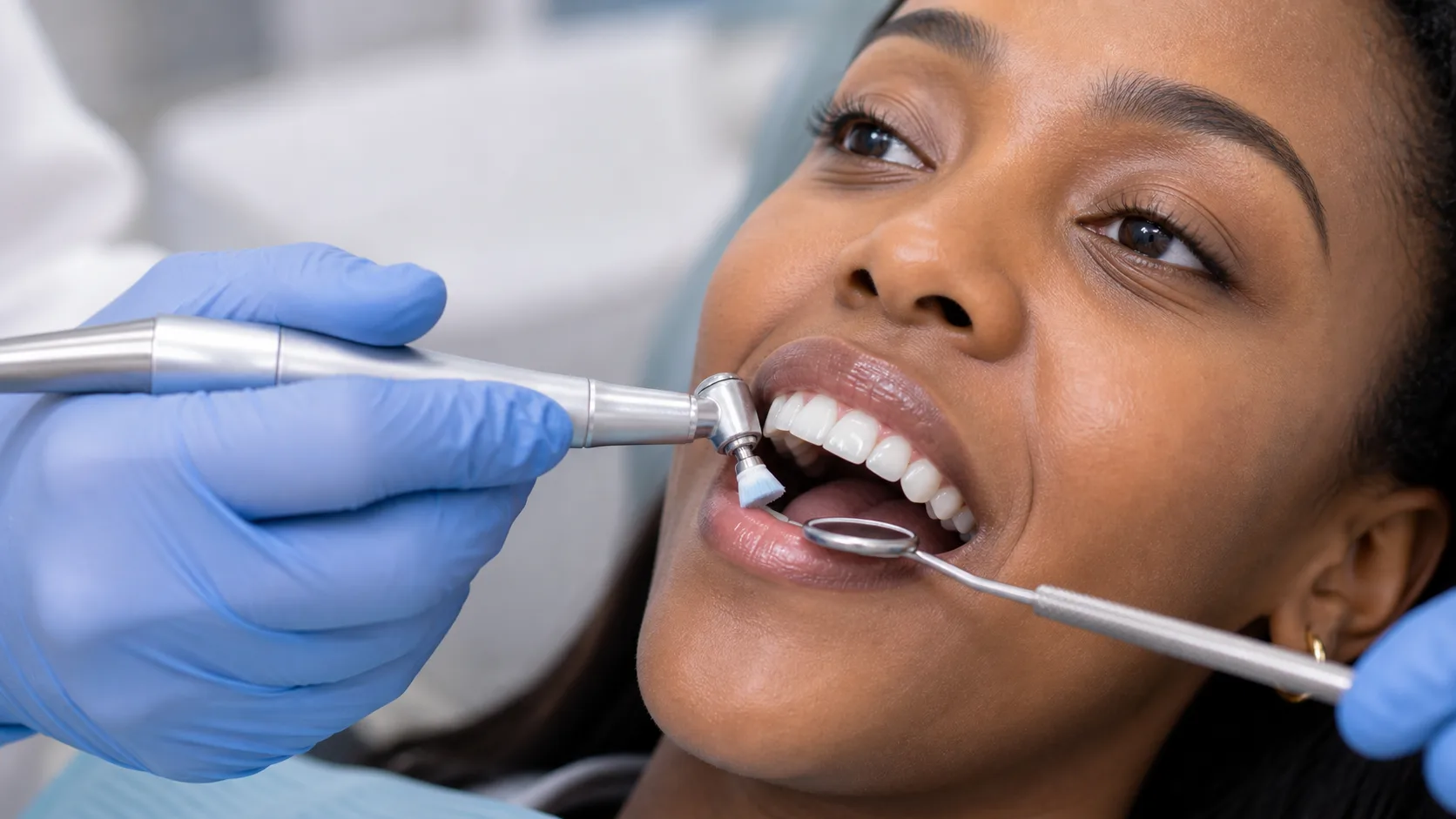
| In-office ultrasonic professional cleaning | Having your dental hygienist place your guard in an ultrasonic bath during your routine check-up. |
Turn the diagnosis into a complete care plan
A useful plan for cleaning and storing a dental night guard should connect every recommended step to a finding from the examination. Ask the dentist to separate what controls active disease or immediate risk from what restores function, improves appearance, or prevents recurrence. That distinction makes it easier to understand why one step comes before another.
Confirm whether treatment can be completed in one appointment or requires a temporary stage, laboratory work, healing, specialist input, or a final restoration. If several visits are involved, ask what protects the tooth or gum between them, which activities or foods should be limited, and whom to contact if the temporary stage changes.
Long-term value also depends on maintenance. Discuss how the area will be cleaned, which review findings show that treatment is working, what can fail over time, and whether future repair is possible. Where cost affects timing, request a written sequence that identifies the urgent phase, the definitive phase, and any later elective or replacement decision.
Record the diagnosis and agreed sequence in language you understand. If more than one option is suitable, compare expected durability, maintenance, recovery, limitations, and the likely result of delaying each choice. A clear written plan also helps another clinician understand what has already been assessed if you need urgent care or continue treatment at a different practice.
What to do before the appointment
Always brush and floss your teeth before inserting the guard at night. Trapping food debris or sugar underneath the acrylic creates a breeding ground for cavities and gum inflammation.
Home care should protect the area without hiding a worsening problem. Avoid scraping, forcing tools, applying chemicals to teeth or gums, or using someone else’s prescription. Use only medicines that are safe for you and follow the label or advice from a qualified healthcare professional.
Keep the appointment even if the symptom settles. A changing symptom is still useful evidence, and temporary improvement does not prove that decay, inflammation, infection, a crack, or a gum problem has resolved.
- Bring your night guard and case to every dental hygiene and check-up appointment for professional ultrasonic cleaning.
- Check if your guard has white, hard mineral crusts that won't brush off at home.
- Notice if the guard has developed any yellow discoloration or persistent taste.
- Ensure pets (especially dogs) cannot reach the case, as pets frequently chew up night guards.
Questions that make the plan clearer
Good questions connect the proposed care to a specific finding. Ask what the dentist can confirm today, what remains uncertain, and what would change the recommendation. This is more useful than comparing procedure names without knowing whether they address the same diagnosis.
Also ask about the full sequence, likely review point, maintenance, alternatives that are clinically suitable, and the consequences of waiting. Where cost matters, request an estimate that covers the complete plan rather than only the first urgent or temporary stage.
- Can your team place my night guard in the ultrasonic cleaner during my appointment today?
- Are there specific cleaning tablets you recommend for this type of acrylic?
- How can I remove stubborn white calcium deposits without damaging the material?
- Is my night guard showing any signs of bacterial colonization or surface wear?
When to arrange faster care
Move the appointment forward when symptoms are worsening, affecting sleep or eating, or accompanied by swelling, pus, a bad taste, fever, trauma, uncontrolled bleeding, or increasing difficulty opening the mouth. Describe these changes when booking so that the practice can triage the situation.
Difficulty breathing, swallowing, or speaking, extensive mouth or neck swelling, swelling affecting an eye, severe facial trauma, confusion, or uncontrolled bleeding can require emergency medical help. Do not wait for an ordinary dental appointment when airway, vision, consciousness, or general health may be affected.
Without emergency signs, persistent or recurring cleaning and storing a dental night guard still deserves assessment. Early diagnosis usually gives the dentist more information and may preserve more conservative choices than waiting for a crisis.
- The guard develops visible black or green mould spots that do not wash away.
- Wearing the guard causes an unpleasant chemical taste or throat irritation.
- The acrylic becomes brittle, yellowed, and develops hairline structural cracks.
Internal Links
Related dental care
Sources
Useful information

Written by
Dr. Kholofelo Machaba-SelatoleChief Dentist & Practice Director
Dr. Kholofelo Machaba-Selatole leads Smile On Dental & Aesthetic Studio with a warm, patient-focused approach to family, restorative, cosmetic, and orthodontic care.
View Profile