First Step
Consultation
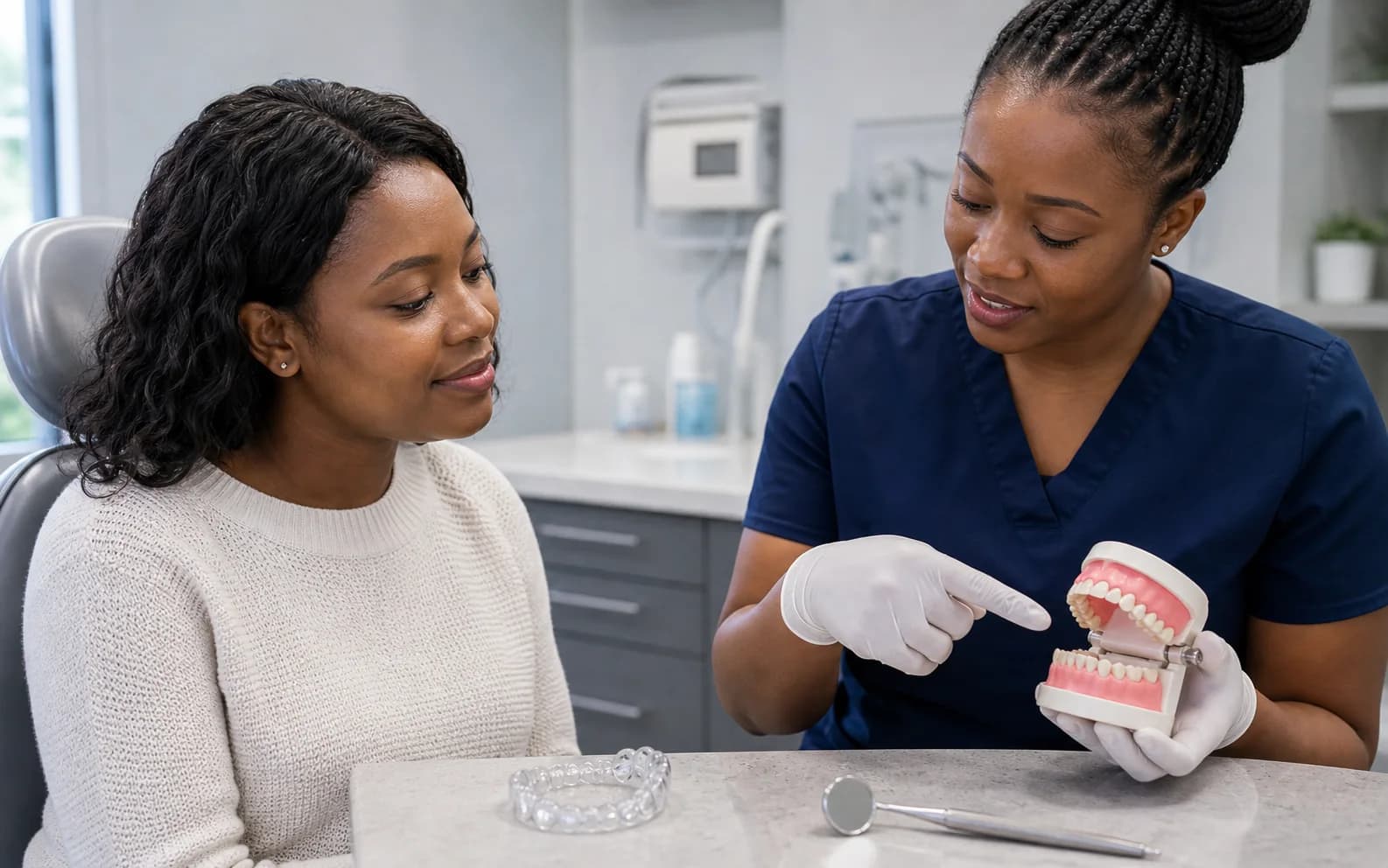
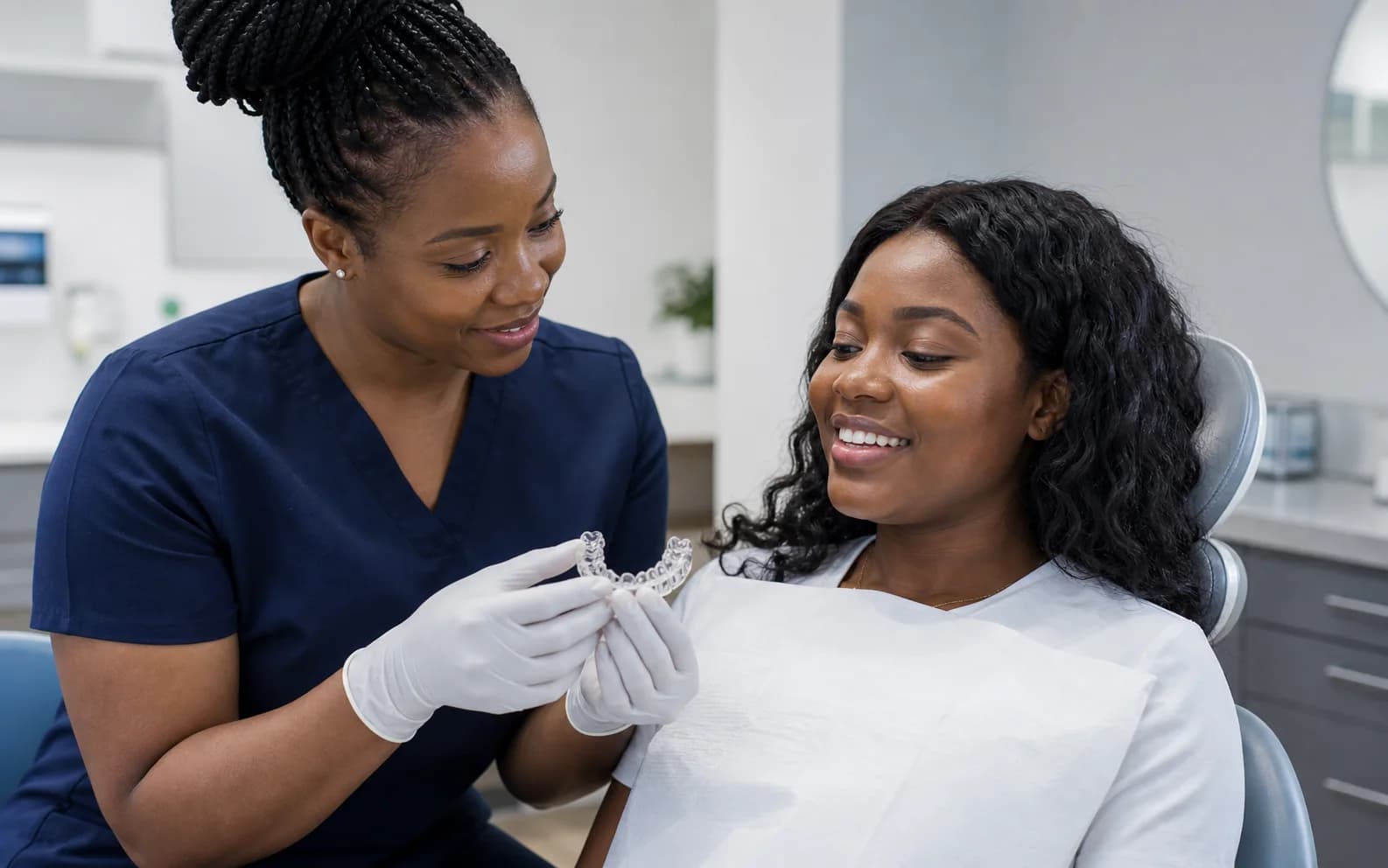
The dentist checks your concern and confirms whether this treatment is suitable before care begins.
Children's Dentistry
Book Mouth Guards and Night Guards with Smile On Dental. Start with an assessment, understand your options, and get clear next steps before treatment begins.
Quick Summary
First Step
The dentist checks your concern and confirms whether this treatment is suitable before care begins.
Best For
Suitability depends on oral health, symptoms, goals, and clinical findings.
Planning
Timing, visits, cost factors, and aftercare are explained after the assessment.
Branch Access
Use the location section to choose the branch that is easiest for you to attend consistently.
Overview
Treatment Introduction
Mouth guards and night guards may be recommended to help protect teeth from grinding, clenching, or certain activity-related risks. A dental assessment helps confirm the right type of guard for your needs.
Decision Support
Smile On Dental uses the visit to understand your symptoms, goals, oral health, and expectations before recommending a suitable treatment plan.
Visual Guide
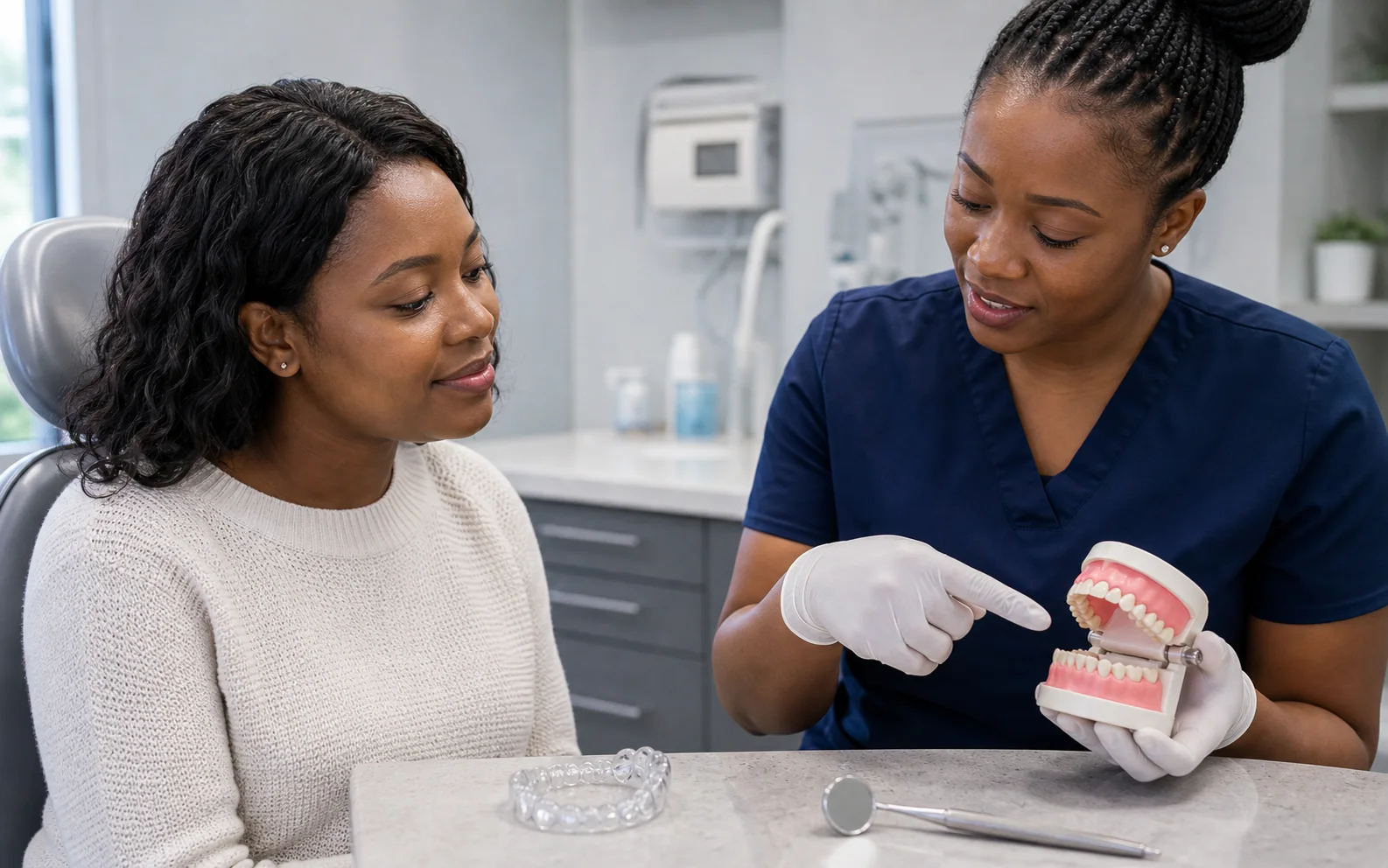

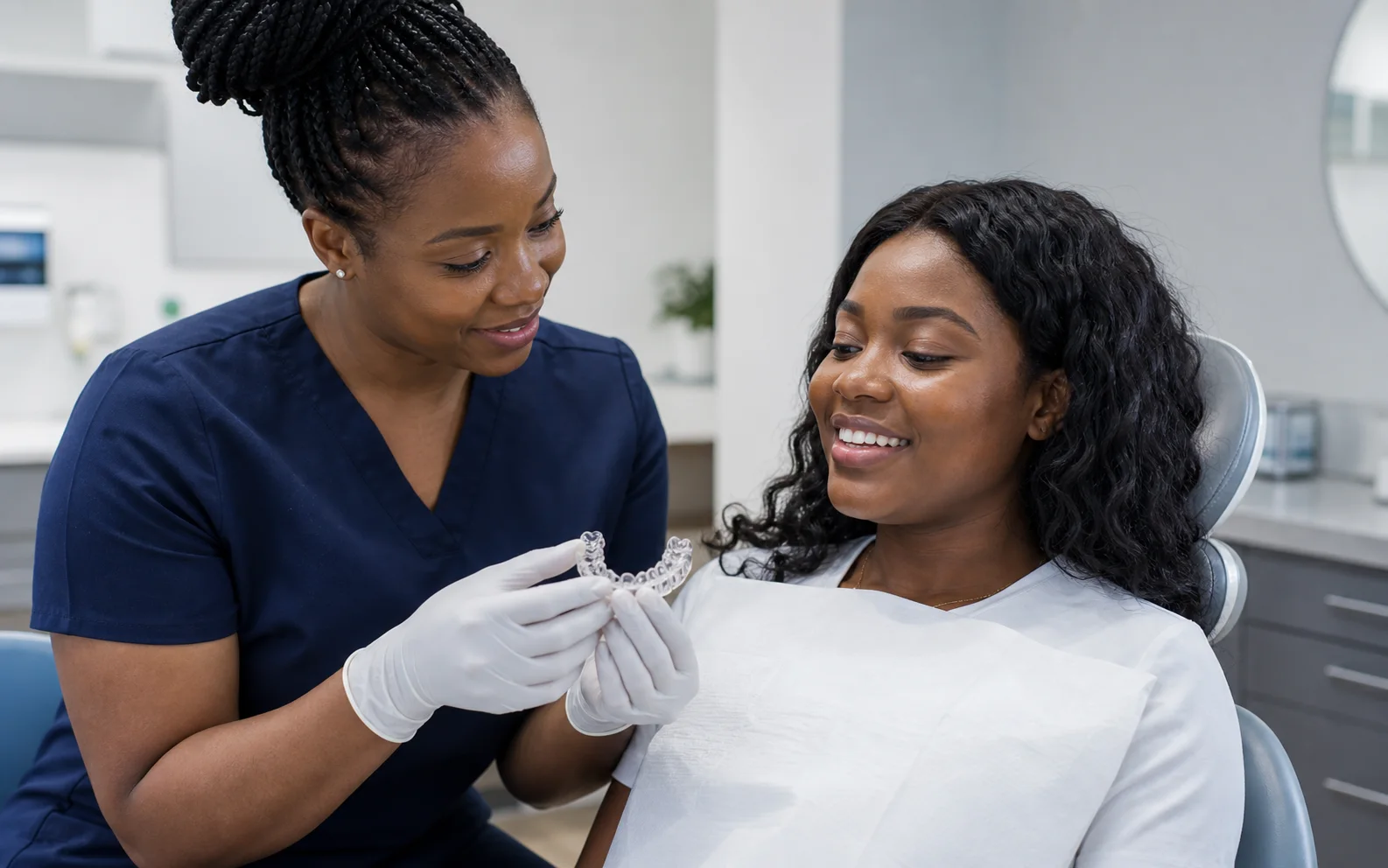
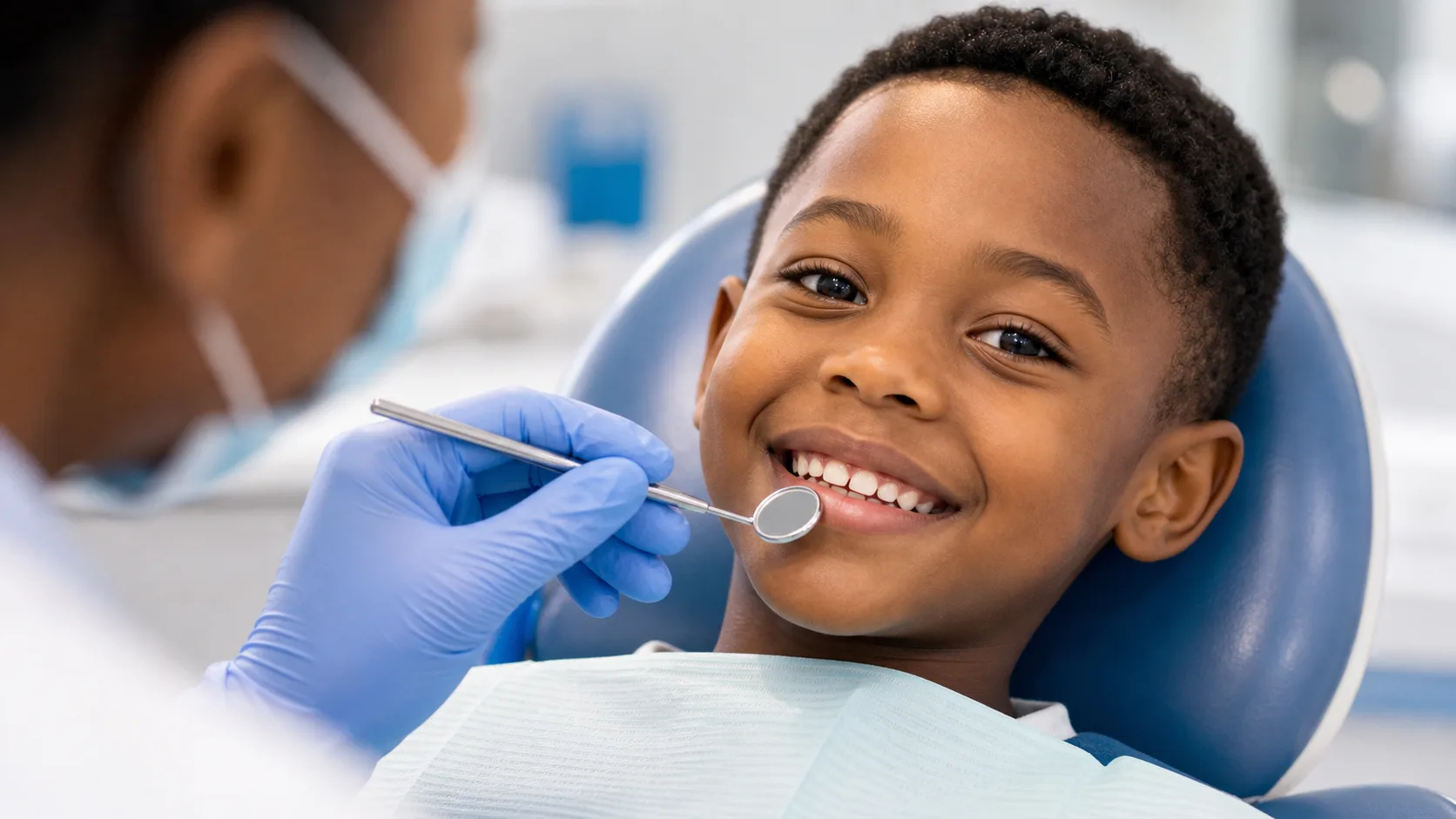
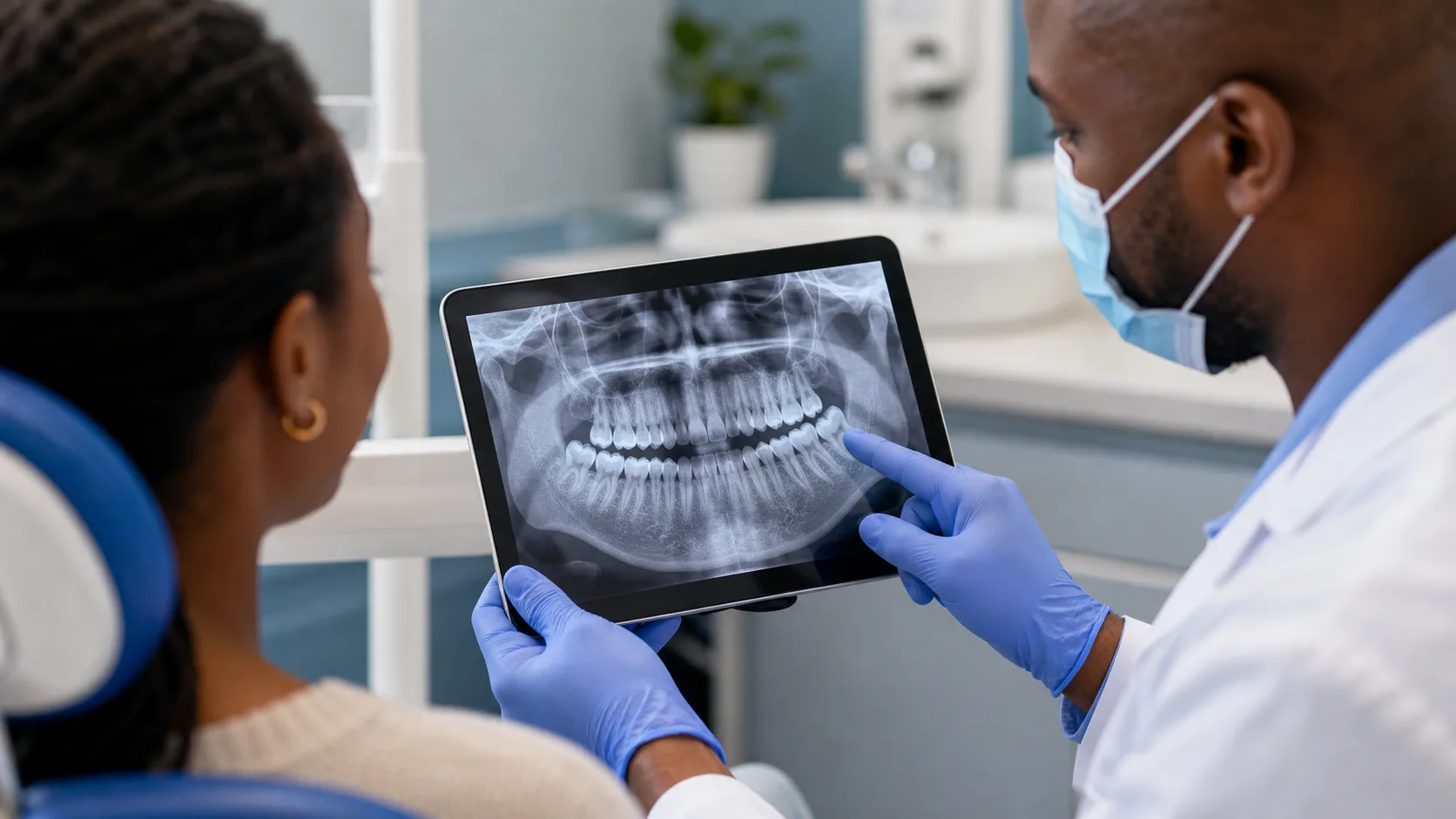
Treatment Guide
Mouth guards and custom night guards are used to protect teeth, jaws, restorations, and soft tissues from avoidable damage.
A sports mouth guard helps reduce the risk of dental injuries during contact or impact activities. A night guard for teeth grinding is usually considered when teeth show wear, jaw muscles feel tired, or a patient reports clenching or grinding. These appliances are different, so the dentist first confirms what problem needs protection.
At Smile On Dental, the conversation starts with the reason for the guard. A child playing sport, an adult with worn teeth, and a patient with new crowns may all need different design choices. The guard should fit the mouth, the bite, and the expected use.
A guard may help protect
A guard should be planned around the patient's teeth, bite, symptoms, and risk level.
The dentist checks for tooth wear, cracks, sensitivity, muscle tenderness, gum health, loose teeth, restorations, and bite changes. For sports protection, the dentist considers the activity and whether the guard needs to fit around braces or erupting teeth. For night guards and bruxism appliances, the assessment may also include jaw comfort and sleep-related symptoms.
This step matters because a poorly fitting guard can feel bulky, rub the gums, or fail to protect the right areas. A custom guard is made from dental records so it can hold more securely than a generic over-the-counter option, while still being planned around the patient's actual mouth.
Planning checks
Custom guards are made from dental records so the appliance can match the patient's mouth more closely.
The process usually begins with an examination and records of the teeth. The dentist confirms whether the guard is for sport, night-time protection, or another protective purpose. The appliance is then made to fit the arch and checked so pressure points, looseness, or bite issues can be adjusted.
A sports guard often prioritises impact protection and secure fit during activity. A night guard focuses on separating and protecting tooth surfaces during bruxism, clenching, or grinding. The design depends on the dentist's findings and the patient's needs, so it should not be treated as a one-size-fits-all item.
Typical steps
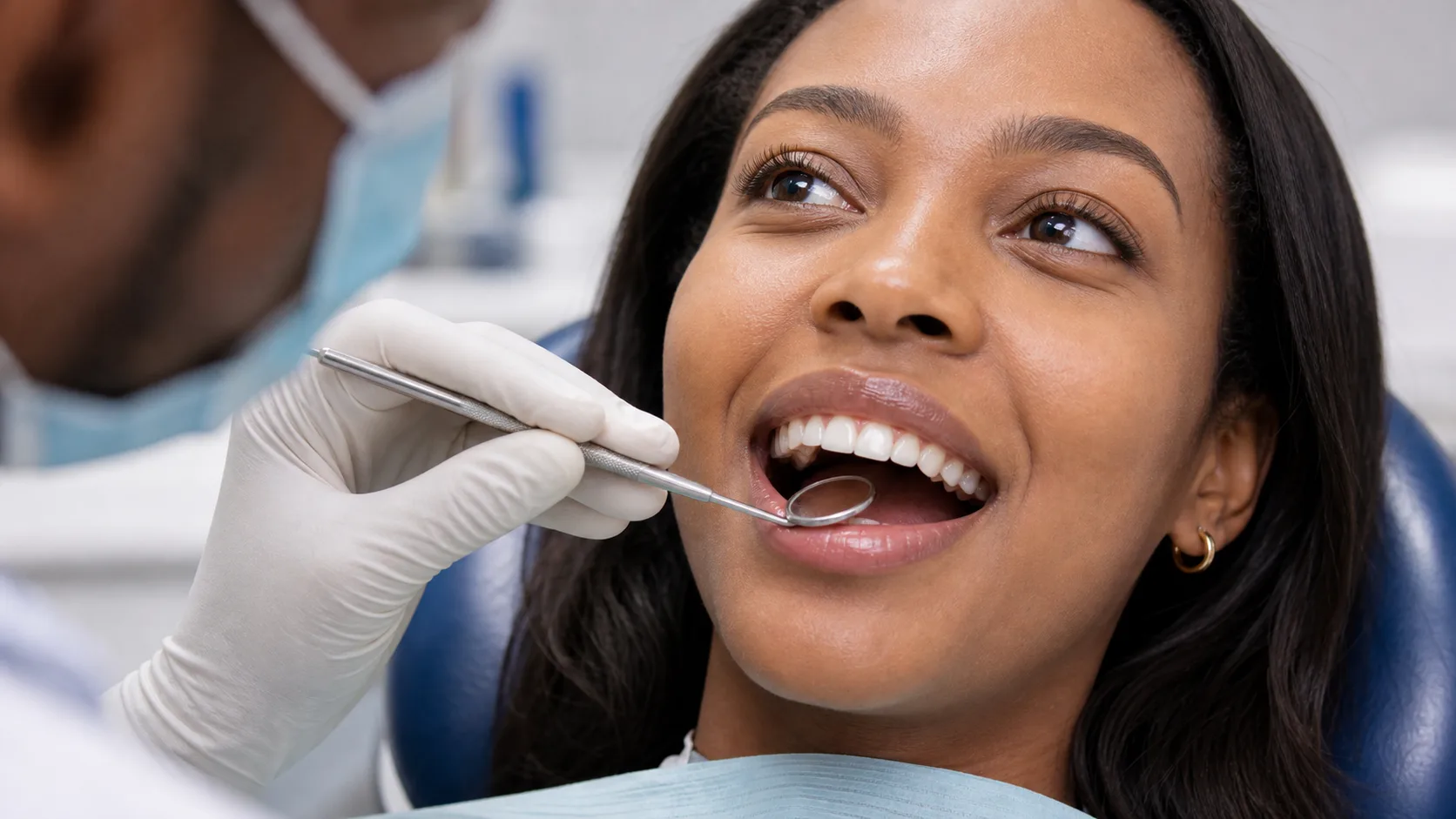
A protective guard only works well if the patient can wear it consistently and comfortably.
A new guard may feel unfamiliar at first, especially for night-time use. The dentist can check whether it seats fully, whether any edges rub, and whether the bite feels balanced enough for the purpose of the appliance. Patients should not force a guard that causes pain or feels unstable.
For children and sports players, comfort affects compliance. A guard that is too loose may be left in a bag, while one that feels too bulky may interfere with focus during sport. Fit reviews are useful when teeth are changing, orthodontic treatment begins, or the guard no longer feels secure.
Comfort signs to check
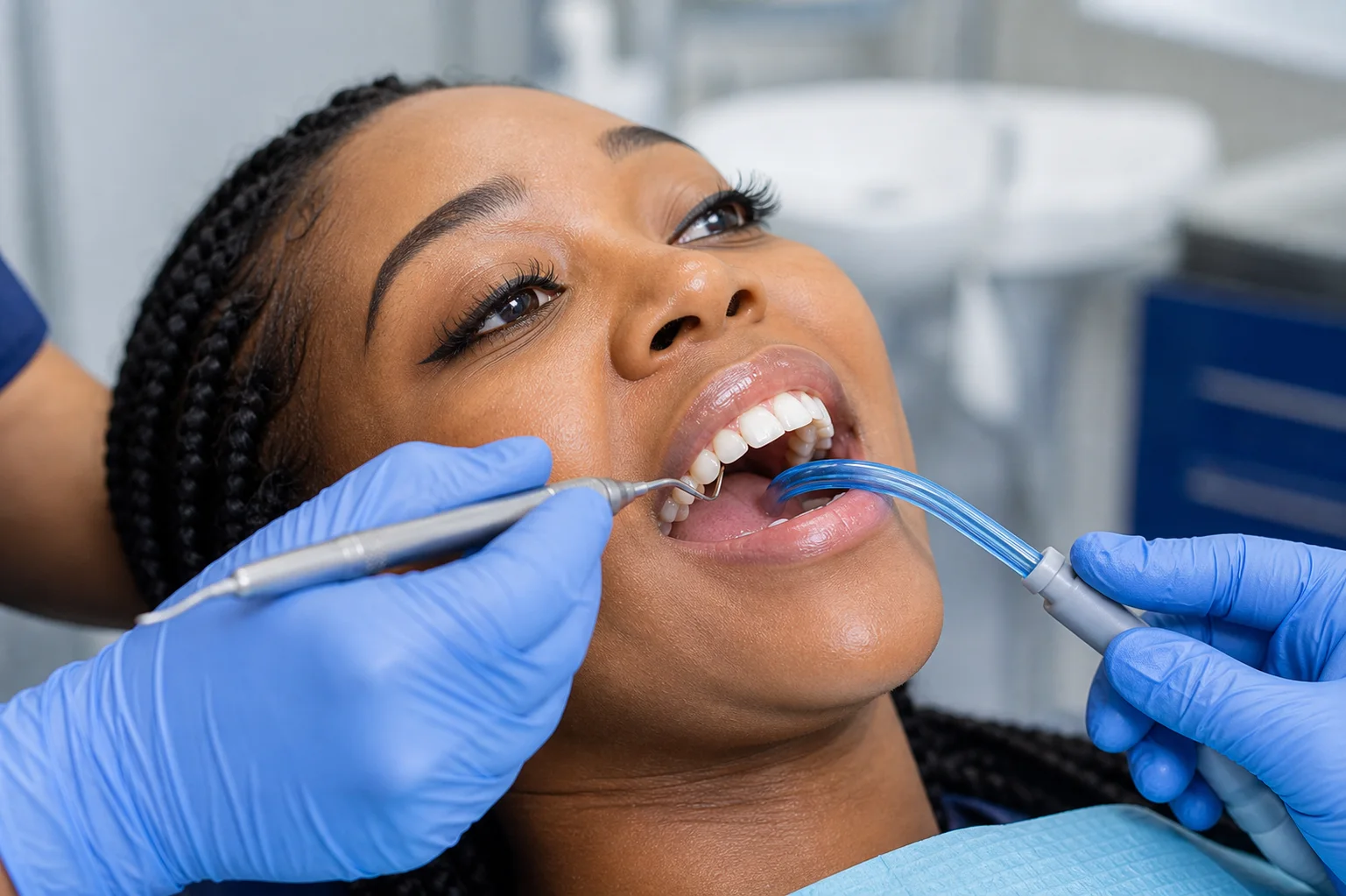
A guard needs regular cleaning because it sits against teeth and can collect plaque, saliva, and odour.
Patients should rinse the guard after use, clean it as advised, and store it in a ventilated case. Hot water can distort some appliances, so cleaning instructions should be followed carefully. If a guard develops cracks, rough edges, odour, or looseness, it should be checked.
Good oral hygiene is still essential. A night guard does not treat gum disease or decay, and a sports guard does not replace routine dental care. The dentist may recommend reviews to check tooth wear, appliance fit, and whether the original reason for the guard has changed.
Care routine
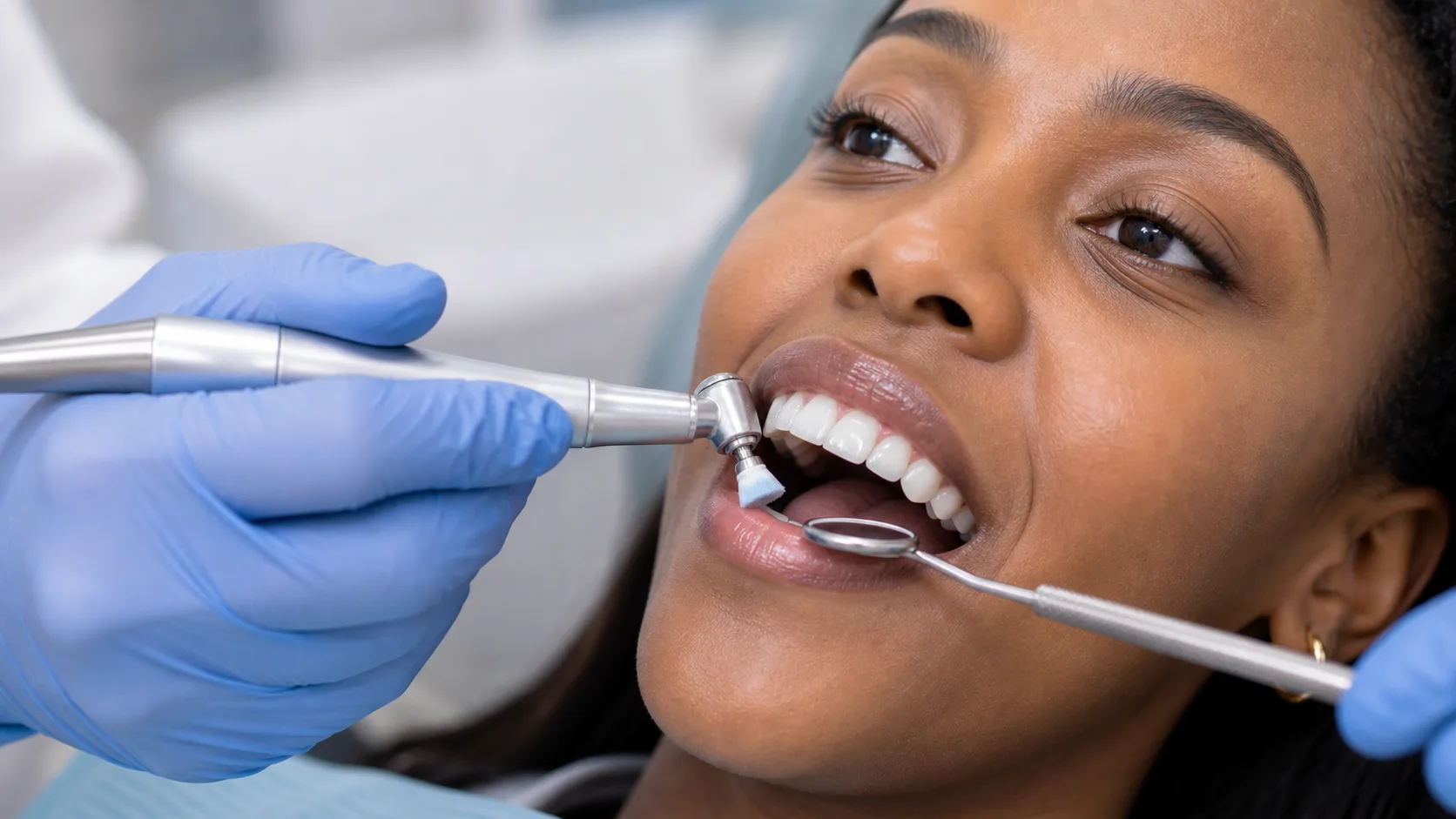
A well-planned guard can reduce avoidable strain and protect dental work from repeated forces.
For sport, protection is about reducing the chance of chipped, loosened, or knocked teeth during impact. For night-time clenching, teeth grinding, or bruxism, protection is about limiting tooth-on-tooth wear and helping shield restorations from heavy forces. The benefit depends on wearing the correct appliance for the correct reason.
Patients with crowns, veneers, fillings, or previous tooth wear may benefit from extra protection because repairs can be vulnerable to repeated pressure. The dentist can explain whether a guard is suitable and whether any underlying dental concerns should be treated first.
Potential benefits
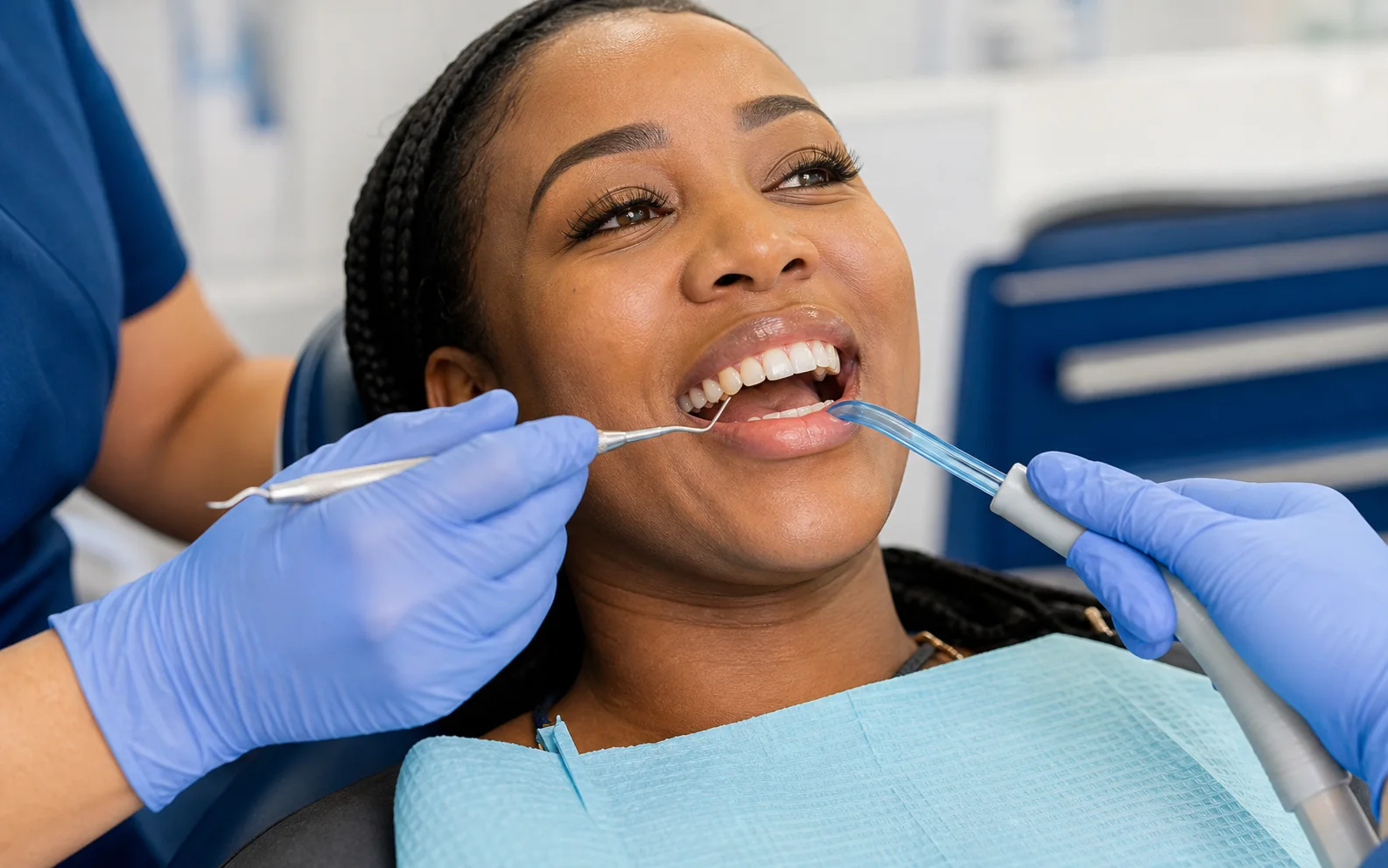
The cost of a mouth guard or night guard depends on the type of appliance, records, fit requirements, and follow-up needs.
A sports guard for a growing child may be planned differently from a custom night guard for an adult with tooth wear, bruxism symptoms, or restorations. Cost can also be affected by material choice, whether braces are present, how complex the bite is, and whether review appointments are needed for adjustments.
Smile On Dental can assess the reason for protection and recommend an appliance based on actual risk rather than guesswork. The key takeaway is simple: the best guard is the one that fits properly, is used consistently, and is checked when teeth, bite, or symptoms change.
Takeaway
Who It Helps
Treatment Journey
Usually assessment, impressions or scan, and a fitting visit.
You may come in because you grind, clench, wake with jaw tension, have tooth wear, play sport, or have broken restorations from pressure.
The dentist uses this first conversation to understand what you want fixed, what is urgent, what has changed recently, and what result would feel useful to you.
What the dentist may ask
The plan is based on diagnosis first, not a one-size-fits-all recommendation.
The dentist checks tooth wear, bite marks, jaw muscles, cracked teeth, restorations, and whether a custom guard is the right protective option.
The suitable options may include Night guard for grinding or clenching, Sports mouth guard for impact protection, Bruxism assessment if symptoms suggest a broader issue. The dentist explains why one route may be more predictable than another for your mouth.
What is decided here
Some dental work needs more than one appointment because records, healing, lab work, or careful fitting are involved.
If a custom guard is suitable, records are taken so the guard can be made to fit your teeth more accurately than a generic shop-bought option.
A second visit is usually needed because a custom guard must be made and fitted after records are taken.
Planning details
The final part of the journey is making sure the result works in daily life.
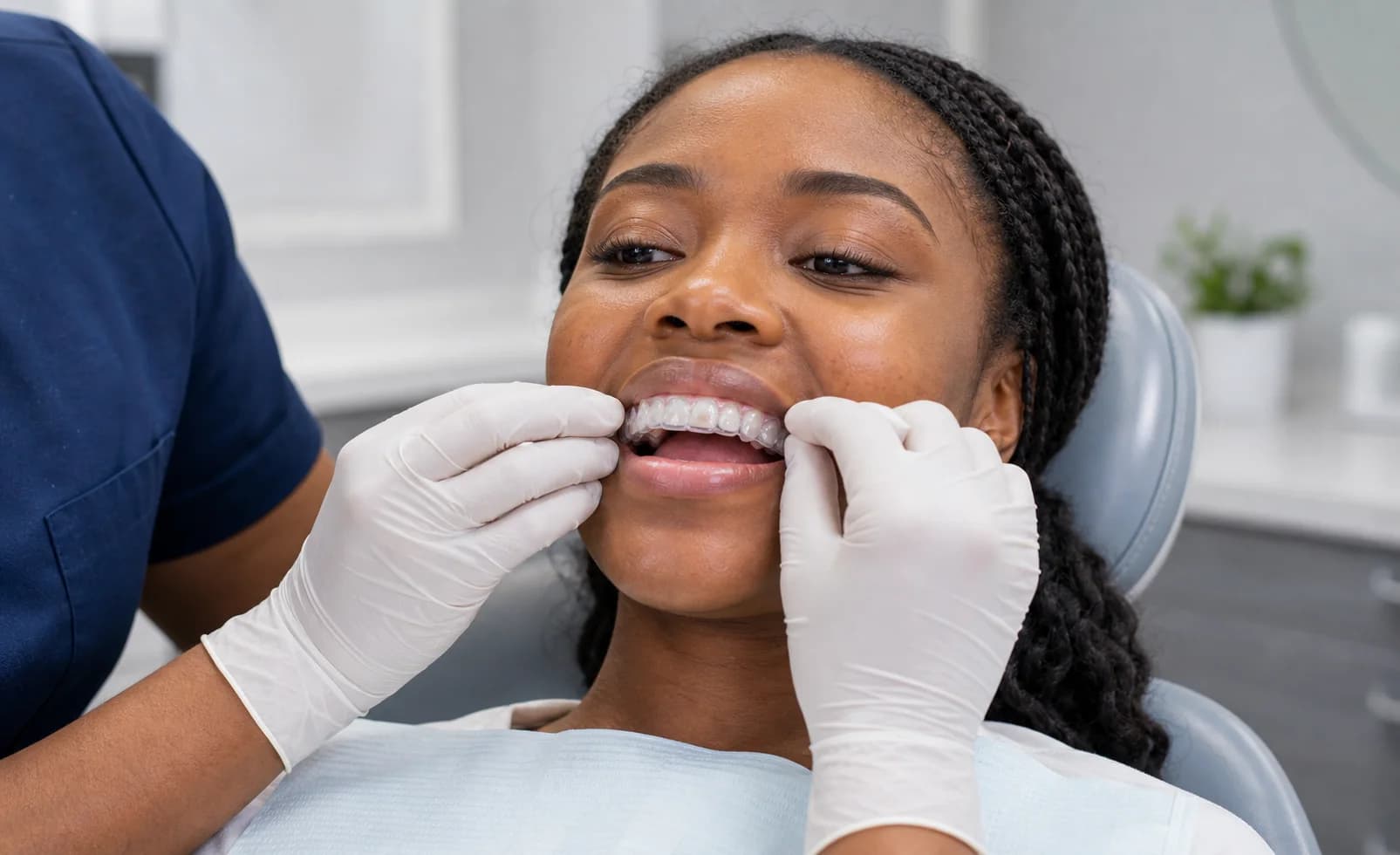
At fitting, the dentist checks comfort, retention, bite contact, and how to insert and remove the guard.
You are shown how to clean, store, and bring the guard to reviews so fit and wear can be checked.
Aftercare focus
Benefits
Suitability
Children's Dentistry
Children's dental care should support comfort, prevention, parent guidance, and age-appropriate treatment planning.
Suitability
The dentist considers symptoms, oral health, bite, medical history, expectations, and maintenance before recommending mouth guards / night guards.
Costs
Cost discussions are most useful after diagnosis because materials, complexity, visit count, and follow-up needs vary from patient to patient.
Appointment
Your dentist reviews your concern, oral health, and treatment goals before recommending next steps.
The team explains the likely process, timing, and care options in straightforward language.
Your treatment plan is shaped around comfort, function, appearance, and long-term oral health.
Costs & Aftercare
Before You Book
Mention whether you are booking for night guards, pain, appearance, function, prevention, or a second opinion.
At the Visit
Ask about diagnosis, options, number of visits, comfort, maintenance, and what could happen if treatment is delayed.
Aftercare
Your dentist will explain home care, review visits, and any symptoms that should be reported after treatment.
FAQs
The best starting point is a consultation. Your dentist will assess your teeth, gums, bite, symptoms, concerns, and smile goals before recommending a personalised treatment plan.
Yes. Use the Book an Appointment button to open the booking site and choose a convenient appointment time. You can also request a callback if you would prefer the practice team to contact you first.
Yes. You can request a callback if you prefer the practice team to contact you before booking. This can be helpful when you are unsure whether you need a routine visit, cosmetic consultation, orthodontic assessment, or urgent support.
Yes. Costs depend on the diagnosis, treatment complexity, materials, and number of visits required. Your dentist can explain the recommended next step before treatment begins.
Bring your identification, medical history, current medication details, previous dental information if available, and any questions you want to discuss with the dentist.
Book an assessment so the dentist can diagnose the cause before you choose a treatment. Pain or swelling may need urgent attention, X-rays, restorative care, or another clinical next step.
Related Treatments
Helpful Articles
Locations
City Treatment Pages
Clinical Leadership
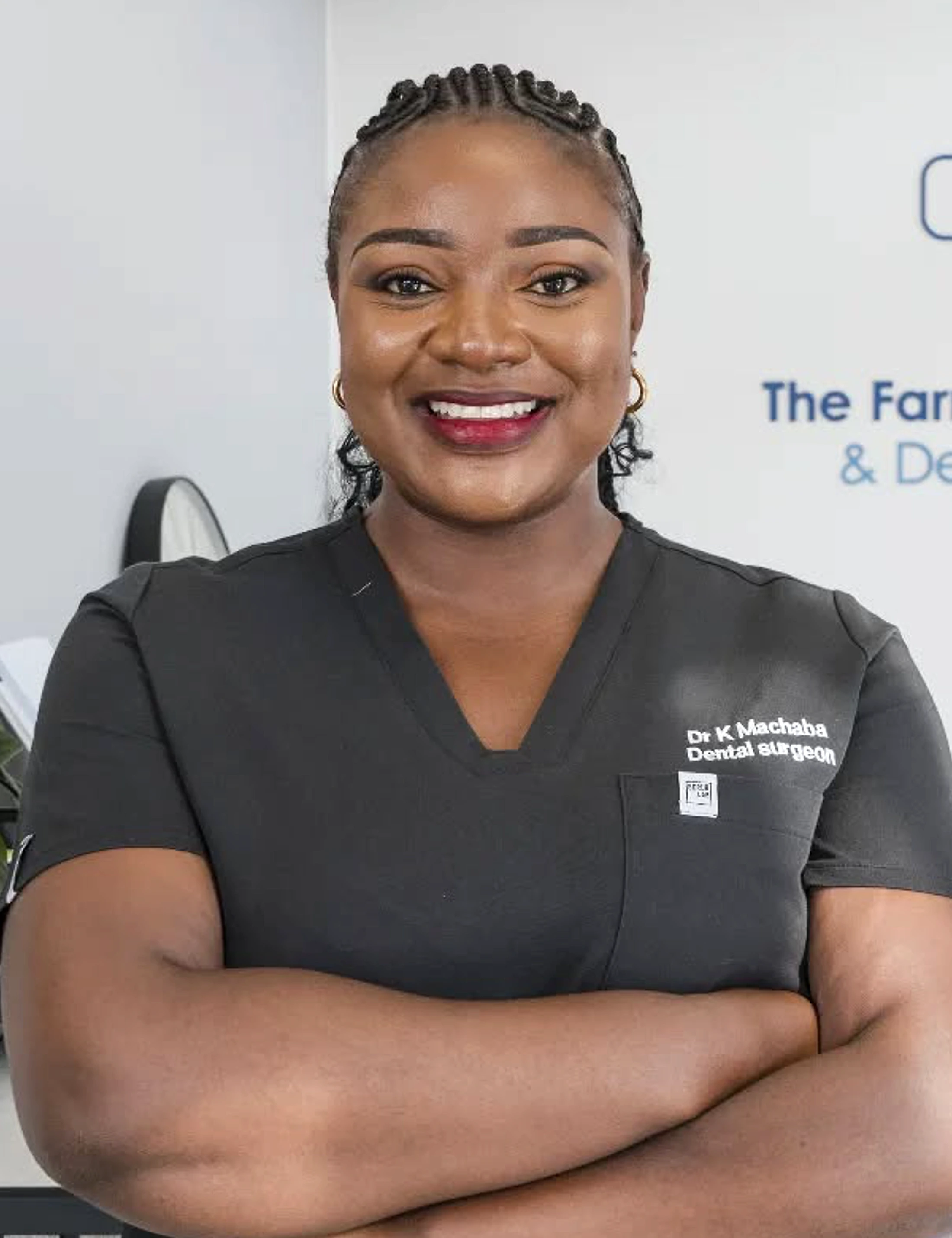
Dr. Kholofelo Machaba-Selatole leads Smile On Dental & Aesthetic Studio with a warm, patient-focused approach to family, restorative, cosmetic, and orthodontic care.
60+ five-star patient reviews across Pretoria and Polokwane.
"Customer care is superb, very friendly front desk staff. I'm happy to have gained my confidence back."

Polokwane
"From reception right into the doctor's consultation room it was all smiley faces that welcomed us."

Polokwane
"The best dental service I have seen in Pretoria, cannot wait for my next appointment."

Pretoria
"Customer care is superb, very friendly front desk staff. I'm happy to have gained my confidence back."
Polokwane
"From reception right into the doctor's consultation room it was all smiley faces that welcomed us."
Polokwane
"The best dental service I have seen in Pretoria, cannot wait for my next appointment."
Pretoria
Book a Consultation