First Step
Consultation
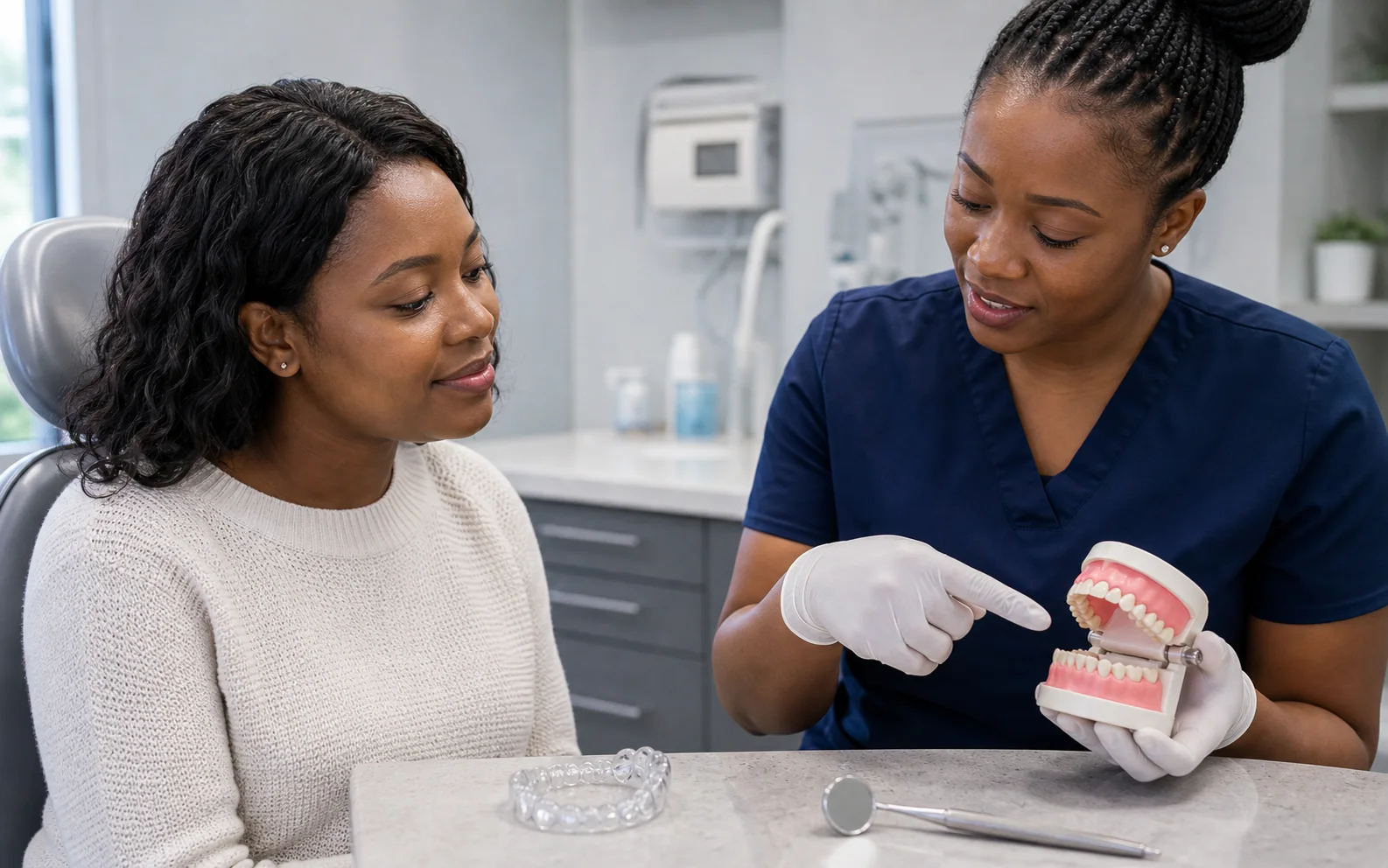
The dentist checks your concern and confirms whether this treatment is suitable before care begins.
Children's Dentistry
Book Teeth Grinding and Bruxism Treatment with Smile On Dental. Start with an assessment, understand your options, and get clear next steps before treatment begins.
Quick Summary
First Step
The dentist checks your concern and confirms whether this treatment is suitable before care begins.
Best For
Suitability depends on oral health, symptoms, goals, and clinical findings.
Planning
Timing, visits, cost factors, and aftercare are explained after the assessment.
Branch Access
Use the location section to choose the branch that is easiest for you to attend consistently.
Overview
Treatment Introduction
Teeth grinding, also called bruxism, can contribute to tooth wear, sensitivity, jaw discomfort, headaches, and restoration damage. Dental assessment helps identify signs of grinding and suitable next steps.
Decision Support
Smile On Dental uses the visit to understand your symptoms, goals, oral health, and expectations before recommending a suitable treatment plan.
Visual Guide

Treatment Guide
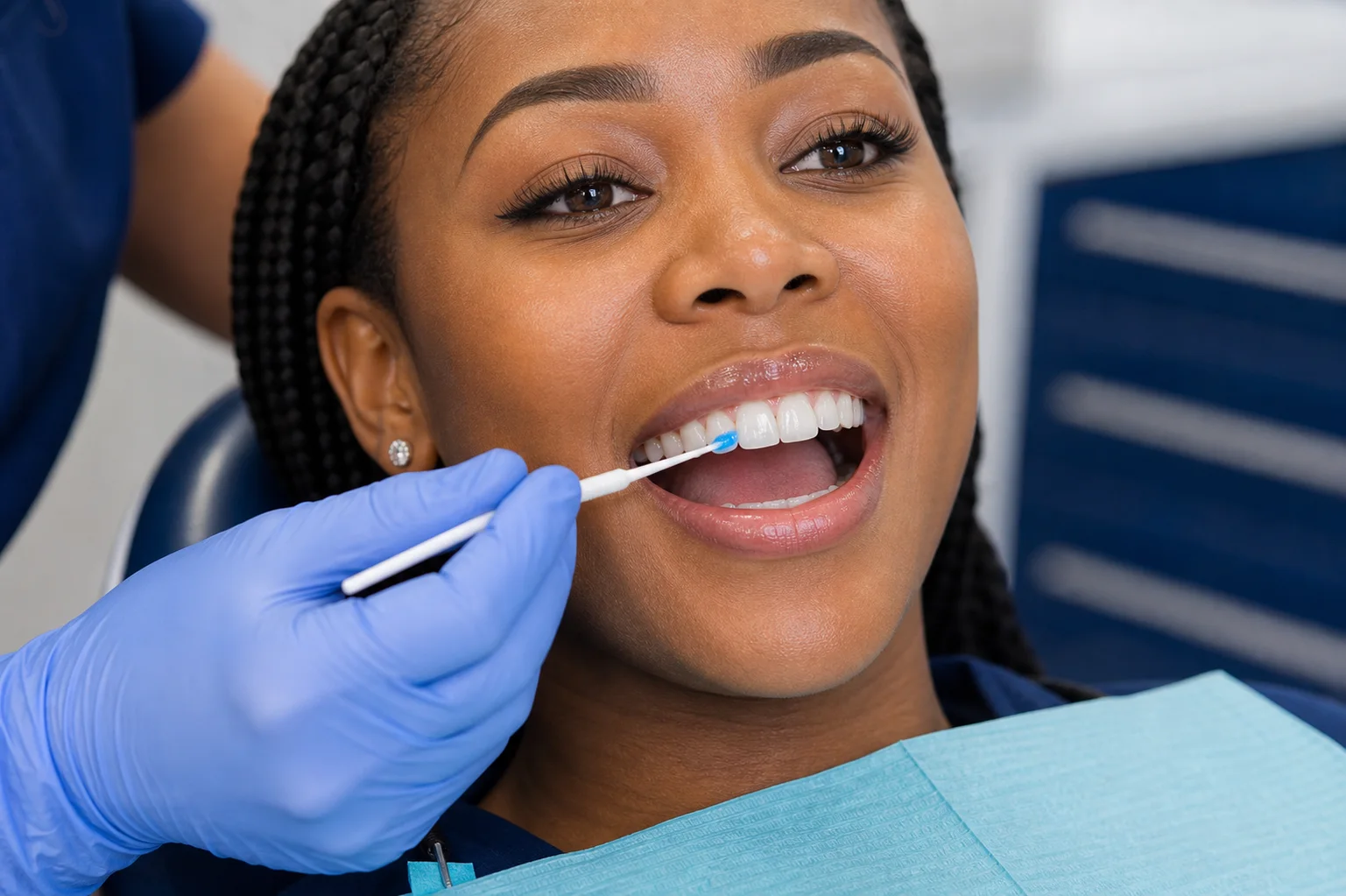
Bruxism treatment starts by assessing grinding, clenching, or repeated jaw pressure that affects teeth, muscles, joints, and dental work.
Patients may notice worn edges, chipped enamel, tooth sensitivity, jaw tiredness, morning headaches, facial muscle discomfort, or a partner hearing grinding at night. Some people have no obvious symptoms and only learn about sleep bruxism when the dentist sees wear patterns during a routine visit.
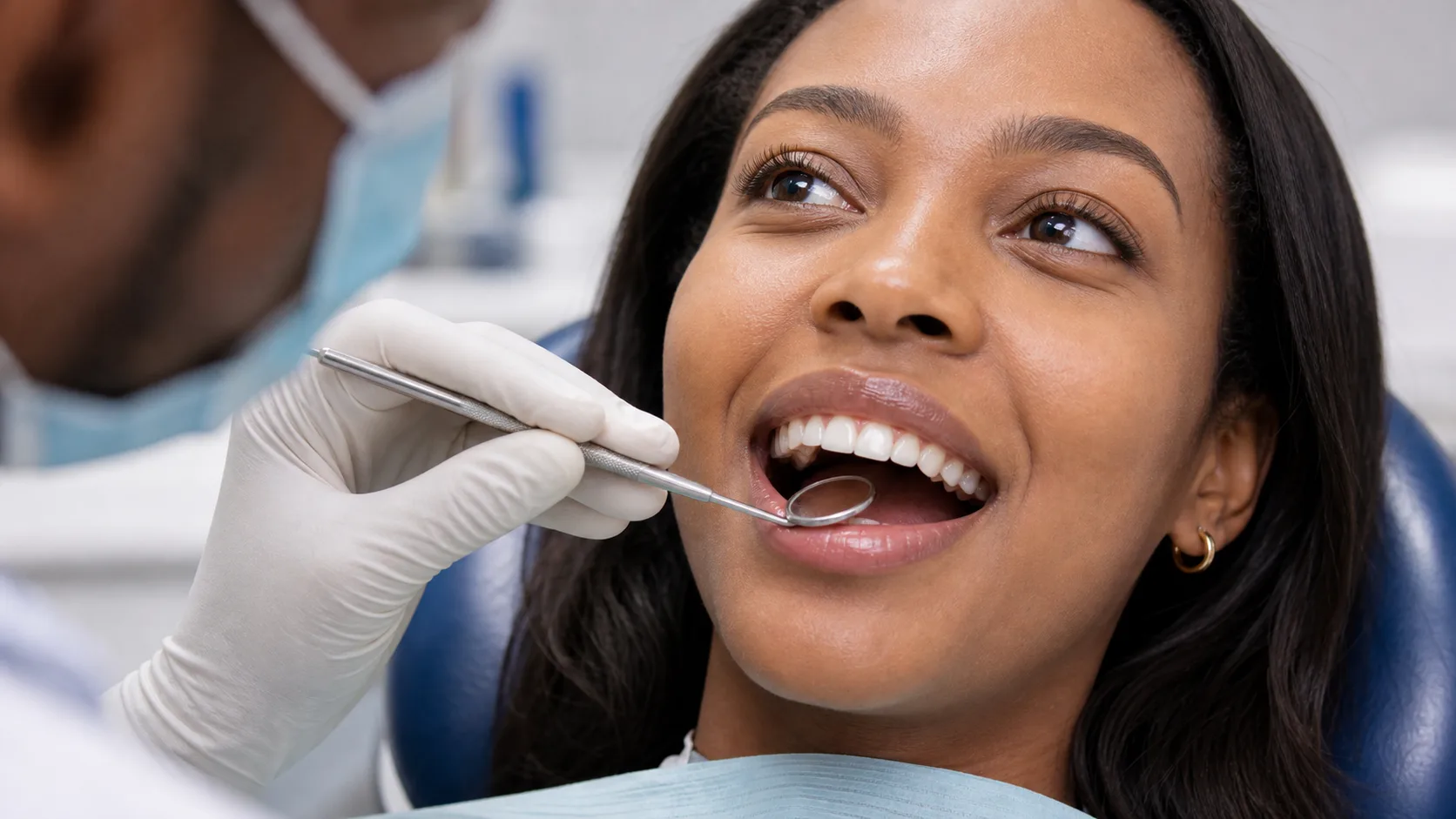
A dental assessment helps confirm what is visible in the mouth and what may be contributing to symptoms. Smile On Dental does not need to label every jaw symptom as bruxism before checking the teeth, gums, bite, restorations, and muscles. The plan should be based on findings, not assumptions.
Signs worth checking
Bruxism treatment starts with understanding the pattern of wear, symptoms, and risk to the teeth.
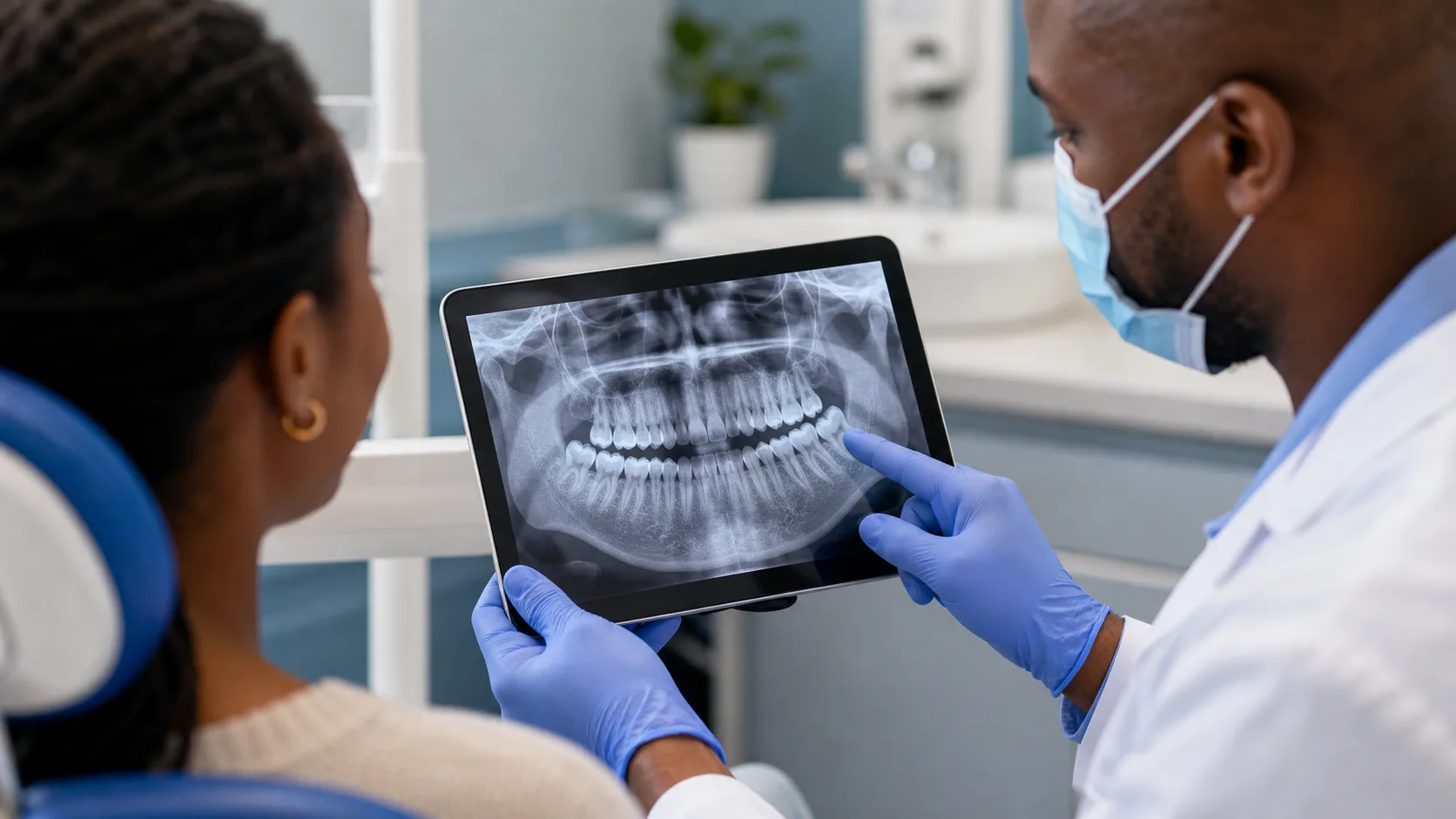
The dentist may check tooth surfaces, bite contacts, gum support, jaw movement, muscle tenderness, existing restorations, and areas of sensitivity. X-rays may be considered if the dentist needs to assess roots, bone support, cracks, or other dental causes of discomfort.
This assessment is important because tooth wear can have more than one cause. Acid wear, aggressive brushing, bite issues, missing teeth, medication-related dry mouth, or previous dental work can all influence the plan. The dentist should explain what appears related to grinding and what may need separate management.
Assessment may review
Treatment focuses on protecting teeth, reducing avoidable damage, and managing contributing factors where possible.
A custom night guard may be recommended to protect teeth from grinding forces during sleep. If teeth are already damaged, the dentist may also discuss repairing chips, replacing failing restorations, treating sensitivity, or planning longer-term restorative care after the grinding risk has been considered.
Some patients also need habit awareness, stress-related behaviour discussion, sleep health questions, or referral when symptoms point beyond routine dental care. The dentist will explain what can be managed in the dental setting and what may need input from another health professional.
Possible care directions
A night guard should feel secure enough to wear regularly without creating new discomfort.
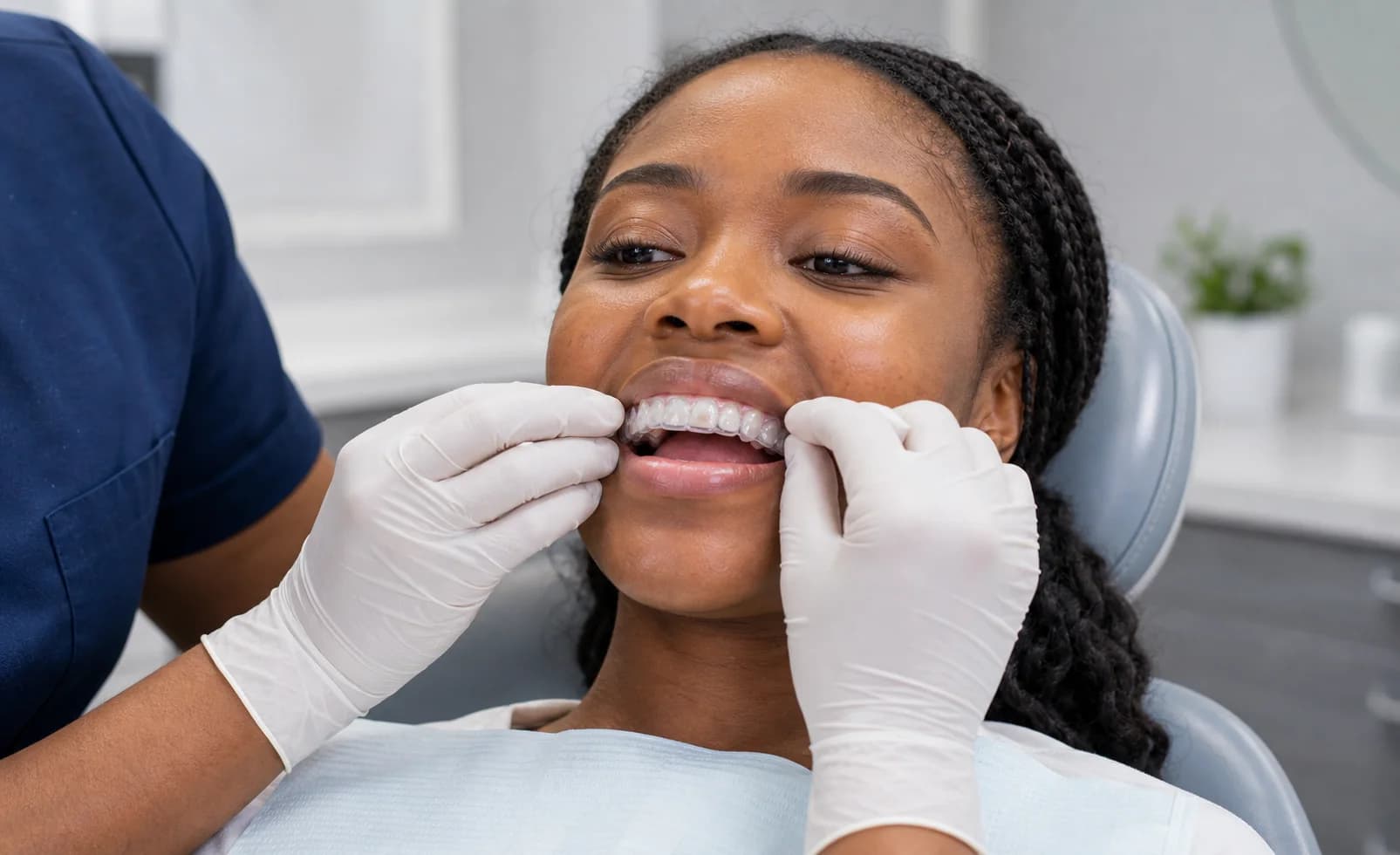
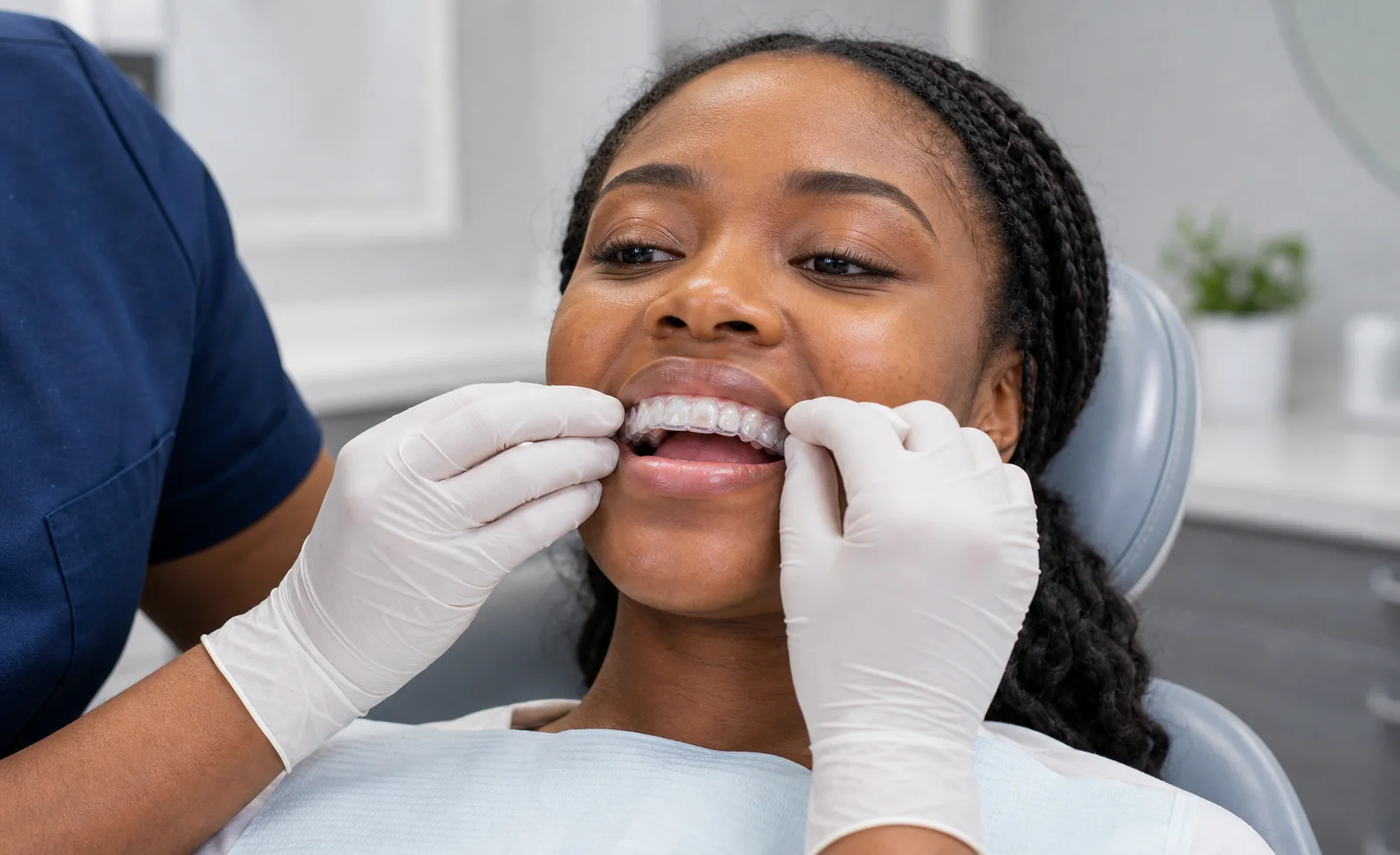
When a night guard is fitted, the dentist checks that it seats properly, does not pinch the gums, and feels stable on the teeth. It may feel unusual at first, but it should not cause persistent pain, new bite problems, or pressure that makes the patient stop wearing it.
Follow-up matters because symptoms, restorations, and bite contacts can change. A guard that once fitted well may need adjustment or replacement after dental treatment, tooth movement, wear, or damage to the appliance. Patients should bring the guard to review appointments when possible.
Fit checks
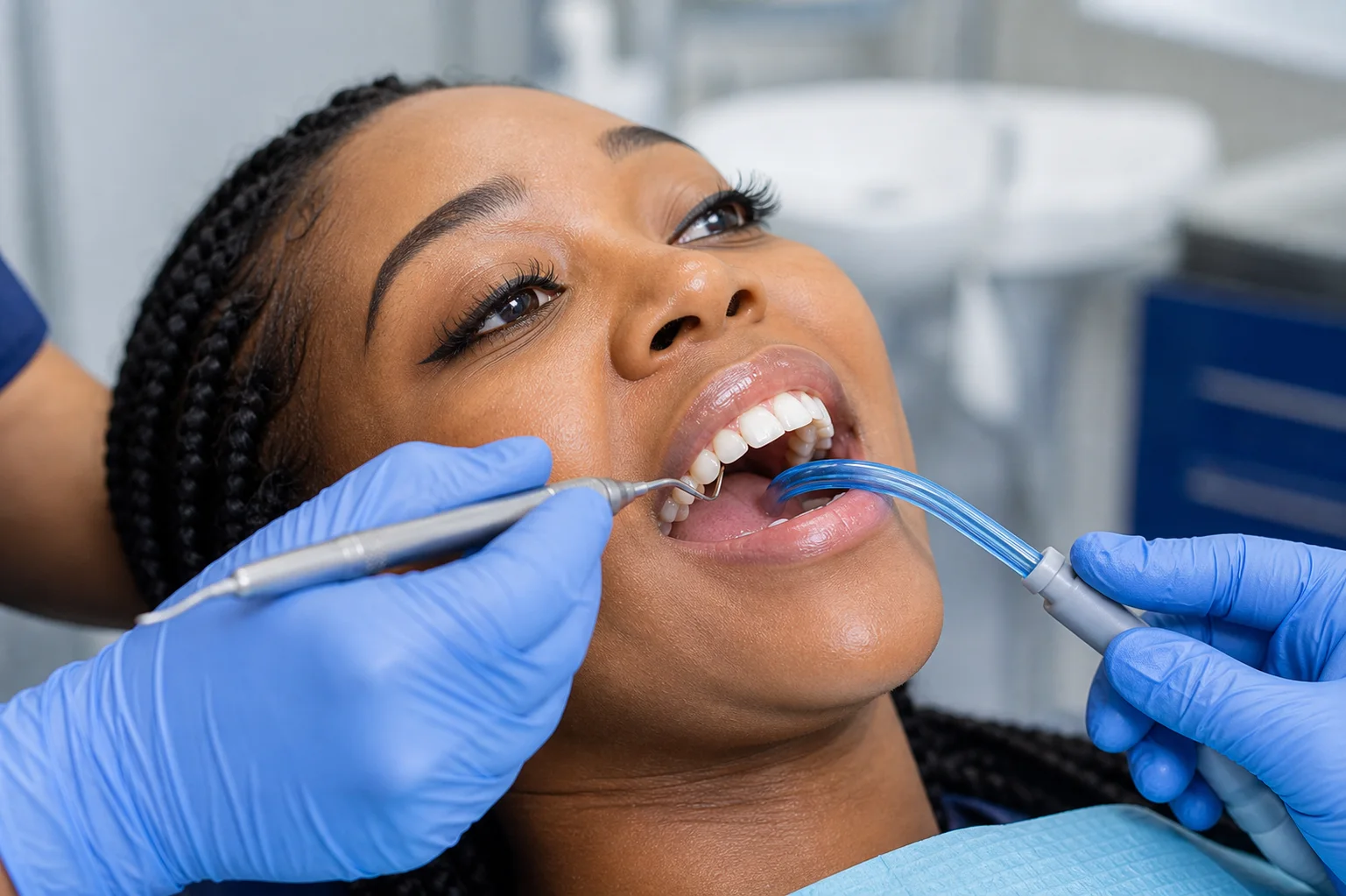
Bruxism care often needs monitoring because grinding patterns and tooth wear can change over time.
Patients should clean the guard as advised, store it safely, and report cracks, odour, looseness, or discomfort. Teeth should still be brushed and flossed carefully because a guard protects surfaces from force, not from plaque, decay, or gum inflammation.
The dentist may compare wear over time, check for new cracks, review sensitivity, and assess whether restorations are holding up. Monitoring helps decide whether the current plan is enough or whether repair, replacement, or a different approach should be considered.
Ongoing care
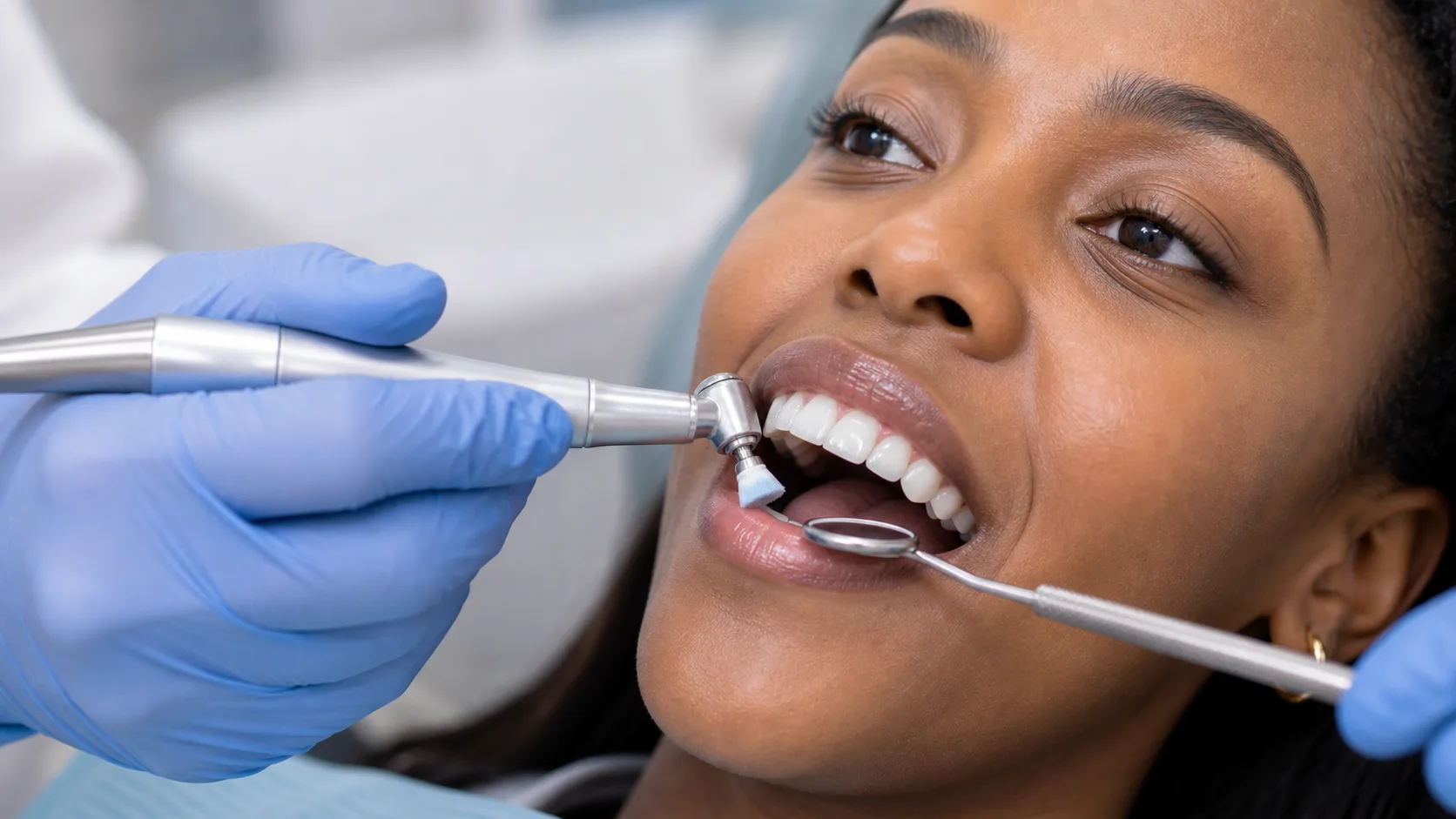
Early management can help protect natural teeth and dental restorations before damage becomes more complex.
Grinding and clenching forces can be heavy and repetitive. Over time they may contribute to worn enamel, cracked teeth, broken fillings, sensitivity, or bite changes. A protective plan may reduce the risk of avoidable damage, although results depend on the individual pattern and ongoing use.
Managing bruxism can also make future dental planning more predictable. If the dentist is considering crowns, veneers, fillings, or replacement teeth, the grinding risk should be part of the discussion so restorations are protected as far as reasonably possible.
Potential benefits

Bruxism treatment costs depend on diagnosis, appliance needs, existing tooth damage, and follow-up planning.
A patient who needs only a custom night guard will have a different plan from someone with cracked teeth, failing fillings, sensitivity, or significant wear from grinding. Cost factors can include examination, records, appliance design, adjustments, repairs, and any restorative care needed before or after protection is planned.
Smile On Dental can help patients understand whether their symptoms are linked to grinding, another dental problem, or a combination of factors. The takeaway is to assess first, protect what can be protected, and review regularly so changes are noticed early.
Takeaway
Who It Helps
Treatment Journey
Often starts with assessment, then protective treatment and review.
You may come in because of grinding, clenching, jaw discomfort, headaches, tooth wear, sensitivity, chipped teeth, or a partner hearing night-time grinding.
The dentist uses this first conversation to understand what you want fixed, what is urgent, what has changed recently, and what result would feel useful to you.
What the dentist may ask
The plan is based on diagnosis first, not a one-size-fits-all recommendation.
The dentist checks wear patterns, bite pressure, jaw muscles, cracks, gum recession, restorations, and habits that may be increasing clenching.
The suitable options may include Custom night guard, Repair of damaged teeth, Review of contributing habits and follow-up monitoring. The dentist explains why one route may be more predictable than another for your mouth.
What is decided here
Some dental work needs more than one appointment because records, healing, lab work, or careful fitting are involved.
Treatment is usually about protection and control rather than a one-time cure. The dentist explains what can be protected, what damage already exists, and what needs monitoring.
A second visit is common when a guard is made or when damaged teeth need separate restoration.
Planning details
The final part of the journey is making sure the result works in daily life.
Reviews check whether the guard is wearing evenly, whether symptoms are settling, and whether any teeth need restorative care.
You are guided on guard use, cleaning, jaw comfort habits, and when to return if pain or cracking continues.
Aftercare focus
Benefits
Suitability
Children's Dentistry
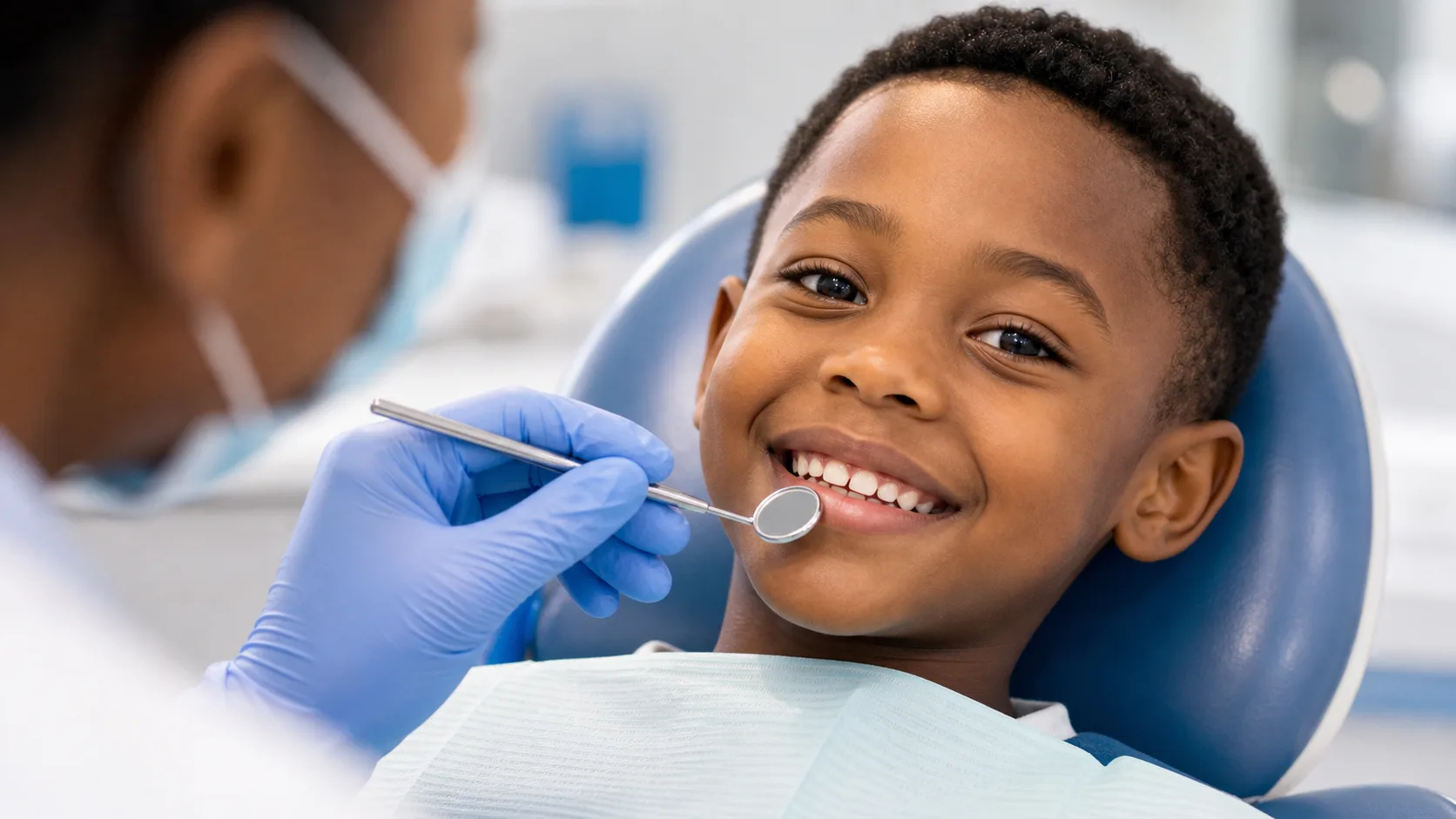
Children's dental care should support comfort, prevention, parent guidance, and age-appropriate treatment planning.
Suitability
The dentist considers symptoms, oral health, bite, medical history, expectations, and maintenance before recommending teeth grinding (bruxism) treatment.
Costs
Cost discussions are most useful after diagnosis because materials, complexity, visit count, and follow-up needs vary from patient to patient.
Appointment
Your dentist reviews your concern, oral health, and treatment goals before recommending next steps.
The team explains the likely process, timing, and care options in straightforward language.
Your treatment plan is shaped around comfort, function, appearance, and long-term oral health.
Costs & Aftercare
Before You Book
Mention whether you are booking for bruxism treatment, pain, appearance, function, prevention, or a second opinion.
At the Visit
Ask about diagnosis, options, number of visits, comfort, maintenance, and what could happen if treatment is delayed.
Aftercare
Your dentist will explain home care, review visits, and any symptoms that should be reported after treatment.
FAQs
The best starting point is a consultation. Your dentist will assess your teeth, gums, bite, symptoms, concerns, and smile goals before recommending a personalised treatment plan.
Yes. Use the Book an Appointment button to open the booking site and choose a convenient appointment time. You can also request a callback if you would prefer the practice team to contact you first.
Yes. You can request a callback if you prefer the practice team to contact you before booking. This can be helpful when you are unsure whether you need a routine visit, cosmetic consultation, orthodontic assessment, or urgent support.
Yes. Costs depend on the diagnosis, treatment complexity, materials, and number of visits required. Your dentist can explain the recommended next step before treatment begins.
Bring your identification, medical history, current medication details, previous dental information if available, and any questions you want to discuss with the dentist.
Book an assessment so the dentist can diagnose the cause before you choose a treatment. Pain or swelling may need urgent attention, X-rays, restorative care, or another clinical next step.
Related Treatments
Helpful Articles
Locations
City Treatment Pages
Clinical Leadership
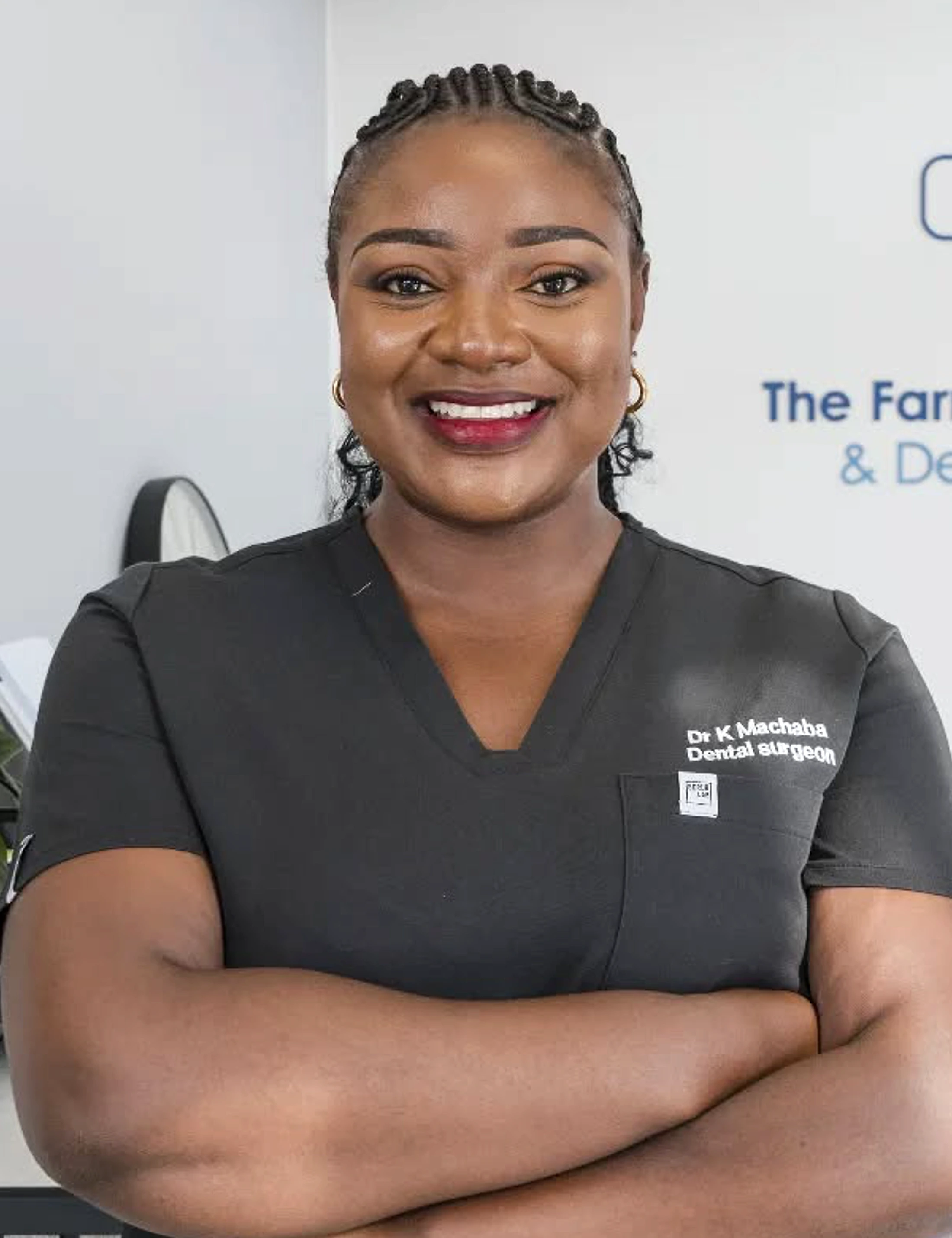
Dr. Kholofelo Machaba-Selatole leads Smile On Dental & Aesthetic Studio with a warm, patient-focused approach to family, restorative, cosmetic, and orthodontic care.
60+ five-star patient reviews across Pretoria and Polokwane.
"Customer care is superb, very friendly front desk staff. I'm happy to have gained my confidence back."

Polokwane
"From reception right into the doctor's consultation room it was all smiley faces that welcomed us."

Polokwane
"The best dental service I have seen in Pretoria, cannot wait for my next appointment."

Pretoria
"Customer care is superb, very friendly front desk staff. I'm happy to have gained my confidence back."
Polokwane
"From reception right into the doctor's consultation room it was all smiley faces that welcomed us."
Polokwane
"The best dental service I have seen in Pretoria, cannot wait for my next appointment."
Pretoria
Book a Consultation