
Dental CareCan Gum Disease Affect Whether I Am Suitable for Implants, Braces, Whitening, or Veneers?
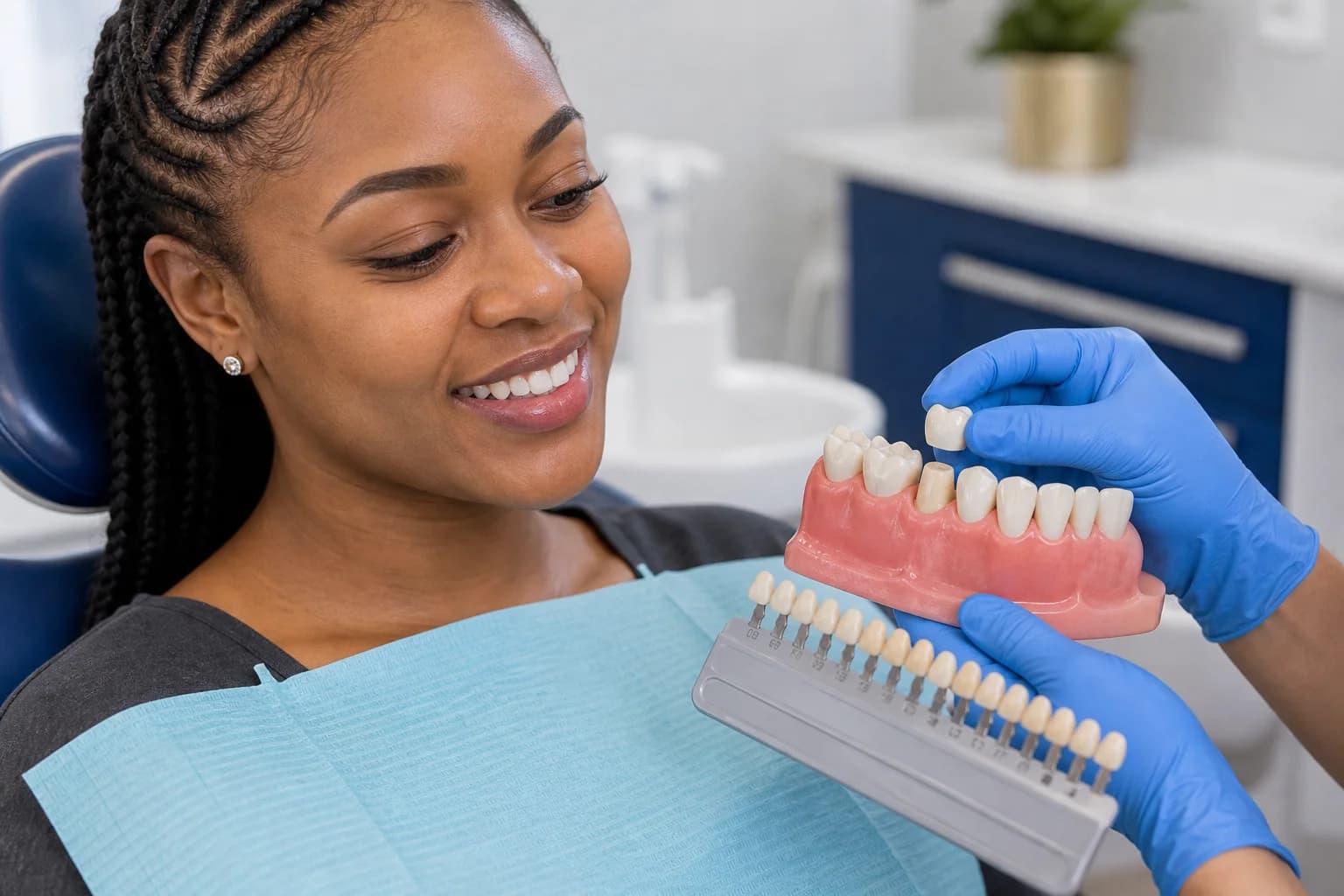
Active gum disease can change the safety, sequence, and predictability of implant, orthodontic, whitening, and veneer treatment.
Resources
Read practical guidance on oral health, cosmetic dentistry, orthodontics, children's dental care, and treatment planning before your next appointment.

Blog
Dental CareActive gum disease can change the safety, sequence, and predictability of implant, orthodontic, whitening, and veneer treatment.
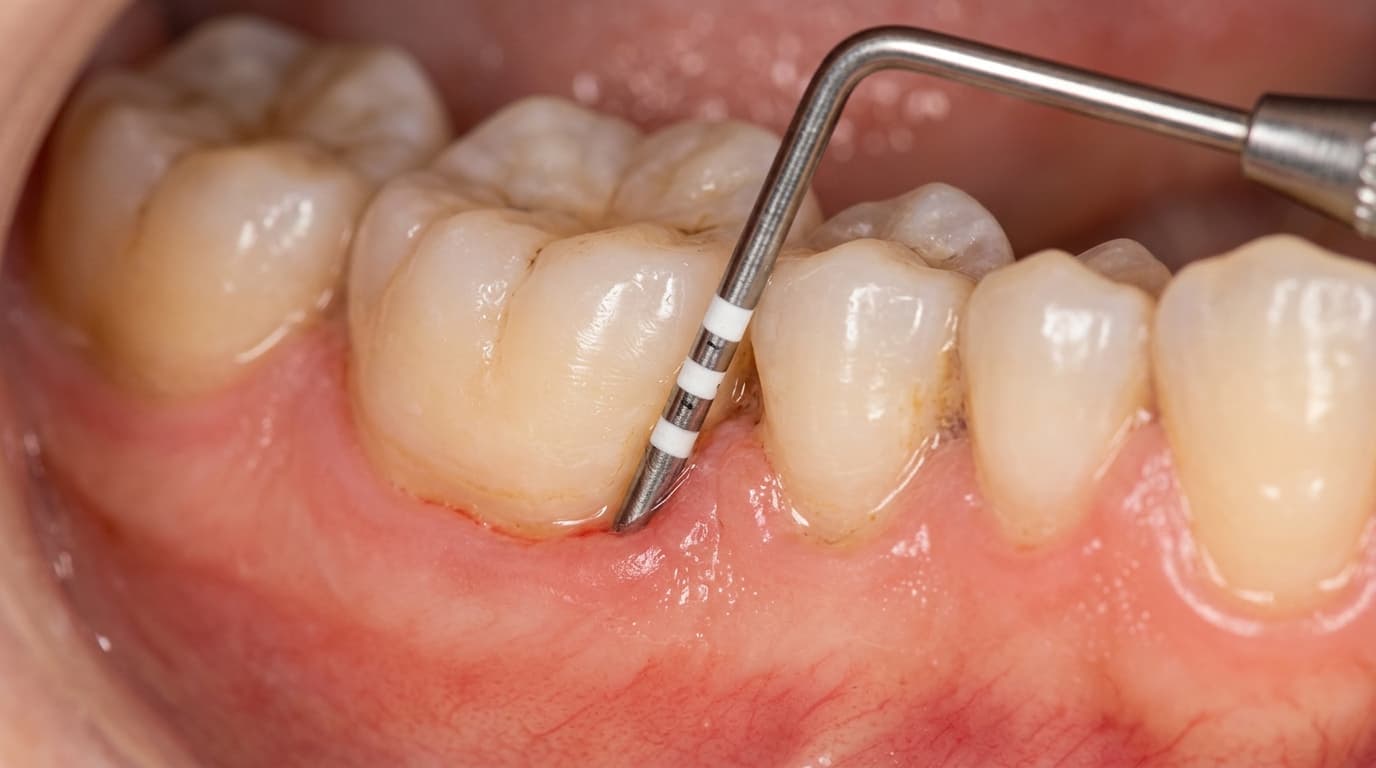
Dental CarePain in one interdental site can come from food trapping, gingivitis, a rough restoration, decay, a tight or open contact, or a periodontal pocket.
Dental CareDaily gum bleeding commonly points to inflammation but can have more than one contributor, so the dentist should assess plaque, tartar, gum support, home care, medicines, and health history.
Dental CareLocal gum swelling can come from plaque, trapped food, a restoration contact, periodontal infection, or drainage from a tooth and needs source-based assessment.
Dental CareReceded gum does not usually grow back on its own, but progression and sensitivity may be managed and selected sites may be treated with periodontal procedures.
Dental CareAdult tooth mobility with bleeding gums needs prompt assessment of periodontal support, infection, bite forces, trauma, and restorability.
Dental CareBreath that returns quickly can involve tongue coating, gum disease, decay, infection, food traps, appliances, or dry mouth and needs more than temporary masking.
Dental CareGingivitis affects the gums and can be reversible, while periodontitis includes irreversible loss of supporting attachment and bone that needs ongoing management.
Dental CareGentle cleaning, softer foods, trigger avoidance, and suitable labelled pain medicine may help temporarily, but home care cannot diagnose or treat the source.
Dental CareApply clean pressure first; bleeding that will not stop, deep wounds, displaced teeth, serious facial trauma, or head-injury signs need urgent escalation.
Dental CareCrack pain can be intermittent while the fracture progresses, so early assessment matters and swelling or severe symptoms change urgency.
Dental CareClear details about pain, swelling, bleeding, trauma, breathing, swallowing, general illness, timing, and health history help the practice triage safely.
Dental CareA painless front-tooth chip should still be checked promptly because enamel, dentine, pulp, bite, and root injury cannot be judged from bleeding alone.
Dental CareKeep a loose crown safe, protect the tooth, avoid chewing on it, and arrange prompt care without using household glue.
Dental CareA knocked-out permanent tooth is time-critical: handle the crown, avoid touching the root, reinsert if safe or keep it in milk, and seek emergency dental care immediately.
Dental CareCheck the child for head or facial injury, control bleeding, find fragments, avoid reimplanting a baby tooth, and contact a dentist urgently.
Dental CareLocal gum swelling needs prompt assessment because infection, food trapping, a periodontal pocket, an erupting tooth, or a tooth-root problem can be painless.
Dental CareLocation alone can mislead, so dentists compare tooth responses, bite, gums, jaw muscles, sinuses, and symptom timing before treating.
Dental CareFacial swelling with tooth pain can be associated with a spreading dental infection and needs urgent assessment, with emergency medical help for airway, swallowing, eye, or extensive swelling signs.
Dental CareA gum pimple can be a drainage point from a tooth or gum infection and needs prompt dental assessment even when pain is mild.
Dental CareA severe toothache that suddenly stops may reflect changing inflammation or loss of pulp vitality, so improvement still requires assessment.
Need Dental Care?