Restorative DentistryShould I Sleep with My Dentures In? Cleaning and Overnight Care
Understand why dentures are usually removed overnight, how material affects cleaning and storage, and when individual instructions take priority.
Resources
Read practical guidance on oral health, cosmetic dentistry, orthodontics, children's dental care, and treatment planning before your next appointment.

Blog
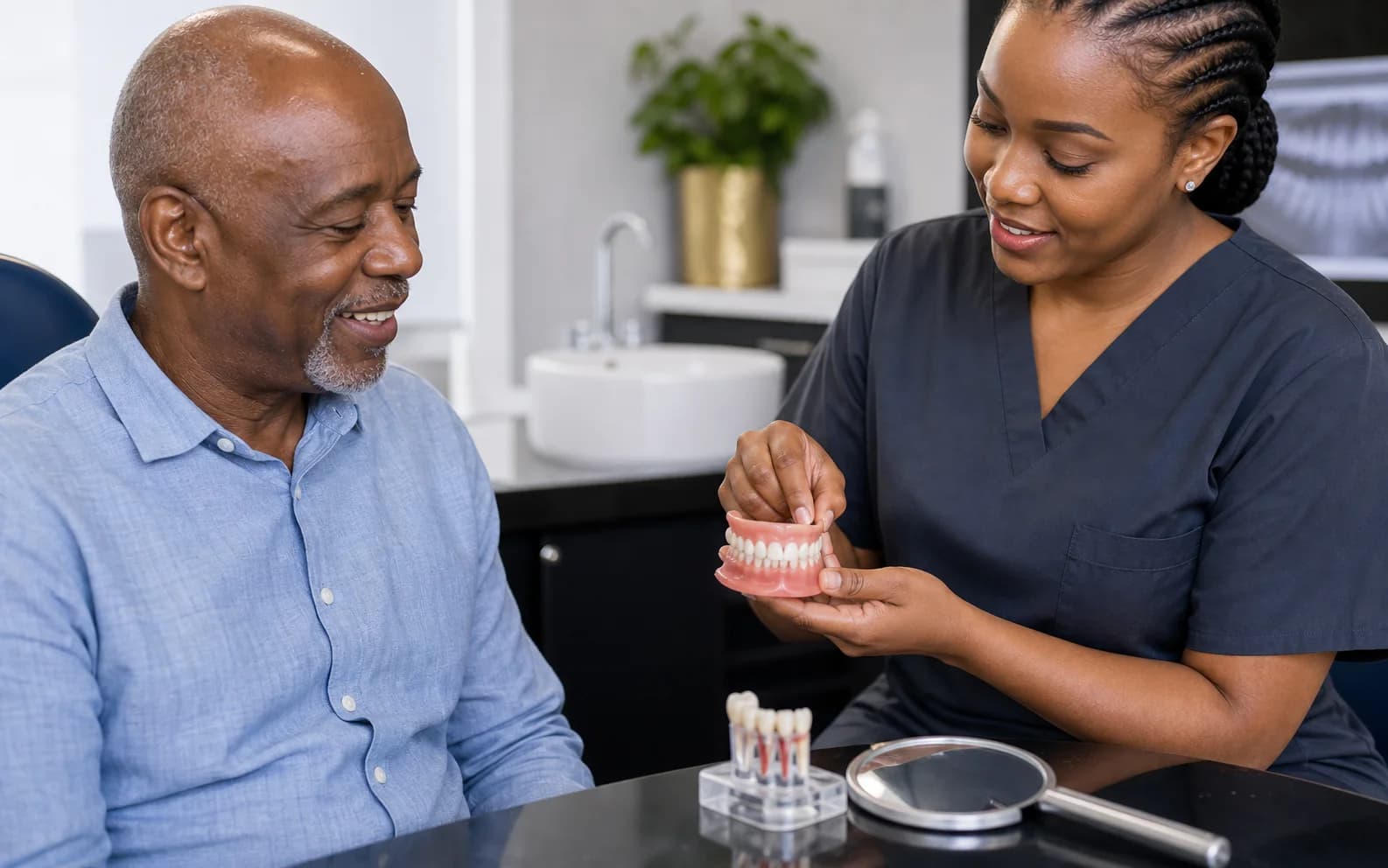
Restorative DentistryUnderstand why dentures are usually removed overnight, how material affects cleaning and storage, and when individual instructions take priority.
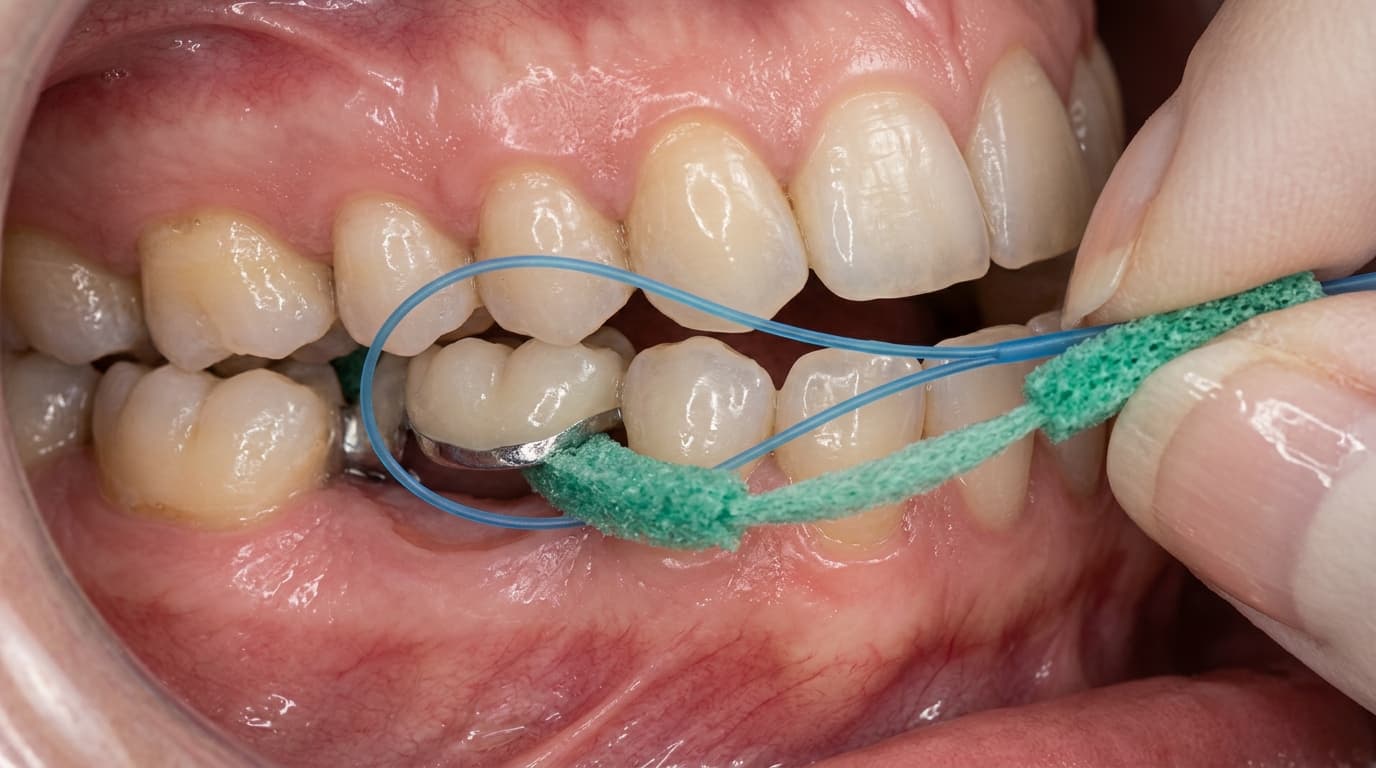
Restorative DentistryLearn why cleaning beneath a dental bridge matters, which tools a dentist may demonstrate and when food trapping needs a fit or gum assessment.
Restorative DentistryA moving denture needs its fit, bite and condition checked. Learn how adjustment, relining and replacement address different causes of looseness.
Restorative DentistryStress is one of the primary drivers of subconscious clenching and night grinding. Learn how psychological stress manifests physically in your mouth and how dentists restore damaged teeth and protect your bite.
Restorative DentistryLoss of natural tooth height, chipped front edges, and flattened molars are direct consequences of chronic clenching and attrition. Discover how dentists diagnose attrition wear and restore lost tooth structure.
Restorative DentistryRepeatedly fracturing fillings, chipping porcelain crowns, or losing onlays is rarely a materials defect—it is almost always a bite force problem caused by undetected clenching, grinding, or occlusal interference.
Restorative DentistryRoot-canal-treated teeth often have substantial structural loss, and a crown or other cuspal-coverage restoration can protect suitable load-bearing teeth from fracture.
Restorative DentistryA new crown that contacts early can overload the tooth, opposing tooth, muscles, and jaw and should be checked rather than expected to wear itself in.
Restorative DentistryA visible crown margin can result from gum recession, material design, stain, decay, or crown movement and should be checked when new or changing.
Restorative DentistryTemporary crowns use provisional materials and cement, so they need gentler chewing; permanent crowns also need early care and long-term avoidance of destructive habits.
Restorative DentistryA small local crown defect may sometimes be repaired, while poor fit, fracture, decay, or major material loss often requires replacement and assessment of the tooth underneath.
Restorative DentistryRestoration choice depends on how much supported tooth remains, whether cusps need coverage, and whether the pulp is healthy—not simply the size of the visible hole.
Restorative DentistryA crack or dark margin can represent stain, wear, a local defect, recurrent decay, or tooth fracture, so replacement should follow diagnosis rather than appearance alone.
Restorative DentistrySmall supported chips may suit bonding, while larger fractures, weakened cusps, heavy bite forces, or deep damage may need coverage or pulp treatment.
Restorative DentistryCraze lines are usually shallow enamel lines, while cracks can extend into dentine, pulp, or root and produce biting or temperature symptoms.
Restorative DentistryThe decision weighs restorability, crack depth, pulp and root disease, gum and bone support, treatment stages, prognosis, maintenance, and replacement needs.
Restorative DentistryRoot canal care moves from diagnosis and isolation through cleaning, shaping, sealing, temporary protection, final restoration, and review.
Restorative DentistryA treated tooth can develop bite tenderness, fracture, new decay, restoration leakage, or persistent infection and should be assessed rather than assumed untreatable.
Restorative DentistryBiting pain that persists for weeks after a filling should be checked for bite height, pulp inflammation, a crack, bonding problems, or another source.
Restorative DentistryA heavily filled broken tooth may still be restorable, but fracture depth, remaining walls, pulp health, gum position, root condition, and bone support decide the prognosis.
Restorative DentistryImproving pain does not reverse irreversible pulp inflammation or infection, so the diagnosis and recommended source treatment still need review.
Need Dental Care?