Quick Answer
Yes. Flattened biting edges, shortened front incisors, and small micro-chips are telltale signs of dental attrition caused by chronic clenching and grinding. A dentist identifies whether the wear is active, protects remaining enamel with a night guard, and restores lost shape and function with composite bonding or ceramic crowns.
- Dental attrition wears away protective outer enamel, exposing softer, yellowish dentin that erodes at an accelerated rate.
- Loss of tooth length alters facial proportions, can cause a collapsed bite, and increases muscular strain on the jaw joints.
- Micro-chips on front teeth occur when shear forces exceed the tensile strength of unsupported enamel prisms.
- Early intervention stops wear before complex full-mouth bite reconstruction is required.
Start with the full situation, not one isolated detail
Over time, chronic clenching and grinding acts like fine sandpaper across your dental arches. As the sharp incisal tips and natural chewing cusps wear down, the teeth appear progressively flatter, shorter, and uneven.
Once enamel is worn through, the underlying dentin is exposed. Because dentin is significantly softer and more organic than enamel, wear accelerates rapidly, creating concave 'cupping' on molars and jagged, translucent chipping along front teeth.
The useful question is not only whether flattened and chipped teeth from clenching is common. It is whether the pattern, timing, location, and associated symptoms point to something that needs prevention, monitoring, repair, or urgent treatment. A dental assessment combines what you have noticed with the condition of the teeth, gums, bite, and existing dental work.
What may explain flattened and chipped teeth from clenching
Several explanations can produce a similar experience. Appearance or symptoms at home can narrow the conversation, but they cannot reliably confirm the diagnosis. The dentist looks for a finding that explains the whole pattern rather than choosing treatment from one symptom.
Tell the dental team what changed, when it started, whether it is improving or recurring, and what makes it better or worse. That history helps the examination focus on the most relevant teeth and tissues while still checking for another source.
| Possible factor | Why it may matter |
|---|---|
| Chronic mechanical attrition | Direct tooth-on-tooth friction from sleep bruxism or daytime stress clenching. |
| Combined erosion and attrition | Dietary acids (citrus, soda) or gastric reflux softening enamel, making it wear down twice as fast under bite pressure. |
| Uneven bite distribution (occlusal disharmony) | A few misaligned teeth bearing excessive load and fracturing under normal chewing forces. |
| Loss of posterior molar support | Missing back teeth forcing the front teeth to absorb heavy crushing forces they were not designed for. |
What the dentist may check
The appointment begins with your symptoms, dental history, medicines, allergies, health conditions, and previous treatment. The clinical examination then tests the possibilities that fit flattened and chipped teeth from clenching. An X-ray or another diagnostic step may be used only where it adds useful information.
No single test answers every dental question. Visual findings, gum measurements, bite response, sensitivity testing, imaging, and comparison with nearby teeth are interpreted together. If the source is uncertain, the safest plan may include review or referral before irreversible treatment.
| Check | What it helps establish |
|---|---|
| Vertical dimension of occlusion (VDO) assessment | Measuring how much facial height and bite space has been lost due to tooth shortening. |
| Dentin exposure and cupping mapping | Documenting where protective enamel has been breached across both arches. |
| Bite load and contact analysis | Checking how teeth contact in resting, lateral, and protrusive chewing movements. |
| Intraoral 3D scanning or photographic monitoring | Creating digital baselines to measure ongoing wear rates across months. |
How the next step is chosen
Arresting active wear with a night guard is the first priority. Once the bite is stabilized, cosmetic bonding or ceramic restorations can safely rebuild the smile's youthful appearance and chewing efficiency.
The recommended option should match the diagnosis, the amount of healthy tooth and gum support, the urgency, your wider health, and whether the result can be maintained. Ask the dentist to distinguish treatment needed to control disease from elective improvements that can safely wait.
A complete plan should include any temporary stage, definitive procedure, final restoration, and review. If care is staged, confirm what protects the area between visits and which change means the next appointment should be brought forward.
| Possible next step | When it may enter the discussion |
|---|---|
| Custom-fitted protective night guard | Mandatory foundation appliance to arrest mechanical wear immediately and prevent further chipping. |
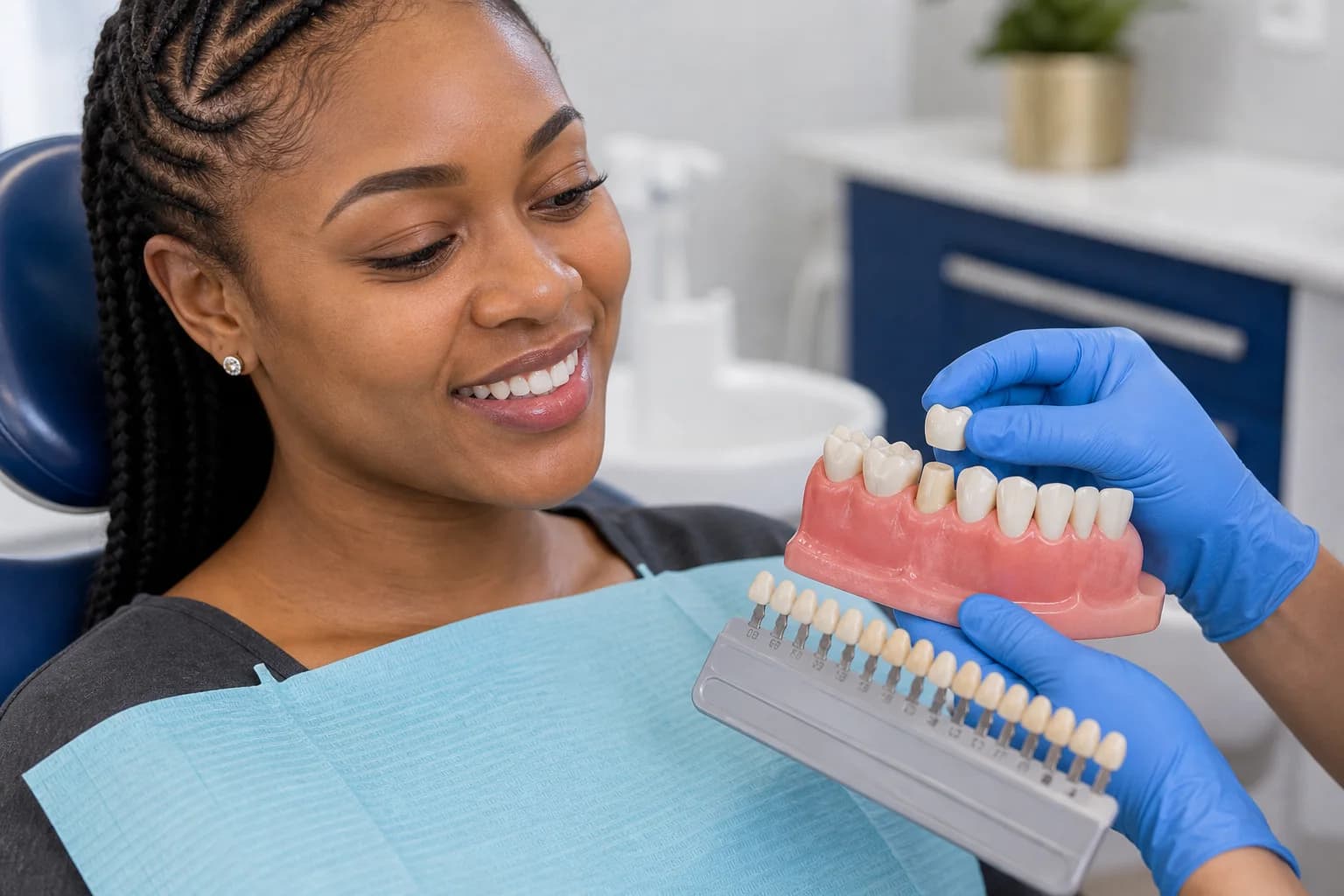
| Biomimetic composite edge bonding | Minimally invasive composite resin layered to rebuild chipped incisal edges and restore natural tooth contours. |
| Ceramic onlays, veneers, or crowns | Durable porcelain restorations to reconstruct lost vertical height and protect severely worn dentin. |
| Orthodontic alignment and bite correction | Repositioning teeth to distribute bite forces evenly before cosmetic rebuilding. |
Turn the diagnosis into a complete care plan
A useful plan for flattened and chipped teeth from clenching should connect every recommended step to a finding from the examination. Ask the dentist to separate what controls active disease or immediate risk from what restores function, improves appearance, or prevents recurrence. That distinction makes it easier to understand why one step comes before another.
Confirm whether treatment can be completed in one appointment or requires a temporary stage, laboratory work, healing, specialist input, or a final restoration. If several visits are involved, ask what protects the tooth or gum between them, which activities or foods should be limited, and whom to contact if the temporary stage changes.
Long-term value also depends on maintenance. Discuss how the area will be cleaned, which review findings show that treatment is working, what can fail over time, and whether future repair is possible. Where cost affects timing, request a written sequence that identifies the urgent phase, the definitive phase, and any later elective or replacement decision.
Record the diagnosis and agreed sequence in language you understand. If more than one option is suitable, compare expected durability, maintenance, recovery, limitations, and the likely result of delaying each choice. A clear written plan also helps another clinician understand what has already been assessed if you need urgent care or continue treatment at a different practice.
What to do before the appointment
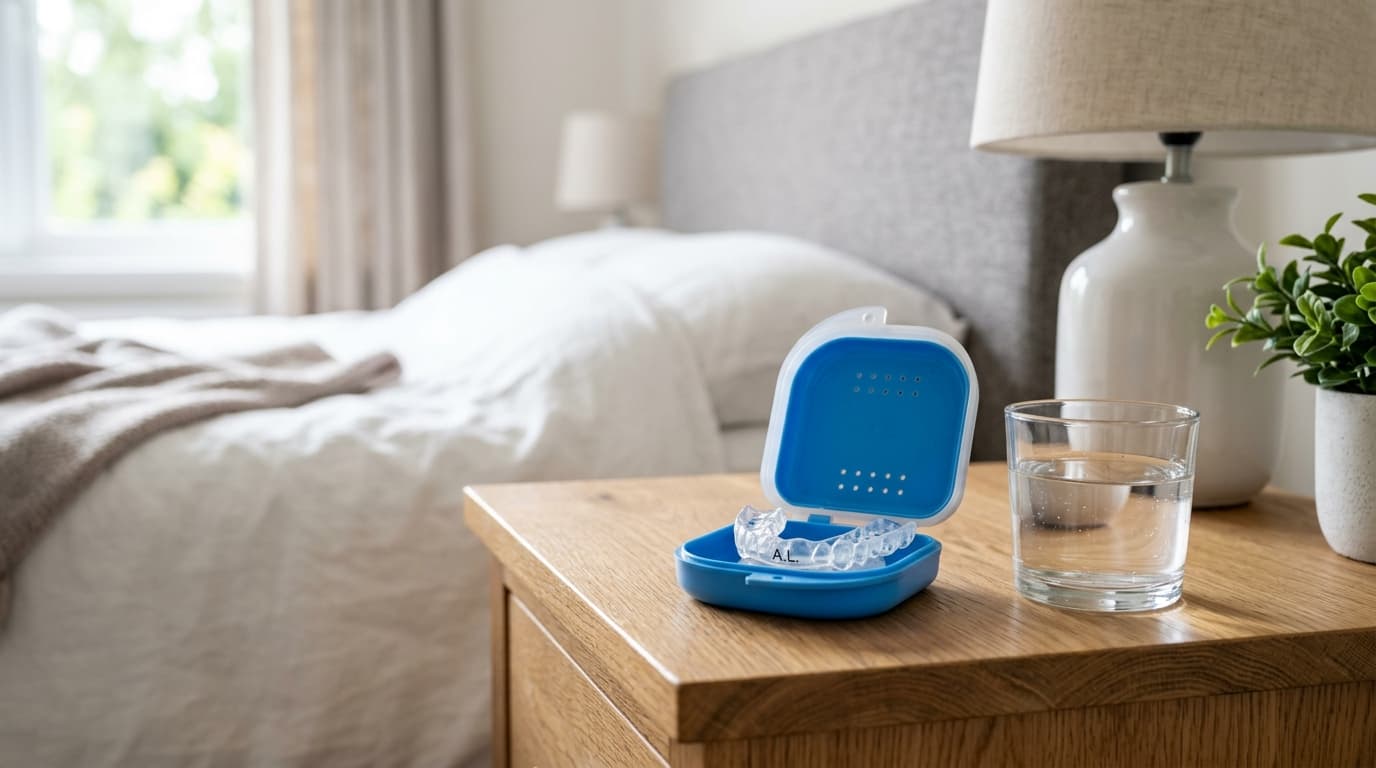
Never use your teeth as tools to open plastic packaging, tear tape, or crack nuts. Minimize acidic drinks that soften enamel, and wear your custom guard diligently every night.
Home care should protect the area without hiding a worsening problem. Avoid scraping, forcing tools, applying chemicals to teeth or gums, or using someone else’s prescription. Use only medicines that are safe for you and follow the label or advice from a qualified healthcare professional.
Keep the appointment even if the symptom settles. A changing symptom is still useful evidence, and temporary improvement does not prove that decay, inflammation, infection, a crack, or a gum problem has resolved.
- Compare recent photos with older pictures to see how your smile length has changed over the years.
- Check if your front teeth feel rough to your tongue or look slightly yellow/transparent at the tips.
- Notice if you clench during focused tasks like driving, working at a computer, or exercising.
- Note any symptoms of acid reflux, heartburn, or frequent morning sour taste.
Questions that make the plan clearer
Good questions connect the proposed care to a specific finding. Ask what the dentist can confirm today, what remains uncertain, and what would change the recommendation. This is more useful than comparing procedure names without knowing whether they address the same diagnosis.
Also ask about the full sequence, likely review point, maintenance, alternatives that are clinically suitable, and the consequences of waiting. Where cost matters, request an estimate that covers the complete plan rather than only the first urgent or temporary stage.
- How much enamel has been lost, and has the wear reached the softer dentin layer?
- Can composite bonding restore my chipped front edges, or do I need crowns?
- Will I need orthodontic alignment before restoring my worn teeth?
- How will a night guard protect any cosmetic restorations we place?
When to arrange faster care
Move the appointment forward when symptoms are worsening, affecting sleep or eating, or accompanied by swelling, pus, a bad taste, fever, trauma, uncontrolled bleeding, or increasing difficulty opening the mouth. Describe these changes when booking so that the practice can triage the situation.
Difficulty breathing, swallowing, or speaking, extensive mouth or neck swelling, swelling affecting an eye, severe facial trauma, confusion, or uncontrolled bleeding can require emergency medical help. Do not wait for an ordinary dental appointment when airway, vision, consciousness, or general health may be affected.
Without emergency signs, persistent or recurring flattened and chipped teeth from clenching still deserves assessment. Early diagnosis usually gives the dentist more information and may preserve more conservative choices than waiting for a crisis.
- A large triangular chunk of tooth breaks off cleanly during normal chewing.
- Teeth become intensely sensitive to hot, cold, and sweet foods due to widespread dentin exposure.
- You notice your chin moving closer to your nose when closing your mouth (collapsed bite).
Internal Links
Related dental care
Sources
Useful information
Written by
Dr. Kholofelo Machaba-SelatoleChief Dentist & Practice Director
Dr. Kholofelo Machaba-Selatole leads Smile On Dental & Aesthetic Studio with a warm, patient-focused approach to family, restorative, cosmetic, and orthodontic care.
View Profile