Quick Answer
A denture that moves may need an adjustment, a reline, repair or replacement, depending on why it is unstable. Changes in the mouth, worn teeth, damage and the bite can all contribute. More adhesive is not a substitute for assessment, especially if there are sore spots or a sudden change. Do not file, bend or repair the denture yourself.
- The cause of movement determines the useful correction.
- A loose denture and a sore mouth need assessment together.
- Bring the denture and describe when it moves.
Describe the movement rather than guessing the repair
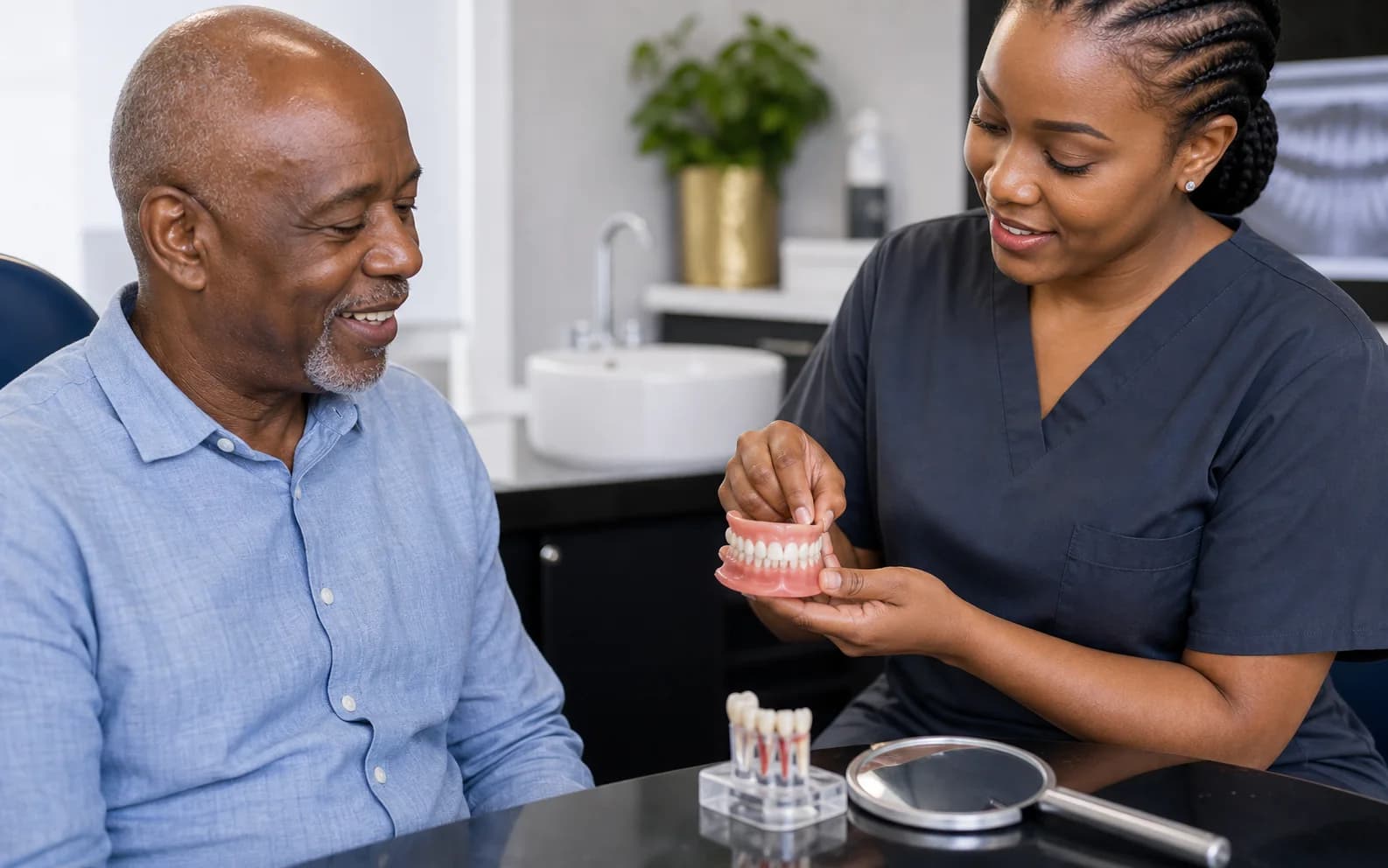
Tell the dentist whether the denture lifts during speech, rocks on one side, drops during eating or has become difficult to insert. Mention whether the change was gradual or sudden. A denture that has felt unstable since fitting presents a different history from one that worked well until it was dropped.
Bring the denture even if you have stopped wearing it. If possible, explain which foods or movements trigger the problem. The clinician needs to assess the appliance and the tissues together, not only inspect a photograph of the denture outside the mouth.
Why the fit can change over time
The supporting mouth tissues and jaw shape can change, particularly after teeth have been removed. The denture itself can also wear, fracture or develop a bite that no longer functions well. A partial denture may be affected by changes in the remaining teeth or its supporting components.
The age of the denture is useful context but does not provide the diagnosis. An old denture is not automatically beyond help, and a newer one can still need review. Ask what has changed and whether the issue is mainly the fitting surface, the bite, the material or the supporting mouth.
What adjustment and relining are intended to do
An adjustment may address a specific pressure area or an aspect of how the denture contacts the mouth. A reline changes the fitting surface to better match the supporting tissues when that approach is appropriate. Neither necessarily corrects every problem in a damaged or severely worn appliance.
The dentist should explain what the proposed correction can achieve and what it cannot. If the denture teeth are worn or the overall arrangement is unsuitable, improving only the fitting surface may leave other problems unresolved. Avoid requesting a reline as a predetermined solution before the assessment.
| Option | Main question |
|---|---|
| Adjustment | Is there a local pressure or contact problem? |
| Reline | Can the existing denture be adapted to changed tissues? |
| Repair | Is a damaged component repairable? |
| Replacement | Are the overall fit, teeth or design no longer suitable? |
When replacement may enter the discussion
Replacement may be considered when wear, damage, repeated instability or an unsuitable overall fit makes limited corrections unlikely to provide a satisfactory result. The dentist may also need to assess remaining teeth before making a new partial denture. The goal is a functional plan, not simply a newer-looking appliance.
Ask about the sequence, the period you may be without the denture and the need for adjustment visits afterwards. Confirm fees for the proposed work. Do not assume that a replacement will immediately feel identical to your familiar denture or that no follow-up will be necessary.
What to do about soreness and adhesive use
Report ulcers, bleeding, burning or persistent sore areas. A lesion that does not heal needs examination rather than being attributed indefinitely to denture rubbing. Follow advice about whether and when to wear the denture before the appointment so pressure areas can be assessed without causing unnecessary discomfort.
Adhesive may have a role when appropriately used, but needing progressively more to hold a denture in place is a reason to review the fit. Use products according to their instructions and discuss them with the dentist. Never use household glue, boiling water, filing tools or an improvised liner.
5 clues to discuss when a denture starts moving
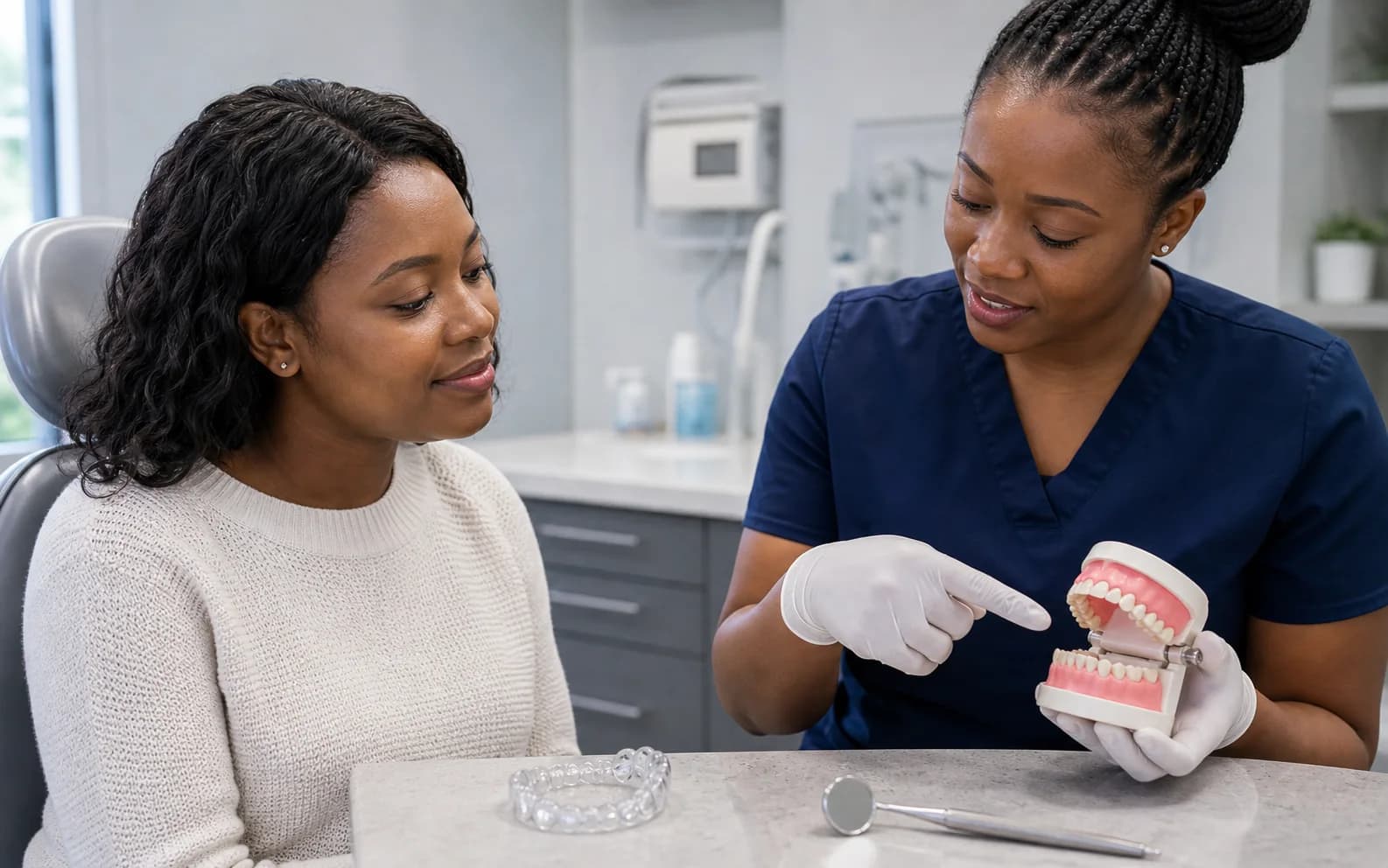
A denture that feels loose at lunch but comfortable at rest presents a different practical problem from one that rubs all day. Describing the situation helps the dentist assess the fit, bite and condition of the denture alongside the tissues supporting it. The right response might involve adjustment, relining or replacement, but those are treatment decisions after examination. A loose feeling alone does not tell you which option will work or whether the appliance has another problem.
Bring the denture even if you have stopped wearing it. If you have another set, explain which one you normally use and why. It can be tempting to ask only for a stronger adhesive, particularly when an important meal or social event is approaching. However, a conversation about the underlying fit can help you avoid repeatedly buying products without understanding the cause. Tell the dentist what you would most like to improve: comfort, confidence while speaking, chewing or several of these together.
- Describe when movement happens. Note whether it occurs while speaking, chewing or opening wide, and whether it affects the upper denture, lower denture or both.
- Point out sore areas without altering the appliance. Explain when discomfort begins and whether it persists after removal so the dentist can examine the tissues appropriately.
- Mention changes in use or fit. Include recent dental treatment, broken components or a gradual need for more adhesive, rather than focusing only on the latest episode.
- Ask what each option would address. An adjustment, reline and replacement have different purposes, and understanding the reason helps you compare the proposed plan and cost.
- Confirm the follow-up arrangements. Ask how the fit will be reassessed and what to do if the denture still moves or causes discomfort after treatment.
How to get a useful long-term plan
Ask what caused the looseness, which correction is recommended and how success will be checked. Discuss cleaning, overnight care and future reviews, including checks of the mouth even when no natural teeth remain. If other replacement options are of interest, ask whether they are suitable without assuming implants are automatically indicated.
Can loose dentures affect eating choices? They can make certain foods difficult, so mention any change in nutrition or weight. Is movement always caused by poor denture quality? No; mouth changes and wear can also contribute. Should pain be endured until you adapt? Persistent or significant pain deserves review.
A denture assessment at Smile On Dental can clarify the cause and the realistic options before you commit to a repair, reline or replacement.
Our dentures page outlines assessment and treatment options. The guide to sleeping with dentures, cleaning and storage supports daily care, while a dental consultation can establish why an appliance is moving. If you are considering a different replacement approach, discuss dental implants separately rather than assuming they are suitable for every denture wearer.
- Do not file the denture or add household repair materials; changing its shape can make professional assessment and a suitable repair more difficult.
- Tell the practice if you cannot eat comfortably or have persistent soreness instead of waiting until the next routine appointment to mention the problem.
- Bring the names of cleaning and adhesive products you use, especially if your routine changed shortly before irritation or movement became noticeable.
- Ask how to care for the denture while awaiting treatment, including what to do if a damaged or painful appliance cannot be worn comfortably.
Internal Links
Related dental care
Sources
Useful information
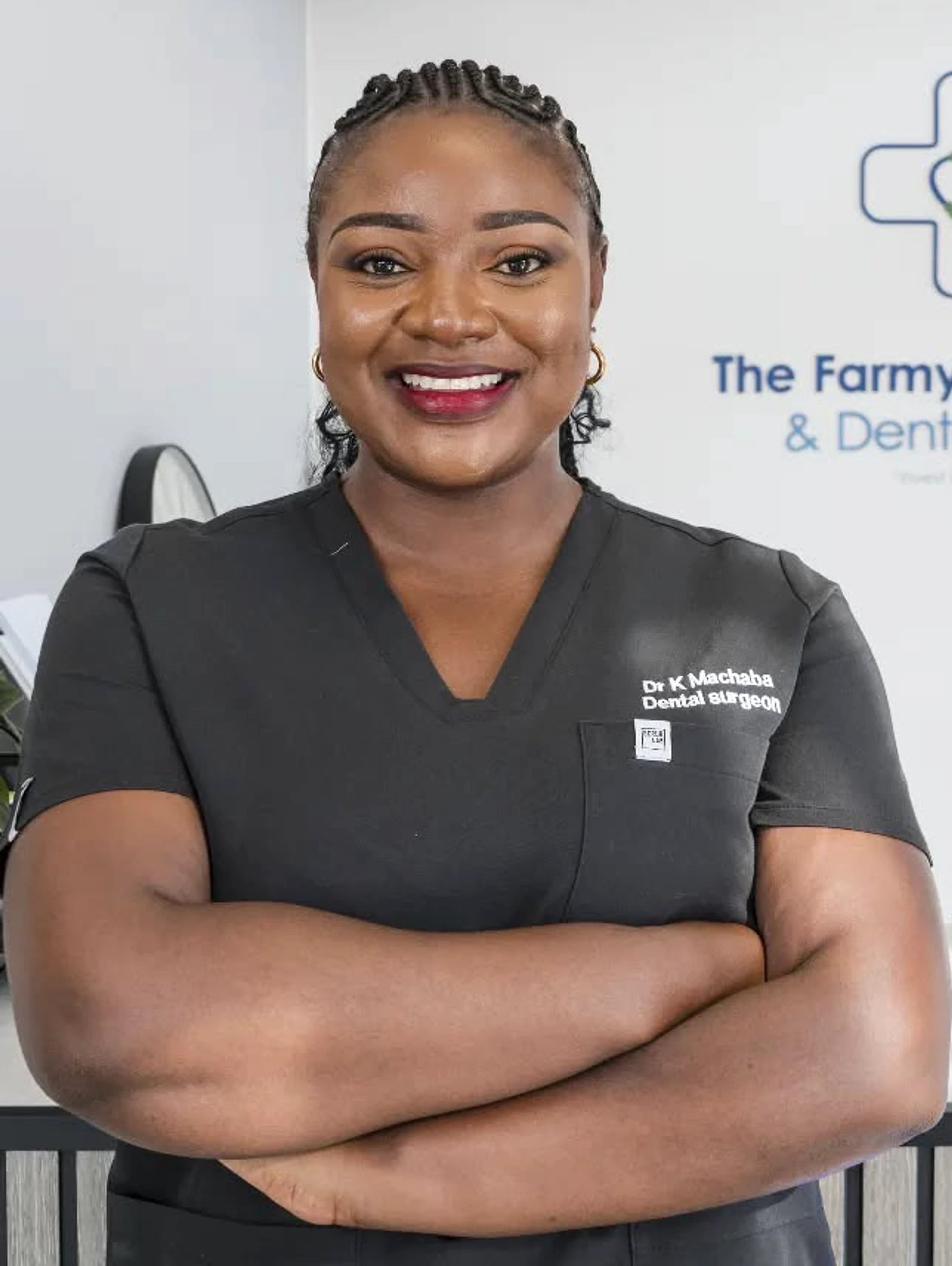
Written by
Dr. Kholofelo Machaba-SelatoleChief Dentist & Practice Director
Dr. Kholofelo Machaba-Selatole leads Smile On Dental & Aesthetic Studio with a warm, patient-focused approach to family, restorative, cosmetic, and orthodontic care.
View Profile