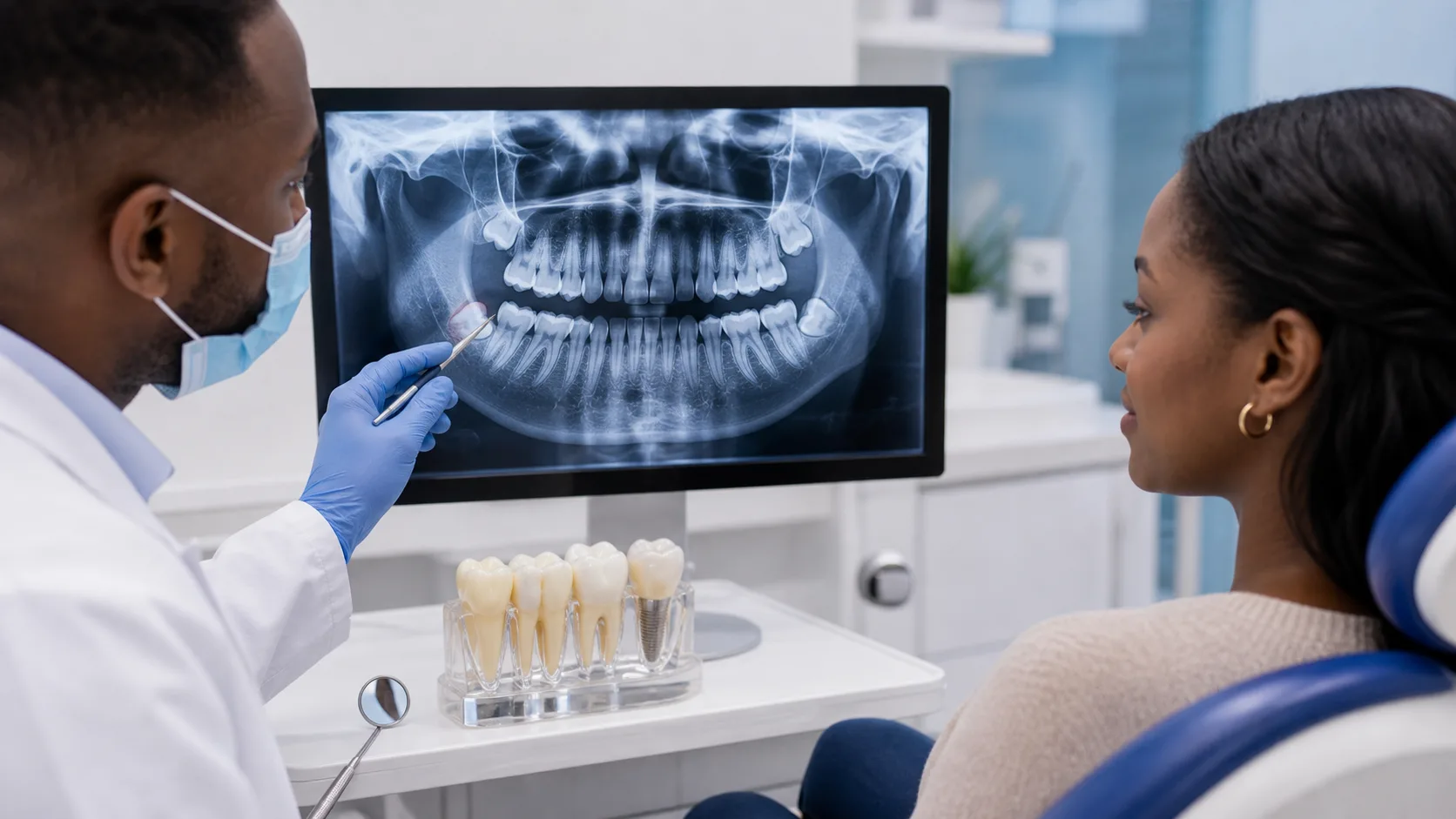
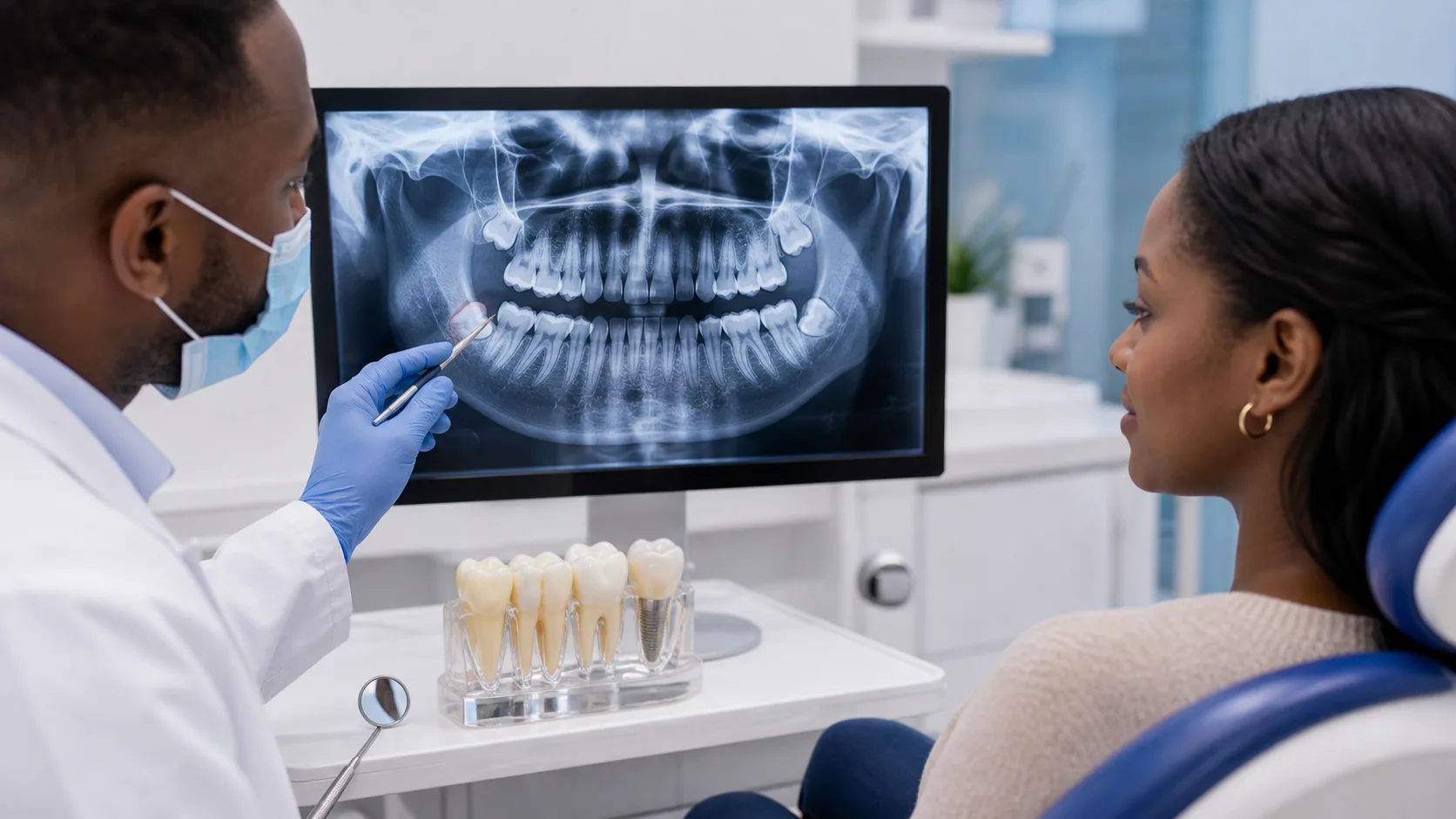
Quick Answer
Confirm the procedure, anaesthesia plan and written instructions before organising your recovery. Prepare suitable food, arrange help or transport where required, and allow flexibility for work and responsibilities. Fasting, driving and medicine advice depend on the treatment and your health. Follow the treating clinician’s instructions rather than a universal online checklist.
- Confirm the actual procedure and anaesthesia plan first.
- Do not stop regular medicines without clinical instructions.
- Keep the aftercare contact and escalation advice accessible.
Confirm what is planned before making assumptions
Ask which tooth or teeth will be removed, whether the procedure is expected to be straightforward or surgical, and whether another clinician will be involved. The anaesthesia plan affects preparation and transport. Do not assume sedation or general anaesthesia is part of the appointment, or that it is available at every practice.
Get the appointment time, location and instructions in writing where possible. If you are unsure whether to eat beforehand, ask the treating team directly. Fasting requirements depend on the procedure and anaesthetic plan, and conflicting instructions should be resolved before the day.
Review medicines and medical history in advance
Provide a complete medicine list, including blood-thinning medicines, supplements and occasional products. Tell the clinician about allergies, previous reactions and relevant health conditions. A prescription that seems unrelated to dentistry may still affect planning.
Do not stop medicines on your own to reduce bleeding or change the procedure. The dentist may need to coordinate with your prescriber. If a pain-management plan is supplied, make sure you understand which medicines are appropriate, how to use them and which combinations to avoid. Ask before the procedure if access to prescribed products may be difficult.
Prepare food you can manage comfortably
Have practical soft foods available so you are not forced to shop or cook while uncomfortable. Consider nutrition and any dietary requirements rather than relying entirely on sweet desserts or drinks. Follow the treating team’s advice on temperature, texture and when to resume eating after numbness.
Avoid planning meals that require hard chewing or contain small hard fragments likely to irritate the area. Do not use a straw as a workaround unless your clinician specifically advises otherwise. The exact progression back to normal eating should follow comfort and the aftercare instructions.
| Preparation | Check before the appointment |
|---|---|
| Food | Suitable textures and any dietary restrictions |
| Medicines | Clear instructions and no unapproved changes |
| Transport | Escort and driving requirements for the planned anaesthesia |
| Work or study | Flexibility based on expected recovery |
| Aftercare | Written instructions and a contact number |
Arrange responsibilities and recovery time realistically
Discuss the expected recovery for your particular procedure, then allow some flexibility. A desk-based day, strenuous work, caring for young children and competitive sport place different demands on recovery. Avoid promising an employer or family member that you will definitely be back to normal the next morning.
If an escort or responsible adult is required, organise that before the appointment. Ask about driving, decision-making and supervision restrictions for the anaesthesia used. A lift home does not automatically satisfy every requirement, particularly when sedation has been planned.
Set up the information you may need afterwards
Keep the practice number, any after-hours instructions and the written aftercare sheet where you can find them easily. Confirm what bleeding, discomfort or swelling may be expected and what changes need advice. Knowing the escalation route is more useful than searching for conflicting guidance when worried.
Do not assemble an improvised kit of strong mouthwashes, antibiotics or herbal preparations unless advised. Follow the specific cleaning and rinsing instructions, including when to start. Home preparation should make the prescribed plan easier to follow, not add treatments that the clinician has not recommended.
5 home arrangements to make before the appointment
Preparation works best when it follows the actual treatment plan. A straightforward extraction and a procedure involving sedation may require different transport, supervision and eating arrangements. Before buying supplies or asking someone to collect you, check the instructions from the team performing your procedure. If anything is unclear, ask before the appointment. Online recovery advice cannot tell you which anaesthetic is planned or replace instructions based on your medical history.
Think through an ordinary day at home after treatment. Someone who lives alone, has young children or works a physical job may need different practical help from someone with a quiet schedule and support nearby. The aim is to reduce avoidable tasks while you follow the clinician's advice. It is also helpful to identify who can contact the practice if you feel unwell, and to keep written instructions somewhere easy to find rather than relying on memory after a stressful appointment.
- Confirm the procedure instructions directly. Ask about eating, drinking and regular medication beforehand, and do not assume that advice for another person's extraction applies to yours.
- Arrange transport and support as instructed. Tell the team if you cannot organise the recommended arrangements so the issue can be addressed before the treatment day.
- Prepare suitable food choices. Follow the practice's recovery advice and choose options you can manage without substantial cooking, while taking your normal dietary needs into account.
- Organise work and household responsibilities. Discuss the likely recovery demands with the clinician, then make realistic arrangements for childcare, errands and other commitments that cannot wait.
- Keep the contact and aftercare information accessible. Know the practice's instructions for expected symptoms, concerning changes and seeking help outside normal opening hours if necessary.
Questions to settle before the day
Ask whether there are restrictions on eating or drinking beforehand, how regular medicines should be handled, what transport is needed and how follow-up will work. Mention upcoming travel, important work deadlines or difficulty obtaining help. The clinician can then explain whether the timing is sensible.
Should everyone take several days off? Recovery and job demands vary, so agree on a realistic plan. Is bleeding that will not settle something to wait out? No; follow the urgent aftercare advice and contact the treating team. What if swelling affects breathing or swallowing? Seek emergency medical attention.
A well-prepared appointment leaves you knowing what will happen, what to have ready and whom to contact. It cannot guarantee an identical recovery for every patient, but it reduces avoidable uncertainty during the first days at home.
Read whether all wisdom teeth need removal if you are still deciding with your dentist. Once treatment is recommended, the tooth extractions guide provides broader context, and emergency dental care explains the route for urgent concerns. Your own written aftercare instructions should remain the main reference for the recovery itself.
- Ask about prescriptions and pain-relief instructions before leaving; do not create your own combination from medicines that happen to be in the cupboard.
- Keep any recommended cleaning supplies ready, but wait for the clinician's instructions about when and how to use them around the treated area.
- Avoid committing to a fixed recovery deadline based on a friend's experience; the procedure and your response may be different from theirs.
- If you become ill or your health changes before the appointment, inform the practice promptly so the team can reconsider the plan if needed.
Internal Links
Related dental care
Sources
Useful information

Written by
Dr. Kholofelo Machaba-SelatoleChief Dentist & Practice Director
Dr. Kholofelo Machaba-Selatole leads Smile On Dental & Aesthetic Studio with a warm, patient-focused approach to family, restorative, cosmetic, and orthodontic care.
View Profile