
Dental CareMy Toothache Suddenly Stopped After Several Painful Days. Is the Problem Gone?
A severe toothache that suddenly stops may reflect changing inflammation or loss of pulp vitality, so improvement still requires assessment.
Resources
Read practical guidance on oral health, cosmetic dentistry, orthodontics, children's dental care, and treatment planning before your next appointment.

Blog
Dental CareA severe toothache that suddenly stops may reflect changing inflammation or loss of pulp vitality, so improvement still requires assessment.
Dental CareBad taste with swelling and tooth pain can indicate drainage or infection and needs urgent dental triage, with emergency escalation for airway, eye, neck, or severe illness signs.
Dental CareA dental abscess does not reliably resolve without treatment of its source, even if it drains or pain improves.
Dental CareAntibiotics can reduce bacterial spread and systemic symptoms in selected cases but cannot remove infected pulp, repair decay, seal a crack, or eliminate an unsavable tooth.
Dental CareA lost filling without pain is usually urgent rather than life-threatening because exposed tooth structure can fracture, trap food, or become sensitive.
Dental CareNight-time tooth pain that eases by morning can still signal a problem. The timing helps the dentist investigate, but it does not show that the tooth has healed.
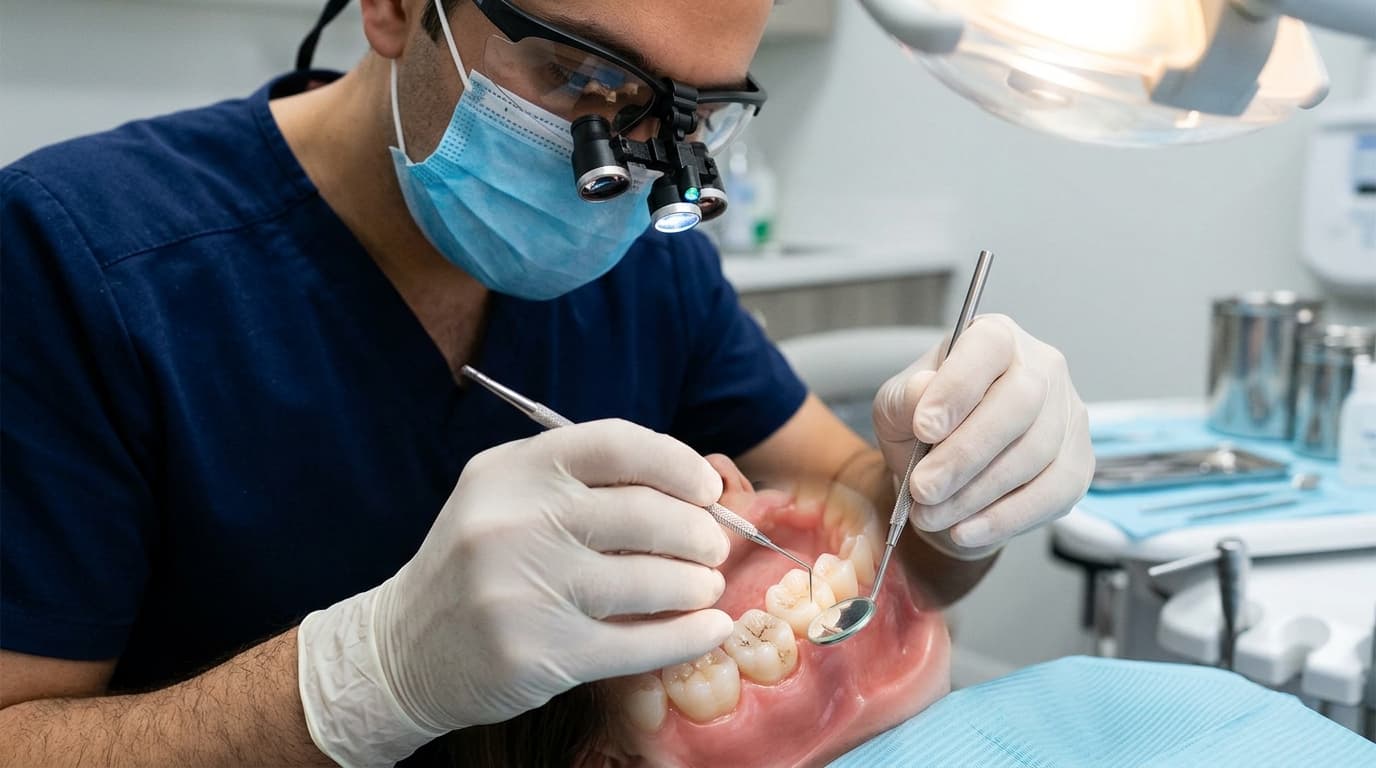
Dental CareA severe toothache can come from hidden decay, a crack, inflammation inside the tooth, gum or bite problems, or pain referred from another area even when no hole is visible.
Dental CareDental appliances create extra surfaces and access points, so cleaning should combine a suitable brush with site-specific interdental tools and professional review.
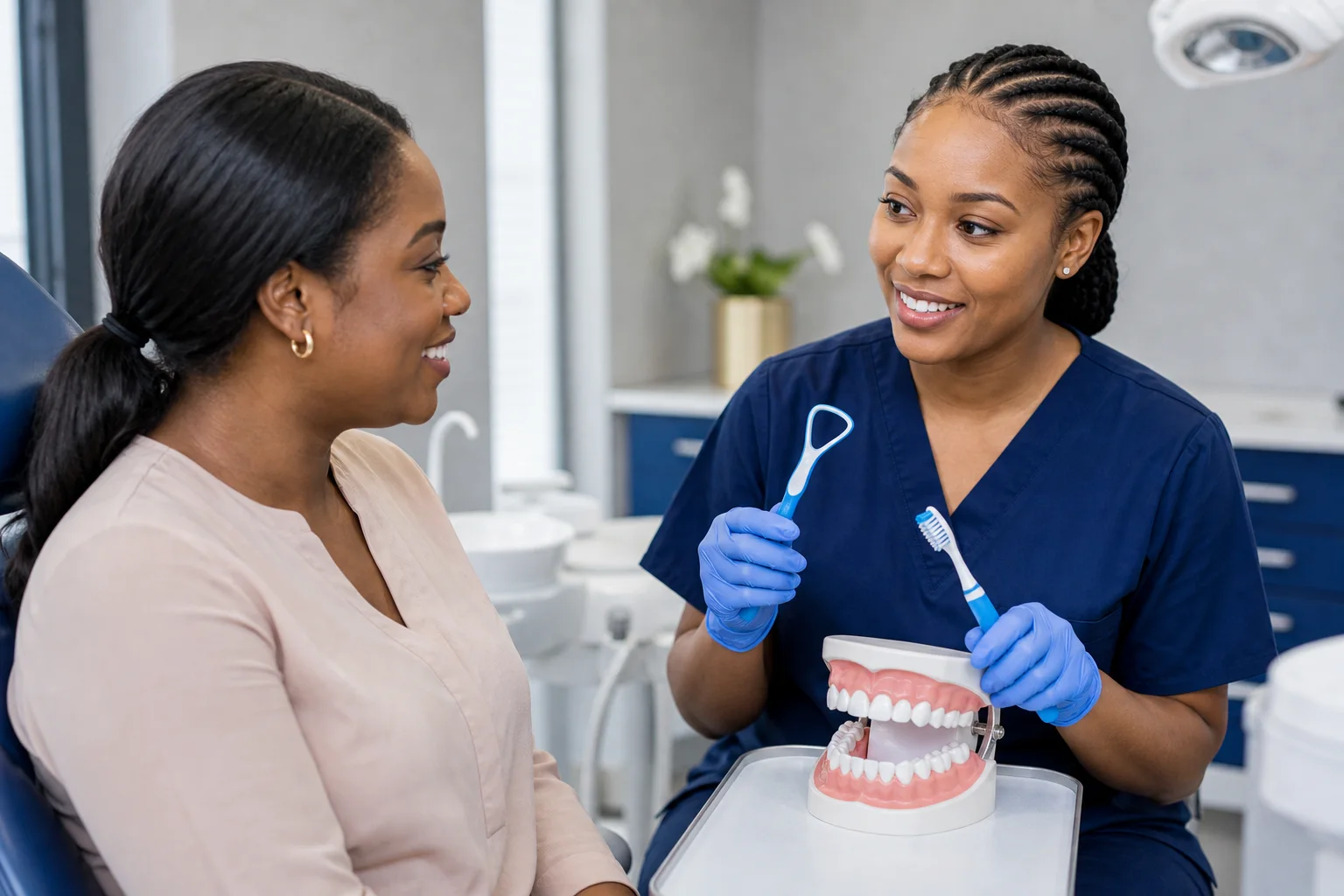
Dental CareGentle tongue cleaning can reduce coating and support breath care, but it does not replace tooth, gum, appliance, dry-mouth, or medical assessment.
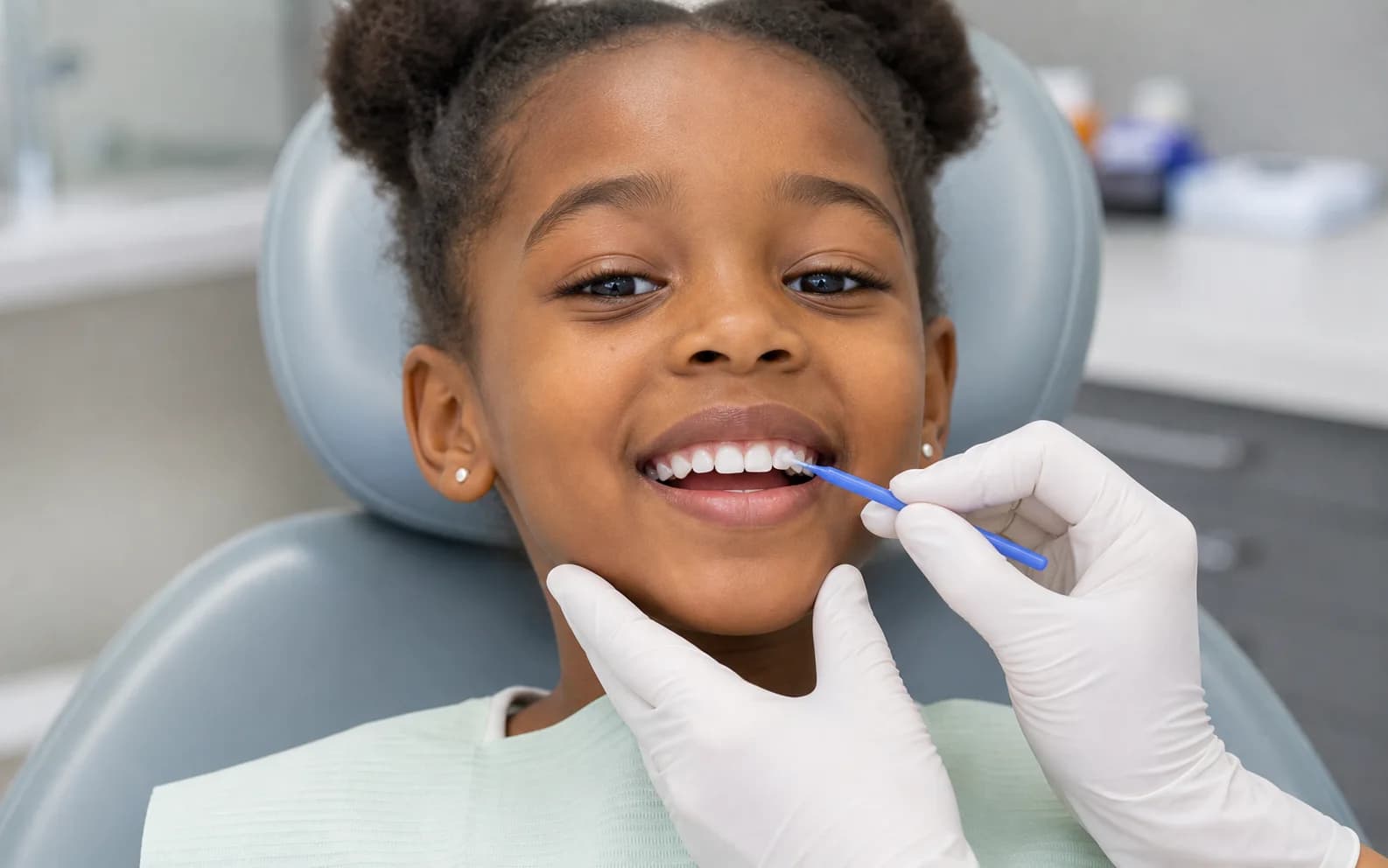
Dental CareA practical family routine uses twice-daily fluoride brushing, age-appropriate supervision, daily interdental cleaning, water between meals, and individual dental advice.
Dental CareBiting pain without cold sensitivity can involve a crack, bite overload, a restoration, inflammation around the root, or gum support and needs targeted testing.
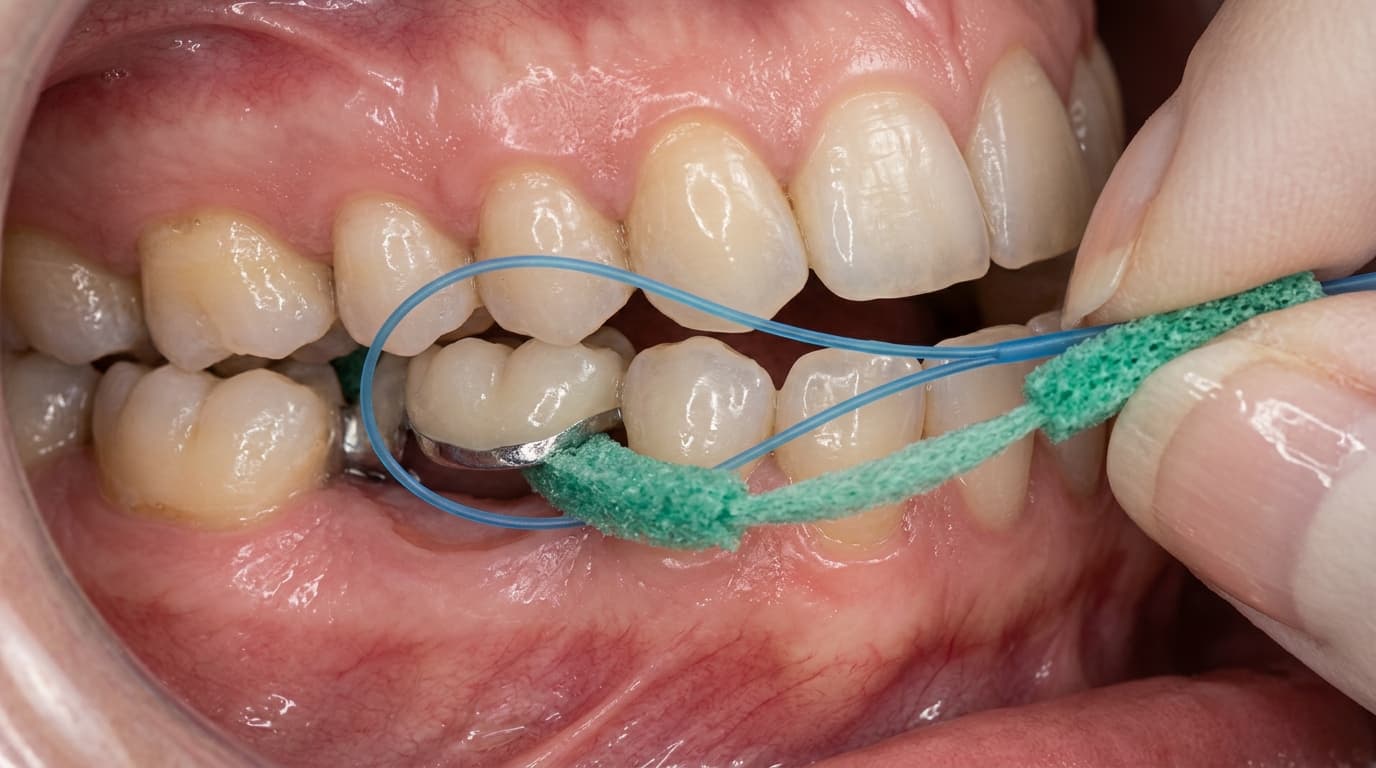
Dental CareThe best interdental tool depends on contact tightness, gum spaces, braces, bridges, implants, dexterity, and the method you can use safely every day.
Dental CareBrushing before breakfast is a simple option; if brushing afterward, avoid scrubbing immediately after acidic foods or drinks and follow personalised dental advice.
Dental CareDaily brushing lowers risk but cavities also depend on technique, fluoride, interdental plaque, diet frequency, dry mouth, tooth anatomy, and previous disease.
Dental CareFrequent sugar and starch exposure gives plaque bacteria repeated opportunities to produce acids, so timing can matter as much as the total amount.
Dental CareAn alcohol-free product may feel gentler for some dry or sensitive mouths, but mouthwash choice should match the cause and cannot replace plaque removal or dry-mouth assessment.
Dental CareBurning can relate to flavouring, detergents, whitening ingredients, dryness, ulcers, or another oral condition, so stop the irritant and keep fluoride protection in the plan.
Dental CareCleaning usually comes before whitening because deposits, gum inflammation, decay, and restoration colour should be assessed before attempting to change tooth shade.
Dental CareTemporary sensitivity after cleaning can occur when tartar is removed from exposed or inflamed areas, but severe, localised, or persistent pain needs reassessment.
Dental CareThe clean feeling can last from days to much longer depending on plaque control, stain exposure, tartar pattern, gum health, saliva, and dental appliances.
Dental CareCleaning may improve breath caused by plaque, tartar, and gum inflammation, but persistent odour needs assessment for dental, dry-mouth, appliance, and non-dental contributors.
Need Dental Care?