Dental CareCan Tartar Be Removed Safely at Home Without Visiting a Dentist?
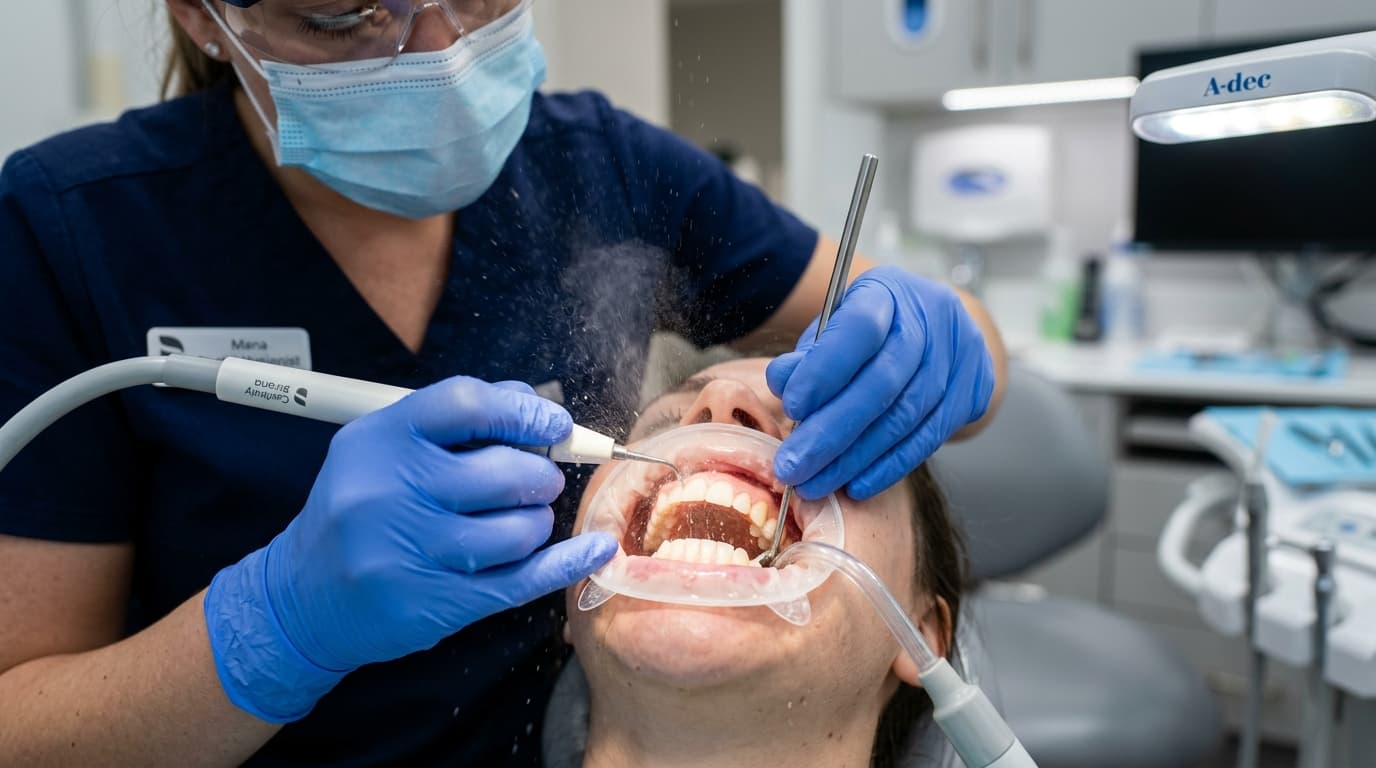
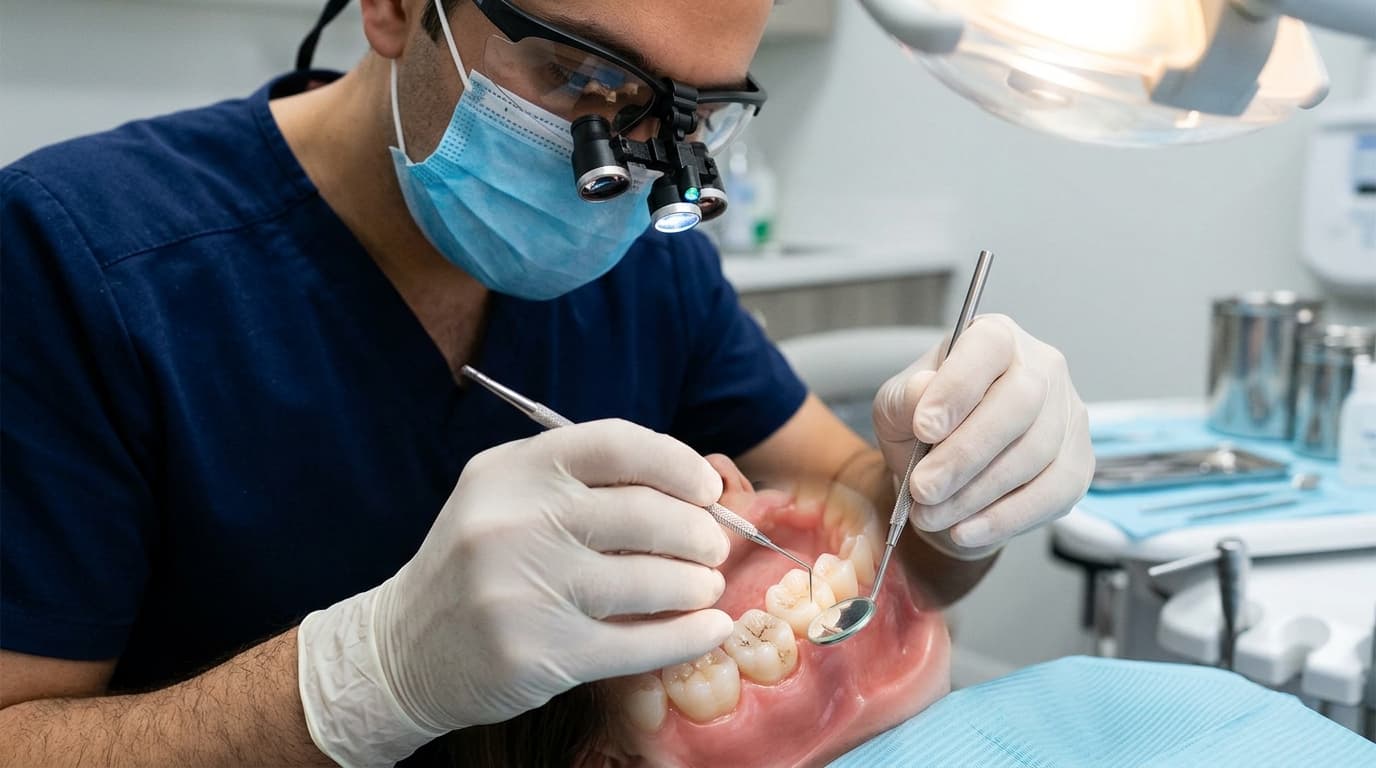
Hardened tartar should be removed professionally; home scraping can injure gums, roots, enamel, and restorations without detecting deposits below the gumline.

Resources
Read practical guidance on oral health, cosmetic dentistry, orthodontics, children's dental care, and treatment planning before your next appointment.

Blog
Dental CareHardened tartar should be removed professionally; home scraping can injure gums, roots, enamel, and restorations without detecting deposits below the gumline.
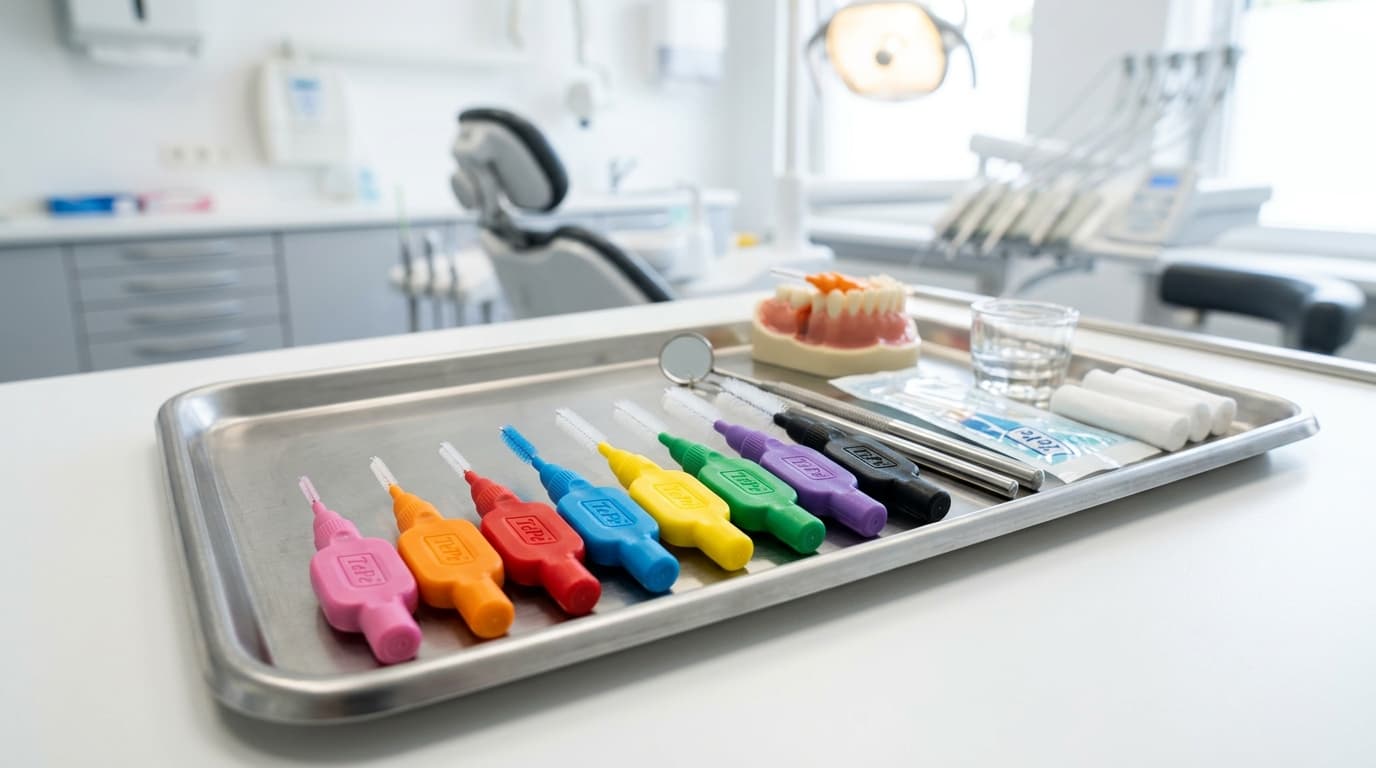
Dental CareEither brush can clean effectively when used gently and thoroughly; bleeding gums need diagnosis, interdental cleaning, and tartar assessment rather than a device change alone.
Dental CareRough areas that remain after brushing may be hardened tartar, surface stain, plaque in a difficult-to-reach area, or a change in the tooth or filling that needs assessment.
Dental CareRepeated tartar does not necessarily mean you never brush. Plaque can remain in difficult areas, harden between visits, and need a more targeted home-care and professional-cleaning plan.
Dental CareA consultation can review an existing treatment plan, but the new dentist may need an examination, records, and current images before giving an independent opinion.
Dental CareBleeding after restarting flossing often reflects gum inflammation or technique, but persistent bleeding needs assessment rather than indefinite avoidance.
Dental CareProfessional cleaning can remove many external deposits and surface stains, but it does not change every internal tooth colour or replace whitening.
Dental CareAn overdue cleaning begins with assessment of deposits, gum inflammation, sensitivity, and comfort needs so the appropriate type and pace of care can be planned.
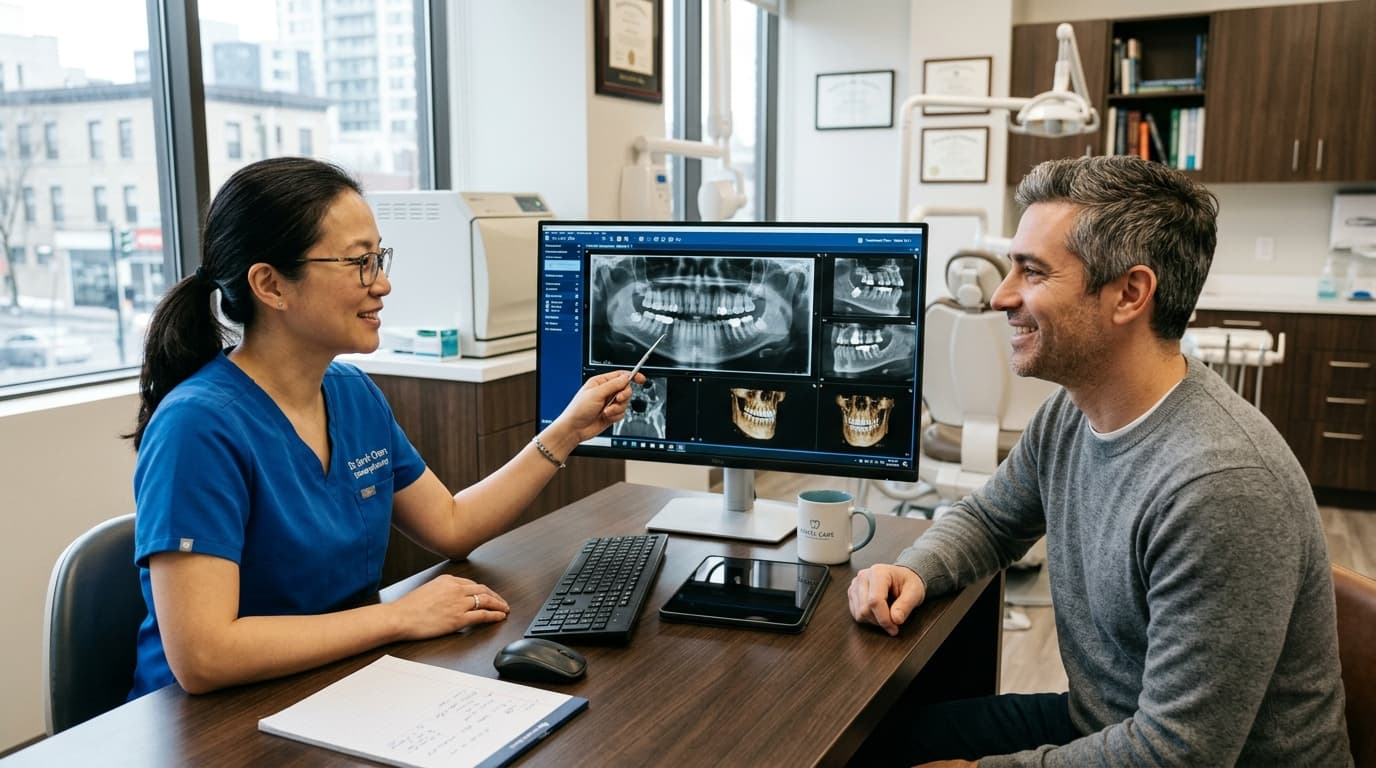
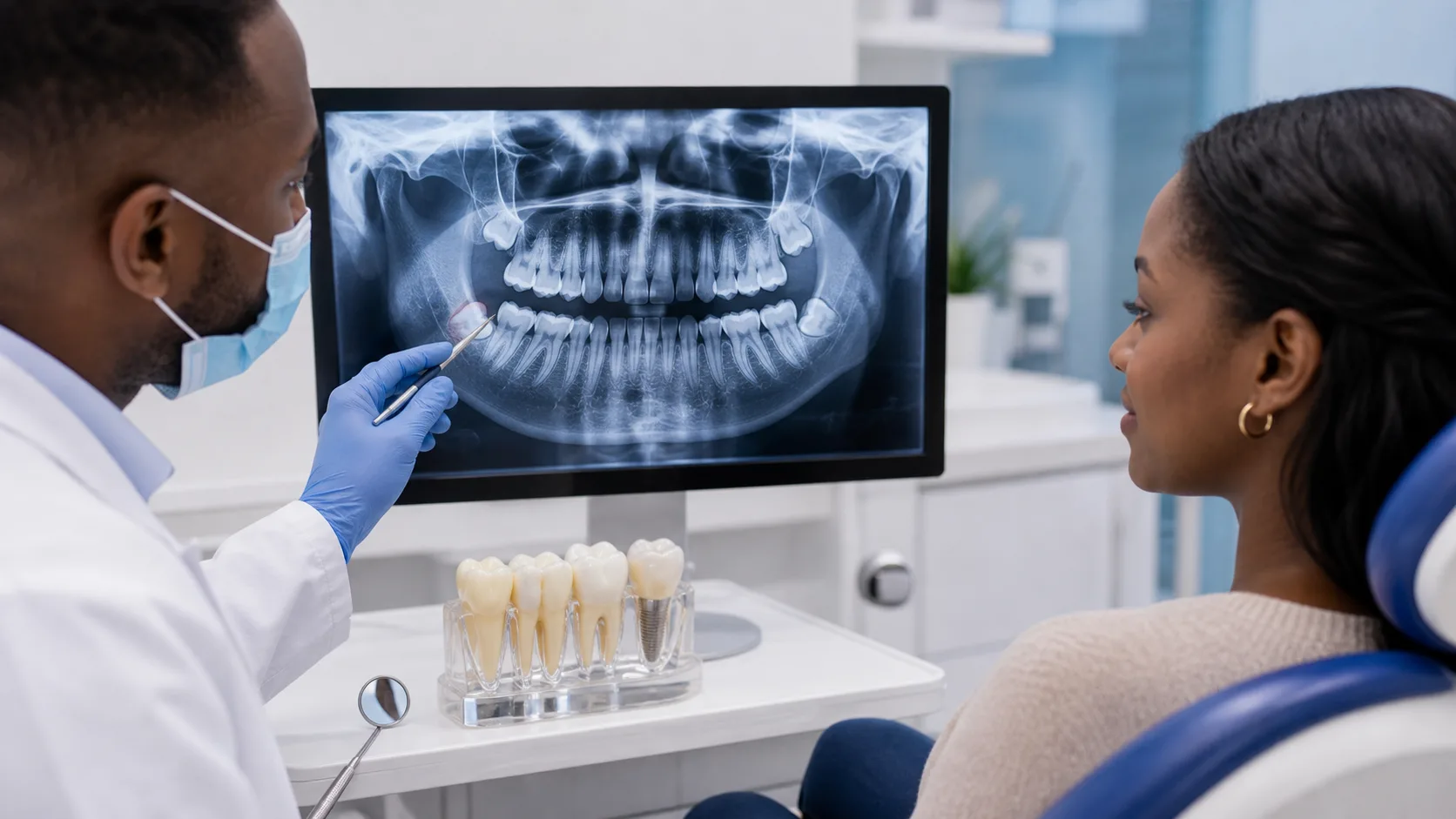
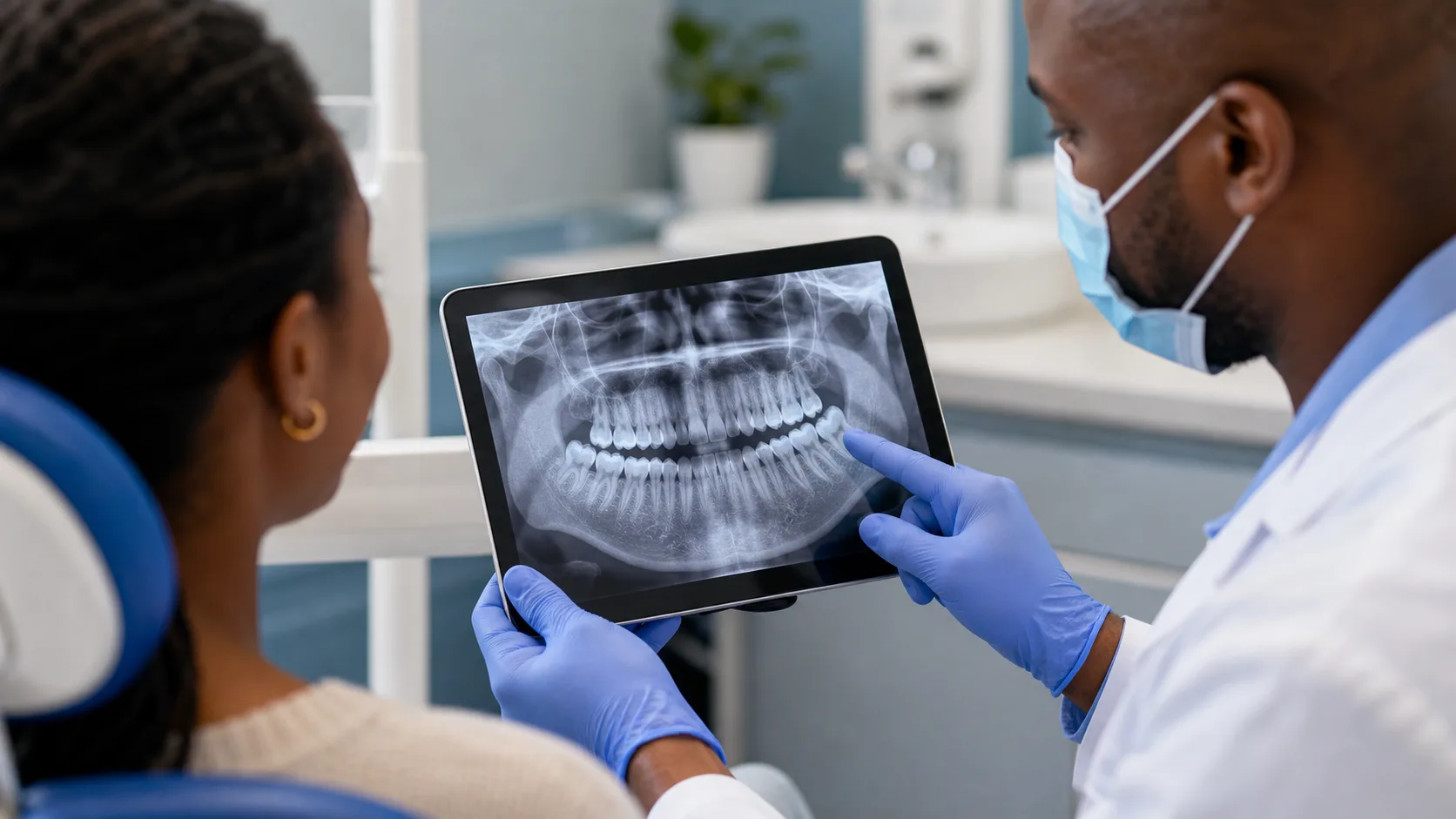
Dental CareDifferent dental X-rays can show root shape, infection-related changes, bone support, impacted teeth, and surrounding anatomy, but the view must match the clinical question.
Dental CareTell the dental team about confirmed or possible pregnancy, due date, medicines, high-risk care, and symptoms so necessary treatment and imaging can be planned safely.
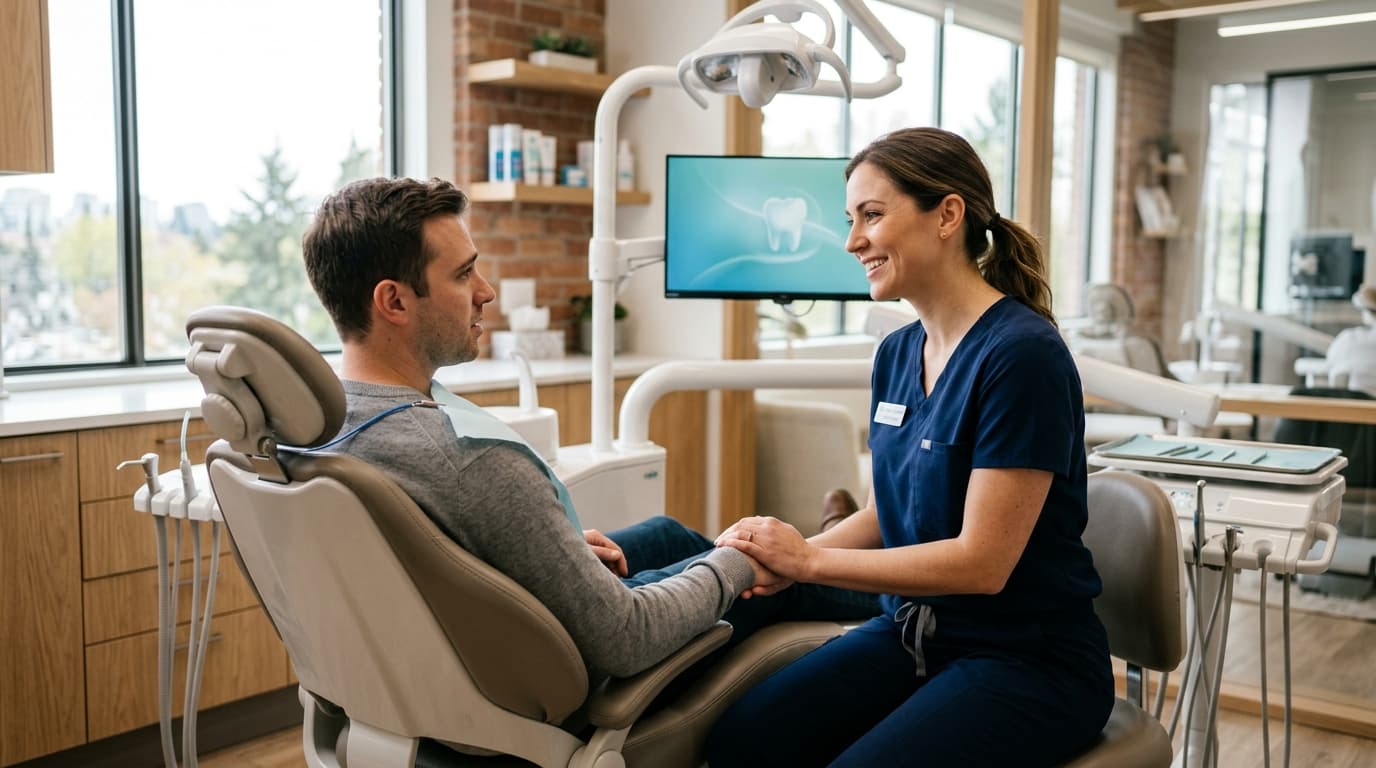
Dental CareA smaller first goal, clear communication, an agreed stop signal, and a consultation-led plan can make returning to dental care more manageable.
Dental CareA dental check-up before elective or complex treatment identifies decay, gum disease, infection, bite issues, and maintenance needs that can change suitability or sequencing.
Dental CareA child’s first dental consultation is easier to plan when the parent brings health information, medicine and allergy details, previous records, the main concern, and calm expectations.
Dental CareMonitoring should include a specific review date, the finding being tracked, prevention steps, and changes that should bring the appointment forward.
Dental CareDental examinations can identify early decay, gum inflammation, restoration wear, and other changes before they become obvious, although no test predicts every future problem.
Dental CareOld fillings and crowns need checking even when comfortable because decay, microleakage, marginal wear, and hidden cracks can develop without early pain.
Dental CareA short, prioritised question list helps connect symptoms, goals, options, timing, costs, and follow-up to the findings from your dental examination.
Dental CareA visible chip, cavity, or swelling shows only the surface; an X-ray may add information about depth, roots, bone, nearby structures, or hidden disease that changes treatment.
Dental CareModern dental X-rays use low radiation doses and should be selected according to the patient’s history, examination, risk, and the diagnostic information needed.
Dental CareDental X-rays can reveal some recurrent decay beneath or beside restorations, but the image must be interpreted with the examination because materials and lesion location affect visibility.
Dental CareA long gap does not prevent you from restarting dental care. The first appointment focuses on understanding your concerns, checking your oral health, and agreeing on manageable next steps.
Need Dental Care?