
Quick Answer
Yes. Book a dental assessment if a tooth repeatedly hurts at night, even when the pain eases by morning. Decay, a crack, inflammation inside the tooth, gum problems, grinding, or referred pain can produce symptoms that change with pressure, temperature, activity, and position. A dentist may examine the tooth, test the bite and temperature response, check the gums, and use an X-ray if needed. Seek urgent help for facial swelling, fever, a bad taste or pus, severe uncontrolled pain, or difficulty breathing, swallowing, or opening your mouth.
- Pain that comes and goes is still useful diagnostic information.
- Night-time timing alone cannot distinguish decay, a crack, nerve inflammation, grinding, or referred pain.
- Record triggers, duration, location, and whether pain wakes you.
- Swelling or breathing and swallowing difficulty requires faster escalation.
Pain stopping in the morning does not confirm healing
Dental pain can fluctuate. A tooth may react after the day’s eating and drinking, become more noticeable when distractions are gone, or feel different when you lie down. Some people also clench or grind during sleep. These patterns change how pain is experienced, but they do not identify the cause.
A symptom can become quieter while decay, a crack, inflammation, or a gum problem remains. Waiting for constant pain may allow a repairable concern to become harder to treat. Repeated episodes are enough reason to arrange an assessment.
If the pain suddenly disappears after being severe, do not assume the problem resolved. Loss of sensitivity can occur for different reasons, including changes inside a damaged tooth. Only an examination can show whether the tooth is stable.
Describe the pain in a way the dentist can use
The word “toothache” covers several patterns. Note whether the pain is sharp, dull, throbbing, pressure-like, or triggered by cold, heat, sweets, or biting. Record how long it lasts after the trigger stops and whether it wakes you from sleep.
Try to identify the area rather than forcing yourself to choose one tooth. Pain can be difficult to locate and can feel as if it comes from an upper or lower tooth, the jaw, the ear area, or a neighbouring tooth. The dentist will use tests to narrow the source.
Tell the practice about pain medicines you have taken and any allergies or medical conditions. Do not place aspirin or other chemicals directly against the tooth or gum. They can injure the tissues without treating the cause.
| Pattern to record | Why it helps |
|---|---|
| Cold or sweet trigger | Helps the dentist assess sensitivity and how long it lingers. |
| Pain on biting or release | May direct attention to the bite, a crack, or a restoration. |
| Spontaneous throbbing | May indicate that the tooth needs prompt diagnostic testing. |
| Morning jaw tension | Can support assessment for clenching or grinding. |
| Swelling or bad taste | Raises concern about infection and urgency. |
Several dental problems can produce night pain
Tooth decay can progress beneath the enamel before a large hole is easy to see. A cracked tooth or filling may hurt under chewing pressure. Inflammation inside a tooth can produce lingering or spontaneous pain, while gum inflammation or food trapping can cause a more localised ache.
Grinding and clenching can overload teeth, muscles, and restorations. The dentist may look for wear, cracks, tender chewing muscles, or a bite pattern that supports that possibility. A night guard is not automatically the answer until dental disease and the bite have been assessed.
Sinus pressure, jaw-joint problems, and other non-dental conditions can resemble tooth pain. A dentist can check for a dental source and explain when another healthcare professional may need to be involved. Online symptom matching cannot replace that distinction.
What the dentist may check
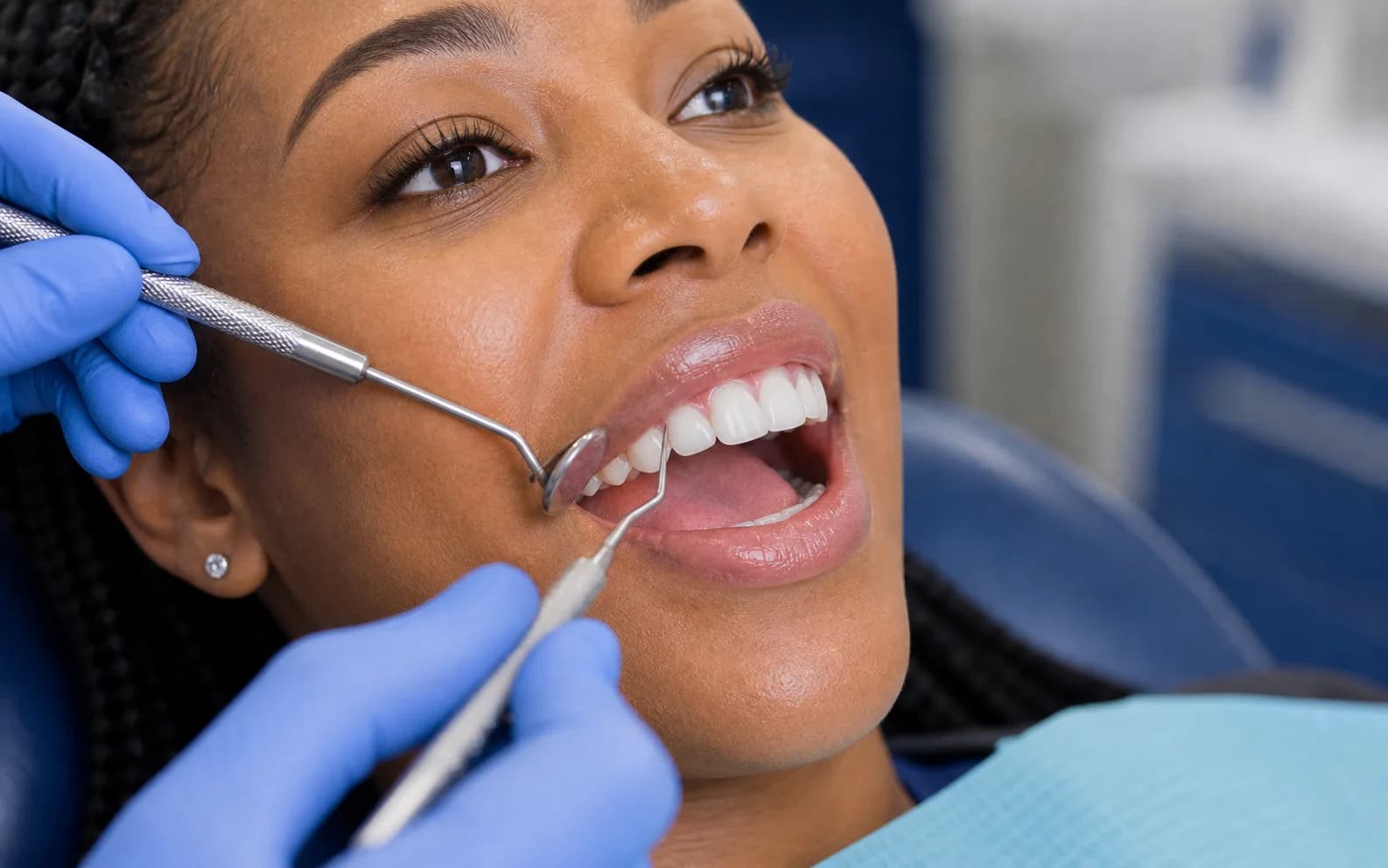
The dentist will ask about timing and triggers, examine the teeth and gums, and check restorations. Bite tests, gentle tapping, temperature tests, gum measurements, or an X-ray may be used where clinically appropriate. No single test should be interpreted without the rest of the findings.
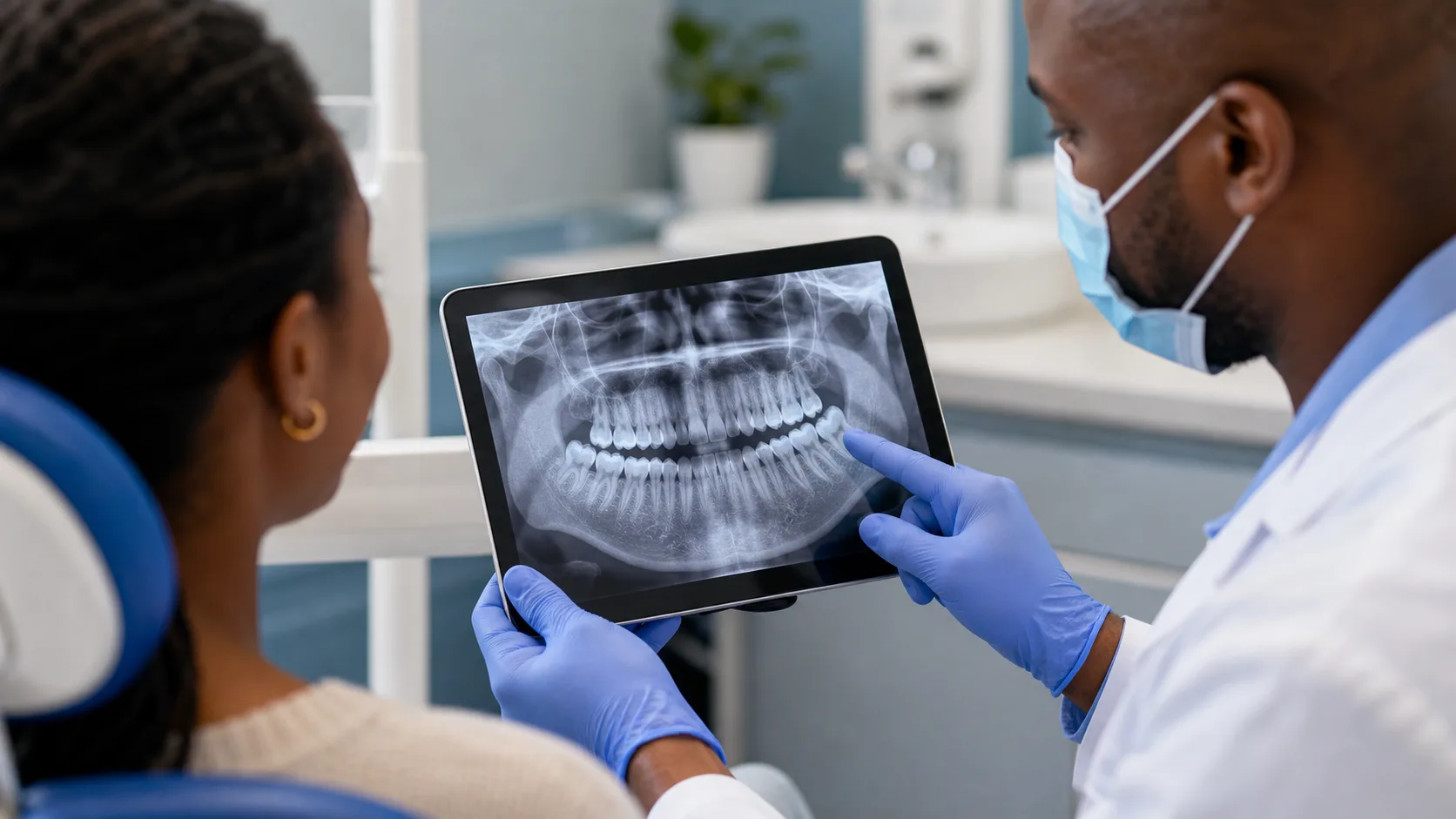
An X-ray may show decay, changes around a root, bone support, or a restoration problem that is not visible from the surface. A normal-looking image does not explain every crack or pain pattern, so the clinical examination still matters.
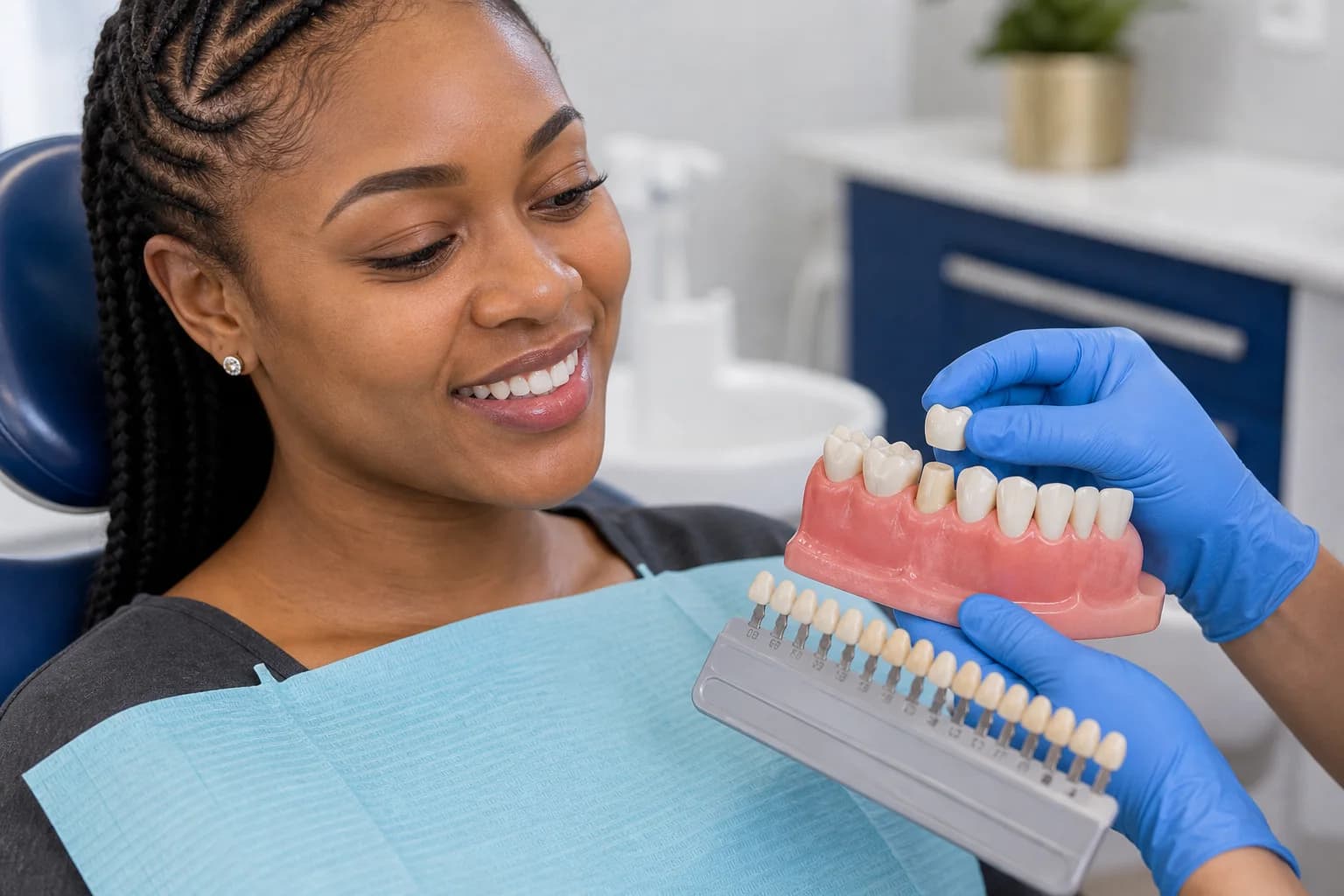
Treatment depends on the diagnosis. Options may include preventive care, a filling, repair of a damaged restoration, root canal treatment, gum care, bite protection, extraction planning, or monitoring. The dentist should explain why an option fits the findings.
Know when the problem is urgent
Repeated pain should be assessed, but certain signs need faster action. Facial or jaw swelling, fever, pus or a bad taste, worsening difficulty opening the mouth, and severe pain that cannot be controlled can be associated with an urgent dental problem.
Difficulty breathing, swallowing, or speaking, swelling around the eye, or extensive mouth or neck swelling can indicate a medical emergency. Seek emergency medical help rather than waiting for a routine dental appointment.
When you call, describe the symptoms rather than asking only for the next available cleaning. Say how long the pain has lasted, whether swelling is present, what you can eat and drink, and whether sleep is being disrupted. That information supports appropriate triage.
- Facial, jaw, mouth, or neck swelling
- Fever, pus, or a persistent bad taste
- Severe pain that is worsening or difficult to control
- Difficulty opening the mouth
- Difficulty breathing, swallowing, or speaking
What you can do while waiting for the appointment
Use gentle brushing and keep the area as clean as comfort allows. Choose softer foods and avoid very hot, cold, or sugary items if they trigger pain. Chew on the other side when biting pressure makes the tooth worse.
Use only pain medicine that is appropriate for you and follow the label or advice from a qualified healthcare professional. Health conditions, allergies, pregnancy, and other medicines can affect what is safe. Do not exceed the recommended dose or use leftover antibiotics.
Temporary relief does not replace diagnosis. Heat, clove products, numbing gels, or home remedies can irritate tissues or mask symptoms without addressing decay, a crack, or infection. Keep the appointment even if the pain is quieter that morning.
Why treatment may involve more than pain relief
The immediate goal is to identify and control the source, not only to silence the symptom for one night. Pain medicine can make an episode more manageable, but it cannot remove decay, seal a crack, correct a failed filling, clean an infected root canal system, or resolve every gum problem.
Sometimes the first visit provides a diagnosis and temporary stabilisation while definitive treatment is arranged. A temporary filling, bite adjustment, drainage, or medication may be appropriate in selected situations, but the dentist should explain what still needs to happen and when.
If the tooth can be restored, the final plan may include a filling, root canal treatment, or a stronger restoration. If it cannot be predictably restored, extraction and replacement choices may be discussed. Those decisions depend on the remaining tooth structure, gum and bone support, symptoms, imaging, and your health history.
Questions to ask once the cause is clearer
Ask which finding best explains the night-time pattern and whether the diagnosis is confirmed or still provisional. It is reasonable to ask what the proposed treatment is intended to achieve, what alternatives are suitable, and what could happen if care is delayed.
Clarify whether treatment can be completed at the same visit, whether another appointment or referral is expected, and how the tooth will be protected between stages. If a temporary restoration is placed, ask what foods to avoid and what symptoms should bring you back sooner.
Before leaving, make sure you understand the review point. A quiet tooth after temporary care is not always a finished tooth. The follow-up confirms whether symptoms have resolved and whether the final restoration or longer-term protection is complete.
Also confirm whom to contact if the pain changes after hours and which warning signs require urgent reassessment.
- What finding is causing the pain?
- Is the diagnosis confirmed, or are more tests needed?
- What does the recommended treatment achieve?
- Will treatment require more than one visit?
- Which symptoms mean I should return sooner?
Bring a short pain diary to the visit
Record two or three episodes: the time, trigger, intensity, exact area, duration, and anything that relieved it. Note morning jaw tension, recent dental work, a hard-food incident, or a filling that feels different. A clear pattern can shorten the diagnostic conversation.
If swelling appears and later reduces, take a clear photograph for your own clinical history. Do not delay urgent care to collect more evidence. The photograph simply helps when a changing symptom is not visible at the appointment.
The key decision is not whether the tooth hurts every minute. It is whether a recurring symptom has a cause that needs treatment or monitoring. A dental assessment gives you that answer before the next night-time episode becomes more difficult.
Internal Links
Related dental care
Sources
Useful information

Written by
Dr. Kholofelo Machaba-SelatoleChief Dentist & Practice Director
Dr. Kholofelo Machaba-Selatole leads Smile On Dental & Aesthetic Studio with a warm, patient-focused approach to family, restorative, cosmetic, and orthodontic care.
View Profile