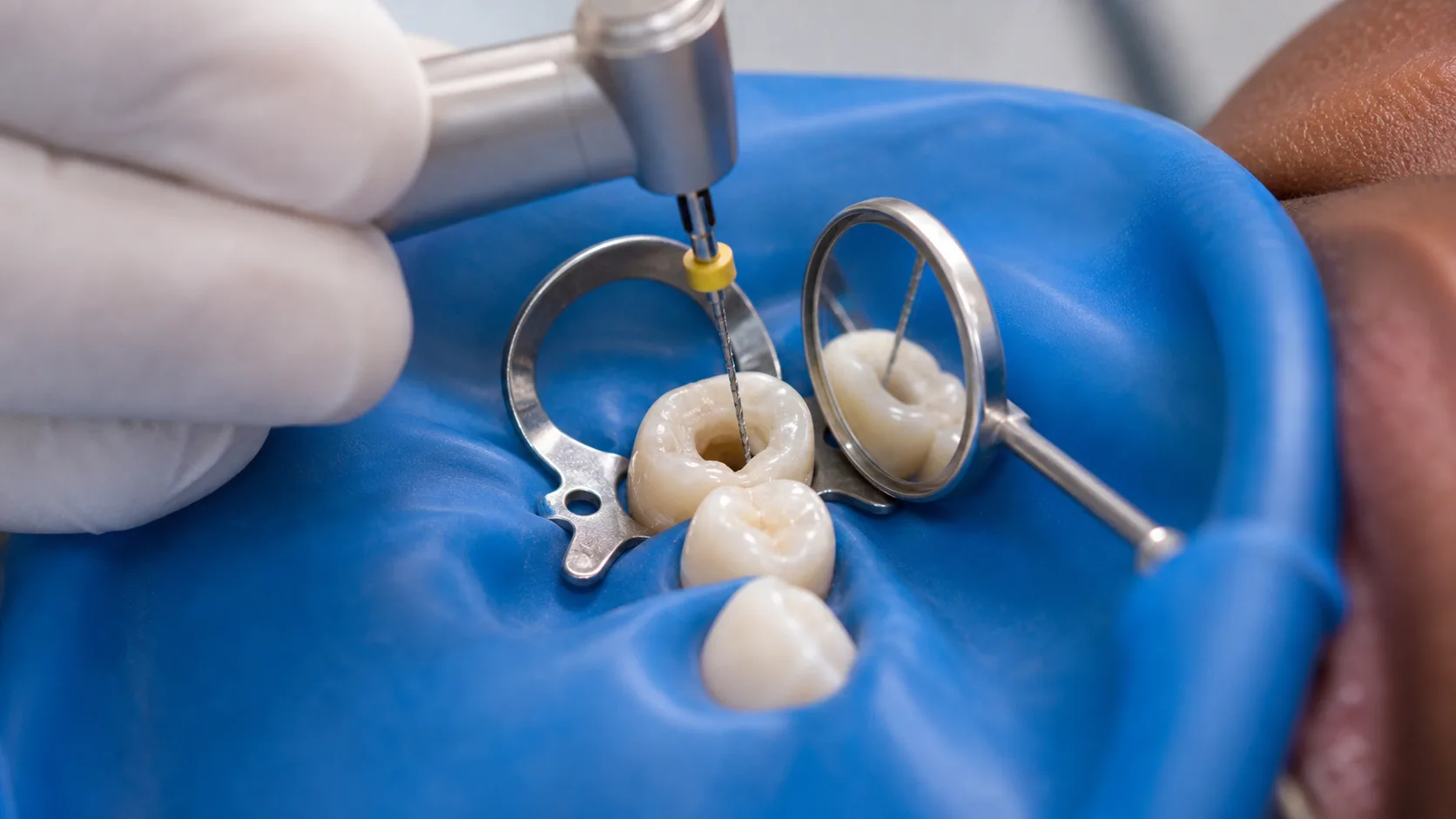
First Step
Consultation
The dentist checks your concern and confirms whether this treatment is suitable before care begins.
Surgical & Emergency Dentistry
Book Dental Abscess Treatment with Smile On Dental. Start with an assessment, understand your options, and get clear next steps before treatment begins.

Quick Summary
First Step
The dentist checks your concern and confirms whether this treatment is suitable before care begins.
Best For
Suitability depends on oral health, symptoms, goals, and clinical findings.
Planning
Timing, visits, cost factors, and aftercare are explained after the assessment.
Branch Access
Use the location section to choose the branch that is easiest for you to attend consistently.
Overview
Treatment Introduction
Dental abscess treatment begins with urgent assessment because swelling, infection signs, severe pain, or a gum boil may need prompt diagnosis, X-rays, pain relief planning, drainage, root canal treatment, extraction planning, or referral depending on the case.
Decision Support
Smile On Dental uses the visit to understand your symptoms, goals, oral health, and expectations before recommending a suitable treatment plan.
Visual Guide
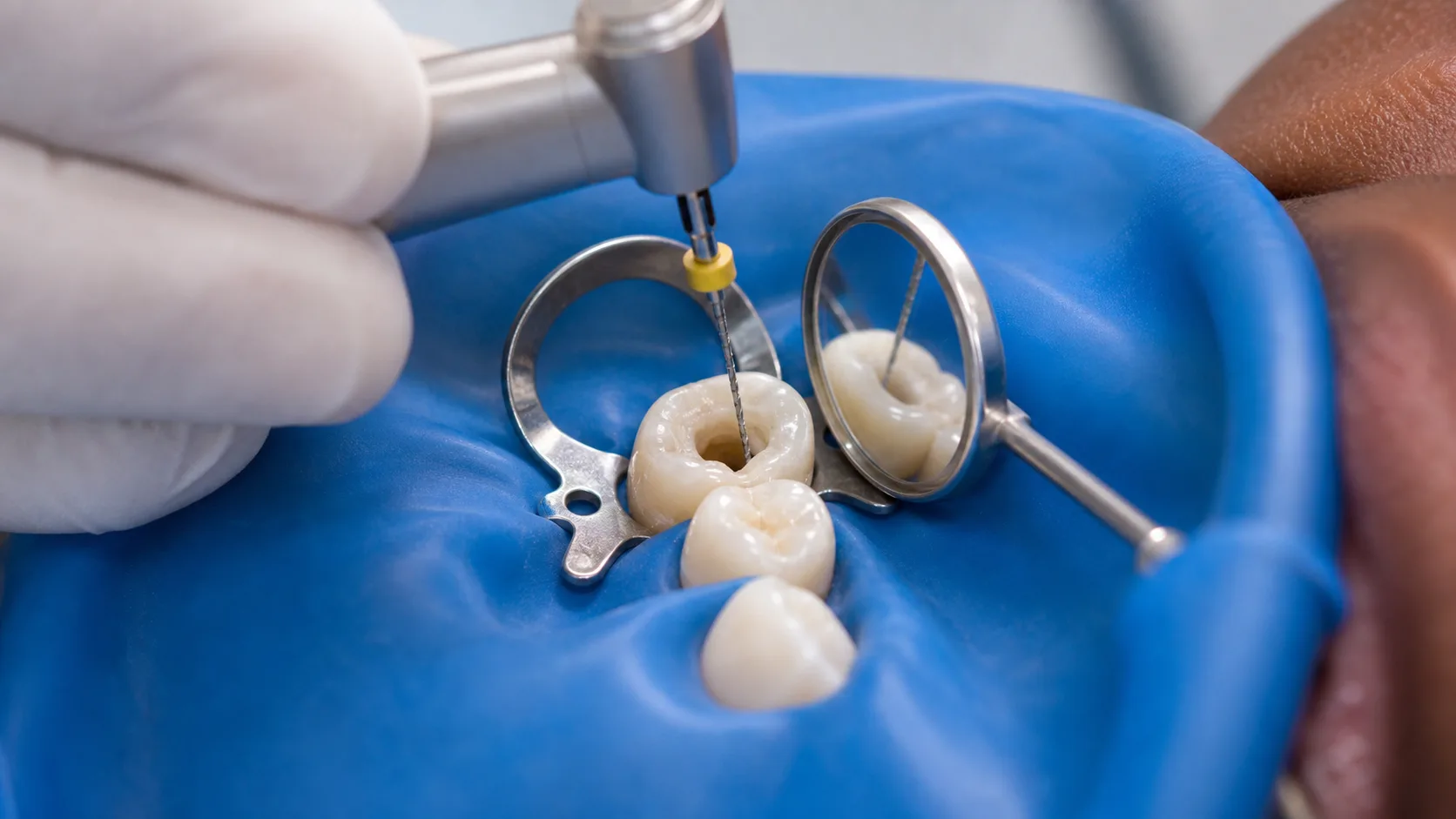




Treatment Guide
A dental abscess can involve infection around a tooth or gum, so swelling and severe pain should be assessed promptly.
Patients may describe a gum boil, pus, bad taste, throbbing pain, swelling near a tooth, swelling in the jaw or face, pain that wakes them, or a tooth that feels high when biting. These symptoms can be linked to deep decay, a cracked tooth, gum infection, trauma, wisdom tooth inflammation, or infection around a root.
Smile On Dental can assess the area and explain the safest next step. Dental infection symptoms should not be treated as a routine toothache if swelling is spreading, fever is present, swallowing is difficult, breathing is affected, or the patient feels generally unwell. Those warning signs may need urgent medical attention.
Book urgently for
Abscess treatment starts with finding the source of infection or inflammation rather than guessing from pain alone.
The dentist may ask when symptoms started, whether swelling is spreading, whether there is fever, what medication has been used, and whether the tooth has had previous fillings, crowns, trauma, or root canal treatment. Medical history matters because infection risk, healing, allergies, pregnancy, and medication interactions can affect the plan.
The examination checks the tooth, gums, bite, soft tissues, and surrounding area. X-rays may be needed to look for deep decay, infection around the root, bone changes, a cracked tooth, or wisdom tooth-related problems. Once the cause is clearer, the dentist can explain what care is appropriate.
Assessment may include

The first visit may focus on reducing risk, improving comfort, and planning definitive treatment.
Depending on the diagnosis, immediate care may involve drainage where appropriate, opening and dressing a tooth, smoothing or stabilising a broken area, medication guidance, or arranging the correct follow-up. Antibiotics alone do not usually solve the dental cause if the source remains untreated, so the dentist should explain the definitive plan.
Some cases can move straight into treatment, while others need staged care. The dentist may need to control infection risk, confirm whether the tooth is restorable, or plan a longer appointment for root canal treatment or extraction. Clear instructions are important because abscess symptoms can change quickly.
The first visit may cover
Definitive treatment depends on whether the tooth can be predictably saved and restored.
If infection is coming from inside a restorable tooth, root canal treatment may be discussed. The goal is to clean the infected canal system and then restore the tooth properly so it can function. If the tooth is badly broken, unsupported, or not restorable, extraction may be the safer option.
Some cases may need referral, especially when swelling is spreading, surgical complexity is higher, medical risk is present, or symptoms suggest care beyond a routine dental appointment. A responsible plan makes those boundaries clear instead of trying to manage everything in one setting.
Treatment pathways
Aftercare needs to be specific because abscess symptoms can involve infection, pain, swelling, and follow-up treatment.
The dentist will explain eating, cleaning, medication use where relevant, and whether another appointment is required. If a tooth has been opened, dressed, extracted, drained, or temporarily restored, follow the instructions closely and avoid delaying the completion visit because symptoms may settle before the cause is fully resolved.
Seek urgent help if swelling spreads, breathing or swallowing becomes difficult, fever develops, pain rapidly worsens, bleeding is uncontrolled, or you feel generally unwell. Dental guidance should never delay emergency medical care when infection signs suggest a wider health risk.
Watch carefully for

Dental abscess treatment costs depend on diagnosis, imaging, urgency, and the treatment needed to remove the cause.
Costs can vary because an abscess assessment may lead to X-rays, emergency stabilisation, medication guidance, drainage, root canal treatment, extraction, crown planning, review visits, or referral. The correct estimate depends on what is causing the swelling or infection signs.
Smile On Dental helps patients move from uncertainty to a clearer plan. The useful goal is not only short-term relief, but resolving the source where possible and explaining how to protect the mouth afterwards. If swelling or severe pain is present, booking an assessment promptly is the right starting point.
Takeaway
Who It Helps
Treatment Journey
Often starts as an urgent assessment, with definitive treatment or review planned once the cause is confirmed.
You may come in because of swelling, a gum boil, pus, bad taste, severe toothache, throbbing pain, fever concerns, or pain that seems to be spreading.
The dentist will ask when it started, what makes it better or worse, whether there is pain or sensitivity, and what you want the visit to help you solve.
What this first step covers
Before treatment starts, the dentist confirms what is actually going on.
The dentist asks about the swelling, pain pattern, medical history, medication use, and warning signs, then checks the tooth, gums, bite, and surrounding area. X-rays may be needed to locate infection around the root or bone.
The dentist may then explain options such as Urgent stabilisation and infection-risk guidance, Root canal treatment where the tooth can be saved, Extraction, drainage, referral, or medical escalation where clinically needed, depending on what the examination shows.
What may be checked
Some treatments are completed in one appointment, while others need a separate visit.
The first visit focuses on identifying whether the symptoms are dental, how urgent they are, and what treatment path is safest. Some patients need immediate dental care; others need a staged plan after infection risk and pain are addressed.
A second visit may be needed for root canal completion, extraction, drainage review, crown planning, or to check that infection symptoms are resolving.
What you should know before leaving
The journey should end with you knowing how to protect the result.
Follow-up is common because abscess symptoms often need definitive treatment after the first assessment. The dentist may review healing, complete root canal treatment, plan extraction, or confirm that swelling has settled.
You receive clear instructions about medication use where relevant, eating, cleaning, what to avoid, and warning signs such as spreading swelling, fever, difficulty swallowing, or difficulty breathing.
Your home-care plan
Benefits
Suitability
Surgical & Emergency Dentistry
Pain, swelling, infection, trauma, or removal planning should start with diagnosis so the dentist can explain the safest next step and aftercare.
Suitability
The dentist considers symptoms, oral health, bite, medical history, expectations, and maintenance before recommending dental abscess treatment.
Costs
Cost discussions are most useful after diagnosis because materials, complexity, visit count, and follow-up needs vary from patient to patient.
Appointment
Your dentist reviews your concern, oral health, and treatment goals before recommending next steps.
The team explains the likely process, timing, and care options in straightforward language.
Your treatment plan is shaped around comfort, function, appearance, and long-term oral health.
Costs & Aftercare
Before You Book
Mention whether you are booking for dental abscess, pain, appearance, function, prevention, or a second opinion.
At the Visit
Ask about diagnosis, options, number of visits, comfort, maintenance, and what could happen if treatment is delayed.
Aftercare
Your dentist will explain home care, review visits, and any symptoms that should be reported after treatment.
FAQs
The best starting point is a consultation. Your dentist will assess your teeth, gums, bite, symptoms, concerns, and smile goals before recommending a personalised treatment plan.
Yes. Use the Book an Appointment button to open the booking site and choose a convenient appointment time. You can also request a callback if you would prefer the practice team to contact you first.
Yes. You can request a callback if you prefer the practice team to contact you before booking. This can be helpful when you are unsure whether you need a routine visit, cosmetic consultation, orthodontic assessment, or urgent support.
Yes. Costs depend on the diagnosis, treatment complexity, materials, and number of visits required. Your dentist can explain the recommended next step before treatment begins.
Bring your identification, medical history, current medication details, previous dental information if available, and any questions you want to discuss with the dentist.
Book an assessment so the dentist can diagnose the cause before you choose a treatment. Pain or swelling may need urgent attention, X-rays, restorative care, or another clinical next step.
Related Treatments
Helpful Articles
 Dental CareI Have a Swollen Face and Tooth Pain. How Urgent Is a Dental Assessment?11 min read
 Dental CareMy Tooth Only Hurts at Night and Feels Better in the Morning. Should I Still See a Dentist?11 min read
 Dental CareI Have Severe Toothache but Cannot See a Hole. What Could the Dentist Check?11 min read
Locations
City Treatment Pages
Clinical Leadership

Dr. Kholofelo Machaba-Selatole leads Smile On Dental & Aesthetic Studio with a warm, patient-focused approach to family, restorative, cosmetic, and orthodontic care.
60+ five-star patient reviews across Pretoria and Polokwane.
"Customer care is superb, very friendly front desk staff. I'm happy to have gained my confidence back."

Polokwane
"From reception right into the doctor's consultation room it was all smiley faces that welcomed us."

Polokwane
"The best dental service I have seen in Pretoria, cannot wait for my next appointment."

Pretoria
"Customer care is superb, very friendly front desk staff. I'm happy to have gained my confidence back."
Polokwane
"From reception right into the doctor's consultation room it was all smiley faces that welcomed us."
Polokwane
"The best dental service I have seen in Pretoria, cannot wait for my next appointment."
Pretoria
Book a Consultation